
When the savanna burns, where do cheetahs go?
-
- by Stijn Verschueren September 14, 2026
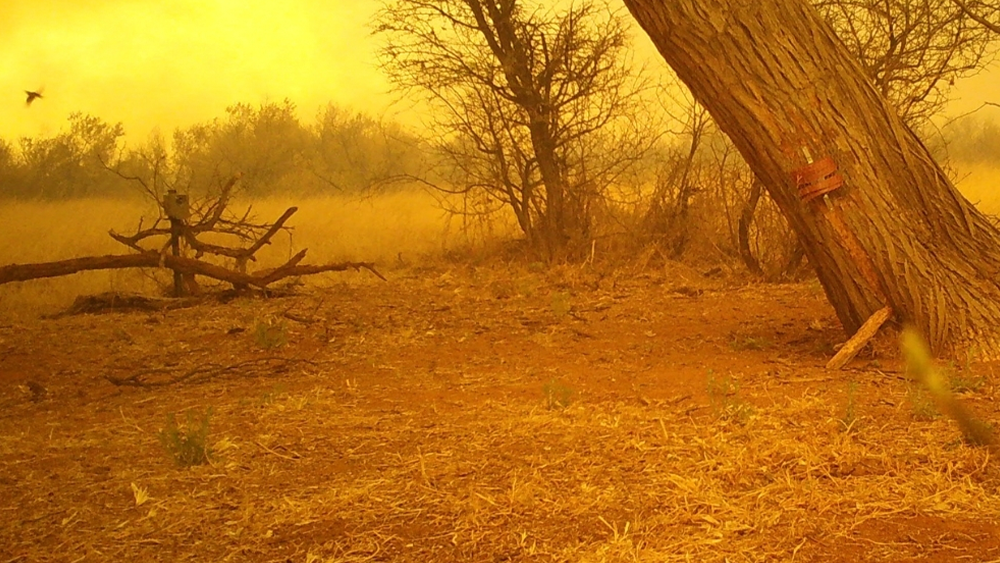
New Cheetah Conservation Fund research documents how a Namibian wildfire reshapes the savanna mammal community and what it means for cheetah conservation.
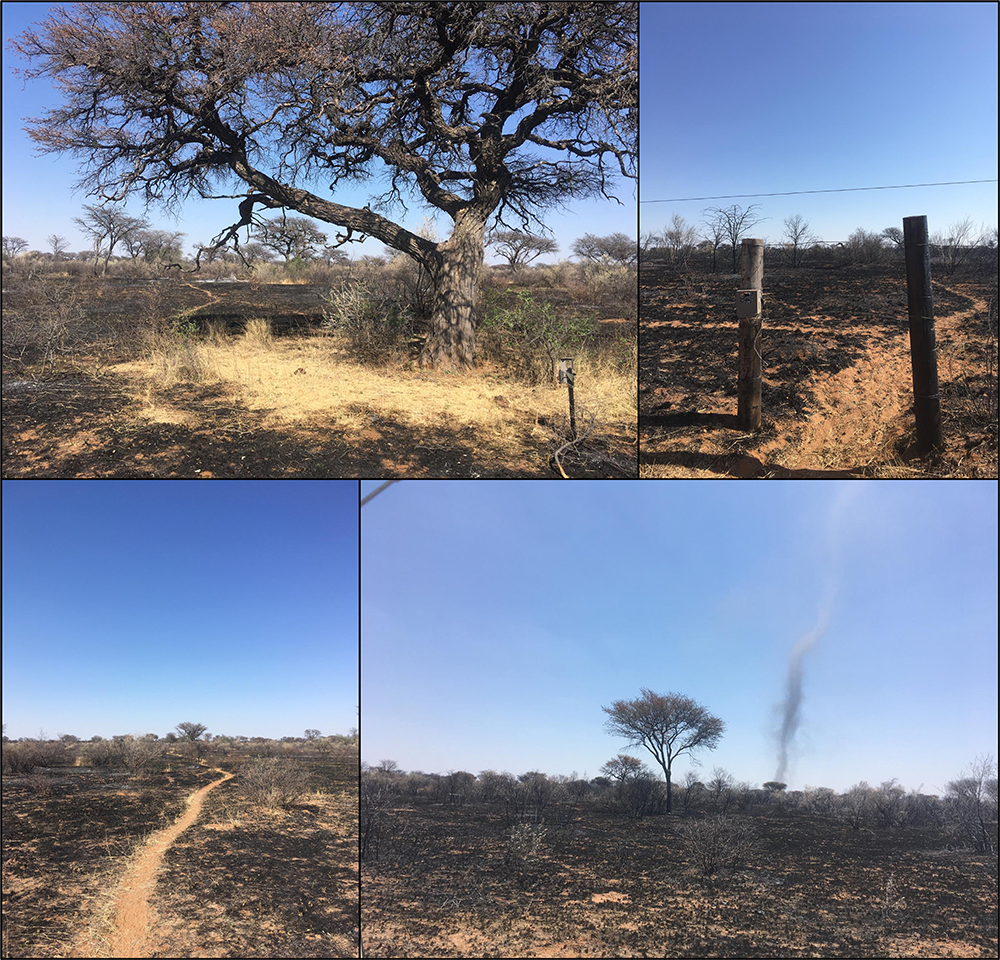
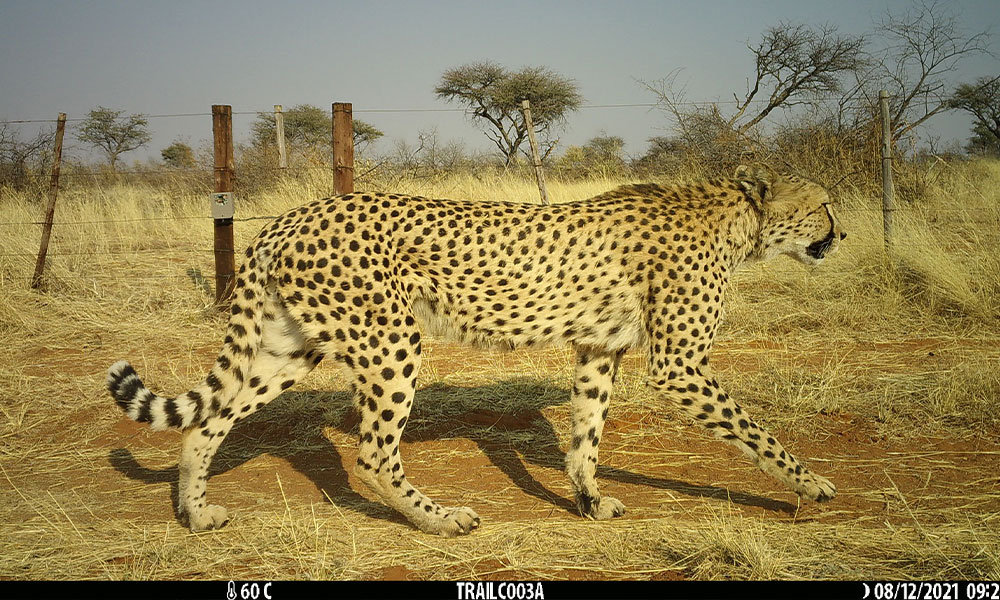
In October 2021, a wildfire swept across 650 km2 of savanna in Namibia’s Omaheke region, burning straight through the middle of a Cheetah Conservation Fund (CCF) camera trap study. What began as a study of the carnivore community became a rare natural experiment to document almost in real time how an entire savanna mammal community responds when its habitat goes up in smoke.
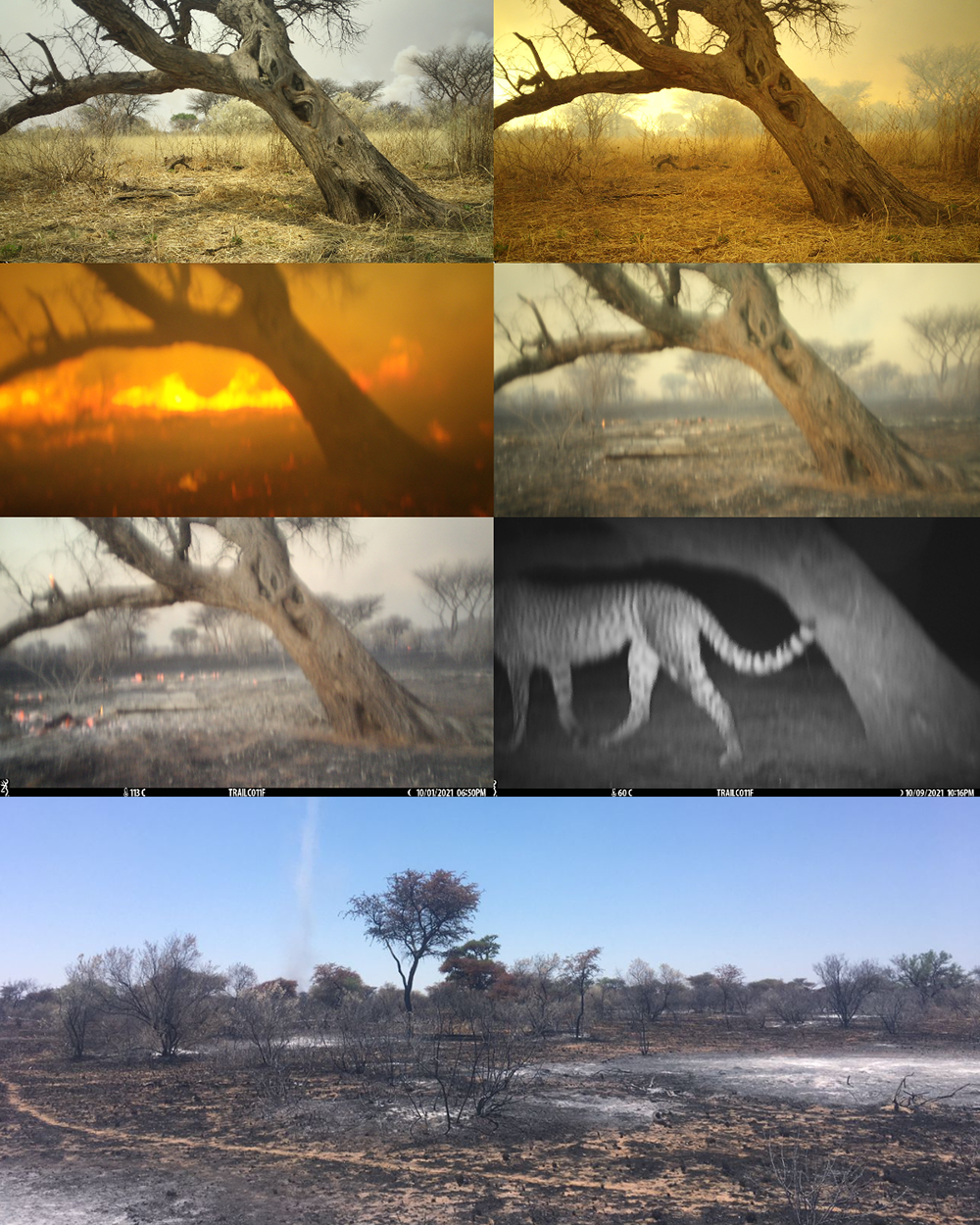
The results, now accepted for publication in the international ecology journal Oecologia, are striking. In the five months following the fire, savanna mammals progressively abandoned the landscape, both the fire-affected areas as the surrounding habitat. In other words, the fire drove a landscape-scale decline of savanna wildlife, hitting smaller, less mobile species hardest, but also grazers like oryx and eland as their forage disappeared.
Why this matters for cheetahs
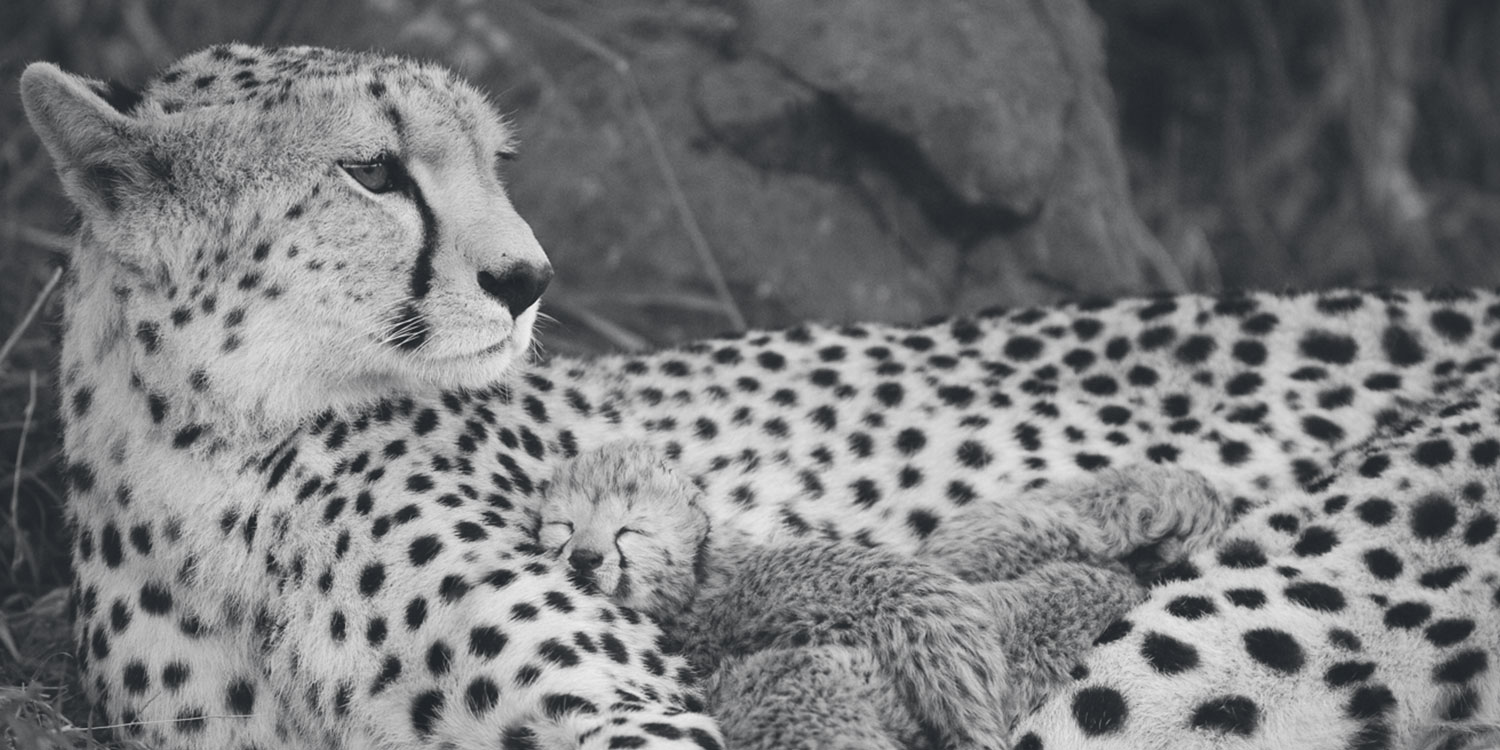
Cheetahs are savanna specialists. They evolved for the open grasslands and savannas, landscapes shaped and kept open by wildfires and other natural disturbances. Cheetahs range extremely widely and therefore depend on vast, connected habitats not only to find prey and avoid competitors, but also to find refuge when conditions deteriorate during droughts, disease outbreaks, and as here, after a wildfire.
Our research is timely as climate and land use change affect wildfire patterns globally. Wildfires are expected to become more frequent and more severe, and if fires strike large areas repeatedly with little time to recover in between, they steadily erode the habitat quality that the wildlife relies on. And when even the land surrounding a wildfire loses value, as our results show, refuge habitat shrinks far faster than a map of burned areas alone would suggest.
The conservation message is clear and consistent with everything CCF works toward: protecting large, well-connected landscapes that give wildlife the room to roam, and to recover. For a species that needs space above almost all else, safeguarding these large landscapes will help decide whether cheetahs thrive or merely hold on.
This study was supported by the Indianapolis Zoo Global Conservation Grant. It was conducted in partnership with the Namibian farming community, whose access made the research possible.
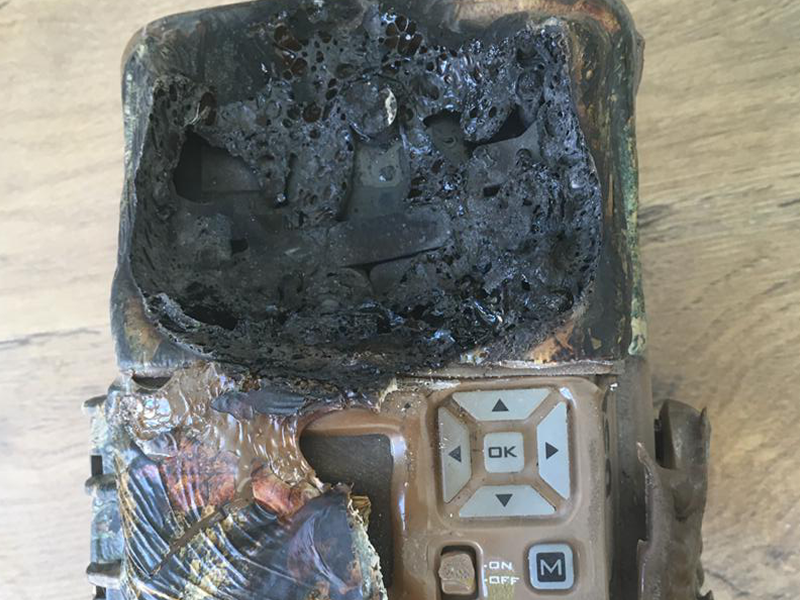
Fund Our Research
Accidents happen all the time, especially with remote camera traps. The field team can fix a lot but sometimes when things get burned, bitten, shredded or carried off into the savanna we need to buy replacements.
Related Reading
-
October 13, 2026
The Fall and Rise of the Cheetah