
Behind the Flow Cell: The Genetics Team’s Introduction to Nanopore Sequencing and Microbiome Characterization
-
- by Tinotenda Chipo Munjanga October 7, 2026
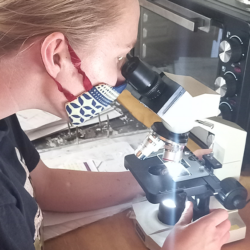
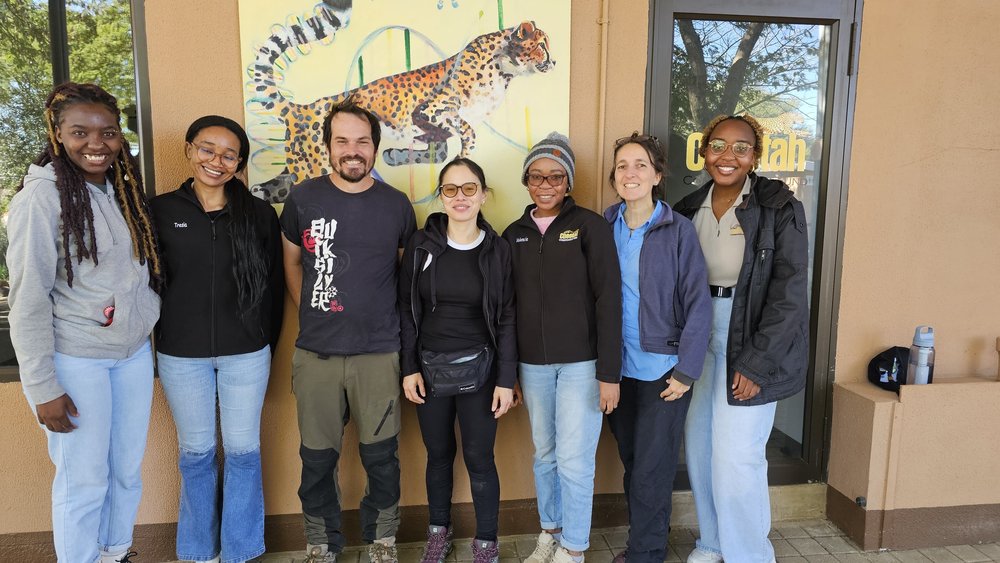
Advances in sequencing technologies have greatly reshaped how genetic information is generated and analysed, as well as how quickly information can be produced. In the past, conservation geneticists could spend weeks reading fragments of DNA. Today it is possible to accurately read millions of DNA fragments in just a few hours, all in a single sequencing run. In an effort to keep up with these rapidly developing technologies, we as Cheetah Conservation Fund (CCF)’s genetics team hosted parasitic plant specialist Professor Jeanmaire Molina from Pace University (NY, USA) and horticulturist Paul Rees from the Kew Botanical Gardens (London, UK) for a hands-on Nanopore sequencing workshop.
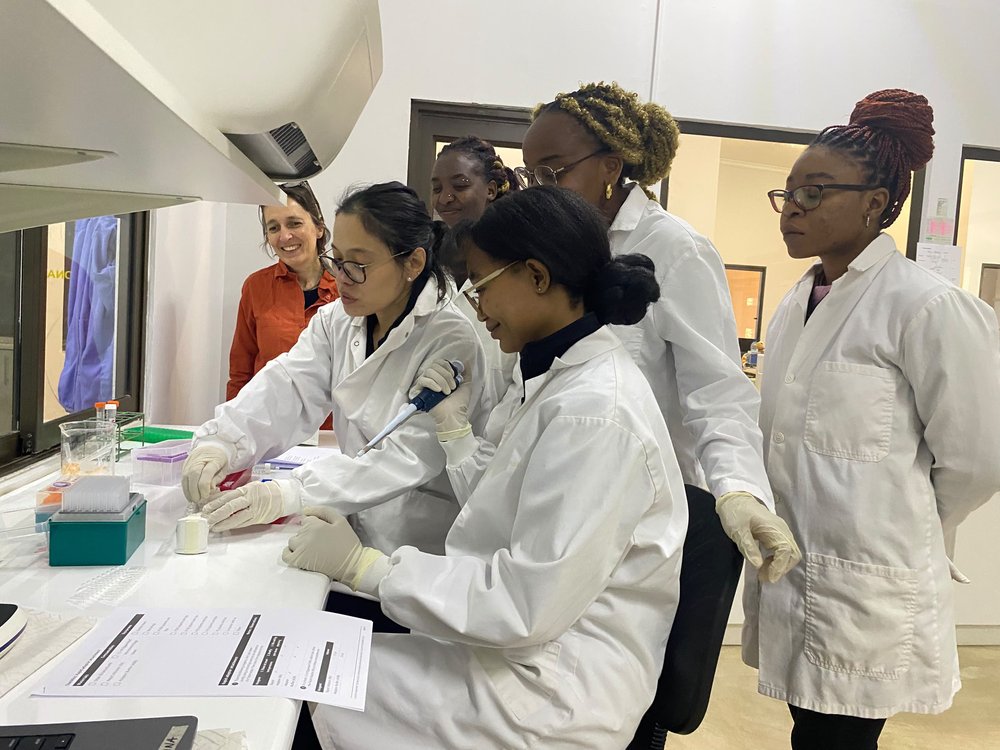
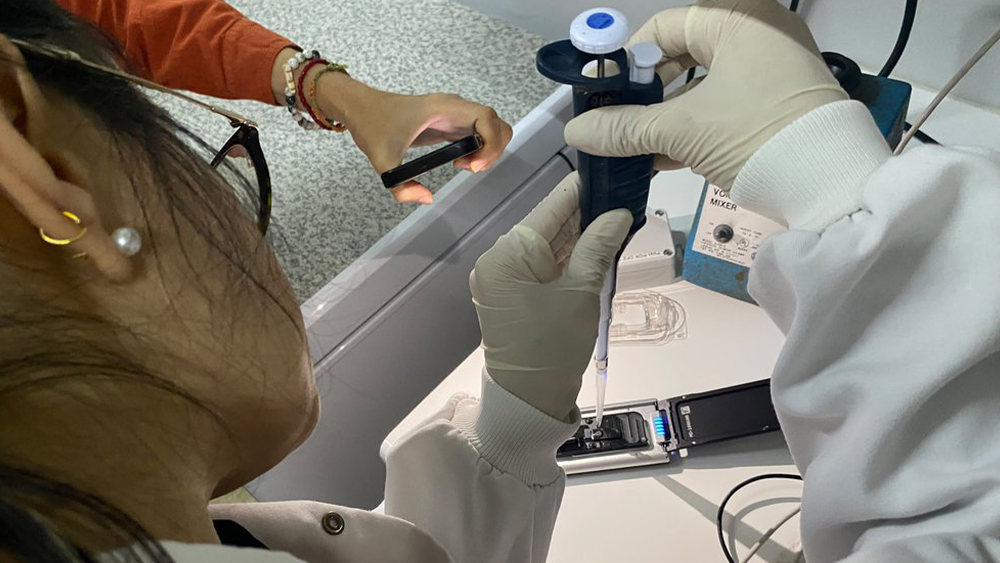
Nanopore sequencing allows researchers to generate real-time DNA reads as molecules pass through tiny pores using electric current. Through this training, we developed a better understanding of the principles behind Nanopore sequencing, including sample preparation, library construction, sequencing workflows, and basic data analysis. The workshop provided valuable insight into how portable, real-time sequencing can be applied to genetic research and biodiversity conservation.
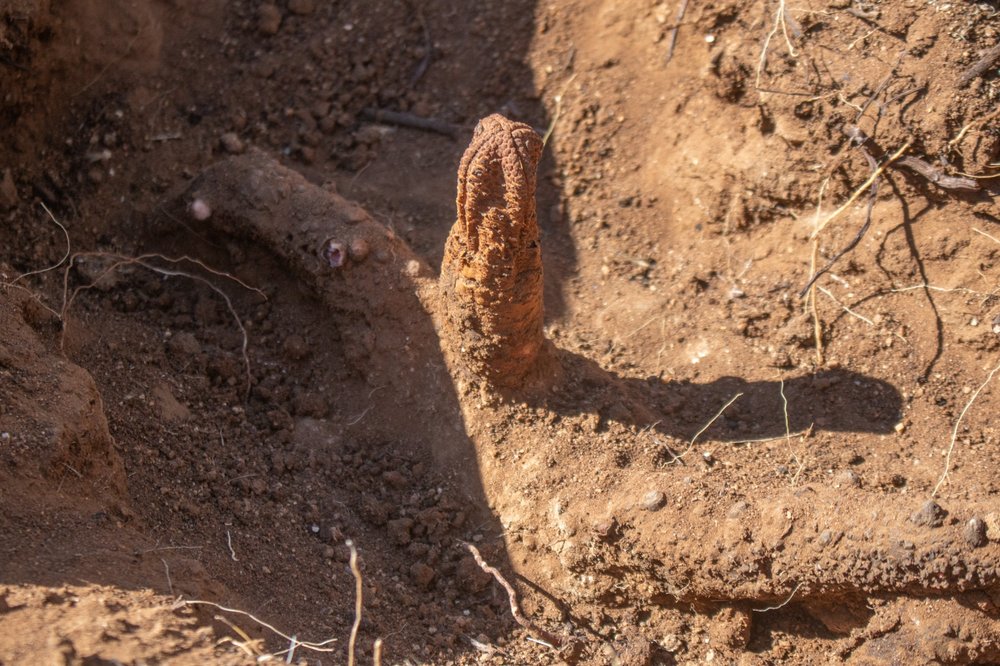
Professor Molina’s return to CCF, following the international ConGen2025 conference that CCF hosted in January 2025, was inspired by finding out about another parasitic plant called the Hydnora (Hydnora africana, commonly known as the Jakkalskos) which grows around the CCF centre. We collected some Hydnora plant samples at the time of the conference, as well as since then, so as to capture different stages of the growth cycle. We also helped her collect some more samples of the plant along with its fruit during this last visit. Additionally, Mr. Rees collected several samples that were planted at both the National Botanical Garden in Windhoek as well as the Kew Botanical Garden in London.
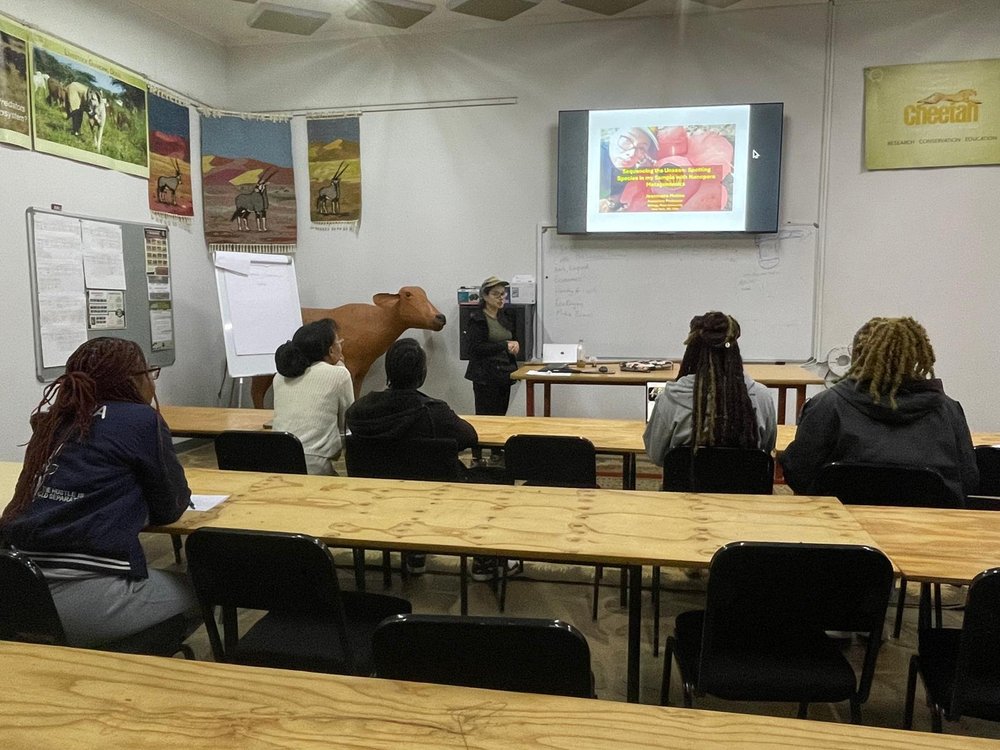
The workshop kicked off with an insightful presentation by Professor Molina, who introduced the principles of nanopore sequencing and its wide range of applications in modern genetic research. She also shared how she has used this technology in her study on the Rafflesia, a remarkable and rare parasitic plant that has shaped much of her research interest. Her presentation highlighted the unique biology and ecological importance of this extraordinary plant.
So, what do parasitic plants and cheetah scat samples have in common? Bacteria!
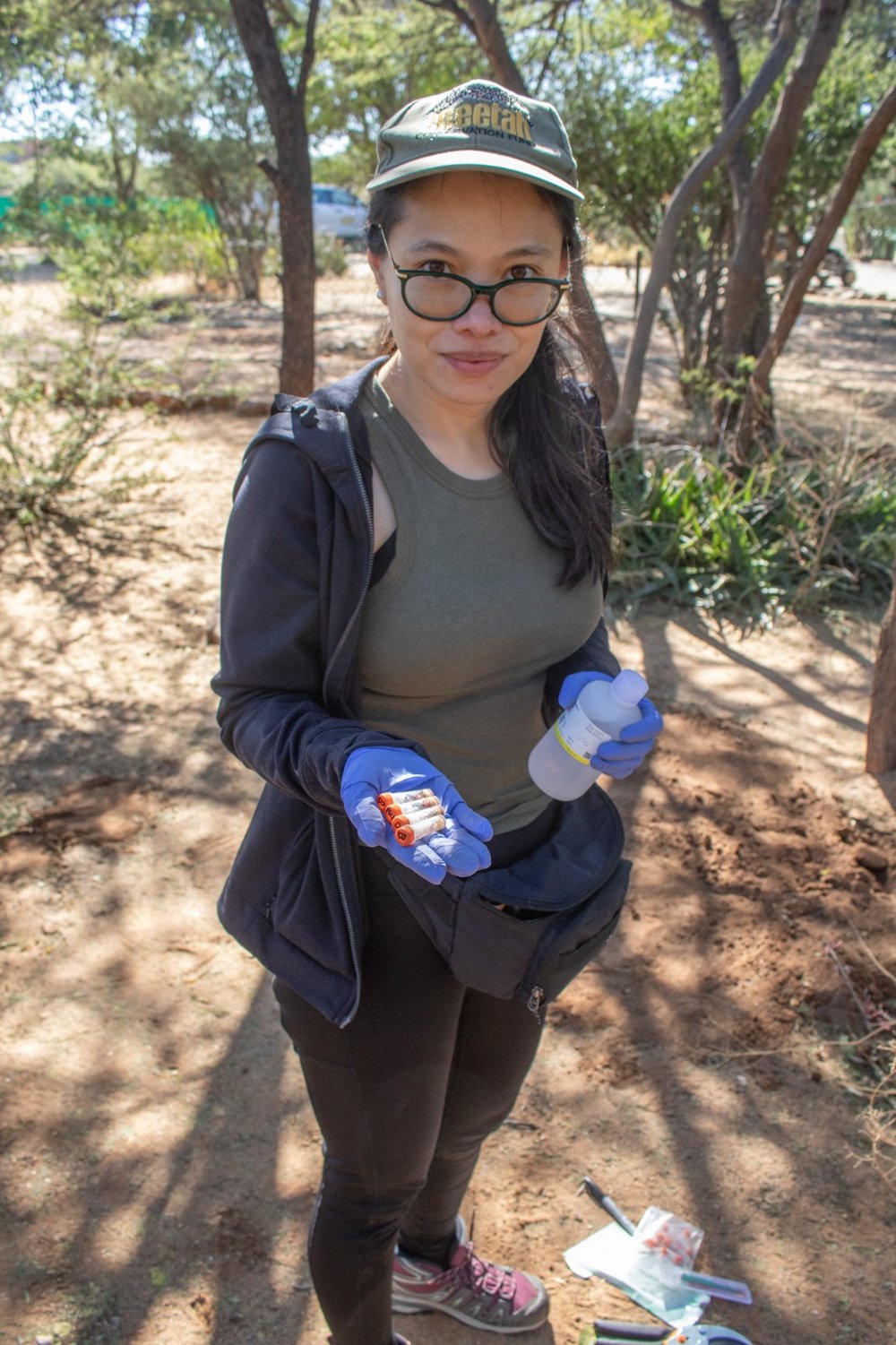
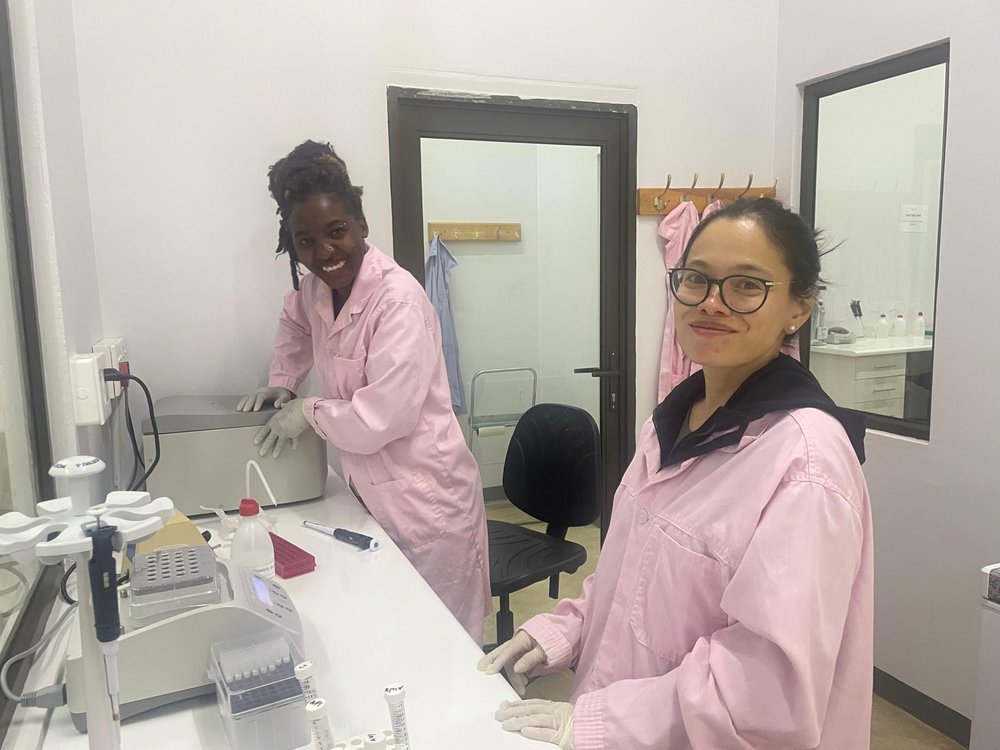
As part of the practical component of the workshop, we had the opportunity to identify microbes found in captive and wild cheetah scat samples using nanopore sequencing, while Professor Molina investigated the microbes found in Hydnora. Under her guidance, microbial DNA was extracted from both Hydnora and cheetah scat samples before being prepared and run for sequencing. We learned the key steps involved in preparing samples for nanopore sequencing, including DNA quantification, barcoding, adaptor ligation, and flow cell preparation. The EPI2ME platform was used to analyse nanopore sequencing data, which helped us gain a better understanding of how raw reads are processed into usable biological and microbiome results.
Overall, this workshop provided valuable practical experience in nanopore sequencing, and for this reason, we extend our sincerest gratitude to Professor Molina for her guidance, time, and willingness to share her expertise throughout the workshop. We are eager to use Nanopore technology in the future to generate valuable genetic information on our cheetahs, and hope that, with future support, a Nanopore sequencer will one day become a part of our laboratory.
Related Reading
-
September 14, 2026
When the savanna burns, where do cheetahs go?