
The Fall and Rise of the Cheetah
-
- by Anne Schmidt-Küntzel October 13, 2026
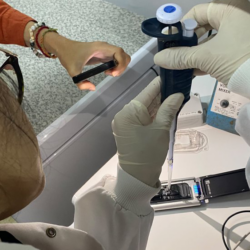
On any given day, the samples on my laboratory’s bench include cheetah scat from a Namibian farm, blood from a confiscated cub in Somaliland, and hair clippings collected from a livestock bitemark in a communal conservancy. Each one comes from a different part of CCF’s work and together they give us a complete picture of the cheetah’s challenges and how it can be saved in the wild.
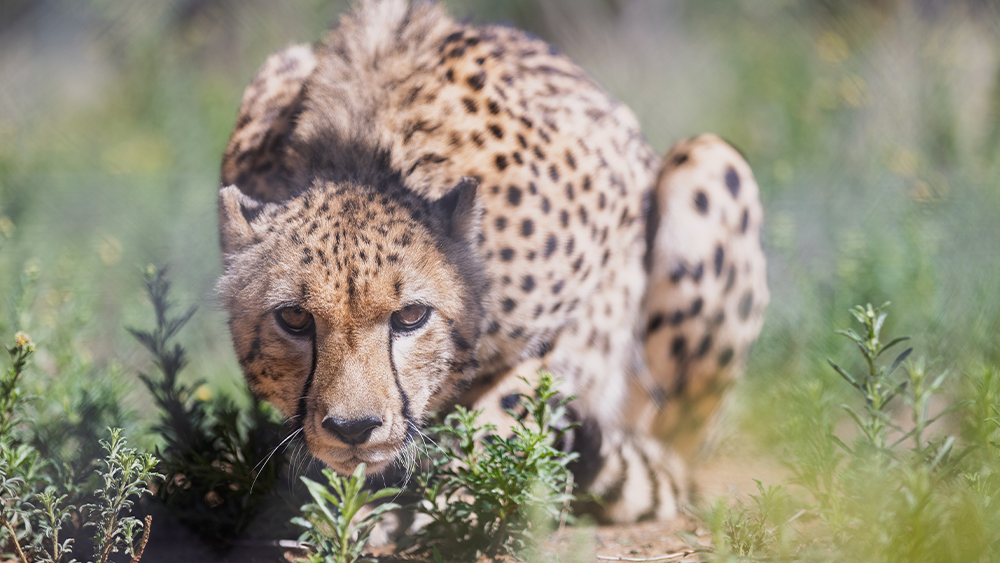
For years, we cited fewer than 7,500 cheetahs on roughly 9% of their historic range. That number is now fewer than 7,000. Cheetah populations are declining across their range due to habitat loss, prey depletion, human-wildlife conflict, and the illegal pet trade. At the same time, as our genetic sampling, camera trap surveys, and community partnerships reach areas that were never systematically studied, we are getting a more accurate picture of how much has already been lost. The same research that documents the decline also produces the tools for recovery.
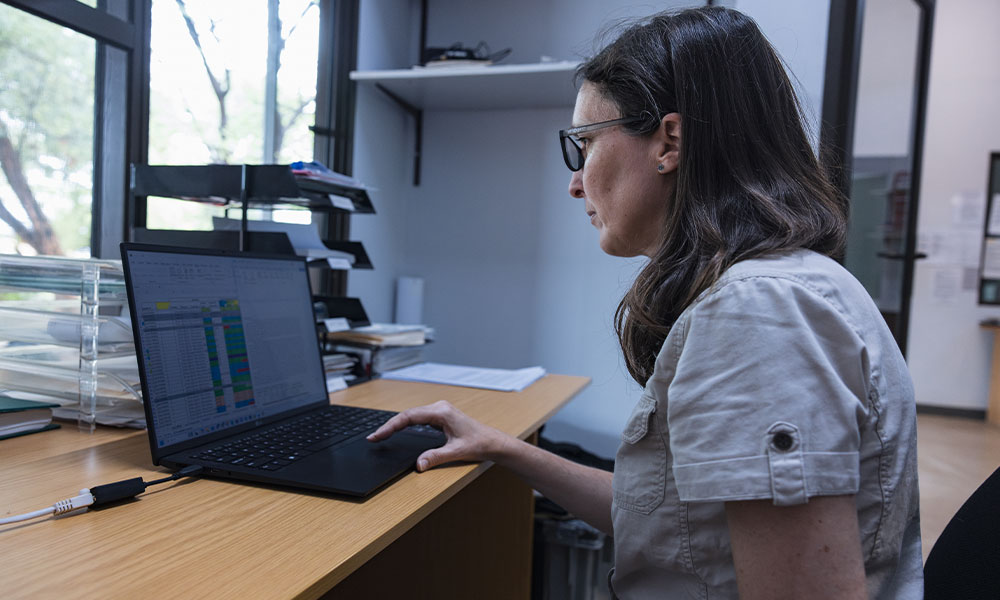
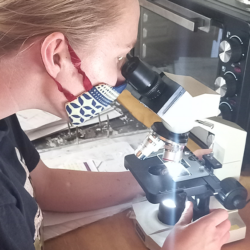
I set up CCF’s genetics laboratory in Otjiwarongo, Namibia and have run it for over two decades. It is the only in-situ genetics laboratory at a frontline conservation centre in Africa. We partner with universities and researchers from around the world, sharing our samples and laboratory access to maximize the scientific impact of the data we collect and reach the widest possible audience. Nearly every CCF program sends samples, data, or people through this laboratory and your support makes it possible.
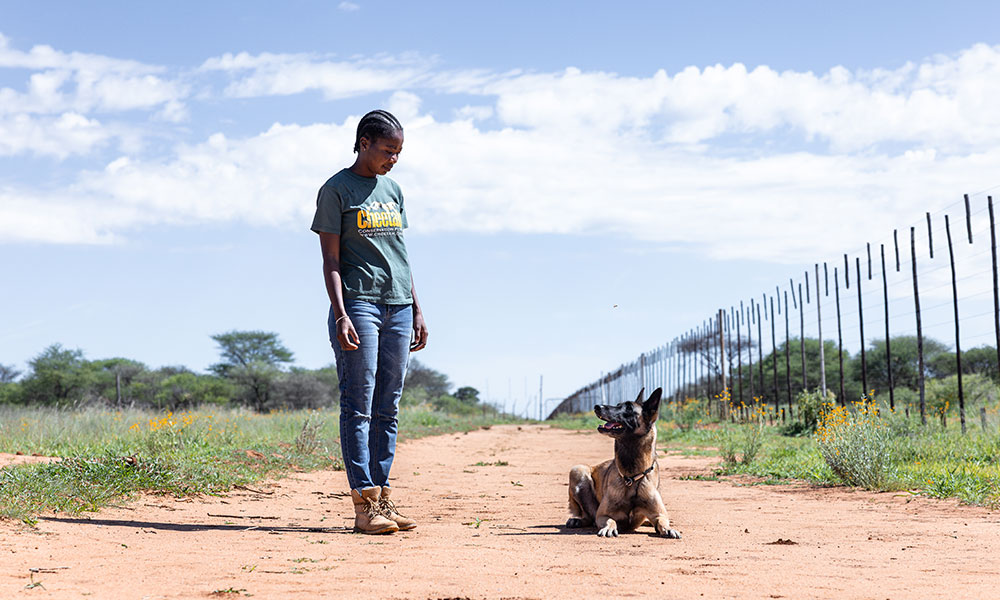
Genetics is one part of CCF’s holistic conservation strategy. From our laboratory, I see how every piece connects. Cheetahs are elusive and cannot simply be counted like you can count herds of antelope or elephants for instance. But, from a single scat sample, our laboratory can identify the individual animal, determine its sex, assess its diet, evaluate its health, and map how it connects to other populations. None of that requires capturing or disturbing the animal. Our scat detection dogs find samples that humans would walk past, covering over 100 kilometers of transects a year on CCF land alone and extending surveys across Namibia, and into Angola. A visiting MSc student from Wageningen University used our detection dogs to search 415 trees and collect 113 potential cheetah scat samples for genetic analysis.
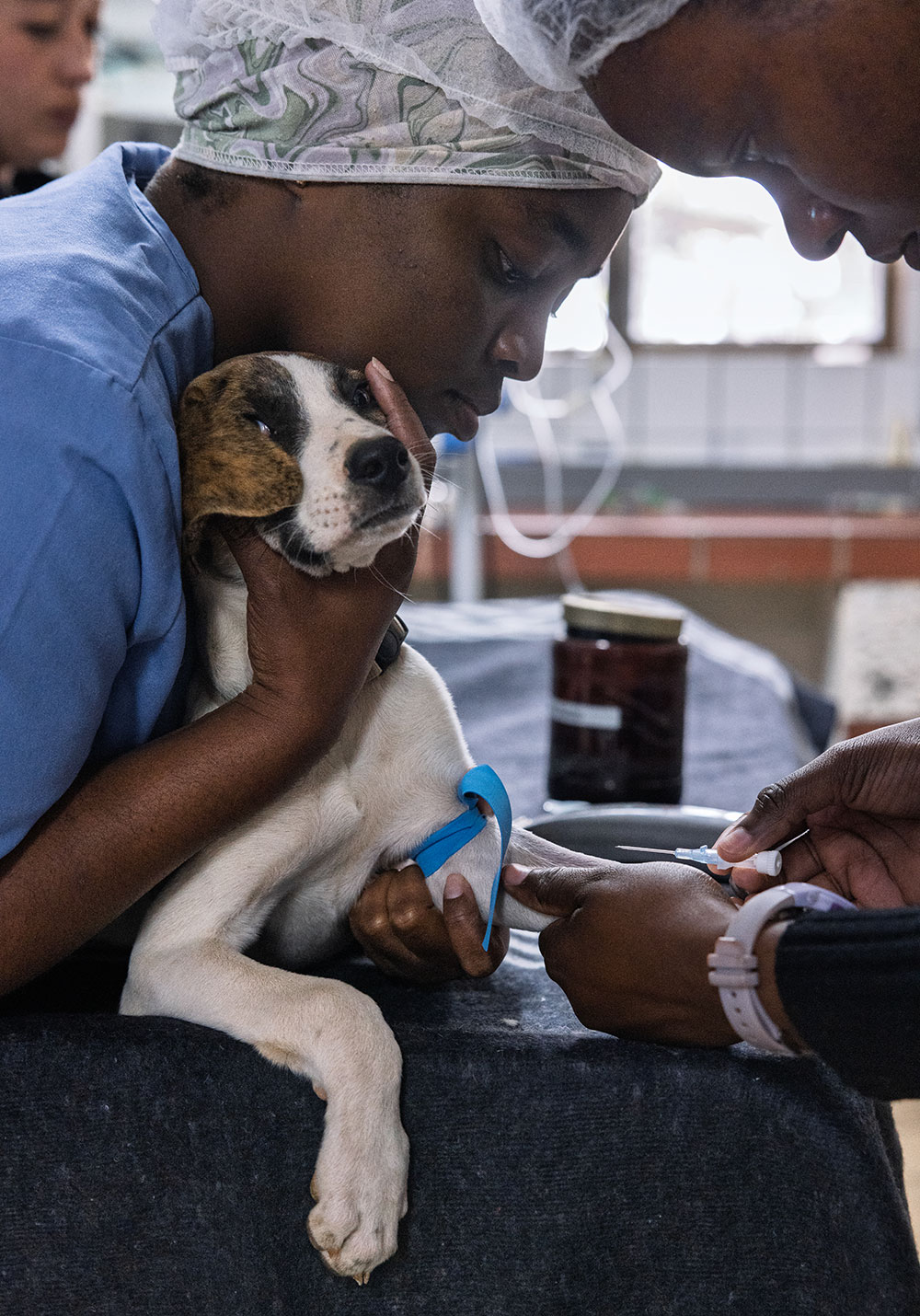
This year we hosted a Nanopore sequencing workshop to bring next-generation DNA technology into our laboratory. Next year we will apply this technology as well as real-time PCR to viral studies on feline coronavirus thanks to a grant we just received. My work also expands to our One Health Programme, which includes CCF’s rabies vaccination campaigns in the Greater Waterberg Landscape, where we vaccinated over 1,900 dogs and 520 cats this year so far. Rabies is a zoonotic disease that kills people, pets, livestock, and wildlife, and we are doing our best to help Namibia reach its zero human deaths by 2030 goal. Vaccinating community animals stops the spread at its source, protecting human health, animal health, and the ecosystems they share. A Cornell veterinary student spent eight weeks with us studying parasitic drug resistance in our model goat farm, producing updated deworming protocols we can share with local farmers. Healthier livestock herds mean less conflict with predators.
Farmers across Namibia’s communal areas believe jackals are responsible for most of their livestock losses. Policy and management decisions get made on those beliefs. New research which we collaborated on with our ecology team, recently published in Wildlife Research, found that jackals in communal farming areas prefer wild prey over smallstock. That matters because it shifts the conversation from killing predators to managing livestock better and increasing wild prey populations. The data gives farmers and governments something concrete to act on.
In Somaliland, the same methods are extending to places where cheetahs have never been systematically counted. Our field teams are deploying camera traps alongside genetic sampling in the Awdal region. Scat comes to our laboratory for analysis. To date all samples were assigned to other species, underlining the need for more funding, especially in the absence of our scat detection dogs. We wish we could take them to Somaliland! CCF’s rescue centre there cares for 125+ confiscated cheetahs that cannot be returned to the wild. These animals are not just rescues. Every genetic sample we take from a confiscated cub helps us trace where it was taken from, map the trafficking routes, and understand the genetic structure of wild populations we cannot yet access any other way. As soon as we find some wild cheetah samples, we will be able to map their origins.
The People Behind the Numbers
The population estimate I described above does not come from a single study. It is built from the combined work of researchers across CCF’s programs, and some of the most important contributions have come from scientists who started right here in our laboratory.
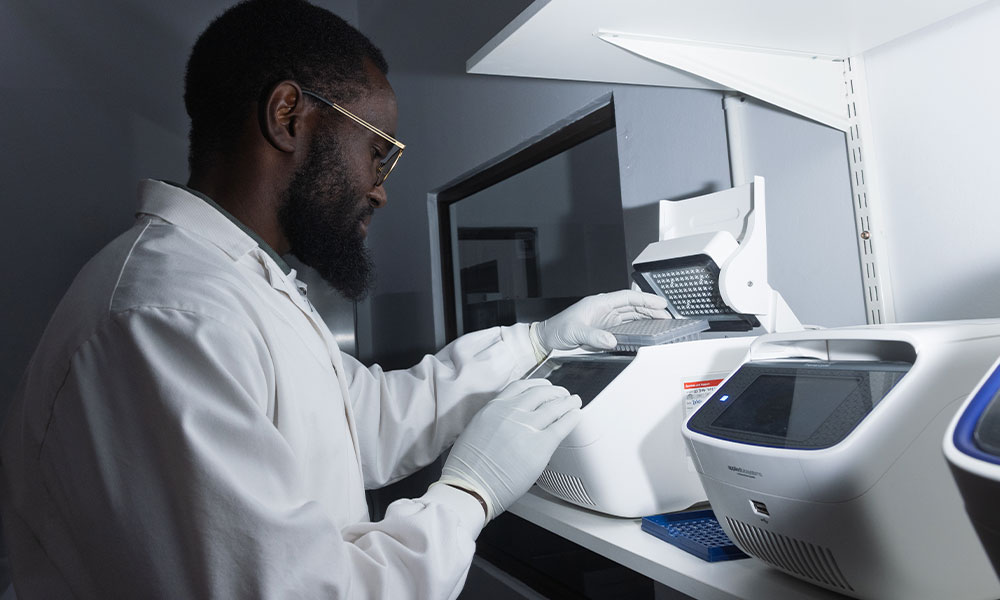
Hafeni Hamalwa started as an intern in our genetics laboratory. Today he is the Laboratory Manager at CCF, helping generate the genetic data that underpin our cheetah conservation research. He is a co-author on our 2023 study in Conservation Science and Practice that provided genetic evidence for uplisting the Northeast African cheetah to Endangered. Through his master’s research at the University of Namibia, later extended with support from the Rufford Foundation, Hafeni worked with mitochondrial and nuclear DNA to examine Kenyan cheetah genetics, with findings indicating Northeast African cheetah ancestry in that population. Today, he ensures that the laboratory runs smoothly to support our field research on human-wildlife conflict. That path from intern to Laboratory Manager reflects the importance of investing in internship opportunities and advanced scientific capacity building to advance CCF’s long-term research, and only happened because donors funded the laboratory, the training, and the research.
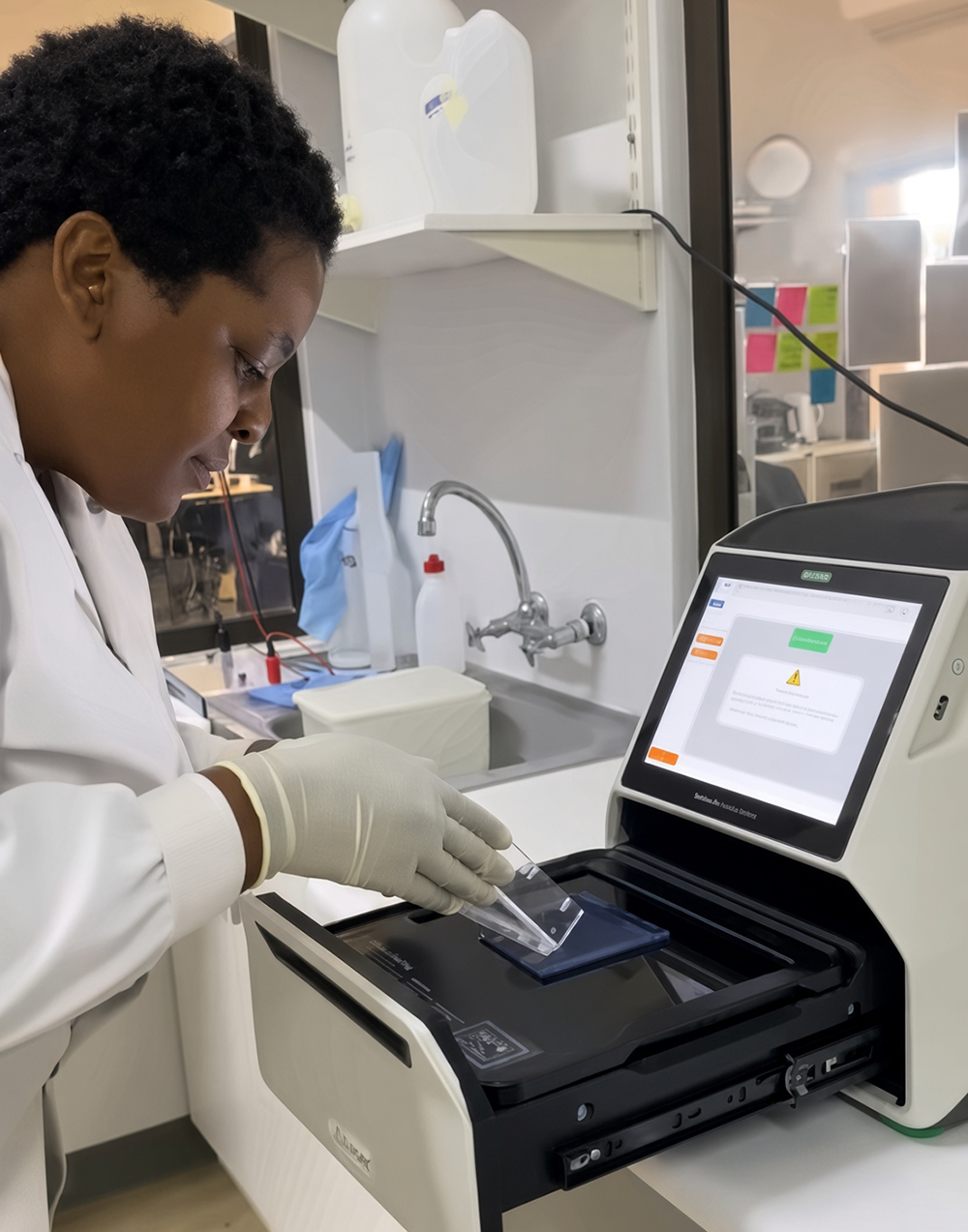
Not everyone who comes through our laboratory arrives on a straight path. One of our recent student interns, Theoline Mabelane, is a third-year University of Namibia student who previously worked in construction as a quantity surveyor. In our laboratory she learned to extract DNA from scat samples, run PCR, prepare fragment analysis, and read results from the genetic analyser. She trained with the scat detection dogs and joined a ten-day rabies vaccination campaign in the bush. She went from calculating steel and cement quantities to measuring microliters of DNA. As she put it, the tools are different but the principle is the same: precision, patience, and attention to detail.
Your support makes these opportunities possible. Every student who comes through our laboratory and goes on to do this work is part of the future we are building for cheetahs.
I see the many ways your support helps every day in my work and in the work happening across this species’ range. Fewer than 7,000 cheetahs remain, and you are helping us understand why, where, and what to do about it.
Related Reading