
Leaving Home to Gain a Better View
-
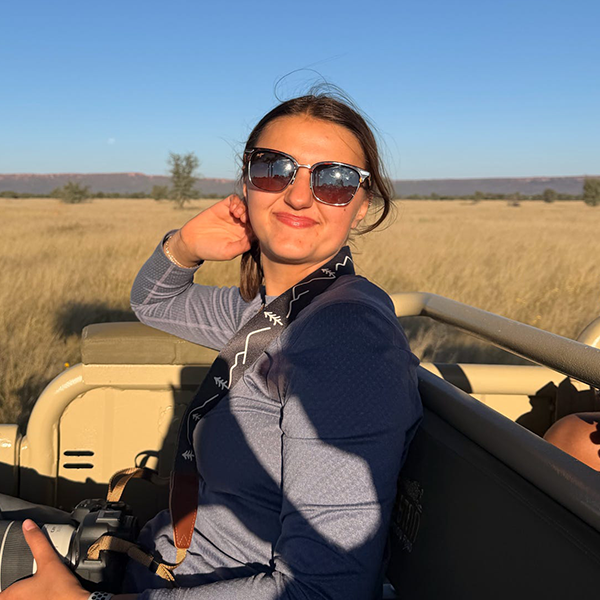
- by Maddy Huffman August 17, 2026
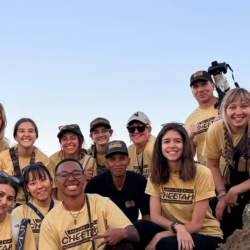
Before I arrived at the Cheetah Conservation Fund, I did not know what to expect. I had been told that the conflict between cheetahs and farmers in Namibia was similar to the conflict between wolves and ranchers back home in Wyoming. I kept that comparison in the back of my mind as I arrived at CCF, 8,419 miles from the place I call home.
I spent eight days at CCF learning about the various initiatives it uses to protect cheetahs. Through the classes I attended and the hands-on work I participated in, I quickly realized that these two parts of the world were not so different after all.
At CCF, we learned about the Future Farmers of Africa program. According to the FFA website, “CCF works with farmers to investigate, develop, and implement predator-friendly livestock and wildlife management techniques.” The program with CCF takes a broad approach to reducing conflict between farmers and cheetahs. Its work includes community outreach, workshops, and tools that help farmers identify predator kills. CCF also operates a model farm that demonstrates how farmers can raise livestock while coexisting with the area’s wildlife.
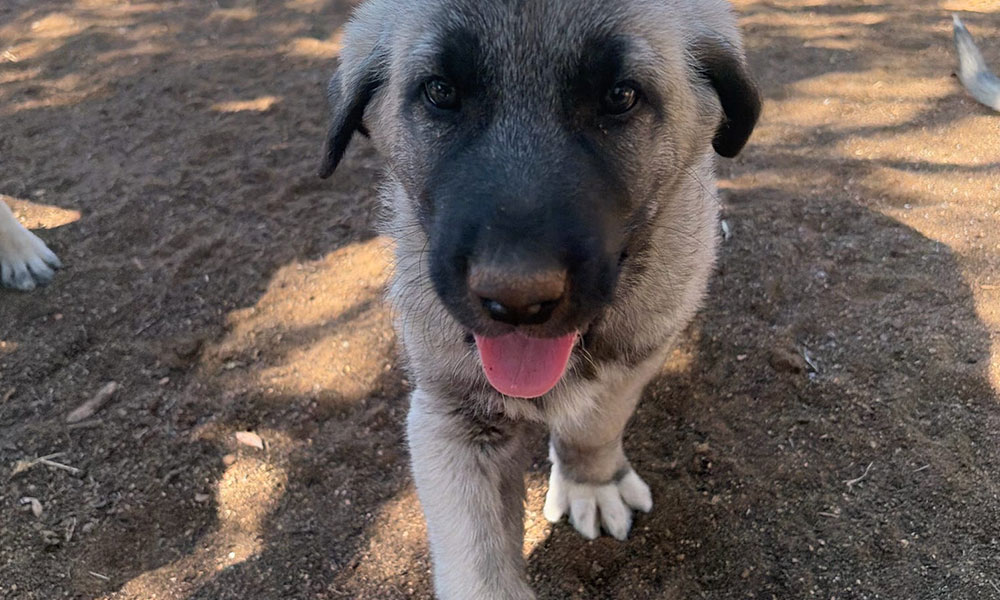
One initiative that stood out to me most was CCF’s Livestock Guarding Dog Program. The program raises Anatolian shepherds that bond with livestock herds and protect them from predators. These dogs are then placed with farmers to help reduce livestock losses.
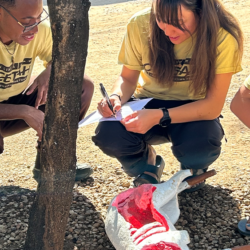
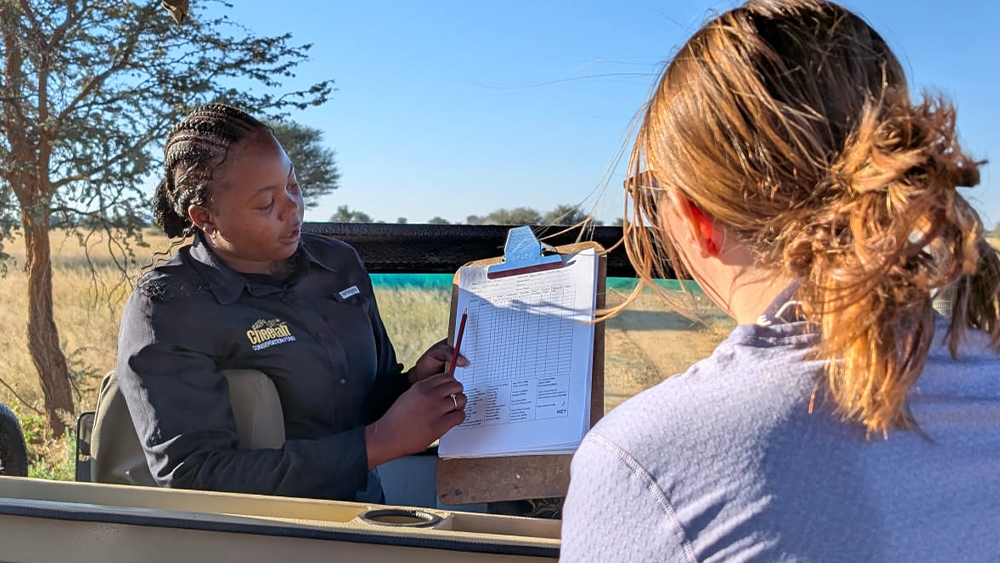
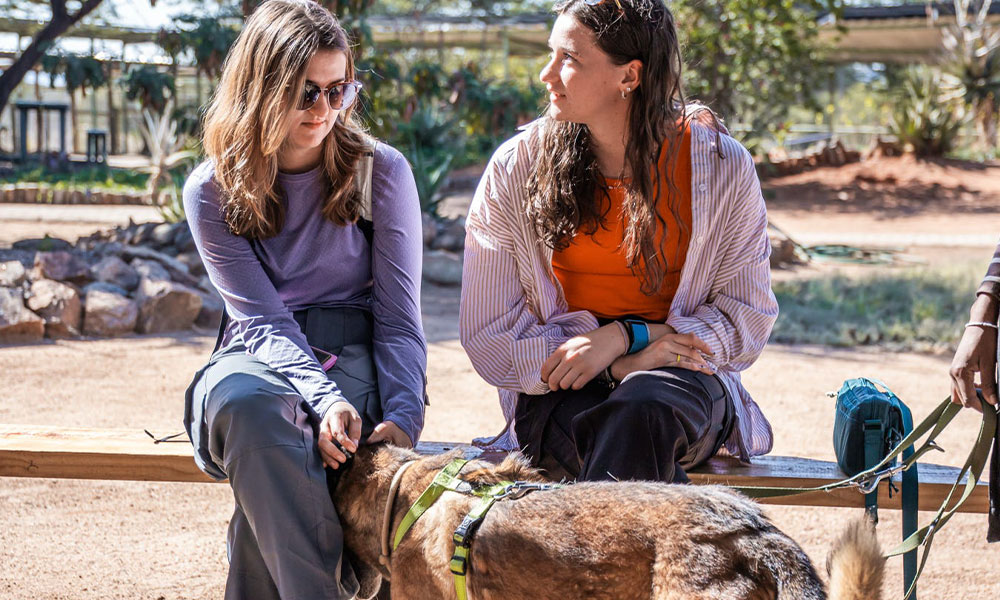
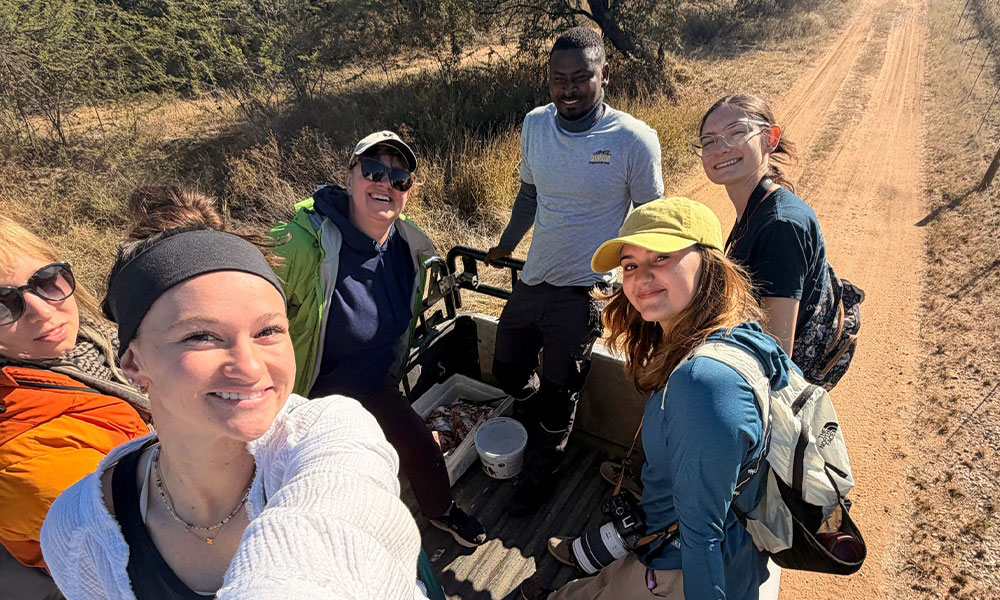
During my time at CCF, I had the opportunity to work directly with the Anatolian shepherds by feeding and walking them. I also learned about other aspects of the FFA program and CCF’s broader conservation work. Conversations with ecologists such as Utaa Katjavivi introduced us to projects taking place at CCF, including monthly game counts, which my classmates and I helped conduct. Experiences like these made the similarities between human-wildlife conflict involving cheetahs and wolves increasingly clear to me.
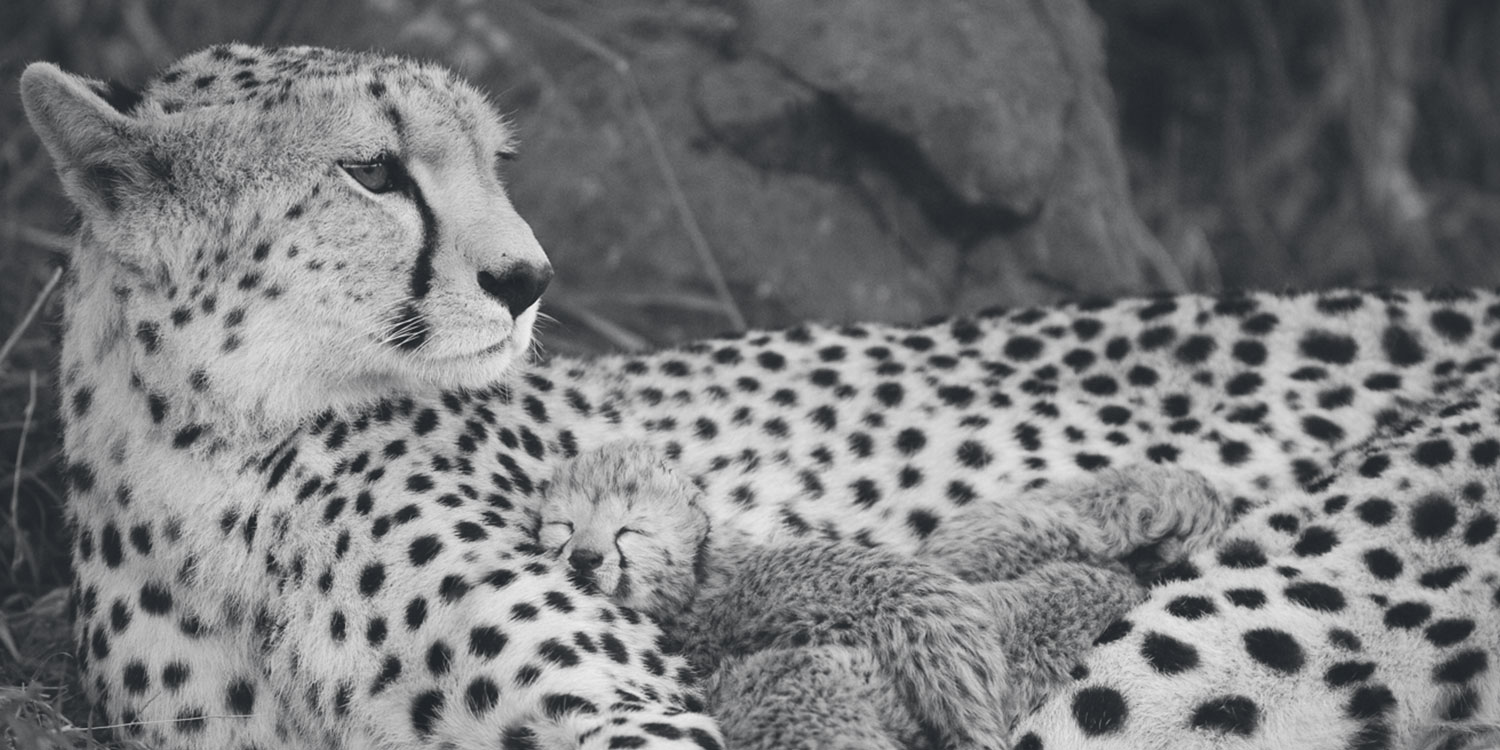
Ranchers in Wyoming worry about wolves preying on their livestock, while farmers in Namibia have similar concerns about cheetahs. There is, however, an important difference: wolves are being reintroduced into parts of their former range, while the global cheetah population is rapidly declining. Despite this difference, governments and wildlife organizations in both Wyoming and Namibia are working to reduce conflict between people and predators.
Beyond the FFA program, CCF works with scat-detection dogs and its genetics laboratory to identify cheetah and African wild dog scat and determine what prey these predators are eating. CCF also monitors wild cheetahs using tracking collars and game cameras. The Wyoming Game and Fish Department uses similar methods, collaring wolves to monitor their movements and pack activity.
Although both organizations rely on predator monitoring, CCF takes a more direct approach to addressing human-wildlife conflict. Its scat analysis can provide farmers with evidence that cheetahs are often not responsible for livestock losses. By contrast, Wyoming’s wolf-management strategy includes regulated hunting protocols that vary by administrative area. These different approaches highlight how culture and local conditions shape the management of human-wildlife conflict.
Another aspect of CCF that stood out to me was its commitment to research. Throughout my time there, I learned how strongly the organization emphasizes evidence-based solutions. Discovering how CCF conducts its research encouraged me to think more deeply about the conflicts involving cheetahs and wolves, the connections between them, and similar challenges in other parts of the world.
After leaving CCF and returning home, I found myself wondering what might happen if people in these two parts of the world shared more of their experiences and ideas. Could greater collaboration make human-wildlife conflicts easier to solve?
My time at the Cheetah Conservation Fund opened my mind to experiences and knowledge I might never have gained otherwise – because sometimes it takes leaving home to gain a better view of life.
Related Reading
-
August 18, 2026
Fish Out of Water -
August 17, 2026
Conservation Starts with People: Lessons from CCF Namibia