Growing Through Research: Two Master’s Journeys Supported by the Darwin Initiative
-
- by Valencia Shipapo November 18, 2026
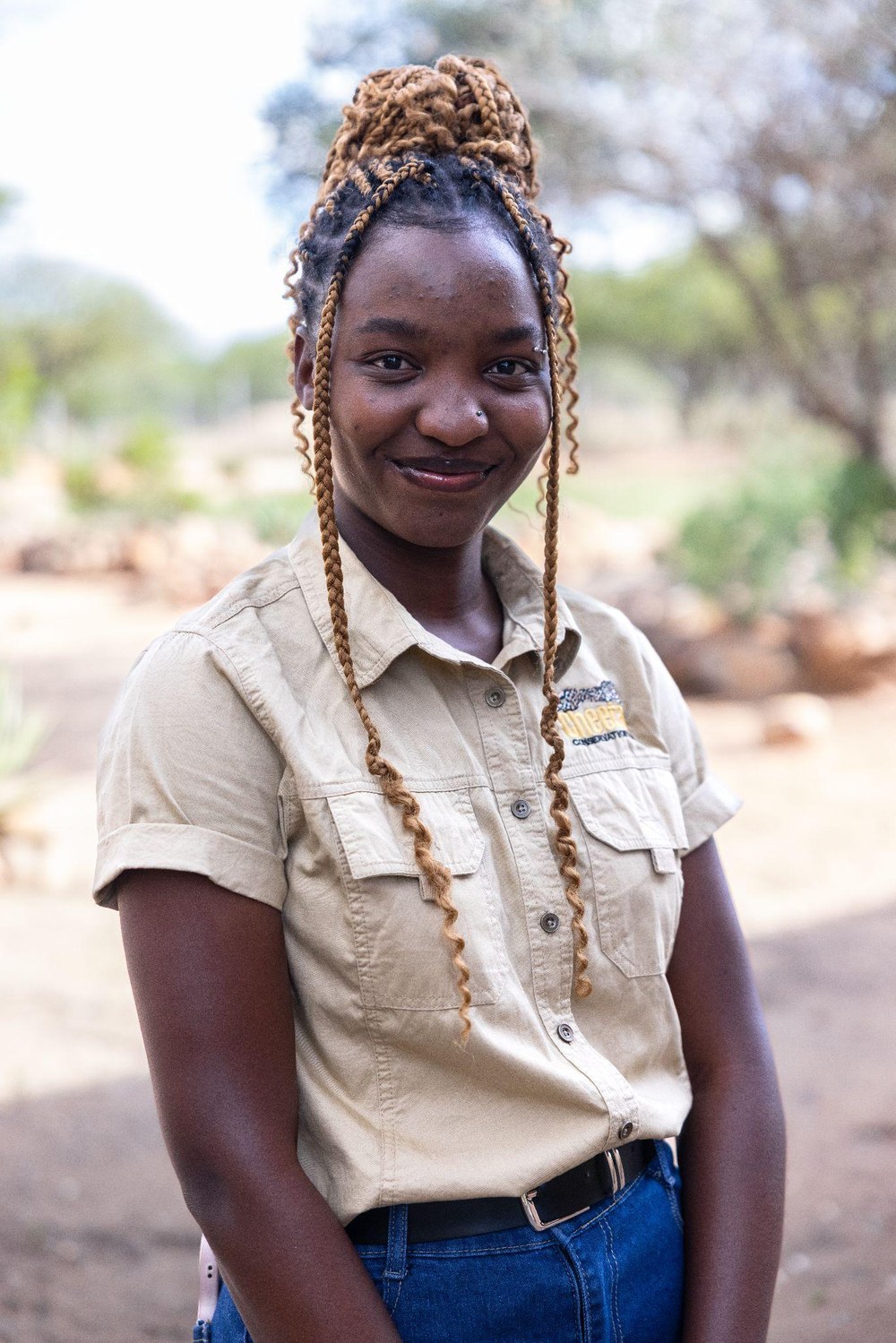
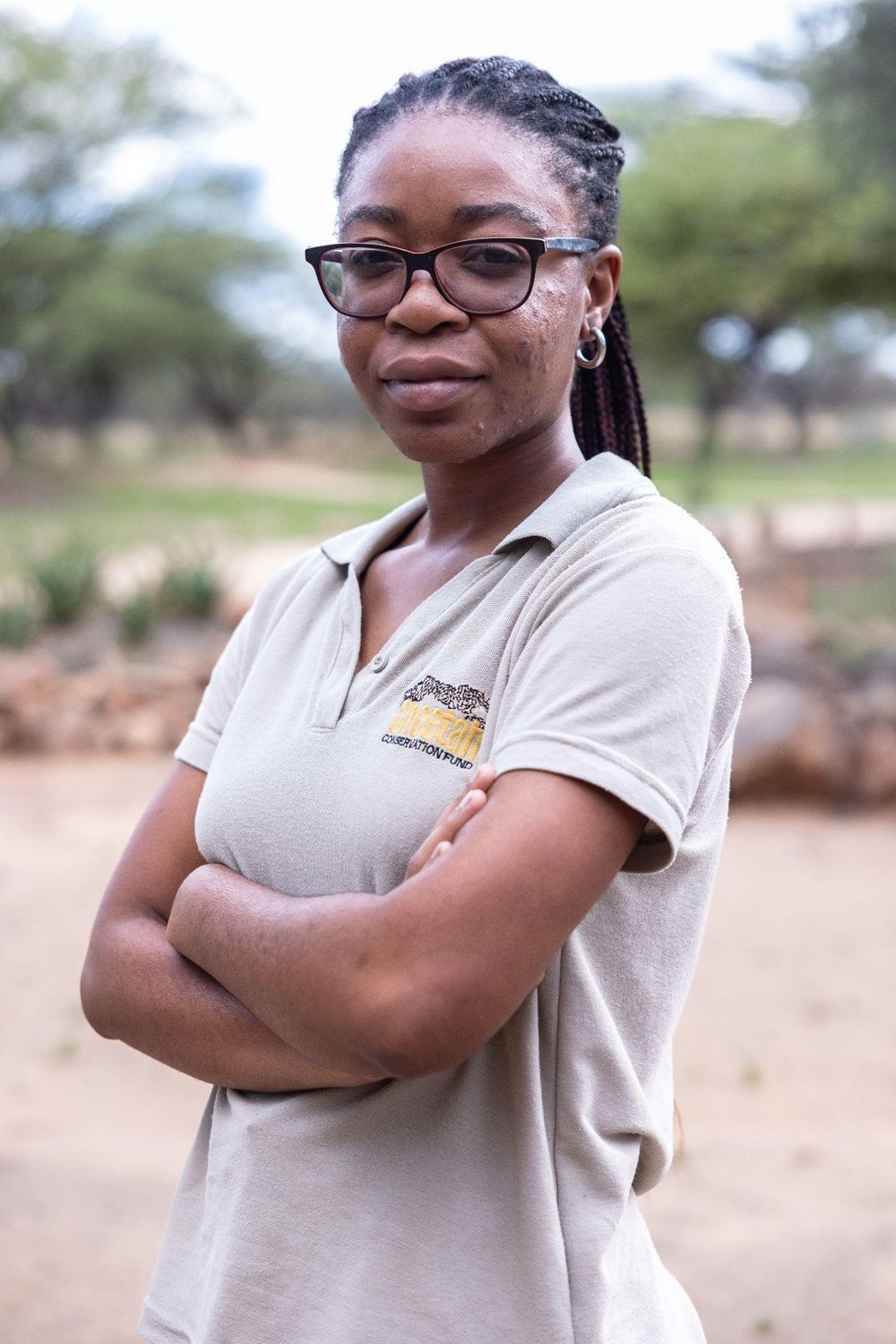
Two years ago we (Lapaka and Valencia), had the opportunity to remain at the Cheetah Conservation Fund (CCF) and further our studies thanks to funding obtained by CCF through the Darwin Initiative. What began as internships became much more than a work experience. It gave us the chance to learn, contribute to real conservation research, and eventually share our work with a wider audience.
When we joined CCF as genetic interns, we were excited but also nervous. We did not yet exactly know what to expect from conservation work in Namibia. Over time, we learned that conservation is not only about working with wildlife; it is also about people, communities, research, patience, and finding practical solutions to complex challenges.
Through the Darwin-funded project:
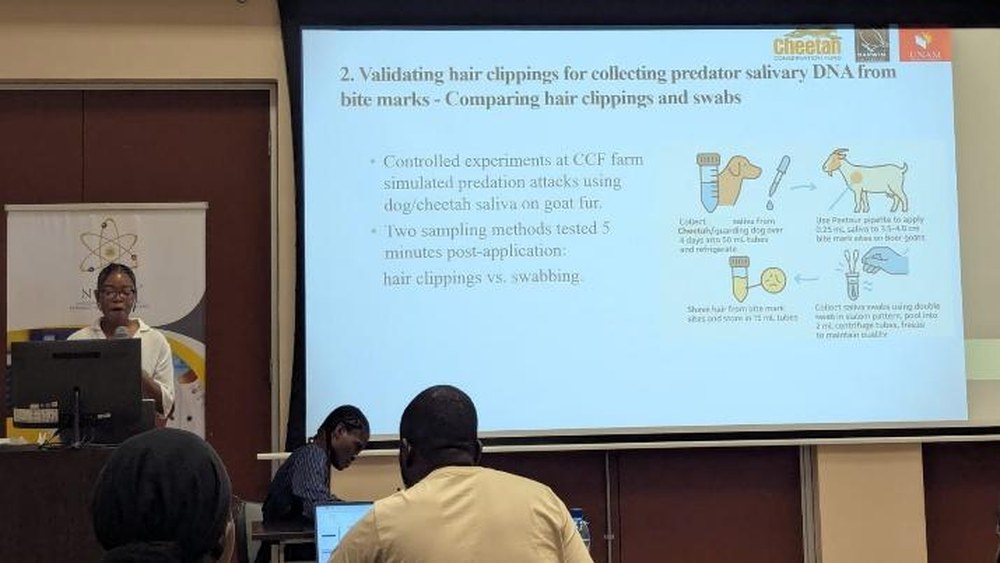
Being part of the project has also given us the opportunity to present our findings at two conferences so far. The first was the Organization for Women in Science in the Developing World (OWSD) conference, held from 30 September to 3 October 2025. It provided an opportunity to share our research with other women in science and served as a reminder of the importance of creating opportunities for young women to participate in and contribute to scientific research.
The second was the National Research Symposium, hosted by the National Commission on Research, Science and Technology (NCRST) at the Namibia Institute of Public Administration and Management (NIPAM) in Windhoek from 17 to 18 September 2026. We were joined by Dr. Tim Hofmann, the Conservation Scientist and Canine Specialist at CCF. The symposium brought together researchers, postgraduate students and professionals from across Namibia, giving us the opportunity to present our research to one of the largest scientific audiences we had engaged with so far. Beyond presenting our findings, we also attended presentations and panel discussions on research funding, opportunities available to researchers at different career stages.
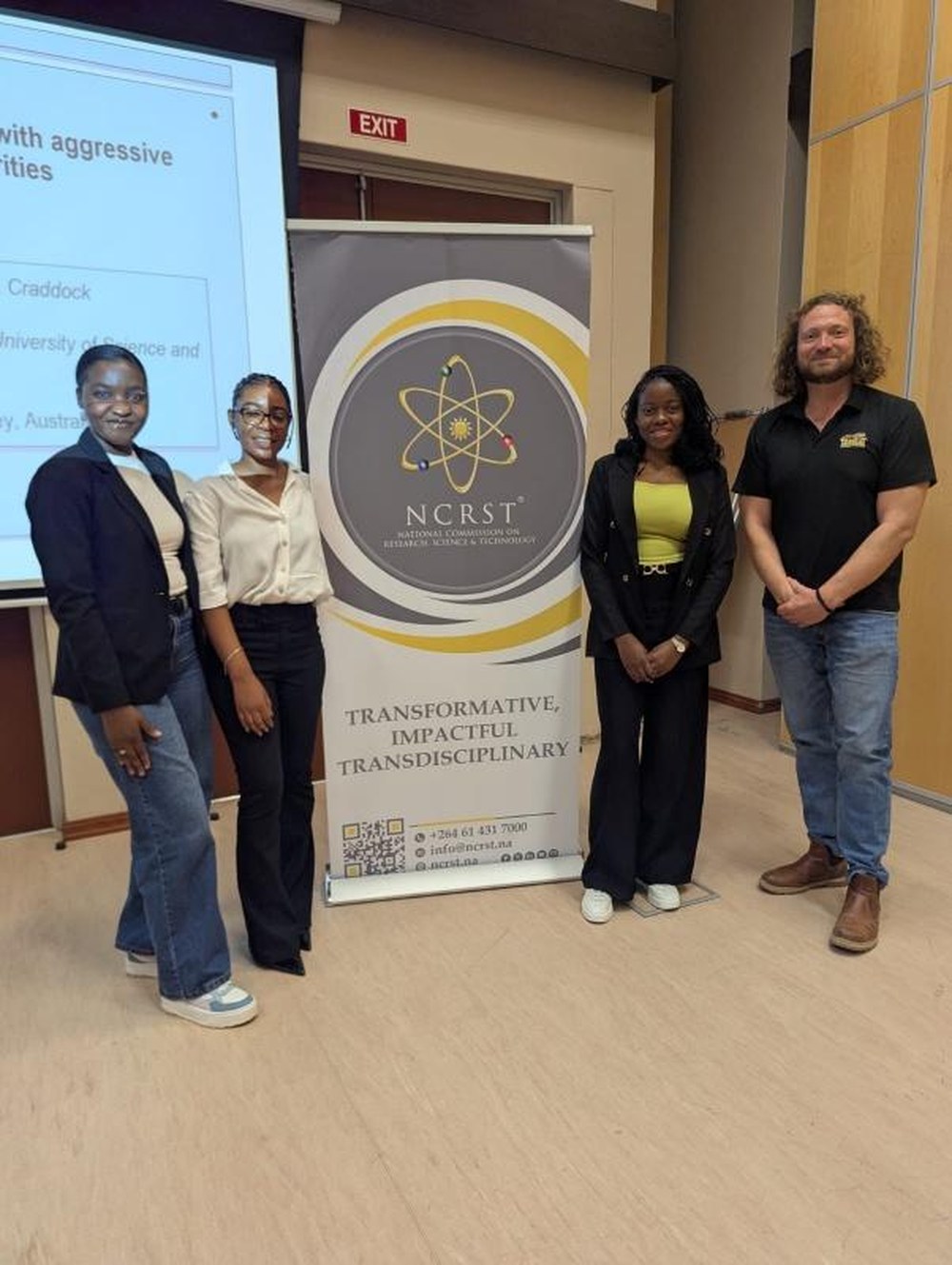
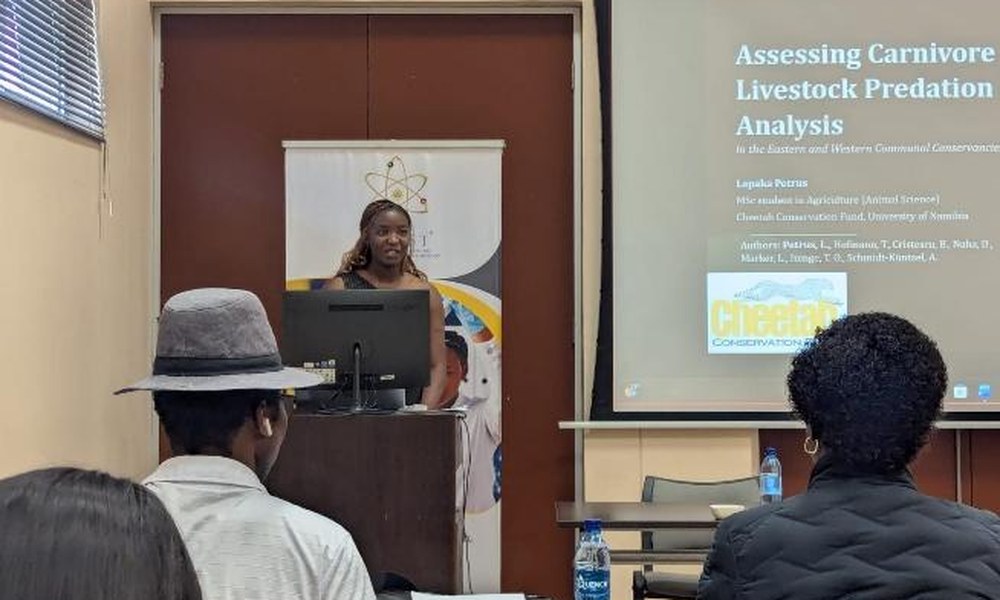
These were important moments because they allowed us to share not only our data, but also the story behind our work: the questions we wanted to answer, the challenges we faced, and what the results could mean for conservation in Namibia. The conferences brought together researchers, conservationists, and other professionals working on related issues. Presenting our projects helped us see our work from a new perspective. We received valuable feedback, learned about other research, and realised how important it is to communicate scientific findings clearly to different audiences.
For us, the conferences were not only an opportunity to present data. It was also a reminder of how far we had come since joining CCF. We arrived as interns hoping to gain experience, and have been equipped with practical skills, new knowledge, and a stronger understanding of what conservation research can achieve. We are grateful to CCF and the Darwin Initiative for making this experience possible. The project gave us the opportunity to grow as young researchers and to contribute to efforts to protect Namibia’s wildlife and support the communities that live alongside it.
Related Reading
-
November 18, 2026
Fieldwork in Angola: an unforgettable chapter in my conservation journey -
October 13, 2026
The Fall and Rise of the Cheetah