Fieldwork in Angola: an unforgettable chapter in my conservation journey
-
- by Ruusa Uugwanga November 18, 2026
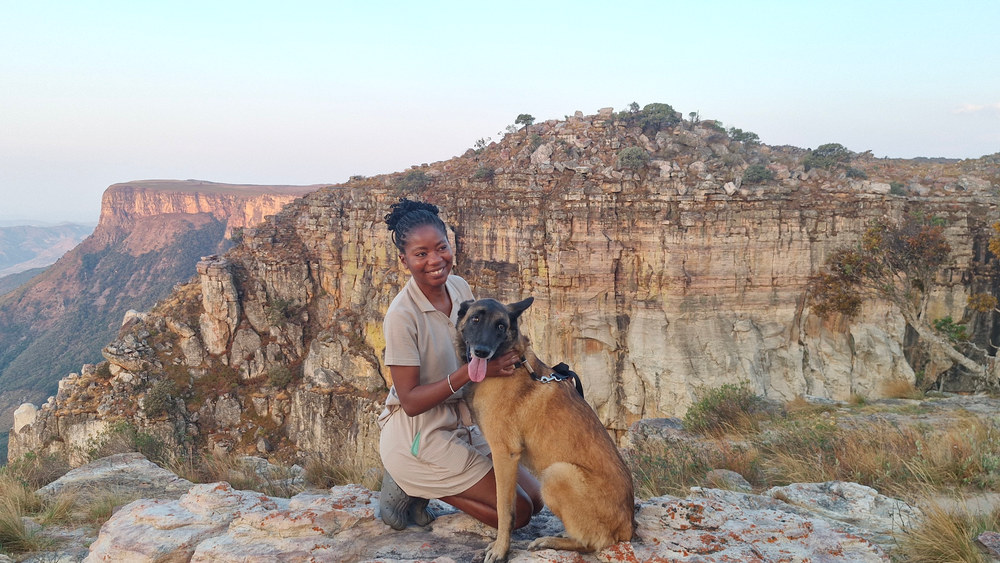
From 10–17 October 2026, the CCF scat detection dog team, consisting of Dr. Tim Hofmann, detection dog Enyakwa, and me, travelled to Angola for scat collection, and what an experience it turned out to be! The trip was part of a long-standing collaboration between CCF and CIBIO in Portugal, and we were delighted to be joined by Dr. Filipe Rocha, a long-standing member of the CIBIO team.
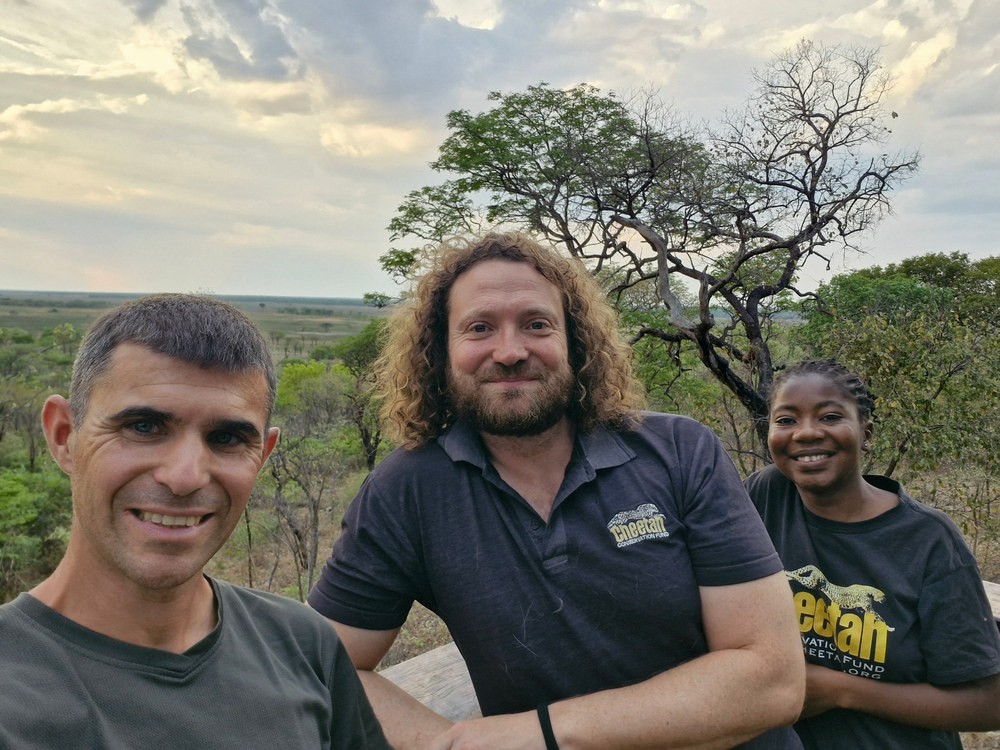
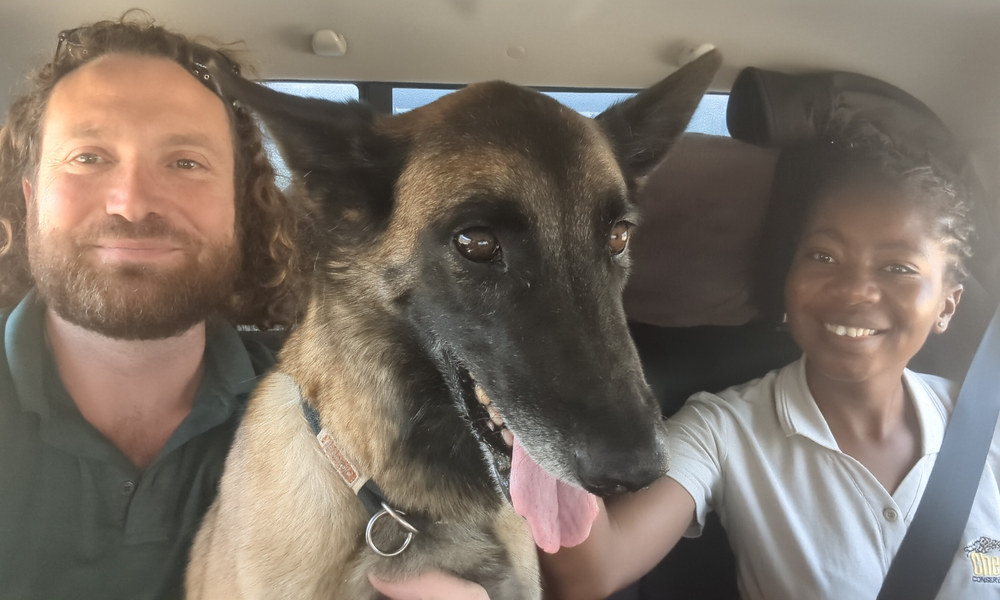
For me, this trip was particularly special because it was my first time in Angola and, even more excitingly, my first time travelling outside Namibia! The trip was filled with new experiences, unexpected adventures, beautiful landscapes, and valuable lessons.
Our first study area was Cuatir Private Nature Reserve, where we conducted four days of road-searches covering approximately 32 km across open floodplains, along fence lines, and through densely forested areas. We collected 31 samples, but the real excitement came from our potential cheetah samples.
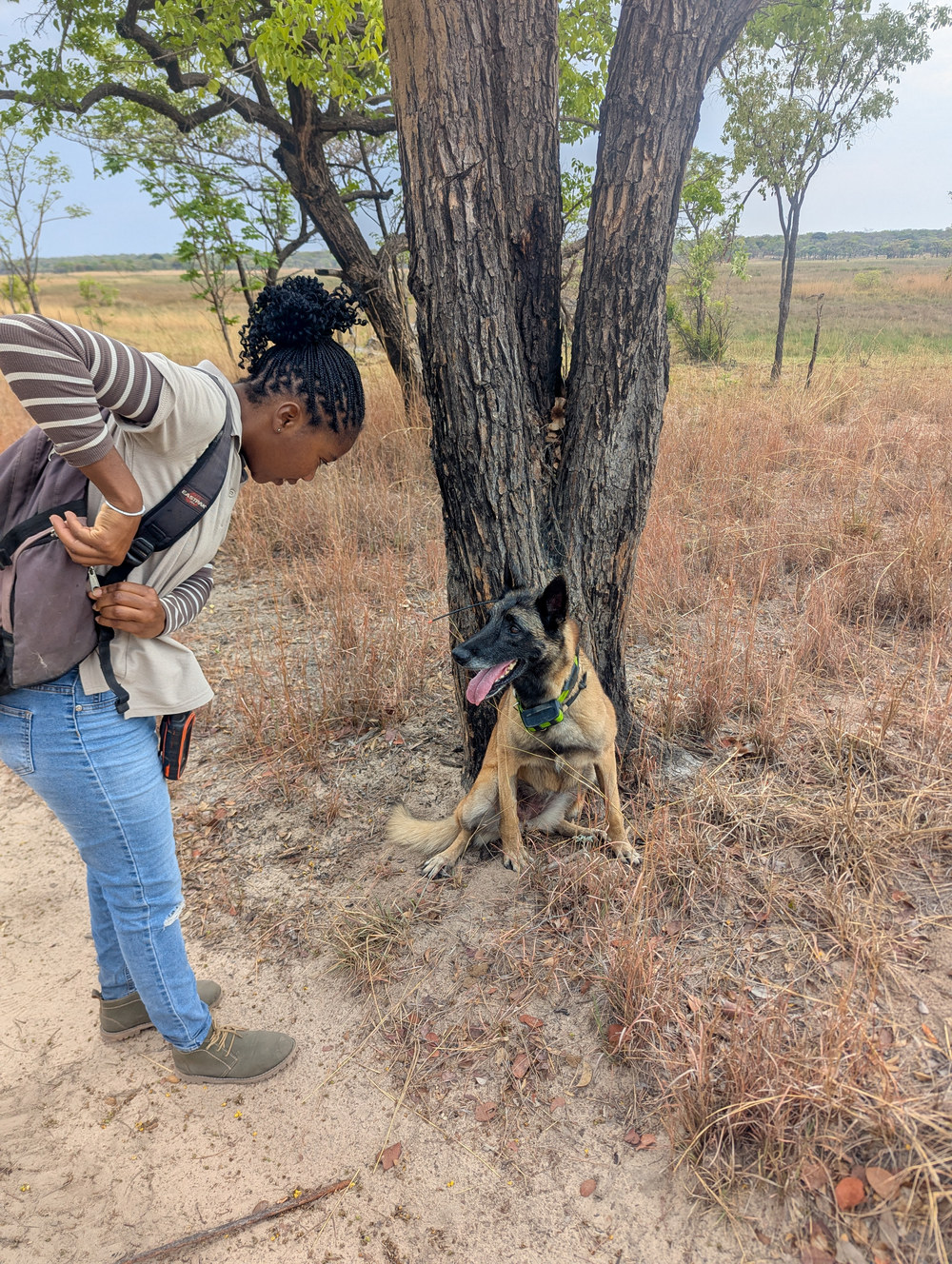
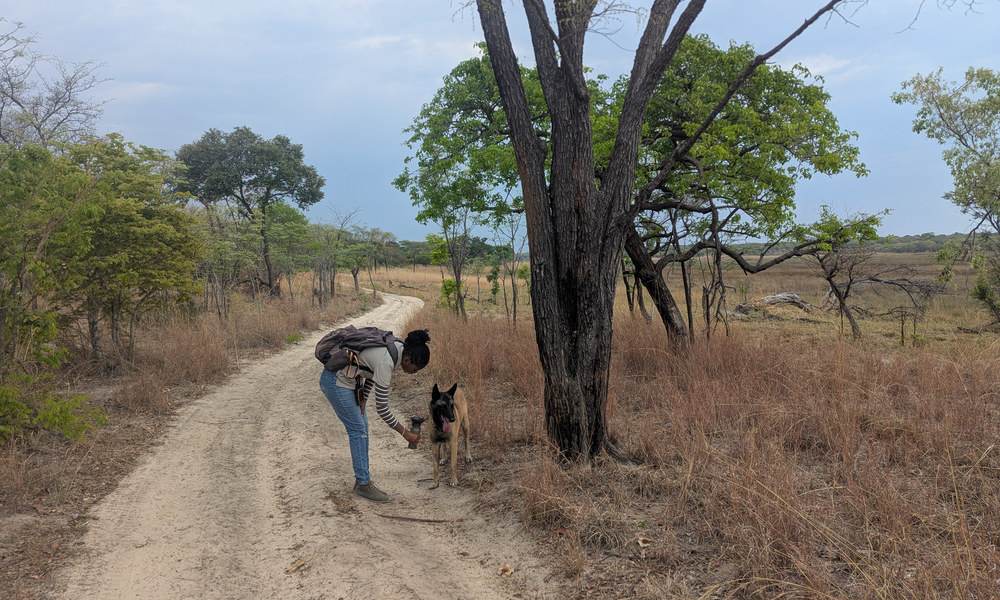
Previous searches in Angola had yielded potential cheetah scat samples but never a marking site. This time, our detection dog indicated eight potential cheetah scat samples and one marking site. These findings still need confirmation, but it was exciting to see what our searches might have uncovered. Finding marking sites is not only a strong proof of cheetah presence but this territorial behaviour also indicates residence, making this finding particularly exciting.
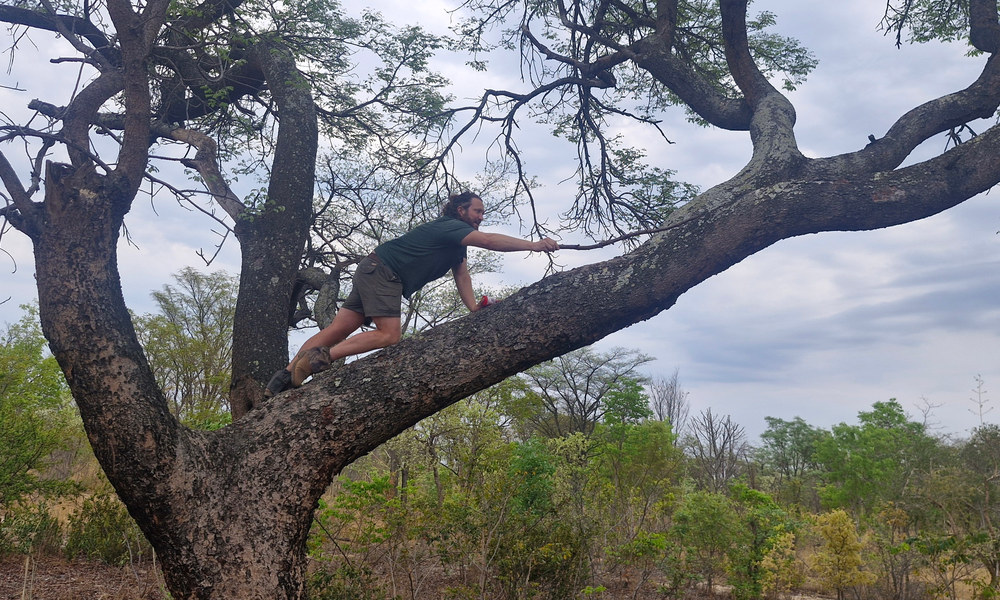
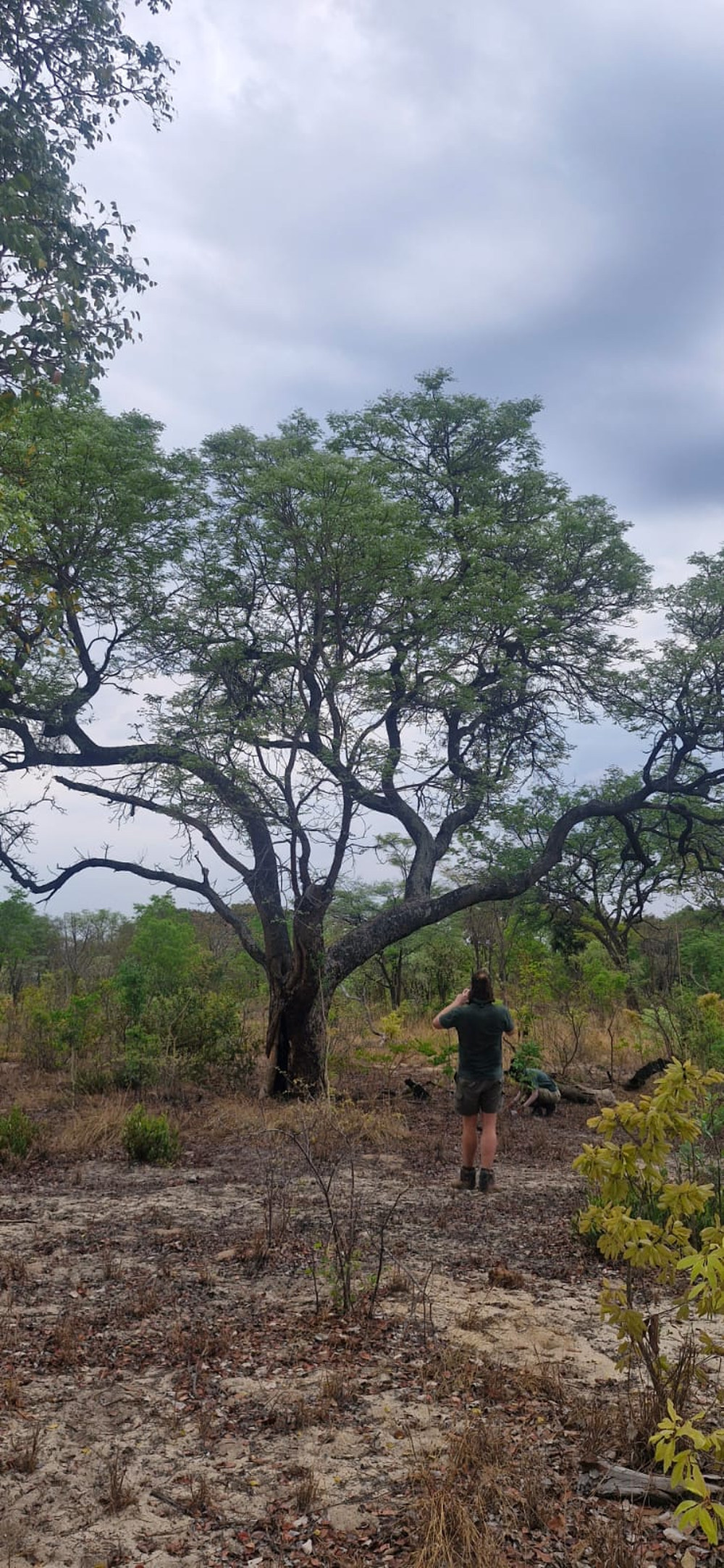
Of course, fieldwork wouldn’t be complete without a wildlife encounter. We got to see elephants up close, and at one point, one came straight in our direction. Definitely a heart-racing moment but exciting as well.
I also got to experience some of the ways of getting around in remote areas, from learning to ride a quad bike while collecting camera traps (professional quad bike driver skill gained!), to crossing rivers by canoe and a ferry. Despite some challenging roads, Angola’s landscape beauty made the experience even more special.
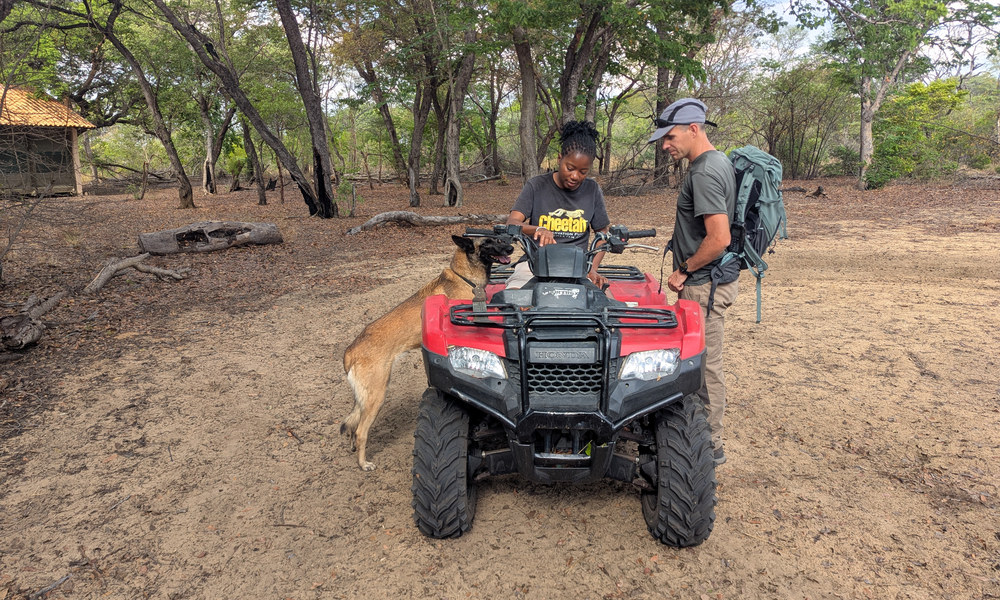
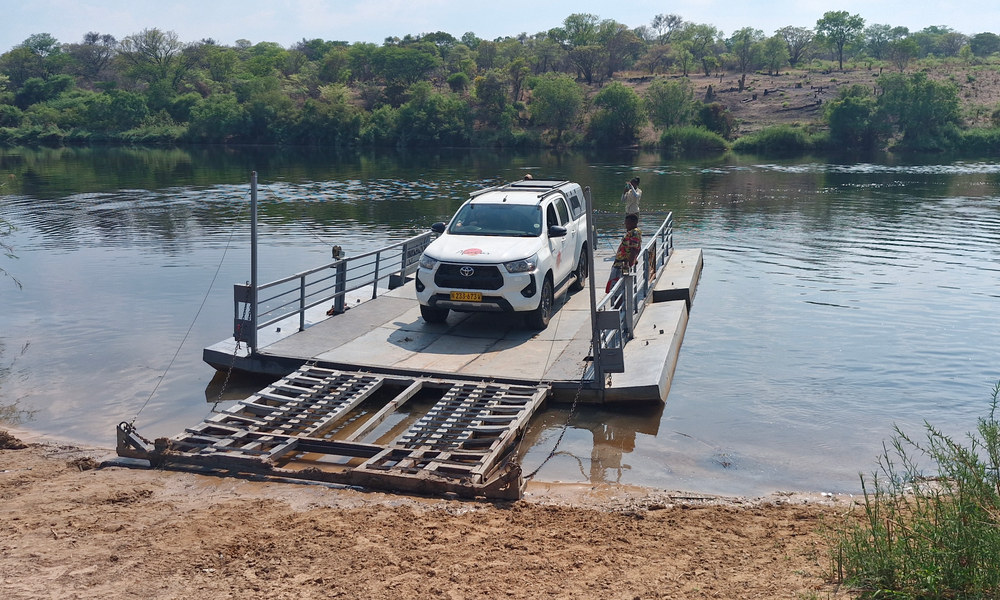
Unfortunately, our plans to continue searching in Bicuar National Park fell through due to logistical challenges, so our trip was cut short. Although we had hoped to do more searches, we made the most of the time we had.
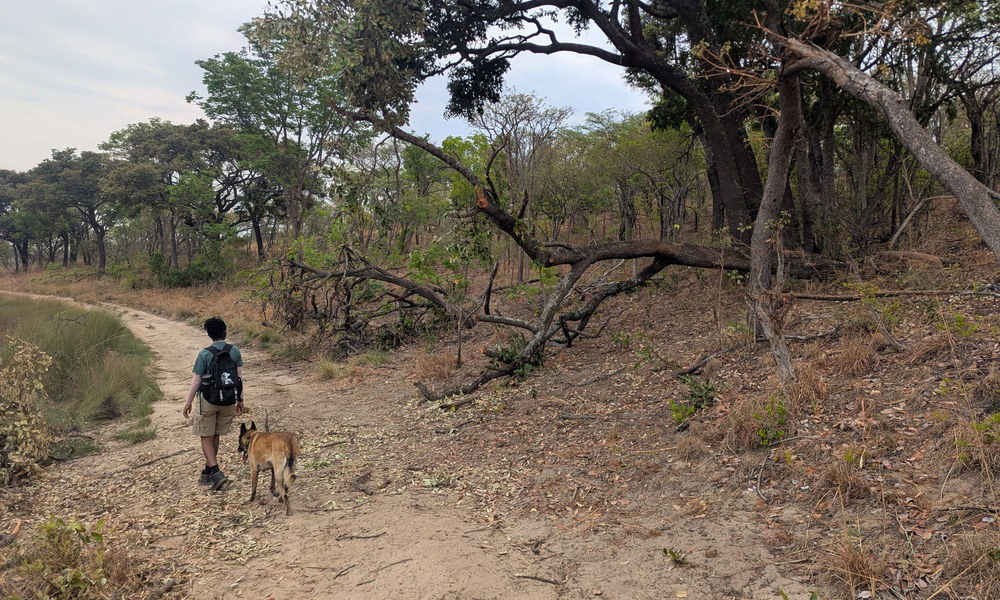
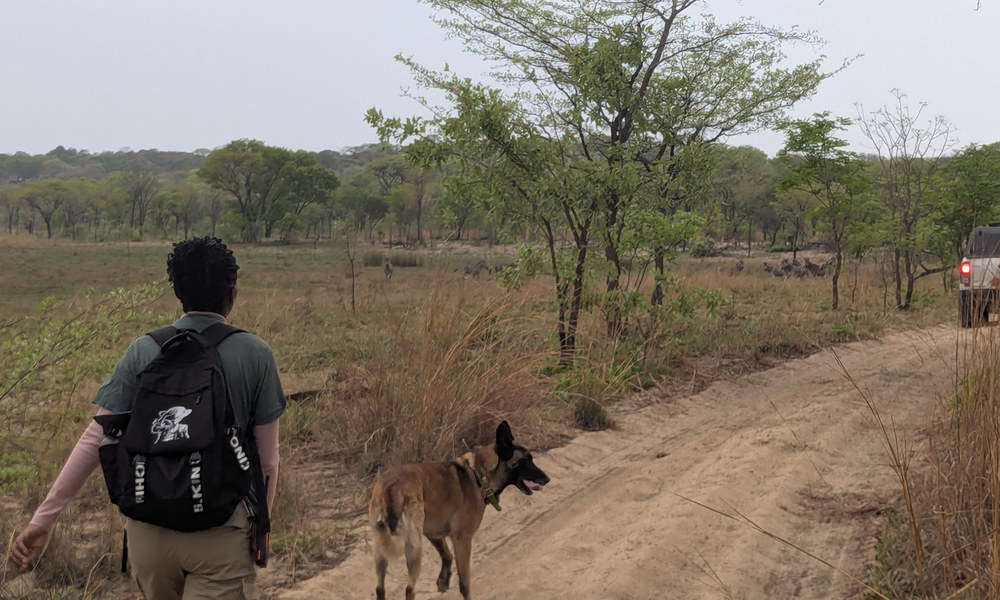
Overall, Angola gave me so much more than fieldwork experience. From potential cheetah discoveries and unforgettable wildlife encounters to new skills, and beautiful scenery. As always fieldwork is never just about the data you collect; it’s also about the experiences, the lessons, the unexpected moments, and the stories you bring home.
I’m truly grateful to CCF and CIBIO for this opportunity to learn, grow, and contribute to conservation research in a new environment.
Related Reading
-
October 13, 2026
The Fall and Rise of the Cheetah