
CMS and CITES: International Wildlife Protection
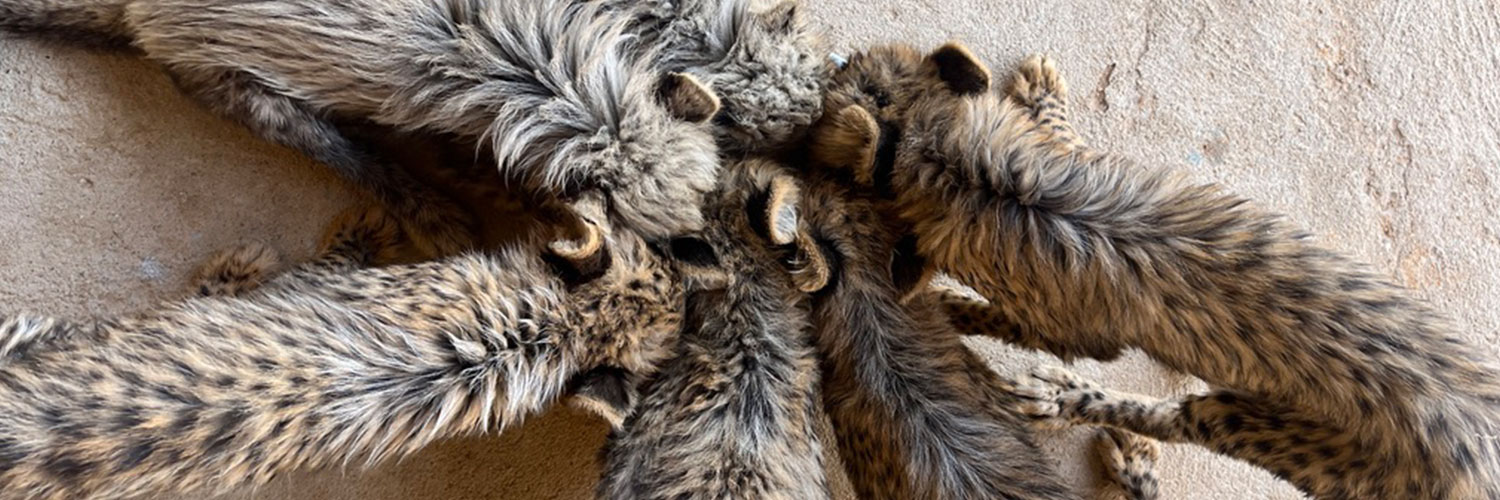
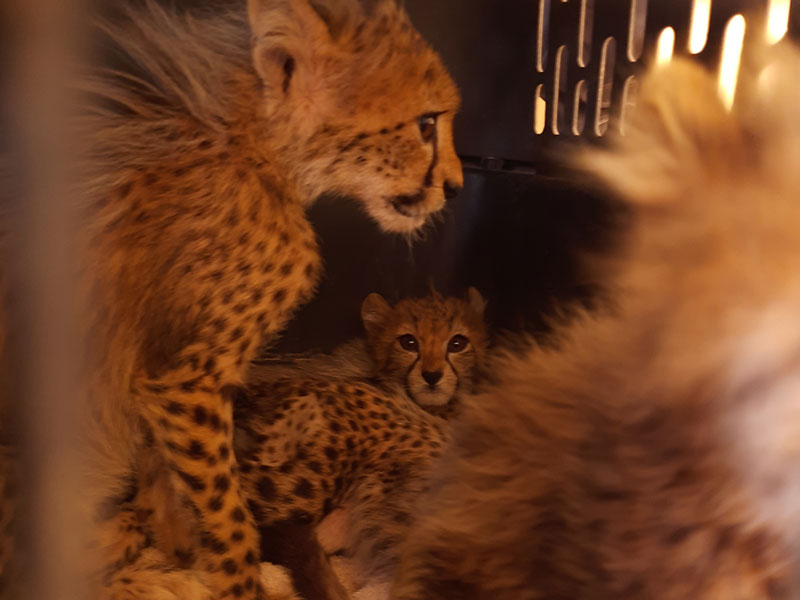
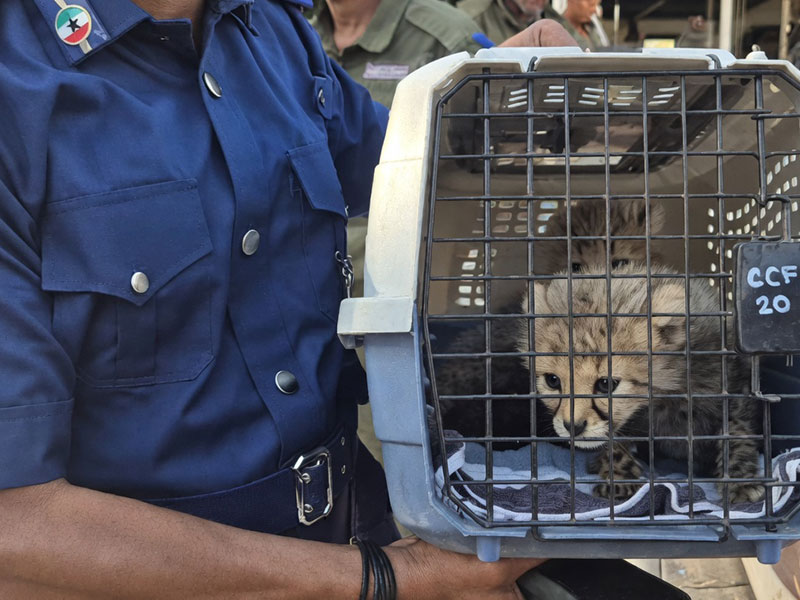
An estimated 300 cheetah cubs are taken from the wild each year in the Horn of Africa in attempts to supply the illegal/wildlife pet trade. The Cheetah Conservation Fund takes an active part in work within the two principal international treaties that govern wildlife trade and cross-border species protection. These are CITES (the Convention on International Trade in Endangered Species) and CMS (the Convention on Migratory Species).
Through these treaties, CCF works to stop cheetah trafficking, rescue confiscated cubs, and strengthen the laws that protect endangered cheetahs worldwide. Since 1992, CCF has used its scientific research to help shape conservation policy at the global level. As a result, legislation is grounded in biological reality. In addition, cheetahs receive dedicated attention within international enforcement frameworks.
CITES: Convention on International Trade in Endangered Species
The cheetah is listed as an Appendix I species under CITES, which prohibits international commercial trade. CCF has been a consistent voice at CITES forums since 1992. Specifically, the organization focuses on curbing the illegal pet trade and managing sustainable populations.
Combating the Illegal Trade
Cheetah trafficking incidents in the Horn of Africa have increased 43% over the past decade, pushing the regional subspecies (A. j. soemmeringii) toward extinction. CCF has been at the center of the international response since 2013 and we currently provide care for 150+ rescued cheetahs across both centres.
Feed a Cheetah
Across our centres in Namibia and Somaliland, cheetahs eat between 2 and 4 pounds of meat each day, adding up to thousands of pounds every week.
With a gift of just $5, you can buy a cheetah a meal and help us continue protecting this endangered species.
CCF’s data was foundational to the 2013 CITES resolution (CoP16) mandating a range-wide study on illegal cheetah trafficking. This resolution established the evidentiary basis for all subsequent CITES action on cheetah trade.
At the 17th CITES Conference of the Parties (CoP17) in 2016, CCF successfully advocated for the adoption of the CITES Cheetah Trade Resource Kit. This kit provides enforcement agencies with practical tools to identify and intercept trafficked cats.
At CoP18 in 2019, Dr. Marker and CCF’s senior consultants met with African and Middle Eastern representatives. They presented evidence of illegal trade and recommended that CITES prioritize cheetahs in international enforcement strategies.
Defending Species-Specific Action
At CoP20 in 2025, CCF and Ethiopia successfully opposed a proposal to merge all cheetah activities under CITES into an initiative that lacked dedicated funding. This would have effectively halted meaningful action on cheetah trafficking. However, due in large measure to CCF’s efforts, the proposal was defeated.
Also in 2025, CCF supported Ethiopia in drafting a CITES paper (Information Document SC78 Inf. 24). This paper warned that the Horn of Africa cheetah subspecies faces imminent risk of extinction due to the escalating illegal trade.
The Addis Ababa Declaration
In January 2024, CCF co-organized the Global Cheetah Summit in Addis Ababa, Ethiopia. The Addis Ababa Declaration for Global Cheetah Conservation was ratified by delegates from 23 cheetah-range countries and submitted to CITES. It establishes shared priorities for enforcement, habitat restoration, and range-wide coordination.
Animals Committee
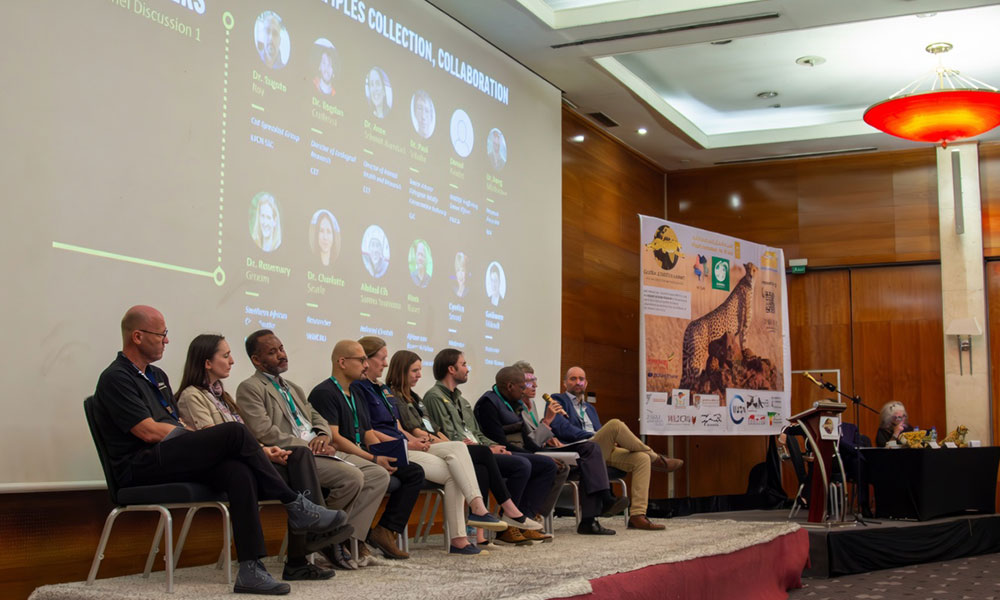
CCF participated in the 27th CITES Animals Committee meeting in 2014 and the 24th Animals Committee Meeting in 2024. Each time, CCF shared data on the impact of both legal and illegal trade on wild cheetah populations.
Research Permits
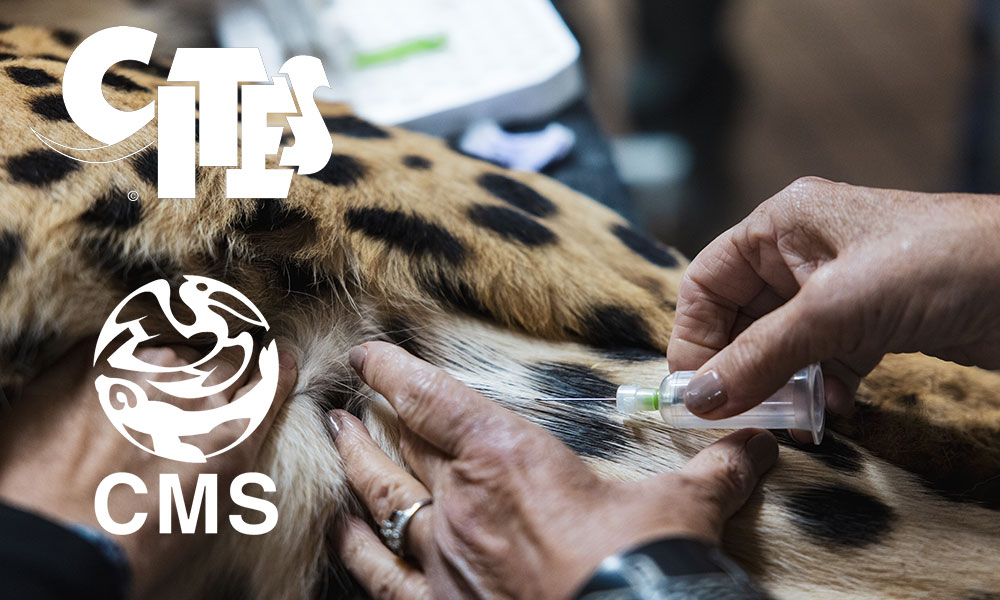
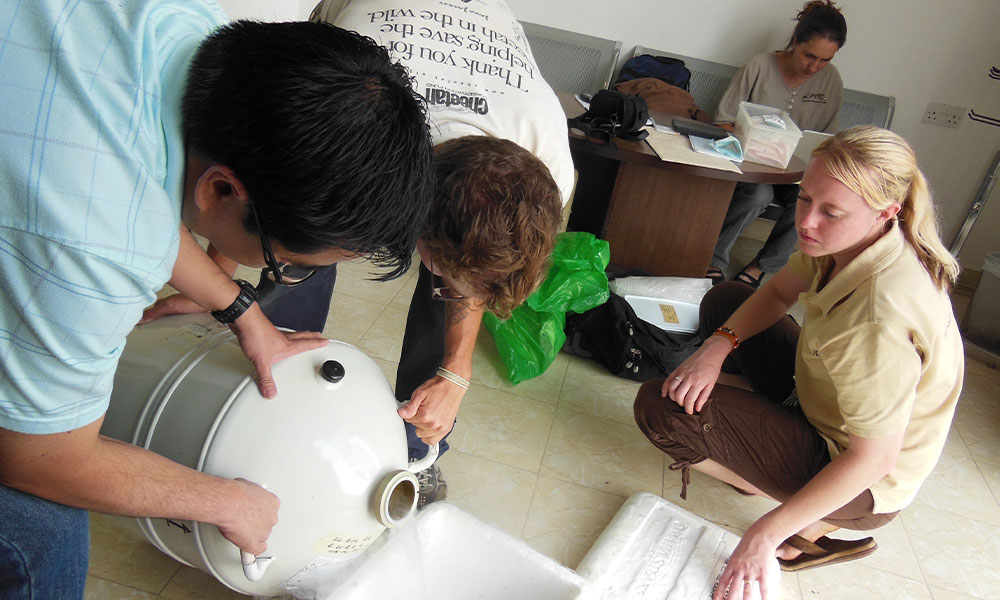
CCF collaborates with government counterparts to secure CITES permits to transport cheetah genetic material across international borders. This facilitates global research on cheetahs. Furthermore, CCF’s genetics laboratory uses scat analysis and DNA sampling to determine the geographic origins of confiscated cheetah cubs. This work supports forensic investigations and prosecutions of traffickers.
CMS: Convention on Migratory Species
The cheetah is listed as an Appendix I species under the CMS. This means that cheetahs have been assessed as being in danger of extinction throughout all or a significant portion of their range. As a result, CMS members that are cheetah range states are obligated to take measures to protect them.
CCF works with CMS to ensure that cheetah populations receive cross-border protection. Because cheetahs range across national boundaries, their survival depends on international cooperation between range states.
The African Carnivores Initiative
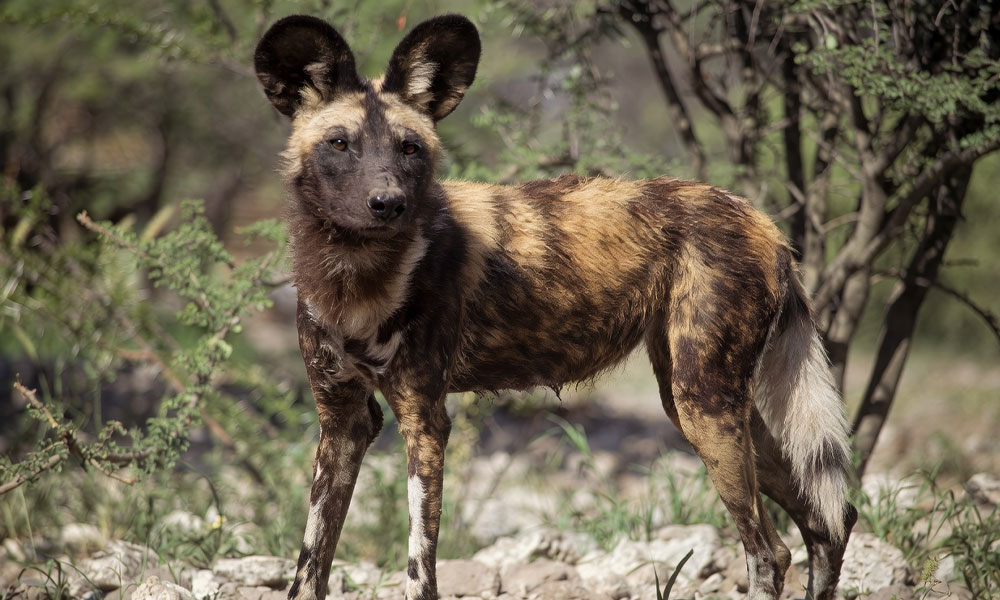
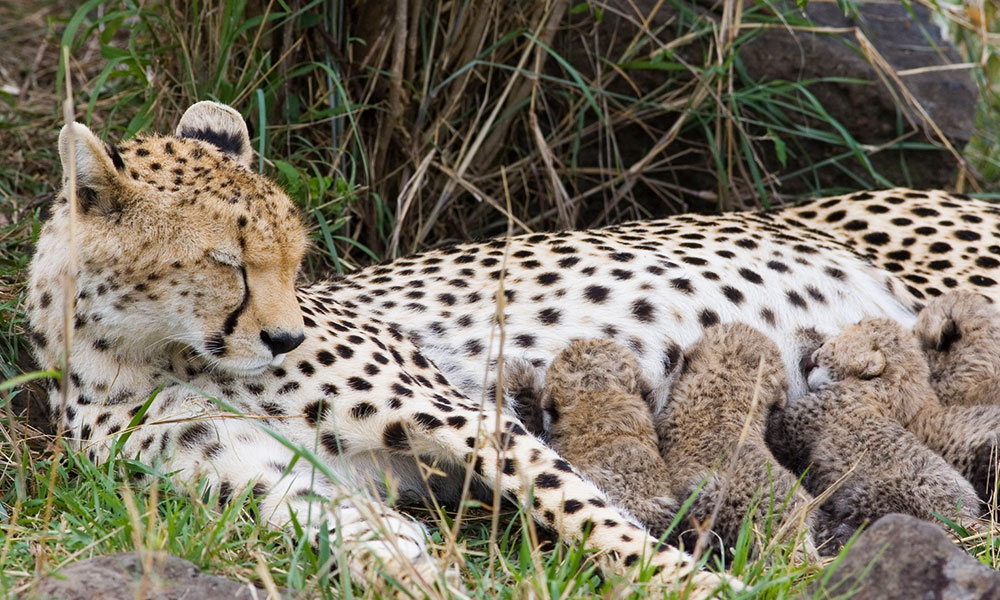
The African Carnivores Initiative (ACI) is a joint CMS-CITES framework to protect cheetahs, lions, leopards, and African wild dogs. CCF worked for six months with partners including the Wildlife Conservation Society (WCS) and the World Wildlife Fund (WWF) to support creation of this initiative. It was endorsed by the CMS Parties at CMS CoP13 in 2020.
In addition, in 2019, CCF led an NGO coalition to integrate the illegal trade as a priority threat within the ACI. This resulted in CMS Resolution 13.4. The resolution mandates that all threats to cheetah survival — including trafficking — be addressed in global programs of work.
Racing Extinction: Policy Leadership at CoP13
At CMS CoP13, CCF hosted a side event titled “Racing Extinction.” This brought together government leaders from Ethiopia, Saudi Arabia, and Zimbabwe to develop policy-making agendas for cheetah conservation. As a result, this event demonstrated CCF’s role in convening national governments around species-specific strategies.
Expanding Ranging Rights
Since 2023, CCF has participated in the CMS intersessional working group tasked with including currently unlisted cheetah populations from Namibia, Botswana, and Zimbabwe into CMS Appendix I. Inclusion in Appendix I provides the highest level of protection under the Convention. Specifically, it requires range states to conserve habitats and mitigate obstacles to migration. This effort paid off at CMS CoP20 in March 2026, when member states approved a proposal from Zimbabwe to list its cheetahs on Appendix I.
Feed a Cheetah
Every cheetah cub confiscated from the illegal trade needs lifelong care. With a gift of just $5, you can buy a cheetah a meal and help us continue protecting this endangered species.
CITES and CMS address different dimensions of cheetah conservation. CITES focuses on regulating and preventing trade in cheetahs and their parts. In contrast, CMS focuses on protecting cheetah habitats and migration corridors that cross national borders. CCF’s participation in work under both treaties helps ensure that the cheetah receives coordinated protection. This means trade enforcement on one hand and habitat and range protections on the other.
The African Carnivores Initiative is the primary mechanism through which CMS and CITES coordinate on cheetah issues. CCF’s role in shaping this initiative — particularly the inclusion of the illegal trade as a recognized threat — connects CCF’s field intelligence from the Horn of Africa directly to global policy frameworks.
Regional Coordination That Supports International Policy
CCF’s international advocacy is strengthened by the regional and cross-border enforcement networks it supports in the Horn of Africa:
IGAD — CCF collaborates with the IGAD Secretariat to support the Horn of Africa Wildlife Enforcement Network (HAWEN), an IGAD initiative to strengthen regional coordination against illegal wildlife trade. In addition, CCF has partnered with IGAD and the CMS Secretariat in an ongoing effort to promote harmonization of wildlife laws among the IGAD member states. This includes creating an IGAD region network of Trans-Frontier Conservation Areas (TFCAs). This aligns with CMS’s mission to protect cheetahs and other migratory species.
TWIX — CCF helped expand the East Africa Trade in Wildlife Information eXchange (TWIX) network. Specifically, CCF supported establishment of a TWIX platform for Ethiopia. This enables wider cross-border information sharing for wildlife crime intelligence in the IGAD/East Africa region.
LICIT PROJECTS — CCF used resources from two projects funded by the UK’s Department for Environment, Food and Rural Affairs (DEFRA). These were the Legal Intelligence for Cheetah Illicit Trade (LICIT) project and its successor (LICIT II). Through these projects, CCF established networks between wildlife law enforcement officials from Ethiopia, Somalia, Somaliland, and Yemen. The goal was to promote direct cross-border collaboration on anti-trafficking strategies and enforcement along illegal trade routes in the Horn of Africa.
Help Stop Cheetah Trafficking
CCF rescues confiscated cheetah cubs, provides them with lifelong care, and works with governments to strengthen the laws that prevent trafficking in the first place. However, with trafficking incidents in the Horn of Africa rising 43% over the past decade, there is an urgent need for more resources. Your donation directly supports CCF’s anti-trafficking policy work, law enforcement training, and the rescue and care of cheetah cubs taken from the wild.
You can also help by learning more about the trafficking of cheetahs through the illegal wildlife/pet trade, sometimes called the exotic pet trade. In addition, sharing CCF’s work with others makes a difference. Every voice that speaks up for cheetahs helps build the international pressure that drives policy change.