
Sustainable Development Goals
CCF works across Namibia, Somaliland, and the broader cheetah range to protect ecosystems, support rural livelihoods, advance science, and strengthen conservation governance.
Every program below includes a summary, a list of supported SDGs, key projects, and measurable impact.
Predator-Friendly Farming and Rural Livelihoods
Livestock Guarding Dogs, Future Farmers of Africa, Model Farm, Creamery, Human-Wildlife Conflict Mitigation
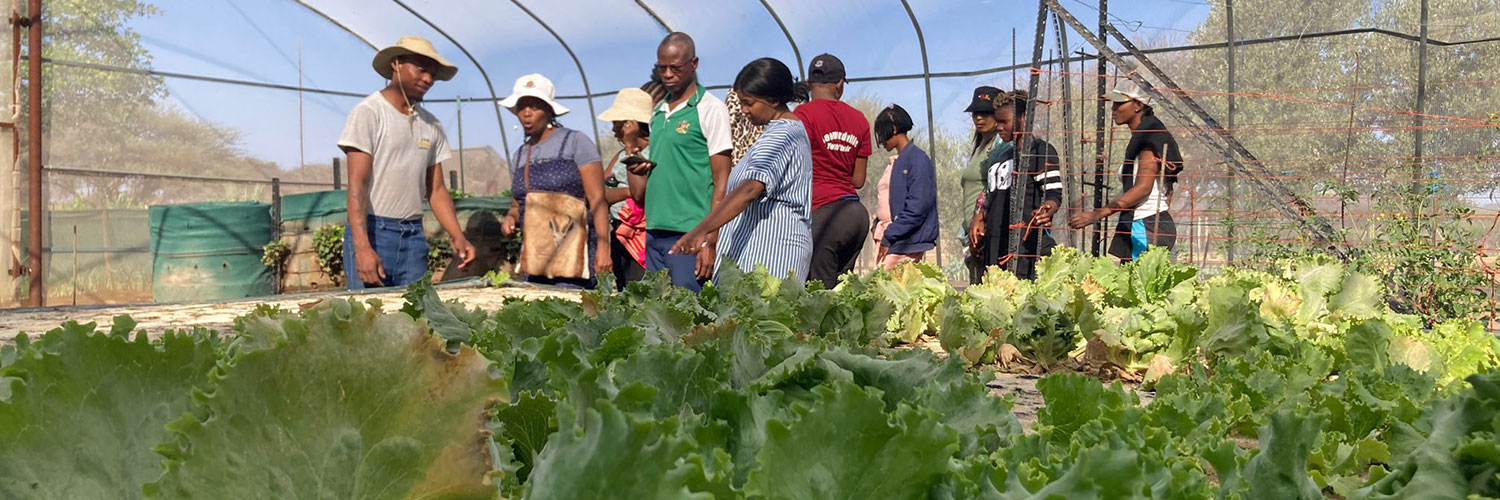
CCF works with rural communities to strengthen food security, improve livestock productivity, and reduce conflict with predators. Stable livestock systems support household income and create a foundation for coexistence with wildlife.
Supported SDGs
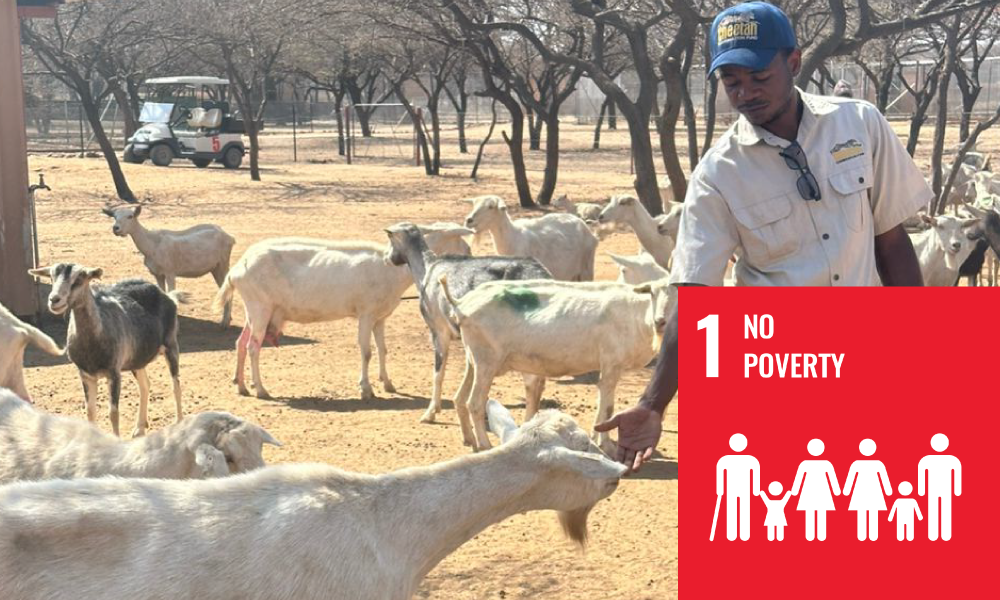
SDG 1 and SDG 2: No Poverty and Zero Hunger
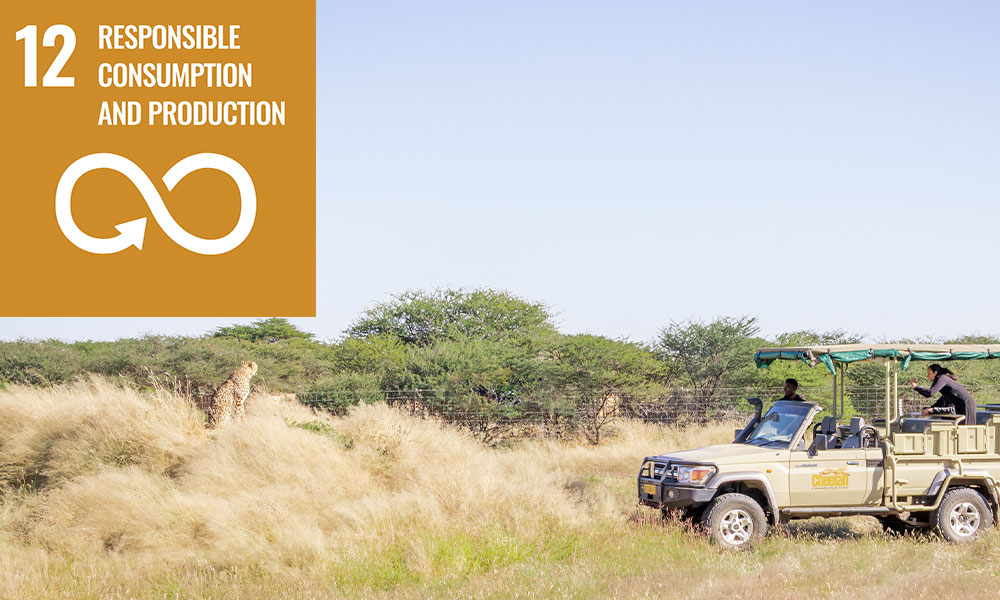
SDG 12: Responsible Consumption and Production
SDG 13: Climate Action
SDG 15: Life on Land
Key Projects
- Livestock Guarding Dog Program
- Future Farmers of Africa training
- Herd health and grazing management
- Predator-proof kraal design
- Wildlife-friendly dairy production at the Model Farm
- Creamery food processing and product development
Impact Highlights
- Tens of thousands of farmers trained
- LGDs reduce livestock losses by 80 to 100 percent
- Hundreds of LGDs placed since program launch
- Dancing Goat Creamery profit reinvested in conservation
- Major reductions in retaliatory killing of cheetahs across farming regions
Education and Capacity Building
Future Conservationists of Africa, School Outreach, Internships, Professional Training
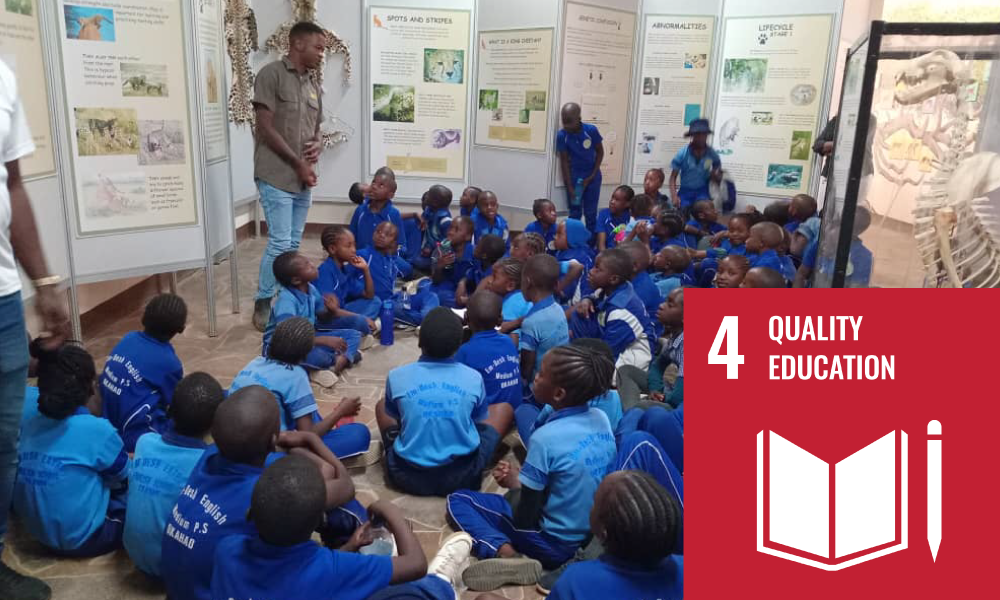
CCF provides conservation learning at every level. Students, teachers, community members, and early-career professionals gain practical knowledge in ecology, agriculture, and wildlife science that strengthens national capacity.
Supported SDGs
SDG 4: Quality Education
SDG 5: Gender Equality
SDG 8: Decent Work and Economic Growth
Key Projects
- School outreach and environmental education
- Future Conservationists of Africa program
- Internships in ecology, genetics, and veterinary care
- Professional training for community educators and extension officers
- University collaborations and field research training
Impact Highlights
- More than 25,000 students reached each year
- Approximately 750,000 learners reached since 1994
- Girls and young women regularly participate in FCA activities
- Students and interns receive hands-on experience in conservation fields
Habitat Restoration and Clean Energy Solutions
Bushblok™, Biomass Technology Demonstration Centre, SteamBio Africa, Soil and Vegetation Research
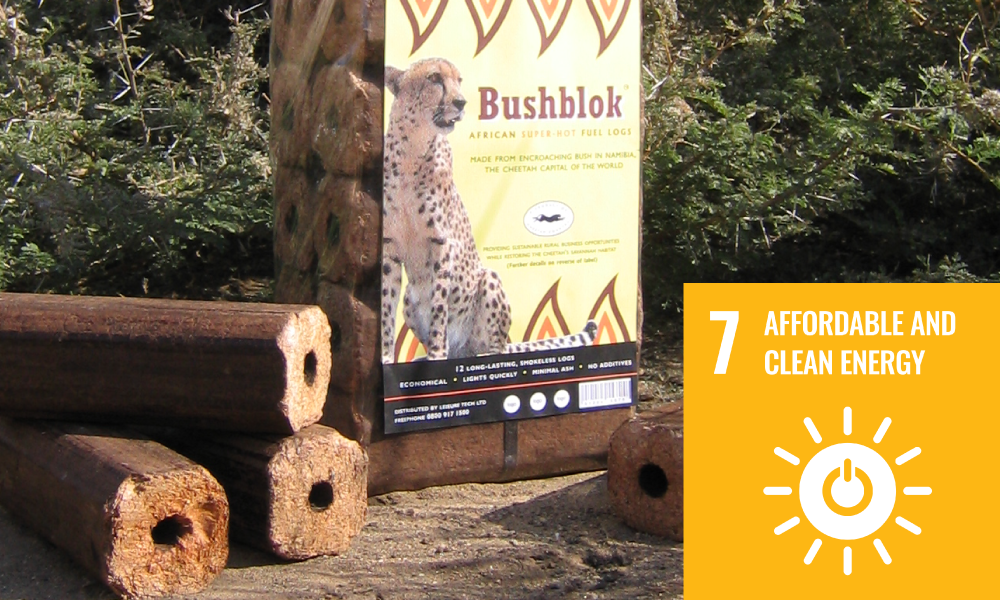
CCF restores degraded arid landscapes through bush thinning, biomass conversion, and research on rangeland health. These efforts improve habitat, support renewable energy development, and enhance climate resilience.
Supported SDGs
SDG 7: Affordable and Clean Energy
SDG 12: Responsible Consumption and Production
SDG 13: Climate Action
SDG 15: Life on Land
Key Projects
- Bushblok compressed biomass fuel
- Biomass Technology Demonstration Centre
- SteamBio Africa torrefaction system
- Biodiversity monitoring plots
- Soil, vegetation, and carbon research
- Habitat restoration across farmland and rangeland systems
Impact Highlights
- Sustained high-volume Bushblok™ production each year
- 300 kW solar system powering biomass operations
- Habitat restoration supports recovery of natural prey species
- Biomass production reduces greenhouse gas emissions from unsustainable fuels
- Long-term monitoring supports national climate and biodiversity planning
Cheetah Care, Rehabilitation, and Scientific Research
Wildlife Care, Genetics, Ecology, Veterinary Medicine, Release and Monitoring
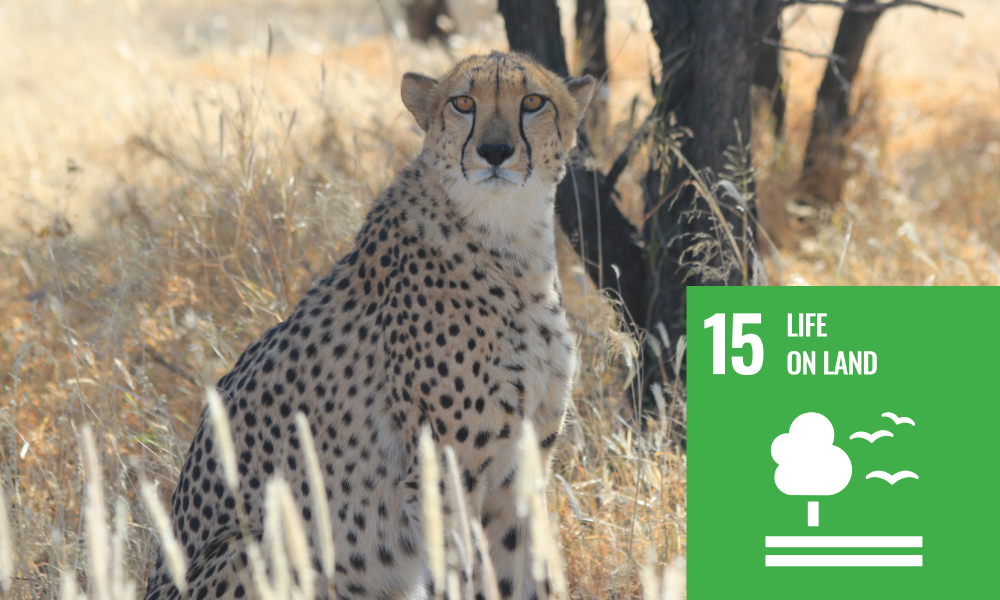
CCF operates a leading cheetah conservation facility and one of Africa’s only in situ wildlife genetics laboratories. Our teams care for rescued cheetahs, conduct scientific research, and support national authorities in conservation management.
Supported SDGs
SDG 15: Life on Land
SDG 16: Peace, Justice and Strong Institutions
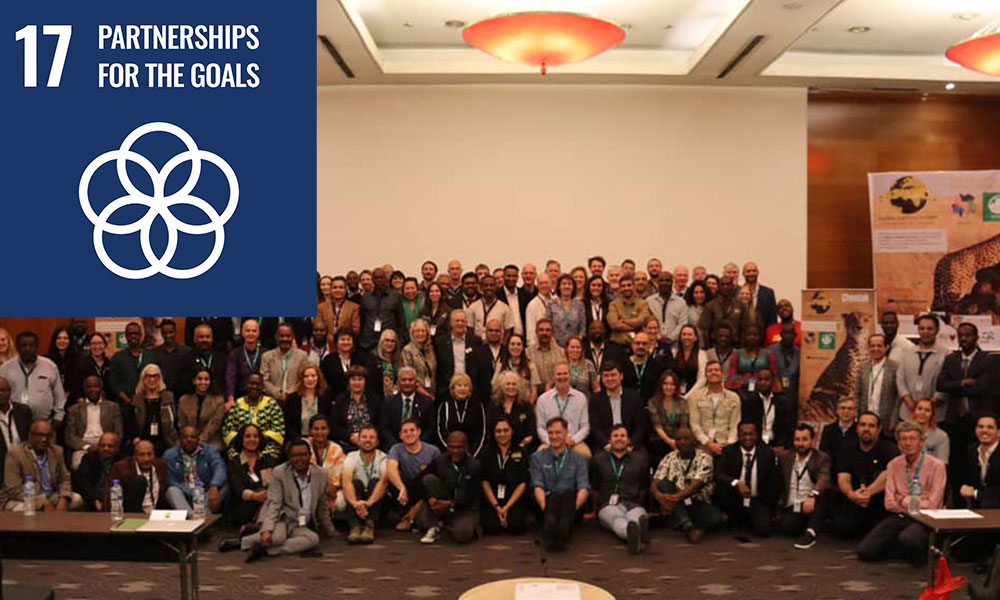
SDG 17: Partnerships for the Goals
Key Projects
- Genetics and biomedical laboratory
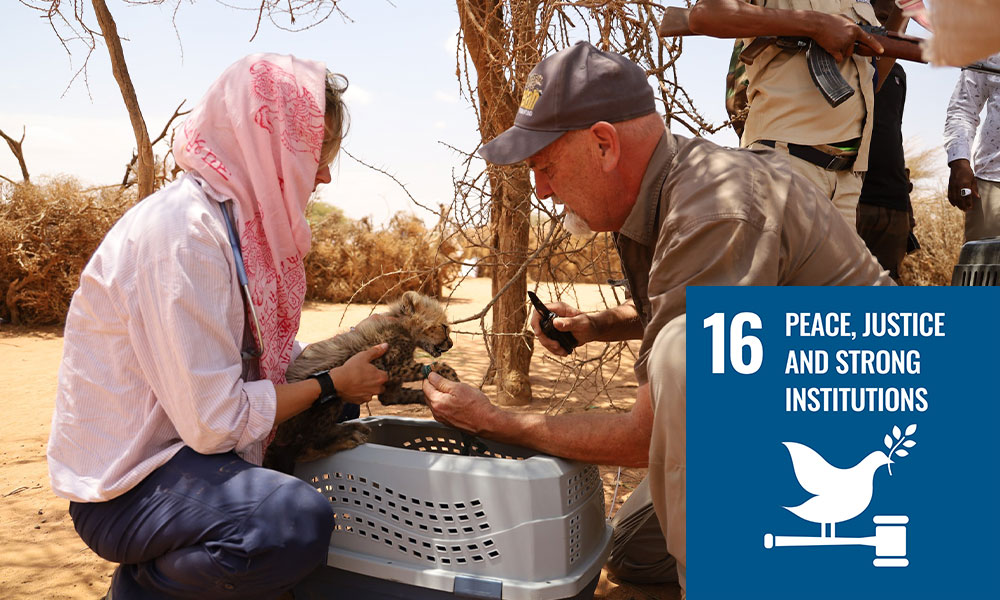
- Veterinary care for cheetahs and livestock guarding dogs
- Rehabilitation and release programs
- GPS collaring and wildlife movement research
- Scat analysis and predator diet studies
- Long-term ecological field research
- Care for more than 100 confiscated cheetahs in Somaliland
- Extensive scientific data collected over three decades
- Hundreds of scientific publications produced through CCF research
- Organized, authored, edited and published by Elsevier the first cheetah textbook Cheetahs Biology and Conservation – Biodiversity of the World: Conservation From Genes to Landscapes
- DNA testing supports wildlife crime cases for government authorities
- Released cheetahs monitored across wide-ranging landscapes
Impact Highlights
Illegal Wildlife Trade Mitigation and Enforcement Support
CRCC, LICIT, CMS IGAD, Wildlife Crime Training, TWIX, Intelligence Networks
CCF works with ministries, law enforcement agencies, and regional bodies to strengthen wildlife crime response, improve legal frameworks, and support coordinated action against the illegal cheetah trade.
Supported SDGs
SDG 16: Peace, Justice and Strong Institutions
SDG 17: Partnerships for the Goals
Key Projects
- Cheetah Rescue and Conservation Centre (CRCC)
- LICIT and LICIT II wildlife crime programs
- Training for prosecutors, judges, customs officials, and police
- CMS and IGAD legal harmonization initiatives
- TWIX wildlife crime intelligence system for Ethiopia
- TRAFFIC and GoInsight partnerships for trade monitoring
Impact Highlights
- Government-led confiscations supported through veterinary and care expertise
- Hundreds of enforcement personnel trained across multiple sectors
- Cross-border wildlife crime monitoring strengthened
- Legal reforms supported throughout the Horn of Africa
- Genetics lab provides forensic evidence for investigations
Tourism, Enterprise, and Economic Opportunity
Visitor Centre, Conservation Tourism, Local Employment, Enterprise Development
CCF’s education and tourism programs create jobs, support local enterprise, and generate revenue that funds conservation and community outreach.
Supported SDGs
SDG 8: Decent Work and Economic Growth
SDG 12: Responsible Consumption and Production
SDG 15: Life on Land
Key Projects
- Visitor Centre and education tours
- Retail and creamery product sales
- Tourism-related training and employment
- On-site enterprise demonstrations
- Stable employment for local staff in tourism and education
- Revenue reinvested into conservation programs
- Thousands of visitors reached each year
- Skills developed in tourism, production, and conservation roles
Impact Highlights
Global Conservation Partnerships
Global Cheetah Summit, Government MOUs, International Networks
CCF works with governments, NGOs, universities, and global institutions to advance conservation science, strengthen enforcement, and coordinate action across the cheetah’s range.
Supported SDGs
SDG 16: Peace, Justice and Strong Institutions
SDG 17: Partnerships for the Goals
Key Projects
- Global Cheetah Summit hosted in Addis Ababa
- Memoranda of Understanding with Namibia and Somaliland
- CMS, IGAD, HAWEN, TRAFFIC, and other partners
- Joint scientific research programs with international universities
- Major multi-year grants through USFWS, DEFRA, EU, and UNIDO
Impact Highlights
- Summit convened representatives from 23 countries
- Shared priorities for cheetah conservation over five years
- Global funding need estimated at USD 165 million per year
- Strengthened multi-country coordination and data sharing
The content of this publication has not been approved by the United Nations and does not reflect the views of the United Nations or its officials or Member States.