
Cheetah Conservation Fund at CITES & CMS: Safeguarding Cheetahs Through Global Policy
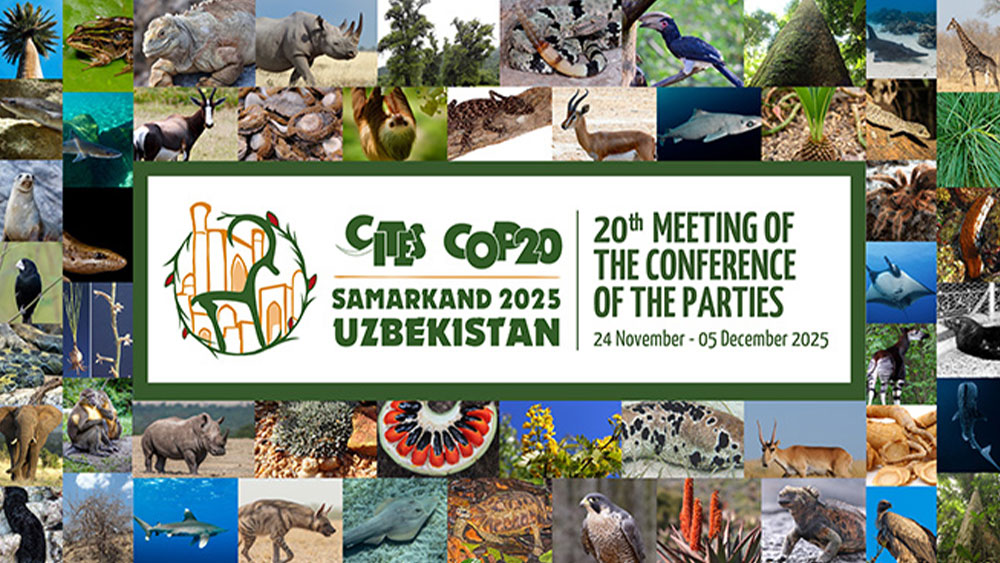
Nov 24 - Dec 5, 2025
- Location: Samarkind, Uzbekistan
-
Venue:
Silkroad Samarkand Expo Center
Google Maps
The Cheetah Conservation Fund (CCF) plays a leading role in ensuring that cheetah conservation and the fight against illegal wildlife trade remain high priorities within international environmental conventions. Through strategic engagement with CITES (the Convention on International Trade in Endangered Species) and CMS (the Convention on Migratory Species), CCF works alongside governments, NGOs, and global partners to protect cheetahs across their range.
Why CITES Matters for Cheetahs
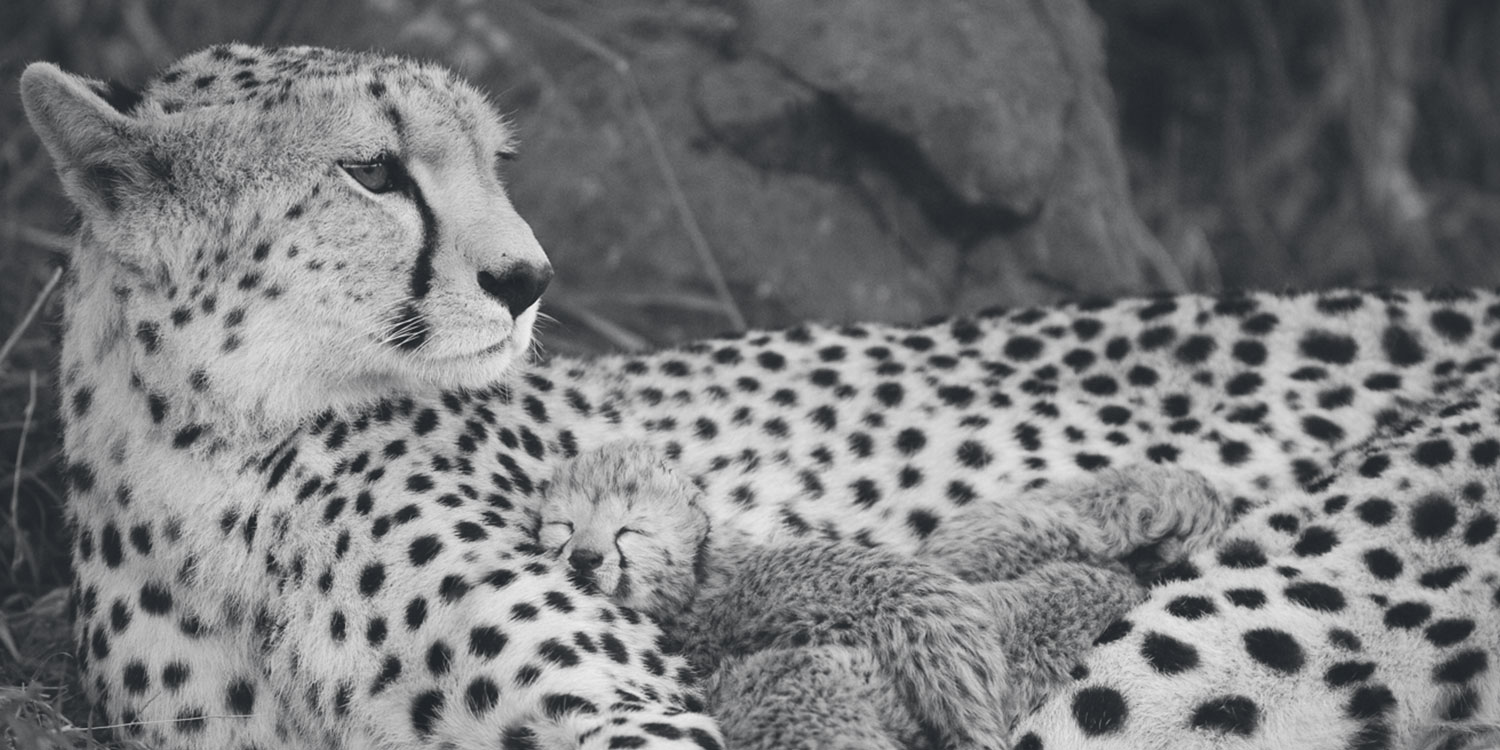
Cheetahs have been listed in CITES Appendix I since 1975, which prohibits international commercial trade. Despite this protection, the illegal trafficking of cheetah cubs—primarily from the Horn of Africa to the Arabian Peninsula—remains a critical threat. CCF uses its scientific, policy, and field expertise to:
- Support range states in advocating for cheetah protection
- Present data on illegal trade routes and mortality rates
- Influence decision-making within CITES committees and Conferences of the Parties (CoPs)
Key CCF Achievements
- Influenced international resolutions ensuring illegal trade remains recognized as a major threat.
- Revived Cheetah Trade Dialogue through NGO coalition strategy and ACI (the Joint CMS-CITES African Carnivores Initiative) mechanisms.
- Advocated for and shaped the Big Cats Task Force, ensuring cheetahs are meaningfully included.
- Supported ACI’s Program of Work and ensured cheetahs are integrated across all priorities.
CCF Priorities at the Upcoming CITES CoP20 (November–December 2025)
Cheetah-Specific PrioritiesCoP20 Inf. 33.
- Big Cats Task Force & illegal cheetah trade (Nov 27): Renewal of enforcement decisions; engagement with UAE, Saudi Arabia, and source states. CCF supported Ethiopia with the related submitted document – CoP20 Inf. 33.
- African Carnivores Initiative (Nov 25): Securing cheetah-focused provisions in 2025-2028 Program of Work on illegal trade, habitat connectivity, and national action plans
Strategic Priorities
- Wildlife crime enforcement for cheetah trafficking networks
- Diagnostic samples agenda relevant to CCF’s genetics work
- One Health platform to highlight veterinary challenges in cheetah trade
- Continued support for range/destination states (Ethiopia, Kenya, UAE, Saudi Arabia) and the exploring of new funding partnerships

CCF at CITES: Full Timeline
2019 – CoP18 (Geneva, Switzerland): A Turning Point
- CCF warned Parties against deleting past cheetah-related decisions due to misconceptions about low trade volumes.
- Despite efforts, deletions were adopted—removing actionable cheetah-specific resolutions.
- In response, CCF spearheaded an NGO coalition strategy to revive the issue through the new Joint CITES–CMS African Carnivores Initiative (ACI).
Late 2019 – CMS Scientific Council (Bonn, Germany): A Breakthrough
- CCF’s NGO coalition strategy was unanimously approved.
- Both CITES and CMS were now mandated to acknowledge and mobilize action against live cheetah trade.
2020 – CMS CoP13 (Gandhinagar, India)
- Resolution 13.4 on the ACI was adopted, requiring inclusion of illegal take and trade of cheetahs in its Program of Work.
- CCF co‑hosted a high‑level side event featuring representatives from Ethiopia, Saudi Arabia, Zimbabwe, and India.
- CCF engaged bilaterally with demand countries and consulted on potential cheetah reintroduction in India.
2020–2021 – Preparing for CITES Standing Committee
- CCF supported Ethiopia, Somalia, Yemen, and Kenya in producing an Africa–Middle East joint cheetah trade document for CITES.
- COVID‑19 postponed SC73, delaying urgent action.
- CCF joined two CITES Working Groups: Appropriate and Acceptable Destinations, and the Lions Working Group.
2021 – ACI Program of Work Finalized
- CCF contributed edits to ensure cheetah inclusion.
- The ACI Program of Work was approved by both CMS and CITES.
- CCF advocated for a strong Big Cats Task Force (BCTF) structure and timeline.
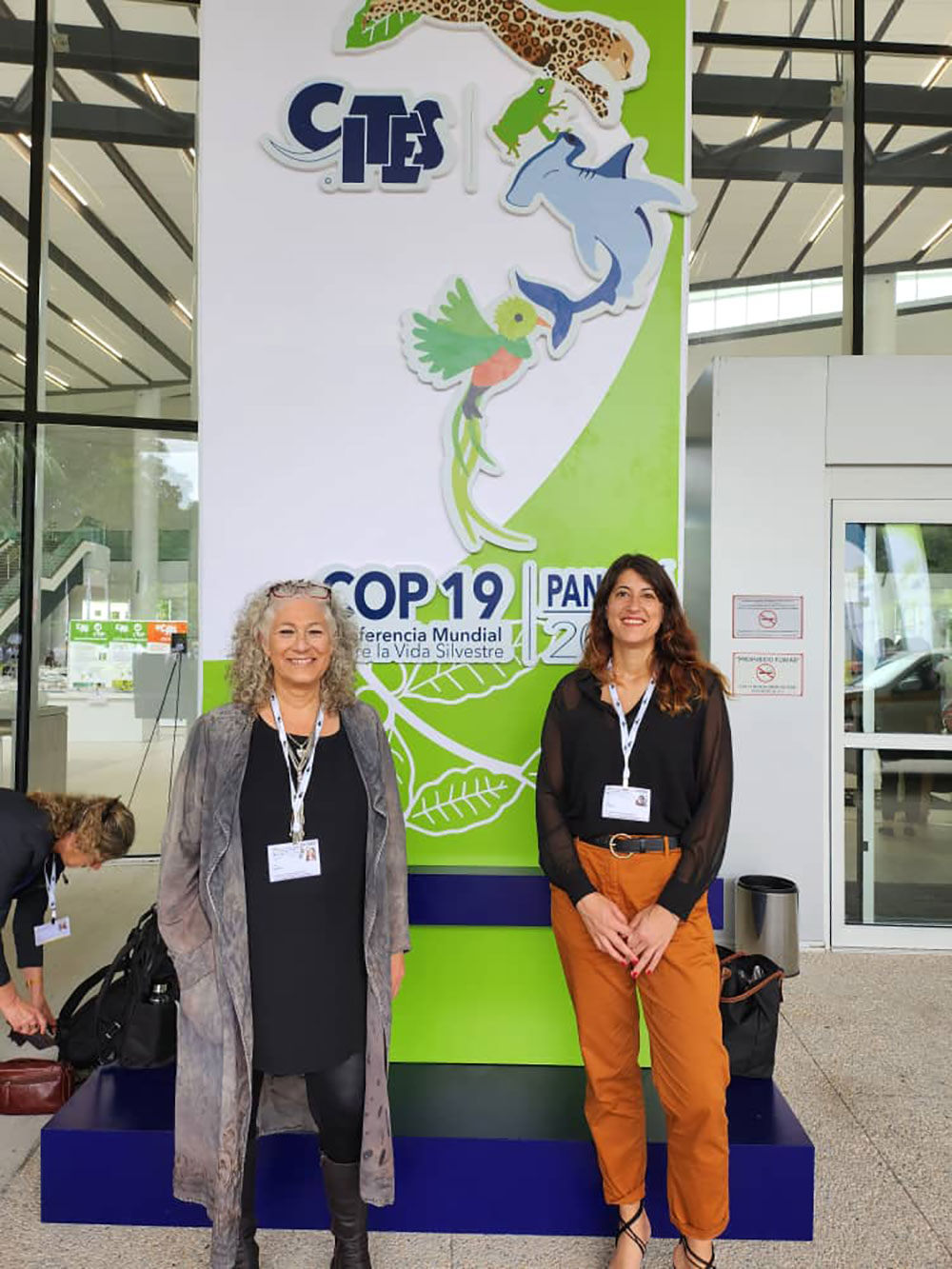
2022 – CITES CoP19 (Panama City, Panama)
- CCF advocated for urgent action on cheetah trafficking and supported Ethiopia’s proposal (Doc. 59).
- CCF called for a cross‑regional meeting between Horn of Africa and Arabian Peninsula countries due to high cub mortality.
- Big Cats Task Force ToR and MO were adopted.
- CCF held and participated in multiple side events, including UK DEFRA and a CCF‑coordinated cheetah IWT panel.
- CCF team supported the Horn of Africa Wildlife Enforcement Network (HAWEN) and engaged with global WEN partners.
2023 – Strengthening Global Cooperation
- CCF participated in the second Big Cats Task Force and ACI Range States Meeting (Entebbe, Uganda).
- Discussions validated CCF’s project alignment with range state priorities.
- CCF joined a CITES expert workshop in Nairobi on Non‑Detriment Findings (NDFs), advocating for strong criteria for Appendix I species.
- Specific recommendations aligned with CCF’s Horn of Africa initiatives: strengthening enforcement, data‑driven strategies, harmonized legislation, and regional MoUs.
2024 – CMS CoP14 (Samarkand, Uzbekistan)
- Advanced the ACI by raising concerns about funding gaps and supporting renewal of the PoW
Highlighted the Addis Ababa Declaration from the Global Cheetah Summit; the Declaration was formally added to the CoP14 record with Ethiopia’s support. - Advocated for recognition of unlisted cheetah populations (Zimbabwe, Namibia, Botswana) to ensure they are not overlooked in future CMS decisions.
- Reaffirmed the mandate of the Asiatic Cheetah Working Group, emphasizing the need for genetic and viability assessments.
- Strengthened partnerships and policy influence by engaging Parties, CMS Secretariat, UNEP, and NGOs to secure support for cheetah conservation priorities.
2025 – CITES SC78 (February 2025)
- Successfully opposed dilution of species-specific big cat protections
Documented trafficking crisis: 43% increase, averaging >500 cheetahs/year (2020-2024); 77% of trade now online via social media/WhatsApp - Supported Ethiopia’s report revealing illegal trade surpassed legal trade in 2023
- Hosted side event showcasing genetics breakthroughs and CatByte database analytics
- Advanced African Carnivores Initiative with new enforcement decisions.
2025 – CMS Standing Committee 56 (March 2025)
- Advocated for unlisted cheetah populations to be included in CMS Appendix I (Zimbabwe, Namibia, Botswana)
- Other updates:
- ACI Program delayed to 2026 due to funding gaps
- Asiatic cheetah discussion postponed (Iran absent)
- September 2025 call planned to prepare next ACI phase