
Protecting Cheetahs One Vaccination at a Time: How CCF Uses Data to Fight Rabies
-
- by Anahi Hidalgo February 23, 2026
When most people think about saving cheetahs, rabies vaccinations probably aren’t the first thing that comes to mind. But here in Namibia’s Eastern Communal Conservancies, vaccinating dogs and cats against rabies is one of the most important things we do to keep cheetahs safe.
What Does Rabies Have to Do with Cheetahs?
Rabies is a deadly virus that can spread between animals and people. In remote communities where veterinary services are hard to come by, an unvaccinated dog can pass rabies to livestock, wildlife, and even humans. For endangered species like cheetahs and African wild dogs, a single rabies outbreak can be devastating.
There’s also a direct connection between healthy dogs and cheetah survival. Many farming communities in Namibia rely on Livestock Guarding Dogs, or LGDs, to protect their herds. These brave, loyal dogs are a natural deterrent to predators. Their presence alone keeps cheetahs away from livestock. That means farmers don’t have to resort to lethal methods to protect their animals. Keeping LGDs healthy and rabies-free is essential to this whole system working.
Dr Anne Schmidt-Küntzel, CCF’s Director for Animal Health and Research, puts it simply: by preventing rabies from spreading through domestic dogs, we protect wildlife indirectly and we help keep dogs healthy and active in their important role as cheetah protectors.
A One Health Approach in the Field
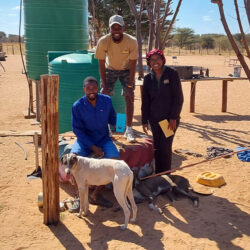
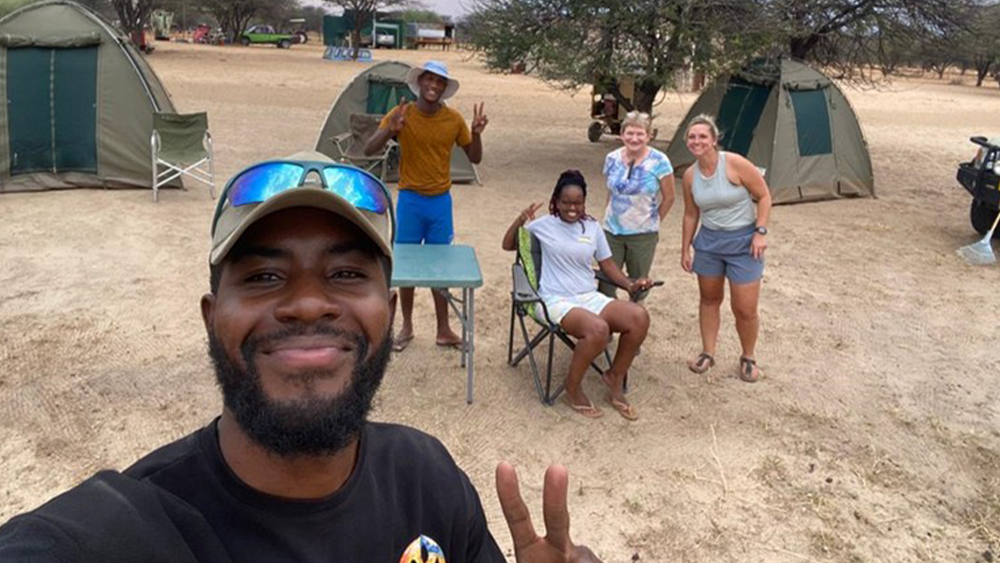
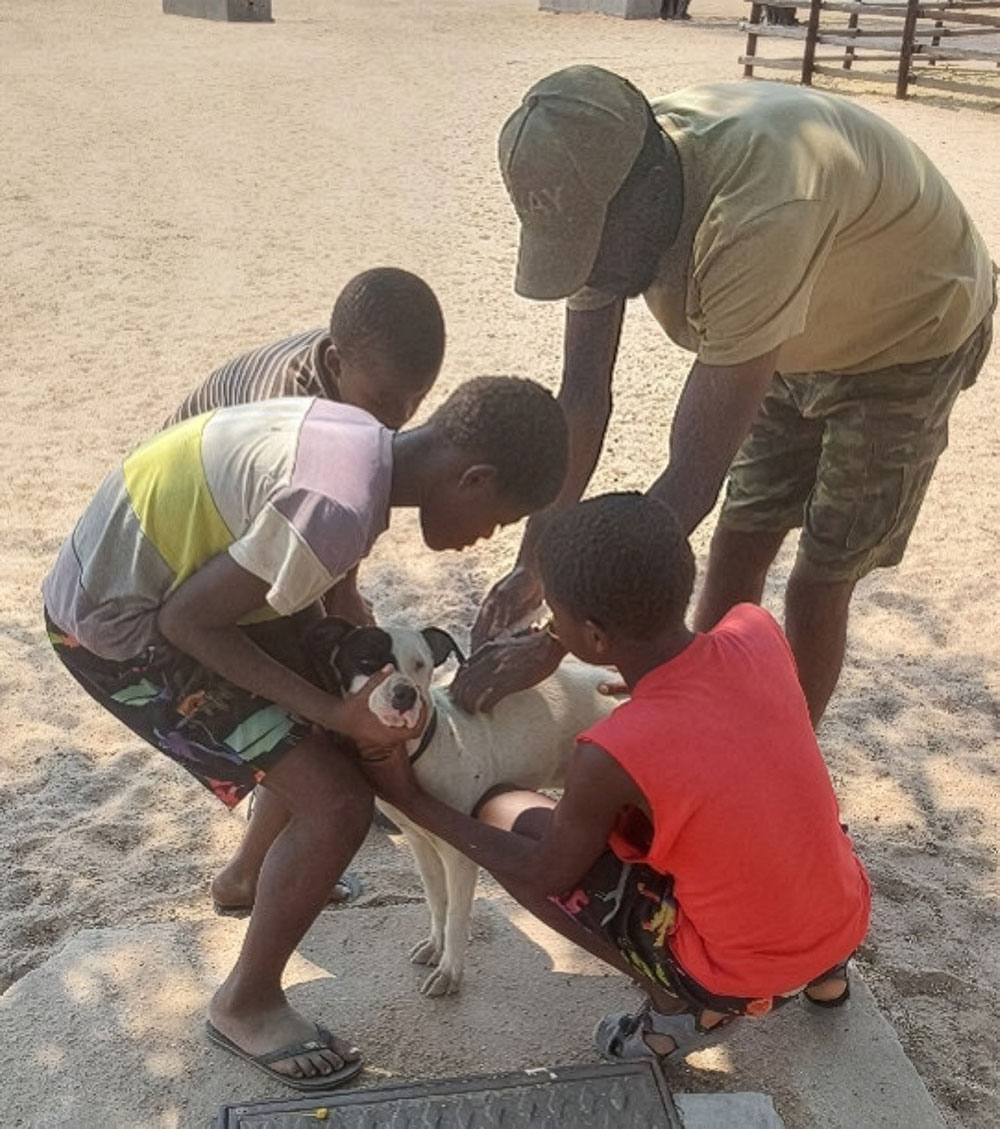
CCF launched its rabies vaccination program in 2019 in the Greater Waterberg Landscape. “One Health” is a way of thinking about how the well-being of people, animals, and the environment are all connected. Our vaccination campaigns are built on that idea. When we vaccinate a farmer’s dog, we’re protecting that dog, the farmer’s family, the livestock, and the wildlife that shares the landscape, all at once.
What started as a small effort has grown into something we’re truly proud of. By 2025, we reached over 10,000 vaccinations of domestic dogs and cats. But the numbers only tell part of the story. The real shift has been in community trust. More and more families are now actively asking us to vaccinate their animals. That kind of engagement doesn’t happen overnight. It’s built through years of showing up, listening, and working together.
Better Data, Better Decisions
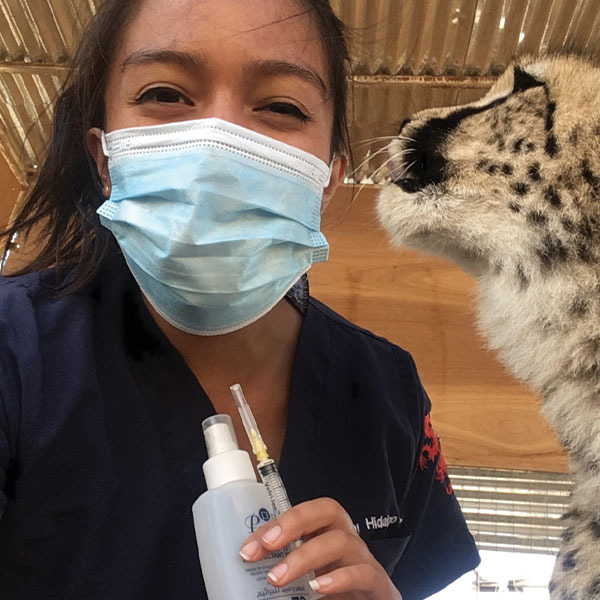
Running vaccination campaigns across remote areas comes with real challenges. Early on, we relied on paper records, which were hard to organize and easy to lose. In 2022, we connected with the GARC, Rabies Alliance, and in 2023 we started using their Data Platform, a free digital tool that helps organizations like ours track and visualize vaccination data in real time.
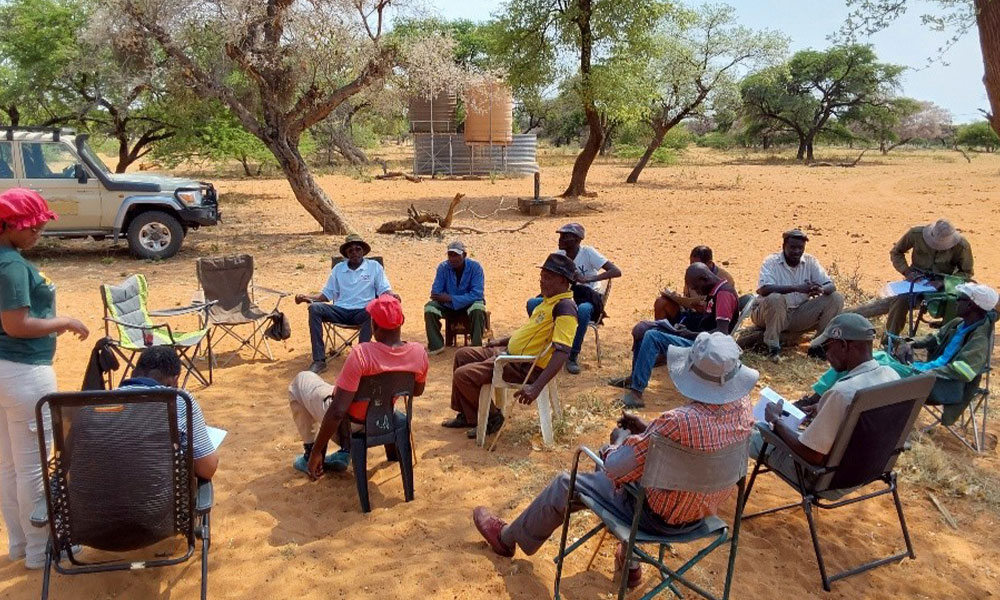
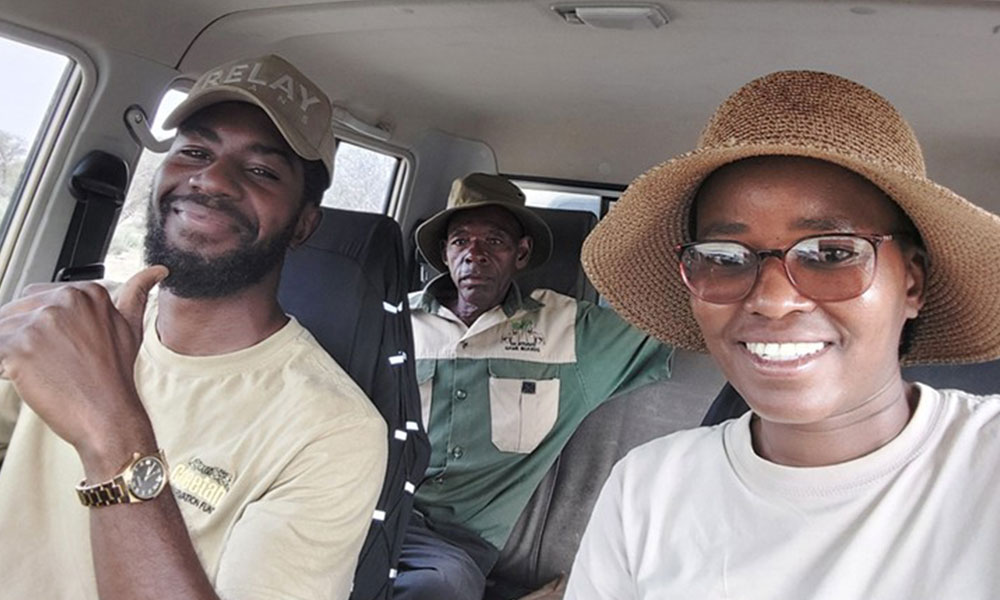
The difference has been significant. Our field teams now collect data digitally on tablets during campaigns, which has reduced errors and made our post-campaign analysis much faster and more reliable. The platform’s mapping and graphing tools give us an instant picture of where we’ve been and where we still need to go. We’ve also been able to link our data to Namibia’s government reporting system, so our work contributes directly to the country’s national rabies prevention figures.
The tool we use most is called the Vaccination and Sterilization Tracker (VST). It lets us record detailed information about every animal we vaccinate, along with information about owners and households. These records help us plan better, understand the communities we serve, and estimate how many animals are coming back for follow-up vaccinations.
CCF is happy to announce that we are featured on the GARC Rabies Alliance website. https://rabiesalliance.org/news/garcs-february-featured-platform-user-cheetah-conservation-fund-namibia

The Bigger Picture
Our rabies program is part of something much larger. It supports Namibia’s national rabies strategy and the global “Zero by 30” initiative, which aims to end human deaths from dog-transmitted rabies by 2030. Every dog or cat we vaccinate moves us closer to that goal while also creating a safer environment for cheetahs and the communities that live alongside them.
At its heart, this work is about coexistence. CCF believes that when people, livestock, and wildlife are all healthier and safer, everyone benefits. Rabies vaccination might not be the most glamorous part of cheetah conservation, but it’s one of the most impactful.
CCF’s rabies prevention programs are funded in part by grants from the Foundation for Human Rabies Education & Eradication (FHREE) and Community Conservation Fund Namibia (CCFN). To find out more about how CCF is saving the cheetah in the wild, or to support CCF’s important work, visit cheetah.org.
Related Reading
-
January 15, 2026
Thank You for Making Home Range for the Holidays a Success -
November 24, 2025
Tupuka’s Wild Life -
September 4, 2025
10,000 Vaccinations and Counting: A Milestone in CCF’s Rabies Campaign