
A Global Home for Cheetahs: CCF Named Centre of Excellence for Cheetah Conservation
-
- by CCF Staff July 15, 2026
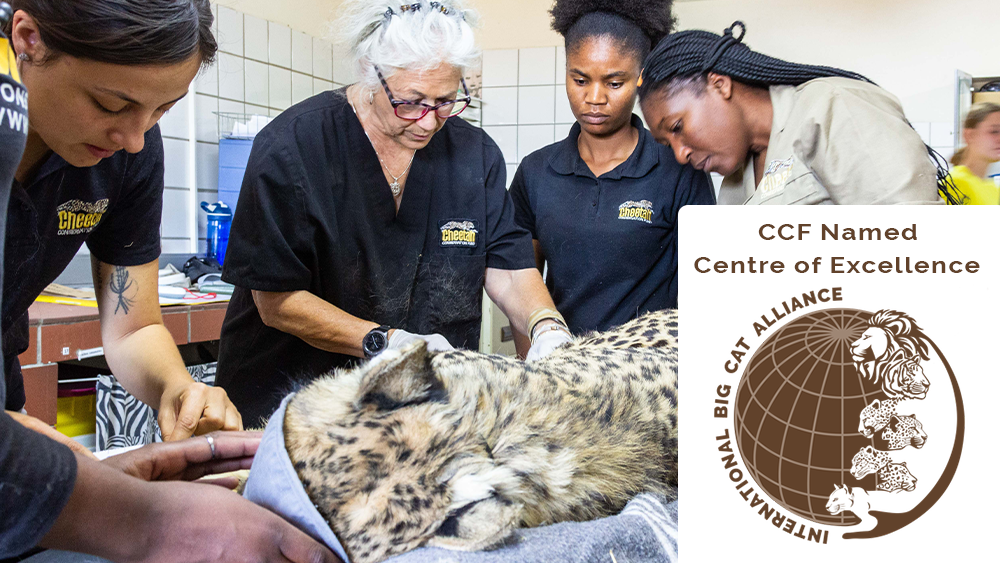
Fresh off two 2026 Best of Namibia Awards, for “Outstanding Organization in Animal Welfare” and “Leading the Way in Environmental Conservation,” the Cheetah Conservation Fund has now reached an even bigger milestone. On 1 July 2026, CCF was formally named the Centre of Excellence for Cheetah Conservation, a designation that turns its home base in Otjiwarongo, Namibia, into a global hub for everything cheetah.
What is the award?
The recognition comes through a five-year agreement, a Memorandum of Understanding, signed on 23 June 2026 between CCF and an organization called the International Big Cat Alliance.
In short, the world’s leading cheetah organization has been officially recognized as the place to go for cheetah expertise. CCF’s headquarters in Namibia will serve as a global center for training, research, technical support, and knowledge-sharing, helping countries across Africa, Asia, and beyond do a better job of protecting cheetahs.
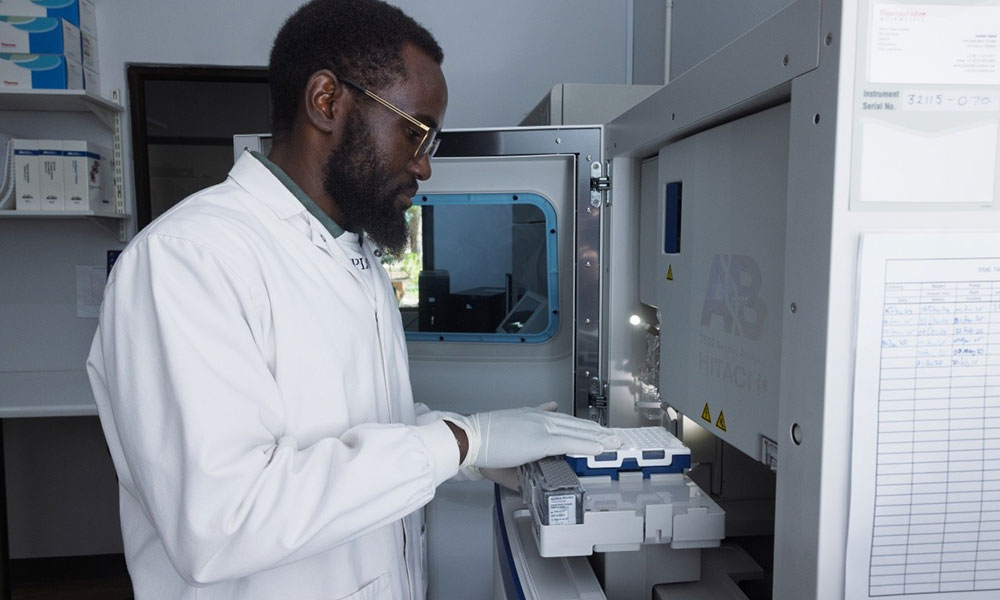
For CCF, this isn’t a brand-new direction so much as a formal stamp on something we have been doing for decades. Since Dr. Laurie Marker founded the organization in Namibia in 1990, CCF has welcomed thousands of students, veterinarians, researchers, and wildlife managers from more than 80 countries. Being named a Centre of Excellence makes that role official on a global stage.
As Dr. Marker put it, the honor recognizes “decades of research, innovation, and partnership,” while opening the door to share what CCF has learned with even more of the countries working to bring cheetahs back.
A partnership already in motion
The Centre of Excellence isn’t the start of the relationship between CCF and the International Big Cat Alliance. It’s the formalization of one that was already underway. In February 2025, at a major meeting of CITES (the global treaty that governs trade in endangered species), CCF co-hosted a session called “New Cheetah Insights” alongside the Alliance and India’s National Tiger Conservation Authority. Dr. Marker joined representatives from both organizations to talk through pressing priorities: the latest in cheetah genetics research, better data-sharing between conservationists, and cutting through the red tape that can slow down important scientific and medical work.
What will CCF actually do?
Being a Centre of Excellence comes with real responsibilities. Over the next five years, CCF will help lead work such as:
- Training the next generation of wildlife professionals and conservationists through international programs and hands-on, field-based learning.
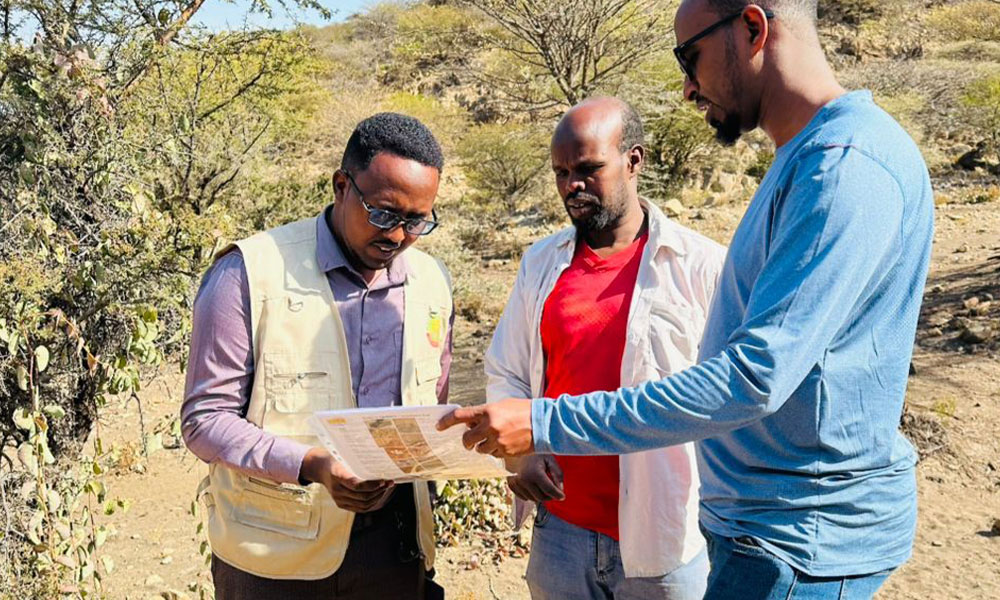
- Building expertise across the countries where cheetahs still live (or once did), so local teams have the tools and knowledge they need.
- Creating practical resources like technical manuals, guidance documents, and policy tools that others can use.
- Expanding research and sharing scientific findings openly across borders.
- Supporting governments directly with technical help for cheetah conservation and restoration projects.
- Developing digital learning through online platforms, webinars, and educational materials.
- Hosting workshops and conferences that bring the world’s cheetah experts together.
Underlying all of it is CCF’s long-held belief that saving cheetahs means helping cheetahs and people thrive together, through habitat restoration, coexistence with farming communities, and sustainable approaches that work for everyone.
Who is the International Big Cat Alliance?
If you haven’t heard of the International Big Cat Alliance (IBCA), you’re not alone. It’s a relatively young organization, but an ambitious one.
Headquartered in New Delhi and established by the Government of India, the IBCA is a global coalition built around a single goal: conserving the world’s big cats. And it takes a broad view of what counts. The Alliance works on behalf of seven big cat species (the tiger, lion, leopard, snow leopard, cheetah, jaguar, and clouded leopard), bringing together range countries, governments, scientists, and conservation groups.
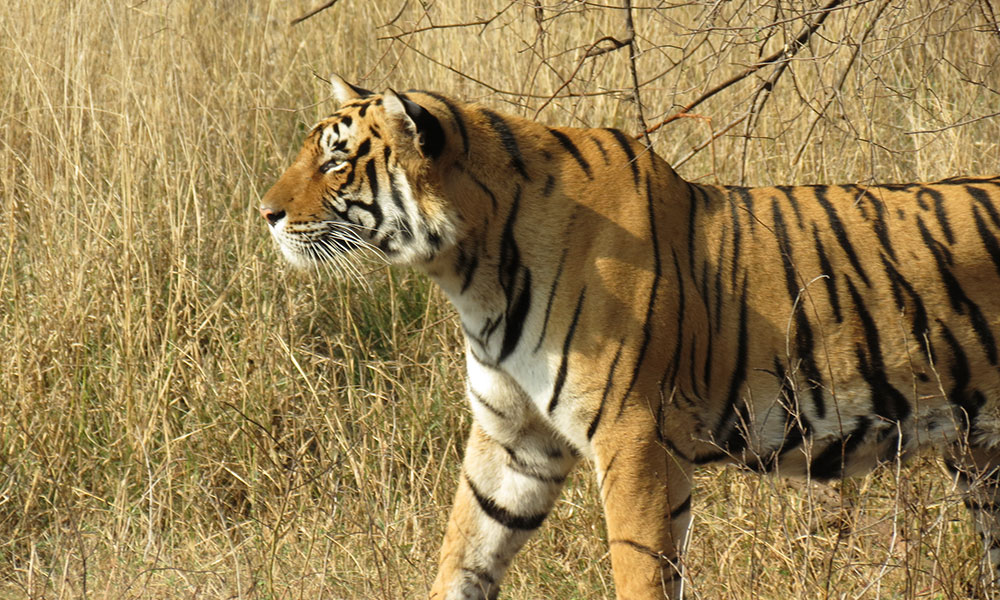
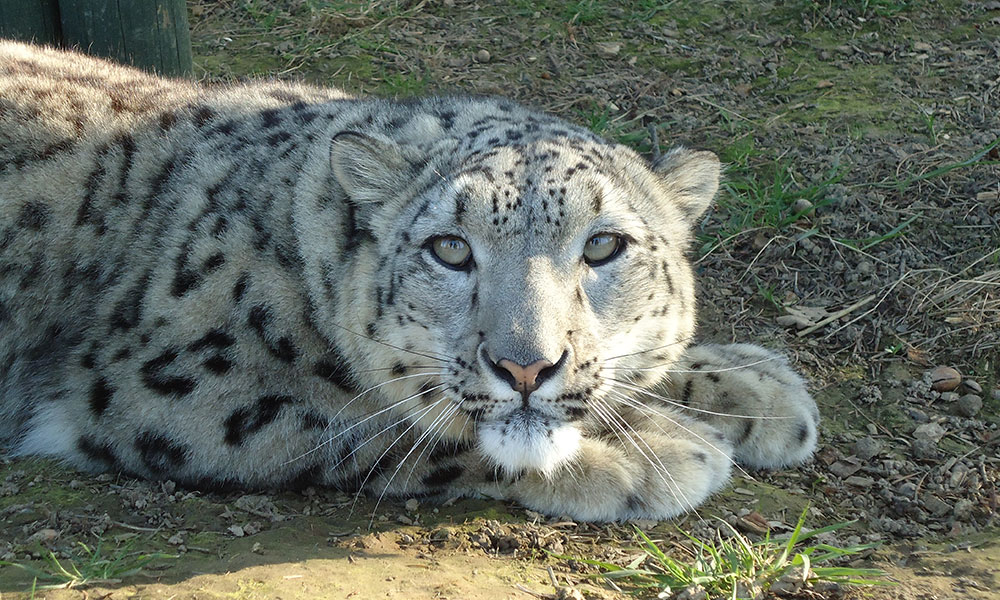
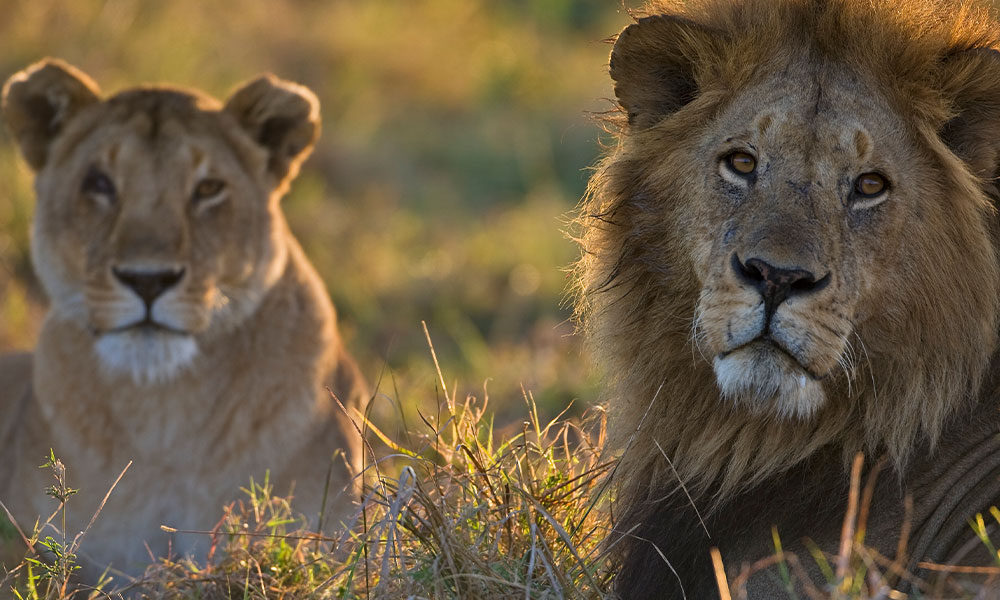
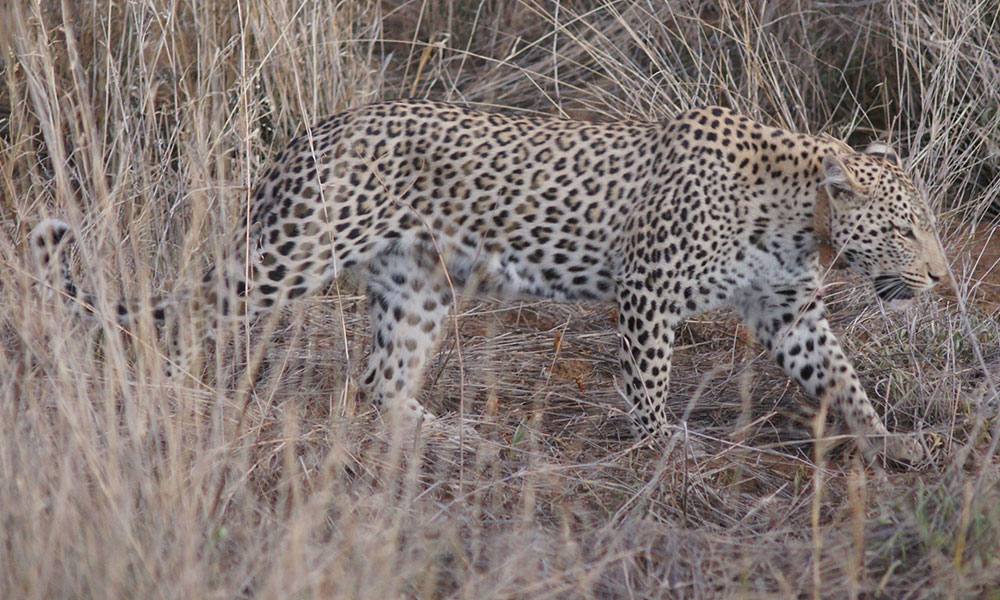
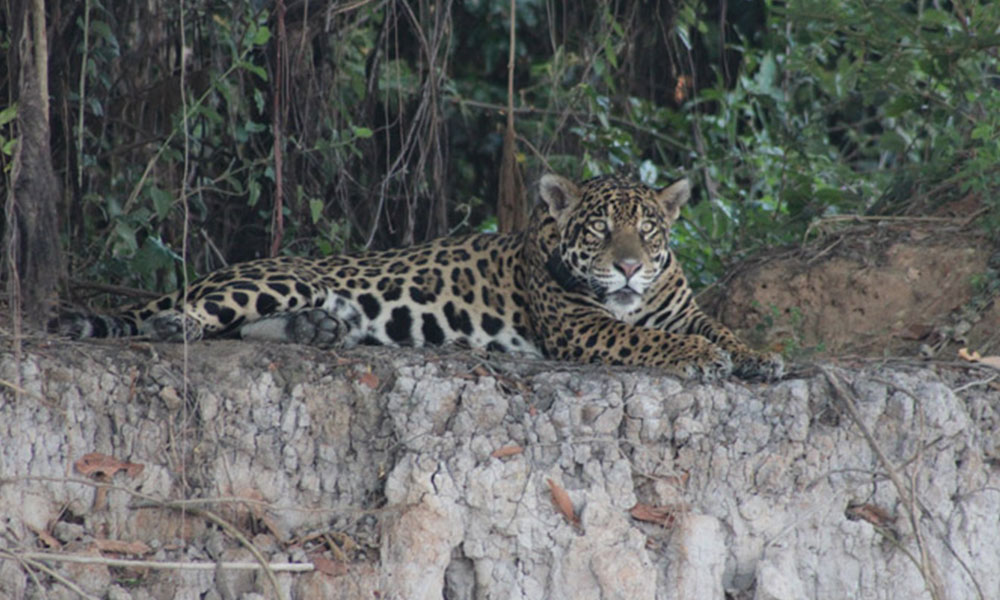
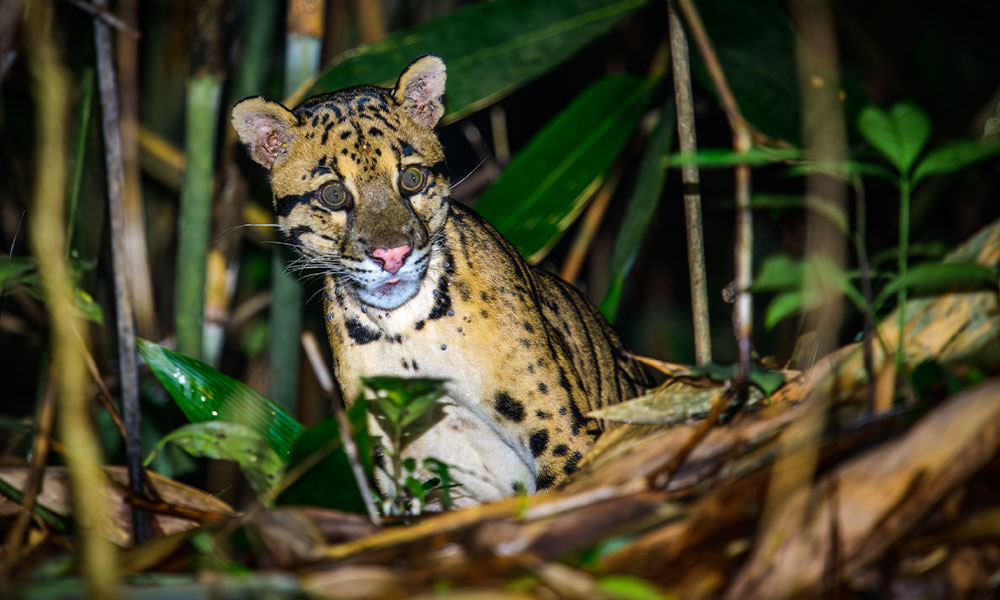
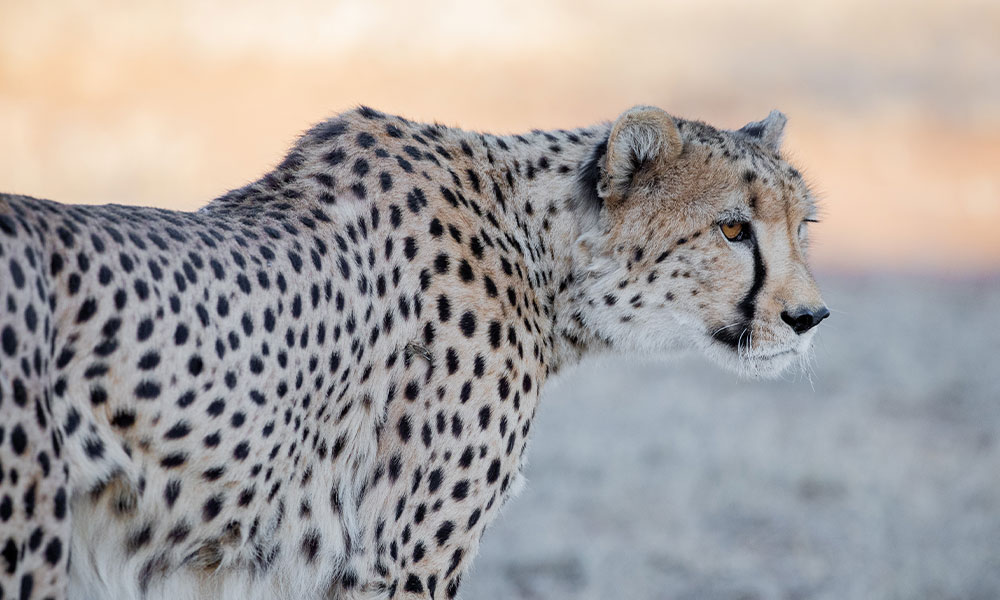
The idea is simple but powerful: no single country or organization can save these animals alone. By pooling expertise, funding, technology, and research across borders, the Alliance aims to give big cats a fighting chance while also supporting healthier ecosystems and communities. Naming Centres of Excellence, like CCF for cheetahs, is one way the IBCA channels the best available knowledge to where it’s needed most.
Why this matters for cheetahs
Cheetahs are in trouble. Their numbers have dwindled dramatically over the past century, and they’ve disappeared from vast stretches of their former range. Threats like habitat loss, conflict with farmers, and the illegal wildlife trade continue to put pressure on the remaining wild populations.
CCF has spent more than 36 years working on exactly these problems, pioneering everything from livestock guarding dog programs that reduce conflict with farmers, to genetics research, to rescuing cubs from the illegal pet trade in places like Somaliland and Ethiopia. The organization even played a role in the historic effort to return cheetahs to India.
Formalizing all of that experience through the Centre of Excellence means those hard-won lessons won’t stay in Namibia. They’ll travel, reaching the wildlife professionals, governments, and communities who need them most.
As Dr. Marker said, “This partnership represents a shared commitment to building expertise, strengthening international cooperation, and ensuring that future generations inherit landscapes where cheetahs continue to thrive.”
For the fastest cat on Earth, that’s a future worth running toward.
Related Reading
-
May 6, 2026
A Future Worth Running Toward