
A Future Worth Running Toward
-
- by CCF Staff May 6, 2026
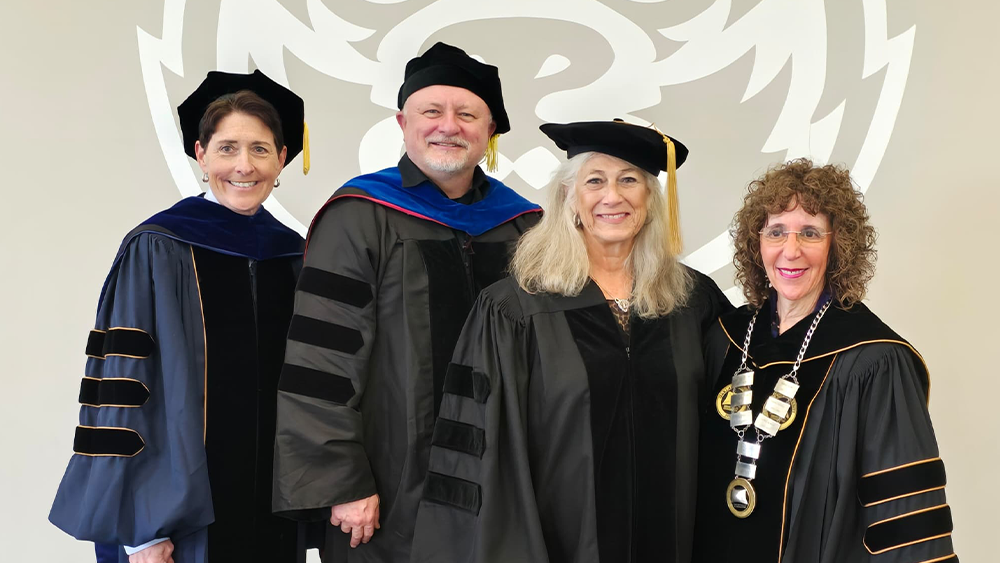
This spring, Oakland University awarded Dr. Laurie Marker — founder and executive director of the Cheetah Conservation Fund — an honorary doctorate in recognition of her more than four decades of pioneering work in wildlife conservation, sustainable agriculture, and community-based coexistence.
More than forty years ago, when Dr. Marker began her work in Namibia, the cheetah was in silent decline. Farmers viewed predators as adversaries. Habitat was shrinking. Science was still uncovering the genetic fragility of the species. Many believed extinction was inevitable.
But Namibia taught her something transformative: extinction is not inevitable when people choose collaboration over conflict.
Building a Living Laboratory for Coexistence
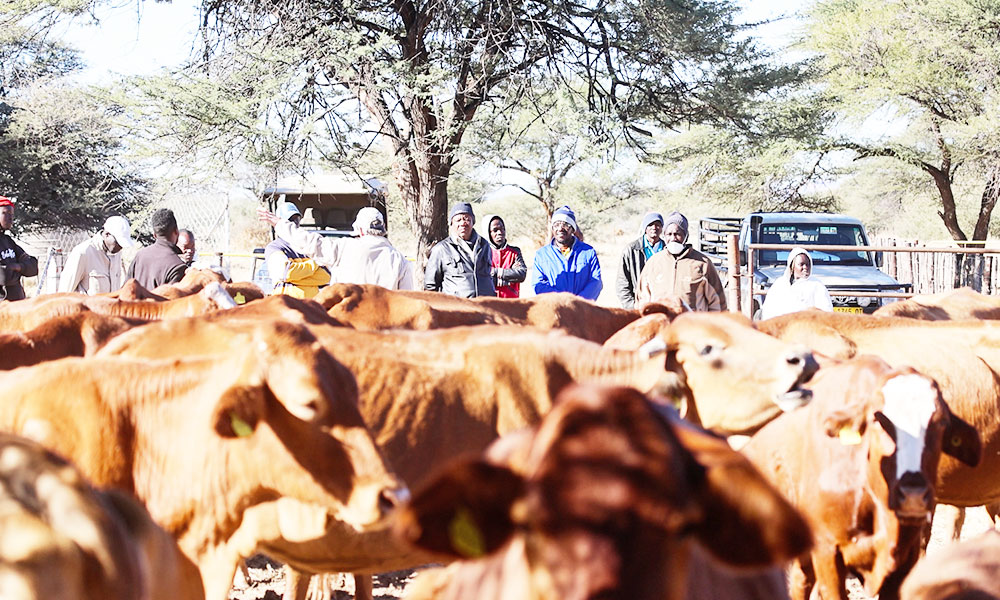
In her acceptance speech, Dr. Marker didn’t dwell on past achievements. She looked forward — issuing a call to action for the next generation of conservationists, scientists, and agricultural leaders to redesign the systems that shape our planet’s future. Together with Namibian farmers, government leaders, and local communities, Dr. Marker built what became the Cheetah Conservation Fund — not as a rescue organization alone, but as a living laboratory for coexistence between agriculture and wildlife.
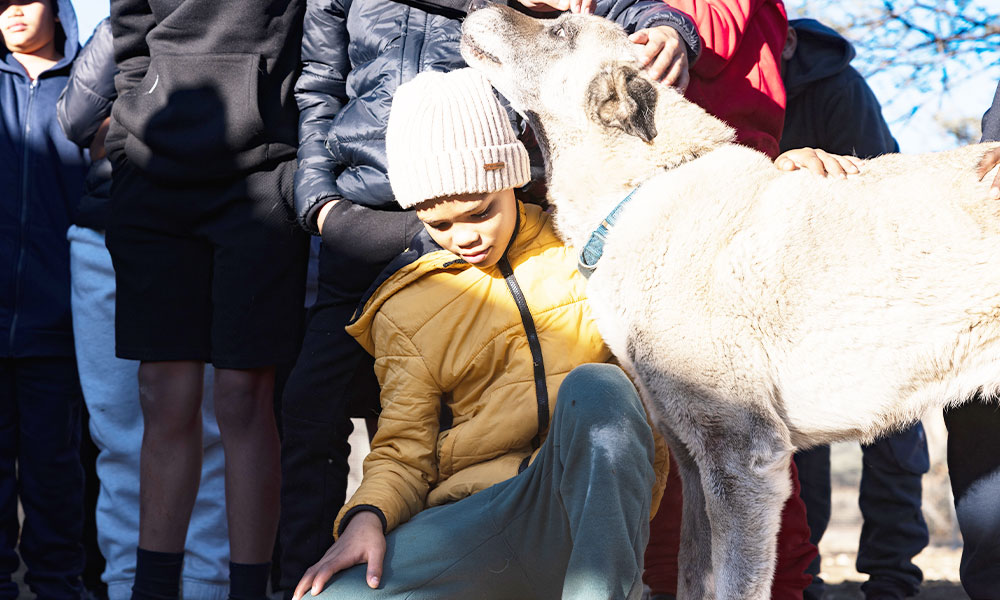
Livestock guarding dogs reduced predator conflict while protecting farmers’ livelihoods. Restoring bush-encroached land revived both ecosystems and grazing capacity. Predator-friendly farming techniques proved that sustainable land management and species conservation aren’t competing goals — they’re interdependent. And through Namibia’s community conservancy model, giving local communities rights over wildlife created both economic resilience and ecological stewardship.
“This was not charity. This was systems change. And that is what the next era of leadership demands.”
A Crisis That Demands More Than Incremental Change
Today, biodiversity loss is accelerating. Climate instability is reshaping landscapes and threatening agricultural systems worldwide. Illegal wildlife trafficking has become a sophisticated global enterprise. Ecosystems are collapsing faster than policies can respond — and with them, the farming communities that depend on healthy land.
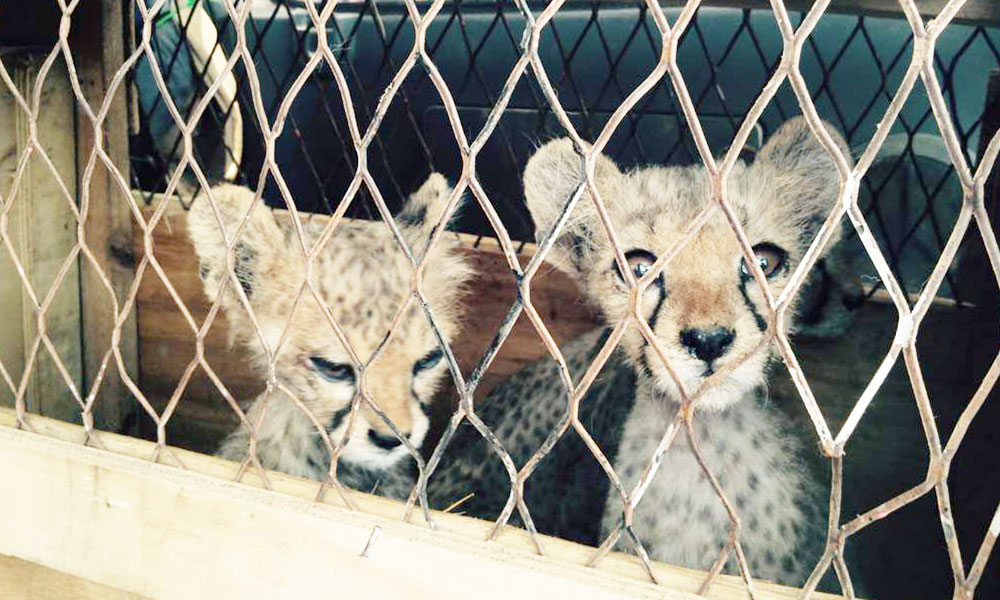
The work that began in Namibia has expanded across Africa — into the Horn, where CCF confronts the illegal trade in live cheetah cubs. It has extended to partnerships in the Middle East, Europe, and the United States to strengthen enforcement and genetic research. And it reached India, where cheetahs, once extinct on the subcontinent, returned through international cooperation — a symbol that restoration is possible when nations act boldly together.
But species recovery is not just about animals. It is about rethinking how humanity relates to land — how we farm it, how we share it with wildlife, and how we sustain communities that depend on it.
A Challenge to the Next Generation
Speaking directly to the graduating class, Dr. Marker didn’t mince words about what lies ahead. “You are inheriting not a stable world, but a pivotal one,” she told them. The question they face isn’t whether sustainability matters — it’s whether they will treat it as a slogan or build it into a structural reality.
-
“What system will you redesign?”
-
“What broken model will you challenge?”
-
“What future will you refuse to compromise?”
Her generation fought to prove that conservation and economic development can coexist. The next generation, she argued, must go further — redesigning systems so that ecological resilience is woven into agriculture, food security, governance, and technology from the ground up.
Thinking Beyond Borders
The cheetah cannot survive in fenced islands. It requires connected landscapes. In the same way, Dr. Marker argued, humanity cannot thrive in isolated silos of thinking. Climate policy must connect with food systems. Biodiversity strategy must align with community rights. Technology must serve planetary health.
Bold vision is often dismissed before it is realized. If we had accepted conventional limits, Namibia would not be home to the world’s largest population of wild cheetahs.
Community conservancies would not be a global model. And the return of cheetahs to India would still be a dream. Progress, she reminded the audience, belongs to those willing to imagine beyond current constraints.
A Vision for the Decades Ahead
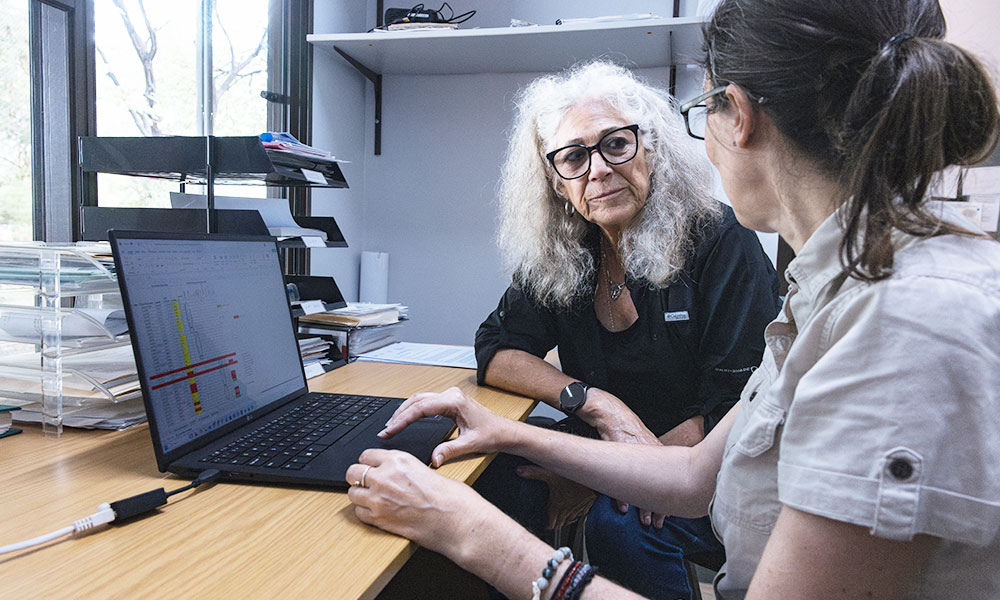
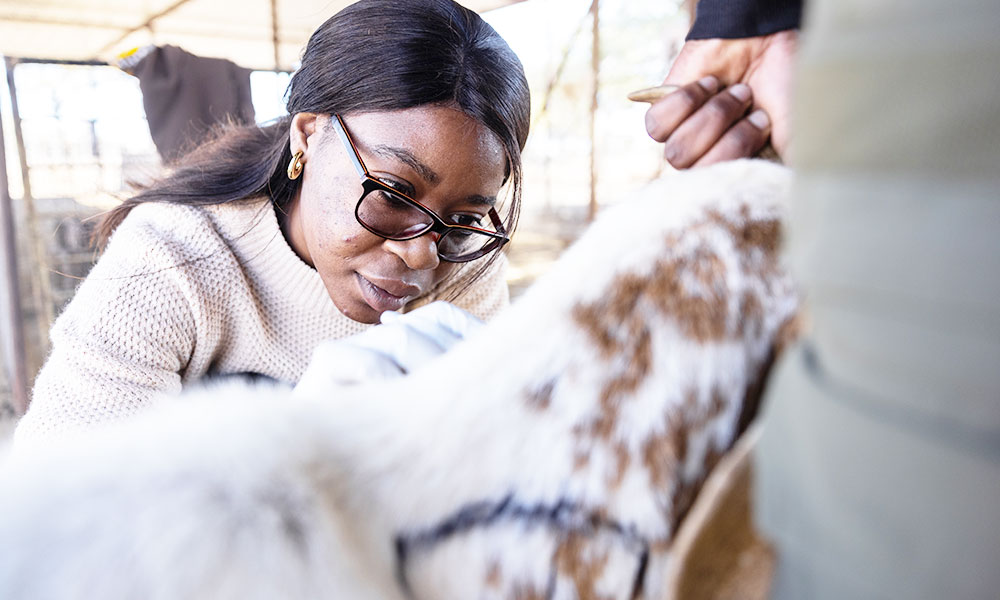
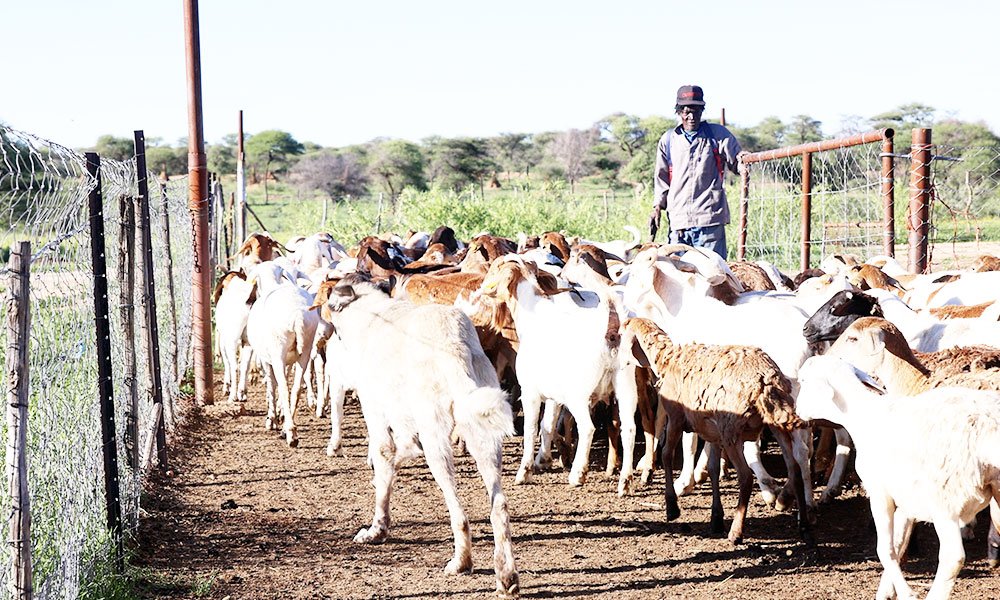
Dr. Marker’s vision for the future is ambitious and clear: African conservation expertise leading global environmental policy. Community conservancies evolving into climate adaptation hubs. Her career-long commitment to helping farming communities thrive alongside wildlife is accomplished by connecting research to the people and landscapes that need it most. Farming practices that sustain both livelihoods and landscapes becoming the norm rather than the exception. Young African scientists directing international research institutions. Technological innovation dismantling wildlife trafficking networks. Global partnerships replacing competition with shared stewardship of the land.
“Not because it is idealistic, but because it is necessary.”
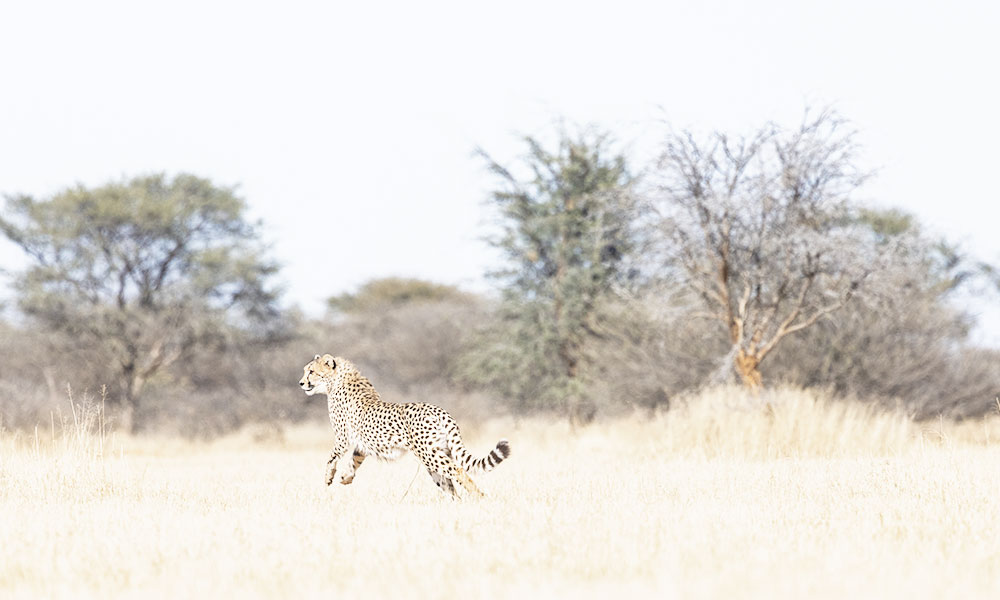
The cheetah runs with precision and purpose. It does not chase every movement on the horizon. It selects its path and commits fully. Dr. Marker’s parting message to the graduates carried the same clarity:
“The future is not something you enter. It is something you build. Build it boldly. Build it collaboratively. Build it with science as your compass and integrity as your foundation.” Because as long as cheetahs breathe life into Africa’s wild horizons, the future we’re fighting for is still possible.
Related Reading