
How technology is redefining the future of conservation: Key Insights from the Applied Conservation Technology Congress 2025 in Hanoi, Vietnam
-
- by Liomba-Junior Mathe November 19, 2025
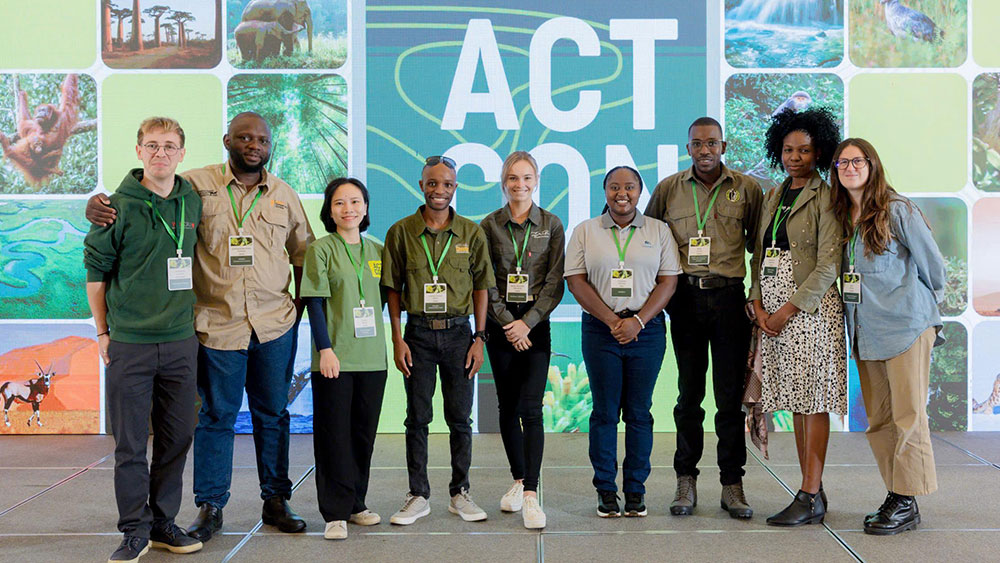
The scent of pho ‘a Vietnamese traditional dish’ and motorbike exhaust fumes hung in the humid Hanoi air where I spent the first week of November. This was the setting for the Applied Conservation Technology Congress (ACT) held in Hanoi, Vietnam from 3 – 7 November 2025, a landmark event jointly convened by the SMART Partnership, Earth Ranger, Save Vietnam’s Wildlife and WWF Vietnam. This was my first travel to the Asian continent. My motivation to attend the ACT Con stems from a fundamental belief: that technology, when thoughtfully applied, is our most powerful ally in the race to protect global biodiversity. ACT Con brought together conservationists, technologists, governments, NGOs, researchers, and Indigenous communities from across the globe to explore the latest conservation technologies and real-world strategies shaping conservation today. The event was about turning technology into impact while strengthening management on the ground and building the capacity of practitioner’s need to deliver lasting outcomes for wildlife and ecosystems.
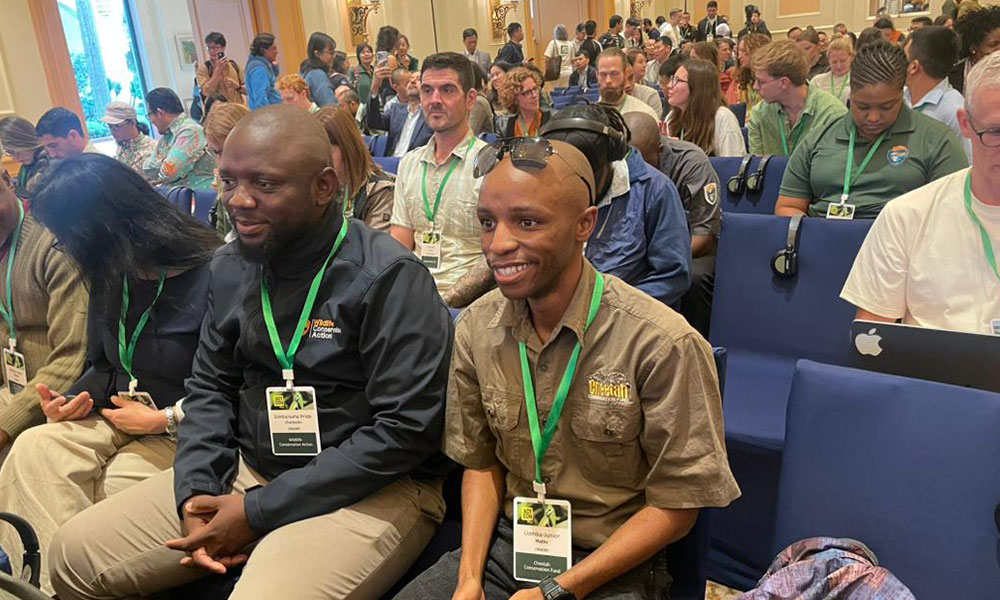
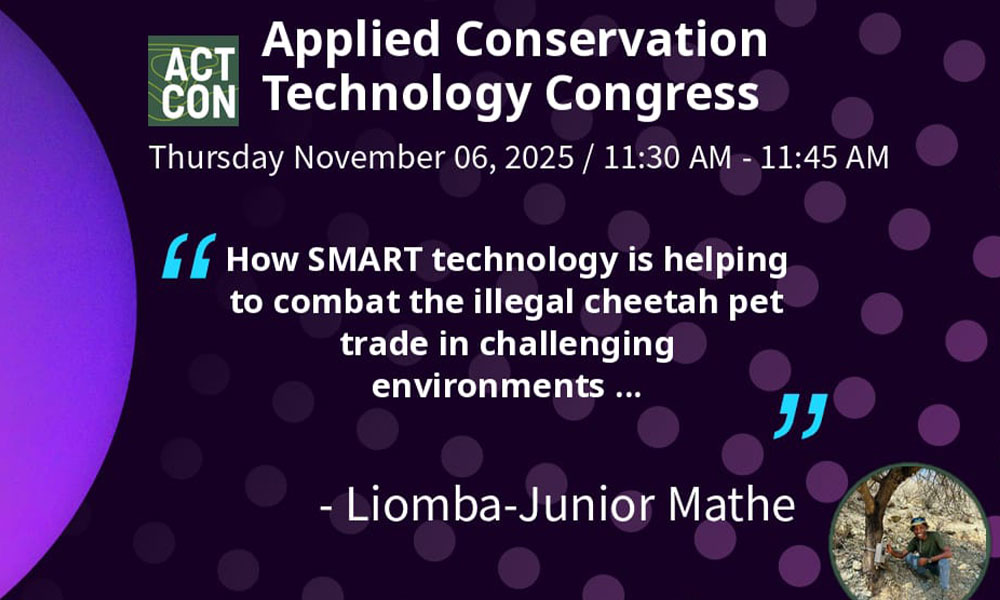
The congress was a significant gathering, bringing together 458 attendees from 77 countries and 252 organizations. It was a fantastic opportunity to reconnect with old colleagues, make new connections, and share insights from our Cheetah work in Somaliland where we are using SMART to monitor biodiversity threats. As a PhD student from the Cheetah Conservation Fund (CCF) researching cheetah population dynamics in Somaliland, I arrived at the ACT Con seeking tools and partnerships. I left with a renewed sense of hope and a clear vision of a technological revolution quietly transforming our field.
Attending the presentation sessions
Sitting in sessions, my mind constantly drifted back to the arid, beautiful landscapes of Somaliland where I conduct my fieldwork. The challenges here are stark: vast, remote areas, limited infrastructure, and complex human-wildlife dynamics. The technologies showcased in Hanoi are not just academic curiosities; they are practical solutions. One of the most inspiring themes was the democratization of technology. Fancy data is useless if it doesn’t reach the boots on the ground. We saw incredible examples of custom, offline-capable mobile apps such as SMART and Earth Ranger mobile being used by rangers and community scouts.
These apps can record human wildlife conflict incidents with geotagged photos, poaching events and upload data seamlessly when a signal is available. This empowers local communities, the true guardians of their environment, with immediate, actionable information. Researchers are now integrating satellite imagery, animal movement data from collars, and human activity data to forecast conflicts before they happen. Artificial Intelligence (AI) models can now predict potential conflict hotspots based on rainfall, vegetation greenness (NDVI), and livestock movement patterns. This allows for targeted, pre-emptive interventions like deploying Wildlife Observers to protect livelihoods and save cheetah lives.

Key take away lessons
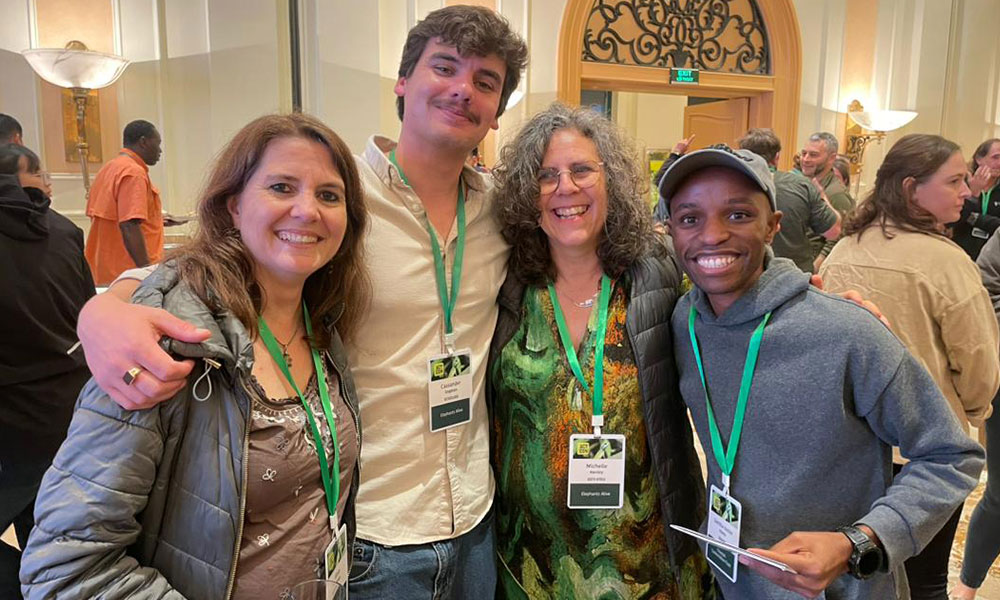
I had the privilege of connecting with a global network of peers working in different parts of the world. We exchanged contact information over cups of Vietnamese coffee, brainstormed solutions to shared challenges like scaling biodiversity monitoring in arid zones and laid the groundwork for future collaborations. The most significant announcement, and my key takeaway, was the formation of the SMART & Earth Ranger Conservation Alliance (SERCA). This unification between SMART and Earth Ranger creates a powerful conservation technology giant that promises to significantly enhance data-driven decision-making, boost patrol efficiency, and improve wildlife and ecosystem on the ground in places like Somaliland.
It was inspiring to see how technology, innovation, and community-led action are converging to shape the future of our field. I learned a great deal and was proud to contribute CCF’s perspective to these important conversations. My gratitude goes to the CCF and the congress organizers for making this trip possible. I return from Hanoi not with a bag of gadgets, but with a network of brilliant collaborators and a brain full of ideas, ready to apply these insights to secure a future for the cheetah in the Horn of Africa.

Related Reading
-
February 27, 2026
In the Footsteps of the Kenyan Cheetah: A Genetic Odyssey -
August 27, 2025
Sniffing Out Stories with the Scat Detection Dog Team