
Every Cub Matters: A Lifetime of Fighting for Cheetahs
-
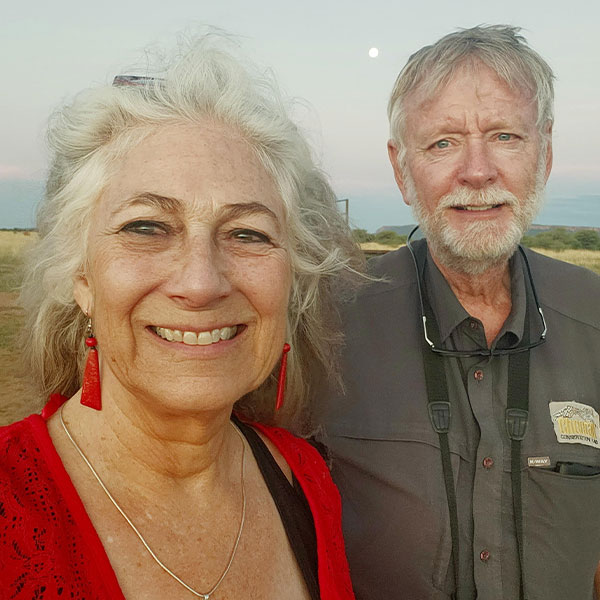
- by Dr. Laurie Marker July 18, 2025
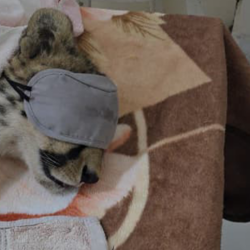
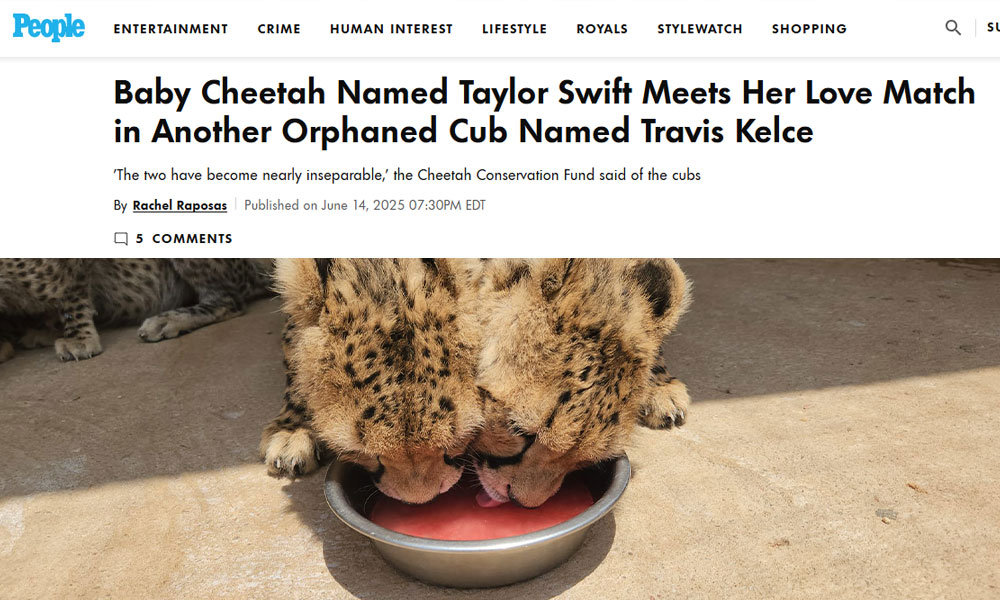
When cheetah cubs T-Swift and Kelce were rescued from wildlife traffickers earlier this year, their names, inspired by two of the world’s biggest stars, captured global attention. But beyond the headlines lies a deeper story of growing need and long-term commitment to cheetah conservation that I’ve witnessed first hand over five decades of working with the species.
In 2025, our 35th anniversary year, The Cheetah Rescue and Conservation Centre (CRCC) in Somaliland reached a difficult marker: we are now caring for over 100 confiscated cheetahs. This number represents a growing commitment, as each rescue marks the beginning of years, sometimes a lifetime, of dedicated care.
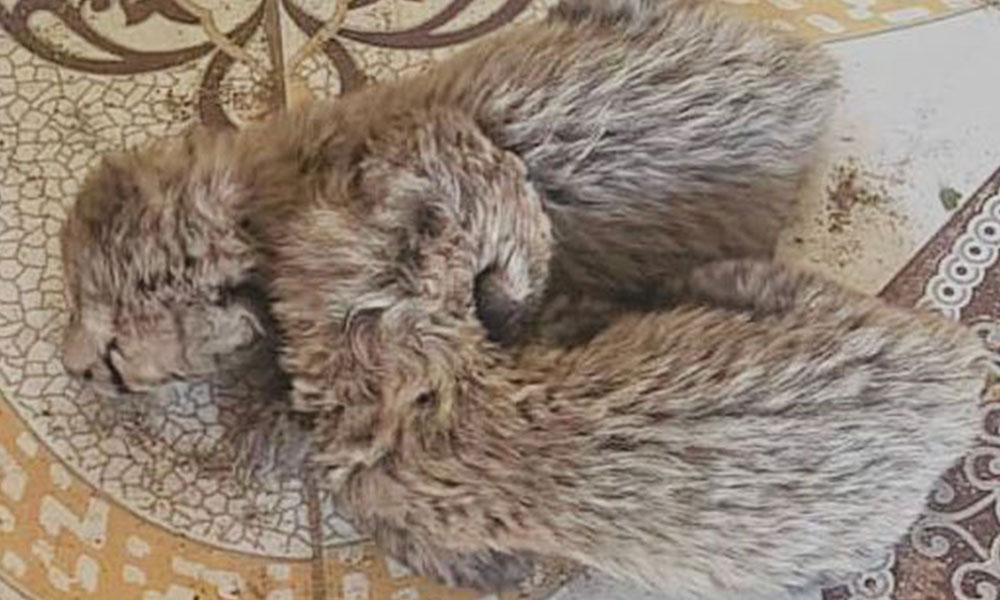
In late June, we received our third group of cheetah cubs for the year. Among them were some estimated to be about seven days old—possibly the youngest cubs we’ve received in Somaliland to date. The frequency and early timing of this year’s confiscations highlight a mounting challenge that keeps me awake at night. I’ve hand-raised cubs this young before. Chewbaaka, one of our first ambassadors, was also just days old when he came into my care.
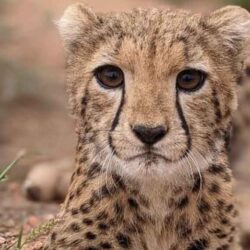
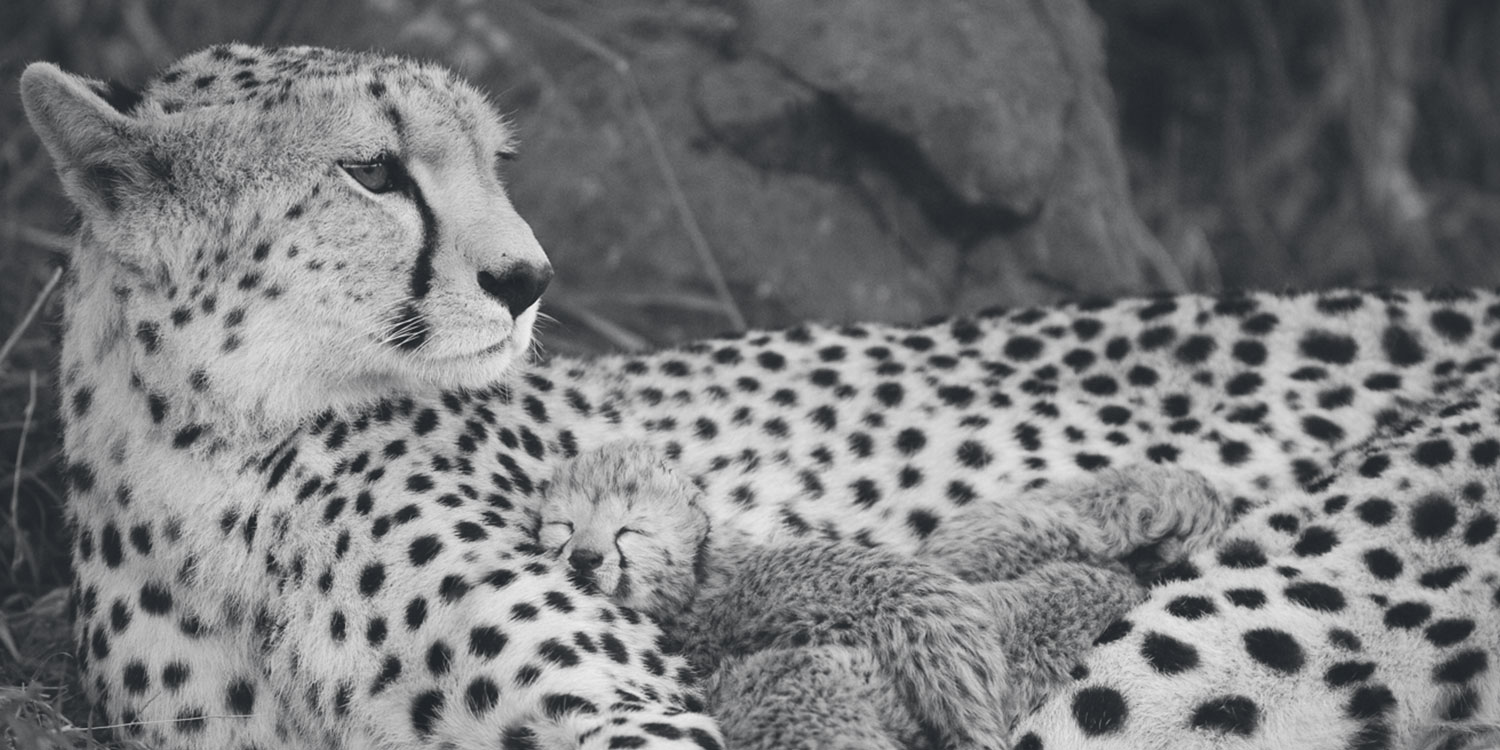
When I look at these tiny cubs, barely able to open their eyes, I see both heartbreak and hope. Whether cubs are confiscated early or later in the trafficking process, we’re better able to manage their care and overcome the awful conditions they arrive in.
Our progress is thanks to earlier interventions by the Ministry, increased urgency in enforcement, and the generosity of donors who have helped us raise the standard of care.
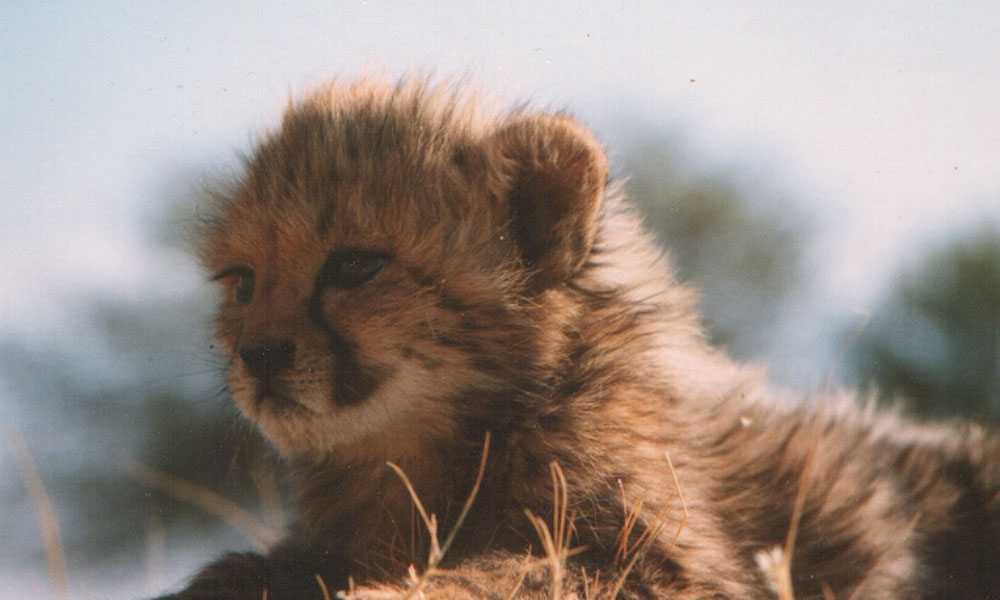
The number of cheetahs currently under our protection in Somaliland remains high. With improved survival rates, each rescue carries greater long-term responsibility. Every cub that survives means years of dedicated care, rehabilitation, and hopefully, eventual release back into the wild where they belong.
The Chewbaaka Wild Cheetah Challenge holds special meaning for me. It’s a historic matching campaign that helps sustain the legacy of Chewbaaka, a cub who grew into a symbol of what is possible in cheetah conservation. This year’s campaign, which began on July 1, offers donors the opportunity to have their contributions matched up to $375,000. These funds support critical care for cubs like T-Swift, Kelce, and our latest arrivals, our new Education Centre* designed to prevent future trafficking through outreach, and our continued partnership with the Somaliland Ministry of Environment and Climate Change to plan for future cheetah releases.
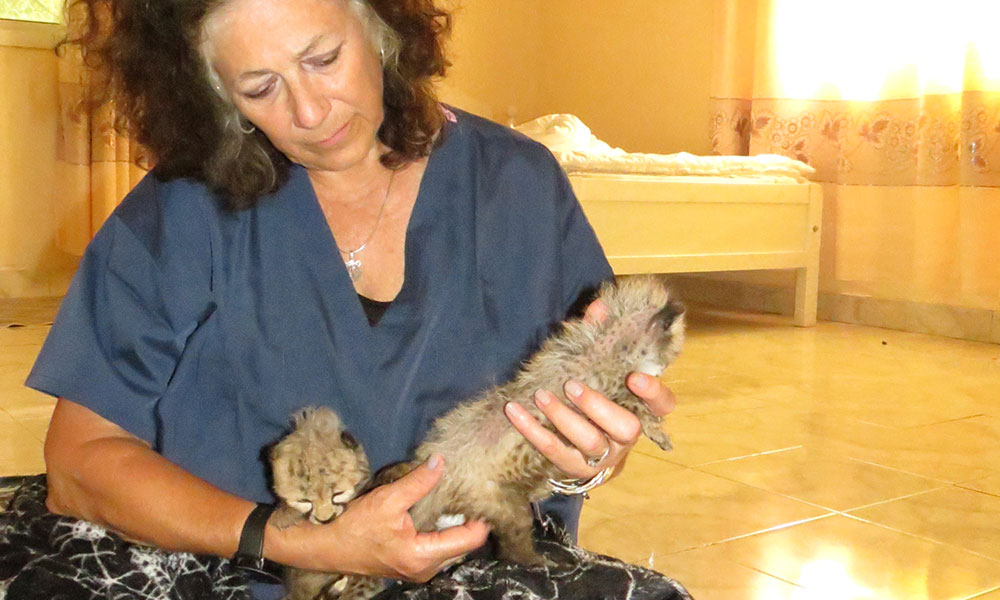
I invite supporters to sponsor a cheetah to provide rehabilitation and long-term care, donate during the Chewbaaka Challenge to double their impact, and help advocate for the return of rehabilitated cheetahs to the wild. Our mission is to keep cheetahs in the wild. We are preparing these cubs for the future. With the support of Somaliland’s new President and Minister of Environment, we can take the next steps to safeguard the wild population of the country.
T-Swift and Kelce captured the world’s attention, and now it is time to turn that attention into meaningful action. The cheetah is the fastest land mammal, capable of going from zero to 110 kilometers per hour in seconds. But their speed cannot outrun the threats they face. Sustained, long-term commitment is essential to ensure their survival.
After 50 years of working with cheetahs, 35 of which have been spent leading CCF’s efforts to rehabilitate orphaned and injured animals, I know that every individual matters. Each cub we save represents hope for the future of the species.
CCF’s Education Centre
The Education Centre is made possible through a sponsorship investment from the Royal Commission for AlUla, reflecting a shared vision for regional conservation leadership. This partnership gives me hope that we can address the root causes of trafficking, not just respond to its consequences.
Related Reading
-
February 13, 2026
When Enforcement Increases, Survivability Must Follow