
Double Your Donation for Wild Cheetahs – Donate Before August 31
-
- by Dr. Laurie Marker June 30, 2026
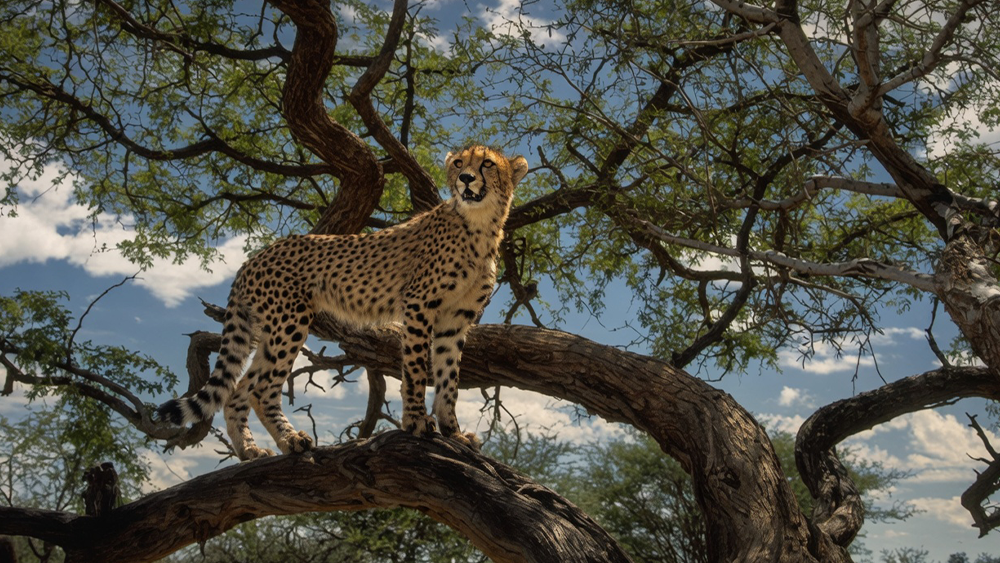
Since 1990, CCF has returned more than 670 cheetahs to the wild in Namibia. Many were adult cheetahs with the survival skills to go back quickly once their injuries were treated. But for cubs that arrive very young and need to learn to hunt, the path back takes much longer. CCF has fully rehabilitated and released more than 100 of these cheetahs.
Some of the released females have gone on to mate with wild males and raise cubs who grew up, established their own territories, and produced the next generation. We’ve documented four generations of wild-born cheetahs and 35 wild-born cubs to released females.
When CCF began, farmers were removing more than 800 cheetahs a year from the Namibian landscape. Globally, wild cheetah populations are still in decline. But in the regions where CCF works and has helped establish conservation programs, cheetah populations have stabilized. That is the result of your support for our research, education and conservation work, and it is why expanding this model matters now more than ever.

Our Livestock Guarding Dogs live with herds and have virtually eliminated livestock losses to cheetahs and other predators on participating farms. Our Early Warning System alerts landowners when collared cheetahs approach, replacing lethal control with proven, non-lethal responses. And our farmer training programs have changed the way communities across Namibia coexist with predators.
What we learned in Namibia, we have adapted to establish cheetah conservation programs throughout the species’ range with partners in Botswana, Kenya, South Africa and Somaliland.
Through August 31, contributions to CCF will be matched dollar for dollar, up to $400,000, as part of Chewbaaka’s Wild Cheetah Challenge. Honoring Chewbaaka, an orphaned cub that was rescued, this annual matching campaign is a chance to double your support.
I raised Chewbaaka from just a few days old and he became one of CCF’s most beloved cheetah ambassadors. He helped our education team show farmers and schoolchildren that cheetahs didn’t need to be feared, making the landscape safer for other cheetahs to be rehabilitated and released.
What Your Gift Makes Possible
Your donation, doubled through August 31, directly supports:
- Fitting satellite collars on cheetahs about to be released, so field teams can follow their first months back in the wild
- Fuel, tires, and field equipment for the monitoring teams tracking released cheetahs every day across Namibia’s farmlands
- Running camera trap surveys that confirm where wild cheetahs still roam and measure the prey density that sustains them
- Maintaining the Early Warning System that alerts a farmer before a cheetah reaches the fence line, preventing conflict before it starts
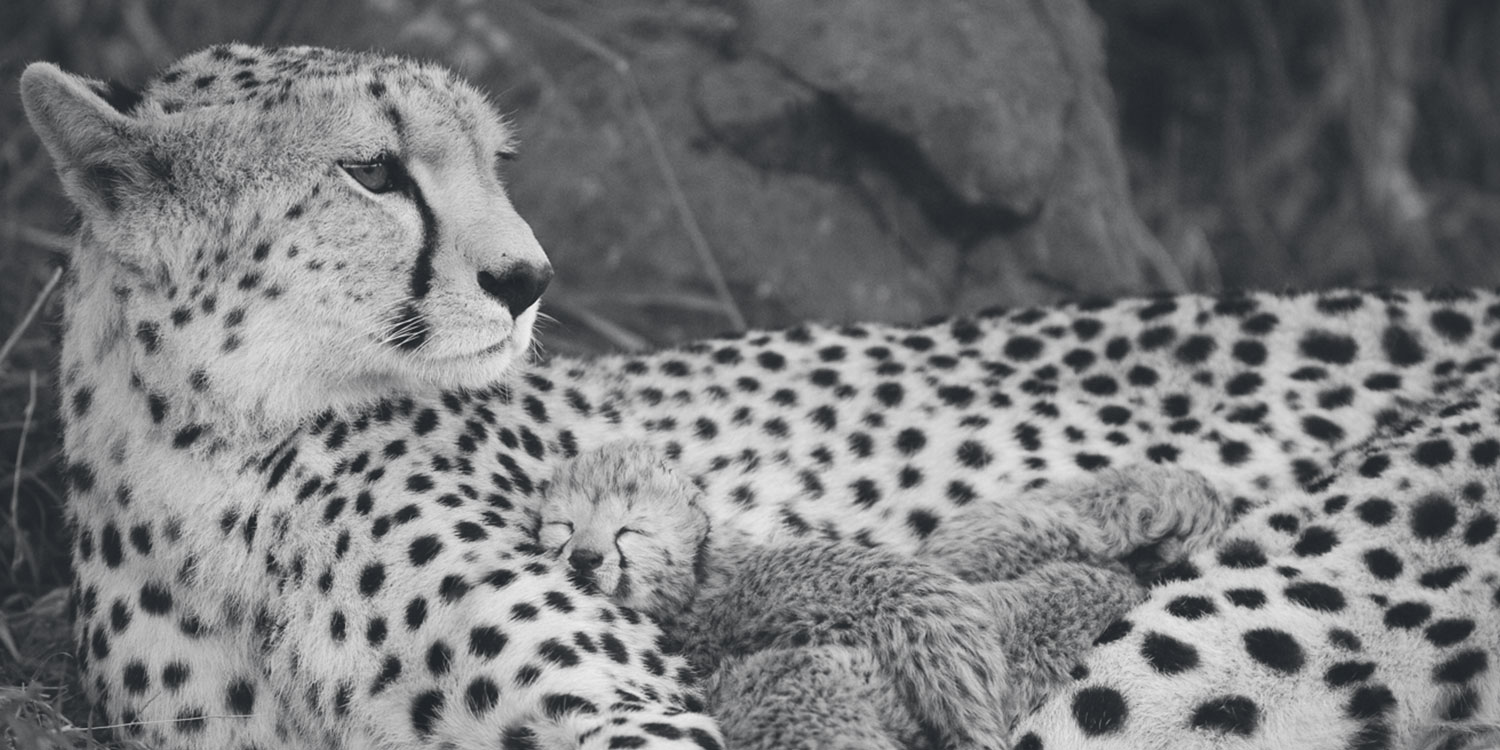
The true return on every release is something no facility can replicate: a cheetah living wild, raising the next generation of wild cheetahs.
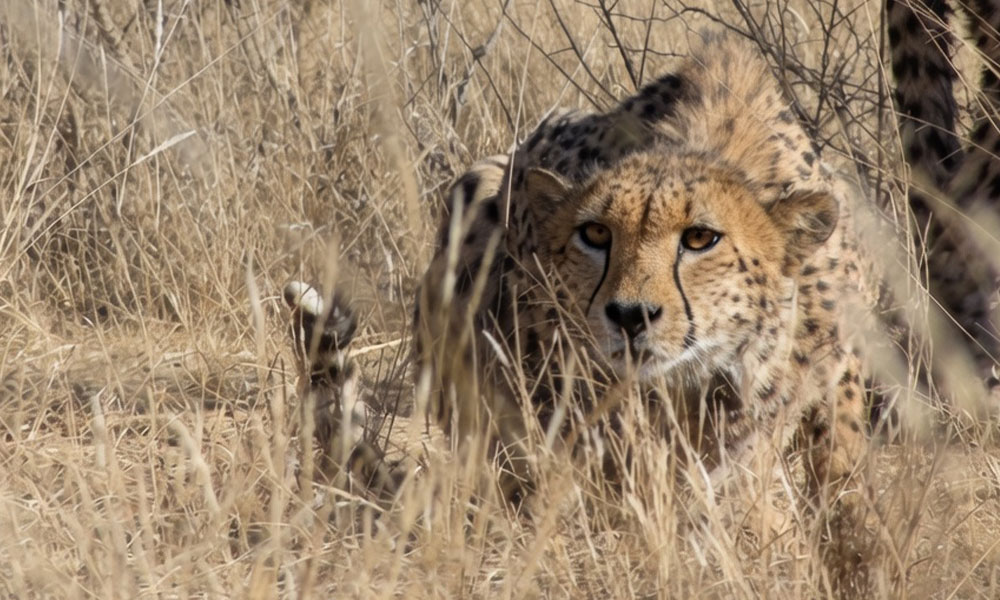
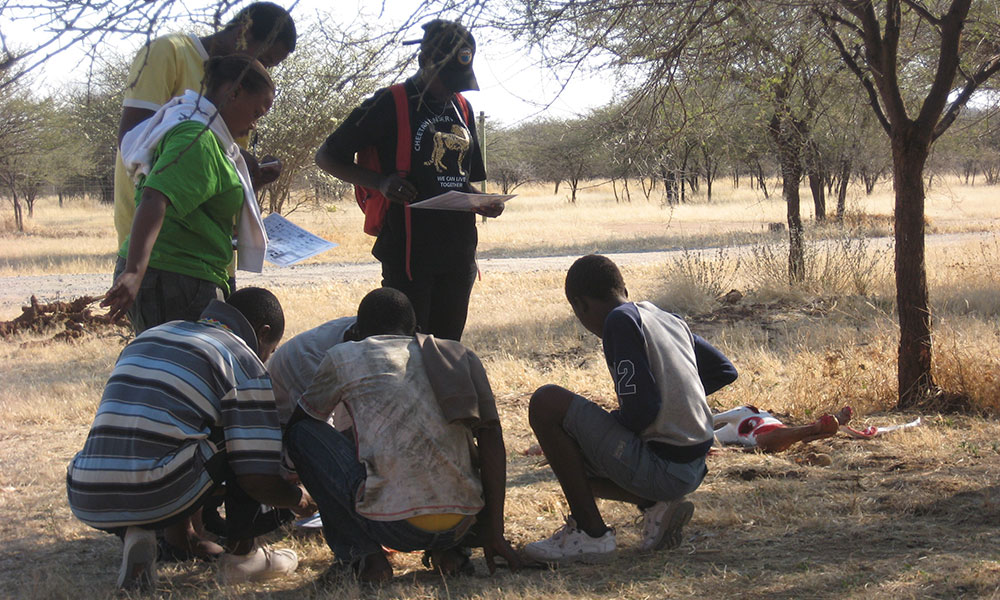
In the 1980s, Namibian farmers were removing more than 800 cheetahs from the landscape every year. A study of just 170 farms found they had killed more than 3,000 in a single decade. Cheetahs were treated as the primary threat to livestock, even though research led by CCF Founder Dr. Laurie Marker would confirm they are responsible for only 3 percent of livestock losses. Her research, sustained over more than three decades, has shown that the majority of livestock deaths are caused by drought, disease, and poisonous plants. When predation does occur, other predators are implicated far more often.
CCF set out to change this and 36 years later, the results are clear.
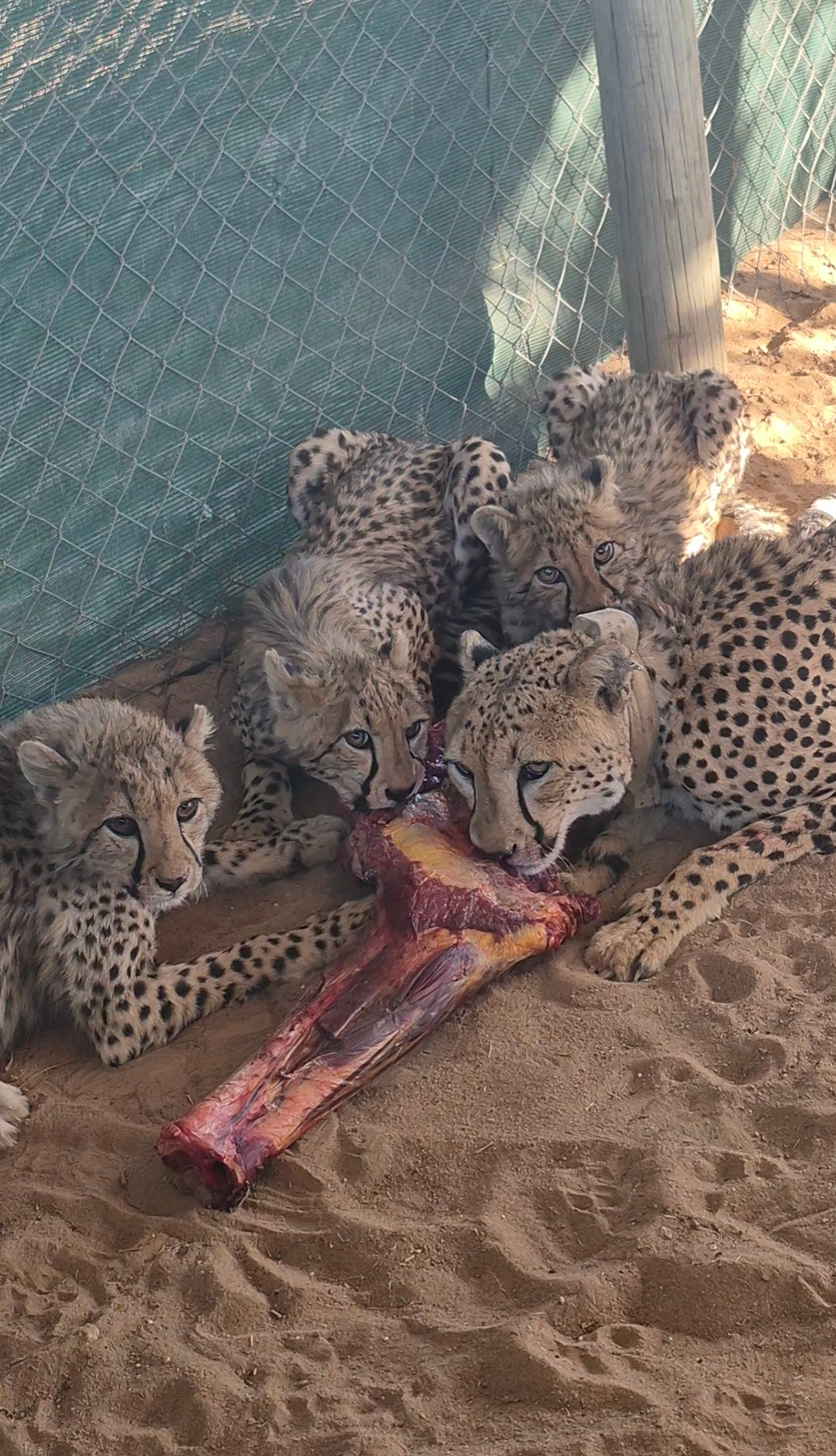
In November, a young female named Nicki was re-released with her two cubs and an orphan who had lost his mother. CCF’s team introduced the orphan over weeks of carefully managed contact, monitoring every interaction. When camera footage captured Nicki grooming the orphan cub, the team knew the pairing had held. Today, the group moves together as a family.
None of this is possible without the farmers, field teams, and monitoring networks that make the Namibian landscape safe for cheetahs. 800 Livestock Guarding Dogs work within the landscape to protect livestock and the Early Warning System covers 348 farms, replacing lethal control with real-time information. With more than 83 percent of trained farmers reporting a measurable difference in reducing conflict on their land, CCF is keeping cheetahs from being removed from the wild in the first place.
Related Reading
-
May 6, 2026
A Future Worth Running Toward