
Conservation through Collaboration: Advancing Community-Based Natural Resource Management in Somaliland
-
- by Malee Oot April 21, 2026
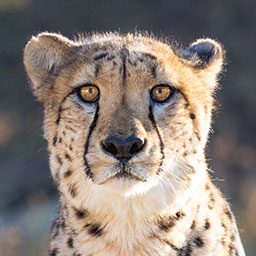
In East Africa and in southern Africa, community-based natural resource management (CBNRM) and the creation of communal conservancies have supported wildlife conservation – while benefiting local communities and building climate resilience at the same time. Connecting wildlife protection, conservation of natural resources, and livelihood engagement, this ecosystem-based approach empowers local communities to build long-term sustainability. In the Horn of Africa, Cheetah Conservation Fund (CCF) is collaborating with the Government of Somaliland to recreate this model of community conservation to protect wildlife, while supporting local communities at the same time.
Building on a Legacy of Conservation Success
In Namibia, the first communal conservancies were developed in 1998, less than a decade after the country gained independence. The creation of communal conservancies allowed local people, including rural communities, to manage and benefit from natural resources and wildlife. As a result, wildlife populations in Namibia recovered – including cheetahs, elephants, black rhinos, and desert lions – and helped to drive tourism. Today, there are more than 80 communal conservancies in Namibia, covering nearly one-fifth of the country. The vast majority generate income for their members, and there are other benefits too, including increased access to natural resources, like wild foods.
Cheetah Conservation Fund (CCF) has been part of Namibia’s pioneering community conservation movement since the beginning, working alongside the government and other non-profit partners. In 1999, the CBNRM Association of Namibia (CAN) was officially launched, and later renamed the Namibian Association of CBNRM Support Organizations (NACSO) in 2021. From the start, CCF has been among the organizations comprising NACSO, working to support and strengthen community-based natural resource management in Namibia.
Advancing Community Conservation in Somaliland
In Somaliland, Cheetah Conservation Fund (CCF) initially began collaborating with the government to combat the illegal wildlife trade, driven by a shared commitment to better understand and protect wild cheetah populations in the Horn of Africa. Over the last decade, this partnership has evolved to address broader conservation challenges in the region – and to find sustainable solutions supporting wildlife conservation and rural development.
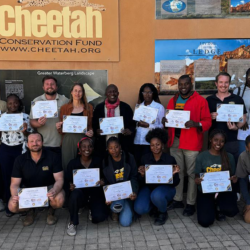
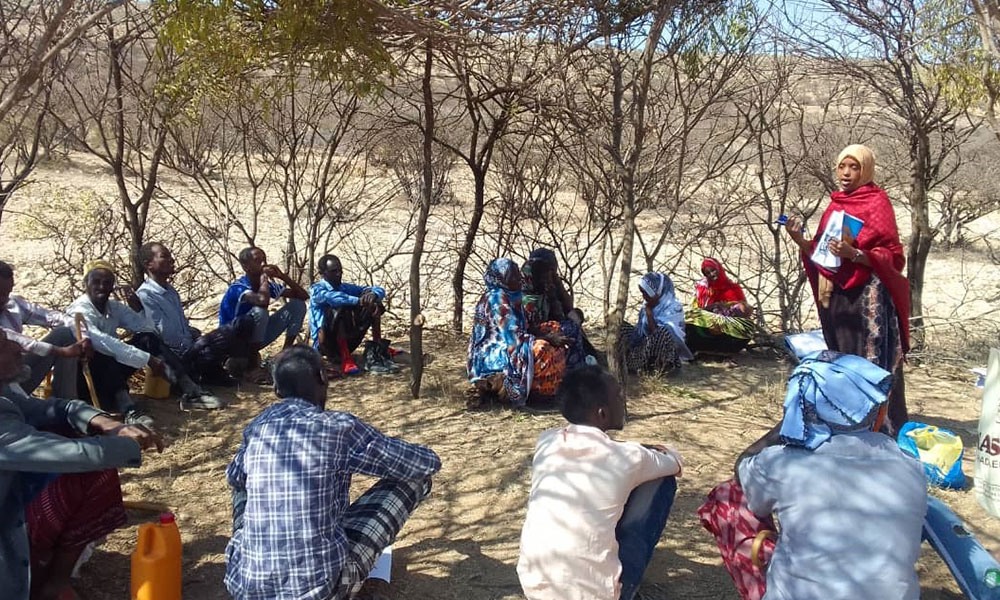
One key goal has been to recreate the CBRNM and conservancy models that have proven effective in Namibia, partnering with the government of Somaliland to develop a strategy that meets the needs of the country’s nomadic pastoral communities, while mitigating threats to wildlife. One of the first steps was collaborating with the Ministry of Environment and Climate Change (MoECC) to develop an umbrella organization modeled after NACSO in Somaliland. The first meeting of the Somaliland Association of Community-Based Natural Resource Organizations (SACSO) was held in December 2022. Just a few months later, CCF and the MoECC organized a workshop bringing together diverse stakeholders, including government ministers, civil organizations, and rural communities to lay the groundwork for the development of Somaliland’s first communal conservancies – in areas where cheetah trafficking and human-wildlife conflict cases are concentrated. During the workshop, participants also identified long-term revenue streams that could make these conservancies sustainable over time, safeguarding natural resources while supporting local communities.
The initial governance meetings for launching communal conservancies in the Awdal and Maroodi Jeex regions were held in 2024, leading to the development of the Awdal Conservancy. Centered around the communities of Bown and Harirad, Somaliland’s pilot communal conservancy encompasses 29 villages, and spreads over 1,472 square kilometers. The Geed Deeble Conservancy was also established in 2024. Boundary demarcation for the conservancy was done jointly between the government and local communities using GPS landmarks and physical markers – the first initiative of its kind in the country. Situated adjacent to the Cheetah Rescue and Conservation Centre (CRCC) in Geed-Deeble, the conservancy includes 16 villages and spreads over 585 square kilometers.
Building Capacity to Support Long-term Conservation
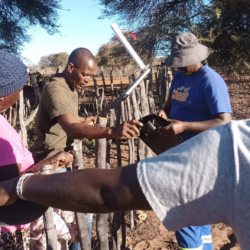
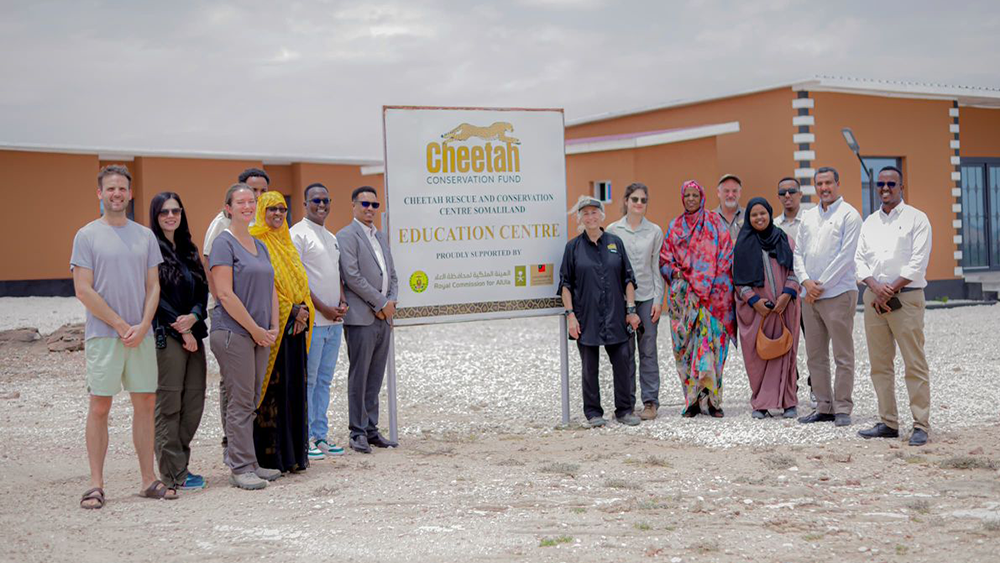
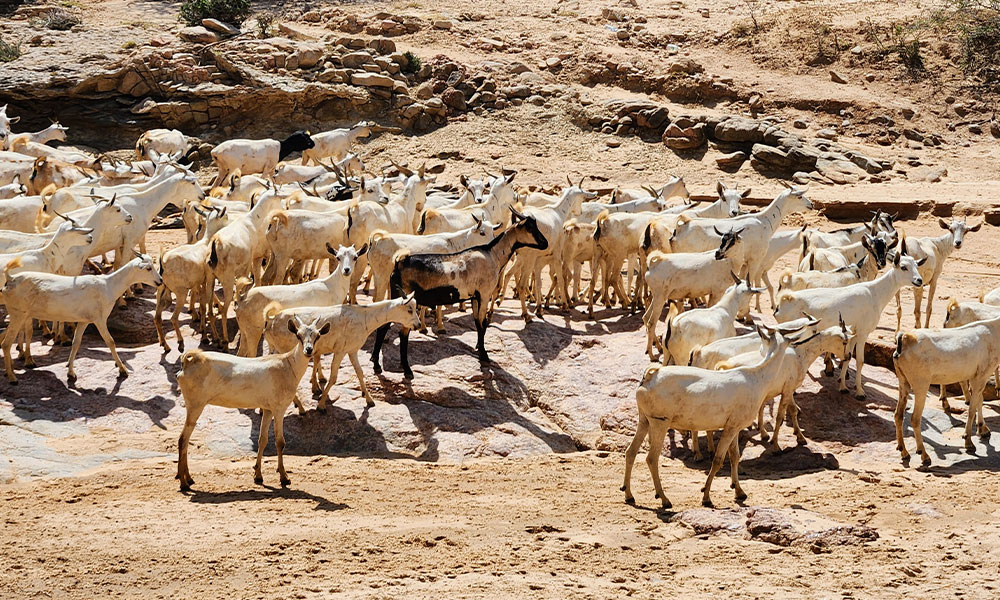
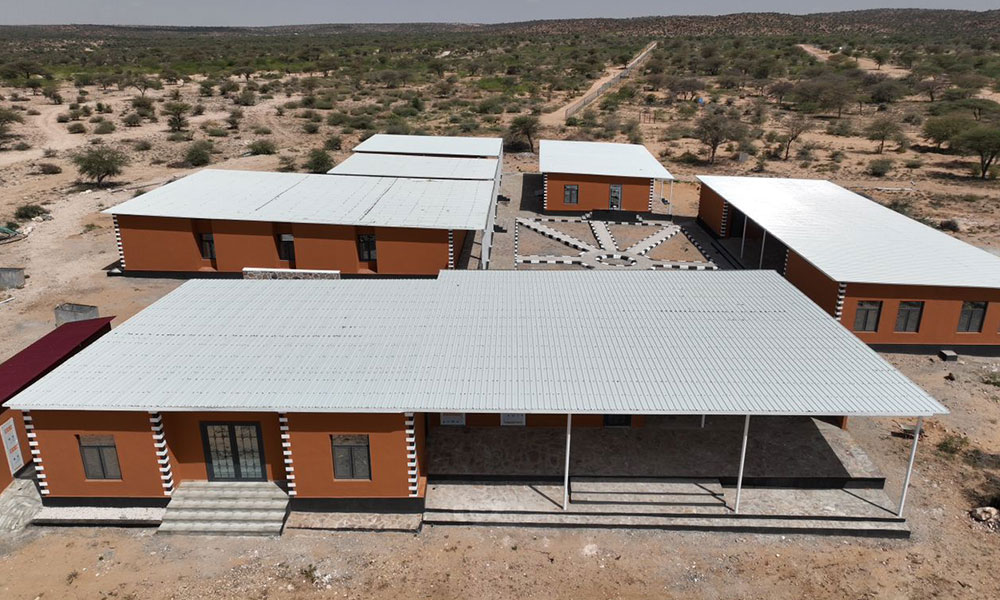
In Somaliland, drought and other climate-driven pressures on livelihoods are exacerbating socioeconomic challenges. Alongside the development of communal conservancies, CCF is also advancing communal conservation by providing livelihood support through the Future Farmers of Africa program, adapting the curriculum used in Namibia to meet the needs of nomadic pastoral communities in Somaliland. The program incorporates training in sustainable natural resource management, predator-friendly methods for protecting livestock, and veterinary practices tailored to the needs of local populations. Now, the new Education Complex at the Cheetah Rescue and Conservation Centre (CRCC) provides a permanent structure for environmental education in the region. Completed in 2025 with generous support from the Royal Commission for AlUla of Saudi Arabia (RCU), the 15,000-square foot complex is designed to support professional training to build capacity for conservation in the region.
In the year ahead, CCF will continue to focus on advancing CBNRM in Somaliland through collaborative conservation. The SACSO coalition now brings together ten member organizations along with government partners, including the NAGAAD Network, a voluntary network of more than 40 women’s organizations in Somaliland. Linking conservation, community empowerment, and livelihood development, CCF’s efforts in Somaliland are directly addressing the biggest threats to wild cheetahs in the Horn of Africa, while driving sustainable solutions that support pastoral communities and protect wildlife.
Related Reading
-
May 18, 2026
Building Conservation Success Through Social Science -
October 14, 2025
Cheetahs Were Born to Run