
Wesley’s Cheetah Social Survey
-
- by Wesley S. November 3, 2025
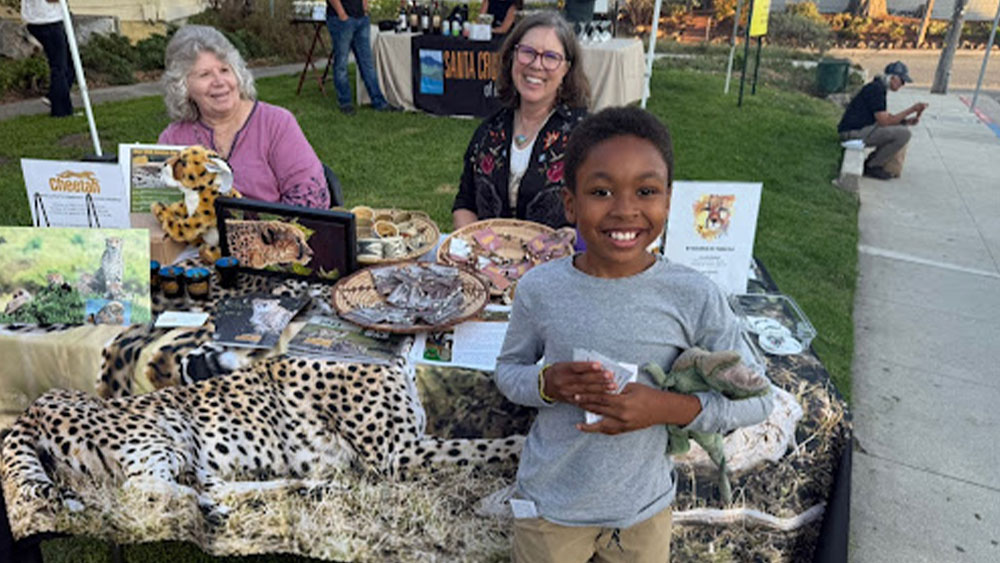
Wesley is 8 years old and lives in Northern California. He enjoys singing, biology, infinity, geology, nature, mythology, blues music, and of course, learning more about cheetahs. Since discovering his love of cheetahs, he spends time learning more from books or documentaries, attending lectures or events whenever CCF is in town, and sharing his finds with others. He also makes content like miniature books, podcasts, and PowerPoints. His top goals in life are to save the cheetah, encourage others to care about nature and animal conservation, spread the word about palm oil, and finally get a PhD in biology.
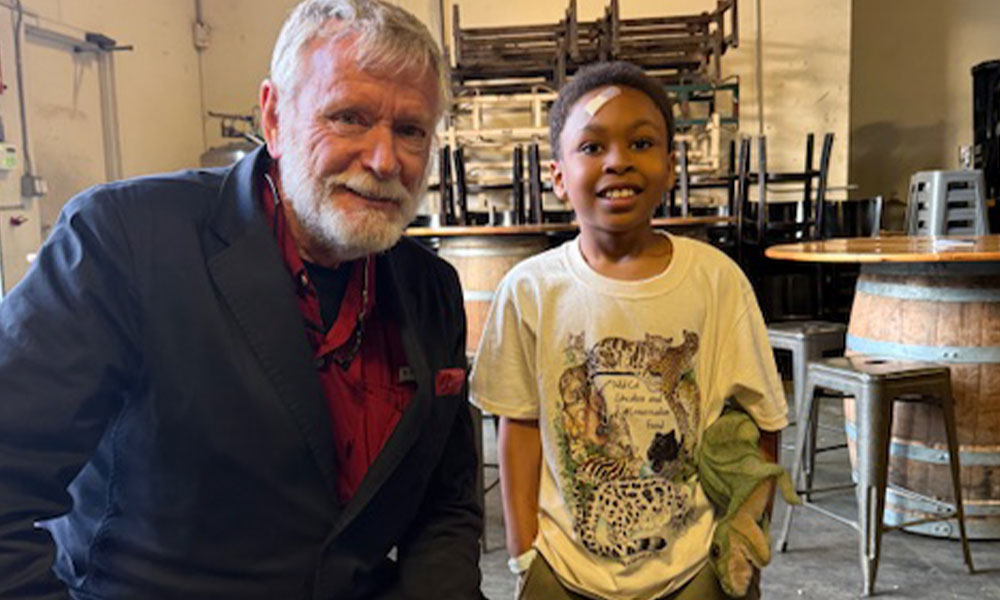
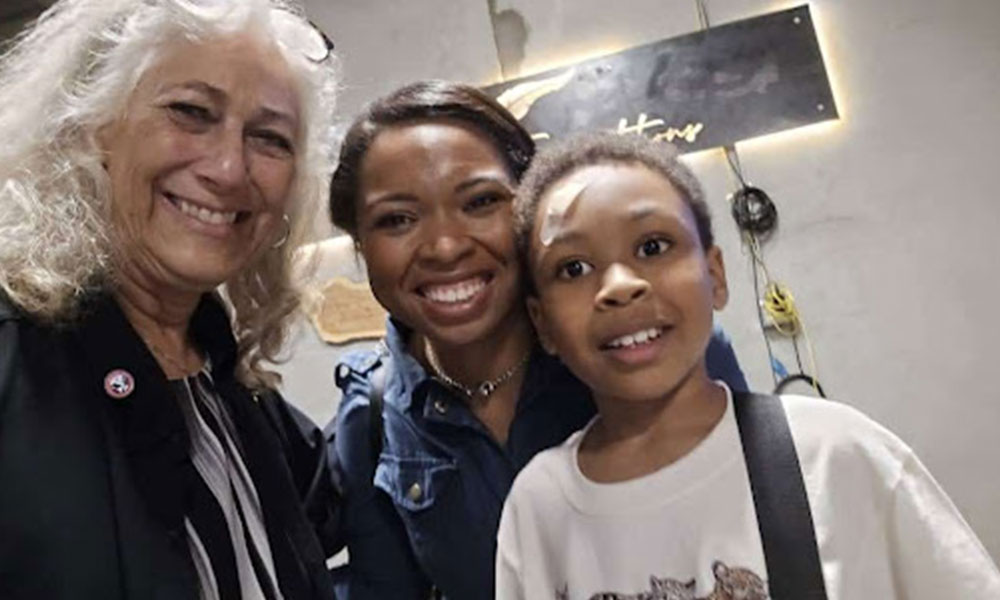
Wesley has a special skill for working with bugs and animals. He is a co-founder of “The Bug Hotel” at his school, and he hopes to bring these skills to Namibia one day to help save the cheetah. Wesley posed the following questions to his friends and then wrote the answers in report form. He knew a lot about cheetahs before meeting Dr.Marker and Dr. Brewer at a painting fundraiser event.
I love cheetahs because they are the fastest land mammal. I want to save them because they are an endangered species and they are my favorite animal. My favorite fact is that they have an extra claw that they use for tripping their prey. The Cheetah Conservation Fund is one of the biggest organizations for helping cheetahs, and they help everyone. I reached out to some friends for questions about cheetahs that they wanted answered. Here they are:
- How many species of cheetah are there?
- What do cheetahs eat? Do they eat humans?
- Can you tell me about the size of the cheetah?
- Can you tell me about cheetah speed?
- Why are they so cute?
- Do they live in packs?
- Do they have spots or stripes?
There are a few: the Asiatic cheetah of Iran, Acinonyx jubatus venaticus; the Northwest African cheetah, Acinonyx jubatus hecki, which is my favorite; the Northeast African cheetah, Acinonyx jubatus soemmeringii; and the South African cheetah, Acinonyx jubatus jubatus, which you will most likely see in zoos. There is also the King cheetah, but that is a genetic mutation, not a species.
They do not eat humans. They eat gazelle, impala, jackrabbit, and wildebeest if they can catch them. Catching a wildebeest can be incredibly hard for them. CCF works with farmers to make sure that cheetahs don’t come into contact with humans.
Cheetahs are not considered a “big cat,” but they are still big.
They can go up to 70 miles per hour, but only for 30 seconds at a time. Then a build-up of lactic acid makes them stop.
They look like honey badgers at birth so that lions don’t eat them, because lions don’t like honey badgers. There is also a legend about the tear stripes that I will have to tell in my next blog.
They do not live in packs, but the males sometimes live in coalitions. The biggest coalitions are up to 5 males in a group. Mostly the males in the coalition are brothers, but sometimes two coalitions come together.
They have spots, similar to leopards but different. They can also have blotchy spots, and that is the King Cheetah. There are maybe 50 left.
I hope you have enjoyed reading my first blog. If you have more questions, please ask them and comment below. To save these amazing cheetahs, you can get involved by learning more, donating to the Cheetah Conservation Fund, or telling a friend.
Related Reading
-
June 12, 2025
From Cheetahs to Scat Dogs: A Kid’s Look Inside CCF -
December 12, 2024
CCF Art Competition 2024