
How Do You Outrun Extinction?
-
- by Nicki Boyd October 20, 2025
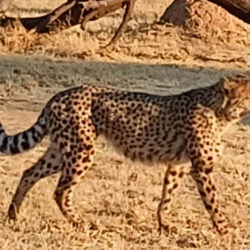
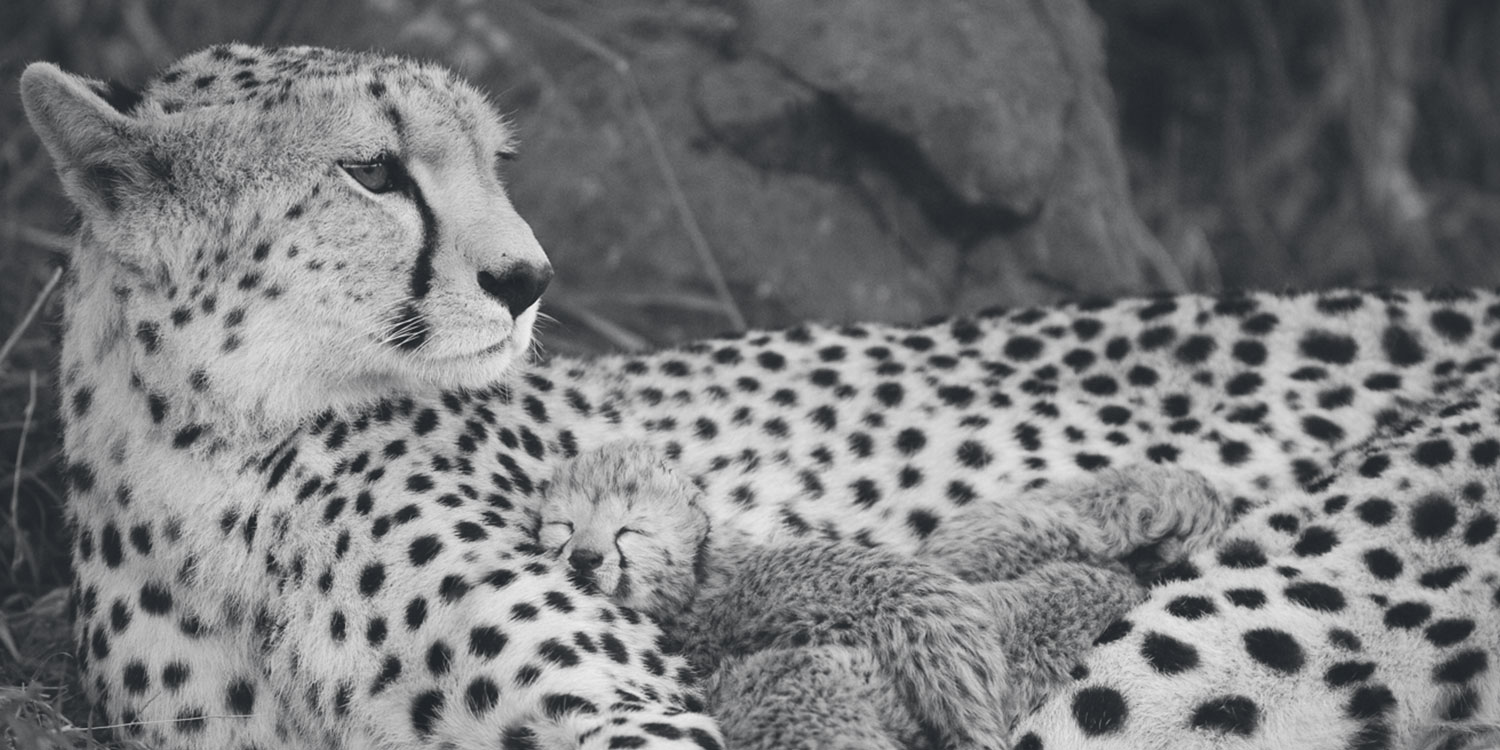
Faster than a speeding bullet? Not quite, and that is part of the problem. The fastest land mammal in the world, the cheetah (Acinonyx jubatus), is trying to outrun the challenges of living in a world with too many humans. Cheetah… just saying the name evokes blurred images of spots and grace all bundled in sinewy energy chasing down another almost equally super-fast mammal for its next meal.
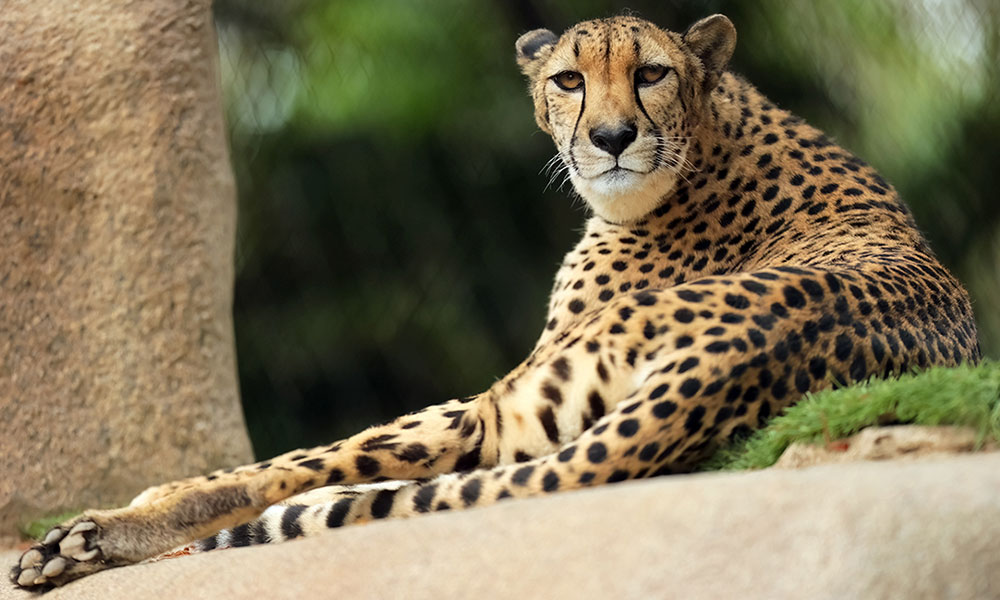
Have you ever received the piercing golden gaze or heard the purr of one of these amazing cats? It can be a powerful, life-changing experience. Those unmistakable malar stripes of that elegantly delicate face pull at cat lovers’ heartstrings.
People gravitate to cheetahs at zoos and many enjoy watching them hunt on televised animal shows but living with them in your backyard is a whole different experience, especially if you are a livestock farmer in Africa.
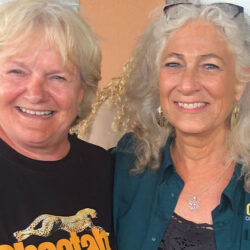
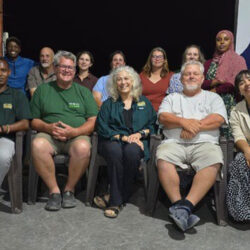
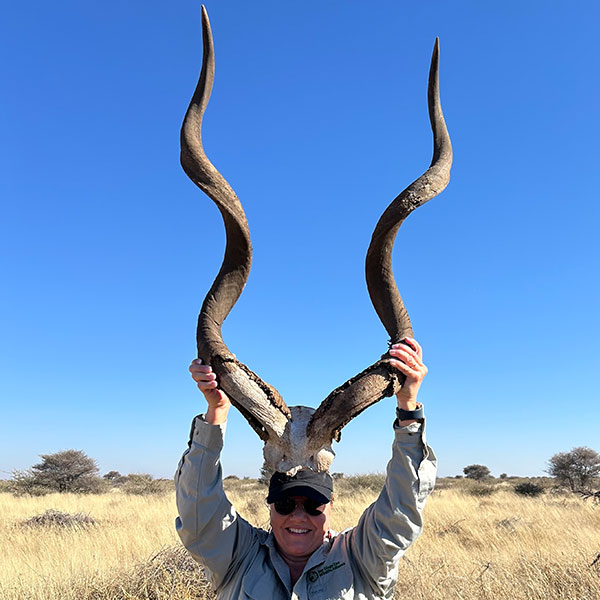
The connection between cheetahs in the wild and in zoos, needs to be strengthened through promoting more conservation support, something I am working on as Curator of Mammals and Ambassadors at the San Diego Zoo. As a master’s student with Miami Ohio University Project Dragonfly, I visited the Cheetah Conservation Fund (CCF) in Namibia to understand the challenges from the people living with them and brought those stories back to the zoo communities of the world. What an amazing experience to see cheetahs in Africa after working with them at the San Diego Zoo for over 30 years.
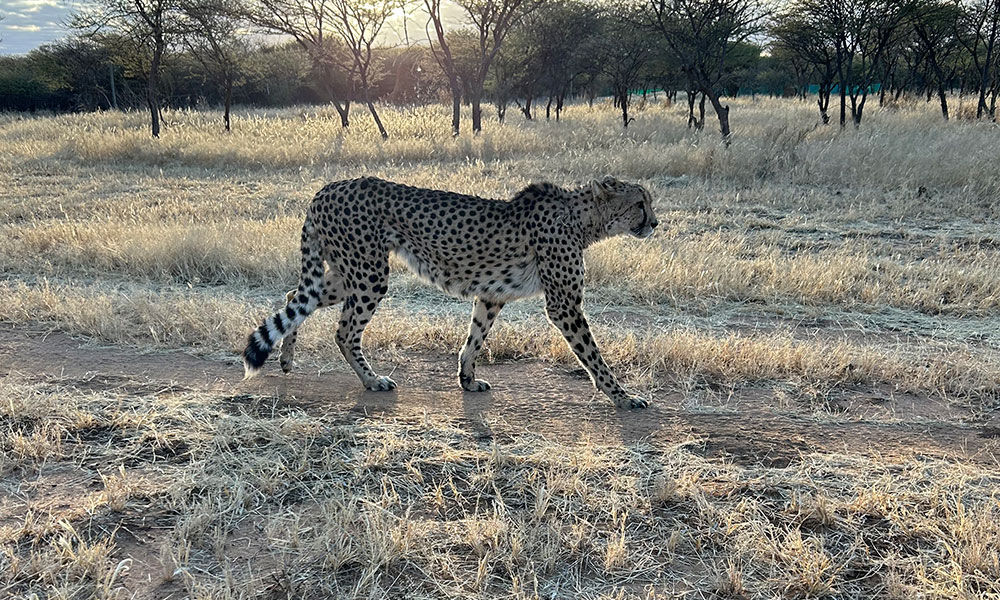
The percentage of cheetahs that live in unprotected areas outnumber the protected ones by 75% in Namibia (Weise et al., 2017). Retaliatory killing is just one of many threats that cheetahs face in Africa. The CCF focuses on ways to help cheetahs in the wild through leading by example. One strategy is the Model Farm, which shows local farmers how to raise livestock and protect them from cheetahs while creating a sustainable livelihood. Farmers want to learn from farmers, not conservationists, according to the farmers that CCF has hired to run many of their programs. What better way to teach people than hands-on examples from other local farmers living with cheetahs.
The awareness of what a cheetah needs and what motivates the community are crucial components that are integrated into the CCF conservation toolbox.
For decades, I have listened to Dr. Laurie Marker, Founder and Executive Director at CCF, plead the case of cheetahs and the needed support for their conservation in Africa. She tours many zoos and attends conferences and government meetings, educating the world on the needs of cheetah populations in the wild. In 2008, she won the Zoological Society San Diego Zoo Lifetime Achievement award. The San Diego Zoo has a long history of connection with CCF.
At the San Diego Zoo, we have five cheetah ambassadors (cheetahs that help educate the zoo guests through close encounters with interpretation) and a cheetah breeding program at our Safari Park that has produced almost 200 cubs.
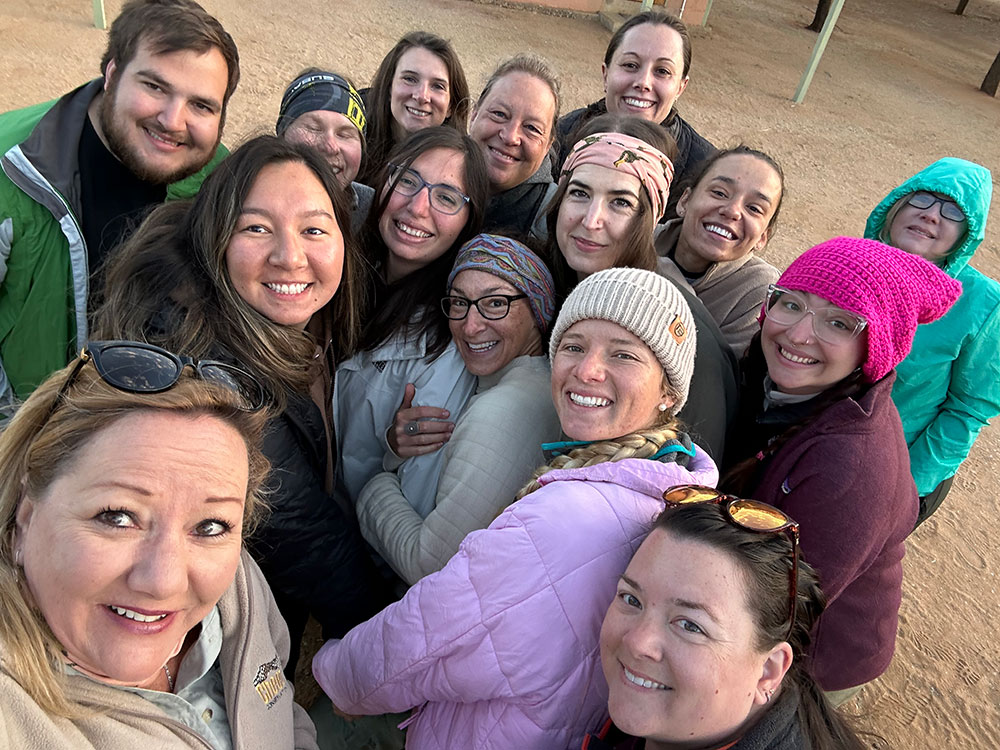
As a master’s student with Project Dragonfly at Miami Ohio University, I am working to drive empathy for cheetah conservation and increase motivation to support it. I am doing this by how we present our ambassadors, showcase the cheetahs’ habitat in the San Diego Zoo, and how we educate guests. We have zoo habitats that model the African savanna, and we encourage cheetahs to run in many of our programs to show off their amazing speed. Most cheetahs in human care are not worried about their next meal but instinctually will chase a favored lure for fun. By running a cheetah off leash, it showcases their natural ability and hopefully decreases the impression that they would make a good pet. Poaching cheetah cubs for the illegal pet trade is another serious threat to this already vulnerable species and zoos need to play their part to protect these iconic cats. This is another challenge to cheetahs and zoos need to play their part to dissuade the illegal pet trade.
Zoos are mission-driven organizations and their role in the community is to educate and support conservation. Part of my journey is to connect what we do at the San Diego Zoo and what is happening in the field. Going to CCF allowed me to connect the dots. My goal is to drive conservation support through funding from zoo guests by connecting them with conservation projects that the zoo supports. Guests often want to help and do not know exactly how to or what are the best organizations to support. At zoos we have a captive audience that is primed to connect with what zoos do for conservation and how their efforts protect cheetahs in the wild. Zoos attract over 700 million people per year (D’Cruze et al., 2019). The power zoos have is tremendous. Many zoos promote and send people to the CCF facility; whether it’s zookeepers, educators or volunteers, they all go there to learn and bring that information back to share. Zoos are trying to show that they are more than just a place to see wild animals; we are conservation organizations with strong field partners doing great work.
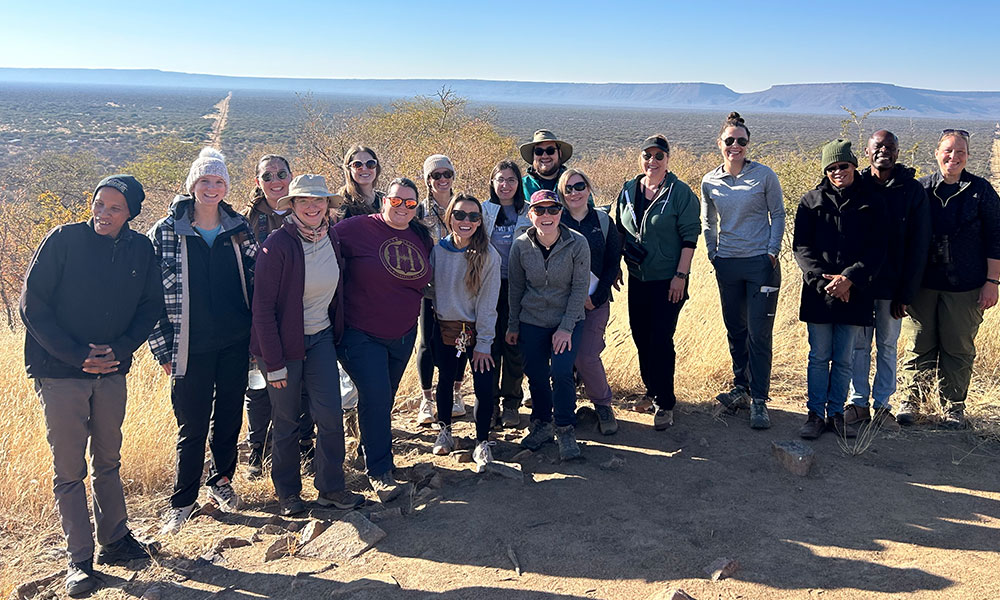
Visiting the CCF facility in Windhoek helps raise funds that create jobs and add value to CCF to the community. There are so many areas of expertise like the model farm for goats, where they use guard dogs, better fencing that demonstrates good husbandry, share milking goat husbandry best practices, how to make silky soaps or some of the best-tasting ice cream (a favorite amongst us students!).
They also raise the guard dogs and have a long wish list for the placement of the pups. Inviting the community to see first-hand how to manage these programs is much more effective, leading by example model. They can learn how to manage livestock dogs as well as understand their benefit for the livestock they protect from all predators.
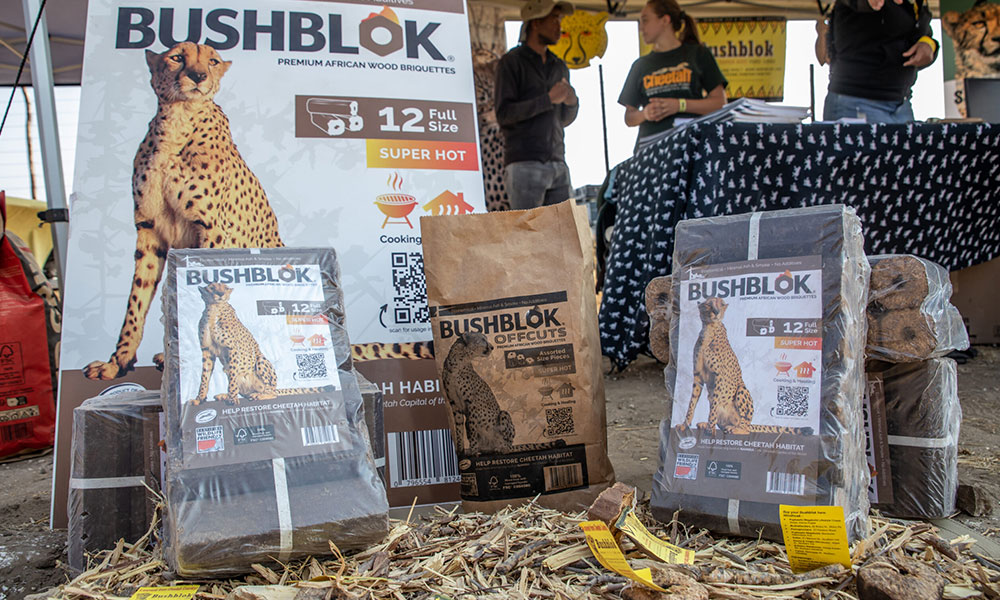
Sustainable income examples are abundant at CCF, with products like Bushblok (a compact fuel log) that offers multiple benefits for cheetahs. By removing invasive plant species, Bushblok not only opens up more usable habitats for cheetahs but also creates jobs and produces a product that helps reduce our carbon footprint and deforestation. Bushblok is removing one threat in the sea of bad threats! We used Bushblok at our campfires at CCF and it burns long and hot. I wish we could buy this in the United States! It was great to see so many locals employed by CCF that gave them a better quality of life while supporting cheetah conservation
At CCF, you can enjoy a variety of tours, including game drives or watching the incredibly fast cheetahs running the expansive lure course. These experiences are designed to showcase the cheetahs in a safe and respectful way, fostering a deeper connection with this regal yet endangered species. This also provides exercise for the cheetahs at CCF that cannot be released in the wild. The highly trained staff at CCF can educate guests about cheetah biology and how they are managed in human care. They also explain how they make decisions on which cats can be re-released or ones that live out their lives at CCF. Zoos often do the same cheetah runs and talk about wild cheetah behavior in the process. It was great to see the similar lure course between CCF and zoos but I will say CCF was the largest and most impressive I have ever seen.
My experience taught me so much and I have brought that knowledge back to the San Diego Zoo and shared the real life challenges that cheetahs face. The amazing conservationists at CCF are tackling each battle with a thoughtful strategy that is designed from conservation strategies that are proven effective as part of a conservation tool box. Dr. Laurie Marker has stated how much CCF learned in the first 10 years and after analyzing they adapted programs to be more effective (Marker et al., 2015).
For all my fellow cheetah lovers passionate about cheetah conservation, I encourage you to step up and support efforts to protect this magnificent animal through fundraising, education or even an eco trip to see cheetahs in the wild. Together, we can change the world and watch the cheetah outrun extinction.
References
D’Cruze, N., Khan, S., Carder, G., Megson, D., Coulthard, E., Norrey, J., & Groves, G. (2019). A global review of animal–visitor interactions in modern zoos and aquariums and their implications for wild animal welfare. Animals, 9(6), 332.
Marker, Laurie & Boast, Lorraine. (2015). Human–Wildlife Conflict 10 Years Later: Lessons Learned and Their Application to Cheetah Conservation. Human Dimensions of Wildlife. 20. 1-8. 10.1080/10871209.2015.1004144.
Weise, F. J., Vijay, V., Jacobson, A. P., Schoonover, R. F., Groom, R. J., Horgan, J., … & Pimm, S. L. (2017). The distribution and numbers of cheetah (Acinonyx jubatus) in southern Africa. PeerJ, 5, e4096.
Related Reading
-
October 17, 2025
Two CCF Trips – Eastern and Southern Africa