
Cheetahs Were Born to Run
-
- by Dr. Laurie Marker October 14, 2025
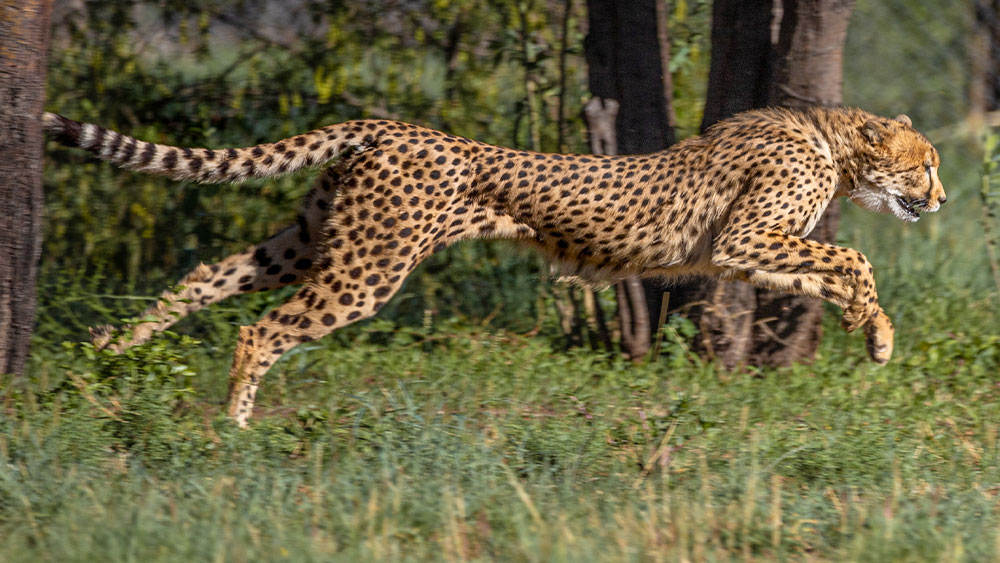
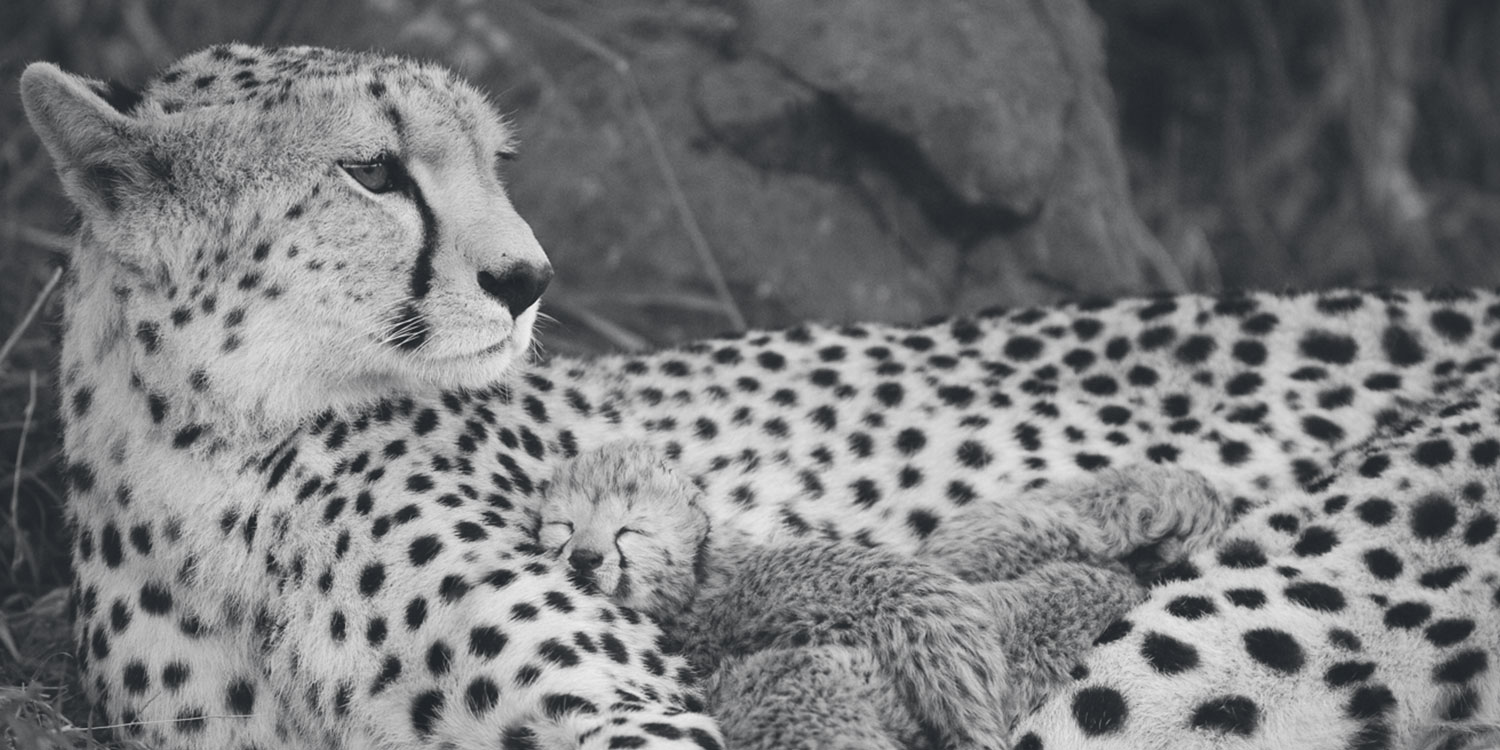
Cheetah Conservation Fund was built to keep them running free
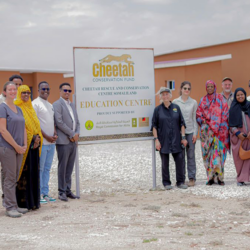
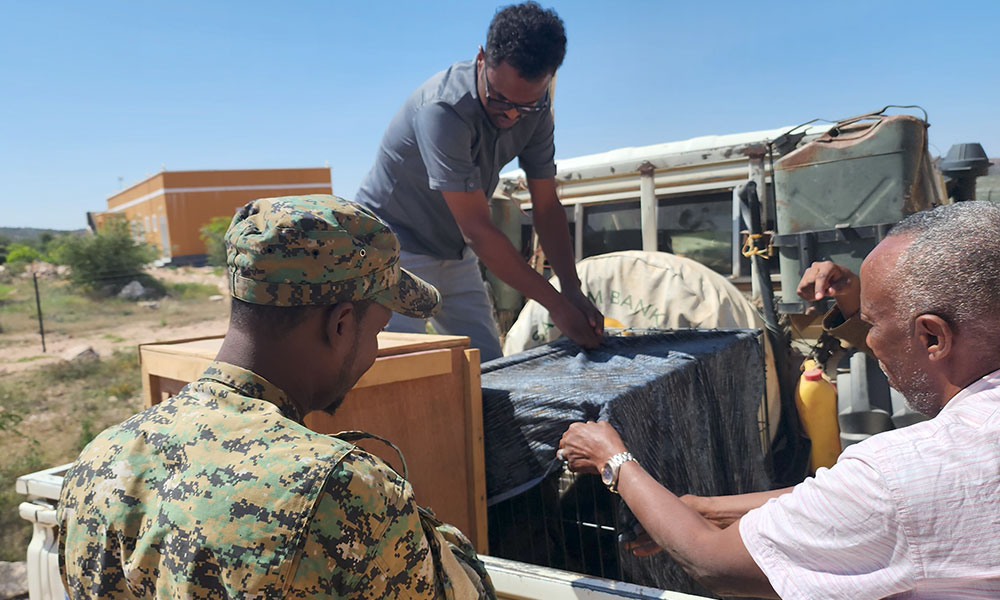
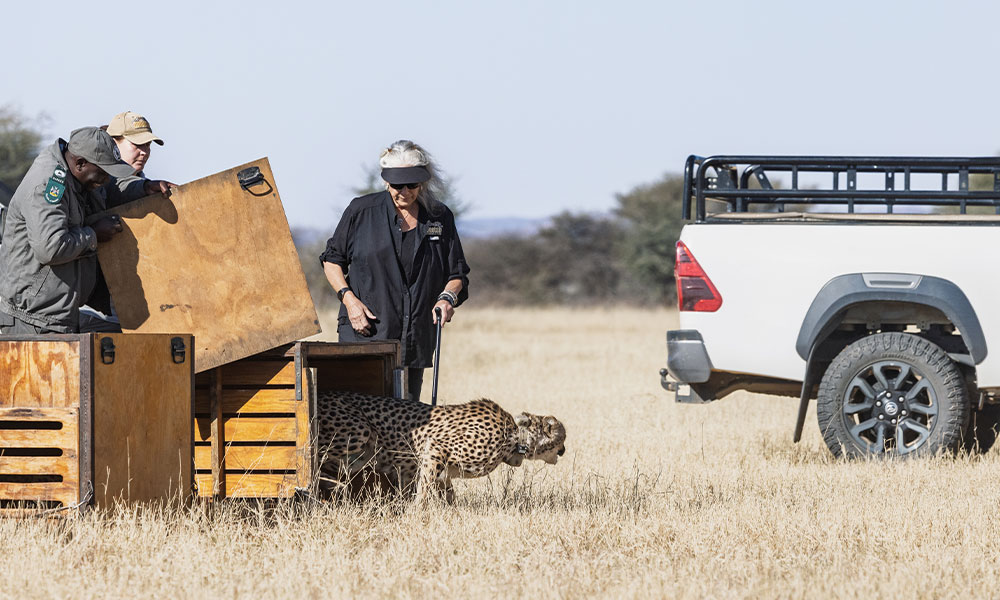
We don’t do this work alone. CCF is a trusted partner to the governments of Namibia and Somaliland, supporting their efforts to combat wildlife trafficking and conserve the landscapes cheetahs depend on. As these governments act to protect and conserve their natural resources they rely on CCF’s help for expertise in animal care, scientific research, and community engagement.
As a valued and trusted partner in these two countries, CCF rescues and rehabilitates confiscated cheetahs, works with farmers and pastoralists to reduce human–wildlife conflict, and brings environmental education and conservation science to the next generation. As CCF’s donor YOU are helping to make all of our work possible.
Cheetah Care and Research
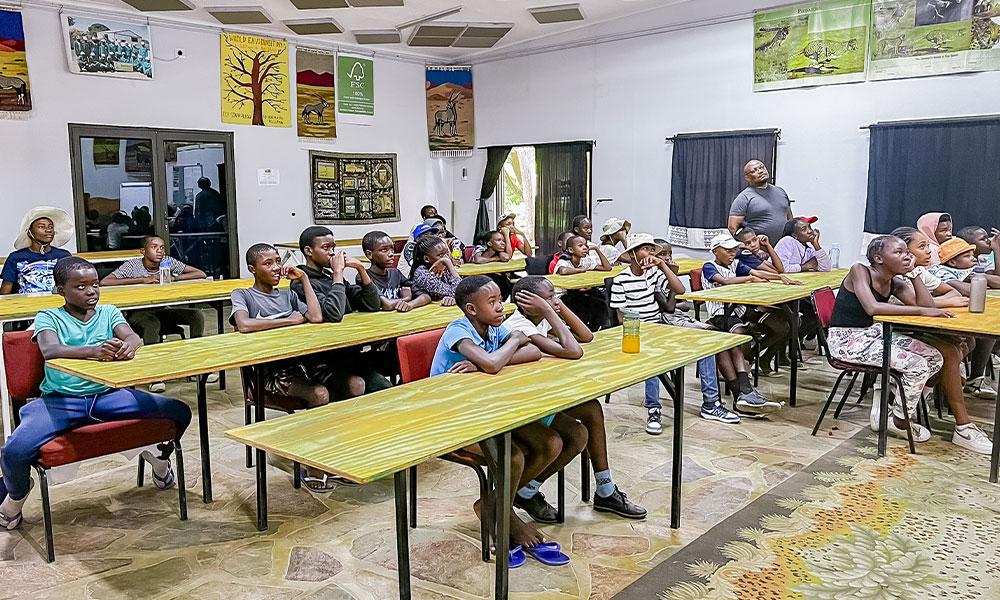
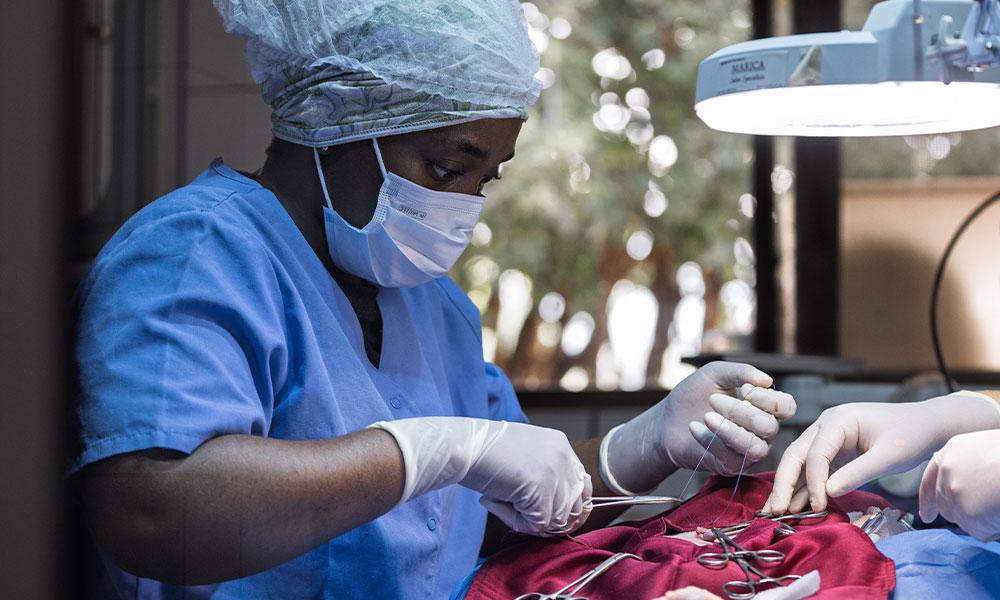
At our International Research and Education Centre in Namibia, science and compassion meet every day. Our team provides veterinary care, physiotherapy, and daily enrichment that help cheetahs regain strength and confidence. Each animal contributes to our understanding of cheetah health, genetics, and behavior—knowledge that guides conservation strategies across Africa.
Visitors who witness the Cheetah Run, Cheetah Drive, and behind-the-scenes tours experience conservation in action. These visits inspire new advocates and connect thousands of people each year to CCF’s mission of coexistence.
Impact Highlights:
- 30 resident cheetahs cared for in Namibia, part of over 150 orphaned or injured cats across our two centres in Africa
- Dozens of international interns and volunteers gain field experience at the Centre each year, contributing to animal care, research, and education
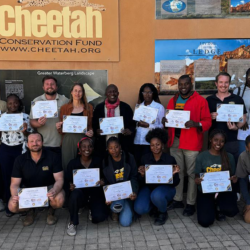
- Global training programs like the Recent Advances in Conservation Genetics (ConGen Global) course bring students and faculty from around the world to CCF for advanced learning in conservation science
Through this combination of animal care, research, education, and public engagement, the International Research and Education Centre in Namibia, remains a model for cheetah conservation worldwide.
Human-Wildlife Conflict Mitigation
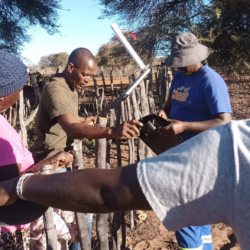
CCF’s Model Farm demonstrates that people and predators can share the same landscape. Through community-based natural resource management (CBNRM), CCF helps farmers protect their herds while conserving habitat for wildlife.
The Future Farmers of Africa (FFA) program and Livestock Guarding Dog (LGD) placements create lasting change. Farmers trained by CCF adopt predator-friendly practices that strengthen their livelihoods and restore ecological balance.
Impact Highlights:
- 2,047 farmers and community members trained through the Future Farmers of Africa (FFA) program last year and the first half of 2025
- 780 Livestock Guarding Dogs placed to date, including nine new placements this year and 25 active dogs currently working in the Omaheke region
- 175,000 hectares of land protected through CCF’s partnership in the Waterberg Conservancy, including 58,000 hectares directly managed by CCF
- Thousands of students and hundreds of teachers engaged in environmental education programs last year and the first half of 2025
Farmers consistently report fewer livestock losses thanks to their guarding dogs. Each successful partnership proves that coexistence between people and predators is possible.
Your Support Makes the Difference
Your gift provides lifelong care for cheetahs that cannot return to the wild and strengthens the programs that help keep their cousins running free across Africa’s open landscapes.
Related Reading
-
May 18, 2026
Building Conservation Success Through Social Science