
Two CCF Trips – Eastern and Southern Africa
-
- by Betty von Hoenning October 17, 2025
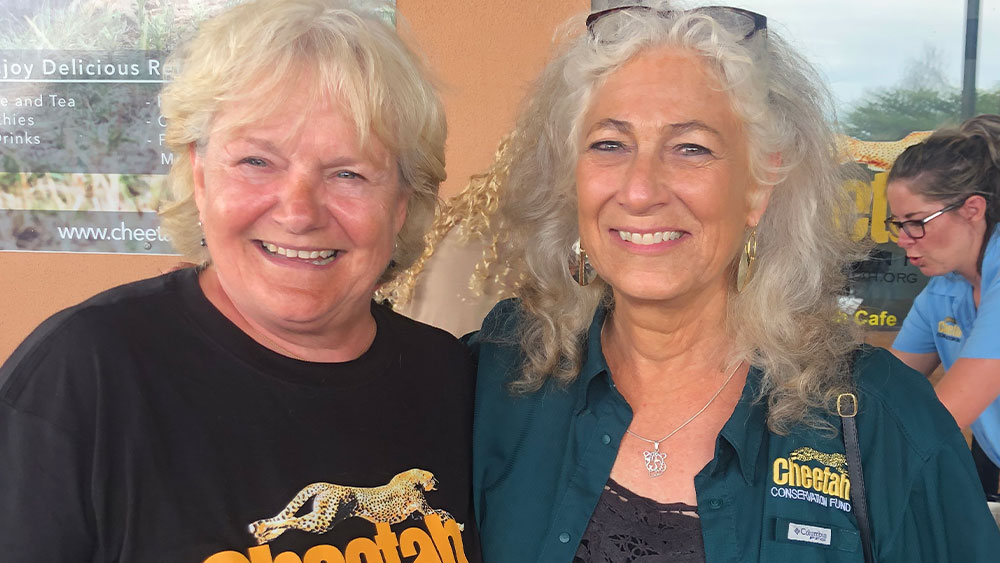
I wanted to go back. I really needed to go back.
Reading about what CCF is doing is fine, interesting and useful: but to really comprehend the activities of CCF one has to be there, listen to the staff, learn about news that just arrived and… live life at CCF. I wanted to go back to Namibia to see what the Centre has become after almost 5 years, and I wanted to visit Somaliland after having followed the different stages of finding the site, planning, starting the construction works and finally,… relocate the cheetahs.
In East Africa, 2000 cheetahs approximately remain in the wild, and they are in fragmented subpopulations across Ethiopia, Tanzania, Kenya, South Sudan and Uganda. The International Union for Conservation of Nature (IUCN) Red List assessment states that “cheetah populations in the Horn of Africa, close to the Somali border, are likely to suffer the strongest impacts of the illegal trade in live animals in East Africa”. Many documented more than 40 live cheetahs confiscations had happened between 2011 and 2013, mostly in Somaliland, the self-declared autonomous state internationally recognized as part of Somalia, de jure.
So, I decided to leave for Namibia and Somaliland. January 1st, the best day. Meeting the people I met so many years ago, was amazing to me: the moment I arrived at CCF Namibia, I plunged into the reality of the Centre, and I forgot everything else.
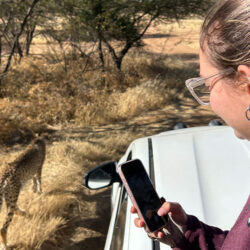
I could realize how many more activities have been added, and how many people are working at CCF: the very first day, I was invited to drive “behind the scenes”, and it was so fun and interesting… seing the cheetahs run, driving and feeding the cheetahs, is always so interesting and…the morning elapsed so quickly.
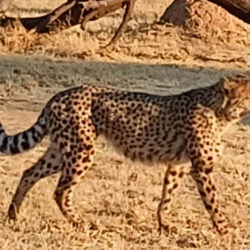
I realised how many cheetahs I knew: they are getting old, now, but they all are in good shape, and it’s amazing to see how the staff takes care of them, and knows all their peculiarities.
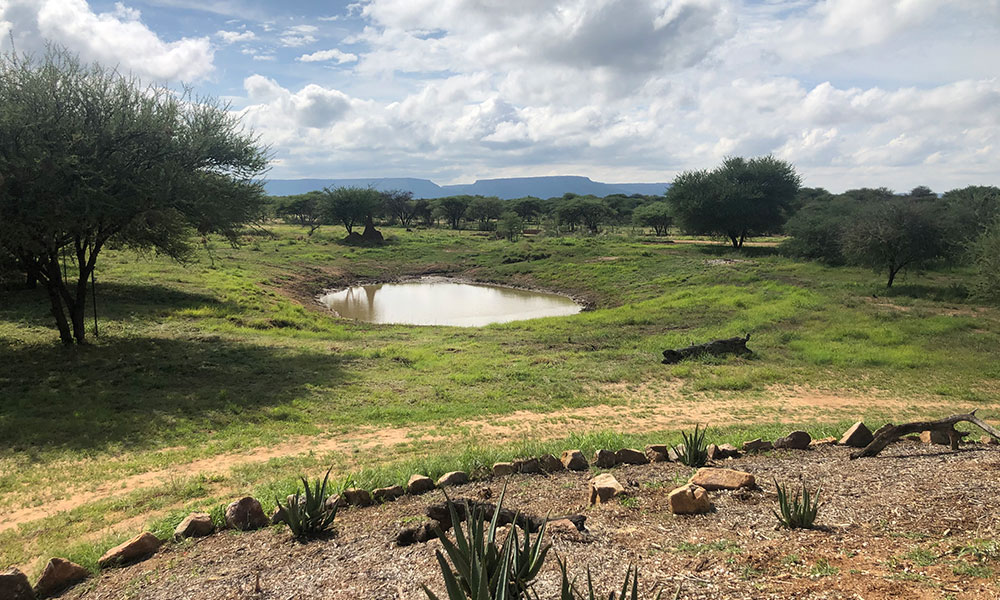
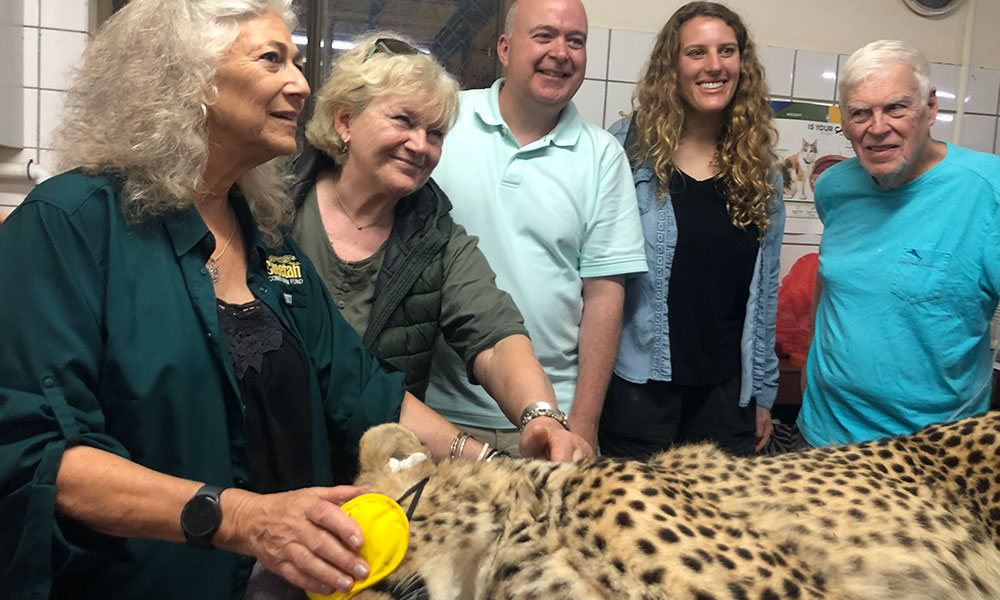
I have always loved outdoor activity: at CCF, unless you work on some paper or at the lab, you always enjoy the natural beauty of the lush wilderness, and when you drive to the different enclosures to feed the cheetahs you can meet orixes, giraffes, dik diks, and even tortoises… it’s a game drive! Every day spent in Namibia I have learned something new. This time, for instance, I could assist the veterinary neutering the dog cubs at the clinic. Some guest workers or interns were taking care of the small cubs after they woke up from anaesthesia.
The veterinarian, Dr Max Krings, is a consultant and neighbour of CCF: he is very attentive and tactful physician: I followed his procedure, and the care of some volunteers when they stroked them after the surgery: the dogs woke up and were moaning at first, so everybody tried to take care of the cubs in the aftermath. Andrias Panduleni is his assistant, she is from Namibia and is a young and skilled vet technician. It’s very fascinating to see how many Namibians – both girls and men – are working for CCF! The cubs would lay in quarantine for a couple of hours, but recovered very quickly: the day after, I visited the dogs enclosure and they were running and having fun as if nothing had happened.
Calum O’Flaherty’s care and dedication is amazing: he is the Curator and Manager of the LDG dogs and goats, and he has plenty to do! Calum is of Irish origin, but grew up in Great Britain and is a great animal lover; he studied Geology for 3 years, then had a Master in Bristol on Global Wildlife Heath and Conservation. His passion were leopards, but changed his mind after meeting Dr Marker (!). I admire his constant devotion and care, he really has a special gift,… as all the other staff members.
Lea Petersen explained a lot to me about the cheetahs. Lea is the Cheetah Keeper, she is from Denmark but studied also in the Netherlands, and she is also an expert in wildlife training. She drove me to the cheetah enclosures, and even if I unfortunately, am not able to recognise them , she showed me Dominic, an adult now!, and Bella, and all the sponsored cheetahs from Italian friends: I should stay longer to be able to identify them!
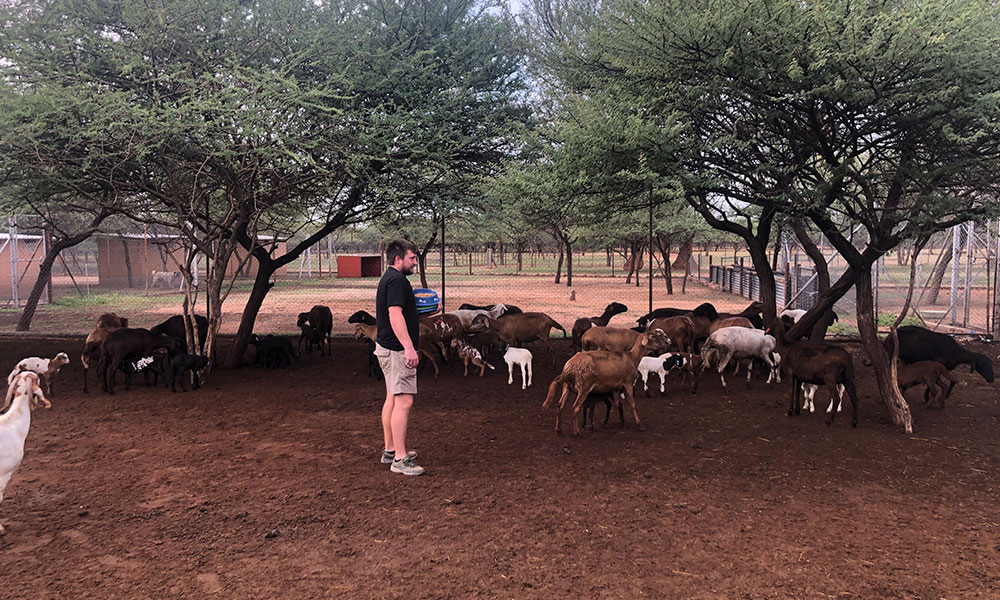
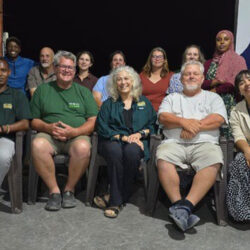
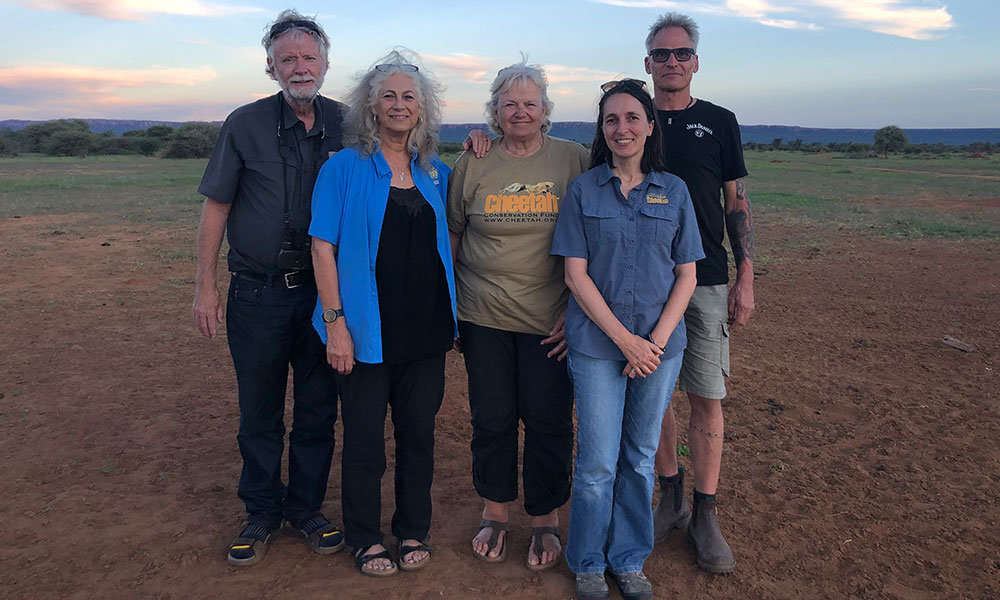
The lodge is where I was staying: so quiet, beautiful and comfortable, and every evening we met with guests of the day and Dr Laurie Marker: I had the chance to meet some of the lecturer of the ConGen, and I felt (https://conservationgenetics.org/congen2025/) meeting started 2 days later, and the conversations have been always so interesting even for me, who am not a zoologist or scientist. The weather was beautiful, the climate in Namibia is always so special! There was a little rain, but nothing serious, it lasted only some hours, and afterwards the sun was shining as if nothing had happened.
The Staff members are special! They are at the Café, in the Cheetah Shop, at the Lodge Restaurant, and they drove me around evrey time I had to go from some place to another (I have back issues), and every time they were ready to help and give me a ride. I remember Elefias, Justine, Clio, Griselda, to mention some of them… I owe a lot to Bianca, the Tourism Manager, she was always available for me, when I asked for something, and I am very grateful to her, she is a very active, pragmatic and nice person.
CCF’s Mission in Somaliland – Geed Deeble CRCC
I was welcomed by Chris Wade. After so many emails we finally met!
Chris showed me the Centre as soon as we arrived, and I could see with my own eyes how big, well-built and beautiful the enclosures are. Then, I visited the Clinic: there, Karlene Parrish showed me around, and I saw Rama and Madar, the smallest cubs of the CRCc, so beautiful and after a while, they were approaching me, purring gently and running around. What an amazing moment! The International staff is composed of 1 full time lead vet (Karlene, who afterwards got back to australia); 1 clinic manager and cat keeper, 1 part-time vet, 1 lead bush cats keeper (Giorgina Bailey), 2 bush keepers (Jess from New Zealand) and 1 cook (from Uganda).
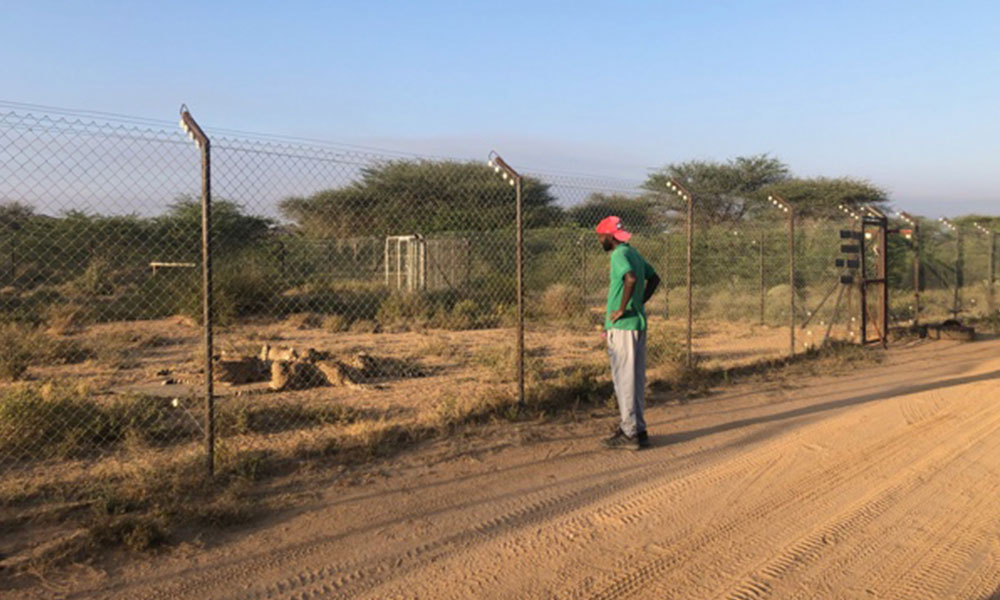
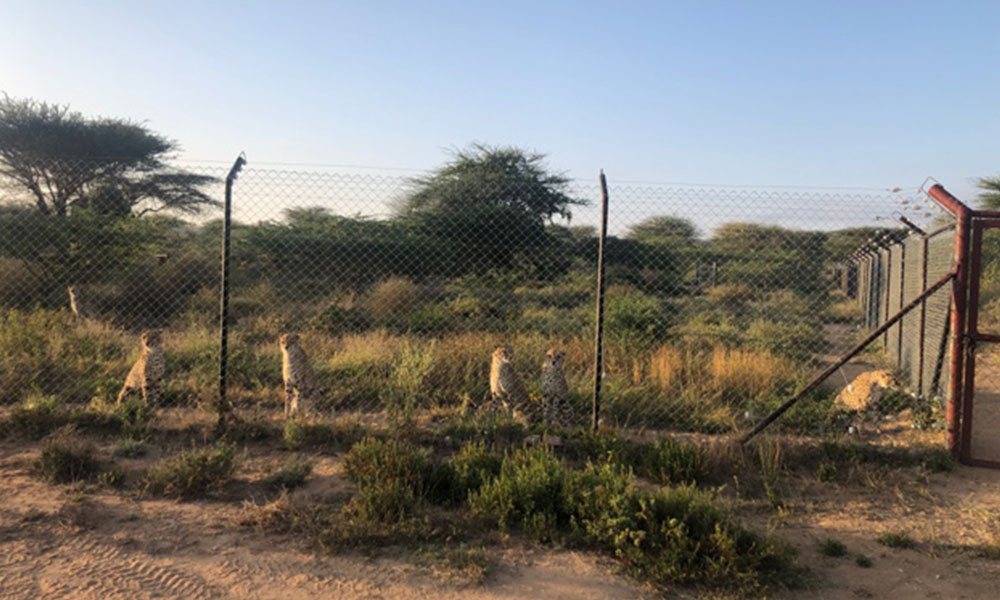
We were having lunch and dinner on a big terrace, all together, the climate was so mild and a gentle breeze was really a joy! The view from the terrace is so beautiful, all around, you can see some far hills surrounding the territory of the CRCC, and sometime you can see the flocks of goats passing by; they belong to the neighbouring owner, I was told, the former President of Somaliland.
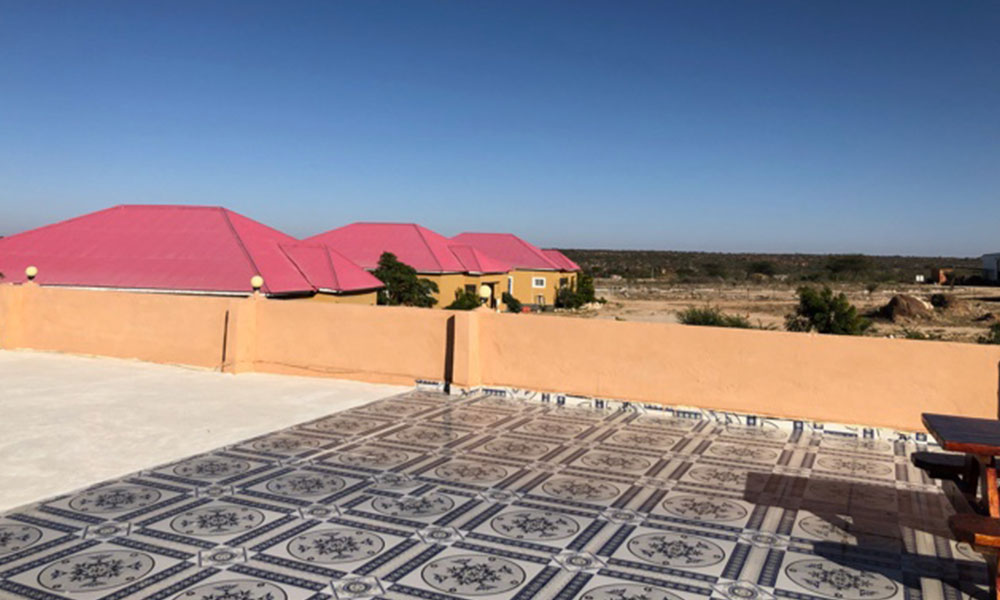
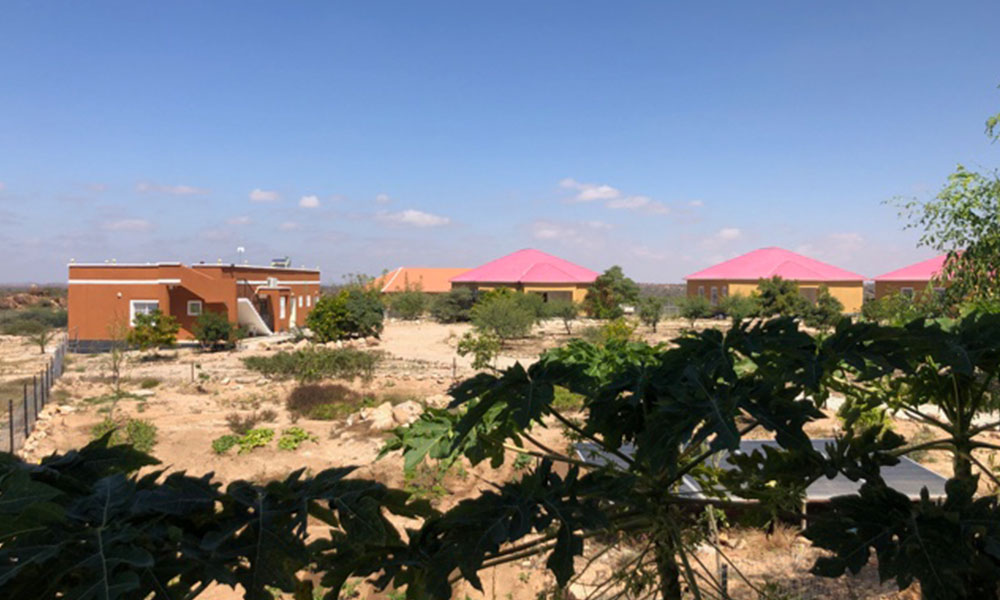
I stayed in a spacious room, and I could have breakfast with Karlene, who kindly offered her kitchen, and fresh baked bread she made… I have been spoiled! My day started at 6 am, and I had the choice of assisting the Clinic Manager in preparing the food for the smallest cubs: we cut meat in small pieces, added calcium powder or whatever necessary, then went into the small enclosures letting the bowls ready, and letting the cubs eat separately. Venus, the bigger cheetah, had a bad injury on her left foot, so we had to put on special dress and shoes to enter her enclosures, so to give her small pieces of food while Karlene cleaned and treated the wound and bandaged it. Venus would sit with a buster collar around her neck. In the evening, same procedure, leaving her free to have her food without bandage. Three people are involved in this procedure!
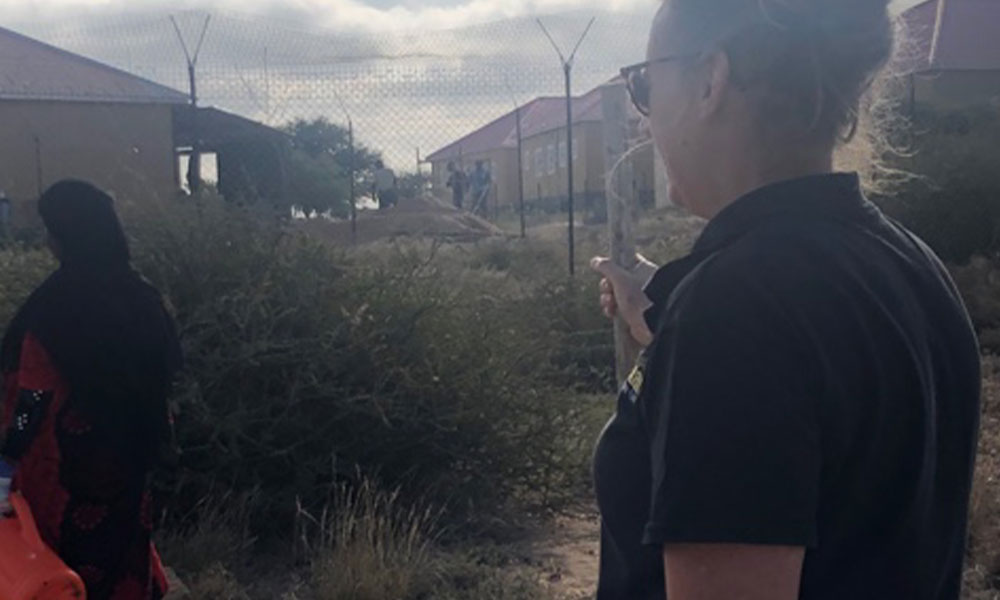
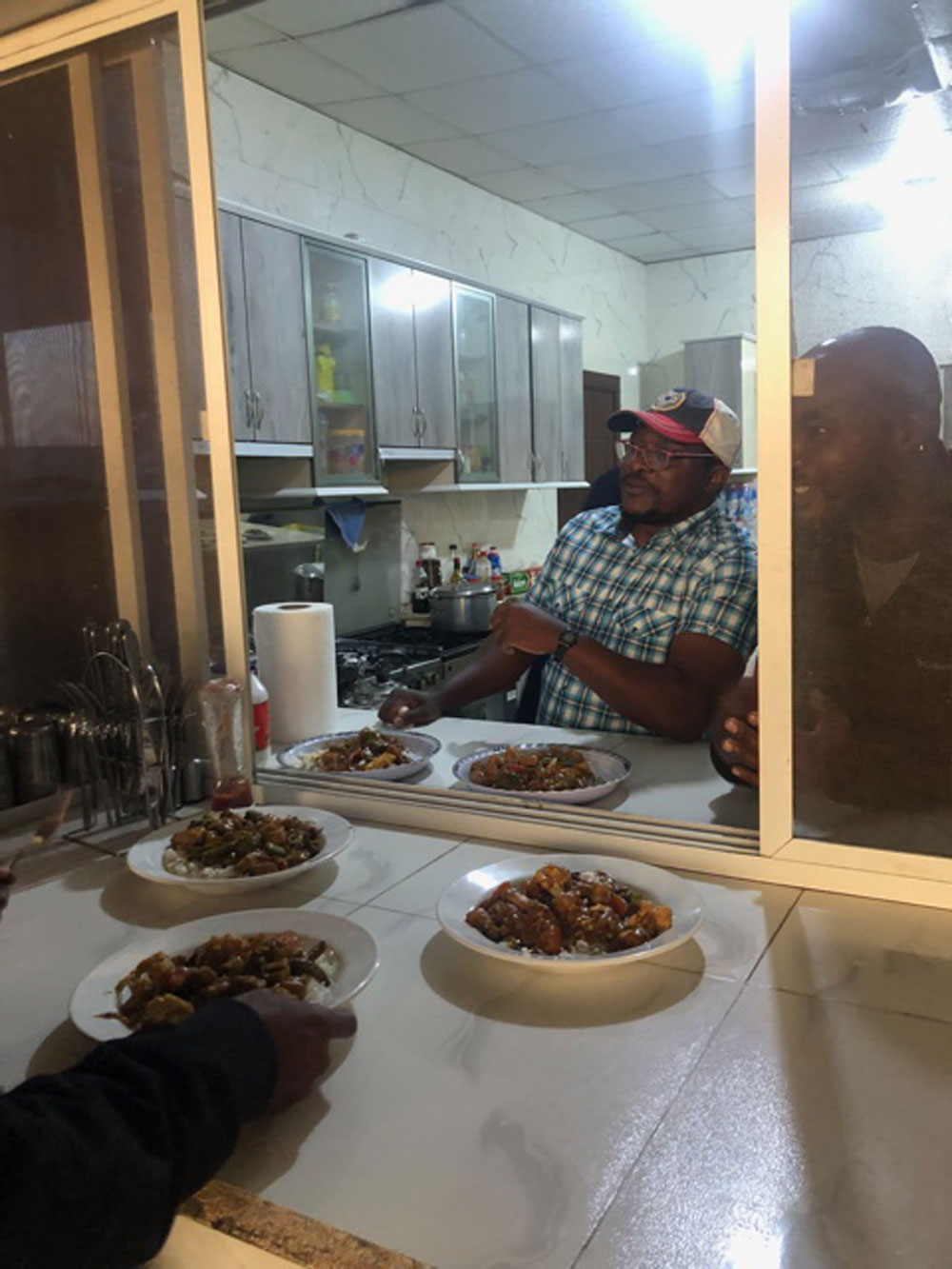
Time went by very quickly, between preparing the big and small meat pieces, then carrying them along the vast enclosures! We went to the butchery, where we had to prepare the pieces, very big, and all of them to be given to the bigger cats. I didn’t realize how quickly the morning went by, and then we met for lunch. The cook prepared something different every day, we even had lasagne, and being Italian I have to admit… they were very tasty!
But the most interesting procedure was vaccinations or the Frontline procedure to ALL cats. 97 cats, each of them lead into the cage and then vaccinated by Dr Mariana, the vet, with the “Touch” procedure, and it works even with the most sensitive ones. I’ve seen some researchers coming back with the camera traps, after an ecological survey made in the surrounding areas, I’ve seen antelopes grazing, the wildlife exists and it’s certainly interesting to periodically conduct a census about wildlife, so to let the cheetahs roam in a semi-natural environment. When my time was over, I left the Centre with a feeling of great satisfaction, eager to come back soon. So many cheetahs are difficult to see and I realize this was a great opportunity for me to learn more about conservation. I am very grateful to CCF for giving me this exceptional chance in Somaliland. Thank you to all the staff, the managers, I will certainly come back!
Related Reading
-
October 20, 2025
How Do You Outrun Extinction?