
Engaging with communities to strengthen biodiversity conservation and fostering collaborations
-

- by Dipanjan Naha August 28, 2025
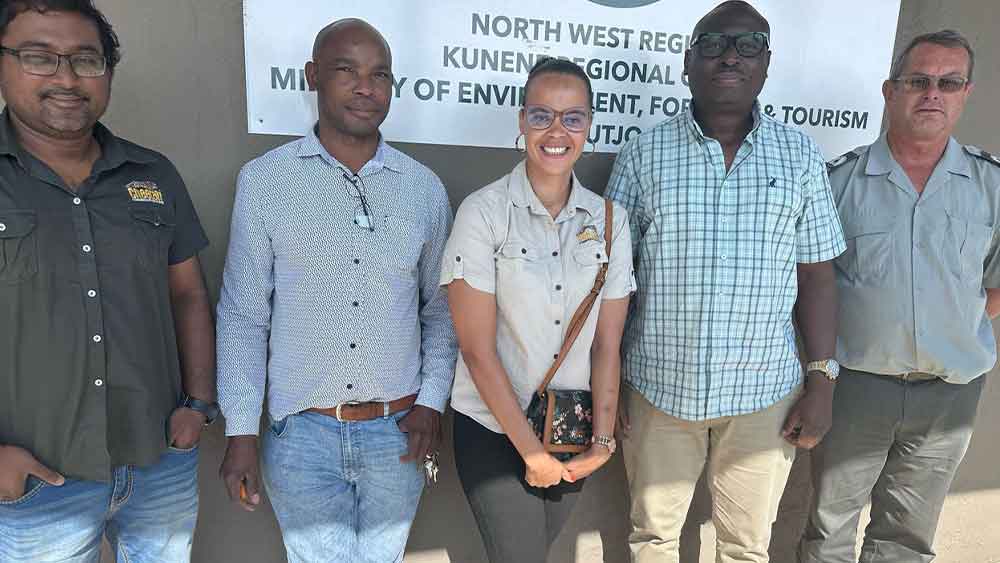
Conservation of biodiversity within shared landscapes is a challenging task considering the wellbeing of local communities and the wildlife sharing space with them. Southern African countries provide an inclusive model where communities have rights over wildlife and are involved in conserving them. Namibia is at the forefront of such community driven conservation and the Community-Based-Natural-Resource-Management (CBNRM) program provides necessary rights to the rural people to manage natural resources while safeguarding wildlife populations within communal areas designated as communal conservancies.
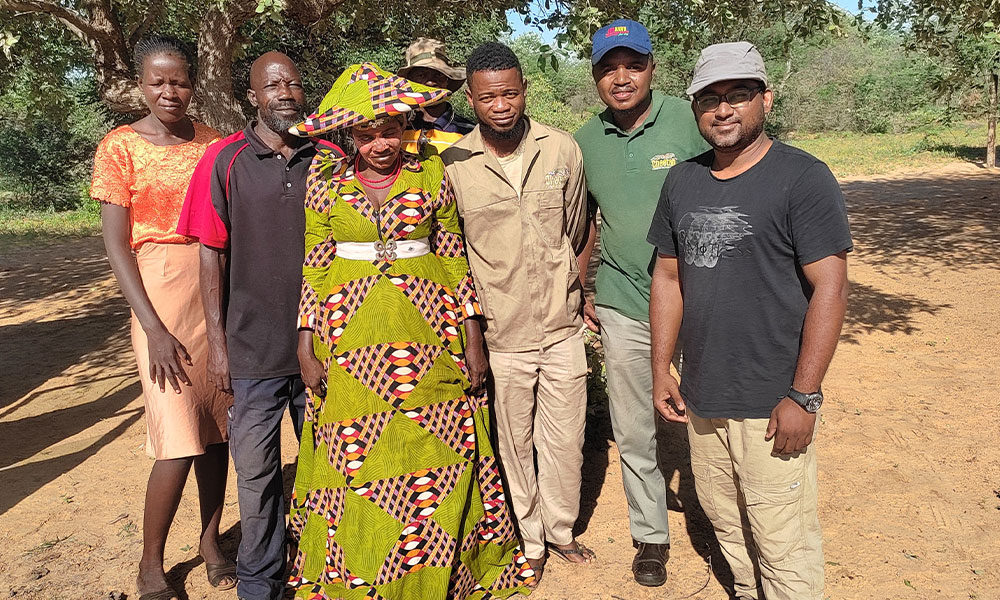
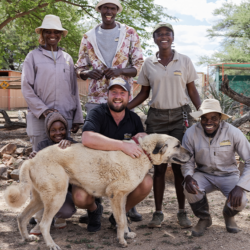
These conservancies cover around 20 percent of the geographic area of Namibia and harbour important populations of elephants, lions, cheetahs, African wild dogs, and other notable wildlife. The Cheetah Conservation Fund (CCF) is working closely with 8 communal conservancies across western and eastern Namibia to empower the communities and reduce the negative impacts of human-wildlife conflicts (HWC) through the Darwin Initiative. From the onset, CCF has been engaging with the conservancy management committee members (CMCs) who are the elected representatives of the local people and responsible for managing the conservancies. The involvement of the local leadership is crucial to the success of any program especially with regards to community-driven initiatives.
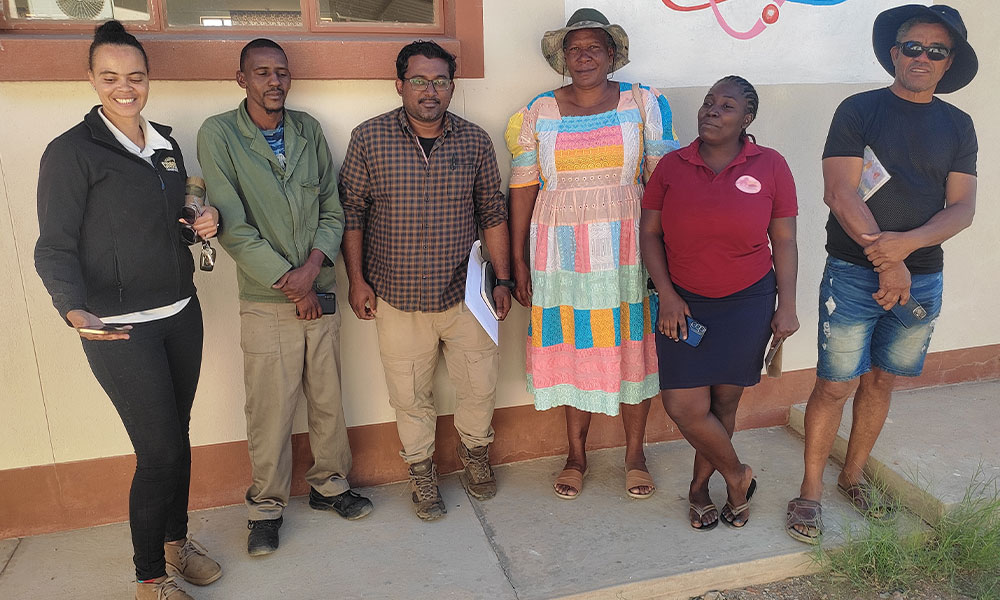
Together with MEFT (Ministry of Environment, Forestry and Tourism), NACSO (Namibian Association of CBNRM Support Organisations) and EHRA (Elephant-Human Relations Aid) we aim to employ 28 community members and enhance their capacity in monitoring biodiversity and human-wildlife interactions. To achieve this, we have organized several in-person meetings with the CMCs since Sept 2024 and this has helped in developing trust, have shared goals and fostering local ownership of the project.
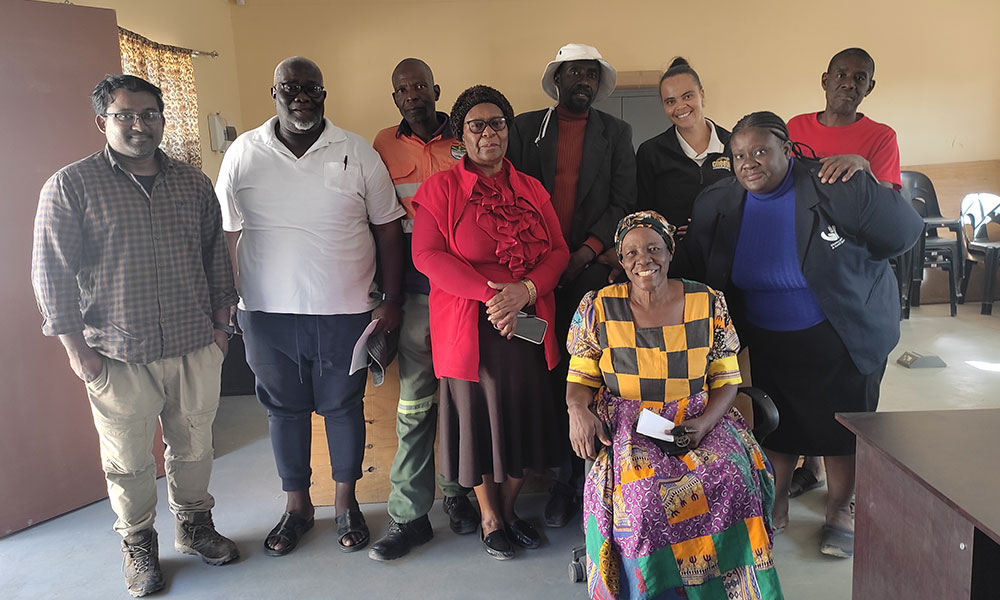
We plan to provide training to the selected community members and implement the digital monitoring system SMART (Spatial Monitoring and Reporting Tool) for these shared landscapes of Namibia. The SMART application will help in biodiversity conservation, law enforcement, reduction in HWC and efficient management of natural resources for the communal conservancies.
Related Reading
-
April 8, 2026
Experience Namibia Conservation Safari