
In My Father’s Footsteps: A Journey of Conservation and Remembrance at CCF
-
- by Sarah Kvchinsky July 17, 2025
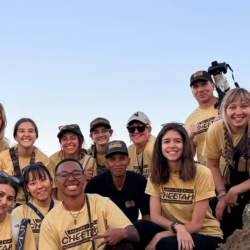
I had the experience of a lifetime externing with the Cheetah Conservation Fund (CCF) in Namibia! While I was only there for just over 3 weeks, it felt more like 3 months with the breadth of opportunities I had. The veterinarian I was working with, Dr. Robin Geiling, remarked that she had not known a vet student to have been able to do as much as I had in such a short time. I feel very fortunate and extremely grateful for the time I spent with CCF and in the beautiful country of Namibia!
I had no idea just how much was going on at CCF prior to my arrival. It is an incredible organization with many different departments, programs, and research dedicated to conservation work, human-wildlife conflict initiatives, sustainability projects, and efforts supporting the local community.
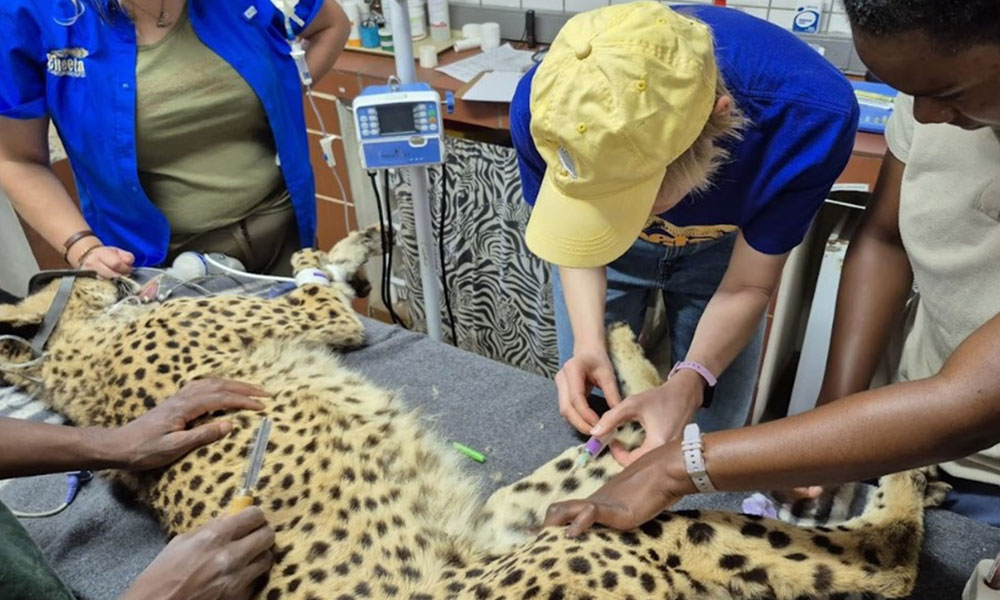
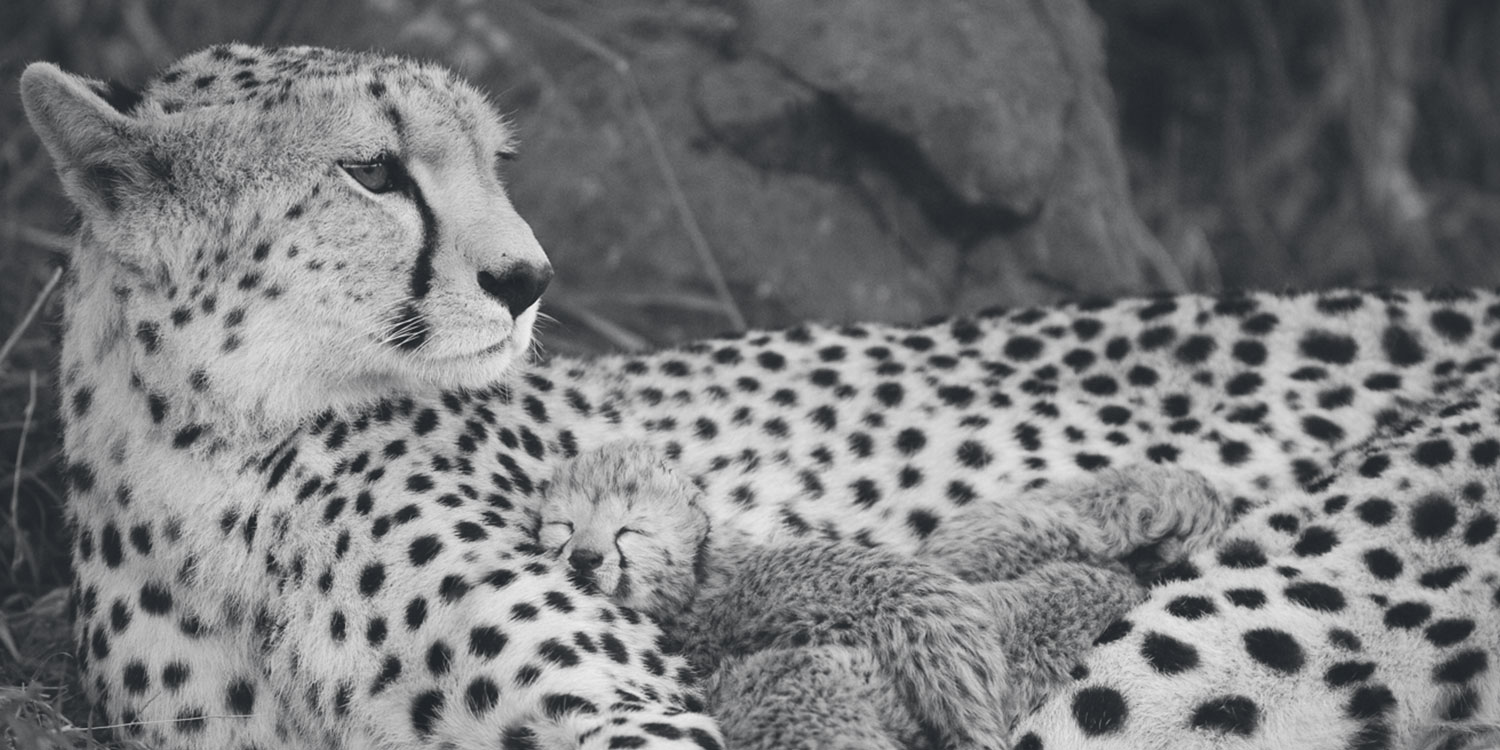
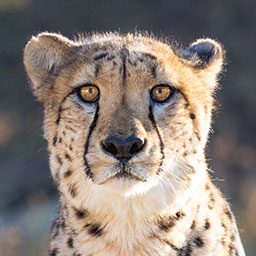
Much of my time was spent on the veterinary team addressing animal health concerns. A huge highlight was working with the cheetahs! There were 2 older cheetahs (Bella and Rainbow) suffering from kidney issues (similar to our domestic cats). We performed workups on these animals that consisted of sedation, anesthesia, physical exam, blood draws, dental exam, ultrasound, and x-rays. The ultrasound exam was an excellent diagnostic tool and revealed abnormalities consistent with chronic kideny disease. I was also able to go out in the field to change the GPS collar on one of the released cheetahs, Hella, (residing in a private game reserve). This involved darting the cheetah in the field and working efficiently and safely to collect the necessary samples and data. The cheetah was monitored throughout the procedure; sedation was reversed, and she woke up without issue. It was magnificent to witness Hella lounging in the sun with her three cubs!
There is a model farm at the center that is used to teach Namibian farmers on best farming practices. As such, there are daily animal health activites related to the sheep and goat herds. As I was arriving at CCF, the rainy season was just ending, and the goat kidding season was in full swing. The vet team helped with difficult births and bottle-feeding of kids. We also addressed challenges with heavy parasite loads (Coccida and Haemonchus), pasture rotation, hoof issues (lameness-commonly thorns from acacia trees, foot rot due to wet conditions), and various wounds. Some of the challenges with veterinary medicine in another country were differences in therapeutics used/available, unfamiliar with drug tradenames, limitations in diagnostics and supplies, long distances between services (both in the field and the center), network limitations, amongst others. I could appreciate all the veterinary medical efforts despite these challenges.
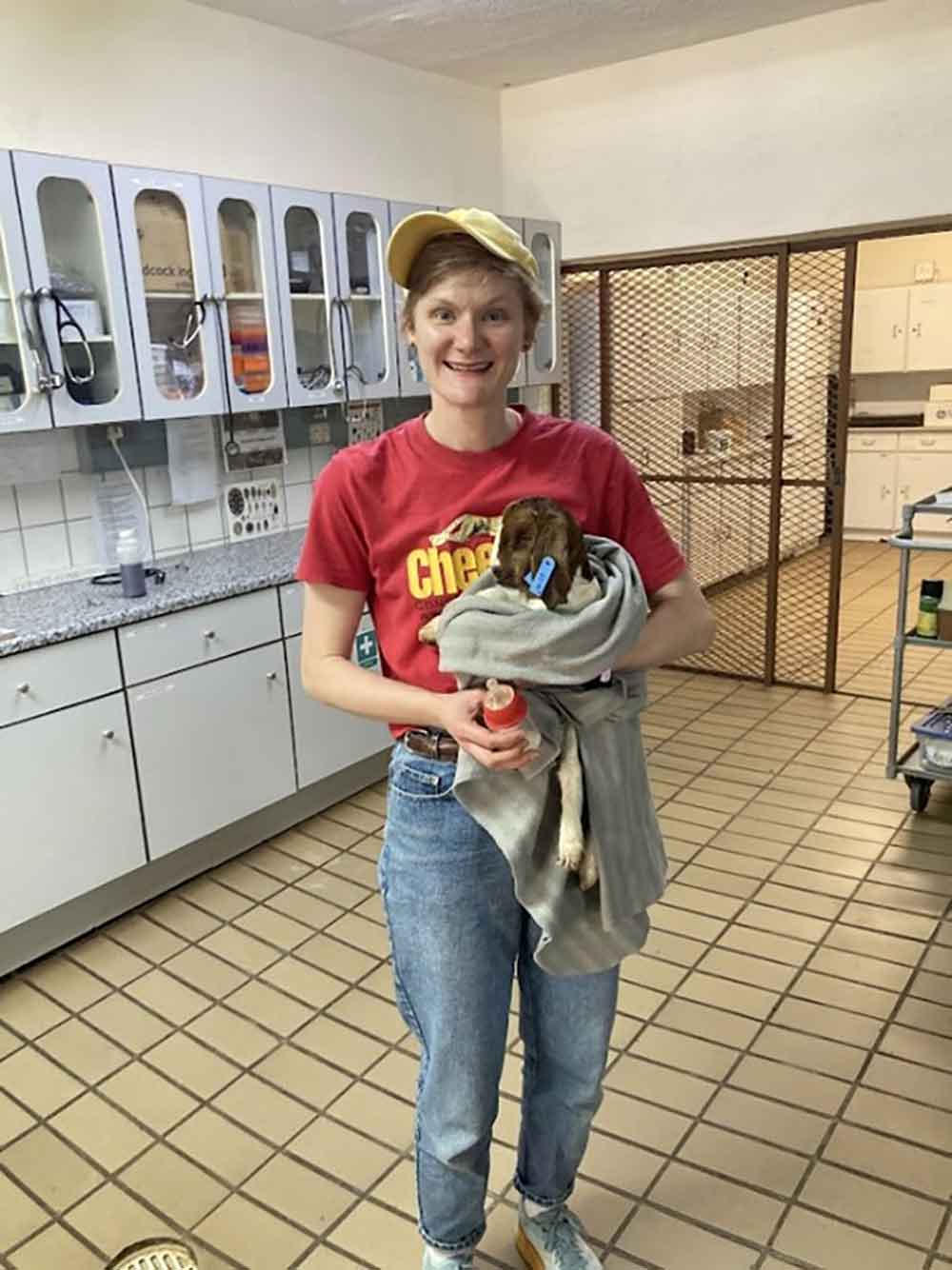
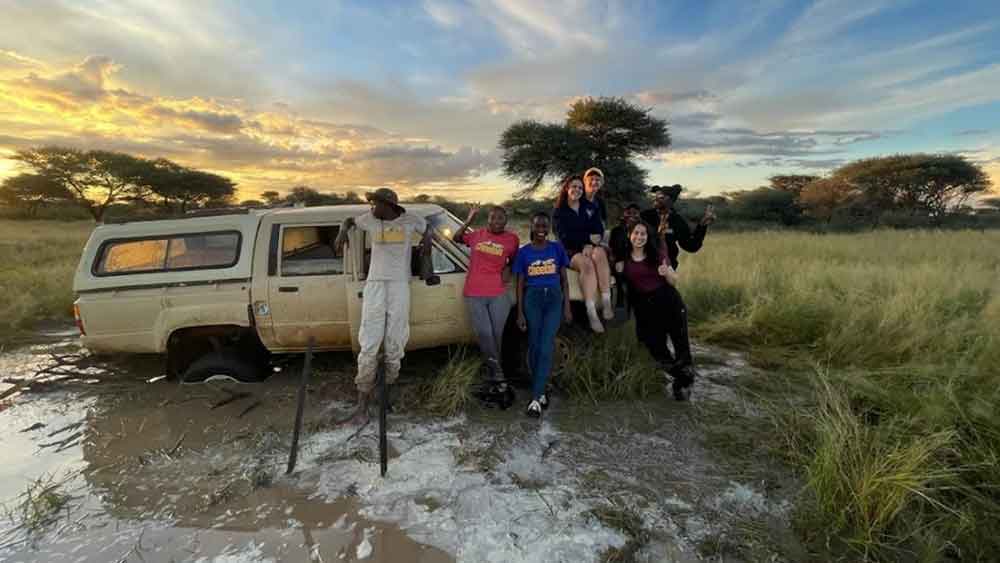
Throughout my time, I learned about and worked in many of the other departments at CCF. There are numerous working dog programs housed at CCF, including the raising of Anatolian Shepherd dogs as livestock guarding dogs (sold to local farmers), and training of Malinois as predator scat detection dogs. I spent an afternoon in the genetics lab, extracting DNA from African wild dog scat and running PCR. I learned about the multiple conservation genetics research projects spearheaded by master’s students working at CCF. I went out with the Ecology department on their monthly game count evenings—by far, one of my favorite experiences! We went into the reserve and recorded the number and types of species we encountered. One evening was halted by immensely thick mud leading to a quite stuck truck! Another highlight was spending the day working in CCF’s Dancing Goat Creamery. The model farm has a robust dairy goat herd that is milked twice daily. The creamery makes ice cream, multiple types of cheese, and soap daily.
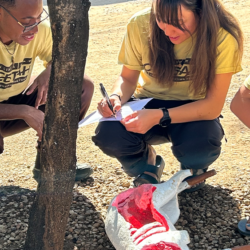
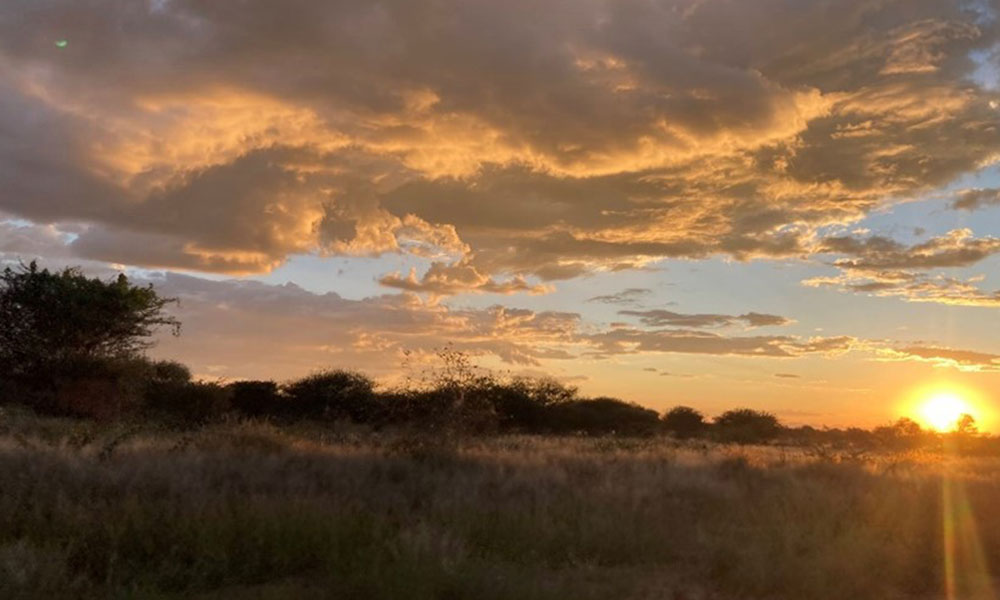
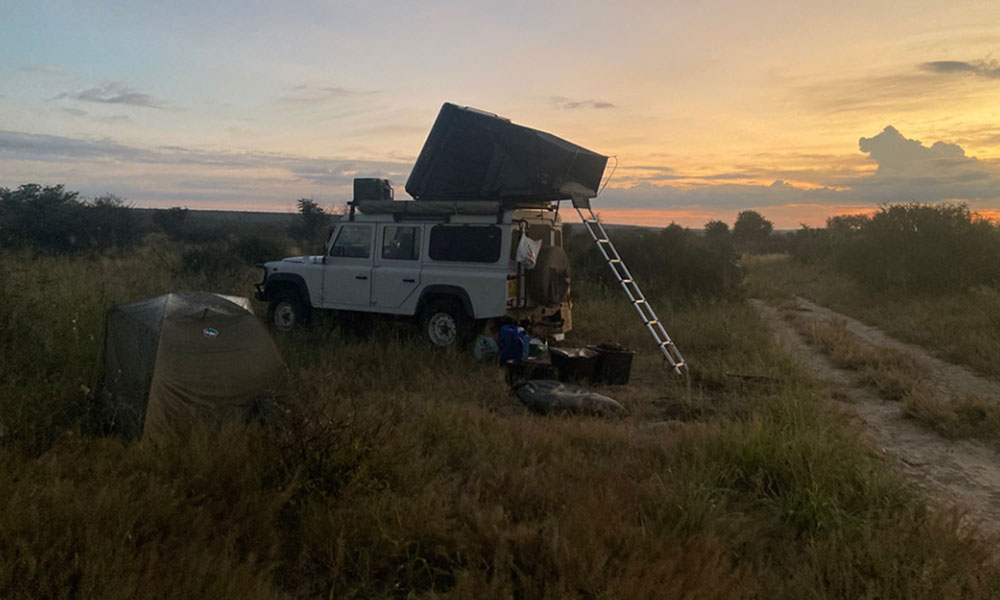
A truly special experience was going out into the field with the Kalahari African Wild Dog Conservation Project. I spent 5 days camping in the bush (no facilities!) in the Eiseb conservancy (far eastern region of Namibia). The goal of this trip was to gather information from farmers, community members, and game rangers, about how African wild dogs had been impacting this region. We learned from many farmers that they had lost or injured livestock due to wild dog predation. We noticed very few game species present in the conservancy, likely contributing to the increased human-wildlife conflict.
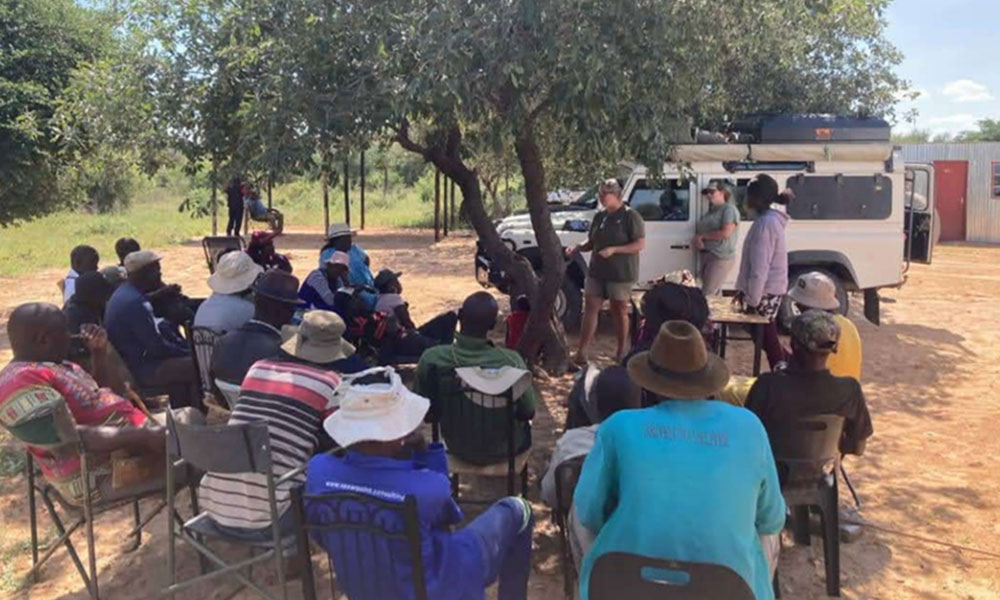
We were able to provide veterinary treatment to some of their livestock and their pet dogs. The common sentiment was that the wild dogs needed to go (either taken elsewhere or killed). Late one evening and early the next morning, we attempted to collar one of the African wild dogs by luring them in with recorded calls and bait. While we were not successful collaring, we did hear response calls from wild dogs confirming their presence in the region. The trip ended with a community meeting at the Eiseb conservancy office with various stakeholders to discuss current issues surrounding African wild dogs and mitigation strategies. This is an extremely nuanced issue that needs support/aid from the government’s Ministry of Environment, Forestry, and Tourism. This was firsthand experience with international veterinary capacity building.
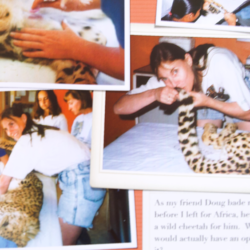
I had had an epic few weeks that will forever hold a special place in my heart, particularly because my late father visited CCF back in 2012. He brought me brochures about CCF and always encouraged me to visit one day as vet student. It was meaningful that I could be in place where he once stood and look out on landscapes that he also viewed. Additionally, and unexpectedly, I met someone at CCF who knew my Dad, having met him in 2012. This really was quite an emotional and beautiful journey. All in all, visiting Namibia and working at CCF was transformative in so many ways and showed me just how capable I am.
Related Reading
-
August 18, 2026
Fish Out of Water -
August 17, 2026
Conservation Starts with People: Lessons from CCF Namibia