
Double Your Donation During July and August
-
- by Dr. Laurie Marker July 3, 2025
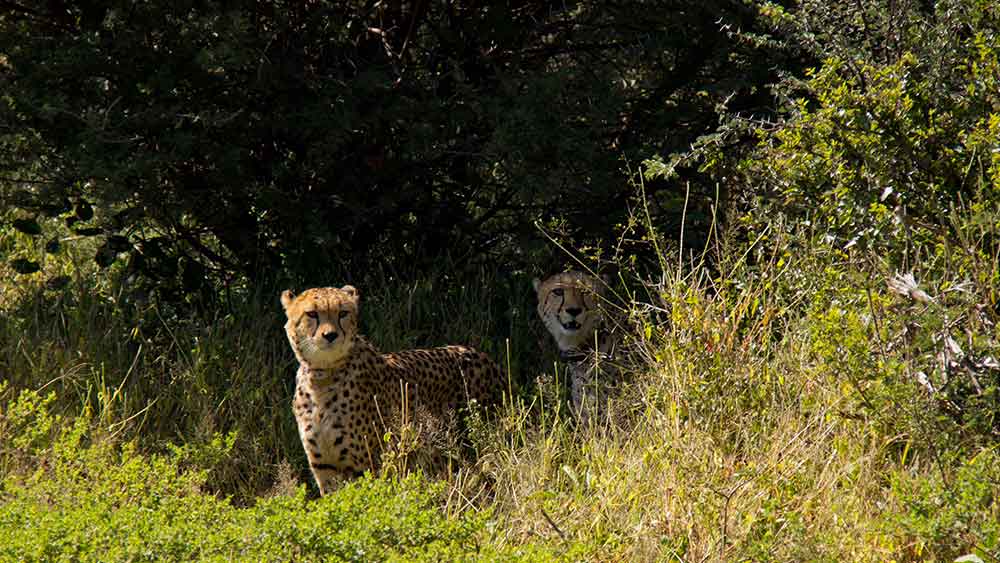
Through August 31, contributions to Cheetah Conservation Fund (CCF) will be matched dollar for dollar, up to $375,000, as part of Chewbaaka’s Wild Cheetah Challenge. This campaign honors Chewbaaka, our most iconic cheetah ambassador, and supports the expansion of CCF’s proven conservation model to keep cheetahs living free and in the wild.
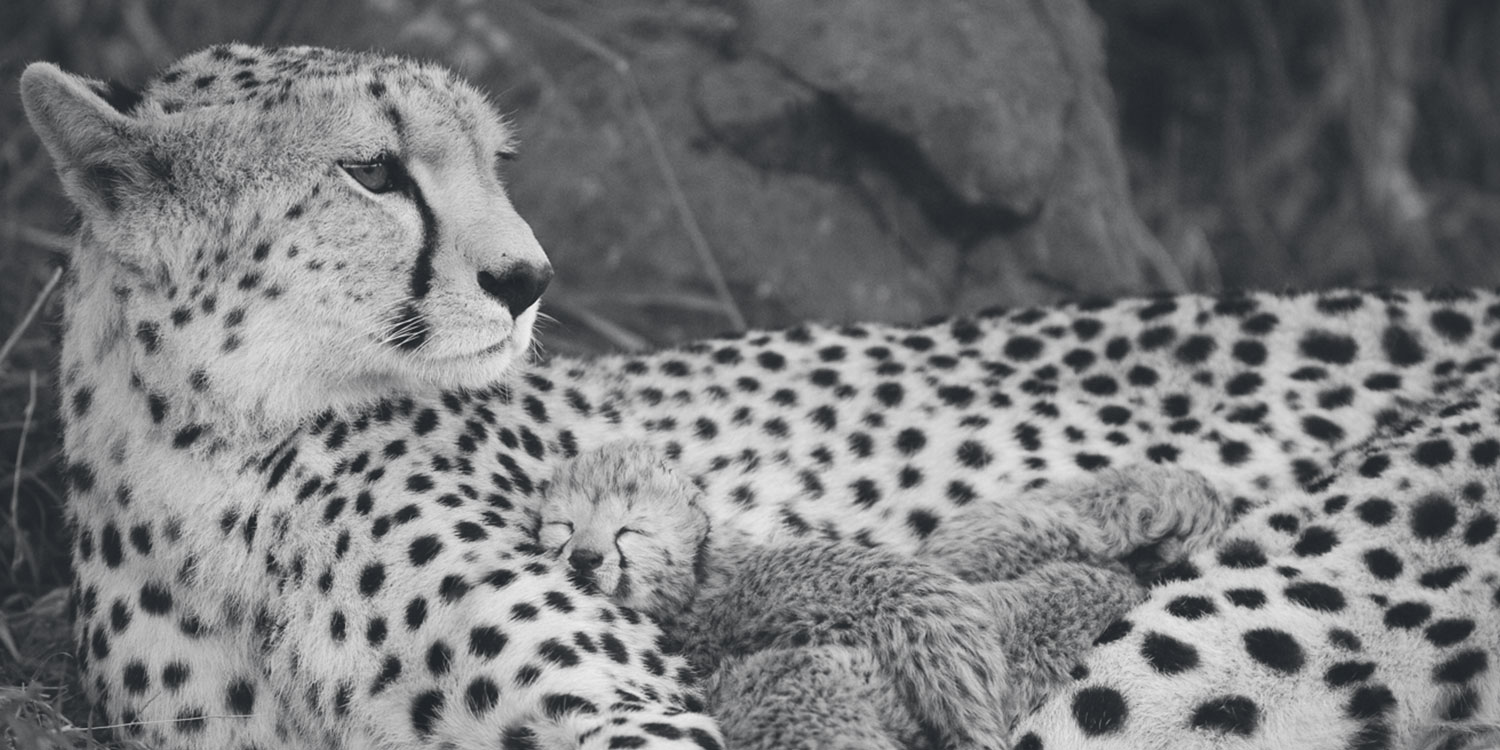
Cheetahs are one of the most endangered large carnivores on the planet, with fewer than 7,500 remaining in the wild. Helping them stay there is at the heart of CCF’s mission.
Since our founding, CCF has grown from a small farmhouse just outside Otjiwarongo, Namibia into a global conservation organization with field stations and project zones across multiple countries.
In Namibia, we began by working directly with farmers. Building trust and introducing non-lethal tools to reduce livestock losses formed the foundation of our strategy. Over three decades, we developed a conservation model grounded in scientific research, education, and community partnership. Our headquarters outside Otjiwarongo is now supported by our CCF East field station in Gobabis, which allows for rapid response to conflict cases and monitoring of released cheetahs.
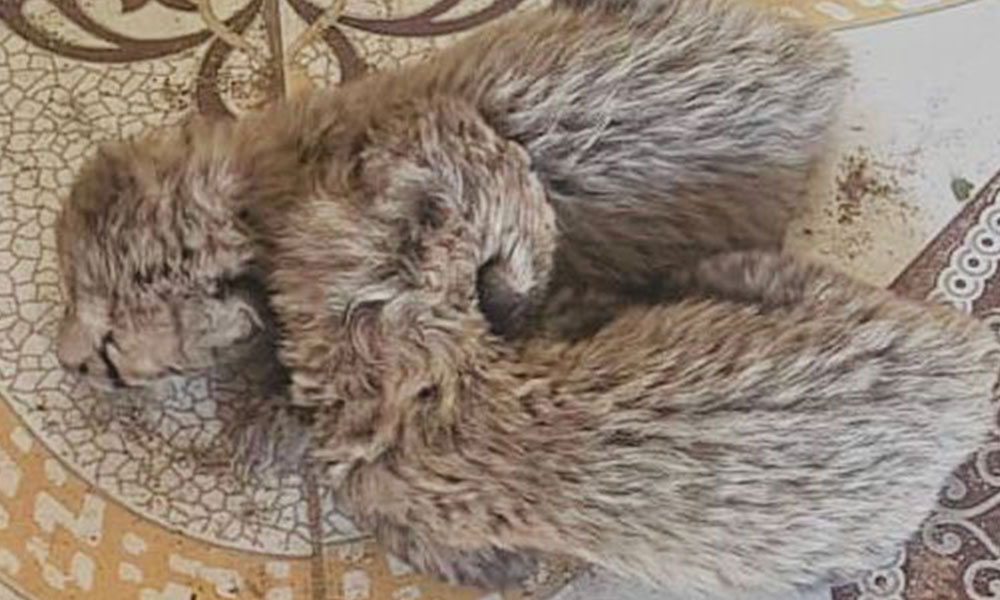
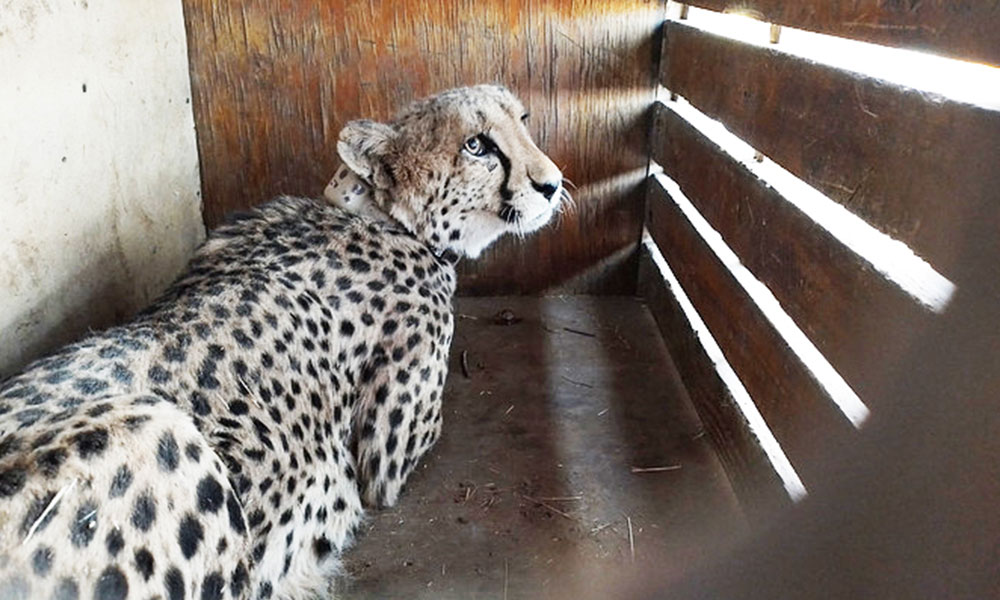
We apply this same integrated approach in the Horn of Africa, where the challenges differ but the urgency is just as great. In Somaliland, CCF operates the Cheetah Rescue and Conservation Centre (CRCC) on behalf of the Ministry of Environment and Climate Change (MoECC). The centre provides long-term care for more than 100 cheetahs rescued from the illegal wildlife and pet trade. Many arrived as malnourished cubs and will need lifelong support. Others may eventually become candidates for reintroduction into secure habitat.
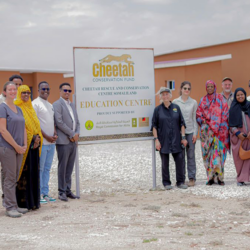
To support this goal, we are building a new Education and Training Centre, made possible through investment from the Royal Commission for AlUla. This facility will strengthen community engagement and capacity building, creating the foundation needed for future cheetah releases.
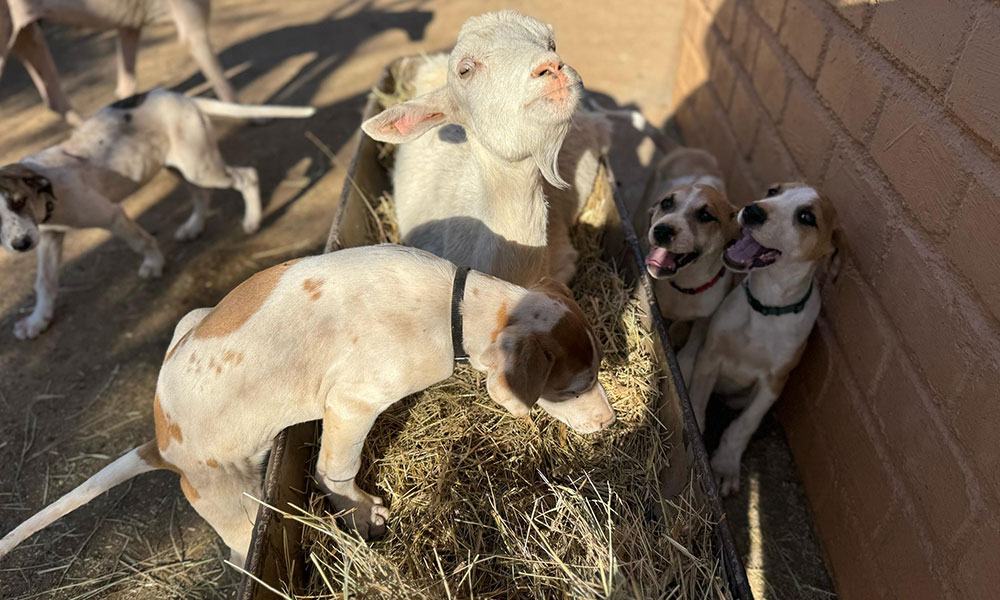
Providing lifetime care for rescued cheetahs is costly. That is why our long-term conservation strategy focuses on prevention through research, education, and human-wildlife conflict mitigation. This includes programs like our Livestock Guarding Dogs, developed to keep both livestock and predators safe. When appropriate, we rehabilitate and reintroduce cheetahs into the wild. Across every effort, our goal remains to ensure more cheetahs are able to live, hunt, and thrive in the wild.
Through August 31, all contributions to CCF will be matched dollar for dollar, up to $375,000, as part of Chewbaaka’s Wild Cheetah Challenge. This campaign honors our most iconic cheetah ambassador and supports the expansion of CCF’s proven conservation model.
How You Help
Your support enables:
- Safeguarding of wild cheetah populations through real-time monitoring and farmer engagement
- Providing specialized care for 100+ orphaned cheetahs at both of CCF’s Field Conservation Centres
- Completing the new conservation education facility at the CRCC in Somaliland
- Helping countries manage existing cheetah populations and prevent future conflict
- Supporting cheetah reintroduction efforts in areas where the species has become locally extinct
- Continuing deployment of CCF’s field-tested Early Warning System to reduce conflict across Namibia
Keeping cheetahs in the wild is the key to saving the species.
Reliable remote monitoring, such as satellite tracking collars, provides essential data on cheetah movement and habitat use. When combined with farmer participation in training and reporting, remote monitoring enables real-time conflict prevention and informs our research.
Reintroduced cheetahs can successfully reintegrate into shared landscapes. While minimizing human-wildlife conflict, CCF’s team can collect data from remote monitoring tools like tracking collars and camera traps to help advance conservation science. Your donations help us achieve success in our rehabilitation and release programs.
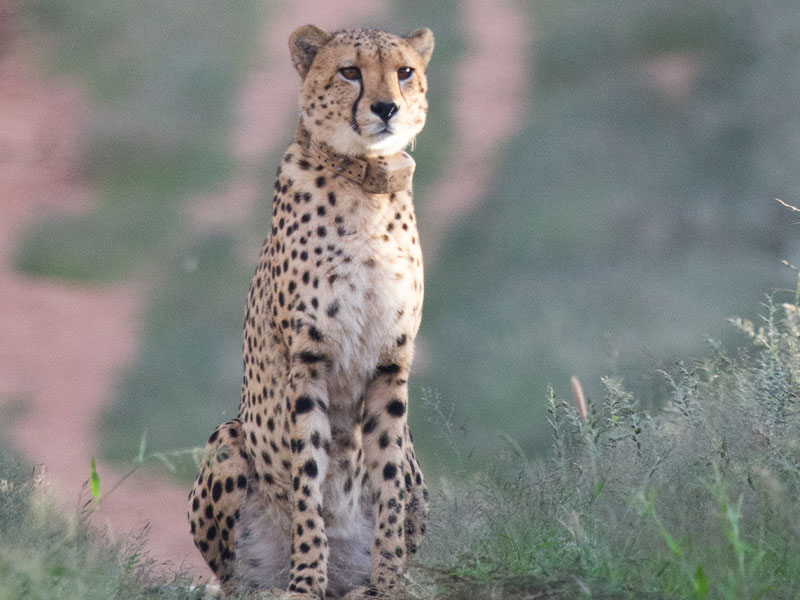
A Successful Year in the Life of a Released Cheetah
Max – Once a cheetah in need of rescue, Max was successfully released into the wild. After his release on February 28, 2024, at CCF’s Farm Elandsvreugde near Otjiwarongo, Max began exploring the surrounding landscape (see map below).
Over the following seven months, he roamed across 88 farms, gradually shifting his movements northward.
On October 1, Max entered the area that would eventually become his permanent home range. Just two days later, on October 3, he left that zone temporarily, moving south again. By October 11, he had returned, and between October 15 and December 5, he settled into a stable home range spanning 11 farms.
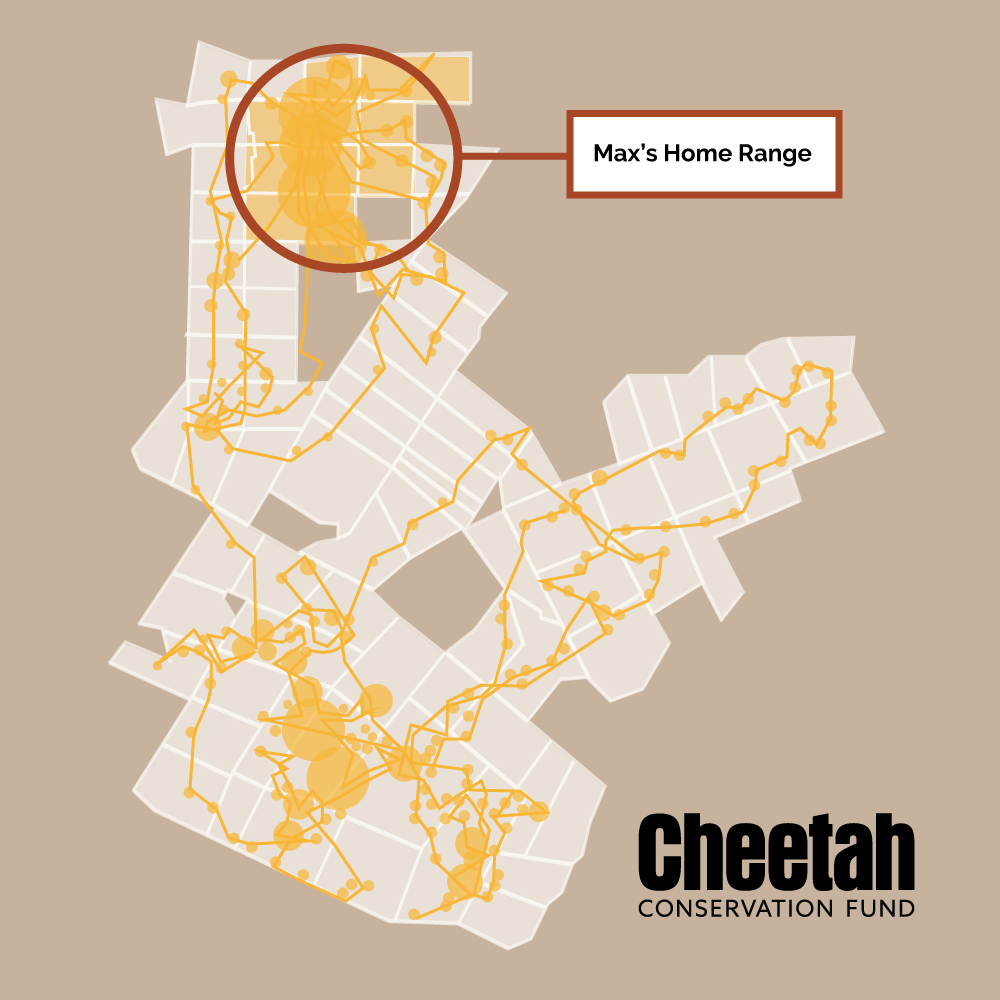
In early December, from December 5 to 8, Max ventured on a short walk-about to the south of his usual territory. The next month, on January 12–13, 2025, he made one additional loop southeast before returning. As of February 25, 2025, farmers confirmed that Max had caused no livestock losses—a powerful indicator of the success of CCF’s conflict-prevention strategies and his ability to coexist on working lands.
Related Reading
-
May 18, 2026
Building Conservation Success Through Social Science