
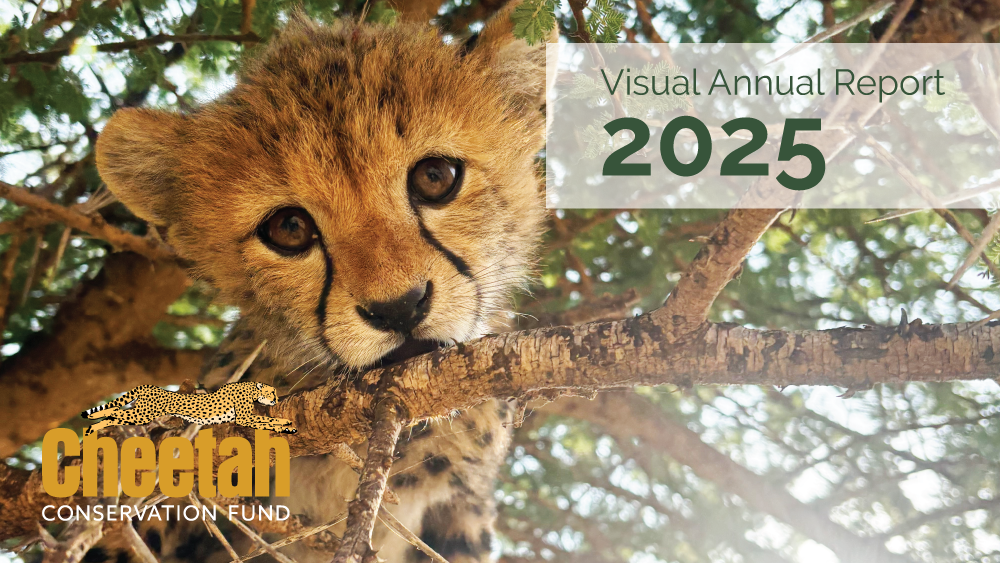
Visual Annual Report – 2025
-
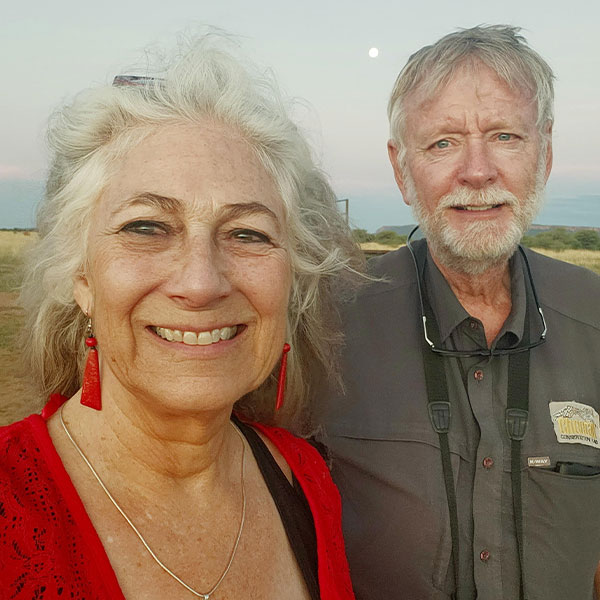
- by Dr. Laurie Marker July 28, 2026
Dear Cheetah Friends,
Thirty-six years ago, I arrived in Namibia with a rented farmhouse and one Land Cruiser. Today, CCF operates international conservation centres in two countries, manages hundreds of thousands of hectares of protected habitat, and leads a global coalition working to secure the cheetah’s future.
2025 was a year of milestones — and a year that proved just how much your support makes possible.
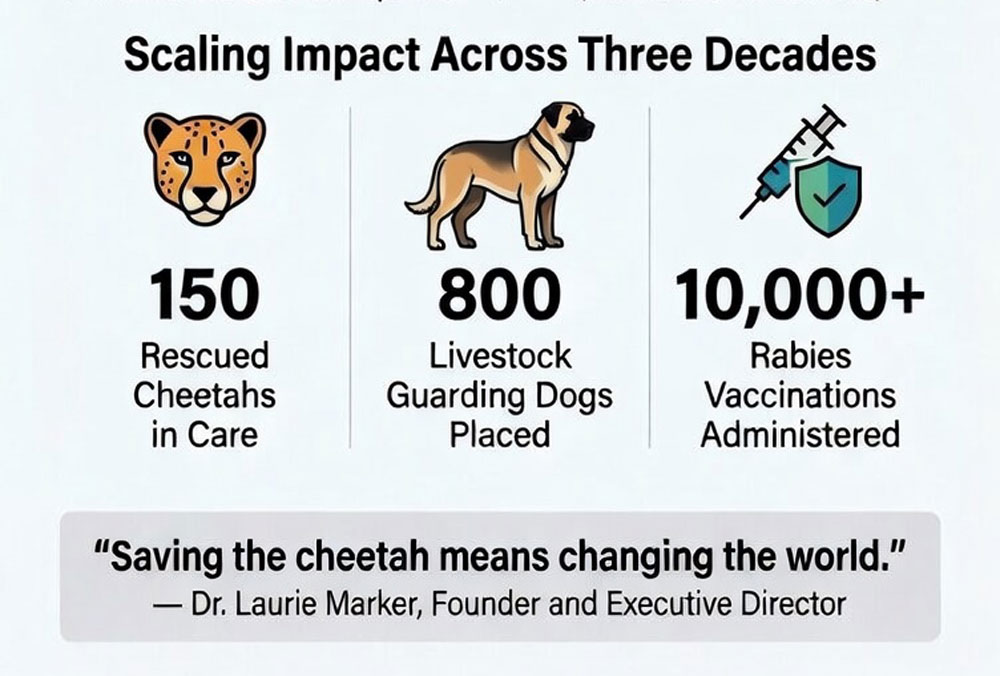
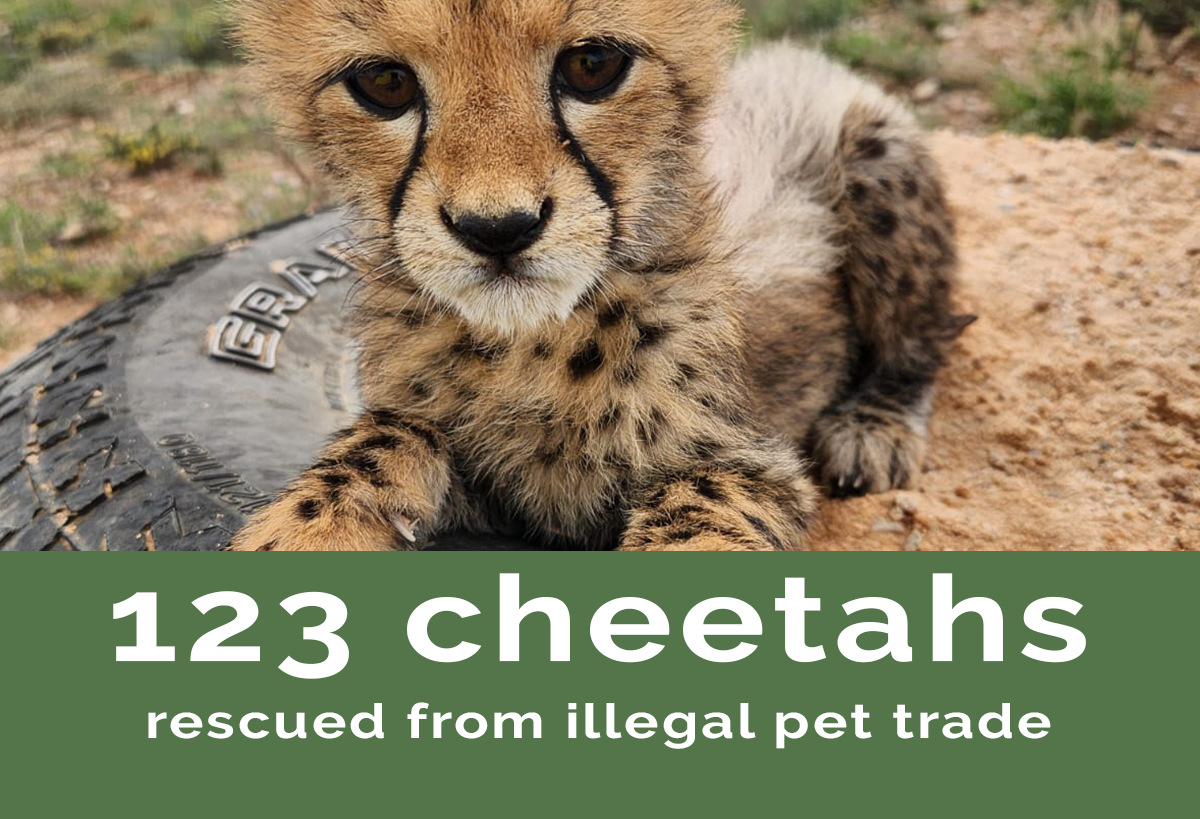
In Somaliland, we completed our new Education and Training Centre, a permanent home for conservation learning in the Horn of Africa. We welcomed 31 newly confiscated cheetahs to the Cheetah Rescue and Conservation Centre, bringing the total across both centres to 150 cheetahs, along with caracals, an African wild dog, and other rescued wildlife in our care. A two-part Discovery Channel documentary filmed at our facilities brought the story of these rescued animals to audiences worldwide.
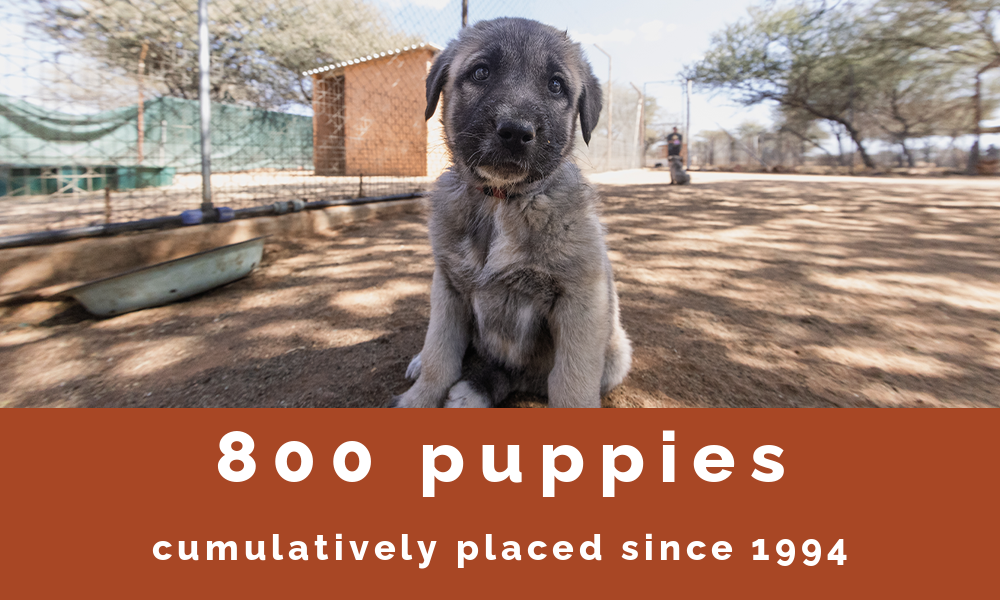
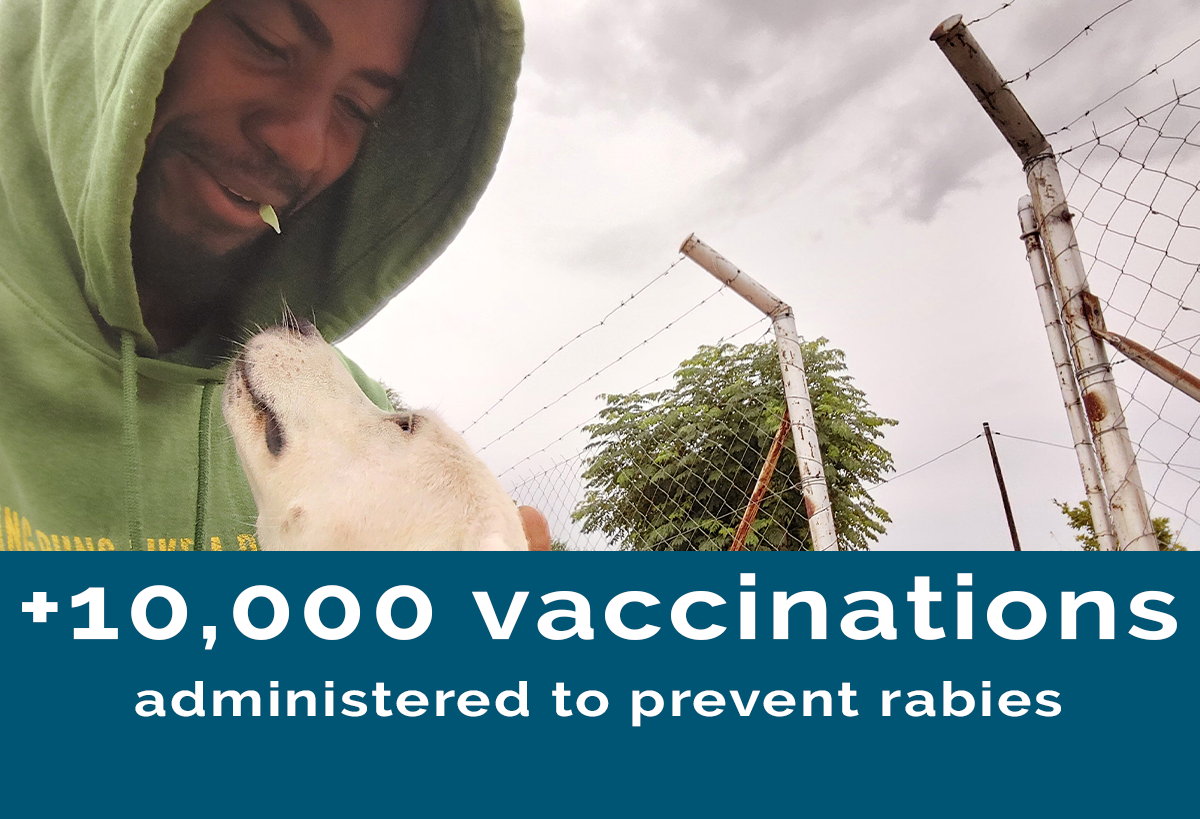
In Namibia, our Livestock Guarding Dog program reached 800 cumulative puppy placements — 800 dogs standing between farmers’ herds and the cheetahs who share their land. Our field teams administered the 10,000th rabies vaccination since the program’s launch, and the Predator Early Warning System proved its value in real time, saving a cheetah’s life by providing the GPS data that cleared her of a suspected livestock kill.
None of this happens without you. Every cheetah protected, every farmer trained, every child who learns why these animals matter — it’s possible because you care.
Welcome to our 2025 Visual Annual Report. I hope you’ll see your impact in every story.
CCF: Then and Now
35 Years at a Glance
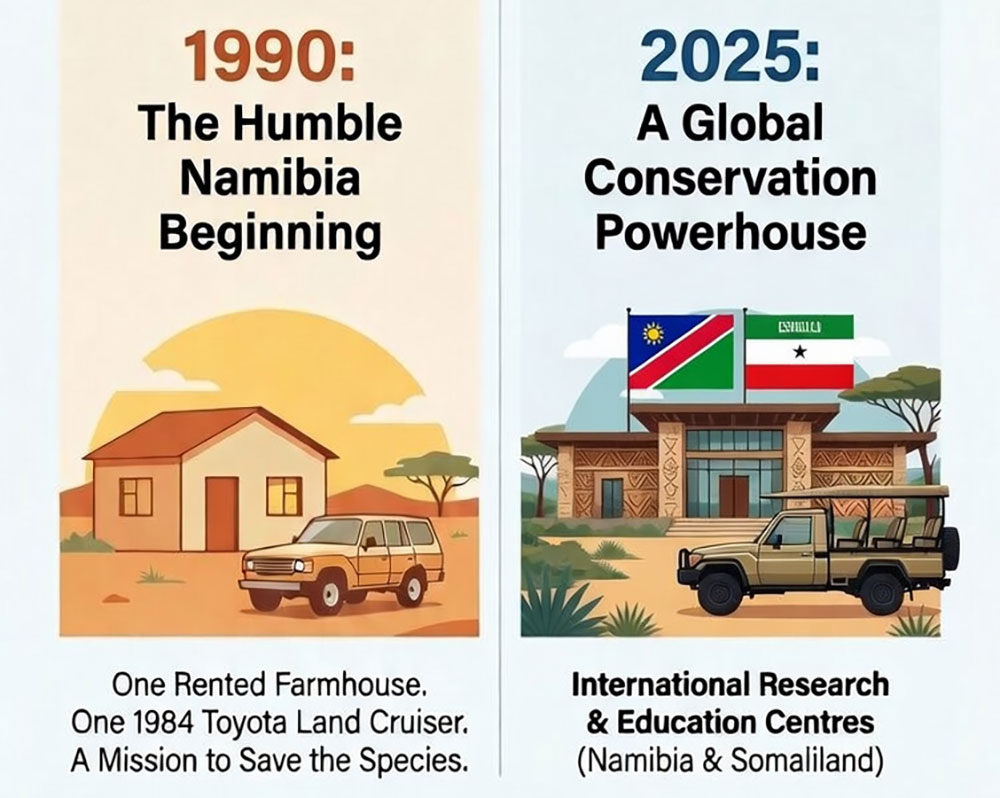
1990 — Humble Beginning
CCF is founded in Namibia. A rented farmhouse, one Land Cruiser, and a mission to save the world’s fastest cat.
1994 — Establishing a Permanent Base
CCF purchases Elandsvreugde farm, creating the International Cheetah Research and Education Centre in Otjiwarongo.
2011 — Expanding to the Horn of Africa
CCF begins collaborating with Somaliland to combat the illegal wildlife trade, laying the groundwork for what would become the Cheetah Rescue and Conservation Centre.
2021 — Geed-Deeble Sanctuary
Construction breaks ground on the CRCC at Geed-Deeble, Somaliland — CCF’s second international field conservation centre.
2025 — A Global Conservation Powerhouse
CCF now operates international centres of excellence in Namibia and Somaliland, with 123 rescued cheetahs in care, 800 livestock guarding dogs placed, 10,000 rabies vaccinations administered, and a global network of affiliates in Australia, Canada, Italy, the United Kingdom, and the United States.
Milestones from 2025
Stories of Success
Technology as a Lifeline — 10 April 2025
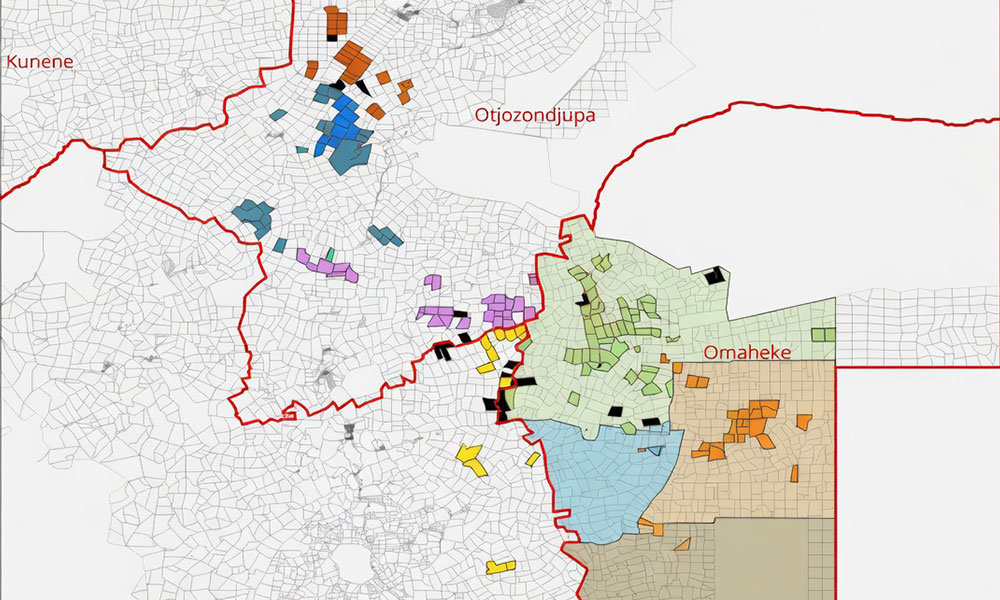
On 10 April 2025, the Ministry of Environment, Forestry and Tourism (MEFT) in Gobabis reported goat losses on a resettlement farm in the Omaheke Region. Farm workers claimed to have seen three cheetahs — including one wearing a collar — at the scene.
But CCF’s Predator Early Warning System (EWS) told a different story. Dr. Hanlie Winterbach immediately checked the GPS data for all collared animals in the area and confirmed that no EWS-collared cheetah was anywhere near the farm at the time of the losses. CCF provided the farmer and MEFT with a location map proving the cheetah’s “innocence,” effectively preventing a retaliatory killing and replacing suspicion with evidence.
By the end of 2025, the EWS had established contact with 348 farms, with 184 actively participating in the system. Farmers receive automatic WhatsApp alerts whenever a collared cheetah crosses a virtual boundary around their property — and just as critically, the data provides evidence when a cheetah didn’t cause a loss.
The system is a direct product of CCF’s approach to coexistence: give farmers the tools and information they need, and most will choose to protect rather than persecute.
The Resilience of Shamutukweni (SB#744)
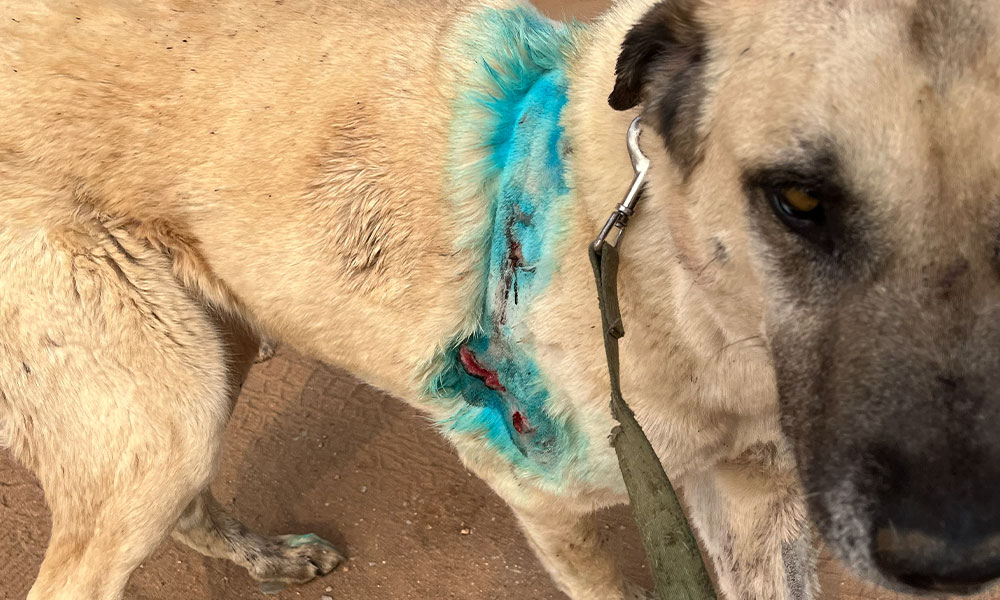
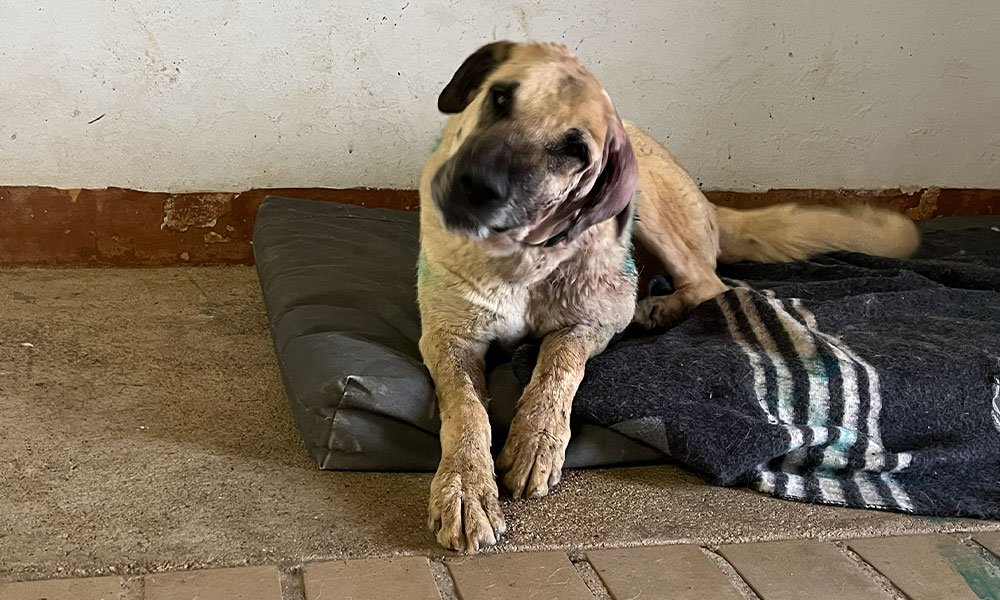
Shamutukweni is a livestock guarding dog placed on a resettled farm as part of CCF’s LGD program.
On 1 January 2025, she was rushed to CCF after a violent confrontation with a baboon, suffering severe wounds to her neck and chest. After being treated by the Northern Vet Practice and CCF’s veterinary team, she recovered and returned to her herd on 13 January. Her dedication was tested again on 10 September when she survived a second baboon attack. Once more, she was treated and returned to her duties by late October.
Shamutukweni embodies what the LGD program is about and her courage and loyalty, are providing a non-lethal solution to one of conservation’s oldest problems. Instead of killing predators, CCF places guardian dogs with farming families. The dogs bond with the livestock from puppyhood and instinctively defend them, deterring cheetahs, leopards, baboons, and other predators without harming them.
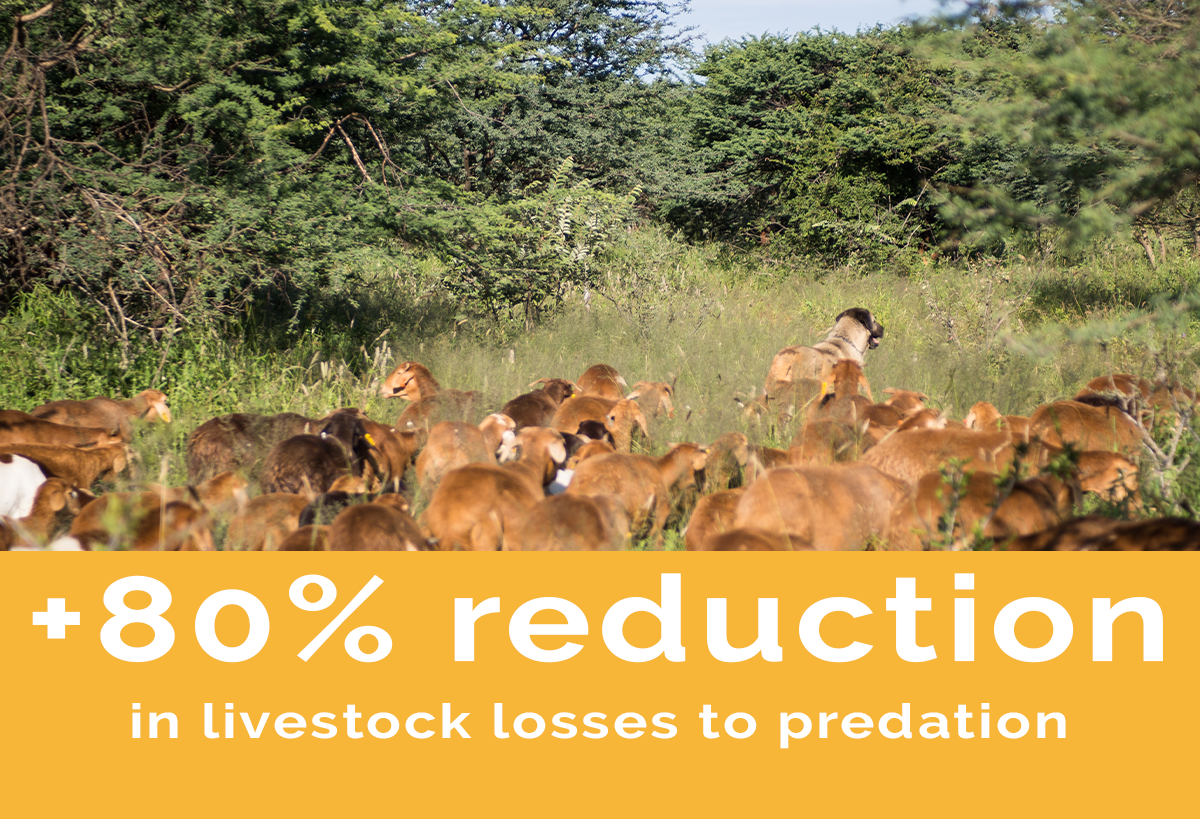
With 800 dogs placed since 1994, the program has reduced predator-related livestock losses by 80–100% on participating farms. Shamutukweni is one dog in a long line of guardians — but her story shows what coexistence actually looks like on the ground.
Somaliland’s Growing Sanctuary
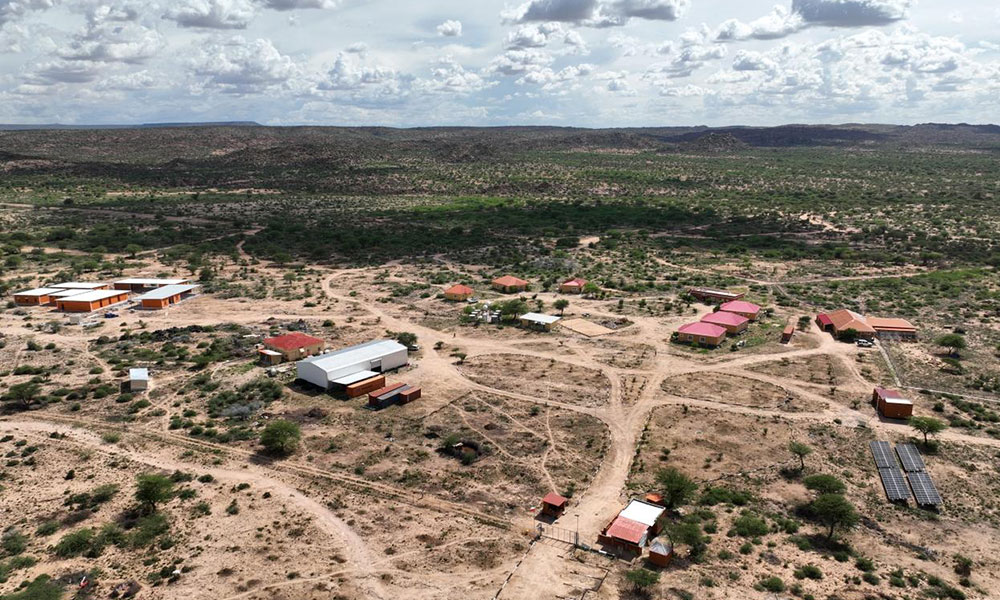
2025 was a year of dramatic growth for CCF’s Cheetah Rescue and Conservation Centre (CRCC) in Somaliland. The facility received 31 newly confiscated cheetah cubs plus 3 adult males translocated from a private residence, the highest single-year intake since the centre was established. By year’s end, the CRCC was caring for 123 cheetahs and 2 caracals, supported by a growing infrastructure and a dedicated team. Every confiscation is the result of enforcement action, often by Somaliland’s Ministry of Environment and Climate Change working in partnership with CCF.
The CRCC’s facilities expanded to meet the growing need with a new gatehouse, cheetah recovery area, low-level water crossing, carport and workshop, new solar system, and new enclosures were all completed in 2025. Four shipping containers of fencing and equipment arrived from South Africa for Phase 2 construction. A new agricultural tractor and front-end loader, sponsored in part by Genel Energy, are supporting the next stage of facility development.
At the centre of it all is a team of 6 international and 15 local full-time staff, supported by 12 international volunteers and emergency veterinary teams from Nashville Zoo, The Living Desert, Saint Louis Zoo, and Oklahoma City Zoo. The CRCC now goes through approximately 135 goats per week to feed its animals, a number that grows as the cubs do.
A Permanent Home for Conservation Education
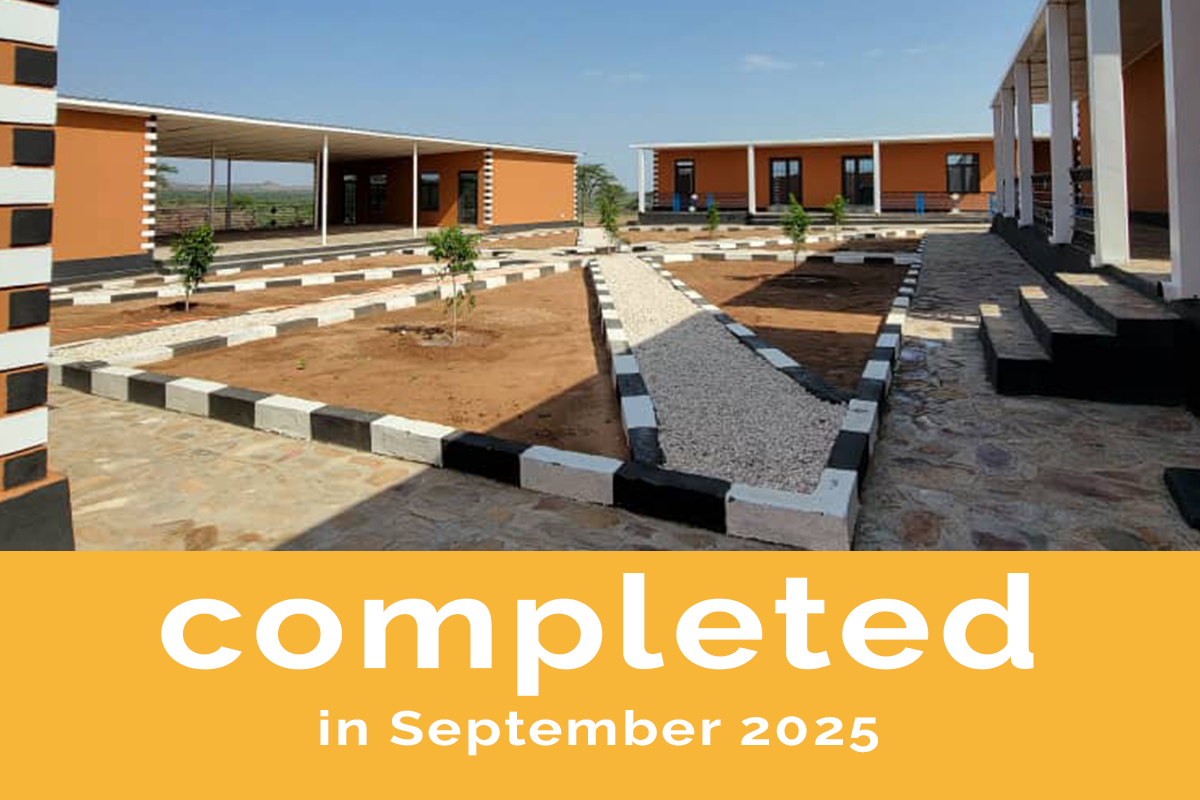
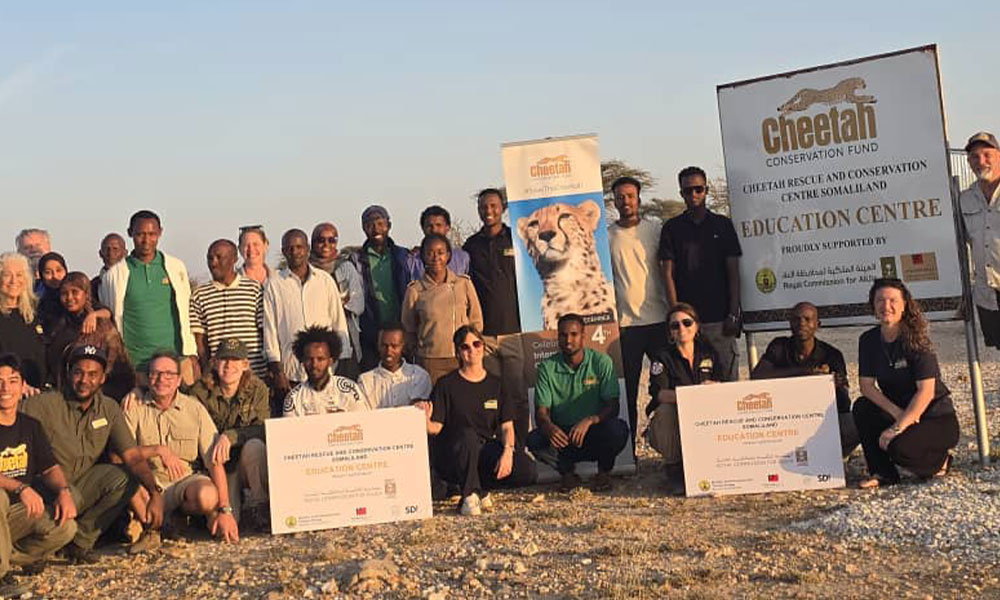
In September 2025, CCF completed construction of the Education and Training Centre at the CRCC in Somaliland. Sponsored by the Royal Commission for AlUla, the Centre is the first dedicated conservation education facility in the region. It was officially opened on International Cheetah Day, 4 December, by the Minister of Environment and Climate Change, in a ceremony attended by nearly 100 people including four government ministers and dignitaries from Somaliland and other countries.
Its first educational session was held on 17 December, bringing together local health professionals, veterinarians, and nutritionists to discuss CCF’s conservation initiatives, wildlife rescue techniques, and the fight against the illegal wildlife trade.
The Centre also carries a personal significance. Much of the groundwork for conservation education in Somaliland was laid by Abdirizak Warsame, CCF’s Education Officer, who passed away at the end of 2024. Abdirizak built lasting relationships with communities across the Awdal region and inspired a generation of young conservationists. The new Education and Training Centre will carry forward the work he championed.
The Complexities of Coexistence — The Story of Kid (AJU2252)
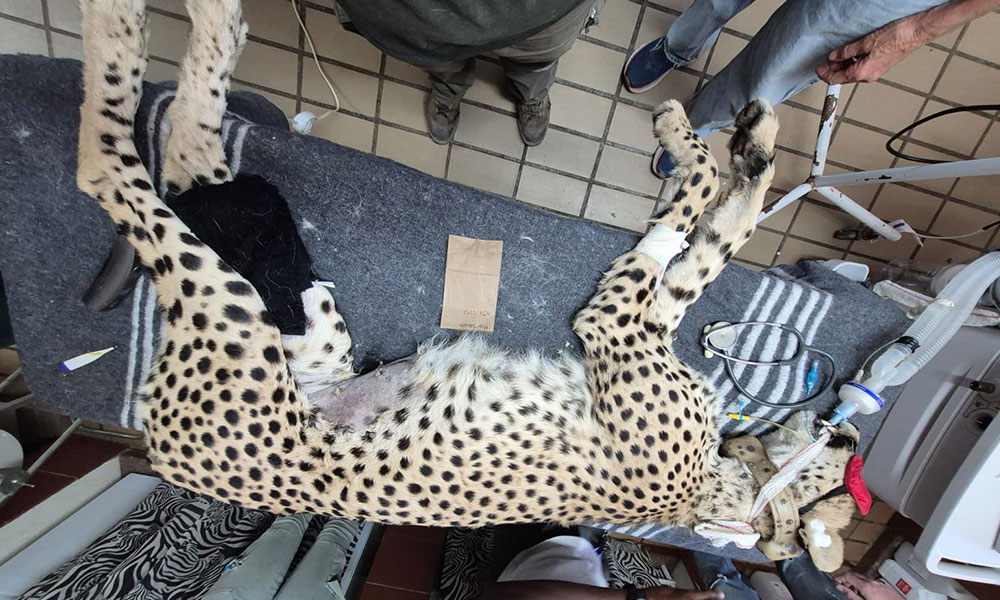
Not every conservation story has a happy ending. The story of Kid — a young female cheetah known to CCF’s research team as AJU2252 — is a reminder of the real and ongoing challenges facing cheetahs on commercial and communal farmlands.
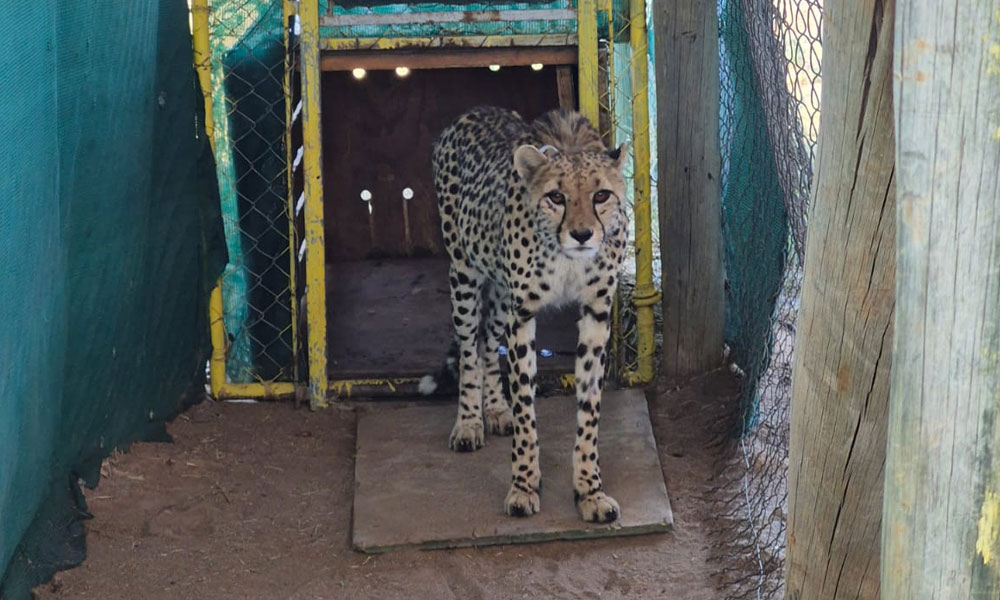
Kid was first trapped on 4 July 2025 on a farm following sheep losses. Due to the extreme stress of being caged, she gave birth to four cubs inside the trap. By the time CCF’s team arrived, two of the cubs had already been killed by trampling. Kid was fitted with an EWS collar and released with her two surviving cubs — but despite every effort, neither cub survived.
Over the following weeks, Kid roamed across 25 farms. Then, on 24 September, she was trapped again on a different farm after killing a goat. At CCF, a veterinary examination revealed she was pregnant with three more cubs. She was released on CCF property on 2 October to give her the safest possible chance.
Seventeen days later, Kid was shot at night by a neighbouring farmer after she entered an electrified livestock kraal and killed a sheep. The farmer mistook her eyes in the spotlight for a leopard’s. At the time of her death, she was still carrying her three unborn cubs.
In all, Kid’s story represents the loss of eight cheetahs – a mother and seven cubs. It is one of the most devastating human-wildlife conflict cases CCF documented in 2025.
Her story is a painful reminder of the reality that CCF confronts every day. Even with livestock guarding dogs, early warning systems, and farmer training, the tension between humans and predators on shared land is deeply complex. Some conflicts still end in loss.
What Kid’s story reinforces is why CCF’s work matters. Every tool in the coexistence toolbox — LGDs, EWS, farmer education, community conservancies — exists to prevent outcomes like this one. And every year, more farmers choose coexistence over conflict. But there is still far to go.
Reaching New Audiences
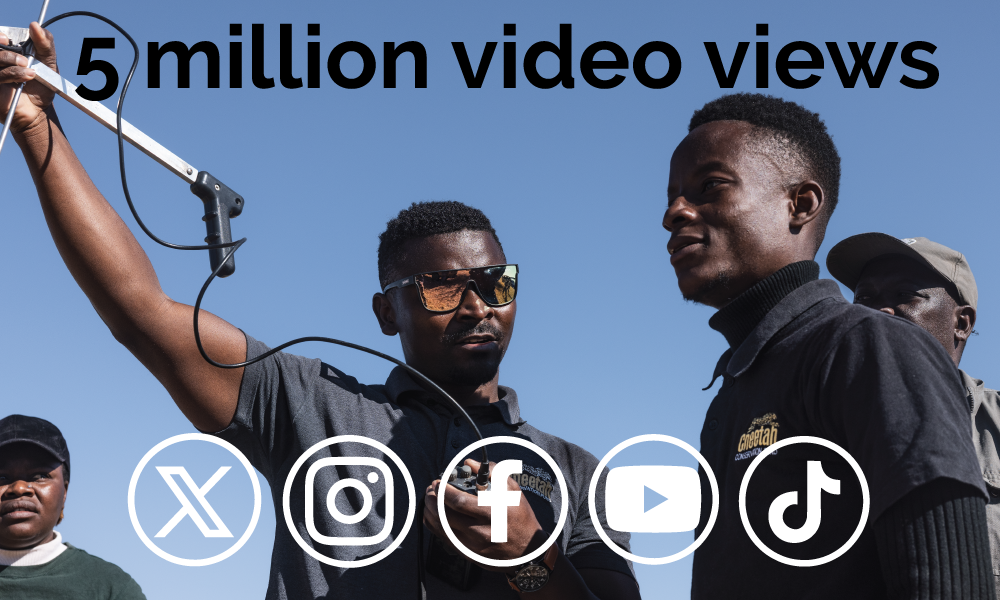
In 2025, CCF’s social media content generated nearly 14 million impressions and attracted 175,010 new visitors to cheetah.org. Engagement rates, the measure of how often people actively interact with content rather than simply scrolling past, ran 3 to 6 times higher than the nonprofit industry average across every platform.
The biggest growth came from short-form video. TikTok grew from 310 followers to 2,832 (+813%), crossing 1 million video views for the first time. On YouTube, Shorts accounted for two-thirds of all channel views, with one 10-second clip of cheetah cubs in Namibia generating over 41,000 views and 109 new subscribers on its own.
CCF UK’s Facebook page more than doubled, adding 12,471 followers and generating 4.3 million impressions, nearly matching the main CCF page. The UK affiliate is building meaningful independent reach and is becoming a major digital presence in its own right. Cheetah Canada’s LinkedIn also stood out, posting a 14.4% engagement rate, the highest of any CCF social channel, reflecting strong professional community interest in the Canadian affiliate.
Media Highlights
In 2025, CCF’s work was featured in “Return of the Cheetah: Horn of Africa,” a Discovery Channel documentary filmed at the CRCC in August and hosted by Hazen Audel. The documentary premiered on 20 December 2025 on Discovery Channel and Animal Planet, highlighting CCF’s rescue and rehabilitation work in Somaliland.
Additionally, a Brazilian/South Korean documentary on CCF and Dr. Marker was filmed at both the CRCC and CCF Namibia, and a Norwegian film crew captured CCF’s Livestock Guarding Dog program for Season 11 of Team Bachsted in Africa.
CCF issued press releases covering topics including the 2025 ConGen Global conference, the “New Hope” milk program for Namibian children, Dr. Marker’s U.S. awareness tour, Earth Day conservation advocacy, and the risks of lead ammunition in wildlife management.
2025 Media and Marketing Summary
2025 Monetary Report
Related Reading
-
July 11, 2025
Visual Annual Report – 2024 -
August 9, 2024
Visual Annual Report – 2023 -
July 11, 2023
Visual Annual Report – 2022