




Find a Cheetah Near YOU
Find the cheetahs near you
Around the world, 300 facilities care for roughly 1,800 cheetahs in human care — most of them in small groups of just a few animals. Enter your city, state, or country to see which are closest to you.
Showing the closest facilities. Distances are straight-line estimates.
Units:Unlike other big cats like lions, tigers, leopards, and jaguars, cheetahs don’t roar. Instead, they growl when they feel scared, and they make sounds that are more like a high-pitched chirp or a bubble.
Cheetahs also bark to talk to each other. What makes cheetahs special is that they can purr both when they breathe in and when they breathe out.
A lot of kids
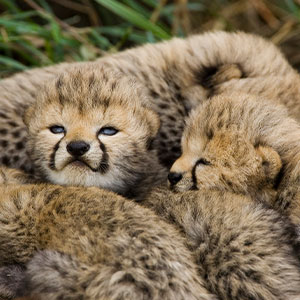
A mother cheetah usually takes care of 2 to 8 cubs in each litter. But other predators often target the cubs, and many don’t survive their first year.
Tail like a rudder
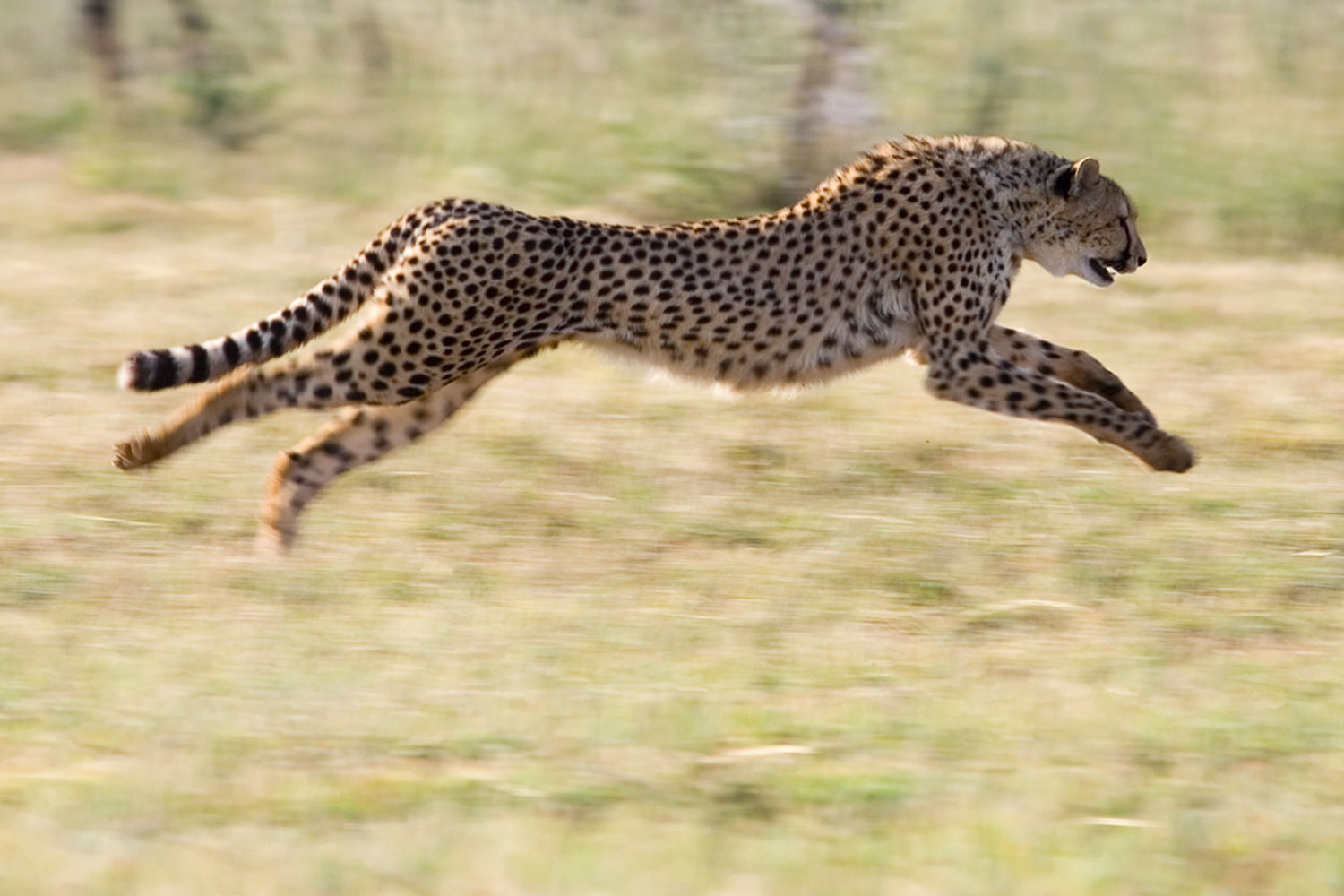
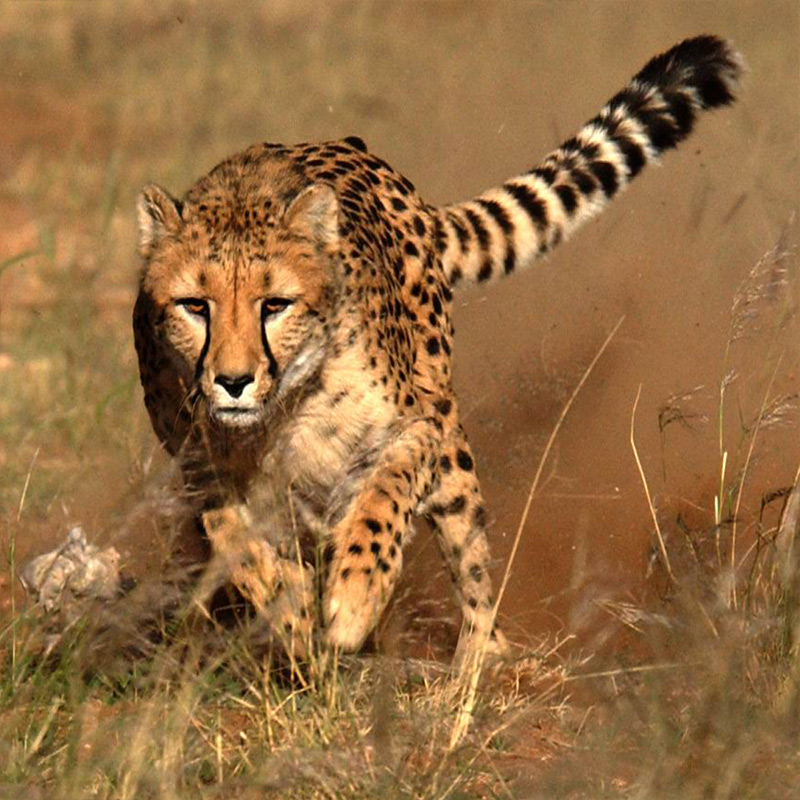
The cheetah has a long, strong, and flat tail. This tail works like a rudder on a boat. The cheetah uses it to steer and keep balance when running very fast.
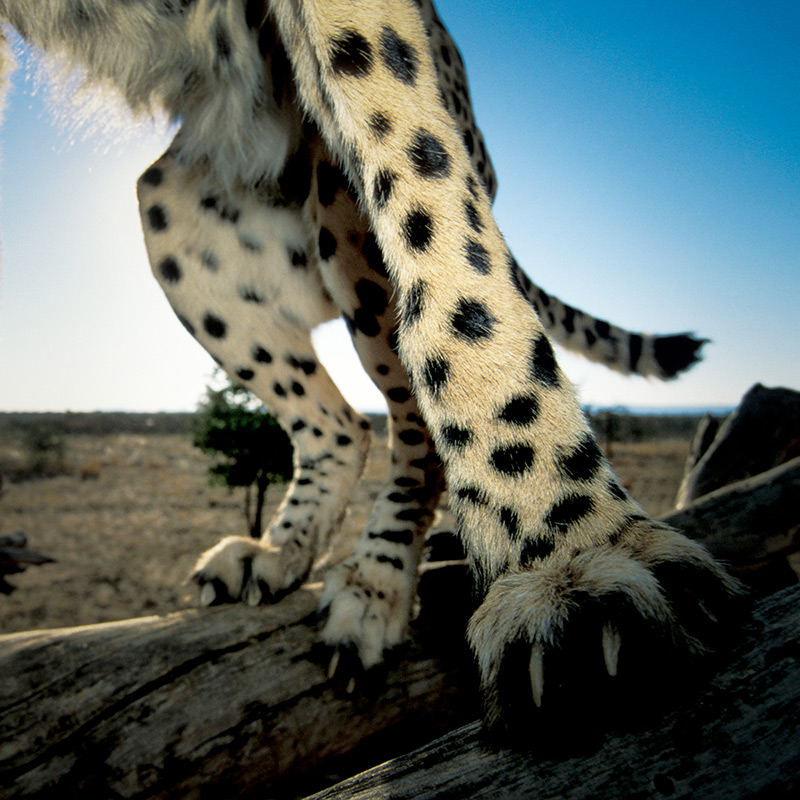
Special cleat feet
The cheetah has claws that don’t fully retract, kind of like a dog’s claws. These claws work like the cleats on a football shoe, giving the cheetah good traction when running. Most cats have soft paw pads, but the cheetah’s pads are hard, like the rubber on a tire. This helps them grip the ground when they run so fast.
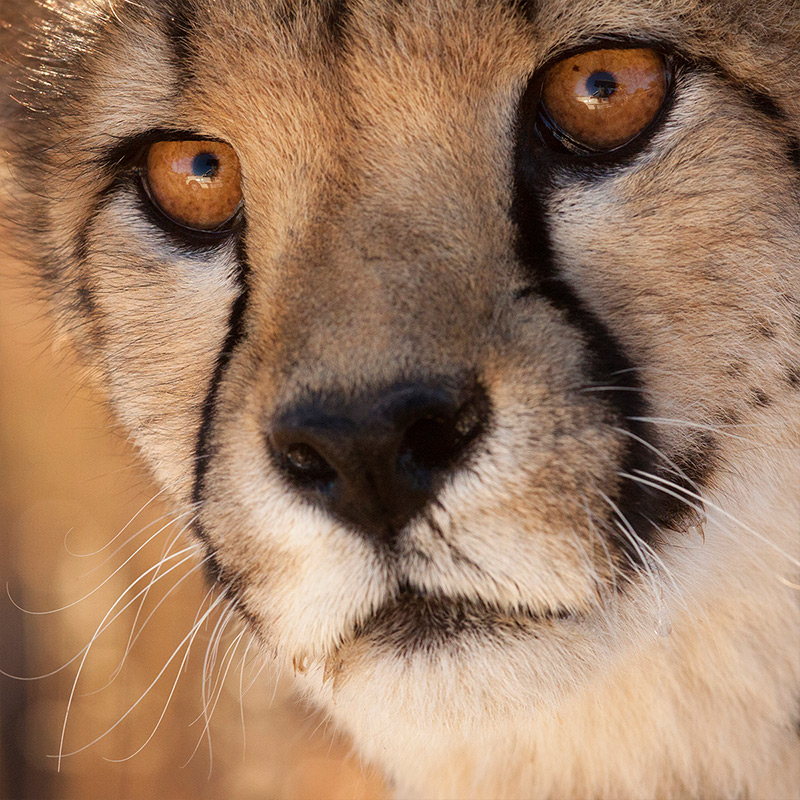
Tear marks
Like football players, cheetahs have built-in sun glare protection around their eyes. The cheetah’s “tear marks” run from the corners of their eyes down to the edges of their mouth. These marks help block the sun’s glare when they hunt during the day, just like the black marks football players put under their eyes. These marks also help the cheetah stay focused and aim at their prey while hunting.
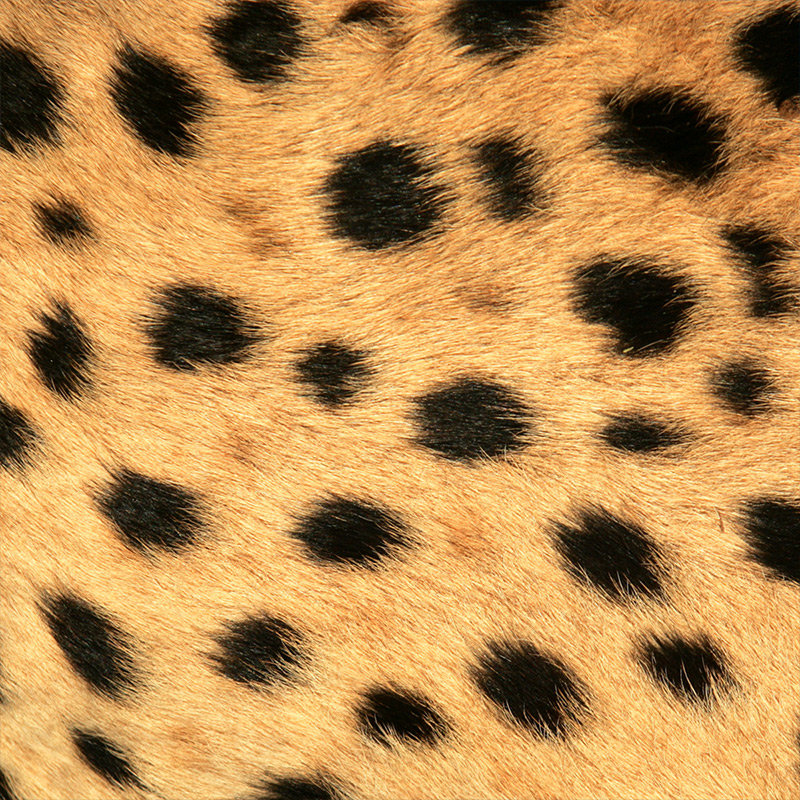
Spotted skin
The cheetah’s fur has solid black spots, and their skin has the same spots too! The black fur grows out of the black spots on their skin.
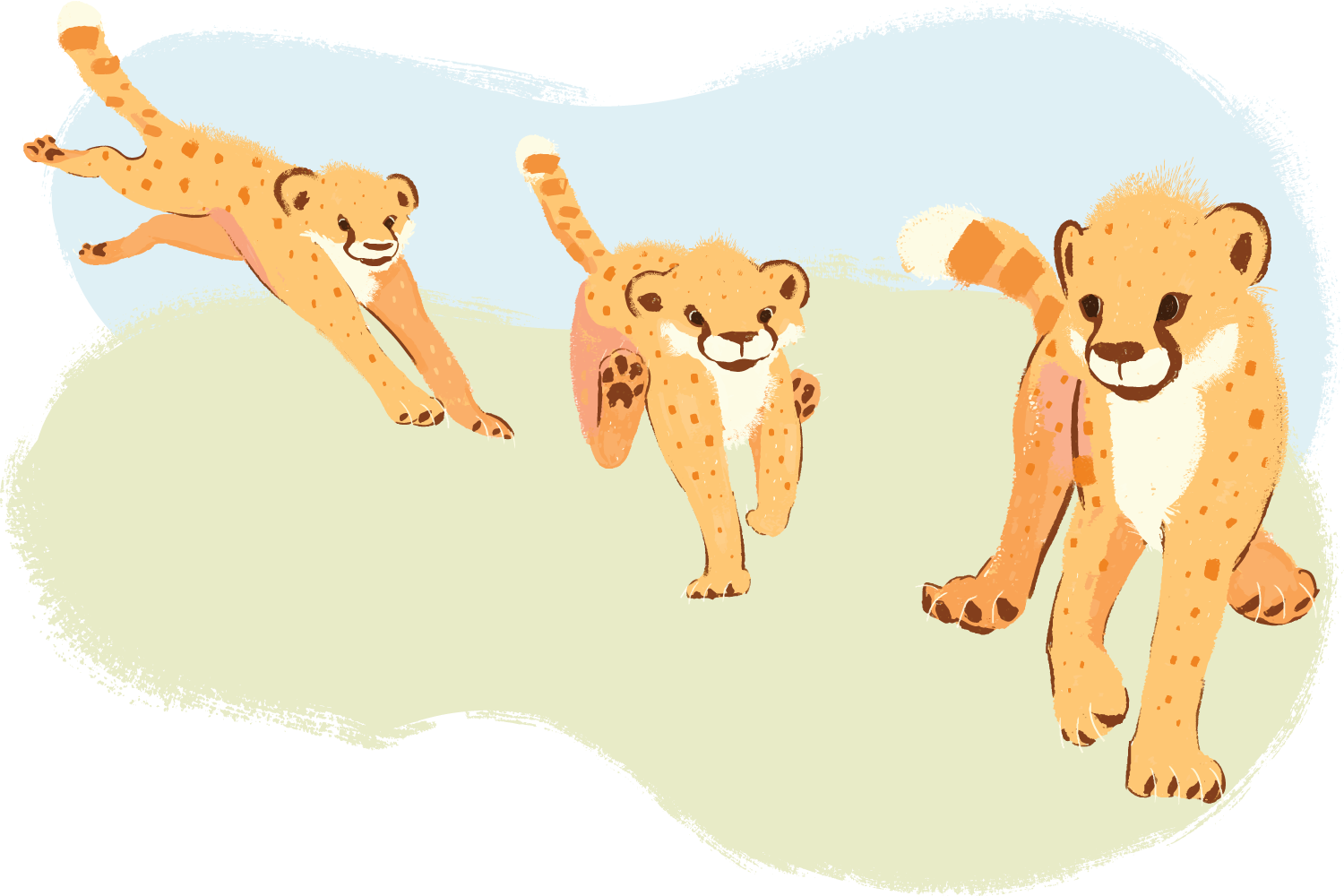
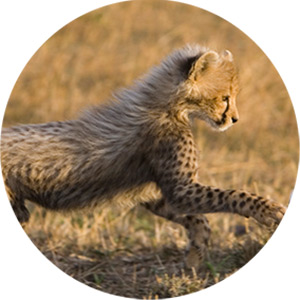
Not just a funny haircut
Cheetah cubs have long, tall hair called the mantle that runs from their neck down to the base of their tail.
The mantle makes a cheetah cub look like a honey badger and helps them blend into tall grass. This helps keep them safe from dangers like lions and hyenas.
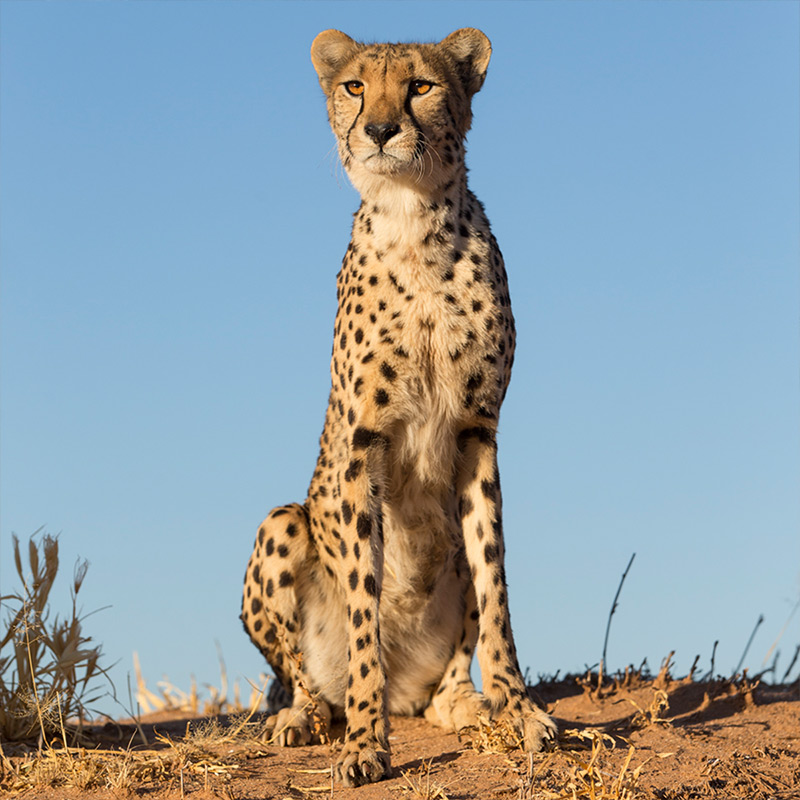
Unique among cats
The cheetah has a long, strong, flat tail. This tail works like a rudder on a boat. It helps them steer and keep their balance when running very fast.
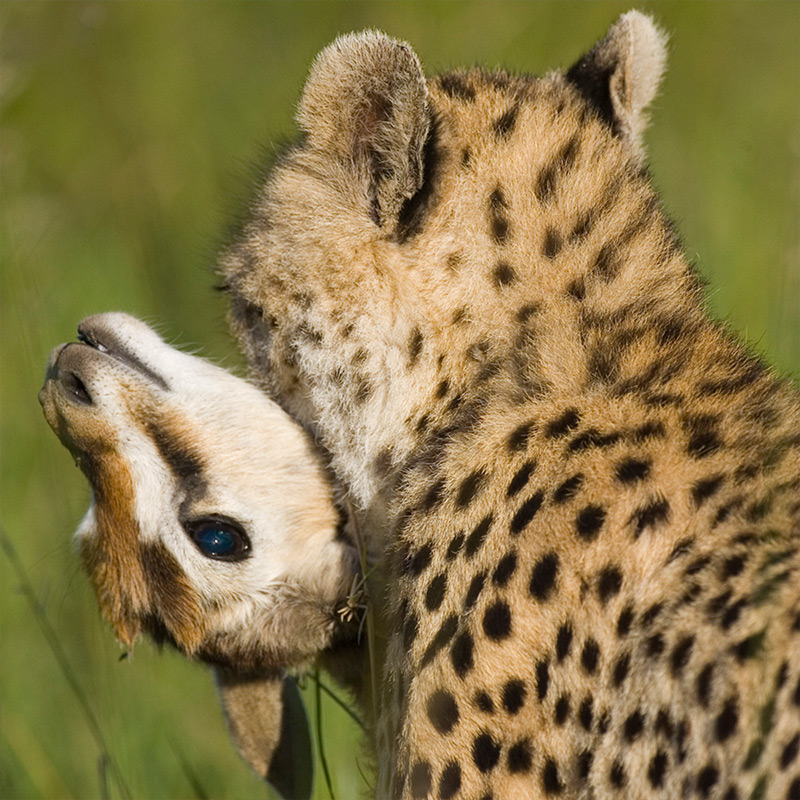
A cheetah’s favorite food
Cheetahs are carnivores and eat mostly small antelopes like springbok, steenbok, Thomson’s gazelle, and duiker. They usually chase their prey, then bite its throat to cut off its air supply and kill it.
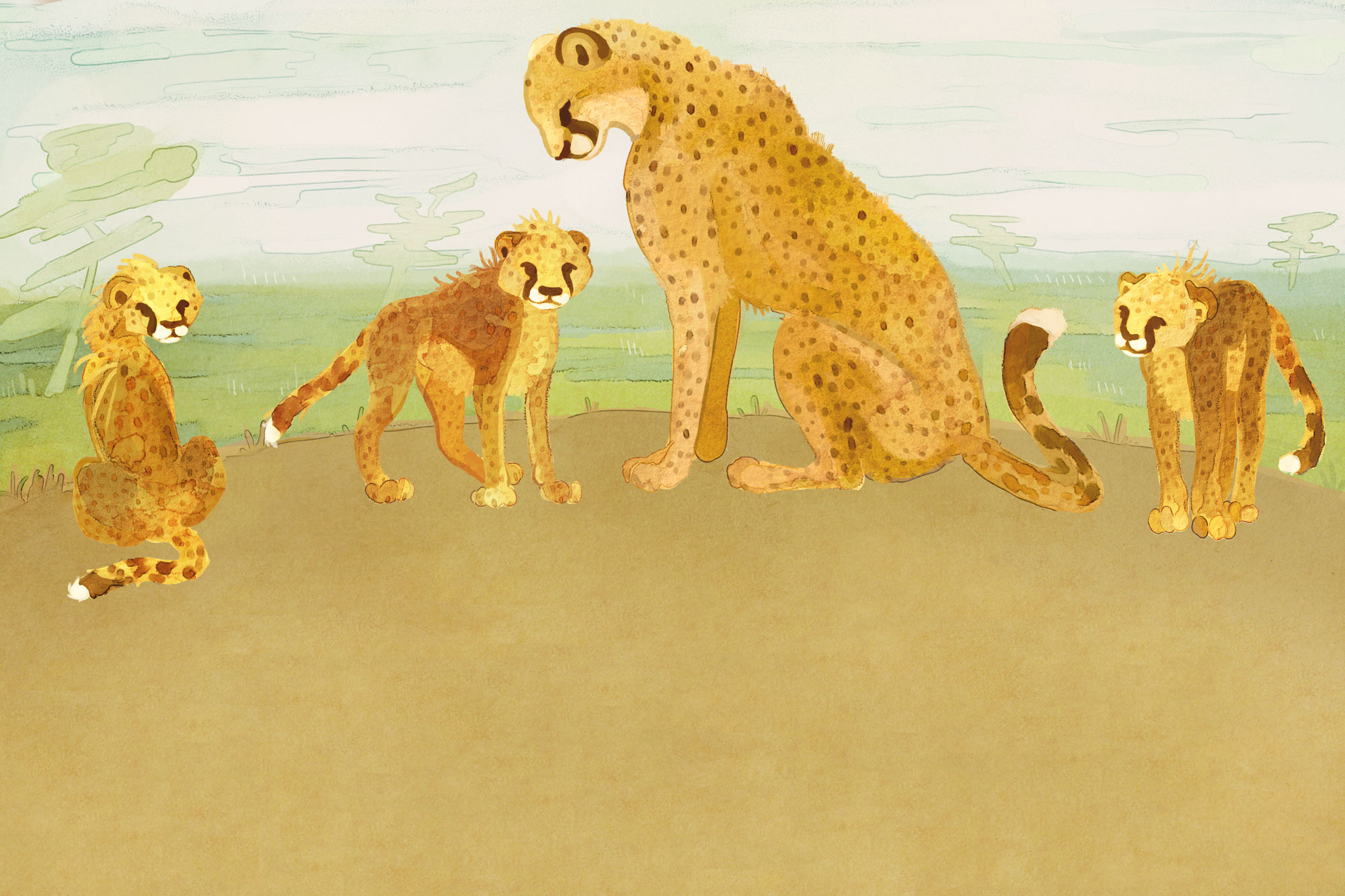
Illustrations on this page provided by Tess Sheehey