Five days in Geneva, one big question: where did the animal come from?
-
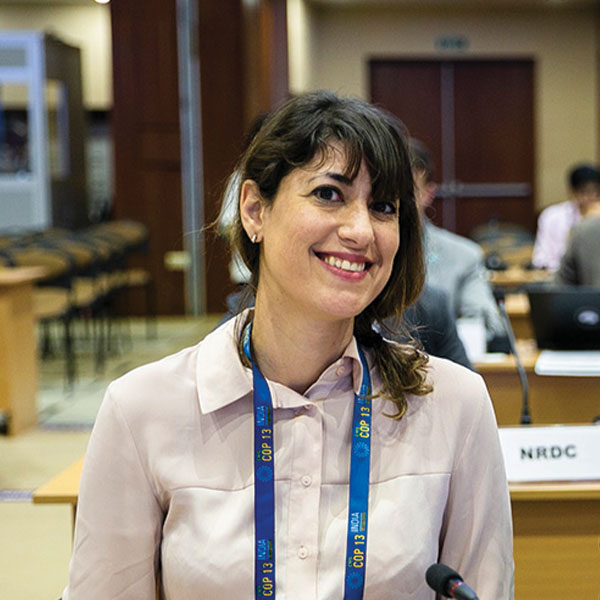
- by Dr. Shira Yashphe November 18, 2026
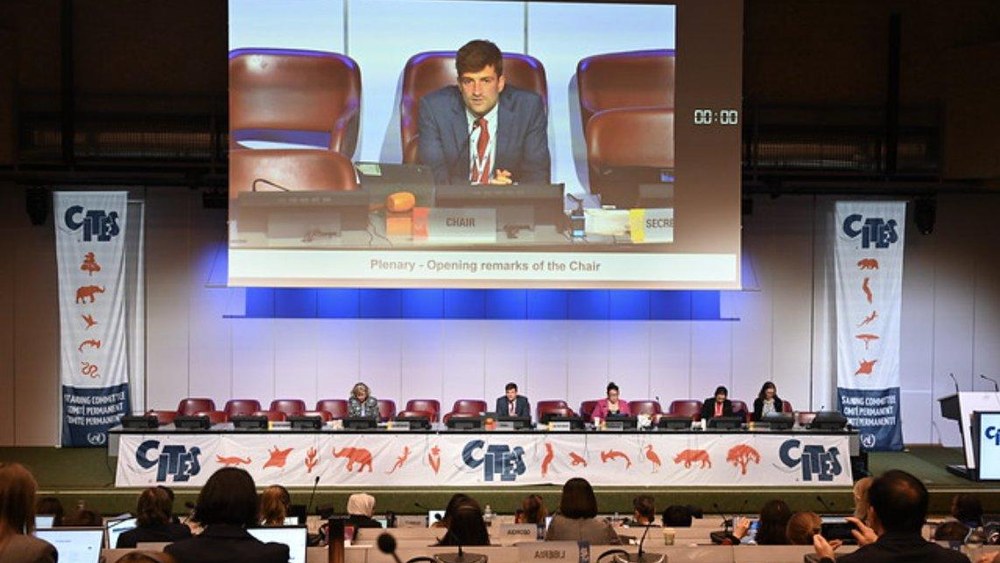
On 2 November, delegates from governments and conservation groups filled a hall in Geneva for the Standing Committee of CITES, the Convention on International Trade in Endangered Species of Wild Fauna and Flora. The agenda ran to more than 60 items, from rosewood to seahorses to elephants. I was there for CCF, following the ones that touch cheetahs.
Few of them mention cheetahs by name. Yet at CCF we know you have to read between the lines to spot changes to the Convention that could affect cheetahs, now or later. This time one question kept coming back: when an animal is traded as captive-bred, who checks that it was not taken from the wild? How can anyone know where it came from, and can the trader prove it?
This issue matters because of a quirk in the rules of the convention. Cheetahs have had the convention’s strictest protection since 1975. But an animal bred in captivity can be traded under easier rules. That makes the words “bred in captivity” on a permit very valuable, and tempting to misuse. For a species that is trafficked live, and whose survivors end up in our care, those words have to mean something.
On Tuesday the Committee discussed this topic, starting with a pivotal question of definitions. How do countries define “founder stock”? Does the term refer to the first animals a captive breeding line started from, whatever their origin? Or to the original wild-caught animals, which can go back decades? The difference matters. If the term covers only captive-bred animals, nobody has to ask where the original wild animals came from. If it means the wild-caught originals, someone can ask whether they were legally acquired, even decades later. Countries could not agree. CCF argues for the second. If the original animals were taken illegally from the wild, their descendants should not be able to enter trade as captive-bred.
The Committee did not settle it. It sent the question back to a working group, which reports in November 2027, and asked the Secretariat to put it on the agenda of a technical workshop planned for 2027.
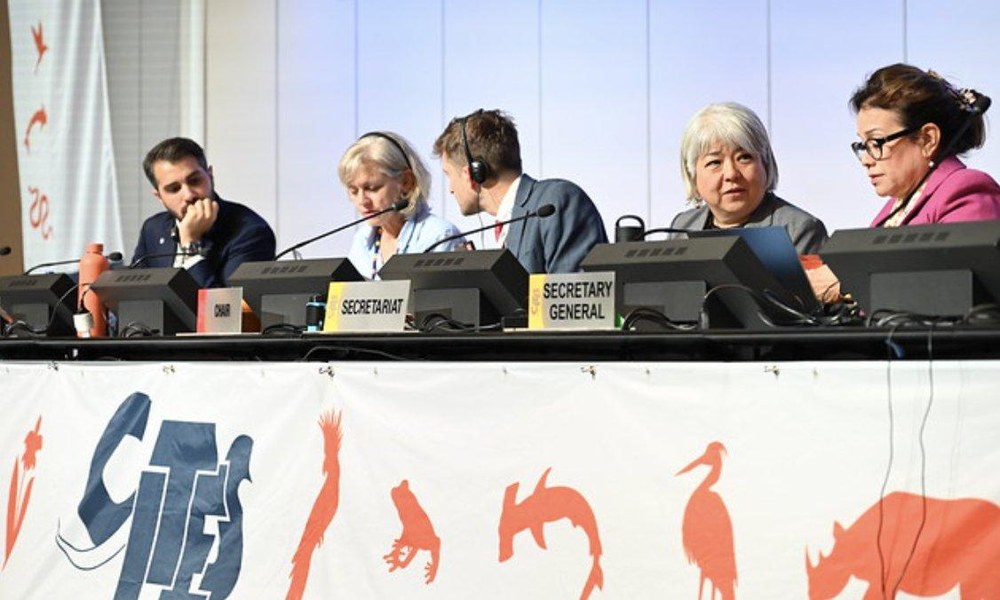
On Friday the Committee showed what proof can look like. In its review of tortoise trade, the Committee kept its recommendation that countries suspend commercial trade in African spurred tortoises from Benin until Benin documents the legal origin of its founding animals and shows its facilities can produce the numbers it reports. Egypt’s export quotas stay at zero until its breeding facilities are properly registered. That is the standard we want applied across the board. Cheetah was not among the cases looked at this time despite our efforts.
So there was no headline victory. A definition was not agreed, and the cheetah case was not taken up. But rules like these change slowly, in rooms like this one, and the people in the room shape them. CCF sits on the working groups where the details will be argued.
The next test comes in 2027, at the workshop and at the Committee’s next meeting. By then we want the words “bred in captivity” to be something anyone can check.
Related Reading
-
September 2, 2025
A New Way to Follow the Fastest Cat on Earth -
September 27, 2024
Representing the Cheetah at the AZA Conference