
Working Landscapes, Living Ecosystems
-
- by Dr. Laurie Marker October 6, 2026
In August I stood before delegates at the UN Convention to Combat Desertification in Ulaanbaatar, Mongolia, and made a case that some found surprising: if you want to know whether a dryland is healthy, look for the cheetah.
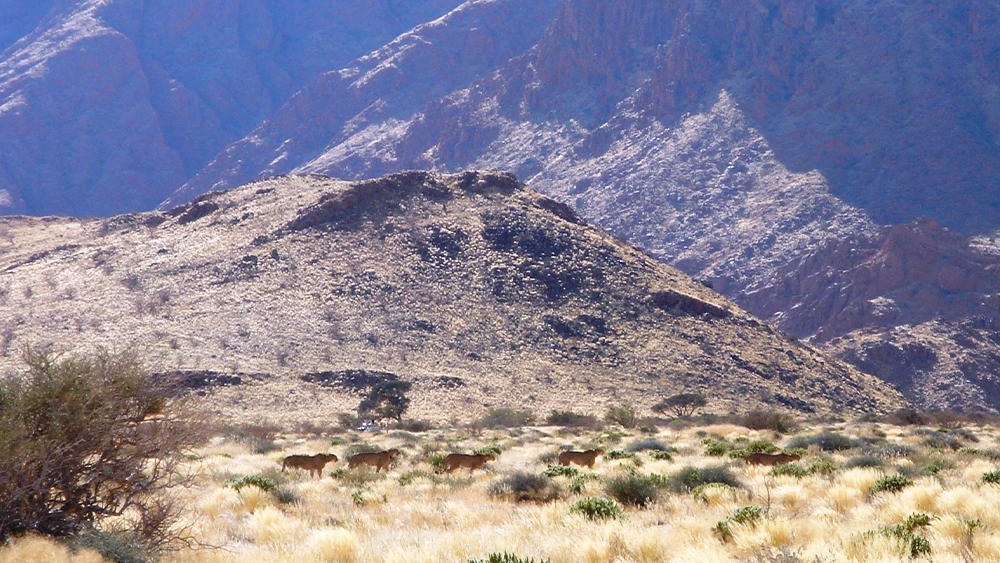
Ten days before Mongolia, I chaired a national meeting in Windhoek convened by the Large Carnivore Management Association of Namibia (LCMAN) with WWF Namibia. More than 40 people took part, from government, farming, conservancies, hunting, tourism, and research. New estimates put Namibia’s cheetah population at about 1,200. Discussion made clear that protected areas alone cannot secure wide-ranging carnivores, and participants named a priority I have pressed for years: the cost of conserving wildlife on working land should not fall mainly on households, farms, and conservancies.
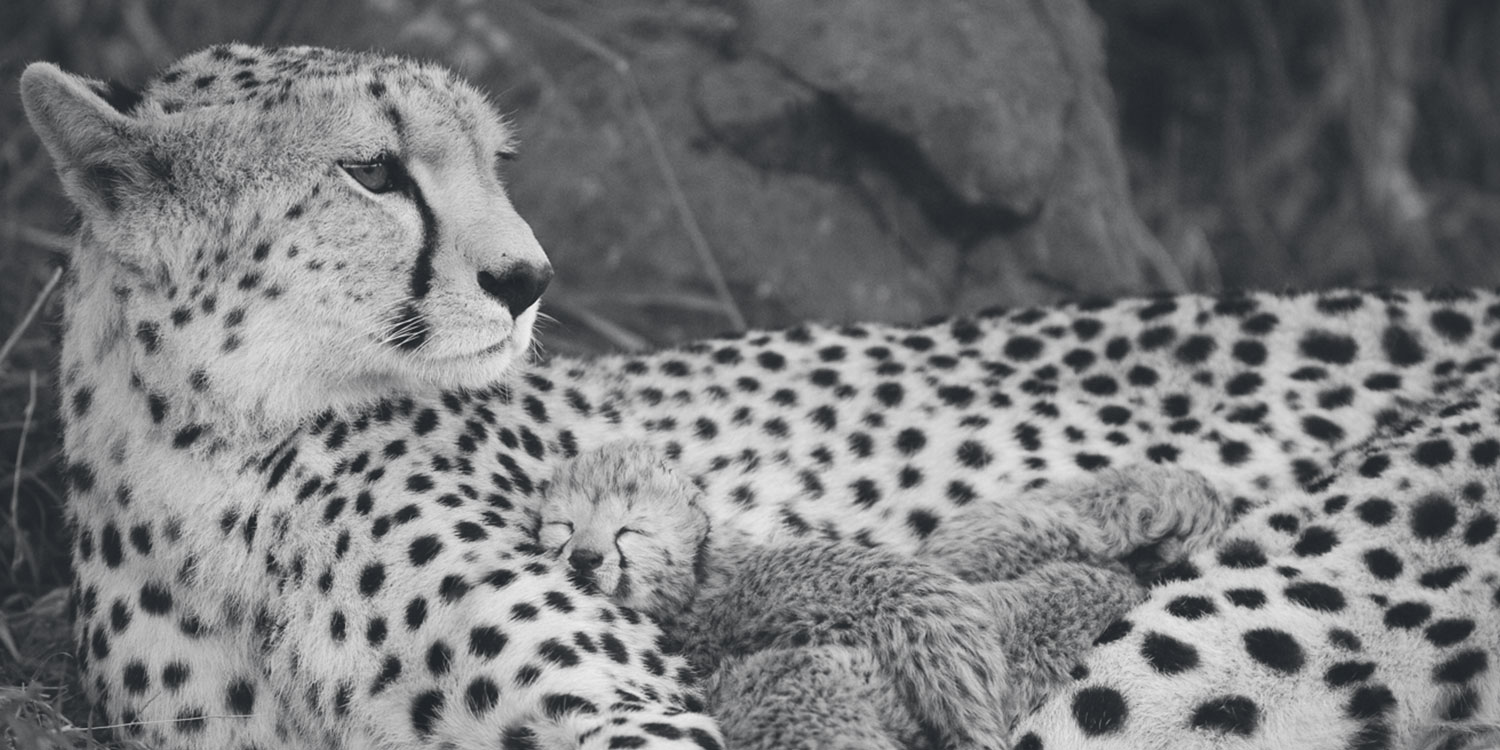
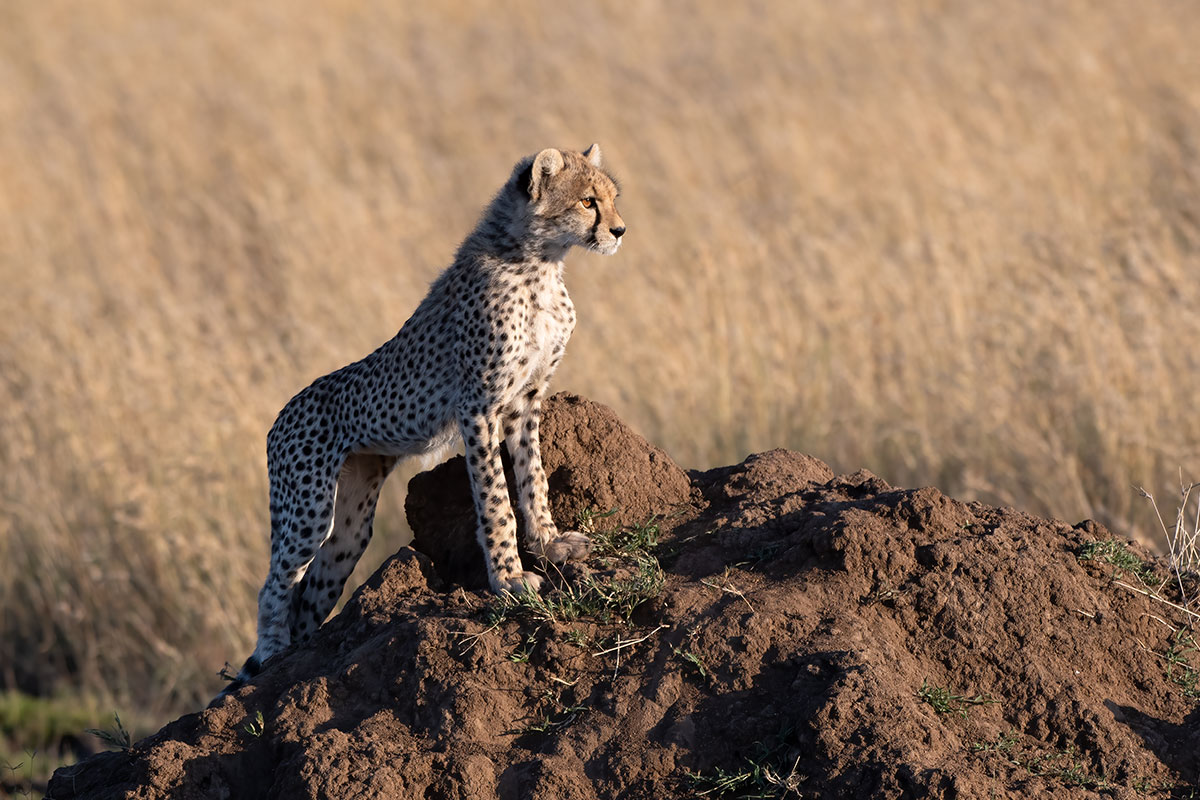
About 80% of the world’s remaining wild cheetahs live outside protected areas, on farmland and communal rangeland. They need large, open, connected landscapes with enough wild prey to hunt, which makes them a reliable measure of whether that land is working. When grass gives way to thornbush and wild prey thins out, cheetahs turn to livestock, farmers lose income, and cheetahs are killed. Conflict is often a symptom. The cause is land that can no longer feed both livestock and wildlife.
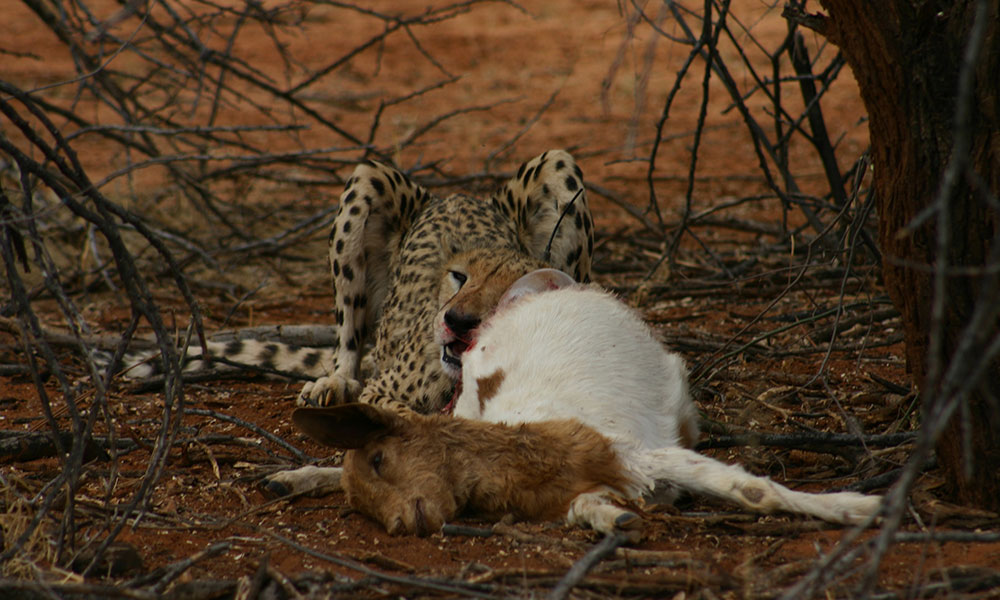
Half of the world’s rangelands are degraded. They underpin about a sixth of global food security, and a third of land carbon sinks are weakening. Fewer than 7,000 cheetahs remain in the wild, on just 9% of their historic range. That estimate has come down as researchers across the range pool their data every few years and learn more about where cheetahs live and where conflict happens. On working land, more people and more livestock press on less productive ground, and degraded land holds fewer cheetahs. Where cheetahs and livestock share the land, the whole system is working.
What a lifetime in farming has taught me
I grew up around animals and agriculture. My father came from a farming family, and I spent my childhood caring for horses, goats, rabbits, and dogs, as a member of 4-H, Pony Club, and Future Farmers of America (FFA). Those years taught me that land, livestock, and the people who work them can’t be understood separately. When I started CCF in Namibia in 1990, most cheetahs there lived on the same farms where they were being trapped and shot. Moving them somewhere safe wasn’t an option, so I went to work with the farmers, as someone who understood their lives. Many were willing to open their land and their thinking to a different approach.
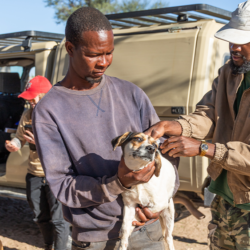
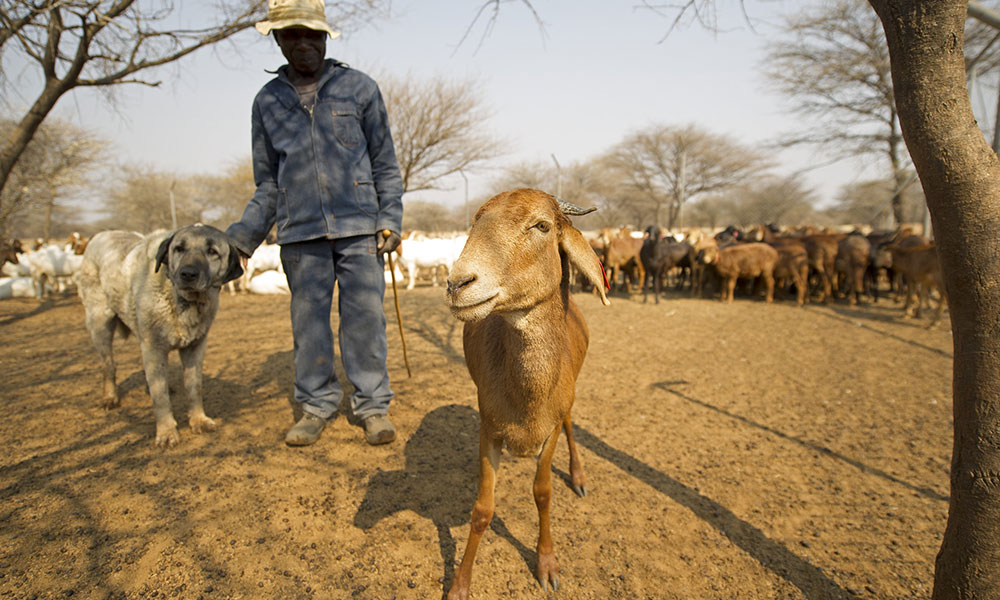
Our teams and those farmers built a set of tools together. CCF has placed nearly 850 Livestock Guarding Dogs (LGDs) with farmers since 1994, and losses drop dramatically where they work. Future Farmers of Africa, inspired by the FFA training I had as a teenager, teaches herders predator-friendly husbandry, farmer to farmer. Our Model Farm shows that a working operation with goats, sheep, and cattle can thrive with predators on the land. Bush thinning restores grassland, and the harvested thornbush becomes Bushblok, a clean-burning fuel. Each tool solves one part of the problem. None of them, on its own, rewards a farmer for keeping the whole landscape healthy.
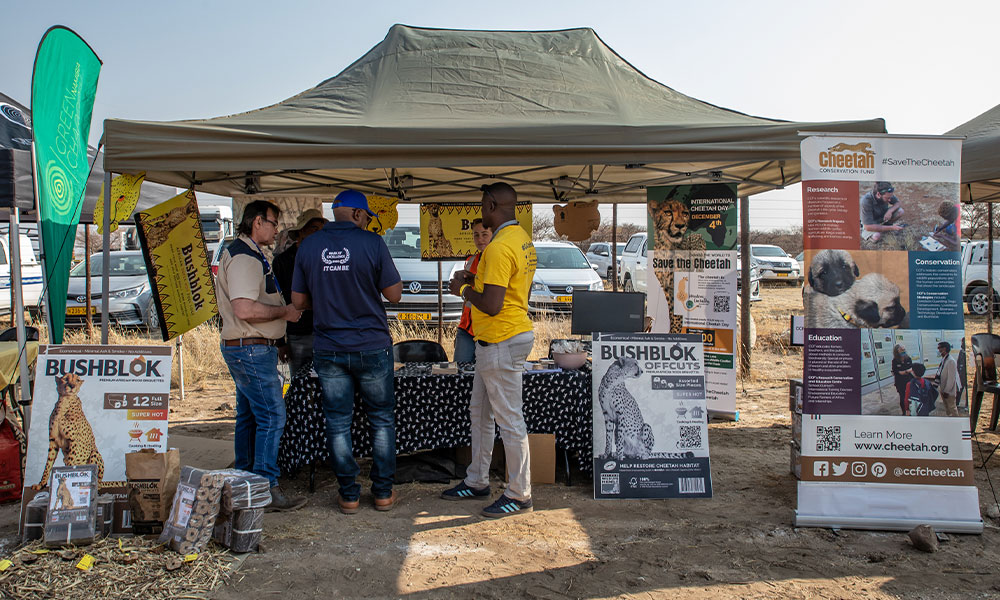
Cheetah Country Beef was built with Namibian farmers on an idea borrowed from dolphin-safe tuna. Its eco-label told consumers the meat came from farms that lived with predators, and it returned a price premium to those farmers. It reached export markets, and it proved something important: people will pay to know their food didn’t cost a cheetah its life.
CCF went on to become a founding member of the Wildlife Friendly Enterprise Network (WFEN), alongside conservation enterprises around the world. Bushblok and our Dancing Goat Creamery products are Certified Wildlife Friendly, and BUSHBLOK® is also FSC certified Forest Stewardship Council (FSC®)(FSC-C004580). The labels work in connecting a buyer on another continent to a decision made on a Namibian farm.
Labels also have a limit: each one recognizes a single product. Beef, tourism, water, carbon, and wildlife all come from the same rangeland, yet today each is measured, financed, and marketed separately. A farmer who restores grass, keeps predators alive, and protects water gets recognized for a piece of that work at best. I was already arguing for a shift from labeling products to recognizing ecosystem stewardship in 2017.
At the 7 August LCMAN meeting in Windhoek participants examined ecosystem stewardship certification as one approach that could strengthen market recognition for responsible production and coexistence, and one of the four priorities that emerged was that conservation finance, market access, and stewardship recognition can help align wider conservation benefits with local livelihoods. The meeting also laid groundwork for follow-up on integrated pilot landscapes, conservation finance, and stewardship mechanisms.
Namibia’s communal conservancies, established in law in the 1990s and now numbering more than 80 across roughly a fifth of the country, have already shown what happens when people benefit from the wildlife they live with. Communities hold rights over wildlife, earn from it, and manage the land accordingly. Communities in Awdal and Geed-Deeble, Somaliland, working with the Ministry of Environment and Climate Change and a coalition of local organizations, are proving the model travels, with more than 2,000 square kilometers now under community stewardship through two pilot conservancies.
The Living Ecosystems Stewardship Initiative, or LESI, builds on that foundation. CCF is developing it to carry the conservancy principle further: healthy land is the foundation for food, water, wildlife, climate resilience, and livelihoods, and the people who protect it should be recognized and rewarded. A landscape is also its partners: the farmers, conservancies, governments, and businesses who decide together how it is managed. LESI is an umbrella, not another label. It is meant to connect the work already underway, from predator-friendly beef and Wildlife Friendly products to forest standards, tourism, and community conservancies, through a shared way of measuring what is improving on the land.
The cheetah sits at the center because it is the indicator. Healthy prey, open grassland, low conflict, and local tolerance all show up in whether cheetahs persist. LESI won’t prescribe one way to farm. A commercial farm in Namibia, a communal conservancy, and a pastoral community in Somaliland will each get there differently. The shared question is what must improve, and how everyone can trust the evidence. Conservancies like these are where we hope to test LESI first.
An invitation
The UN Biodiversity Conference, CBD COP17, opens in Yerevan this month, where countries will review their progress on the Global Biodiversity Framework. That framework asks them to restore ecosystems, conserve land beyond protected areas, help people and wildlife coexist, and make agriculture and business work for nature. The Windhoek meeting asked for something just as practical: solutions tested and measured against common indicators before wider rollout. LESI is our answer to both, and no single organization can build it.
We are looking for partners to help shape and pilot this work: funders who want to invest in landscapes rather than single projects, governments and policy partners in cheetah range countries, landholders and conservancies, buyers and tourism operators, zoos, researchers, and anyone who cares about the future of the cheetah and the drylands it depends on.
If that’s you, our team would like to hear from you at [email protected]
Related Reading
-
August 4, 2026
Global Cheetah Summit Update -
June 25, 2026
Recognized as Center of Excellence by GARC