
Five weeks inside the World of Cheetah Conservation
-
- by Shigeho Nozawa October 5, 2026
Fresh air, endless blue skies, beautiful birds, and long straight roads stretching across the landscape. And then, suddenly, a world-renowned center for wildlife conservation appears.
Since my first visit to CCF in 2024, I have been grateful for the opportunity to return to this special place that I have come to love so much.
My name is Shigeho Nozawa. I was born and raised in Japan, where I studied Veterinary Nurse and Technology at university. During my studies, I conducted research on olfactory communication behavior in captive cheetahs. I have loved cheetahs since I was a child, and helping protect them has always felt like my purpose.
After graduating, I began working at a zoo with the goal of contributing to wildlife conservation. In my first year, I worked as a zoo educator at Yokohama Zoological Gardens, and in my second year—my current role—I work as a veterinary nurse with the Tokyo Zoological Park Society, where I assist with medical treatment and daily care for many different animal species.
In Japan, however, veterinary nurses working directly with wildlife are still relatively rare. I often felt that I needed more experience in wildlife medicine and husbandry. For this reason, I decided to return to the Cheetah Conservation Fund, a global leader in cheetah conservation, to deepen my understanding of veterinary work and cheetah husbandry in a conservation setting.
I stayed at CCF for five weeks as a General Intern from February 17 to March 21, 2026. During that time, I had the opportunity to experience a wide range of departments, including the Clinic, Cheetah Husbandry, Livestock Guardian Dogs, Scat Detection Dogs, Ecology, the Creamery, Hospitality, and the Garden.
In this blog, I would like to share some of my experiences in the Clinic and Cheetah Husbandry, as well as two departments that left a particularly strong impression on me.
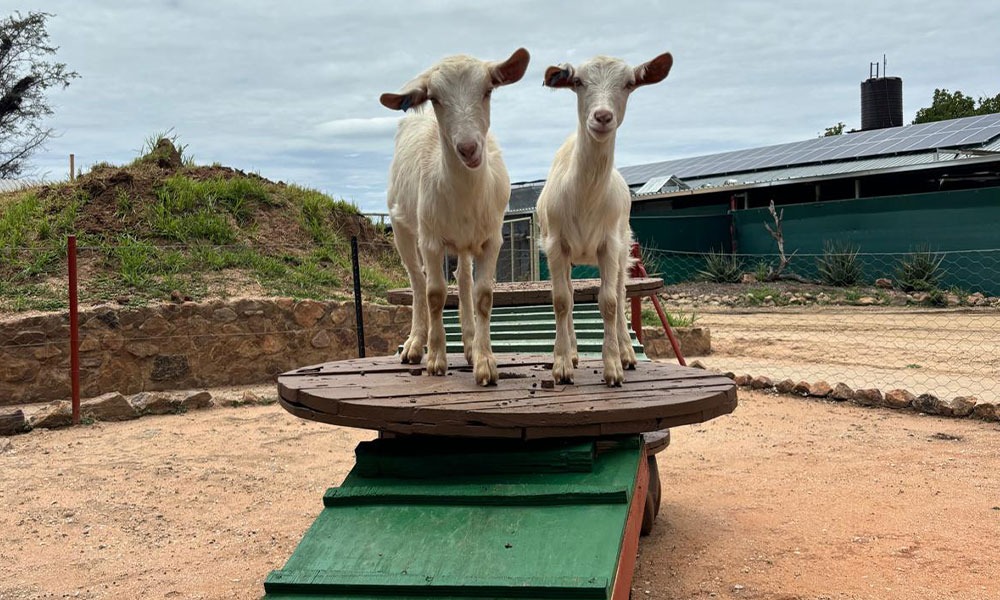
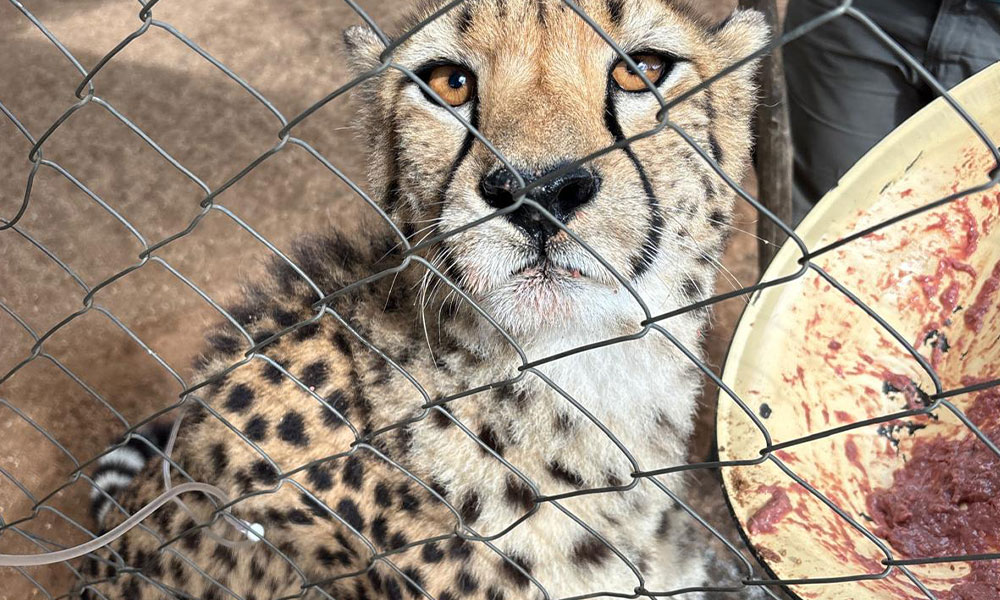
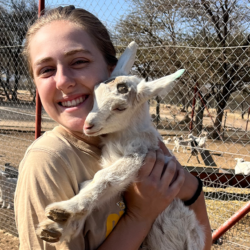
At the clinic, checking the goats at the Model Farm in the morning and evening was part of the daily routine. We walked through each yard carefully observing the animals, and if any goat showed signs of limping or illness, treatment was provided immediately. Many of the cases I observed involved thorns stuck in hooves, tick infestations, or goats suffering from poor nutrition that required force-feeding of a high-nutrient diet.
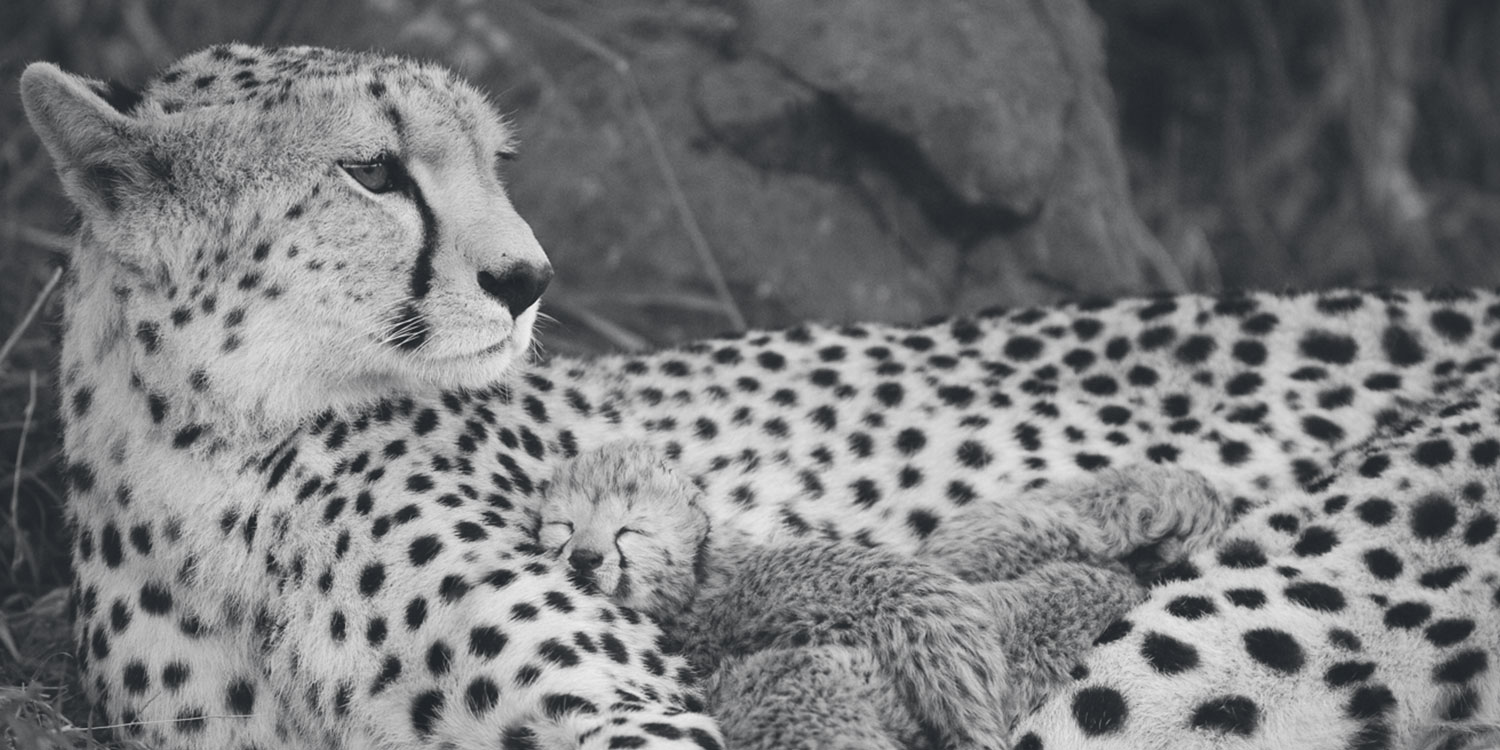
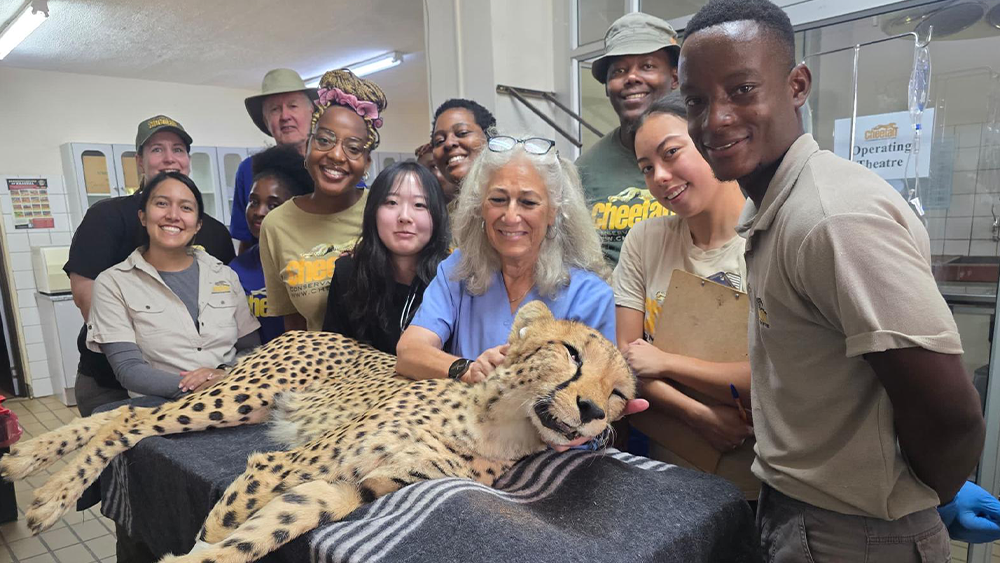
During my stay, I was also fortunate to join the work-ups for semen collection in three cheetahs. My role was to assist with monitoring the animals during anesthesia, measuring and recording their heart rate, respiratory rate, and body temperature at regular intervals. Monitoring anesthetized animals requires constant attention and careful observation, so being able to take part in this process was an incredibly valuable experience for me.
I also had the opportunity to learn about the selection of anesthetic drugs, observe the semen collection procedure, and briefly watch the Genetics Lab team analyze sperm activity and motility. Seeing specialists from different fields collaborate to help maintain genetic diversity in this vulnerable species was both fascinating and inspiring.
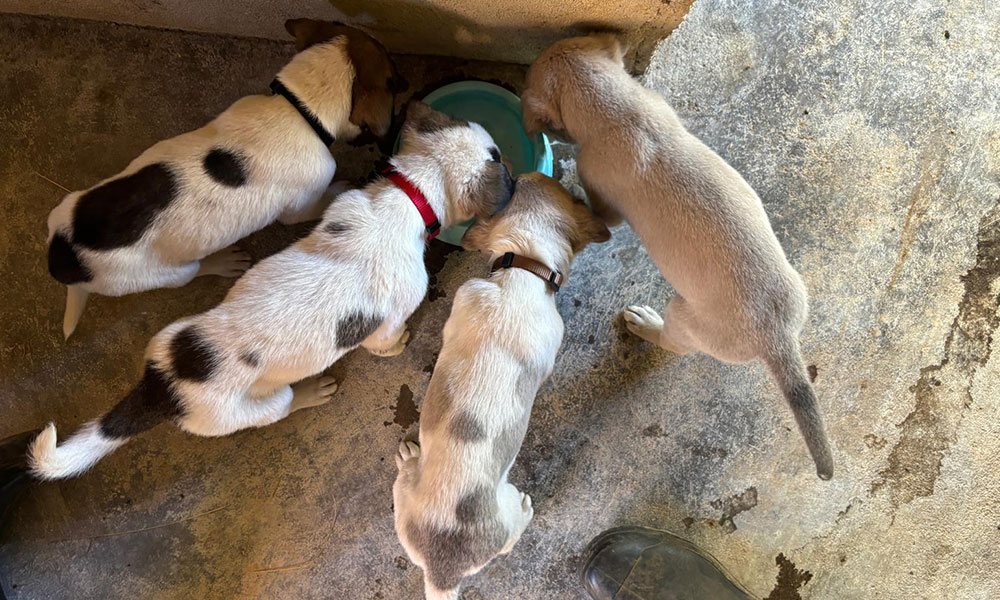
The clinic also cares for many other species. During my stay, I joined treatment for a Spotted Thick-knee that had been found sitting on the road, and assisted with examinations and force-feeding of a rescued ground pangolin that had been caught in an electric fence and brought in by the Pangolin Conservation and Research Foundation. Because of my background as a veterinary nurse, I was also entrusted with the daily care of puppies in the quarantine pen that had arrived from a farm. Being given this responsibility was a meaningful experience that will remain an important milestone in my career.
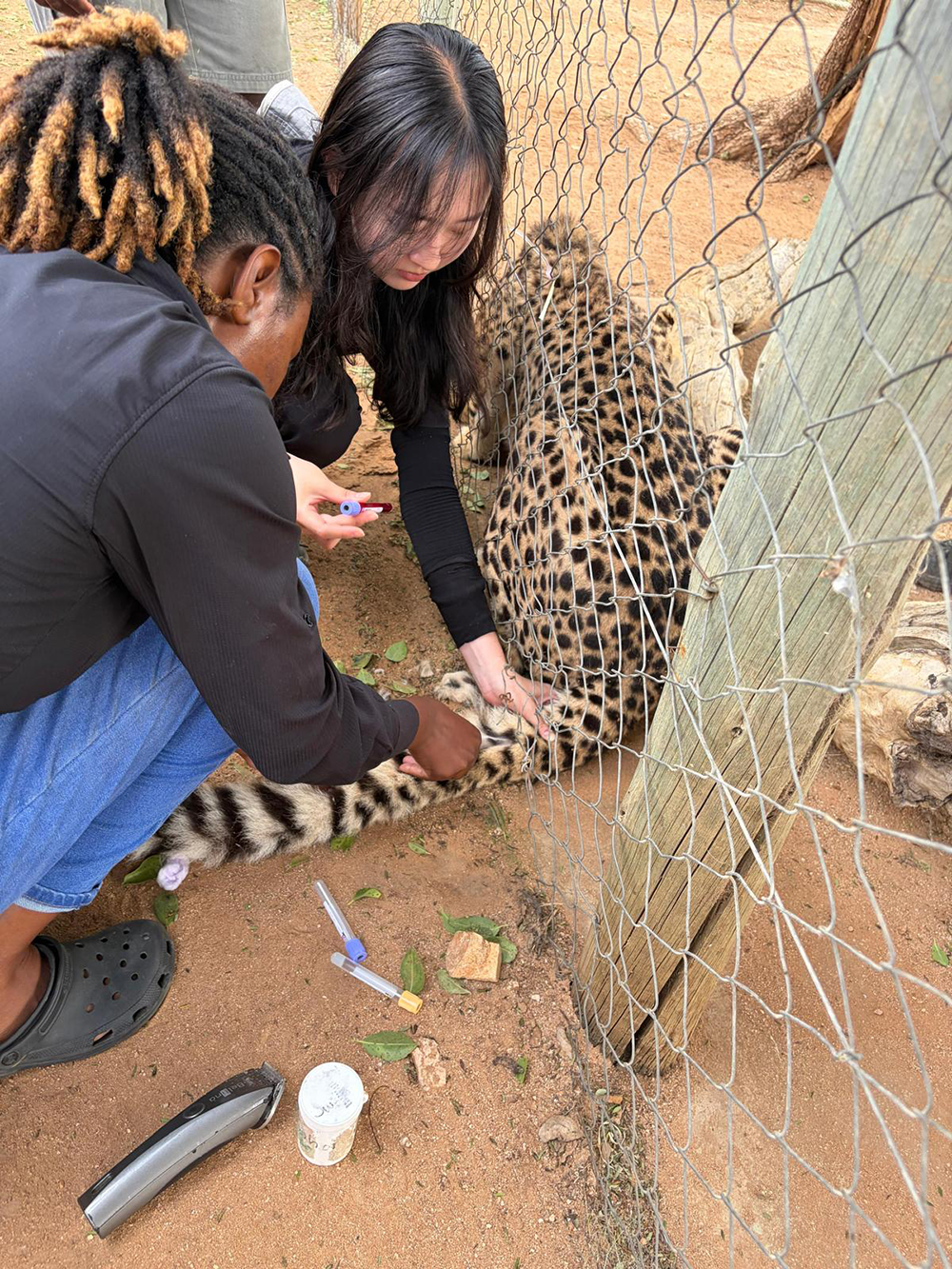
With the Cheetah Husbandry team, I participated in daily tasks such as feeding, meat preparation, enclosure cleaning, and cheetah runs.
In addition to these routine tasks, I had the opportunity to contribute to a small project: updating the identification booklet for the resident cheetahs at CCF. I helped revise the information and create a new format for the booklet. Through this project, I was able to organize details about each cheetah’s background, personality, and training history. It allowed me to develop a deeper appreciation for each individual animal, and I was also struck by the dedication and care that the staff show to every cheetah at CCF. I hope that one day this updated Cheetah Identification Booklet will be shared more widely.
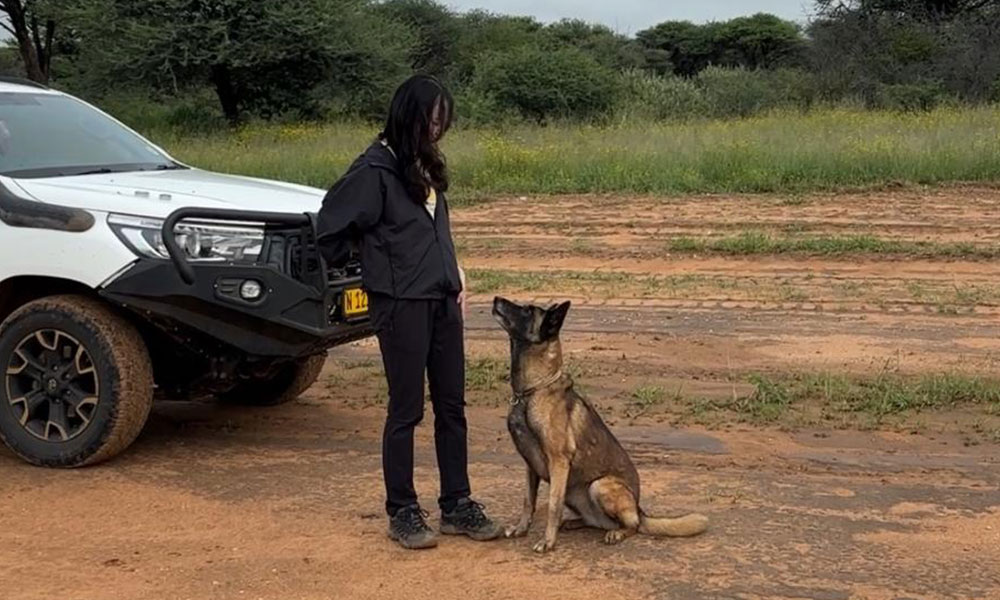
Another highlight of my internship was spending time with the Scat Detection Dog team. There, I met two incredible dogs, Enyakwa and Gamena. I observed their work during Main Road searches and while detecting cheetah scat at cheetah play trees. It was fascinating to learn about their different personalities, the imprinting process used in their training, and the importance of giving clear, confident commands when working with detection dogs. Seeing how these dogs contribute to scientific research and conservation efforts was truly impressive.
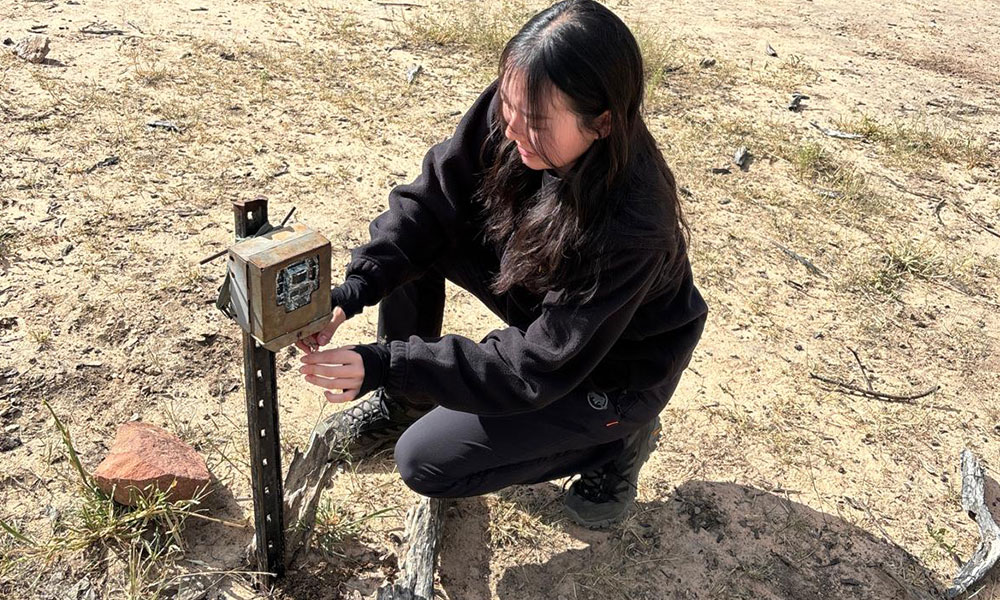
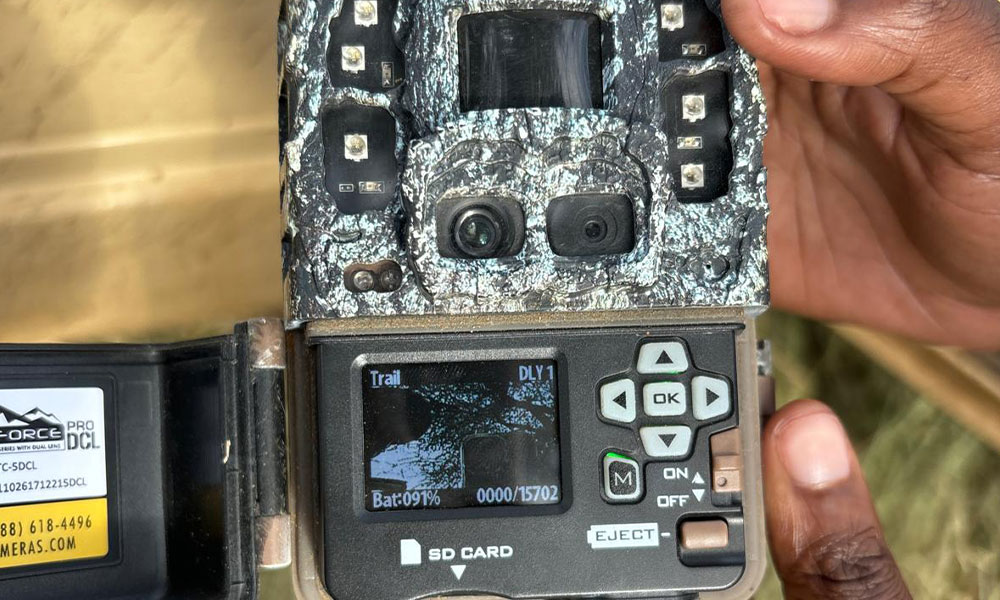
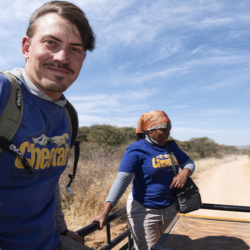
With the Ecology team, I participated in seasonal game counts and camera trap servicing within the CCF Ecological Reserve. These activities are essential for monitoring wildlife populations, biodiversity, and rare species in this important cheetah habitat. During seasonal game counts, we drove through the reserve early in the morning and again in the late afternoon, recording the species, number of individuals, sex ratios, and distance from the vehicle for each animal we observed.
Because this is the rainy season, the grass is tall and the bush is dense, which sometimes made spotting animals difficult. Even so, we were able to observe many species, including oryx, kudu, giraffes, jackals, and bat-eared foxes. It was an incredible opportunity to experience the rich biodiversity of this ecosystem.
I also helped service ten camera traps located at waterholes throughout the reserve. Since many animals gather at these sites, the cameras play an important role in monitoring biodiversity and detecting rare species such as rhinos. Long-term monitoring is maintained by regularly replacing batteries and SD cards.
These experiences helped me better understand ecological approaches to cheetah conservation. Wildlife conservation requires collaboration across many disciplines, and I felt grateful to participate in even a small part of this important work.
During this internship, my goal was not only to learn but also to contribute by using the skills I already have to support CCF’s work and cheetah conservation even in a small way.
Looking back on these five weeks, I feel that this goal was achieved beyond what I had imagined. Thanks to the incredible support of the staff and other interns, I had opportunities to take part in many activities beyond the daily routine. I am deeply grateful to everyone who gave me these opportunities and made this internship such a meaningful experience.
My life goal has always been—and will continue to be—to contribute directly to cheetah conservation. I am still discovering the best path forward, but I sincerely hope that one day my journey will bring me back again to this loving place.
Related Reading
-
October 5, 2026
Guard Dogs, Camera Traps, and the Community I Didn’t Expect -
October 5, 2026
Through the Lens; My Internship at CCF