Endangered Species Day: Why Save The Cheetah from Extinction?
-
- by CCF Staff 12 May 2026
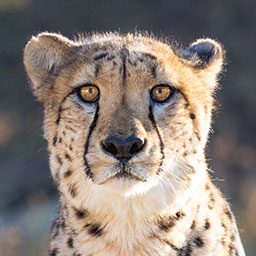
The cheetah is at risk of becoming extinct in our lifetimes. This magnificent big cat, the fastest land animal in the world, has existed on the planet for four million years.
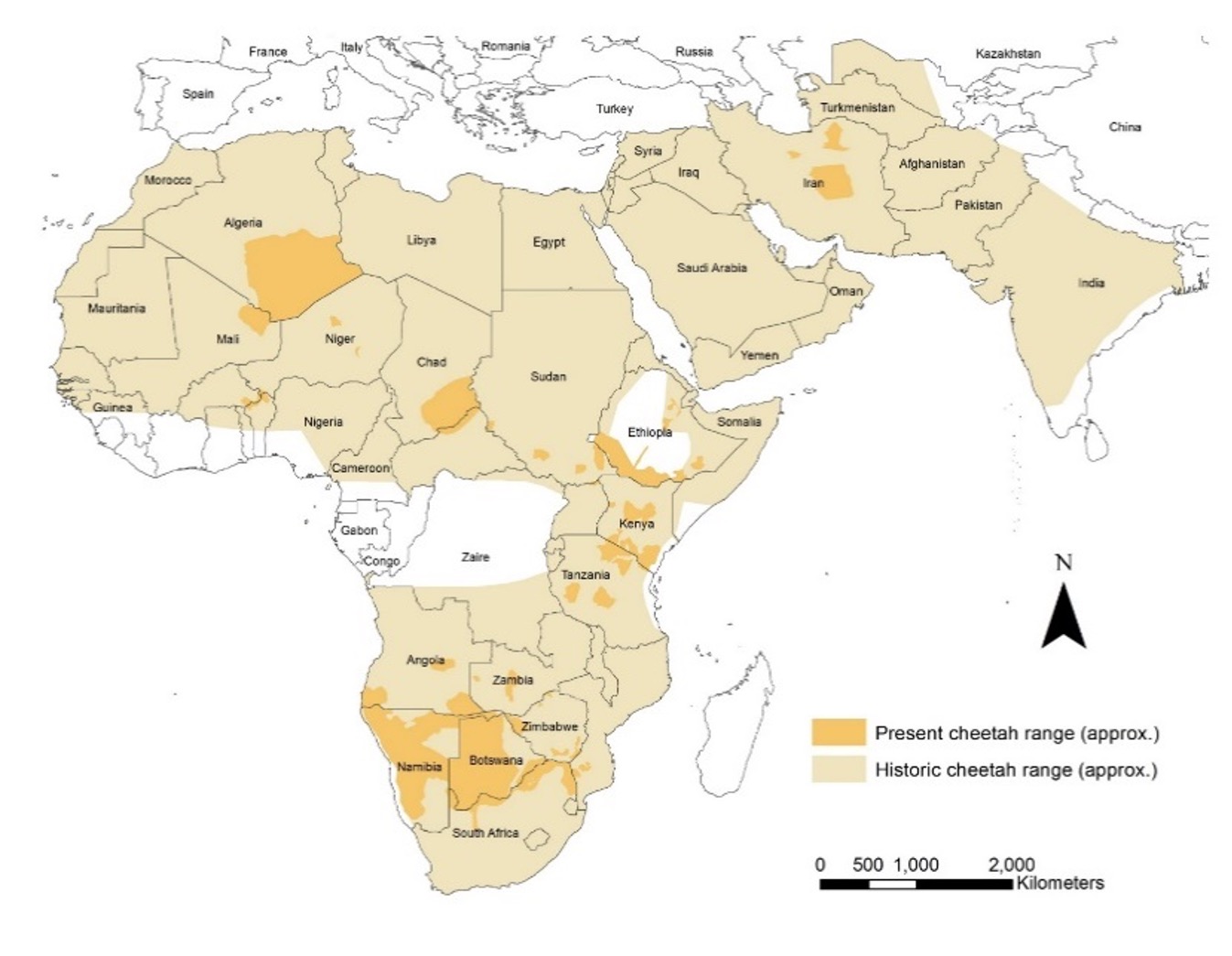
Cheetahs once ranged across nearly the entire African continent and into Asia from the Arabian Peninsula to eastern India. Today, cheetahs are found in only 23 per cent of their historic African range and are extinct in Asia except for a very small population in Iran (fewer than 20).
Cheetahs are often meaningful to people of all ages, perhaps first awakening a fascination in us as children or once we are adults, with the chance to see cheetah in the wild or a nature documentary that provides remarkable photography of the cheetah at rest and in action.
Why Save the Cheetah?
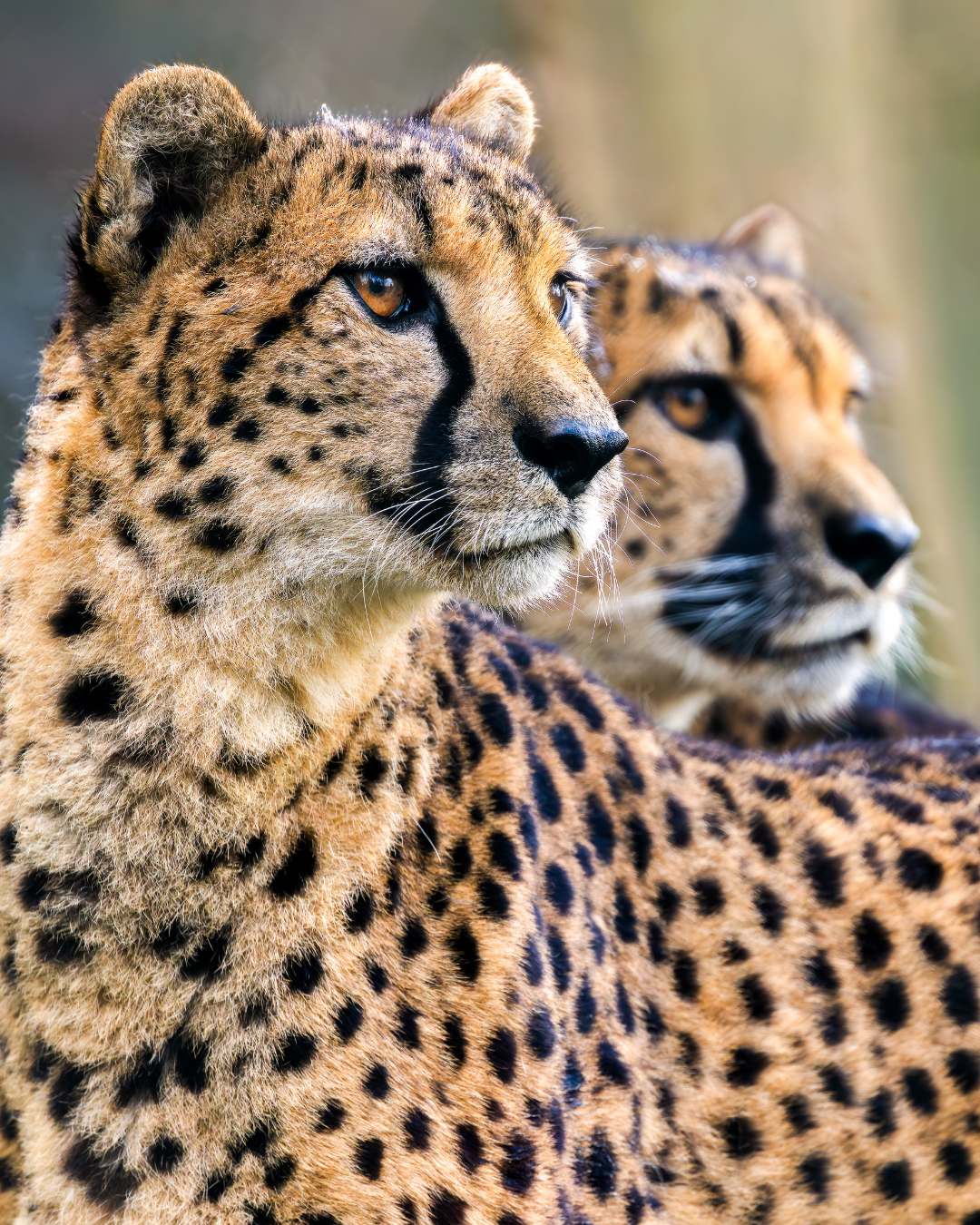
Nature’s Balance Keepers: As apex predators, cheetahs are nature’s regulators. They keep herbivore populations healthy and balanced, ensuring ecosystems remain productive and thriving.
The Domino Effect: Without cheetahs, ecosystems collapse. Too many herbivores means destroyed vegetation, severe soil erosion, water scarcity, and a devastating ripple effect we call a ‘trophic cascade’. One species lost = entire ecosystems at risk.
Unexpected Heroes: Cheetahs are generous hunters. Lions, hyenas, and vultures frequently steal their kills, but this ‘theft’ actually supports a more diverse ecosystem. Even when they lose their meal, cheetahs feed the food web.
The Connector Species: Unlike other big cats, cheetahs roam outside protected areas more than any large carnivore. This makes them vital indicators of landscape connectivity – if cheetahs can survive there, so can entire ecosystems.
The Threats Cheetahs Face
Human-Wildlife Conflict
Surprisingly, cheetahs do not fare well in protected areas like national parks and wildlife reserves. This is because these areas normally contain high densities of other larger predators like the lion, leopard, and hyena, all of which compete with cheetahs for prey. Given the opportunity, those other predators will also prey on cheetahs and cheetah cub mortality can be very high.
Nearly 77 per cent of cheetahs in Africa live in open areas and on private farmlands, so they often come into conflict with people, especially farmers. Cheetahs are killed in retaliation for livestock predation or because of their perceived threat to human livelihood.
Loss of Habitat
Cheetahs require vast expanses of land with suitable prey, water, and cover sources to survive. The cheetah’s movement across large areas of land depends on the availability of corridors and landscapes that are connected.
As wild lands are destroyed and fragmented by human development and expansion, the cheetah’s available habitat is diminished. Numerous landscapes across Africa that once supported thousands of cheetahs now struggle with far fewer numbers.
Illegal Wildlife Trade
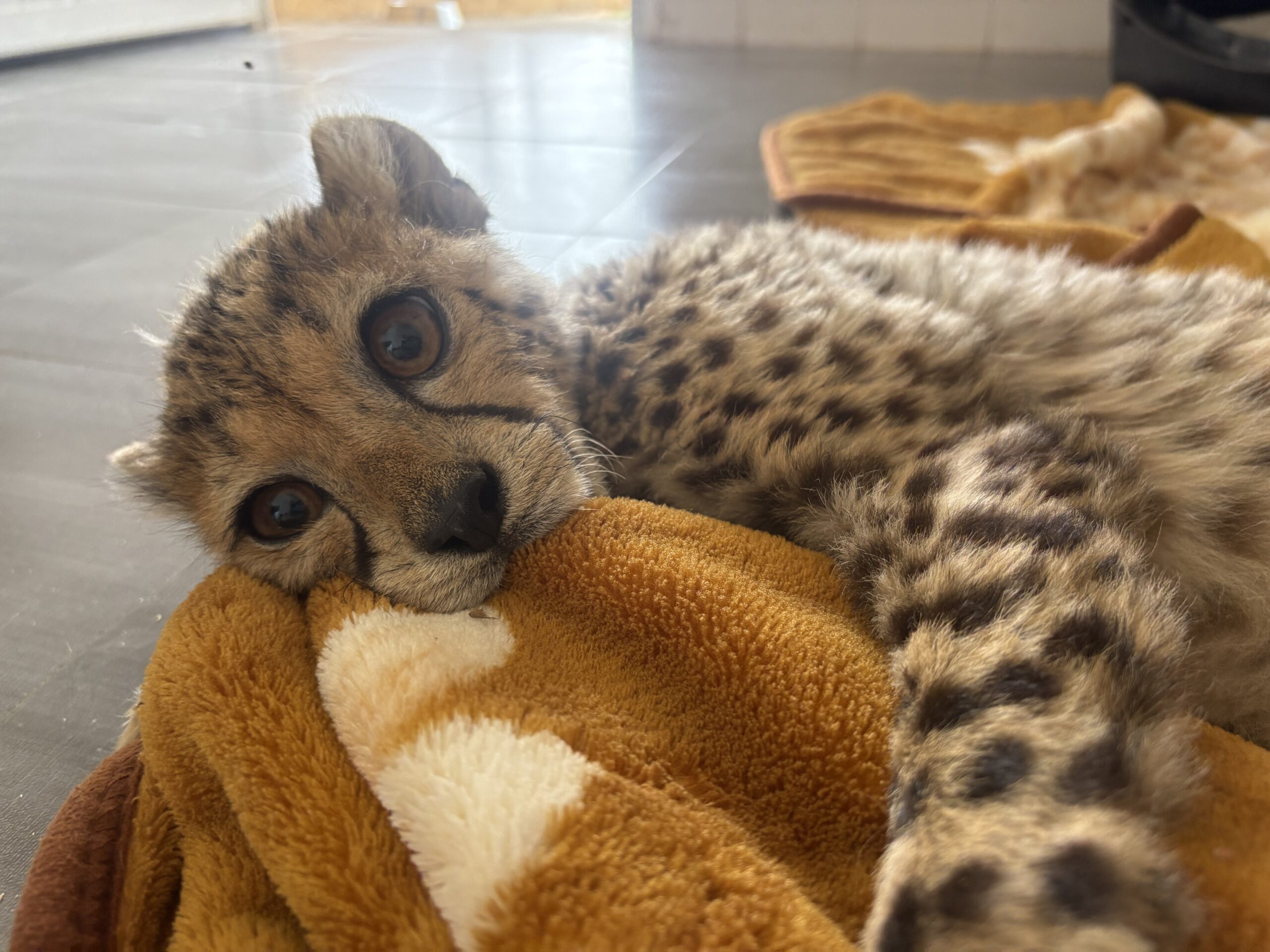
Cheetah trafficking in the Horn of Africa has reached crisis status. Each year an estimated 300 cubs are illegally snatched from the landscape, taken from their mothers to supply the illegal wildlife/pet trade.
These cheetahs, primarily in small populations in the region are truly wild, living in remote areas with little interaction with humans. Rescuing cheetahs from the illegal wildlife trade and restoring these populations have the potential to make a big difference to this species.
Stopping the wildlife trade will have benefits not only to the cheetah itself, but to the safety and civic security in the region. Eradicating wildlife crime has very positive impacts on local communities and in tune, our collective security.
How is the Cheetah Conservation Fund Addressing these Problems?
Since 1990, the Cheetah Conservation Fund (CCF) has been dedicated to saving cheetahs in the wild. Our vision is to see a world in which cheetahs live and flourish in coexistence with people within a sustainable system that is protective of the environment, socially responsible, and economically viable. Currently we have a few programmes that directly help cheetahs in the wild:
Educational Programs / School Outreach
Livestock Guarding Dog Programme
We invite you to click on the links above and explore all these programmes to understand how they work and the impact they have. If you’d like to start helping saving the cheetahs today, make a donation or symbolically adopt a cheetah.
Related Reading
-
9 September 2026
Cheetah of the Month: Meet Rocket -
3 August 2026
Get to Know the Cheetah Conservation Fund Lottery