A stark reminder of just how fragile wild cheetah populations really are
-
- by 27 July 2026
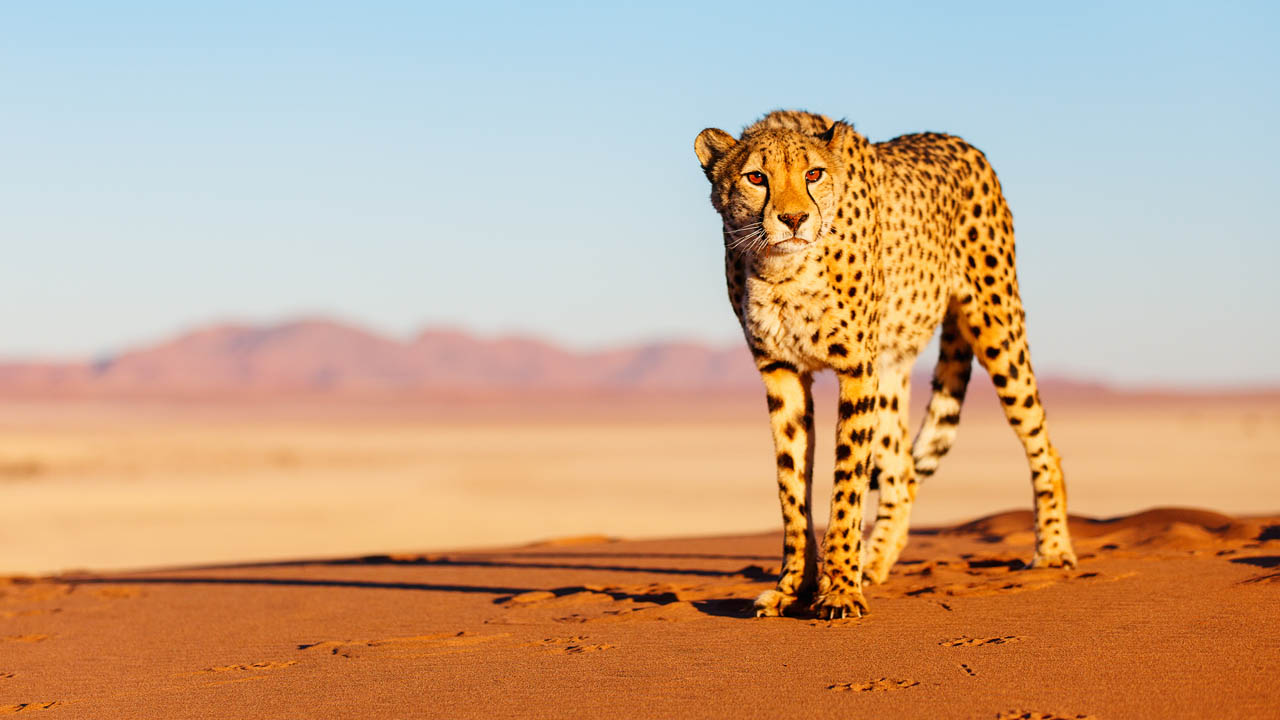
A major new study has delivered one of the clearest pictures yet of the challenges facing wild cheetahs in South Africa – and the findings are deeply concerning.
The Free-Roaming Cheetah Census (FRCC), led collaboratively by Ashia Cheetah Conservation, the Cheetah Outreach Trust, and the University of Groningen, has produced the most comprehensive assessment ever undertaken of South Africa’s free-roaming cheetah population.
Over four years, researchers combined camera trapping, GPS tracking, genetic analysis, landowner interviews and extensive field surveys to build an unprecedented understanding of these elusive cats and the landscapes they inhabit.
For years, conservationists believed there were around 300 adult free-roaming cheetahs living outside South Africa’s protected areas.
The reality is far more sobering.
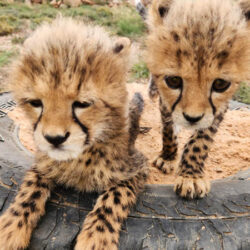
The census identified just 83 mature adults and 36 cubs – a total of only 119 free-roaming cheetahs across an enormous landscape spanning the Northern Cape, North West and Limpopo provinces. That represents a population around 70% lower than previous estimates.
While these findings relate specifically to South Africa, they carry an important message for cheetah conservation across Africa – and reinforce just how fragile wild cheetah populations have become.
More than just numbers
The findings are a stark reminder that conservation isn’t simply about counting animals. It is about understanding whether populations are healthy enough to survive in the long term.
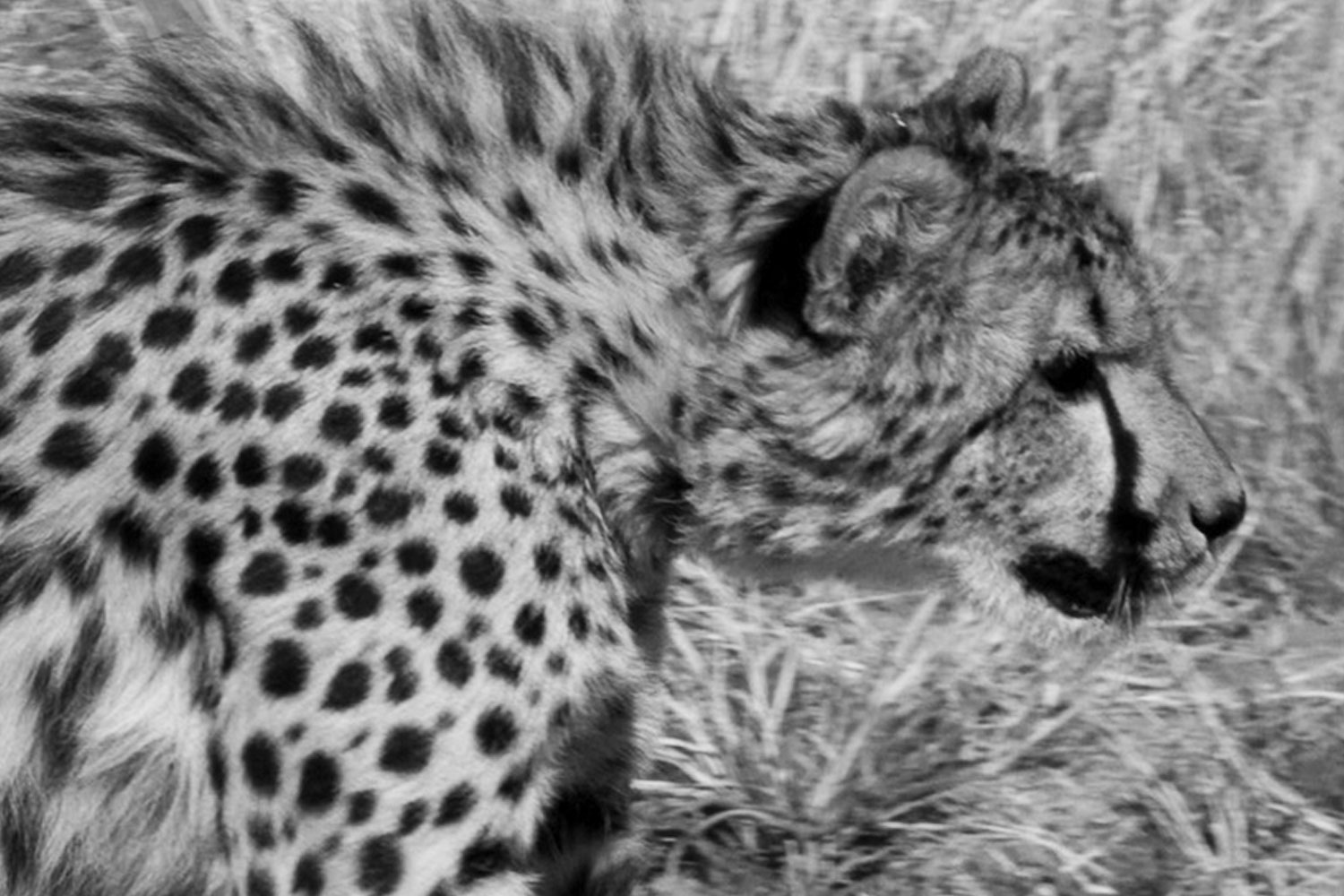
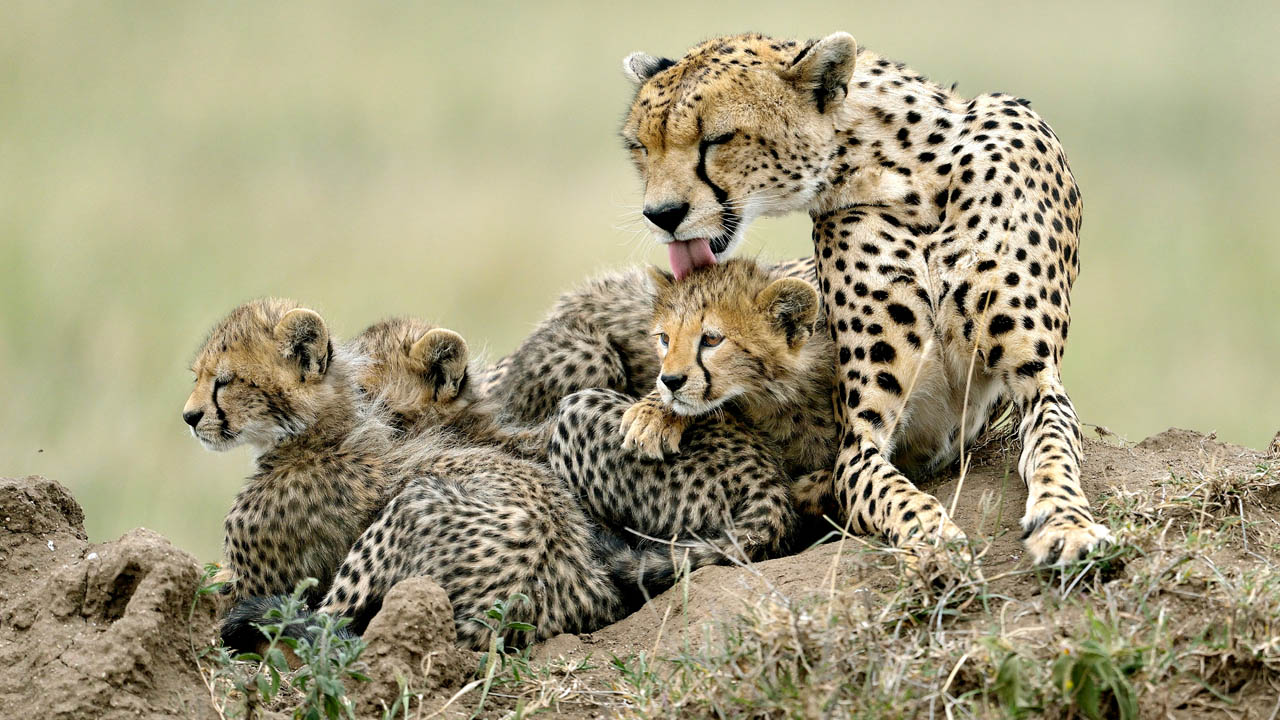
Cheetahs have already disappeared from around 90% of their historic range, making them Africa’s most endangered big cat. Across the continent, many of the populations that remain are small, isolated and increasingly fragmented by roads, fences, expanding agriculture and human development.
When cheetahs become separated from one another, their future becomes increasingly uncertain.
Small, isolated populations struggle to maintain genetic diversity, making them more vulnerable to disease, reducing breeding success and limiting their ability to adapt to future challenges. Even the loss of a handful of individuals can have a significant impact on a population already living on the edge.
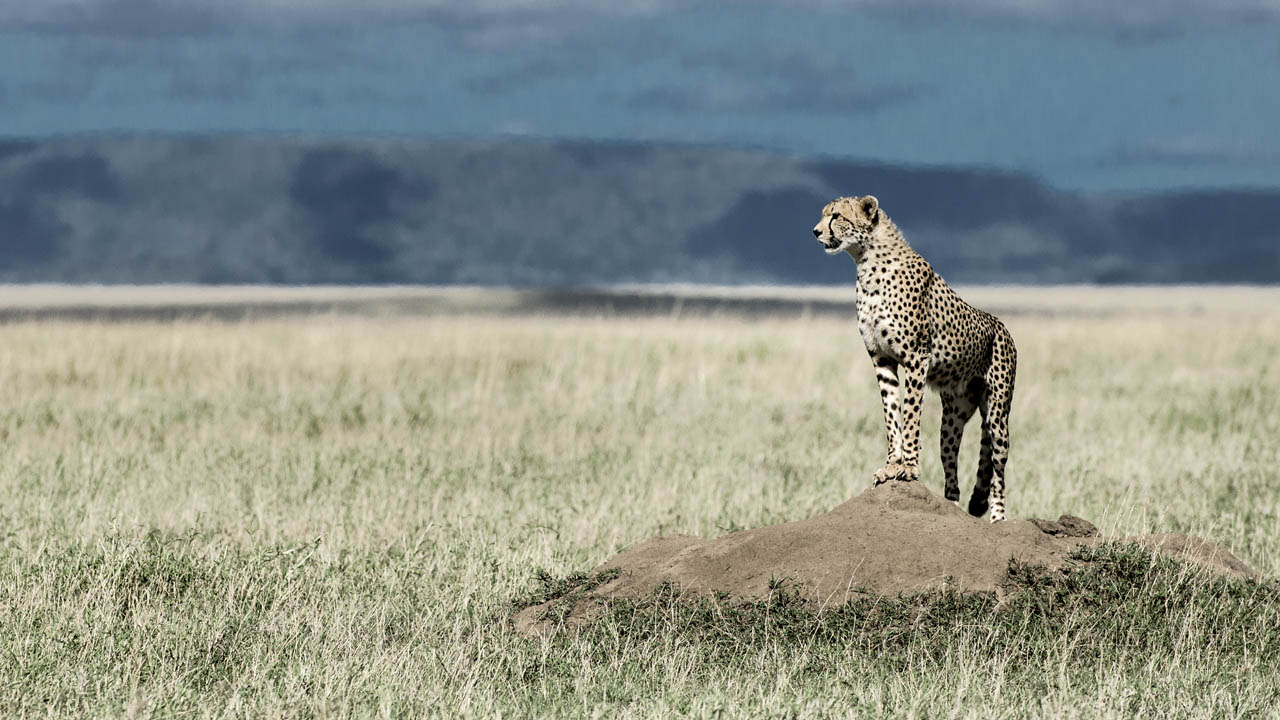
The South African census highlights this reality. It paints a picture of fragmented populations facing ongoing pressure, where every cheetah matters and every threat carries greater consequences.
The threats have not gone away
Habitat loss continues to shrink the landscapes cheetahs need to roam.
Human-wildlife conflict remains one of the greatest challenges to their survival, particularly where farmers suffer livestock losses and feel they have little choice but to protect their livelihoods.
Illegal snaring, road collisions and other human pressures continue to claim lives.
None of these threats exists in isolation.
Together, they gradually chip away at populations that are already far smaller than many people realised.
The latest census reminds us that we cannot become complacent. Assuming a population is secure simply because estimates appear healthy can be one of the greatest risks of all.
Why CCF’s work matters
At the Cheetah Conservation Fund, we’ve long recognised that protecting cheetahs means protecting far more than the animals themselves.
Around 90% of Namibia’s wild cheetahs live outside protected areas, sharing the landscape with farming communities. Ensuring people and predators can coexist is essential if cheetahs are to survive into the future.
That is why CCF’s conservation model focuses on tackling the root causes of conflict.
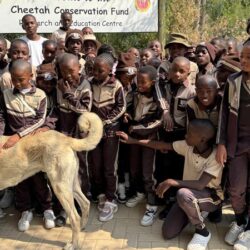
By placing specially trained Livestock Guarding Dogs with farmers, supporting improved livestock management, restoring habitat, advancing scientific research and working closely with local communities, CCF helps prevent conflict before it begins.
These long-term conservation solutions don’t always make headlines.
But they are helping to create landscapes where both people and wildlife can thrive together – protecting not just today’s cheetahs, but future generations too.
CCF also works to maintain healthy, connected wild populations through ongoing research, genetic monitoring and collaborative conservation initiatives, recognising that safeguarding habitat connectivity is every bit as important as protecting individual animals.
Science gives us hope
Although the census results are concerning, they also demonstrate why robust scientific research is so important.
Without accurate information, conservation efforts risk being directed towards outdated assumptions rather than today’s realities.
Studies like the Free-Roaming Cheetah Census provide conservation organisations, governments and researchers with the knowledge needed to make better decisions, target resources effectively and develop strategies that give wild cheetahs the greatest chance of survival.
For all of us who care about the future of this remarkable species, the message is clear.
Wild cheetah populations remain incredibly fragile.
Their future depends on science, collaboration and sustained conservation action.
Every conflict prevented.
Every habitat protected.
Every farming family supported.
Every wild cheetah given the opportunity to survive.
Together, these are the actions that will help ensure cheetahs continue to race across Africa’s landscapes for generations to come.
Help Protect the Future of Wild Cheetahs
The challenges facing wild cheetahs are immense, but together, we can make a difference. Your support enables CCF to carry out vital scientific research, work alongside farming communities to reduce human-wildlife conflict, protect and restore critical habitat, and provide expert care for cheetahs that have been rescued from the illegal wildlife trade. Every donation, no matter the size, helps secure a future where cheetahs can continue to roam Africa’s landscapes. If you’d like to be part of that future, please consider making a donation today and standing with us to protect the world’s fastest land animal.
DONATE TODAY
Related Reading
-
15 October 2025
Education – Future Conservationists of Africa