Meet Delilah: The Cheetah Getting Ready to Return to the Wild
-
- by Zilá Motta 23 June 2026
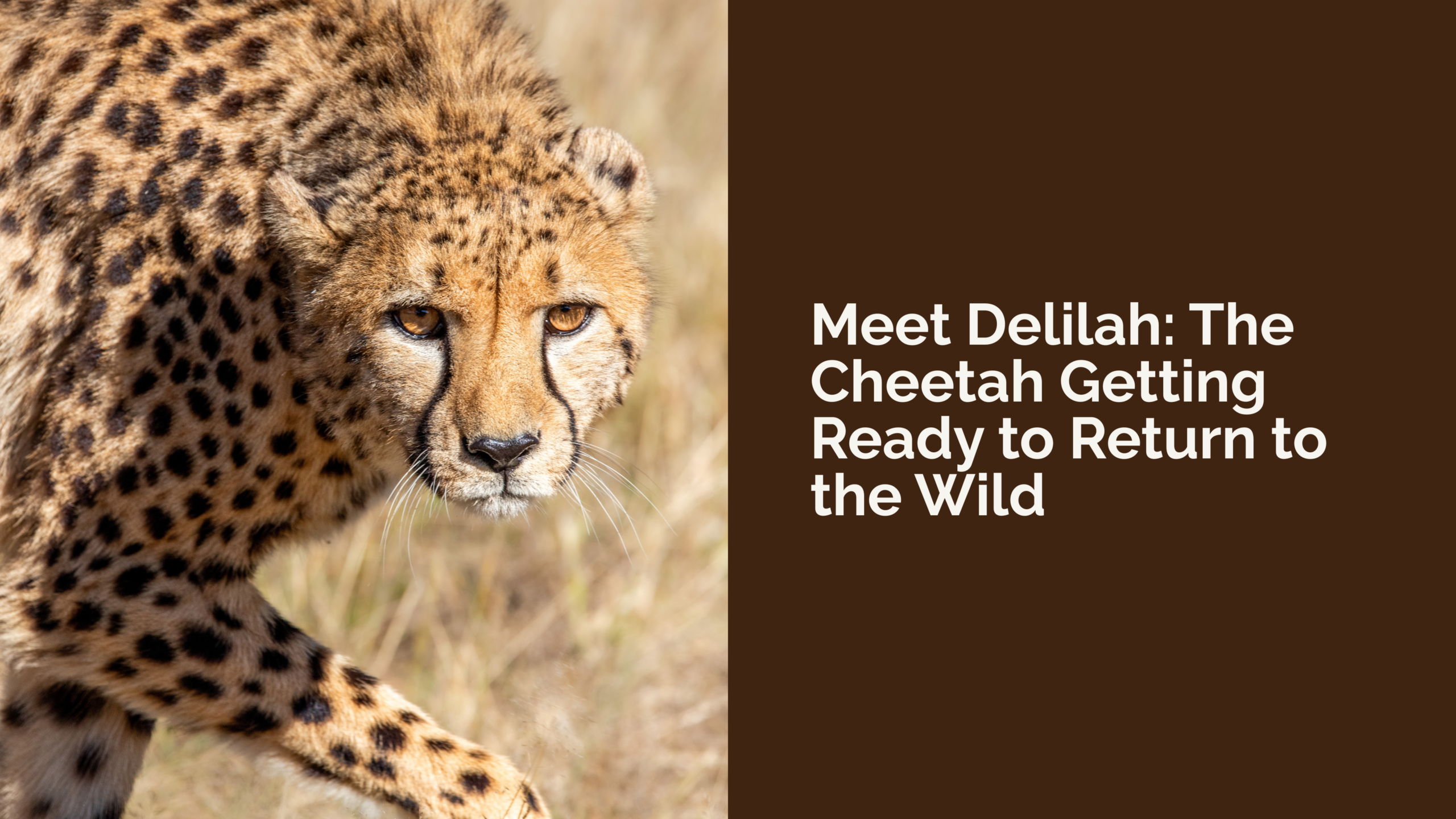
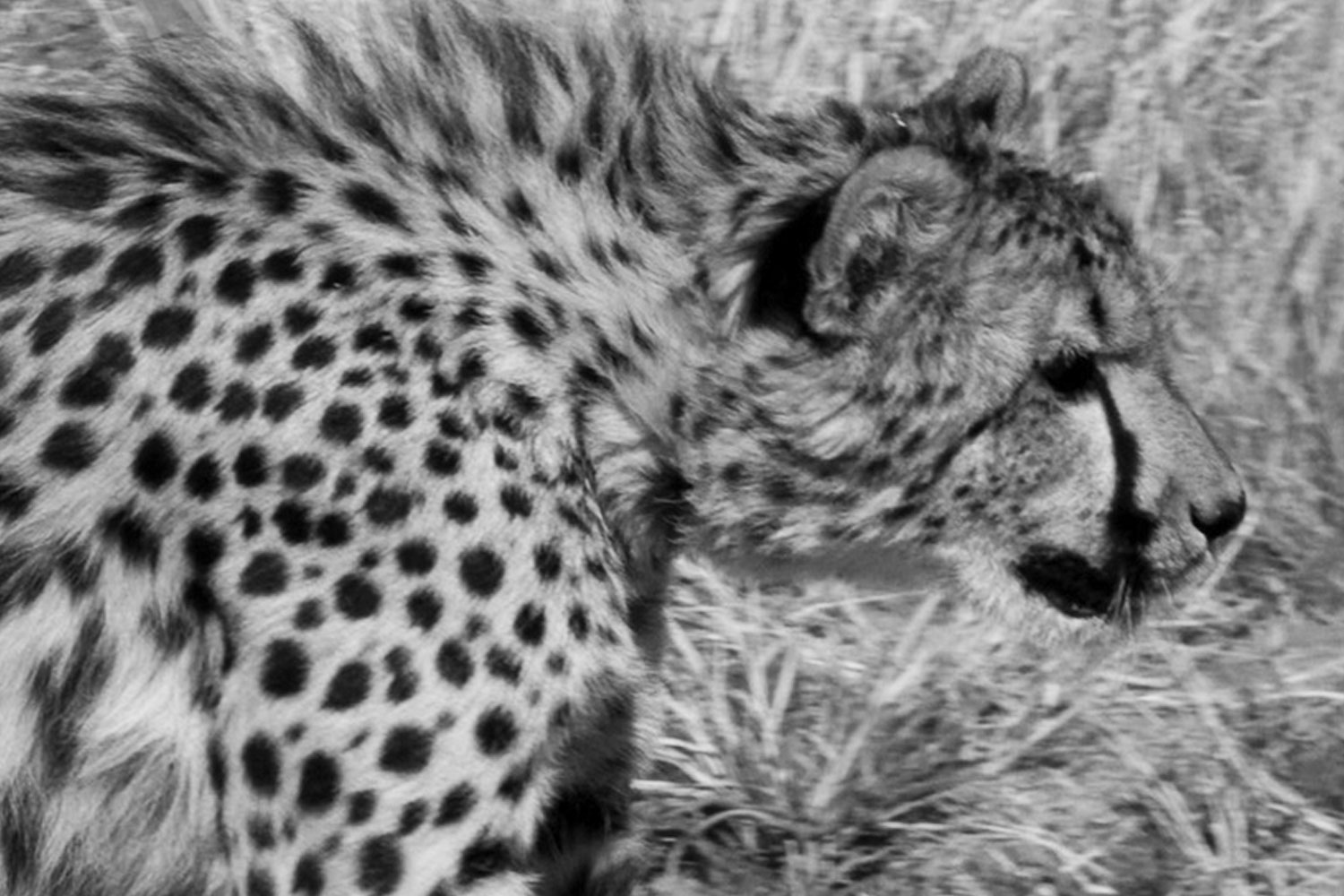
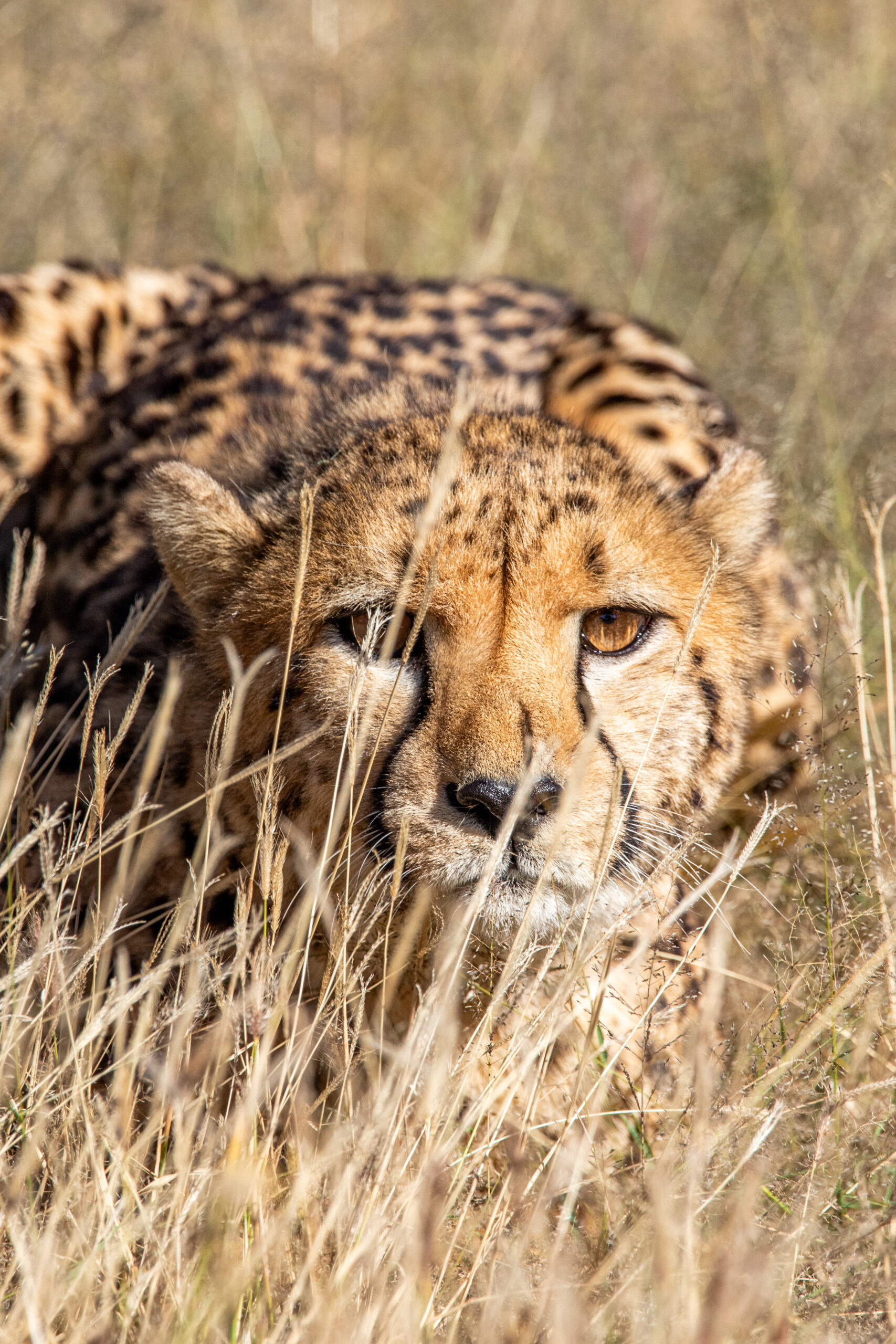
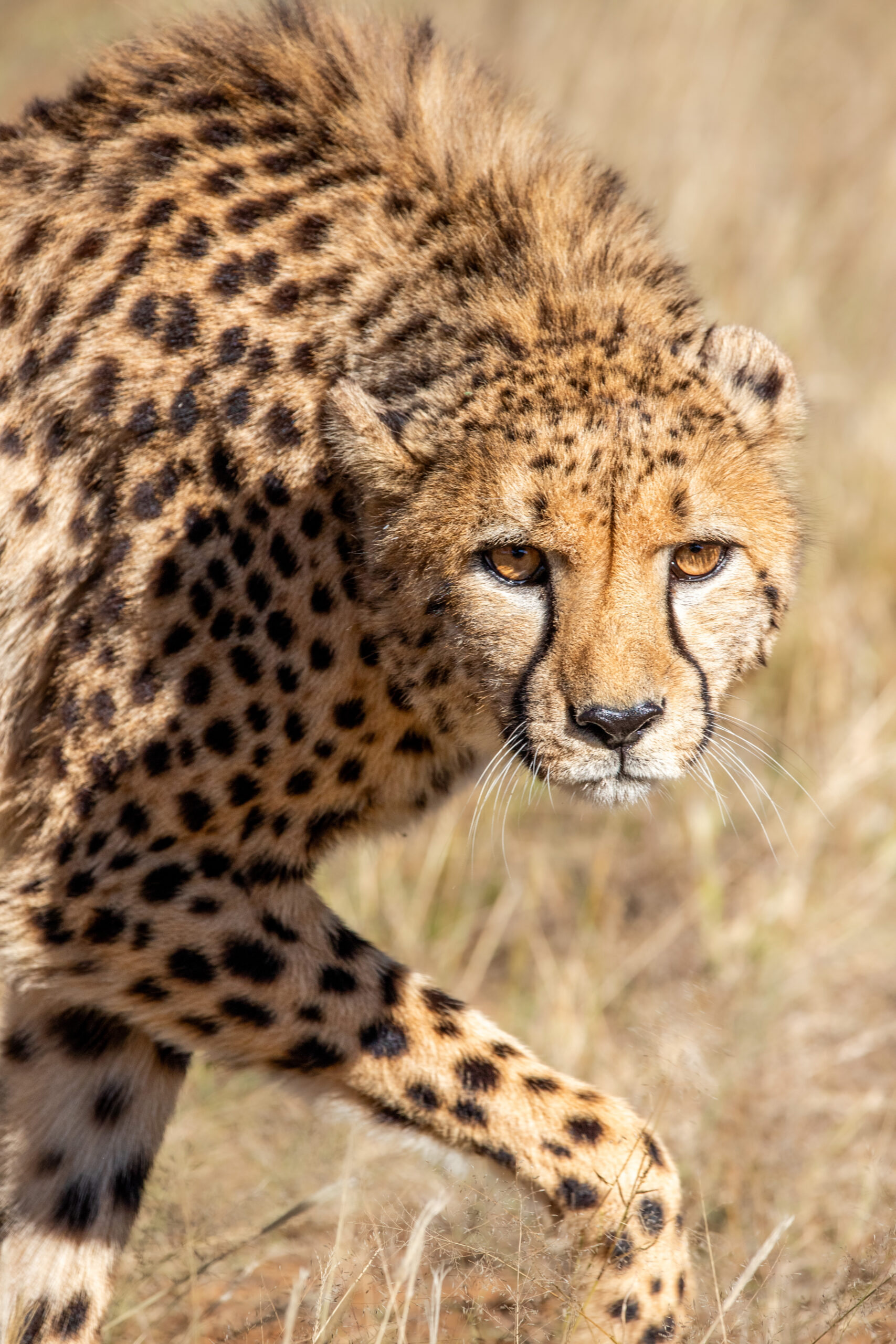
When Delilah arrived at the Cheetah Conservation Fund (CCF) in December 2023, she was just eight months old, a cub captured on a Namibian farm, far too young to fend for herself. Just a year after her rescue, Delilah fractured her back right leg, in December 2024. She had surgery a few days later, and went through two months of follow-up procedures, along with diagnostic imaging to monitor her recovery.
Now three years old, Delilah is strong, healthy, and showing all the signs of a wild cheetah ready to reclaim her place in the ecosystem. Her release is on the horizon, and the journey to get her there is a story of science, dedication, and hope.
From Farm to Field: Delilah’s Story
Delilah was confiscated as part of CCF’s ongoing work with farmers and Namibian authorities to protect cheetahs from human-wildlife conflict. After a thorough veterinary assessment (including health screenings, sample collection, and measurements) CCF’s team determined that the siblings would remain in care until they reached the age and condition needed for safe release.
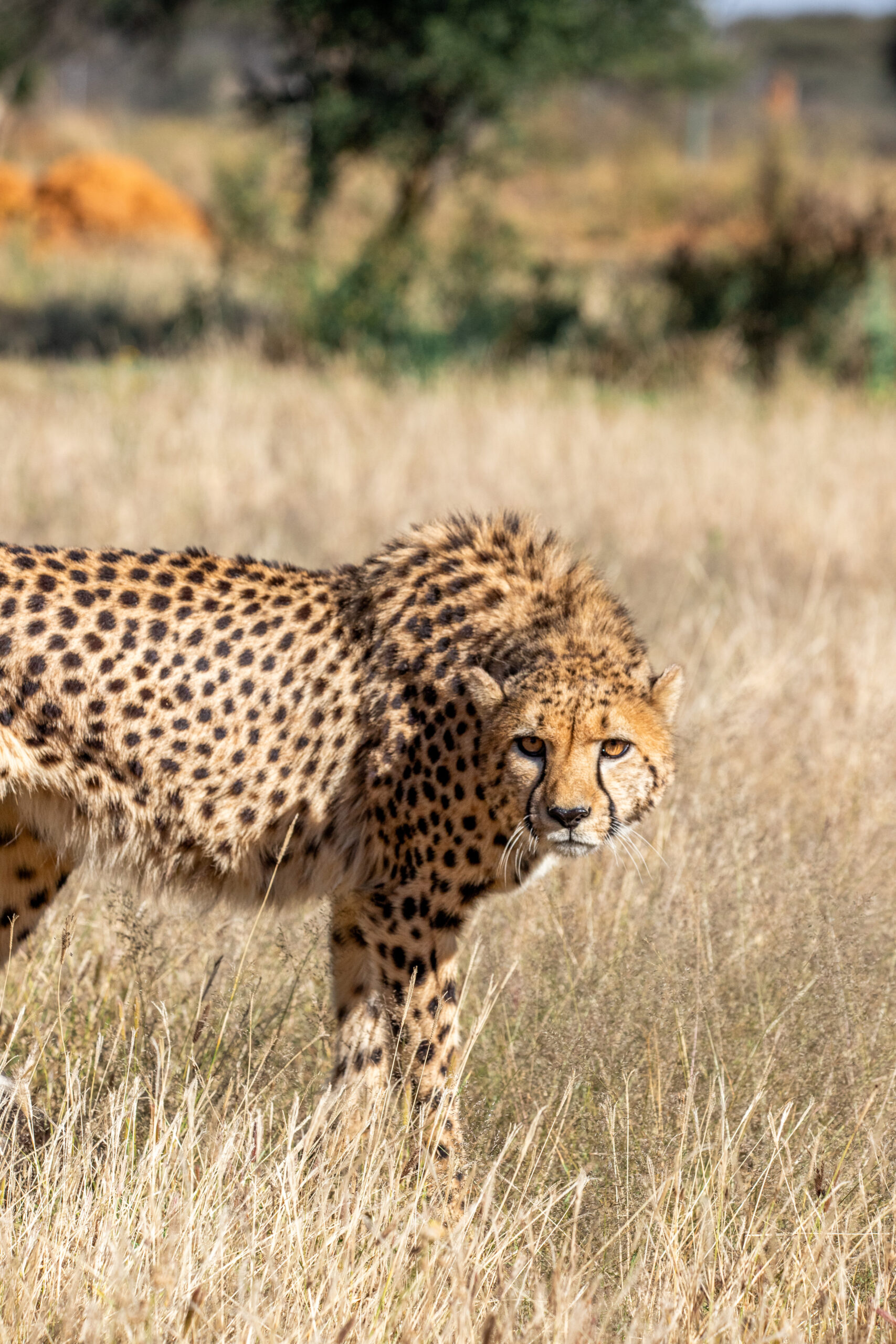
That moment is now approaching. At three years old, Delilah is a strong candidate for rewilding. She currently lives with another female named Zephyr, in a large enclosure far from our Centre, to minimize her exposure to people and vehicles, ensuring Delilah remains wild. Before she can go, CCF’s team must fit her with a GPS collar and establish a rigorous monitoring protocol, tools that will give her the best possible chance of thriving once she transitions back into the wild.
Why Rewilding Matters for Cheetah Conservation
Cheetahs are in crisis. Nearly two-thirds of the world’s large terrestrial carnivores are threatened with extinction, and cheetahs are no exception. A little more than a century ago, there were approximately 100,000 cheetahs in the wild across Africa and Asia. Today, fewer than 7,500 remain. Returning rehabilitated individuals to the wild is one of the most direct ways CCF can fight back against population decline.
Rewilding efforts restore cheetah populations to their historic range and inject vital genetic diversity into dwindling wild populations. But the benefits extend well beyond the species itself.
As apex predators, cheetahs shape the ecosystems they inhabit. They regulate prey populations, help keep disease outbreaks in check, and — by dispersing herbivores and smaller carnivores — influence vegetation patterns across vast landscapes. This cascading trophic effect stabilizes entire ecosystems, boosting biodiversity and productivity. Healthier ecosystems, in turn, generate critical services for people: nutrient-rich soil, improved water quality, and greater resilience to climate change.
Releasing Delilah isn’t just good for one cheetah. It’s good for the wild.
The Science Behind a Successful Release
Rewilding a cheetah is never simple, especially when that animal has spent time in human care. In 2022, CCF published the results of a landmark study evaluating cheetah release trials conducted between 2004 and 2018. The findings were significant.
Of the 86 orphaned cheetahs CCF rescued between 2001 and 2012, 36 were identified as release candidates. Of those, 27 successfully became fully independent and settled into wild routines. The study identified the key factors behind that success: careful candidate selection, strategic choice of release sites, and intensive monitoring, both before and after release.
That science guides every decision CCF makes for Delilah. Her age, her health, her behavioral profile, and the landscape she’ll be released into are all part of the equation. So is the collar that will track her every move in those critical early weeks and months, allowing CCF’s researchers to intervene quickly if needed and gather data that will inform future releases.
How You Can Help Delilah Get Home
Bringing a cheetah back to the wild takes significant resources such as veterinary care, food, research, field equipment, and the ongoing monitoring that gives each animal the best chance of survival.
Delilah’s story isn’t over yet and that’s why we need your help with our new campaign to send her back to the wild. Every contribution, no matter the size, makes a difference for cheetahs in the wild.
Together, we can give Delilah the future she deserves — and help secure a wilder, healthier world for cheetahs and the ecosystems that depend on them.
Related Reading
-
12 October 2026
Cheetah of the Month: Meet Kelce -
4 October 2026
From CCF Intern to Wildlife Photographer: Meet Leo Kim -
16 September 2026
September Photographer of the Month: Meet Dearbhaile Ní Dhubhghaill