Empowering Communities to Stop Wildlife Crime and Save Cheetah Cubs in Somaliland
-
- by CCF United Kingdom 9 December 2025
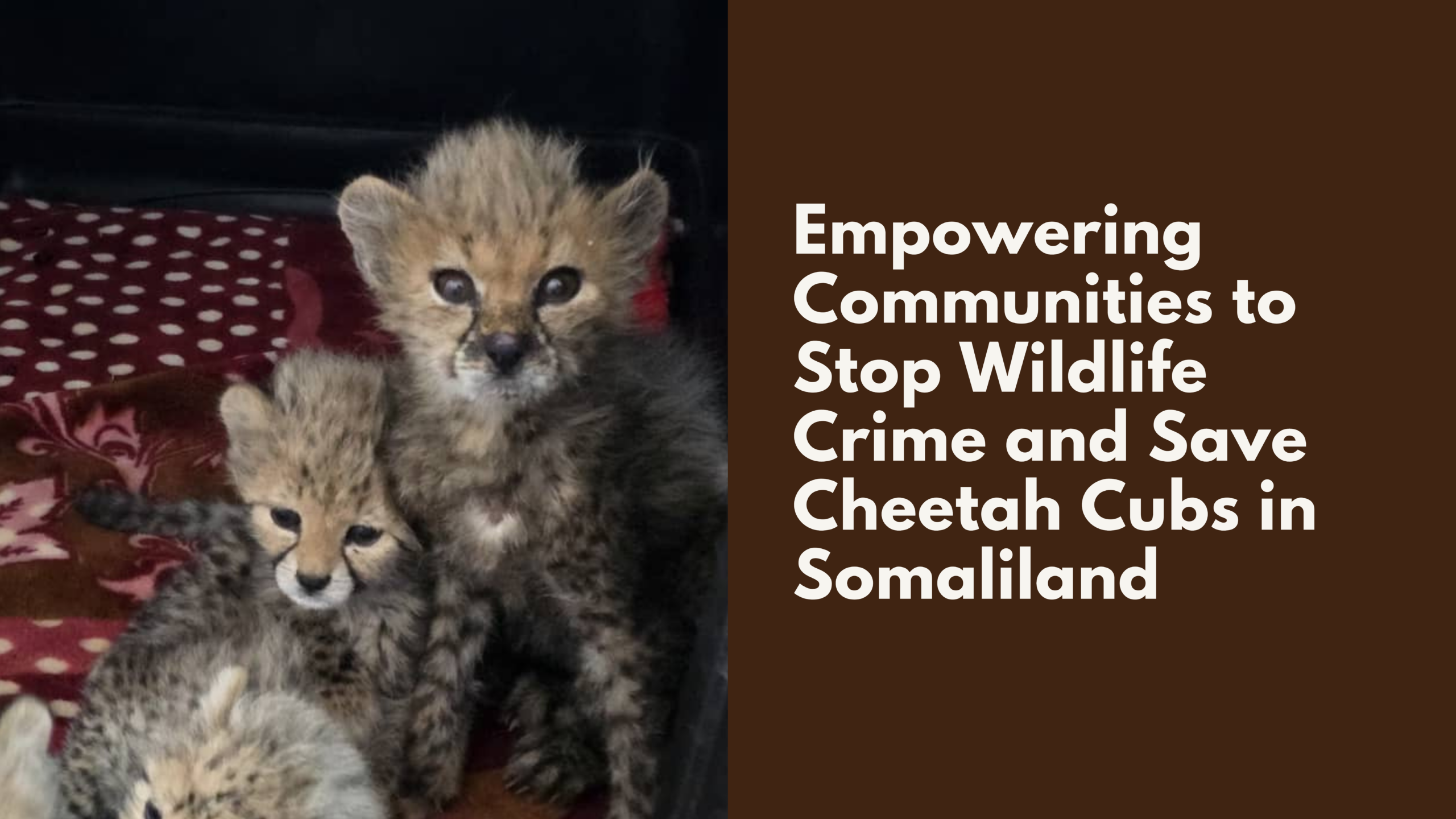
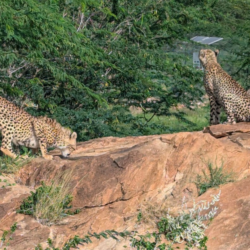
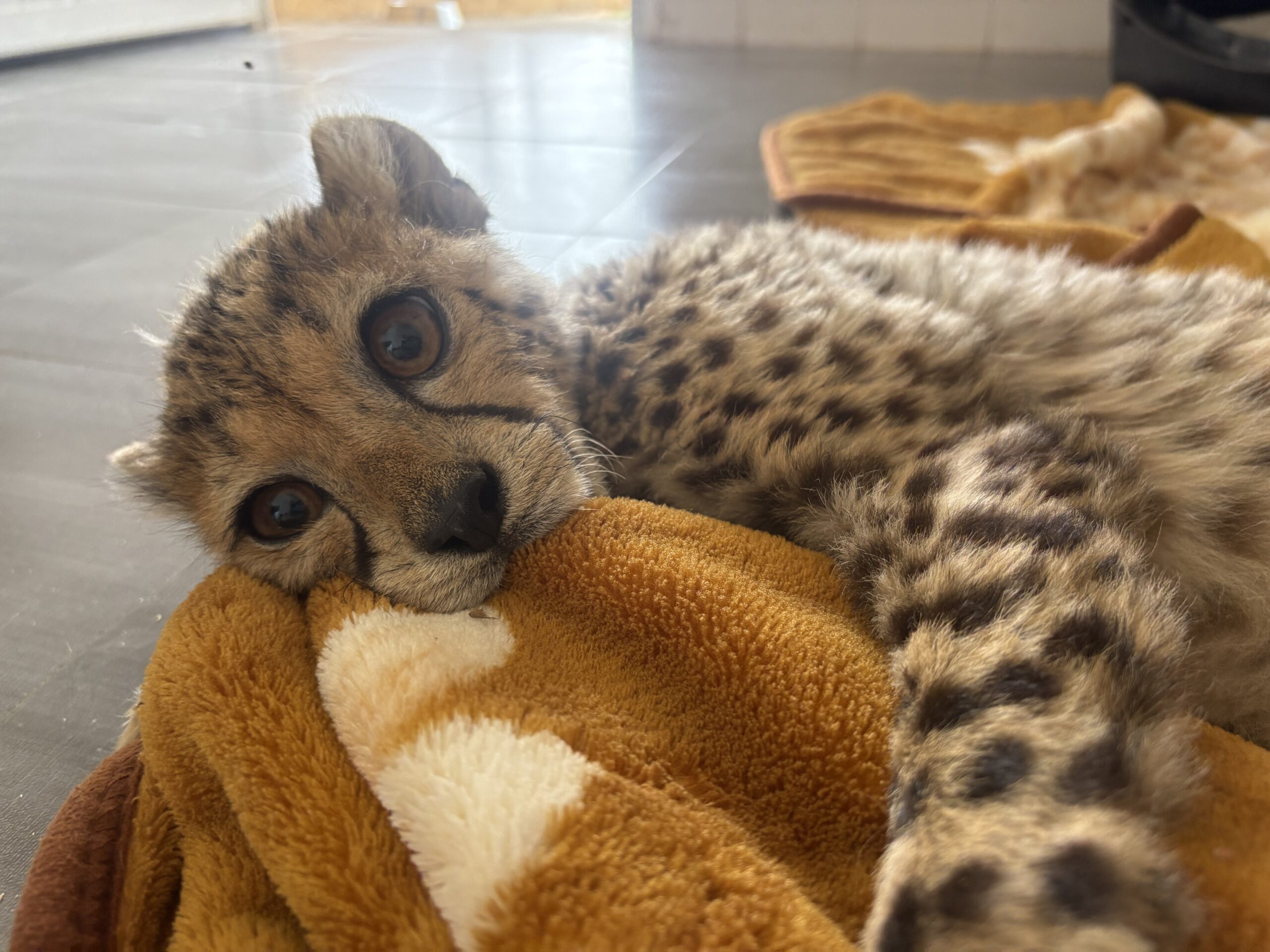
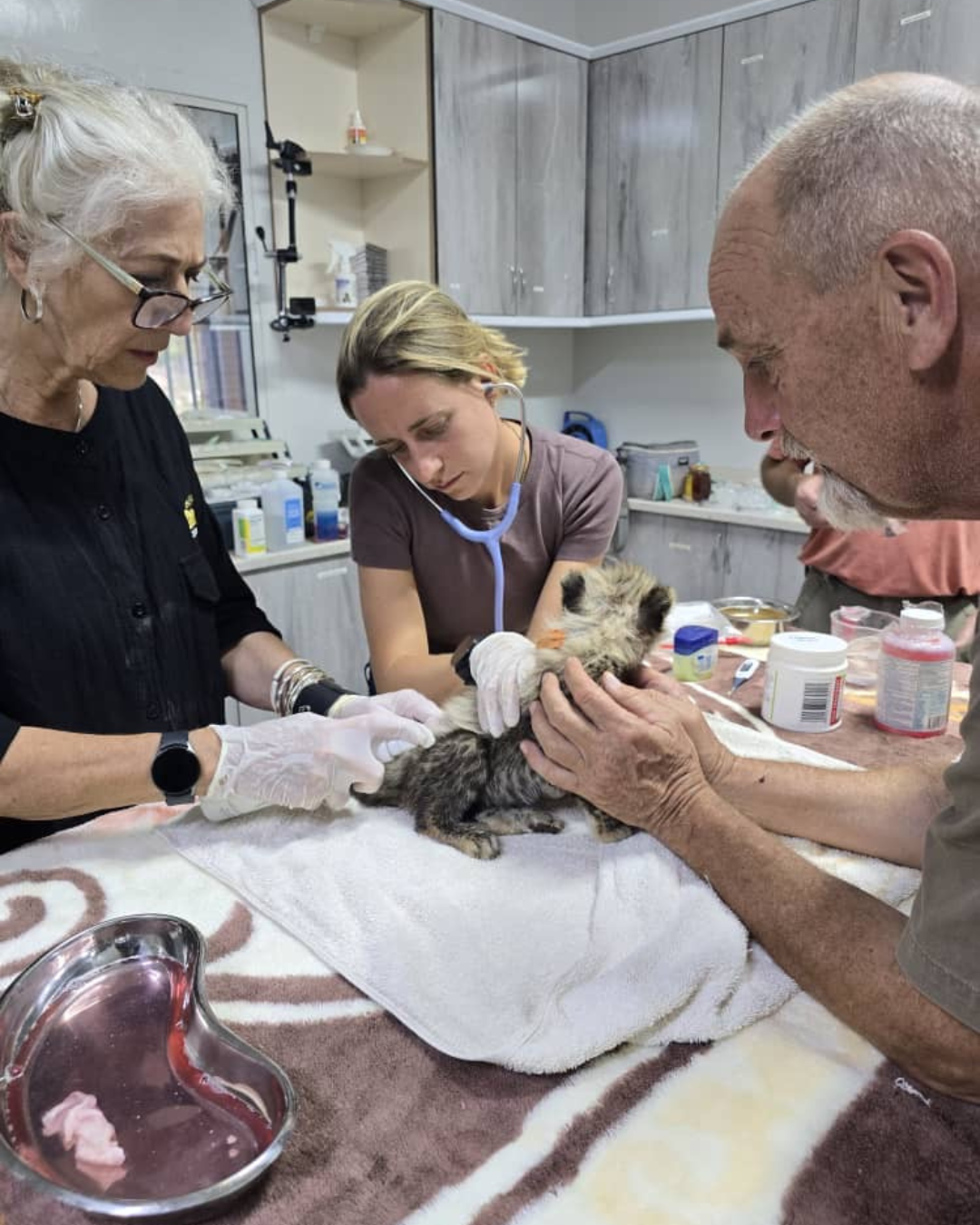
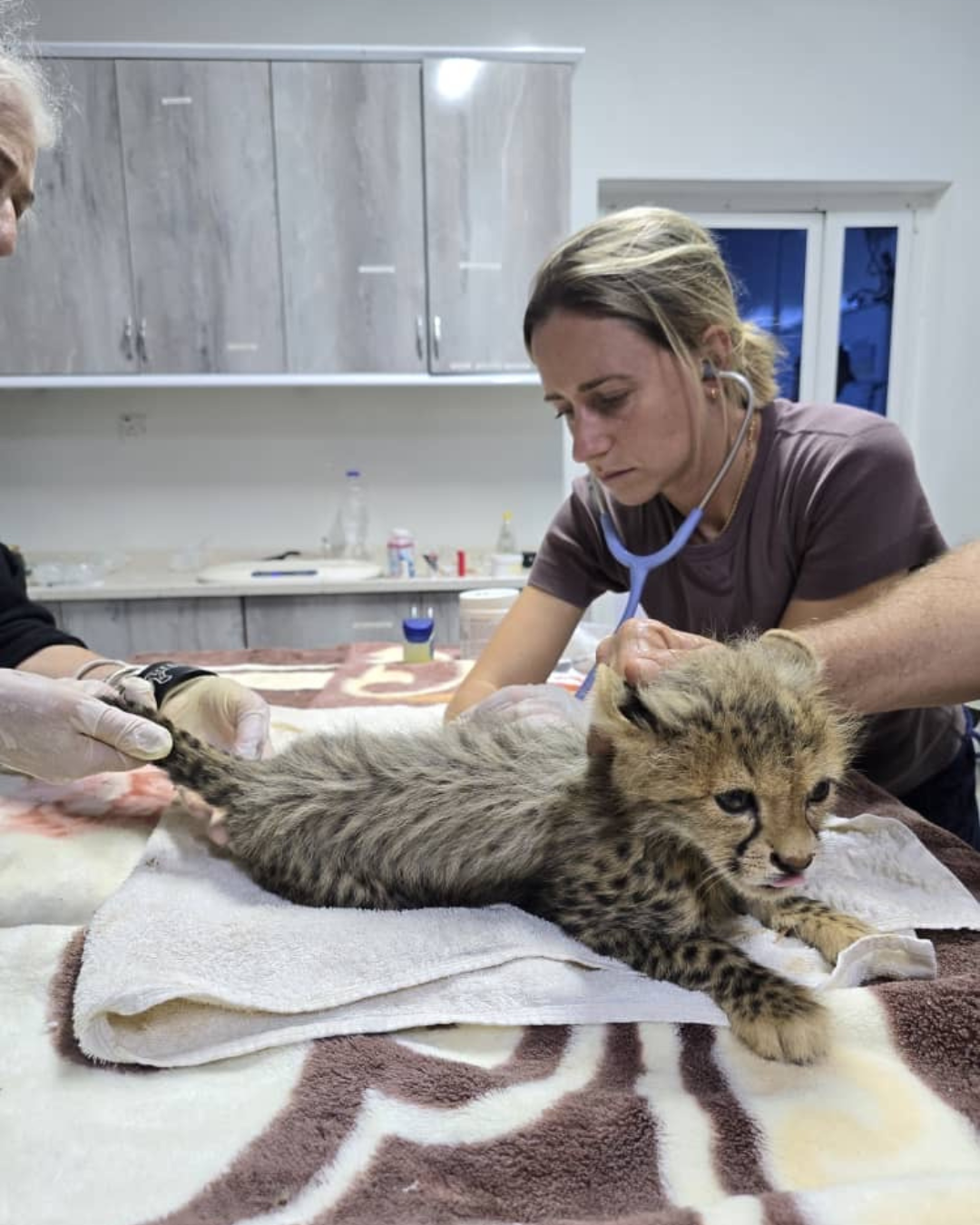
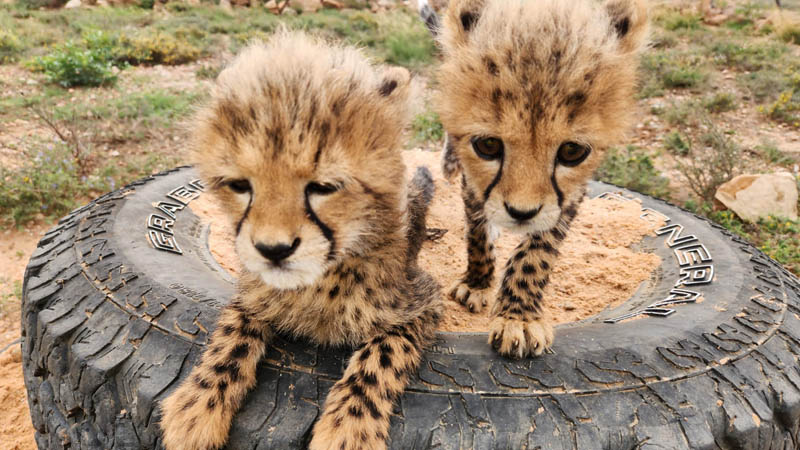
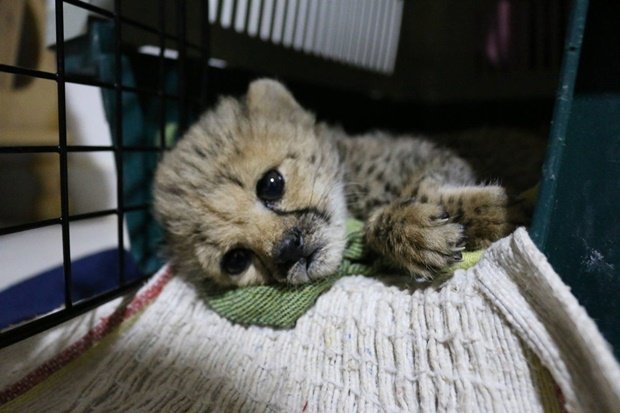
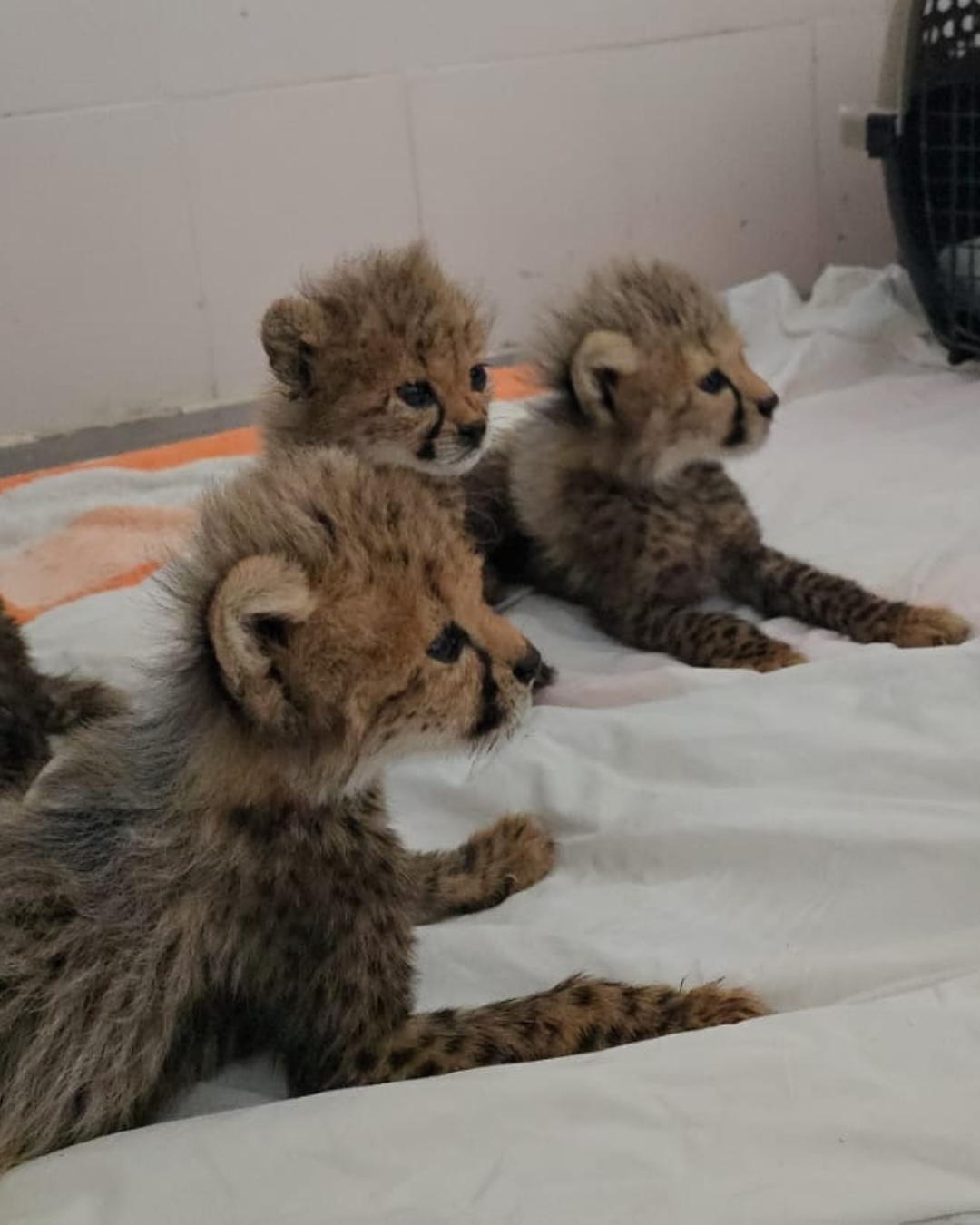
Right now, over 100 rescued cheetahs are under our care at CCF’s Cheetah Rescue and Conservation Centre (CRCC) in Somaliland. They are all victims of the illegal wildlife trade, a huge problem that steals over 300 cheetah cubs and other wildlife from the Horn of Africa every year. These cubs are taken from their mothers, trafficked across borders, and sold into the illegal exotic pet trade.
CCF has been fighting wildlife crime in Somaliland since 2015, working alongside the government to intercept traffickers, care for confiscated animals, and address the root causes driving this trade. But to truly save cheetahs and protect their future in the wild, we must stop the problem where it starts: in the communities most affected by poverty, lack of opportunity, and human-wildlife conflict (HWC).
Tackling wildlife crime at its root
Reducing illegal wildlife trade isn’t just about rescuing animals; it’s about providing people with different opportunities. When livelihoods are limited, the risk of wildlife crime increases. That’s why CCF is launching a new programme in the Geed-Deeble communities, located near cheetah habitats and key trafficking routes.
Inspired by CCF’s proven conservation-development model in Namibia, this initiative focuses on empowering women farmers, improving food security, and reducing human-wildlife conflict, creating long-term solutions that protect both people and wildlife.
How will the programme create change?
Using CCF’s holistic approach, the project will:
- Build sustainable livelihoods: Women farmers in Geed-Deeble will receive training and tools to produce new, marketable products like handmade soap and cheese, helping families diversify their income and reducing reliance on wildlife crime for survival.
- Promote predator-friendly livestock farming: Farmers will be trained at CCF’s Education Centre under the Future Farmers of Africa (FFA) programme, learning livestock management and protection techniques that reduce conflict with predators like cheetahs.
- Strengthen community conservation structures: Two Community Conservation Governance Structures (CCGS) will be trained and supported—bringing together community leaders, government representatives, NGOs, and elders to develop sustainable management plans and local by-laws.
- Demarcate community lands: Clear land demarcation helps reduce conflict and empowers communities to protect their natural resources effectively.
Thanks to all the help, our programme will start soon
Our fundraising campaign done through the Big Give Christmas Challenge, raised over £43,000, and thanks to your generosity, this programme can now begin.
Here’s how your donations will be used:
-
£15,498 – Develop & implement Management Plans for 2 CCGSs, including training for NGOs, MoECC & community representatives
-
£2,602 – Equipment for soap & cheese production, plus eco-tourism signage, brochures & maps
-
£1,150 – Materials for eco-tourism, cheese & soap guides, FFA handbook, demarcation signs
-
£20,750 – Train farmers in sustainable livelihoods & herd management, plus ongoing support
To everyone who donated, shared the campaign, spread the word, or created content to support us — thank you. Your support and generosity make our work possible.
Together, we are protecting the future of cheetahs, supporting communities in Somaliland, and taking real action to end the illegal wildlife trade.
Related Reading
-
1 October 2025
Get to Know Aidan’s Story: From Rescue to Hope -
30 October 2024
Meet the Bandit Group: a crew of cheetahs aged 9 to 11 months