Tupuka’s Story: How Education and Innovation Are Helping Farmers and Cheetahs Coexist in Namibia
-
- by Zila Oliveira 22 October 2025
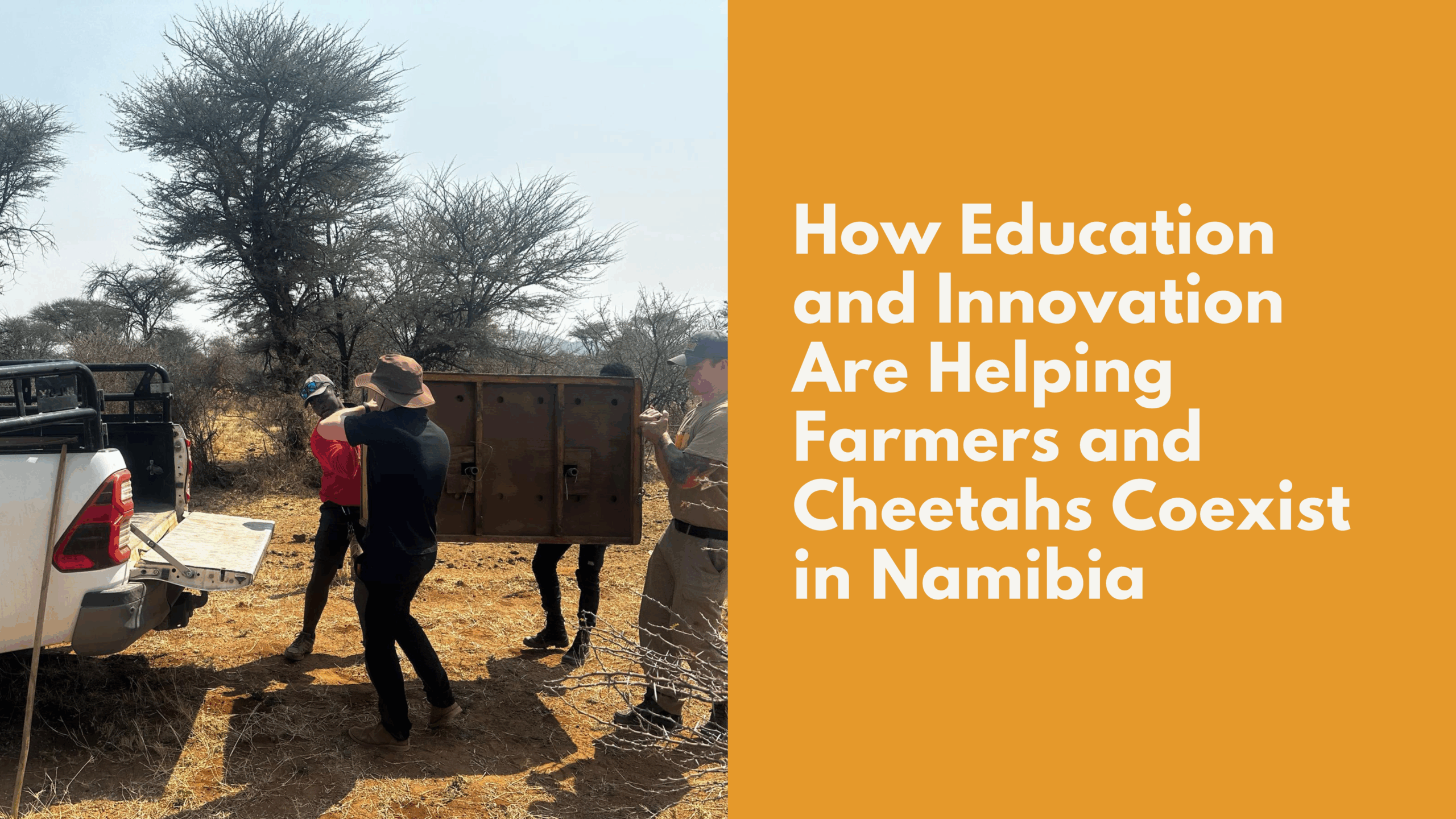
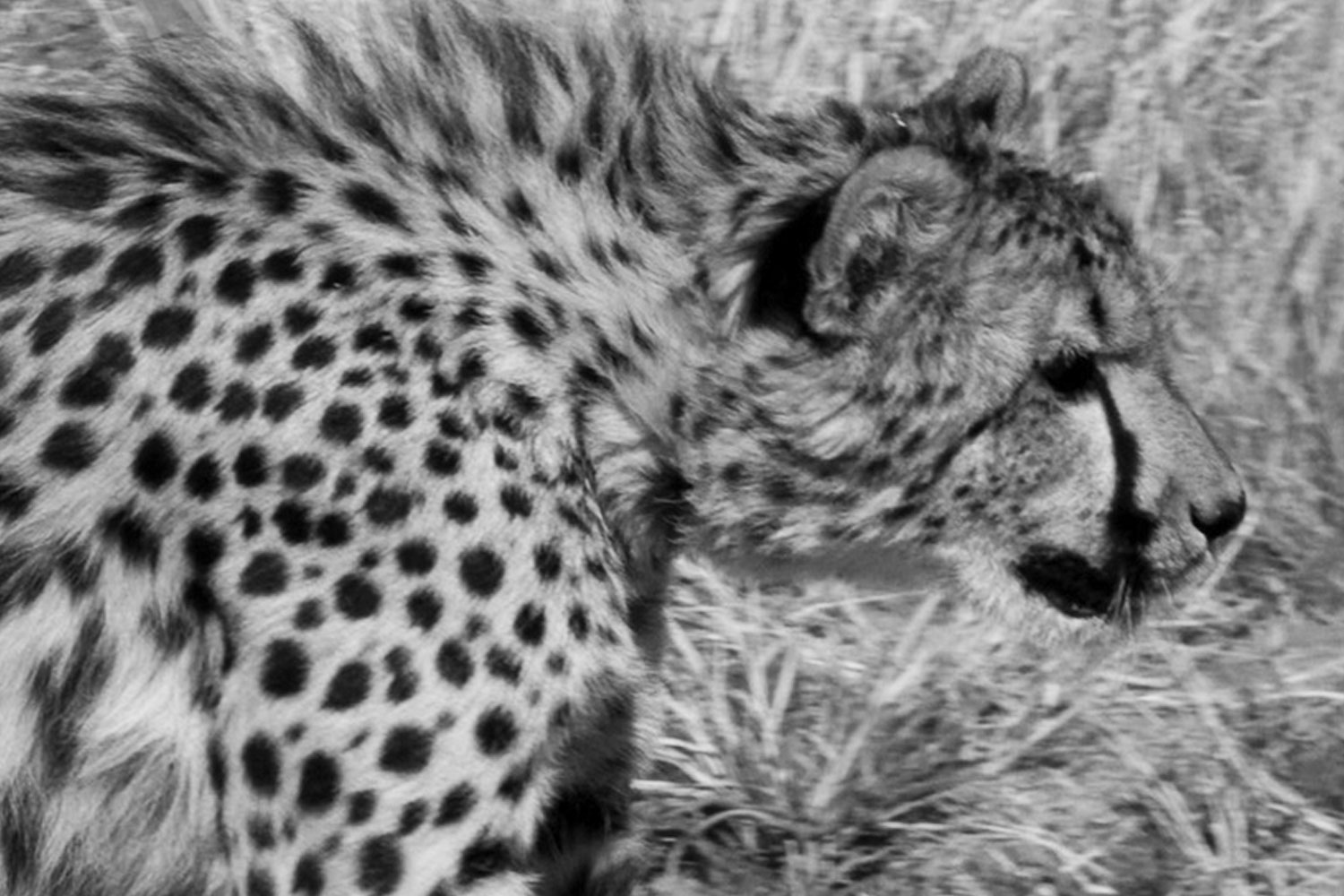
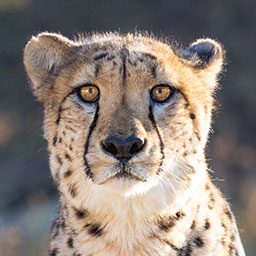
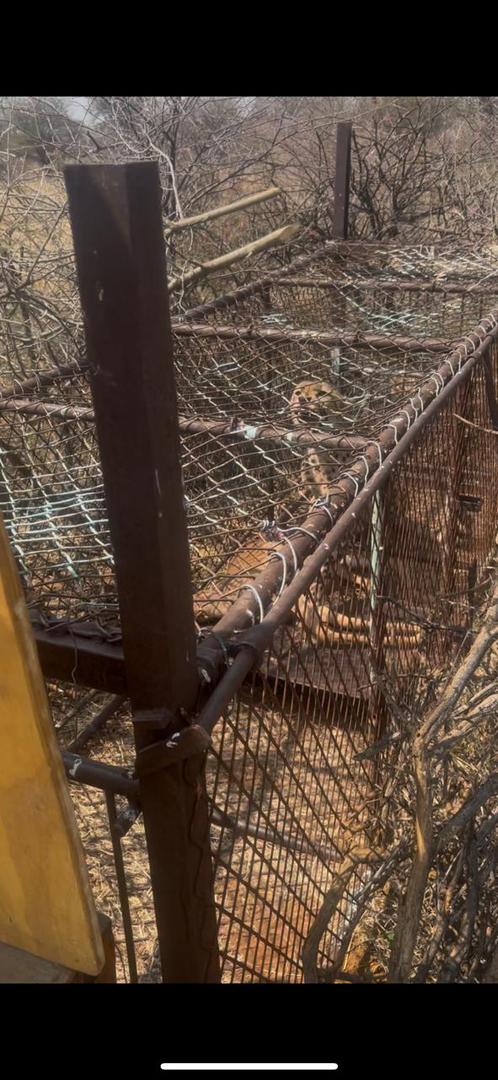
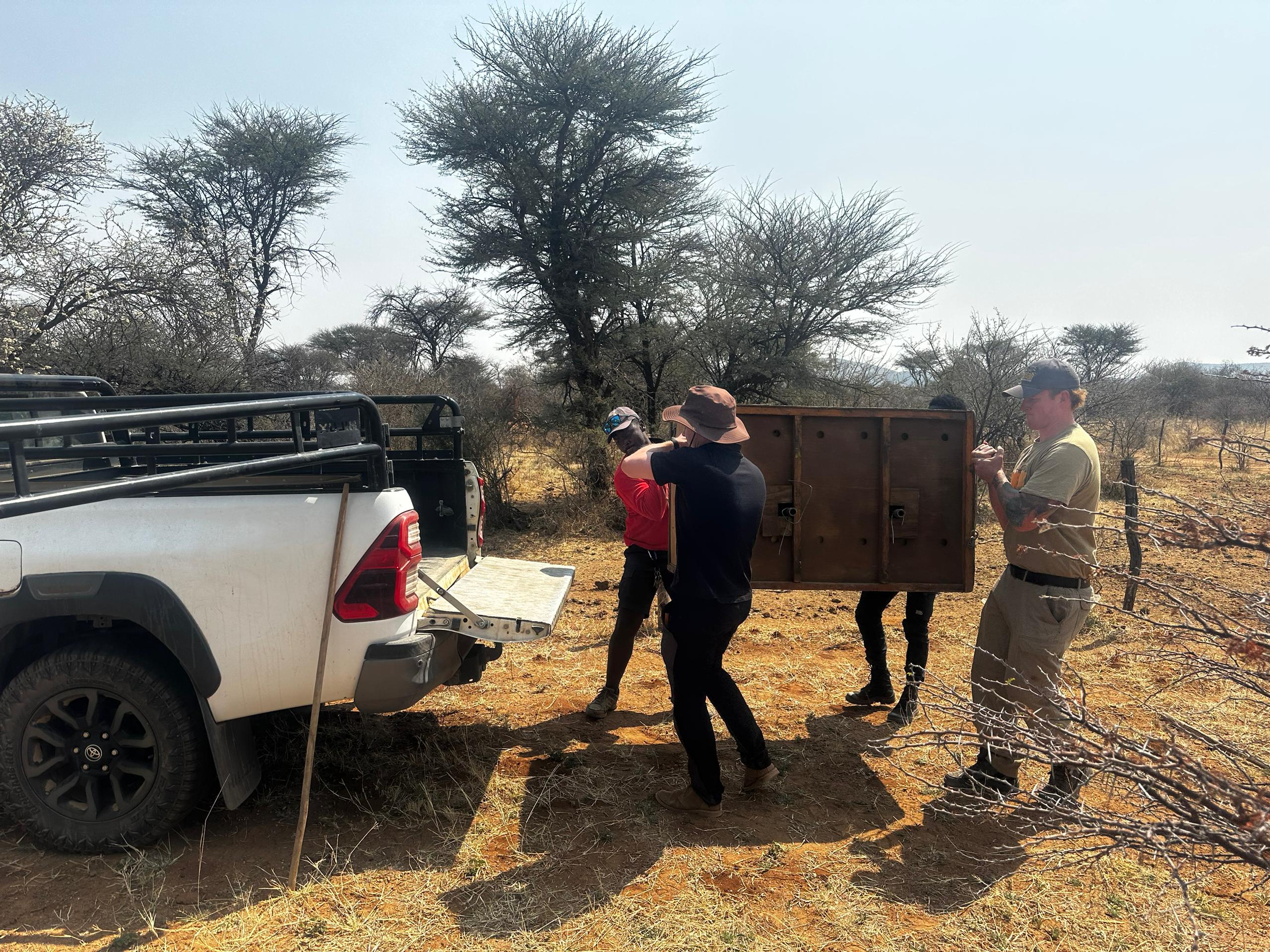
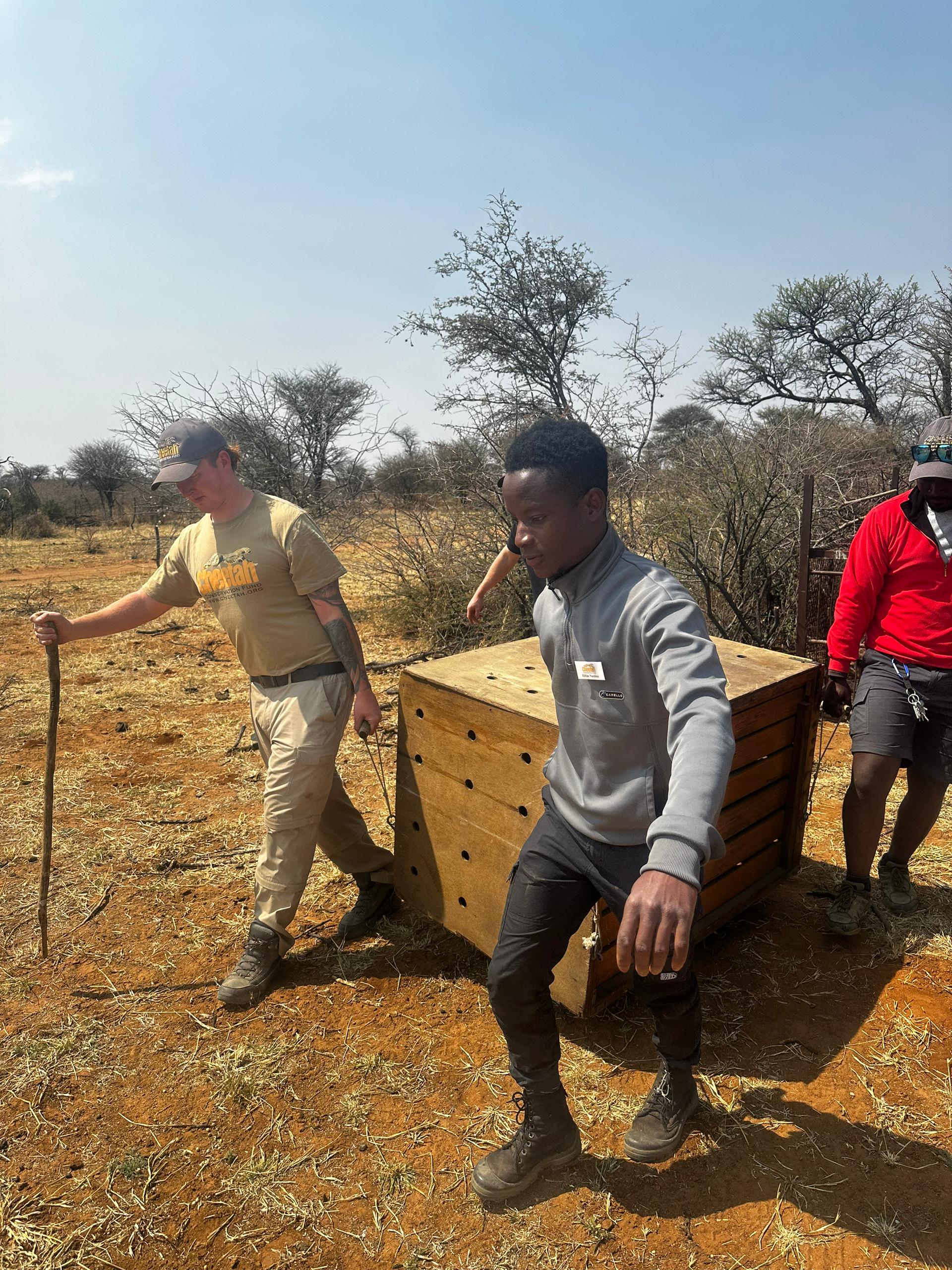
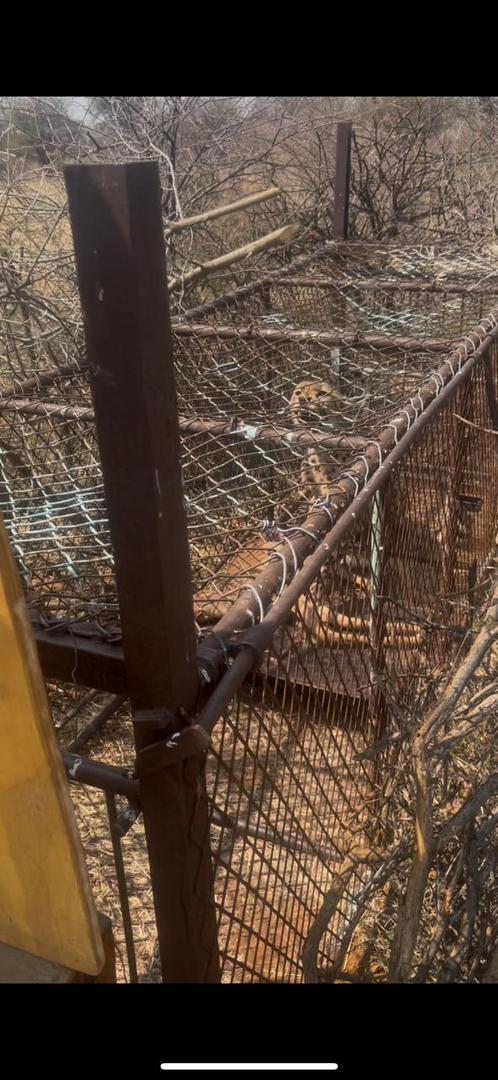
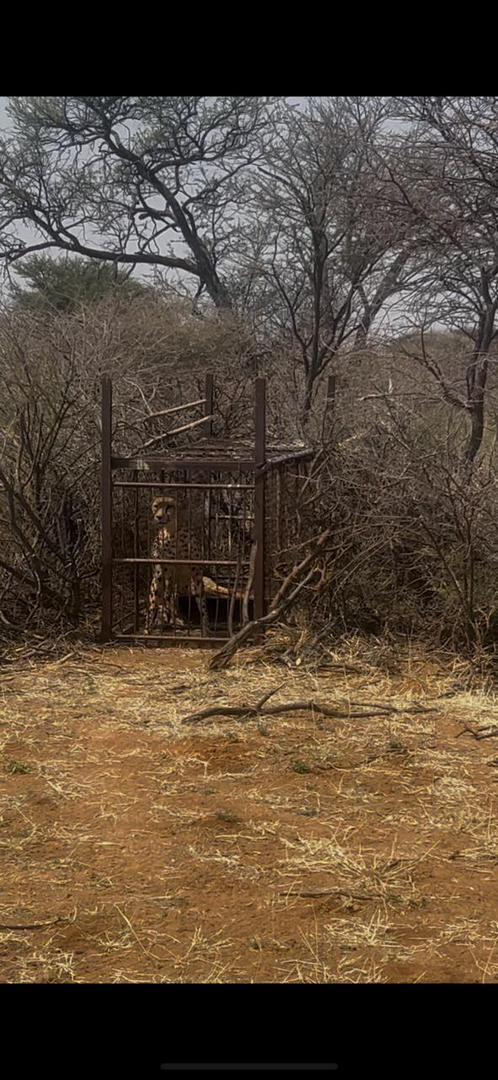
In late August, a male cheetah was trapped on a farm near the Cheetah Conservation Fund’s (CCF) Centre in Namibia. The farmer, concerned for his calves, discovered that the cheetah had been hunting wild game — impalas — but was roaming closer to his livestock kraal. Rather than resorting to lethal action, the farmer reached out to CCF for help. Our team responded immediately, transporting the cheetah to our veterinary clinic for a full examination.
The animal, later estimated to be around 4 to 5 years old and weighing 42 kilograms (93 pounds), was found to be healthy. While at CCF, our veterinary staff took hair and blood samples, administered a rabies vaccine, and fitted the cheetah with a GPS tracking collar.
Technology empowering coexistence
The farmer who captured the cheetah decided to take a remarkable next step: he joined CCF’s Early Warning System (EWS) programme.
This system uses GPS satellite collars equipped with geofencing functions. A virtual boundary is mapped to the farmer’s land, and if the cheetah crosses that boundary, the farmer receives an alert. These early notifications allow farmers to take non-lethal measures to protect their livestock — such as moving calves or using livestock guarding dogs — before a conflict occurs. This simple yet effective technology gives farmers peace of mind and helps keep cheetahs safe in the wild.
Namibia is home to the world’s largest wild cheetah population, but most of these cats live outside protected areas, on communal and commercial farmlands. Through programmes like the Future Farmers of Africa and innovative tools like the Early Warning System, CCF is proving that people and predators can share the same landscape.
A new beginning for Tupuka
In mid-September, the cheetah was released on CCF property, close to the area where he was first captured. The farmer and his family were so moved by the experience that they decided to name him Tupuka, which means “to run” in Herero. Tupuka’s story is a symbol of what’s possible when conservation and community work hand in hand — when knowledge replaces fear, and coexistence replaces conflict.
Support our work
Since 1990, CCF has trained nearly 10,000 farmers through our education and outreach initiatives, helping to create a safer future for both people and cheetahs. If you’d like to support our efforts to educate farmers and protect Africa’s cheetahs, you can make a donation or symbolically adopt a cheetah.
Related Reading