Een verhaal uit de bush: N#a-Jaqna en Nyae Nyae Conservancy
-
- door Ruusa Uugwanga November 18, 2026
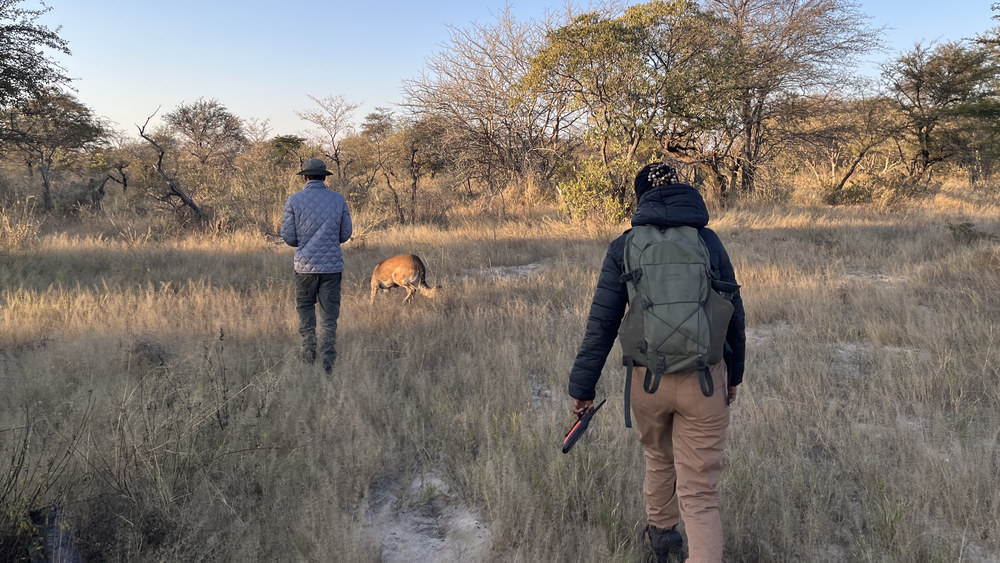
Some field trips leave you with more than just memories of the places you visited, they leave you with a story to tell. My journey to the Nyae Nyae and N#a-Jaqna Conservancies, in North-East Namibia, was one of those trips. It was my first opportunity to lead a field trip, which made it both exciting and a little frightening. Suddenly, the responsibility of planning each day, making decisions in the field, and ensuring everything ran smoothly rested on my shoulders. It was a chance to put everything I had learned into practice and to trust my own judgment.
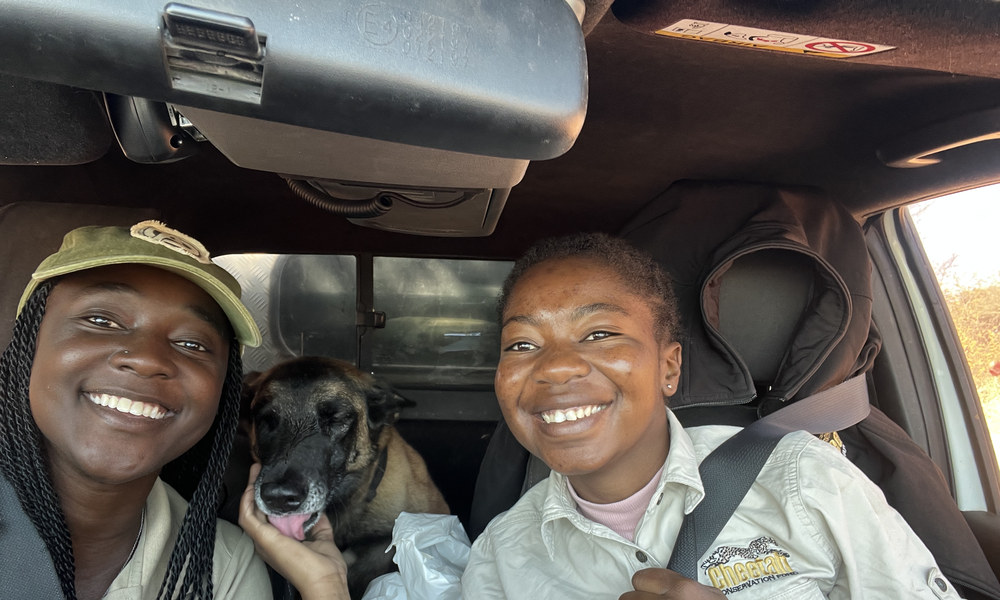
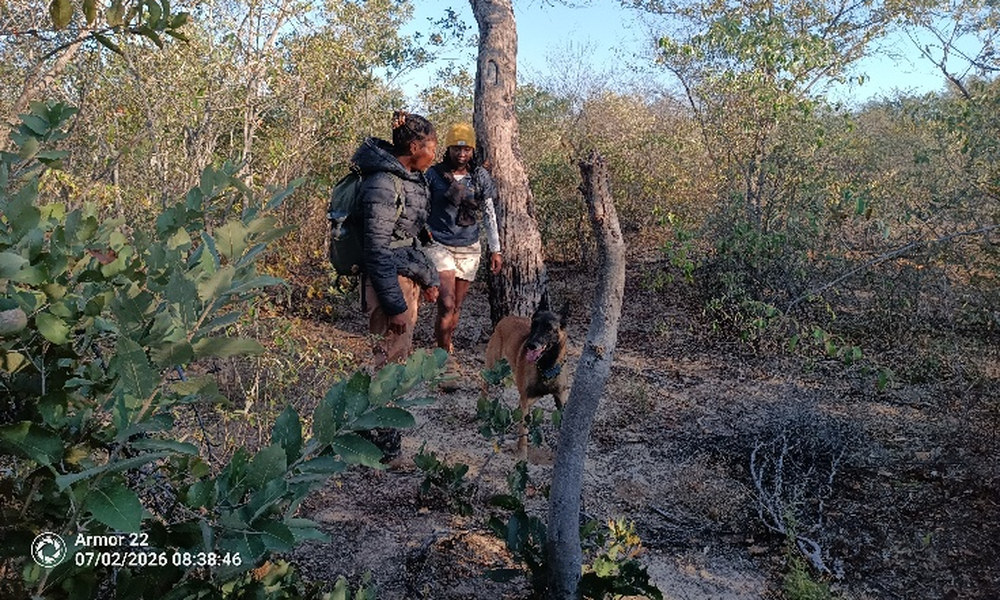
Our aim was to collect cheetah scat and search for cheetah marking sites across the conservancies. Although we did not find any suspected cheetah scat we did collect some other carnivore scat and found potential marking sites for future surveys. The landscape was beautiful, and every morning brought a new adventure. Walking through the bush with our detection dog Enya and the rest of the team, consisting of CCF ecologist Stella Emvula and a local Game Guard, listening to the crunch of leaves as we step on them, made every search memorable. After a long day in the field we sit at camp listening to the sounds of lions roaring somewhere in the distance. These were moments of pure excitement, but also moments of slight fear.
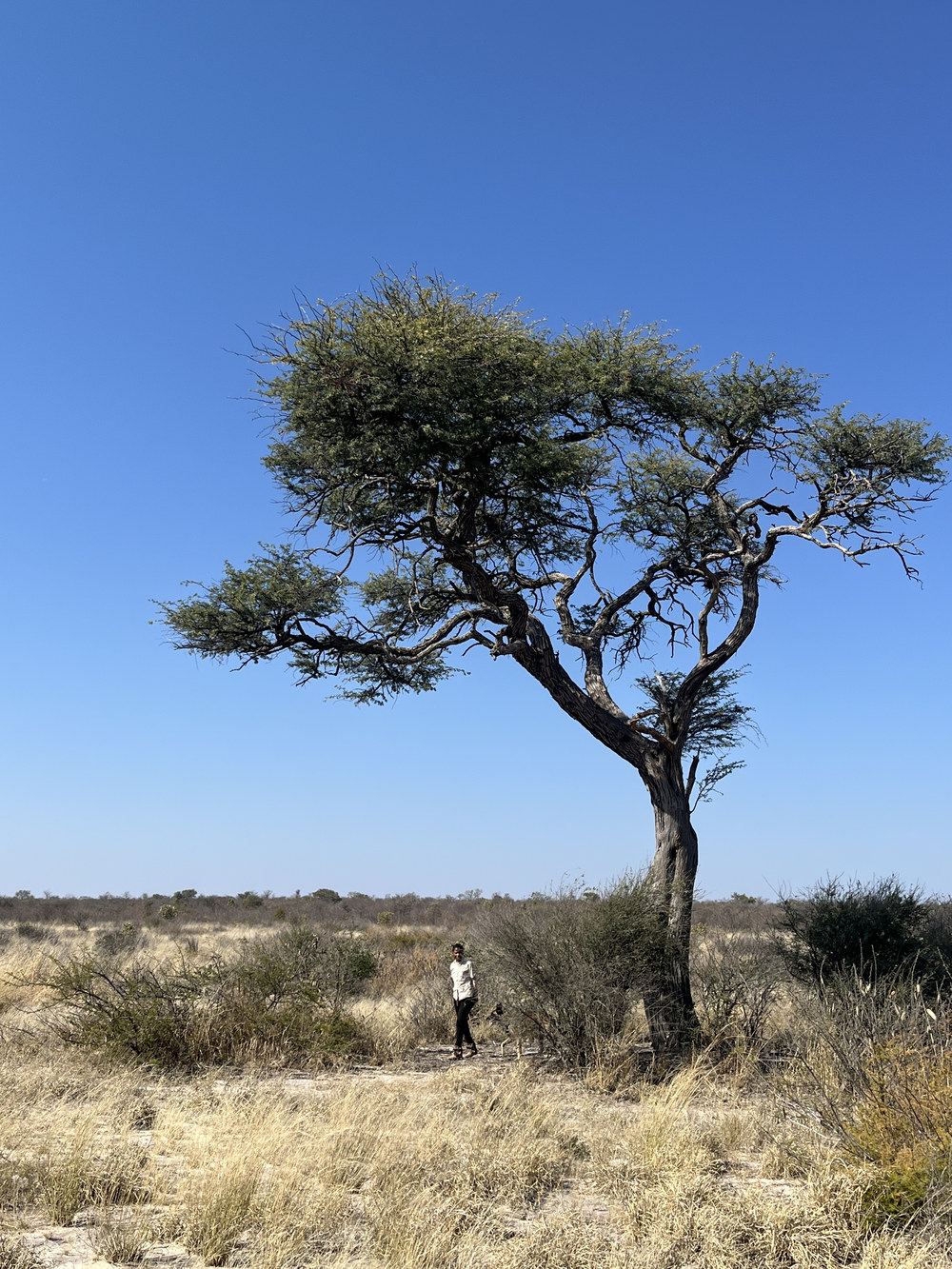
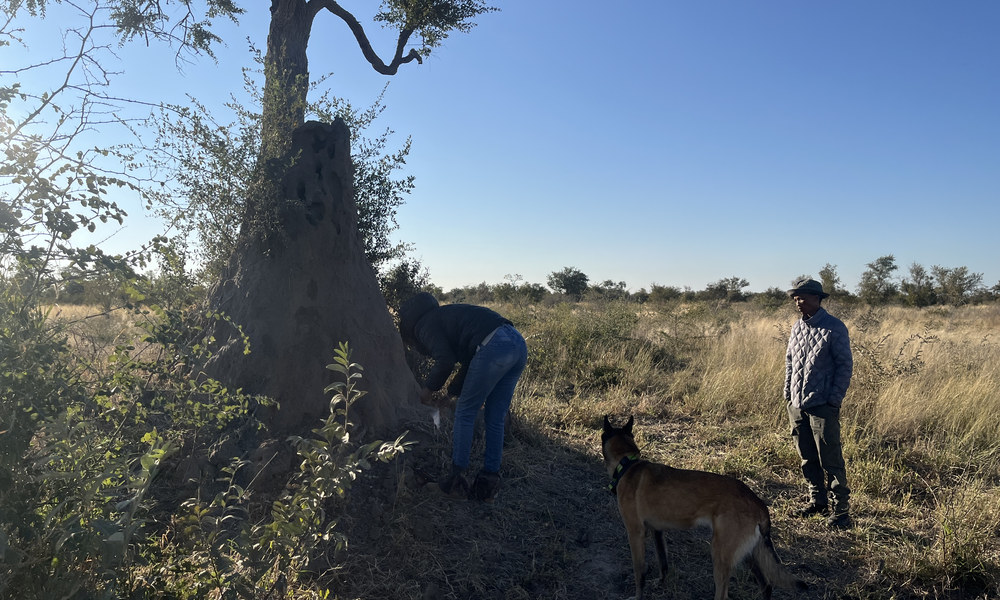
One of the most memorable parts of the trip was an encounter with elephants. Enya was working ahead of us when the game guard spotted a group of elephants and quickly alerted us. We had trained our dog to remain calm around wildlife, and Enya did exactly what she was supposed to do, she stopped and waited for instructions. We both slowly retreated and allowed the elephants, including a few young calves, to continue on their way. These encounters are reminders of the importance of working closely with experienced local game guards and always putting safety first when operating in areas where large wildlife is present.
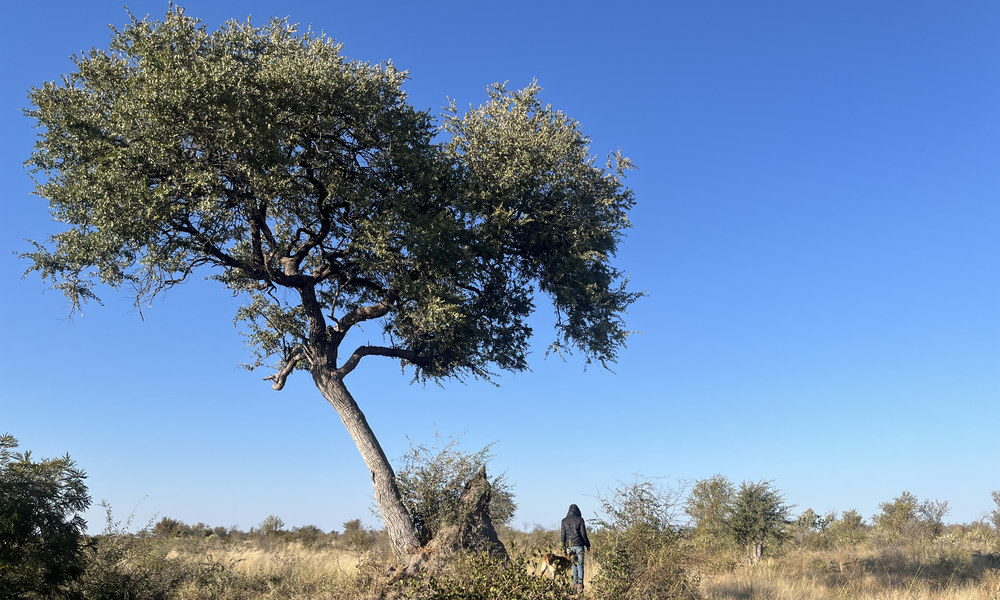
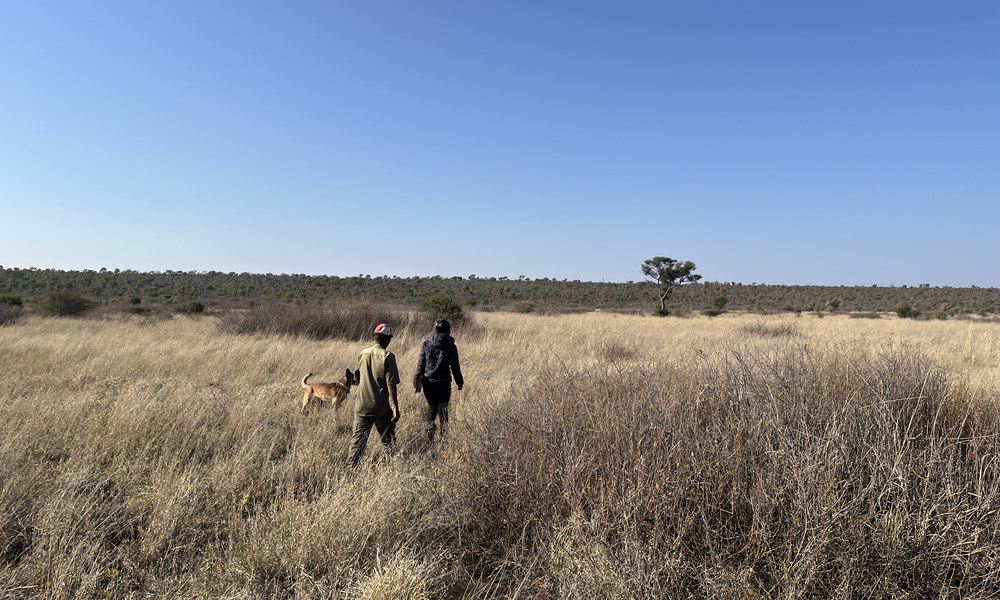
The biggest lessons I took away from the trip was the importance of confidence. Fieldwork rarely goes exactly as planned, and unexpected challenges are part of the job. Learning to adapt and staying calm is just as important as any technical skill. Working independently also gave me a new appreciation for the preparation that goes into every successful field trip. I was never truly alone; Stella helped me work on my decision-making, and Tim constantly made sure we were safe from miles away. Good communication, careful planning, and teamwork made it possible to safely navigate unfamiliar terrain and enjoy the experience while still getting the job done.
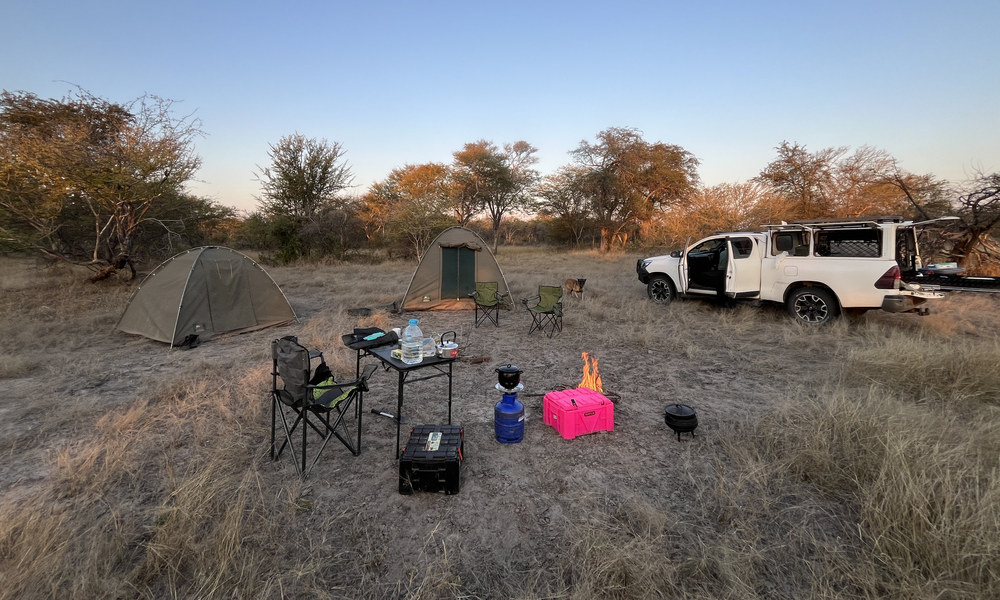
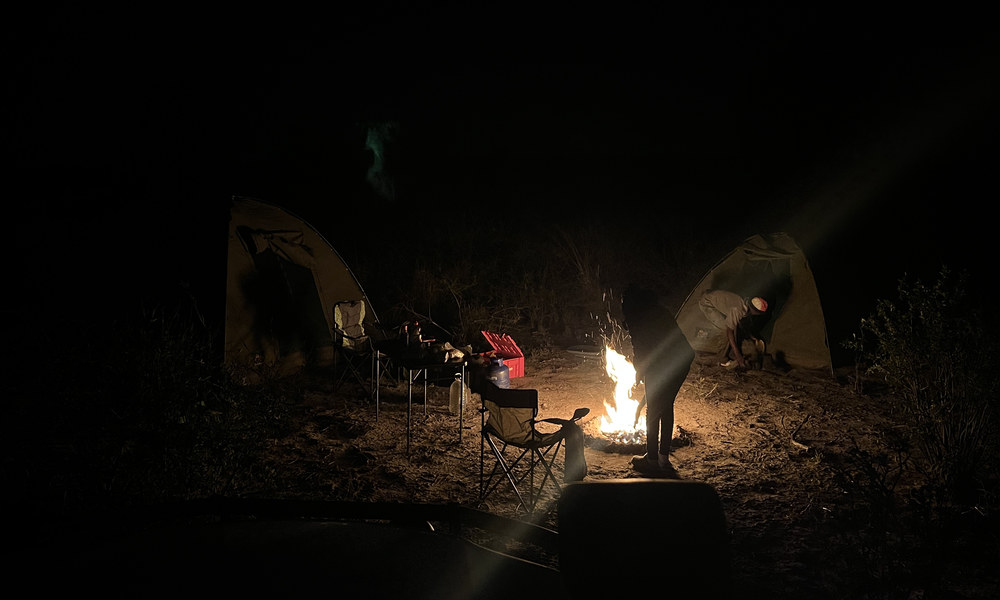
Everyone in the conservancies was welcoming, supportive, and willing to share their knowledge of the area. Even after we had completed our surveys, they continued updating us about cheetah sightings and recent human-wildlife conflict incidents. Their commitment to conserving wildlife and keeping us informed showed just how important collaboration is in conservation. Looking back, this trip was about much more than fieldwork. It was about building confidence in my ability to work independently, embracing new challenges, and appreciating the privilege of working in some of Namibia’s most remarkable wild places. We now look forward to our next adventure in the field and to discovering what the genetic results reveal about the samples collected during this survey.
Gerelateerd lezen
-
October 13, 2026
De val en opkomst van de cheetah