Expanding My Animal Health Experience in Namibia
-
- by Taylor Travis September 30, 2026
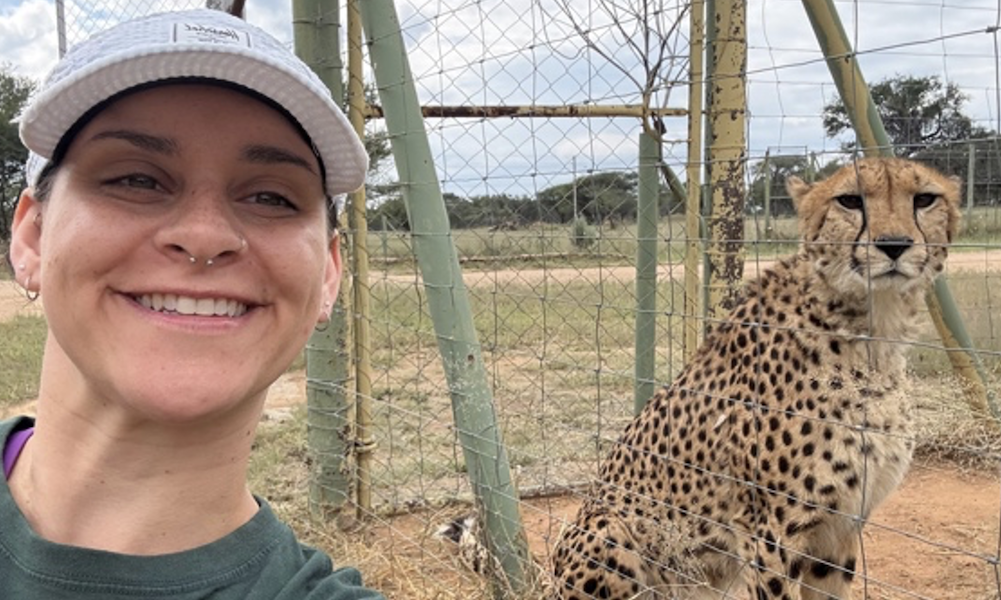
My name is Taylor Travis, and I am an Animal Health Technician student in my graduating year at Vanier College in Montreal, Quebec, Canada. Throughout the past three years of my program, I have had the opportunity to work with a wide variety of species beyond domesticated cats and dogs. Our semesters exposed us to exotic animals such as birds and reptiles, laboratory animals including mice and rats, and large animals like cows, horses, and goats. However, completing my internship at the Cheetah Conservation Fund (CCF) in Namibia expanded my knowledge and perspective in ways I never could have imagined. It allowed me to deepen my understanding of both exotic and large animal medicine while immersing myself in an entirely new environment, culture, and way of life.
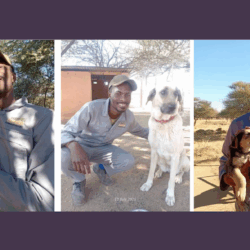
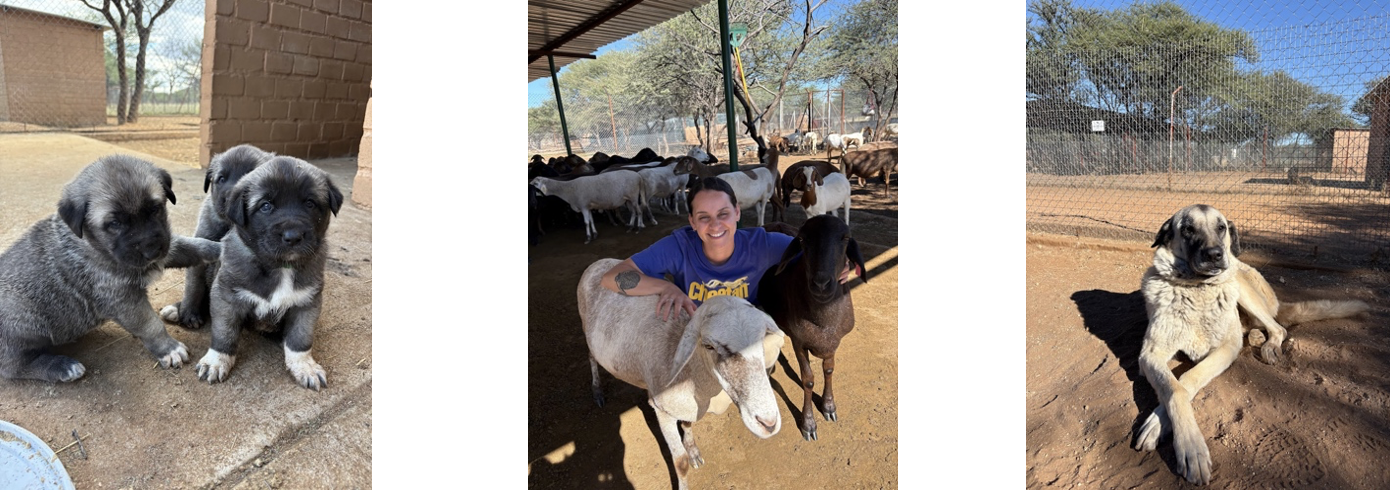
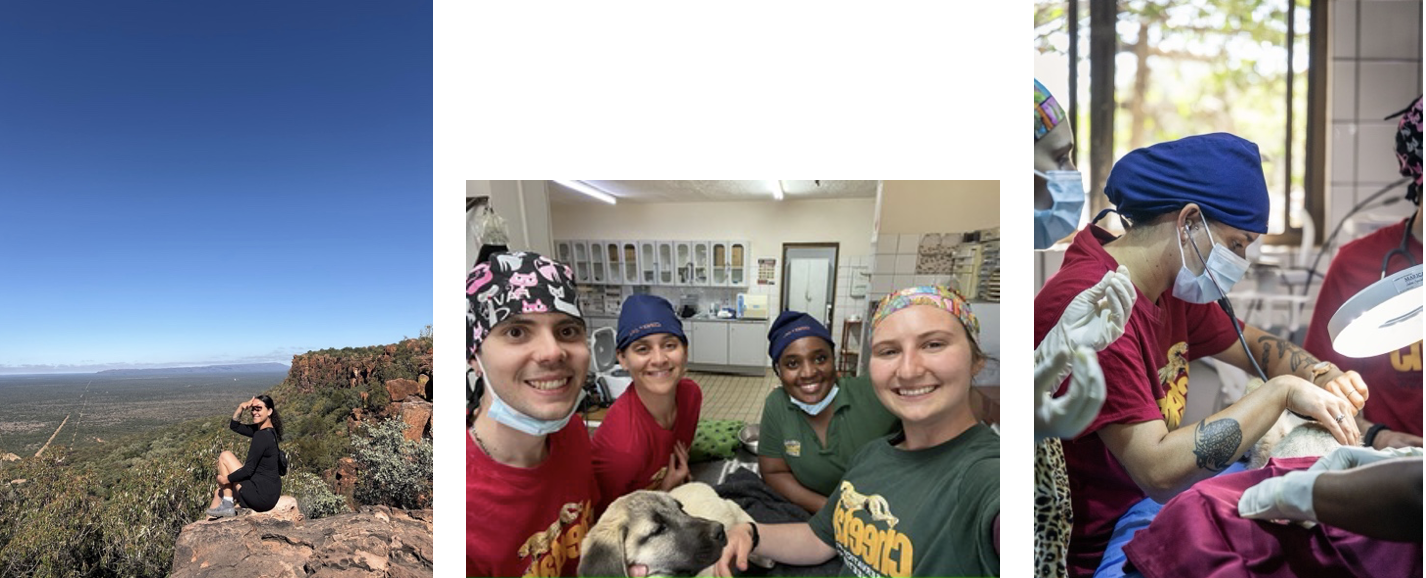
When I first arrived at CCF, my main goal was to become more comfortable with the diagnostics and treatment of cheetahs. What I did not expect was to gain that same confidence and appreciation not only for the cheetahs, but also for the livestock guarding Anatolian dogs, goats, and sheep. I had the incredible opportunity to participate in physical workups and health assessments for all of these animals. These experiences gave me an immense amount of hands-on learning and a far deeper understanding of their anatomy and behaviour.
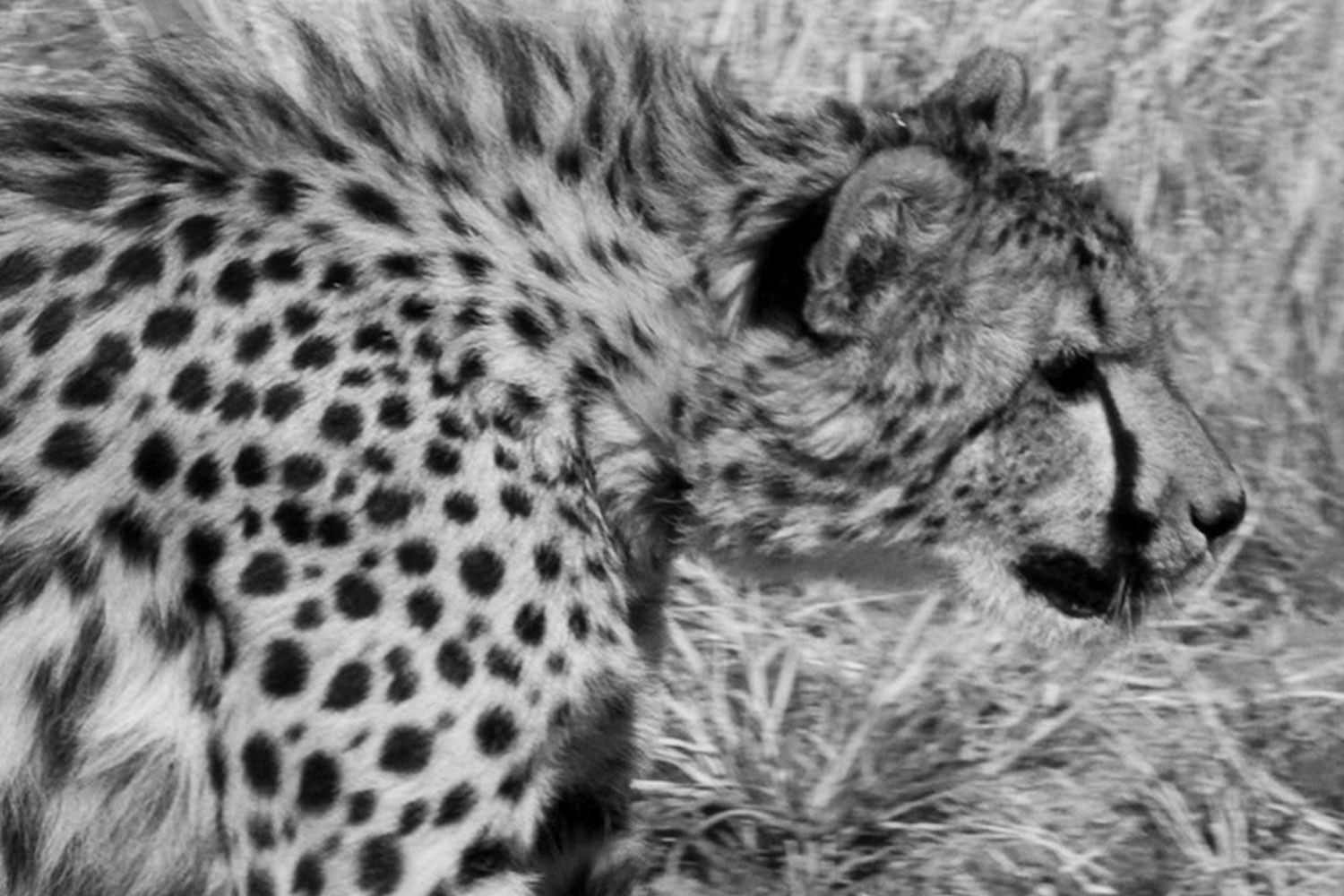
Learning the anatomy of a cheetah in theory is one thing — especially when comparing it to domestic cats and dogs — but being able to palpate, observe, and witness those differences firsthand was truly indescribable. There is something incredibly powerful about physically working with an animal you have only ever studied in textbooks or seen from afar. Every examination reminded me why I chose this field in the first place.
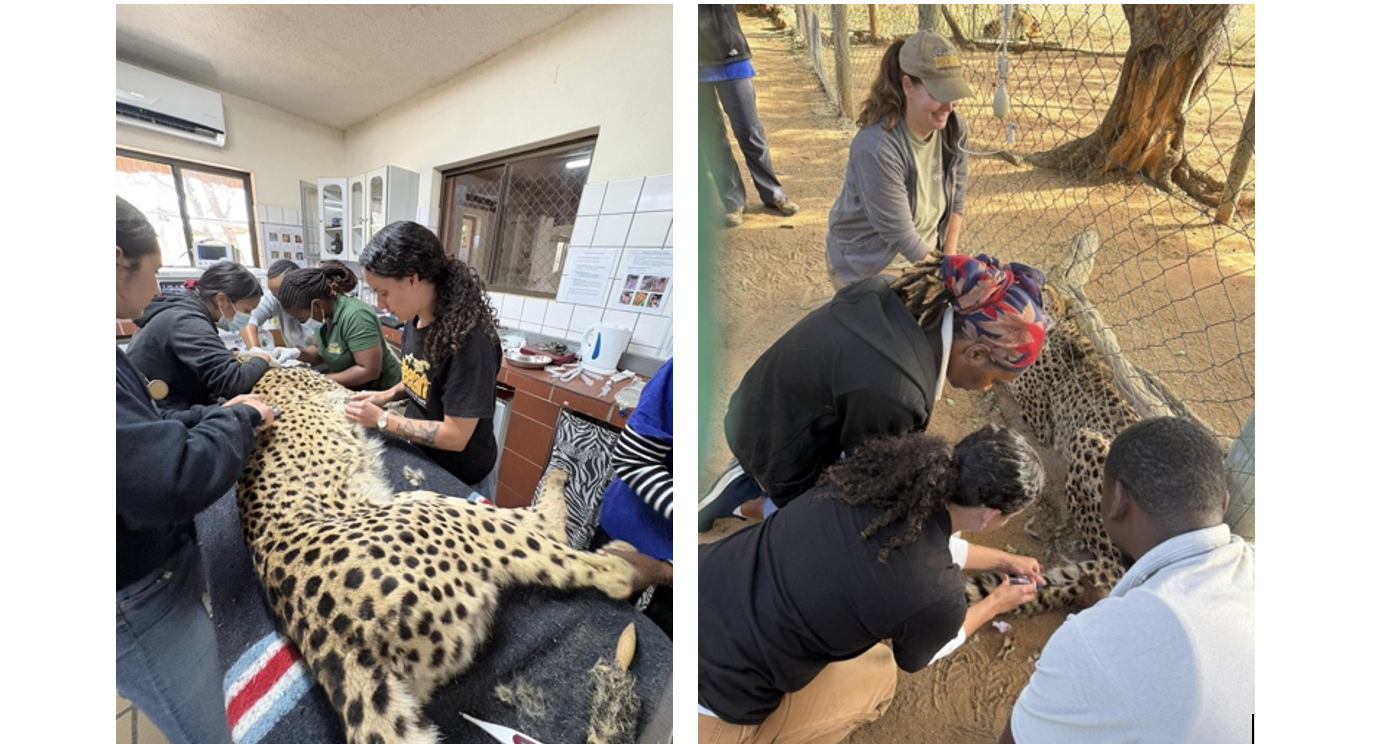
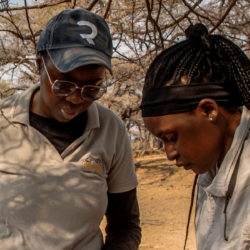
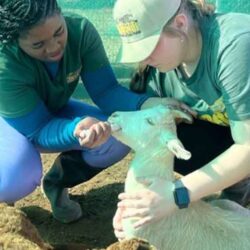
Beyond the cheetahs, we performed twice-daily health checks on the goats and sheep, and through those routines I developed a much greater understanding of goat behaviour, anatomy, and husbandry. We were entrusted with wound care, administering antibiotics and pain medications, removing thorns from wounds, all alongside vet tech Pandu, as well assisting Dr. Anne in determining treatment plans. The veterinary team at CCF continuously encouraged us to learn, ask questions, and develop our technical skills. I am deeply grateful for the trust they placed in us as students. They created an environment where learning felt exciting and meaningful, especially while working with species we had never encountered before. Every new experience challenged me to think critically, adapt quickly, and broaden my understanding of veterinary medicine across species.
The Namibian culture itself also left a profound impact on me. Having the opportunity to work alongside local Namibian staff members across a variety of departments at CCF was both eye-opening and inspiring. I was fortunate enough to spend time working in tourism and hospitality, the creamery, the garden, the dog program, and ecology. Coming from Canada, I understood tourism in a general sense, but in Namibia I truly witnessed how essential it is — not only economically, but also for conservation efforts. While working in the café and gift shop, I learned that staff members are the face of CCF during those shifts, and that tourism plays a critical role in keeping the organization running. Seeing the pride, professionalism, and passion that every employee brought to their work was incredibly inspiring.
Working in the creamery and garden was equally impactful. Watching the process of milking goats to produce dairy products and seeing fruits and vegetables grown on-site showed me the importance of sustainability in a very real and tangible way. It made me reflect on how disconnected many of us are from the origins of our food back home. These experiences gave me a new appreciation for self-sufficiency and conservation, and they are skills and values I hope to carry with me for the rest of my life. One day, I would love to grow my own food and perhaps even produce my own dairy products because of what I learned here.
This was my first-time visiting Africa, and it exceeded every expectation I had. Namibia is breathtakingly beautiful in a way that is difficult to fully put into words. Every day at CCF felt surreal — from walking past the cheetah enclosures on my way to work, to seeing the stunning Waterberg Mountain towering in the distance. That view quickly became one of my favourite parts of daily life at CCF, alongside seeing my favourite cheetah Kweli of course.
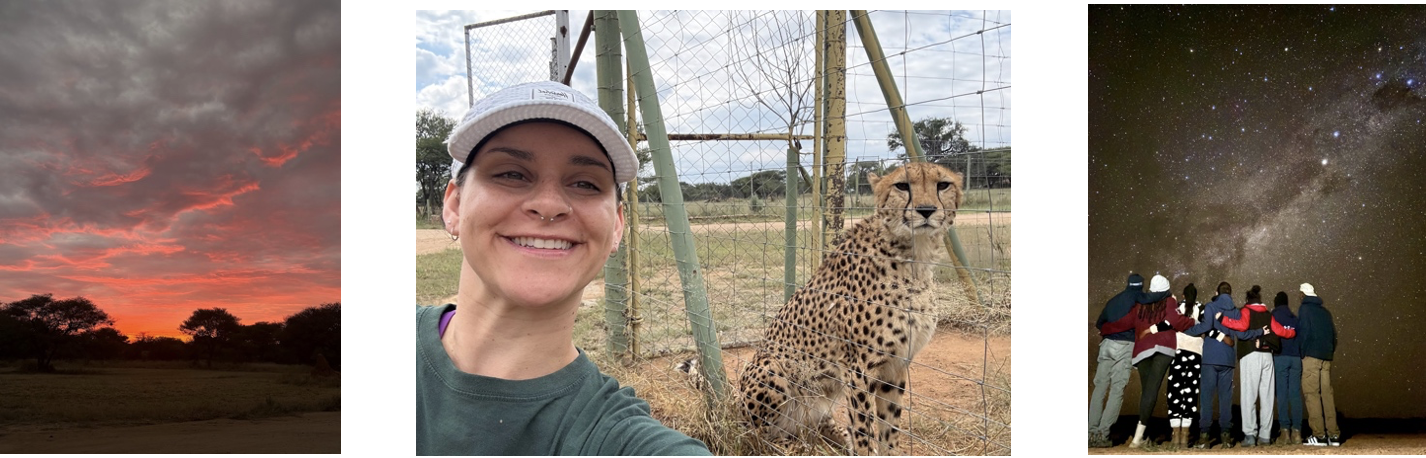
One of the most memorable experiences during my first week was participating in the game counts. For three consecutive days, we drove across different sections of CCF land recording data on the species we encountered. These drives allowed me to see parts of the reserve nearly untouched by buildings or human activity, and the landscapes were absolutely stunning. During one drive on the open-air safari truck, the weather suddenly shifted into torrential downpour. Normally, I dislike being caught in the rain, but that moment became unforgettable — the laughter shared with our ecology leader, Utaa, the excitement of spotting four giraffes in the distance, and the beauty of the landscape despite the storm made it feel almost magical. Namibia’s beauty, rain or shine, never went unnoticed.
To my surprise, some of the greatest highlights of my internship came from working alongside the ecology team. As an Animal Health Technician student, I have always been fascinated by animal behaviour and habitat, but I never expected to enjoy ecology work as much as I did. I had the opportunity to assist with camera trap servicing, the scat detection dog program, and game counts — tasks I never imagined I would experience in my lifetime. Every shift with the ecology team left me excited to learn more. I gained knowledge on identifying species, differentiating males from females, estimating ages, recognizing animal tracks, and even distinguishing different species of grass. The amount I learned felt endless.
CCF sparked a new passion in me for ecology and conservation science. Leaving Namibia, I now carry a strong ambition to continue learning more about ecology in the future. If I ever decide to return to school later in life, pursuing a master’s degree in ecology is something I would seriously consider — and that inspiration comes directly from my time at CCF.
More than anything, I am leaving CCF with a far deeper appreciation for conservation in every form: wildlife conservation, land conservation, water conservation, and sustainable food production. This experience has changed the way I think about the relationship between humans, animals, and the environment. I feel as though I am leaving this project not only with new knowledge and technical skills, but also with a better mindset and stronger sense of responsibility toward conservation efforts. I hope to carry these lessons home with me to Canada, where it can sometimes be easy to forget just how important conservation truly is.
"Cheetah Tracks" Newsletter Sign-Up
Stay updated on the activities of Cheetah Conservation Fund in Canada, Namibia and Somaliland. We send semi-annual newsletters and info about special events and initiatives. We will not share your email address with any other organization.
Related Reading
-
July 22, 2025
From UNAM Graduate to Livestock Intern in the Field.