Conservation Is Not Just a Tourism Story — It’s a Career Story
-

- by Cheetah Conservation Fund Canada June 12, 2026
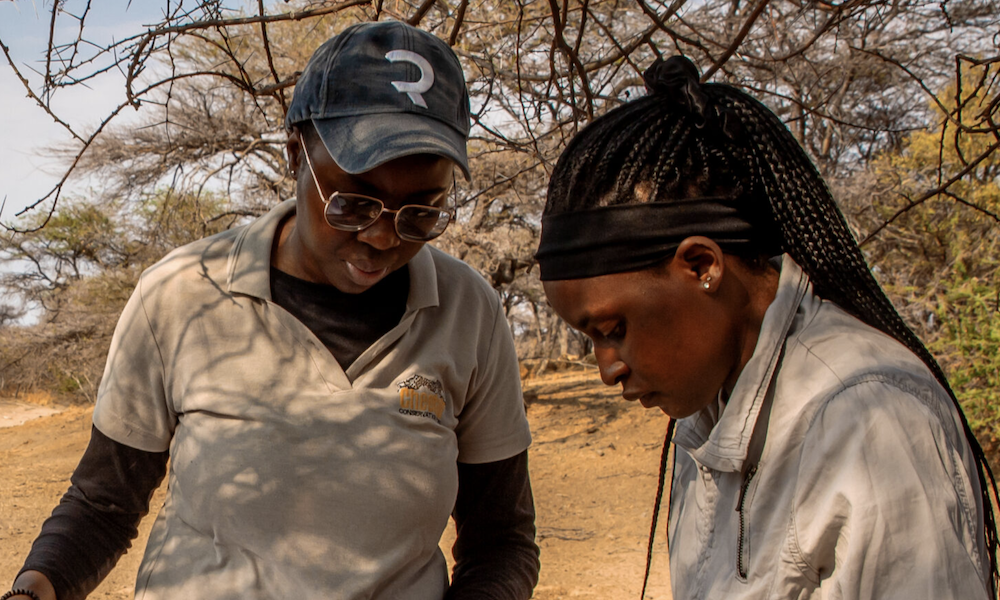
We talk a lot about how wildlife conservation and eco-tourism bring revenue to local communities. And rightly so — wildlife tourism generates $343.6 billion annually and sustains 21.8 million jobs globally. But we don’t talk enough about how conservation is building entire career pipelines for the next generation.
Beyond the lodge and the game drive, there is a growing ecosystem of scientific and technical roles — wildlife biologists, conservation scientists, environmental researchers, park ecologists, and more. Namibia’s community conservation model is globally recognized. Community conservation covers over 163,000 km² — roughly 20% of Namibia’s land area — with 86 registered conservancies and 32 community forests supporting over 212,000 residents. But alongside this, the country has been quietly building the academic infrastructure to match.
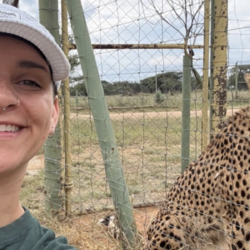
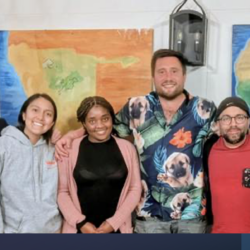
The University of Namibia (UNAM) now enrols approximately 26,302 students across 12 campuses, with a Faculty of Agriculture, Engineering & Natural Sciences offering programmes in conservation biology, ecology, fisheries, and environmental management – 63% are women. NUST — the Namibia University of Science and Technology — has grown to over 22,000 students, with research spanning environmental science, ecology, and biology – 49% women. CCF is committed to empowering Namibians in the conservation and protection of their wildlife. Toward this goal, for many years CCF has fostered Namibian college students’ interest in wildlife conservation. CCF offers in-service training programmes for students from NUST, Vocational Training Centres (VTC) and the UNAM. These students conduct research projects with the goal of producing a research paper at the conclusion of their internships. Several former interns have gone on to work at conservation organizations or for the Ministry of Environment, Forestry and Tourism (MEFT).
Once not imaginable, young Namibians can pursue a career at home, in the field they are literally surrounded by. Youth unemployment in Namibia stands at 46% — and concentrate in rural areas where wildlife live. Science and conservation education doesn’t just protect wildlife. It creates meaningful futures for the youth in Africa.
CCF employs researcher who tracked the data, the ecologist who designed the management plan, and the young graduate who chose this field because a university near home made it possible. This is one example of many organization across Africa.
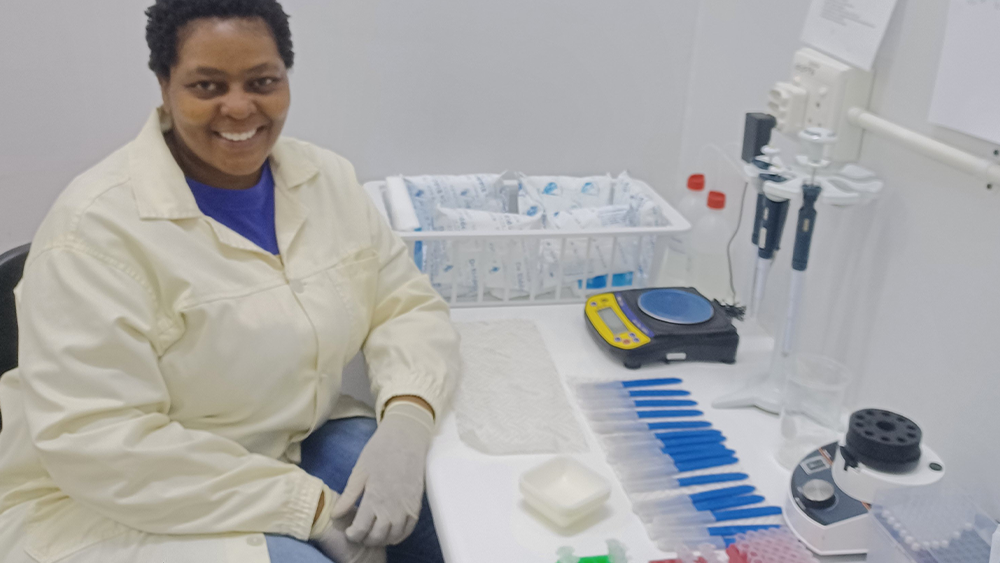
Recently, Theoline Mmila Mabelane, third-year student at the University of Namibia, completed her internship at the Cheetah Conservation Fund (CCF). She says:
“My internship at CCF has been more than just a learning experience; it has marked the beginning of a new chapter in my life. For me, the genetics laboratory is the perfect place to start my career in science, combining precision, analysis, and meaningful research. Working with the genetics team as well as the veterinary, ecology, and other departments, has greatly contributed to my growth as a future scientist. They have also strengthened my motivation to continue pursuing my studies and, hopefully, one day work toward a medical degree. “
Read blog here.
"Cheetah Tracks" Newsletter Sign-Up
Stay updated on the activities of Cheetah Conservation Fund in Canada, Namibia and Somaliland. We send semi-annual newsletters and info about special events and initiatives. We will not share your email address with any other organization.
Related Reading
-
September 30, 2026
Expanding My Animal Health Experience in Namibia -
May 10, 2026
How I spent Earth Day 2026