Life at CCF: What the Behind Scenes of Wildlife Conservation Looks Like
-
- by Jessica Lemay, Animal Health Technology program, Vanier College October 22, 2026
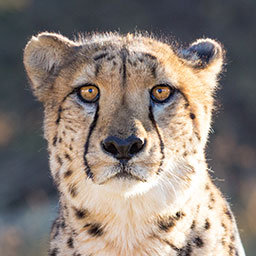
My name is Jessica, and I am currently completing my final year in the Animal Health Technology program at Vanier College in Montreal, Canada. As part of my program, I got the opportunity to go to Namibia for a five-week internship at the Cheetah Conservation Fund (CCF).
I came into this experience with one main goal: to understand what really happens behind the scenes of wildlife conservation. I quickly came to realize that conservation is much more complex and hands-on than I had imagined.
First 24 Hours at CCF
Within hours of arriving at CCF, my classmate Julia and I were already involved in our first case.
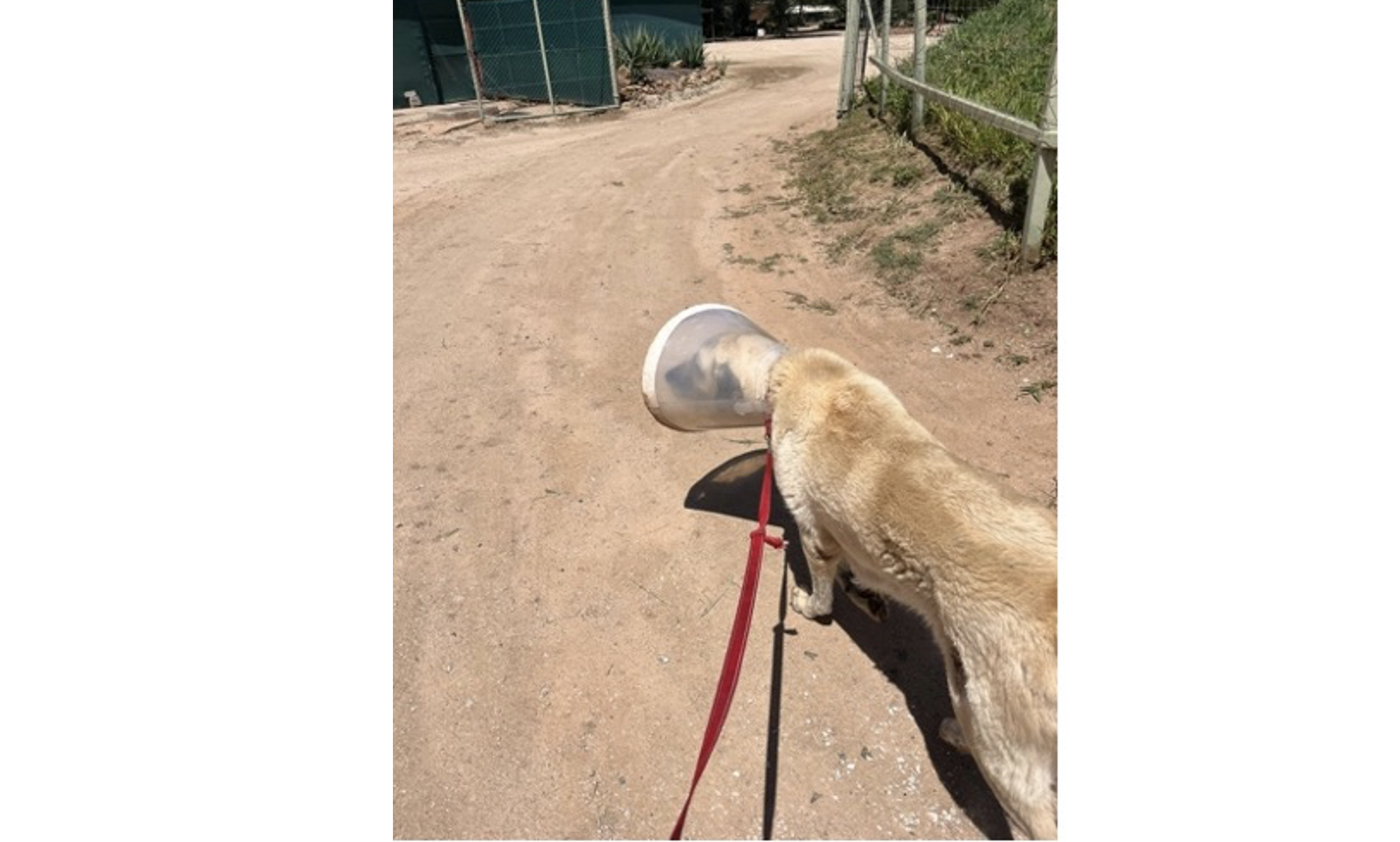
A livestock guardian dog named Koda was in labour, and there was a concern that she might need a C-section. We hadn’t even settled into our dorm before I was assisting with holding fluids, observing the veterinarian perform an ultrasound, and helping monitor both the mother and her puppies. We were able to witness the birth of Koda’s puppies.
The following day, I assisted in a necropsy, which was challenging but a valuable learning experience. It gave me a better understanding of how veterinary teams investigate and learn from cases. It also reminded me that conservation work includes both successes and difficult moments.
My Role and Daily Tasks at CCF
Although I did not have a single defined project, my role at CCF was to learn through active participation across multiple areas of the organization.
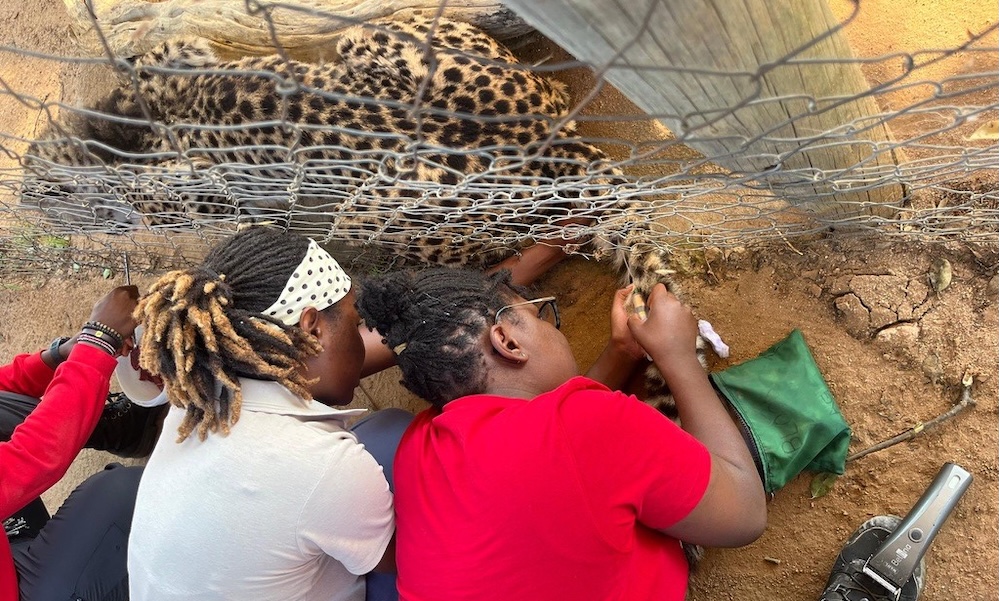
Most of my time was spent working with the veterinary team, where I assisted with daily tasks such as goat health checks, fecal analyses, wound care, and other diagnostic procedures. I also had the opportunity to help with more advanced cases, including blood draws on cheetahs, anesthetic monitoring, and assisting in surgeries.
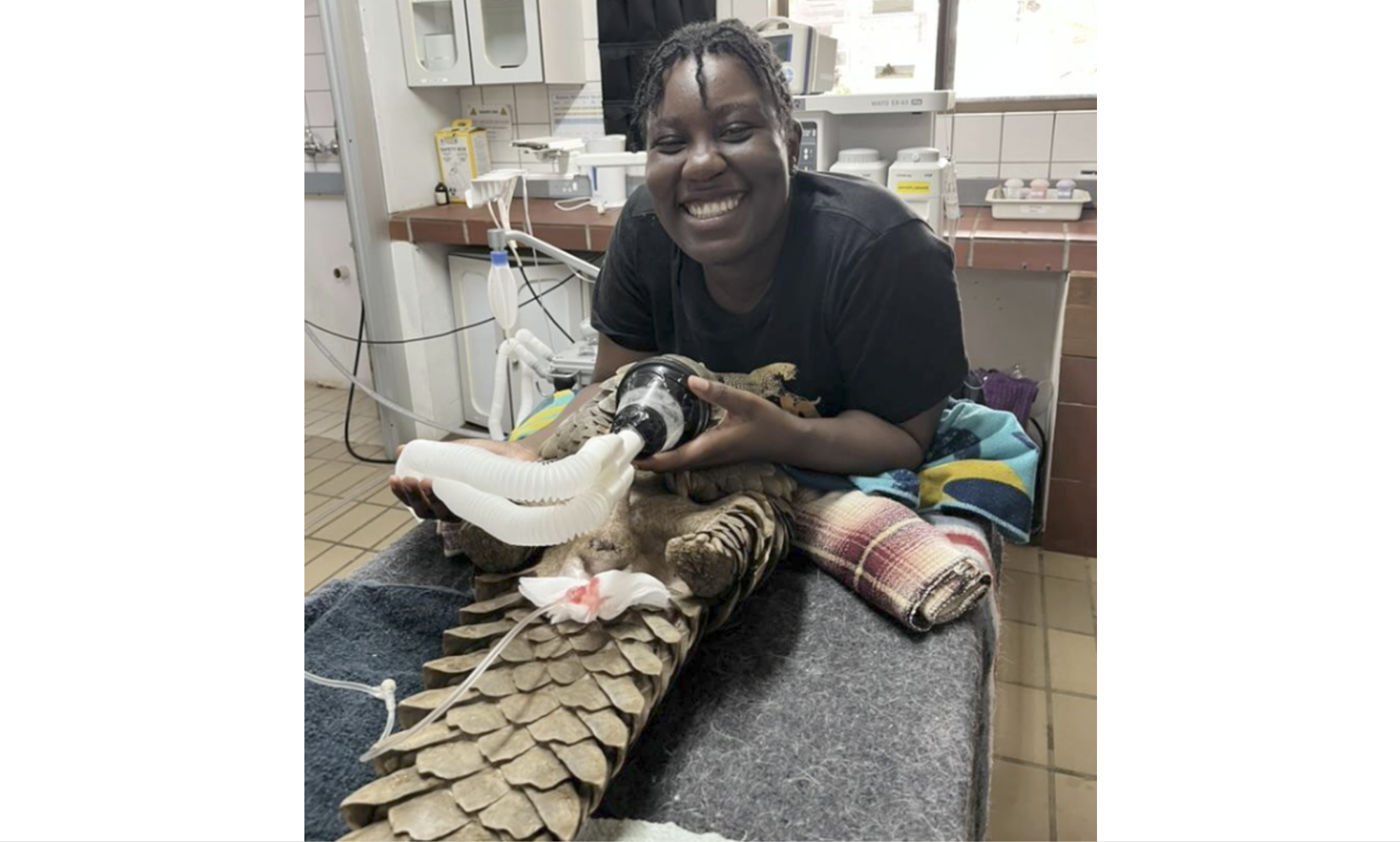
One of the most unique experiences I’ve had here was working with an injured pangolin, under the care of the Pangolin Conservation & Research Foundation (PCRF), that required daily care after having been electrocuted. I assisted in its treatments, which included sedation, fluid therapy, ultrasound exams, blood draws, and fecal analyses. This gave me experience with exotic animal medicine that I wouldn’t normally see in a regular veterinary clinic in Canada.
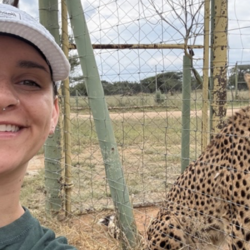
Beyond the clinic, I also spent time with other teams at CCF. I had the opportunity to work with the cheetah team, helping with feeding, husbandry, participating and observing their daily routines. I had the chance to join the ecology team to learn about camera traps and wildlife monitoring. I also had the chance to learn about the scat detection dog program, where trained dogs are used to locate cheetah scat for research purposes.
All these different experiences showed me that conversation is all connected. Every department plays a role in protecting cheetahs.
Highlights of My Internship
There were many moments throughout my internship that stood out to me.
Some were clinical experiences, like successfully performing a blood draw on a cheetah, being part of a cheetah workup and witnessing a castration, assisting the veterinarians in canine C-section. Others were more personal, like seeing wildlife during the night drives or spending time with other volunteers after a long day’s work.
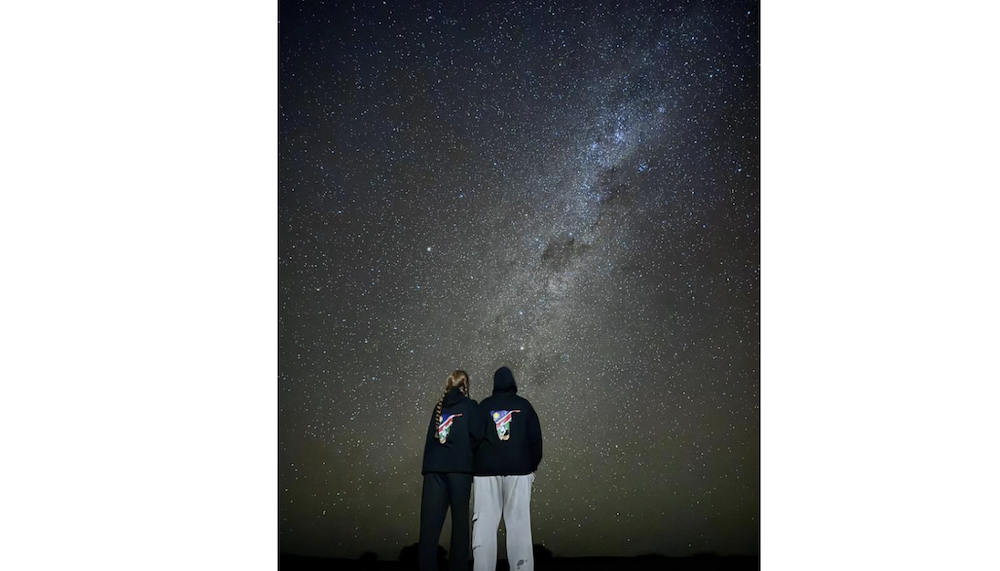
One of the most memorable parts of my stay was being able to experience wildlife in its natural environment. Seeing animals like giraffes, hyenas, and even a leopard during a night drive, making the experience even more real and rewarding.
At the same time, there were also moments that were challenging. I came to realize that situations could change quickly, and I had to learn how to adapt and stay calm in unfamiliar environments. However, these experiences showed me that conservation work is not always smooth sailing, it most definitely requires patience, adaptability, and emotional resilience.
Things I’ve Learned During my Time at CCF
I’m glad to say that this internship allowed me to apply many concepts I learned in school, including animal handling, diagnostic tests, and clinical care. However, this experience has also pushed me to develop new skills and go beyond the classroom.
I learned how to work in a field setting with limited resources, which meant we needed to rely more on observation of clinical signs and symptoms, hands-on skills, and being able to collaborate with a team in a fast-paced environment. I got a better understanding of how veterinary medicine fits into conservation.
Most importantly, I learned that conservation is not just about wildlife, it involves the community, ecosystems, and sustainable practices all working together. How each department plays a role in keeping CCF’s vision alive: “to see a world in which cheetahs live and flourish in coexistence with people within a sustainable system that is protective of the environment, socially responsible, and economically viable.”
Final Thoughts
I truly believe that my time at CCF was an experience that challenged both professionally and personally. It allowed me to step outside my comfort zone and gain a deeper understanding of wildlife conservation.
For anyone considering an internship like this, it is an opportunity not only to learn new skills, but also to see firsthand the impact of conservation work.
You don’t just observe it, you become part of it.
"Cheetah Tracks" Newsletter Sign-Up
Stay updated on the activities of Cheetah Conservation Fund in Canada, Namibia and Somaliland. We send semi-annual newsletters and info about special events and initiatives. We will not share your email address with any other organization.
Related Reading
-
September 30, 2026
Expanding My Animal Health Experience in Namibia -
July 22, 2025
From UNAM Graduate to Livestock Intern in the Field.