The Cheetah: A Catalyst for Landscape Recovery
-
- by Cheetah Conservation Fund Canada August 14, 2026
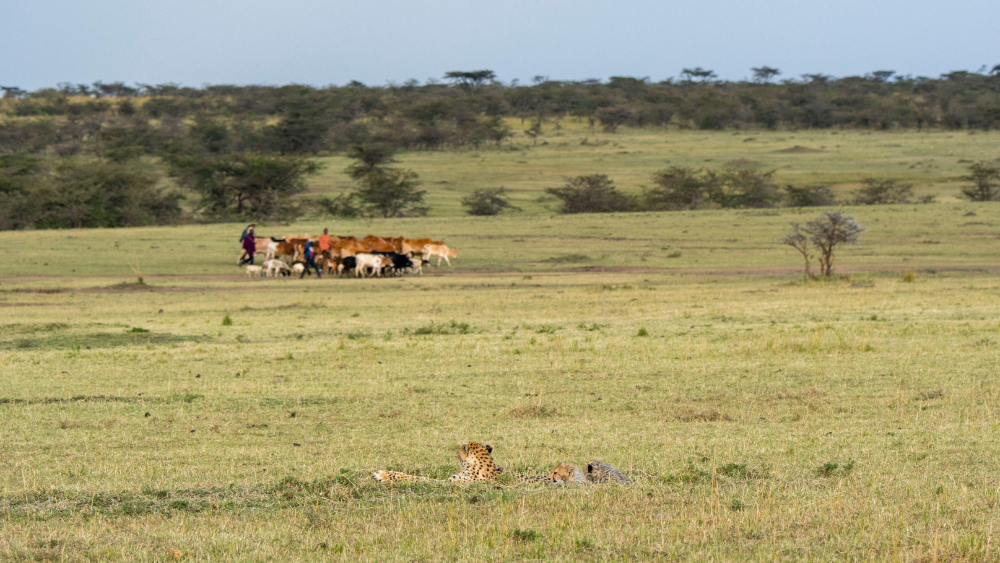
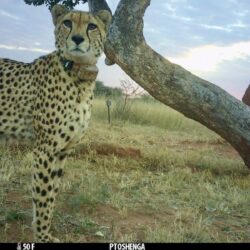
Cheetahs require vast home ranges, occur at naturally low densities, depend on a healthy and abundant prey base, and struggle to compete with larger predators in crowded protected areas. As a result, they often live on the same working landscapes that people depend on.
Where cheetahs cannot persist, rangelands are often degraded, prey populations depleted, and the people managing those landscapes are not benefiting from them either. The cheetah’s survival requirements therefore provide a natural audit of landscape health—and make the species a powerful catalyst for a broader, integrated conservation agenda.
Across Africa, approximately three-quarters of the cheetah’s remaining range lies outside formally protected areas (legally designated places such as national parks, nature reserves, and wildlife sanctuaries managed primarily for conservation). In Namibia—home to the world’s largest national cheetah population—around nine out of ten cheetahs live on commercial and communal farmland.
For decades, conservation investment has understandably focused on protected-area management and connectivity between parks. This work remains essential, but it can overlook the landscapes where cheetahs—and many other species—actually live, move, and interact with people.
For more than three decades, the Cheetah Conservation Fund (CCF) has developed and demonstrated a model in Namibia that begins with the cheetah’s ecological requirements but does not stop there. It treats rangeland health, agricultural livelihoods, and wildlife conservation as one interconnected system.
Where this model has been applied, rangeland productivity has improved, human–wildlife conflict has declined, farmer incomes have diversified, and cheetahs and their ecosystems have benefited. It is evidence that solving for one wide-ranging and ecologically demanding species can generate gains across an entire landscape.
Cheetahs currently occupy 15 range countries across Africa. Restoring degraded rangelands, strengthening coexistence measures, and creating new revenue opportunities for the communities that steward these landscapes are essential—not only for cheetah conservation, but also for the long-term well-being of people and wildlife.
Every six months, CCF meets with conservationists working across these cheetah ranges to share knowledge, coordinate approaches, and build a cohesive strategy for keeping cheetahs in the wild—while ensuring that local communities can continue to steward and benefit from healthy, functioning rangelands.
The future of the cheetah depends on the future of these landscapes. And the future of these landscapes depends on the people who live and work there.
Read more about why Big Cats have a Big Impact on the landscape.
"Cheetah Tracks" Newsletter Sign-Up
Stay updated on the activities of Cheetah Conservation Fund in Canada, Namibia and Somaliland. We send semi-annual newsletters and info about special events and initiatives. We will not share your email address with any other organization.
Related Reading
-
July 3, 2026
Visitors at Tupuka’s Play Tree! -
June 18, 2026
World Day to Combat Drought and Desertification