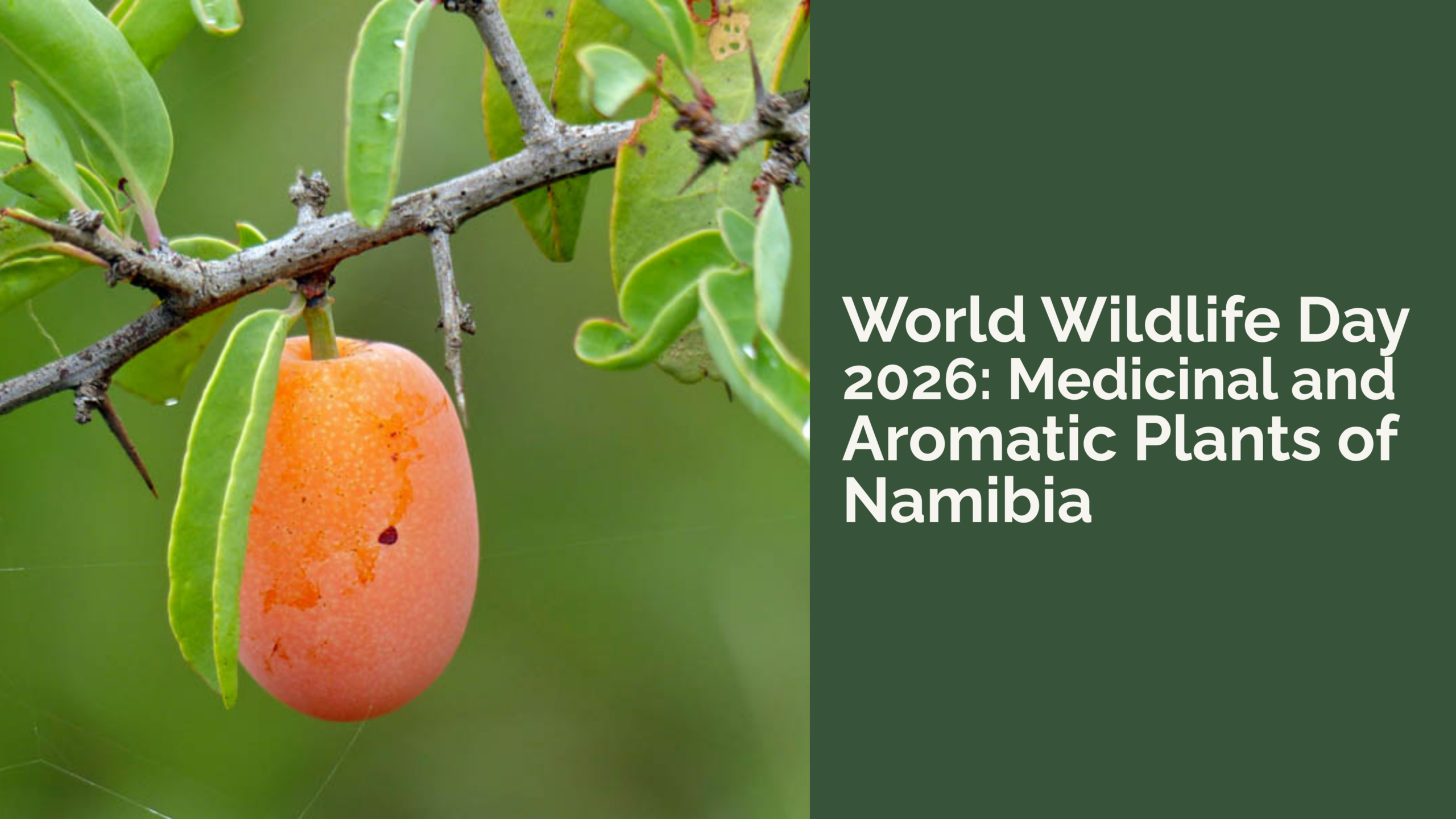
World Wildlife Day 2026: Medicinal and Aromatic Plants of Namibia
-

- by Zilá Motta 2 March 2026
Each year, World Wildlife Day shines a spotlight on the importance of protecting our planet’s biodiversity. In 2026, the focus turns to the critical role of aromatic and medicinal plants, species that support both human wellbeing and ecological balance. According to the World Health Organization (WHO), between 70–95% of people in developing countries rely on traditional medicine for primary healthcare. Many of these remedies are derived directly from plants. Beyond their value to people, however, plants are fundamental to the ecosystems that wildlife depend on to survive.
This World Wildlife Day, the Cheetah Conservation Fund (CCF) is highlighting some of Namibia’s most iconic medicinal and aromatic plants, and why protecting healthy ecosystems is essential for both people and wildlife.
Namibia’s Remarkable Plant Diversity
Namibia is home to 195 plant families and more than 4,300 species, subspecies, and varieties. Many of these plants have medicinal, nutritional, or cosmetic value. In recent years, there has been a growing effort to sustainably commercialise some of these species, creating income opportunities, particularly for women in rural communities, who are often the custodians of traditional plant knowledge.
Below are just a few examples of Namibia’s extraordinary plant heritage.
Iconic Medicinal and Aromatic Plants of Namibia
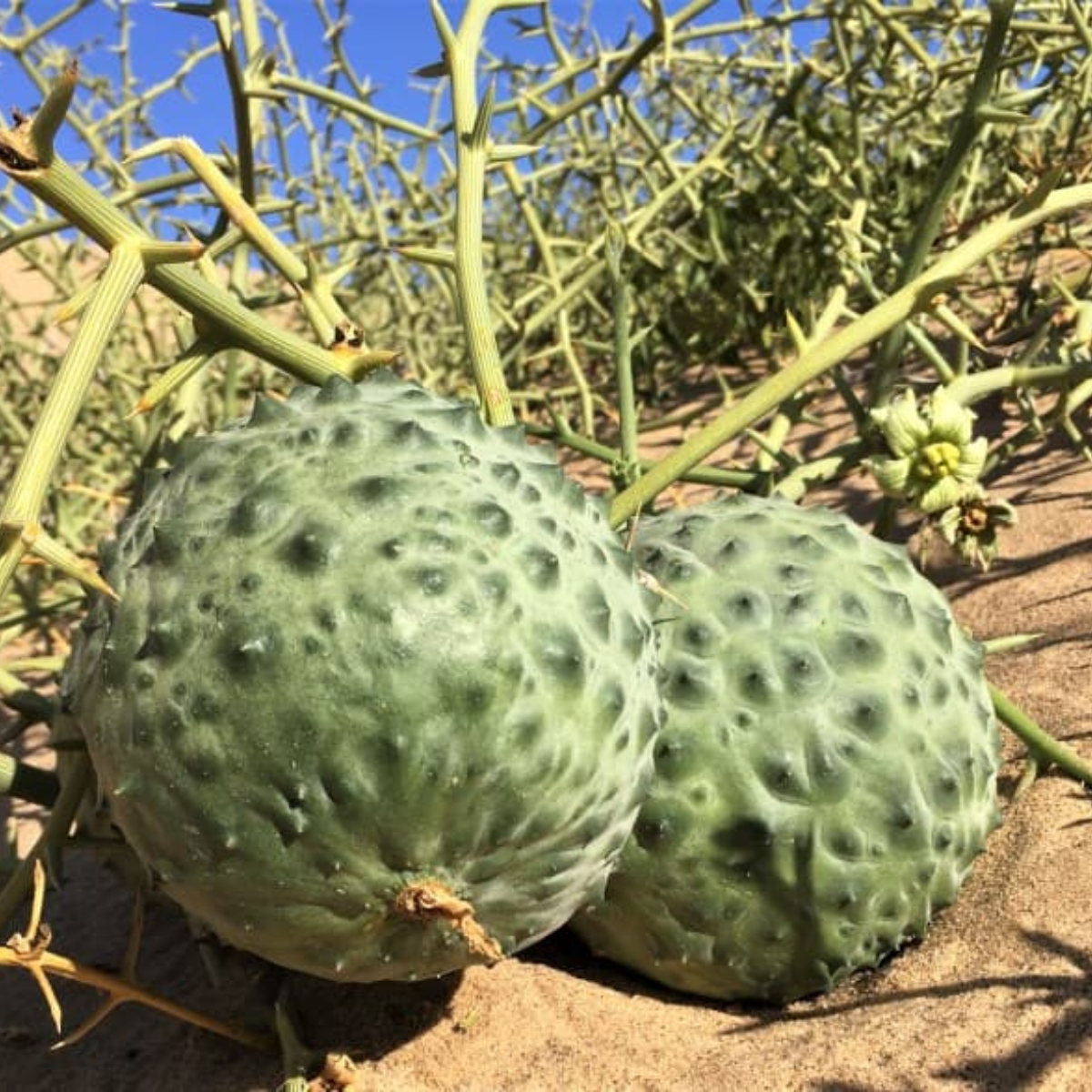
!Nara (Acanthosicyos horridus)
Endemic to the Namib Desert, the !Nara plant is a thorny bush that produces large, pale green melons covered in spines. Inside, the fruit contains sweet, aromatic pulp and highly nutritious seeds. The seeds are consumed locally and are also processed into cold-pressed virgin oil, widely used in natural cosmetic and food products. In the harsh desert environment, the !Nara plant plays an important ecological role while also supporting local livelihoods.
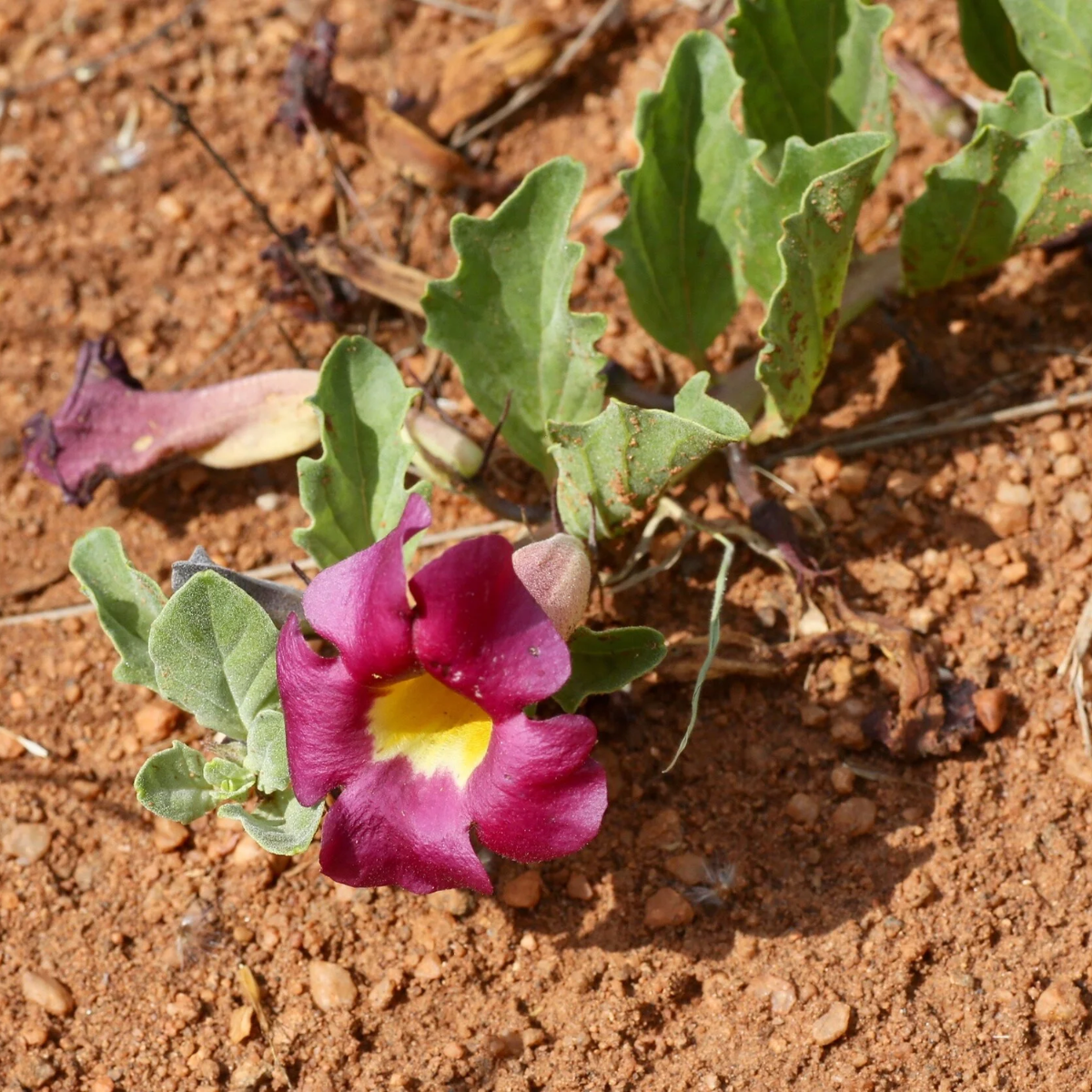
Devil’s Claw (Harpagophytum procumbens)
Devil’s Claw is Namibia’s most established commercial natural plant product. The plant’s storage tubers contain harpagoside, a compound known for its anti-inflammatory properties and commonly used to treat arthritis and rheumatic conditions. Namibia is the largest global supplier of Devil’s Claw to the international market. Sustainable harvesting practices are critical to ensuring that this valuable medicinal plant remains available for future generations.
Marula (Sclerocarya birrea)
The marula tree produces plum-sized fruit with a yellow skin when ripe. Traditionally, the fruit is used to produce juice and fermented beverages, while oil is extracted from the dried kernels. Today, cold-pressed marula oil is widely exported for use in personal care and cosmetic products. The commercialisation of marula has created important income streams for rural communities across southern Africa.
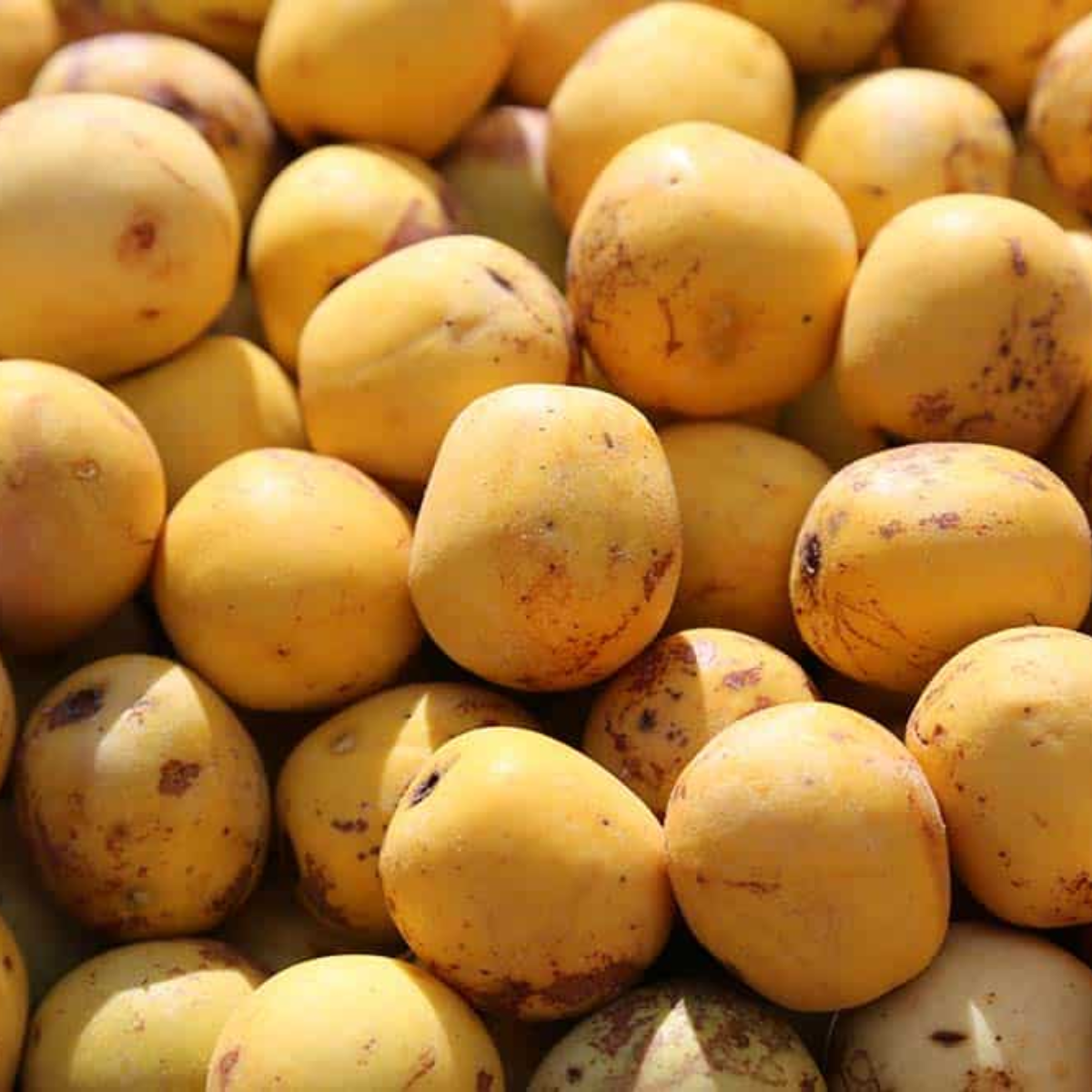
Sour Plum (Ximenia americana)
Ximenia seed oil has long been used as a traditional emollient and for hair care. It is also used to soften leather, and historically, the San people used it to maintain their bows. Today, ximenia oil is valued internationally for its anti-ageing and skin-moisturising properties. However, fruit production is sensitive to frost, bushfires, and environmental change, making ecosystem stability essential for sustainable harvesting.
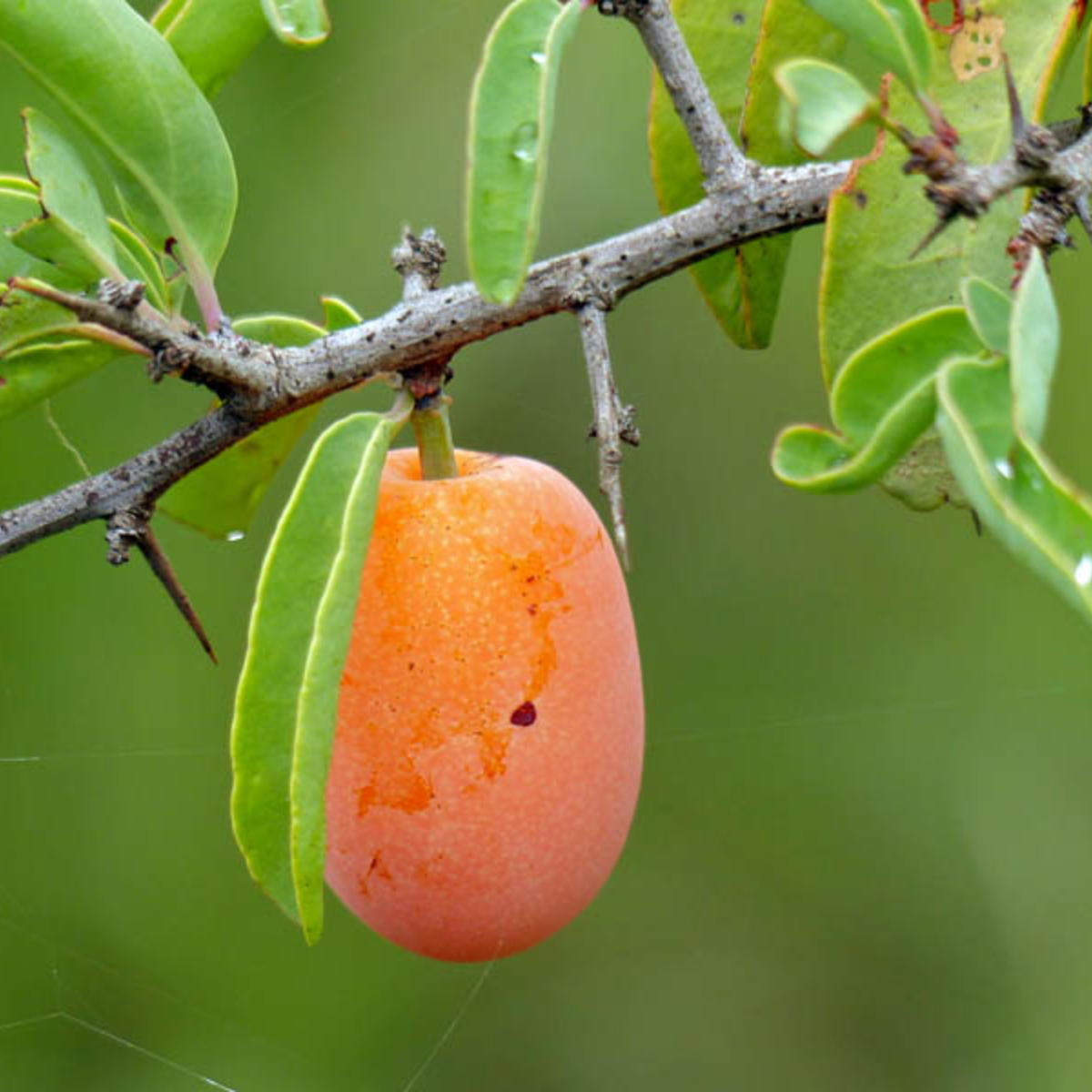
Omumbiri (Commiphora wildii)
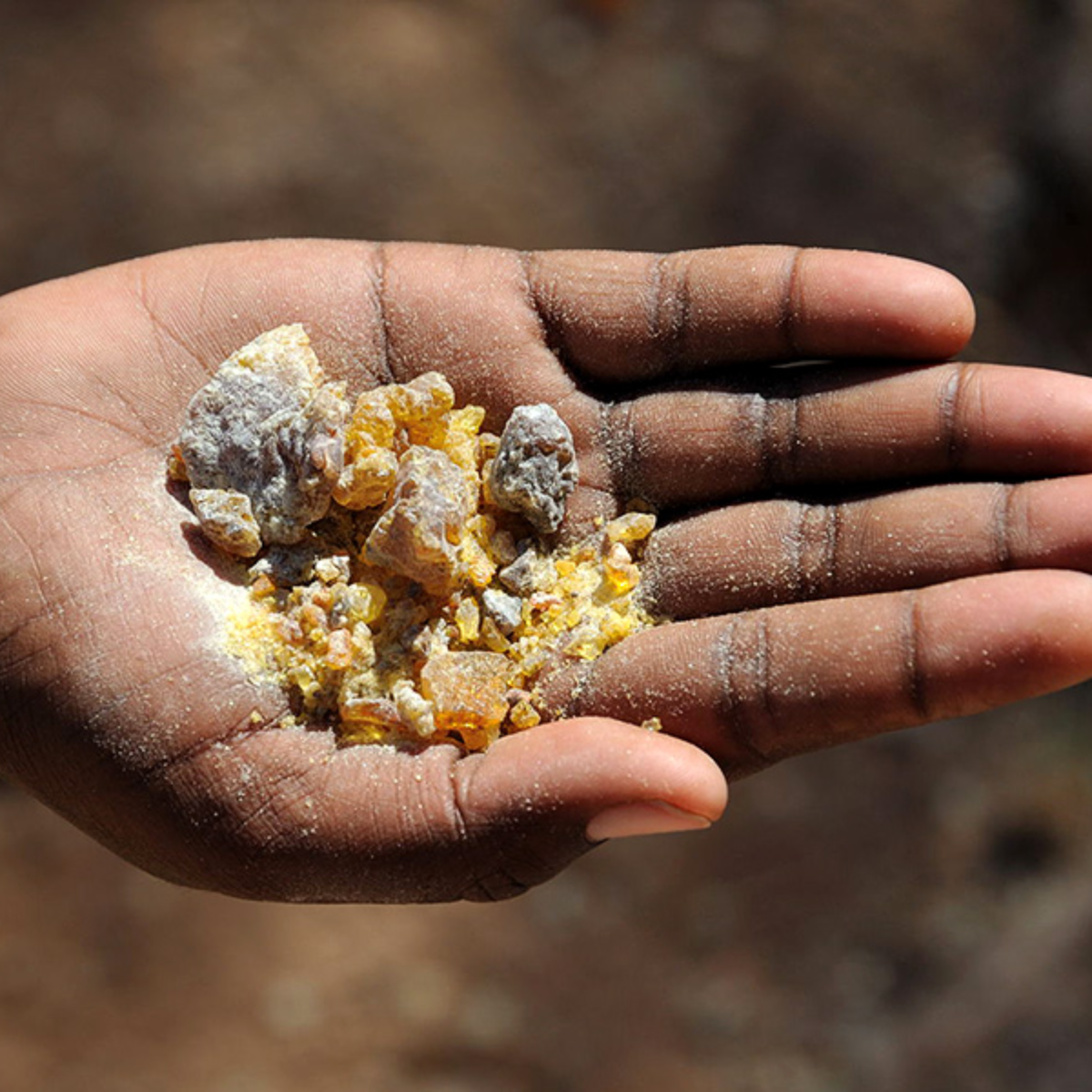
Omumbiri produces a fragrant resin traditionally used by Himba women as a perfume. Found primarily in the Kunene Region, the amber-coloured resin has been harvested for generations. Its essential oil is now also used in cosmetic products, blending cultural heritage with modern commercial use. The first commercial harvest of resin was sold on international markets in 2007.
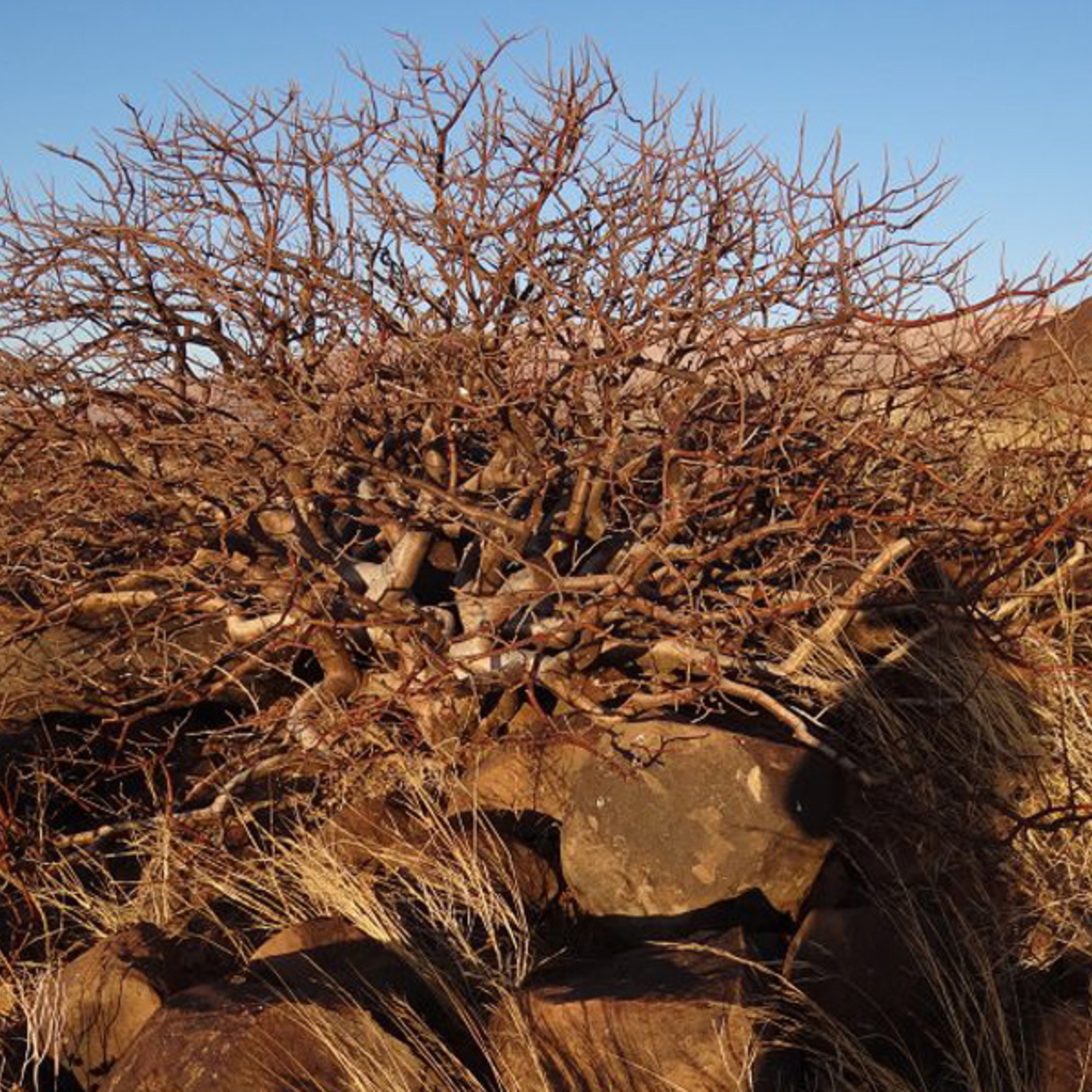
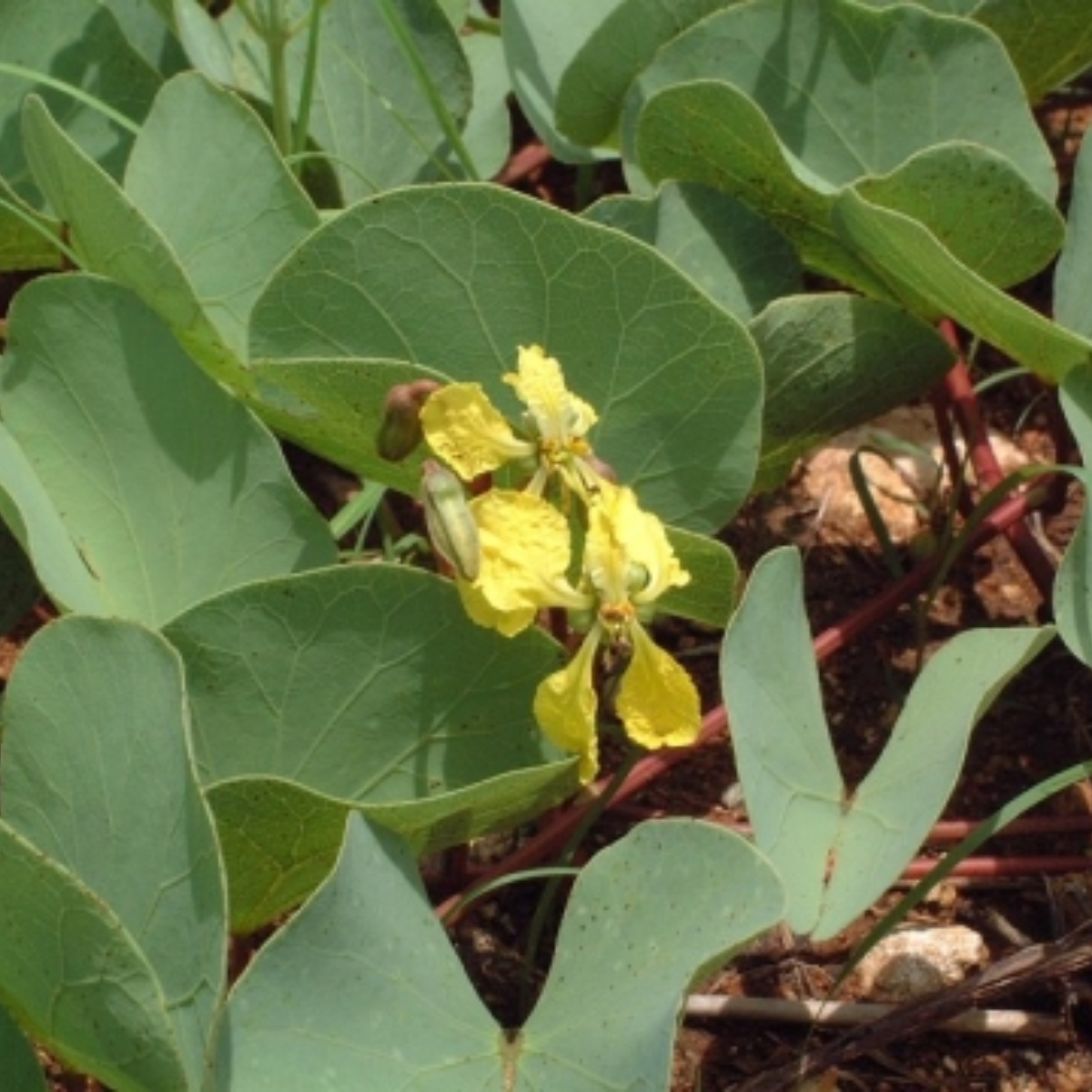
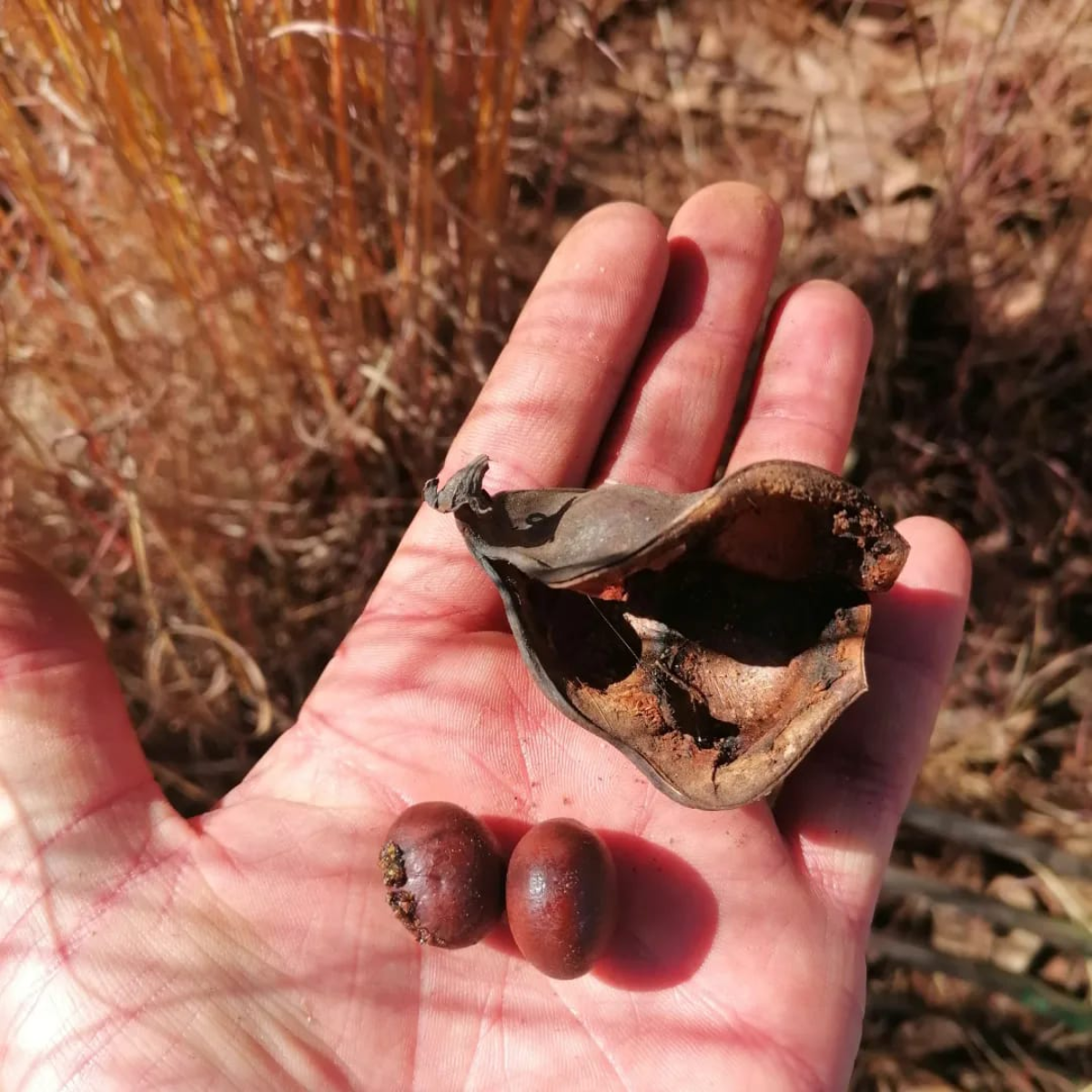
Morama Bean (Tylosema esculentum)
The morama bean is an excellent source of high-quality protein and holds significant potential for improving food security in Namibia and other arid countries. Products derived from morama include cooking oil, cosmetic oil, butter, high-protein flour, and canned beans. As climate resilience becomes increasingly important, indigenous crops like morama may play a key role in sustainable nutrition.
Makalani Nuts: Where Culture and Conservation Meet
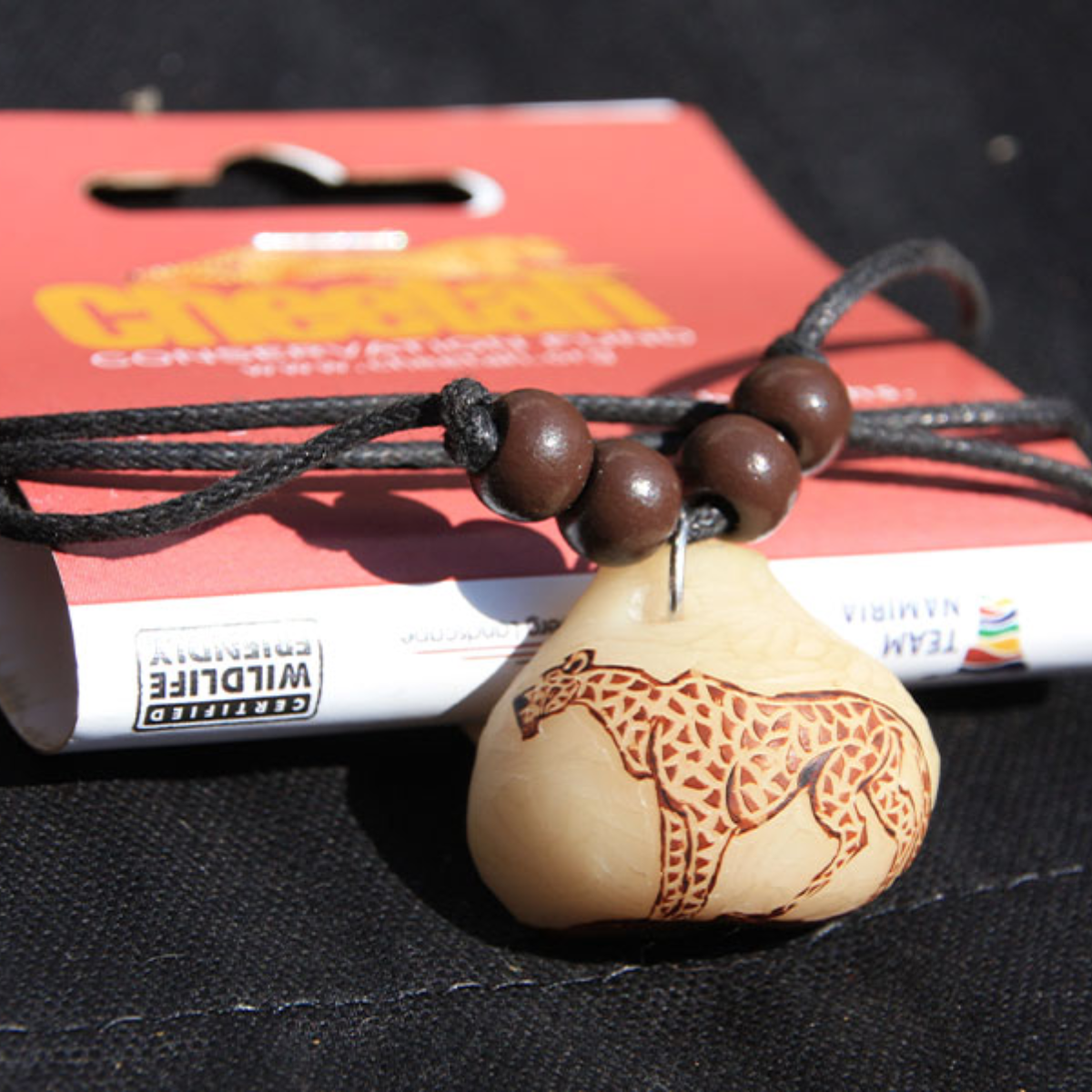
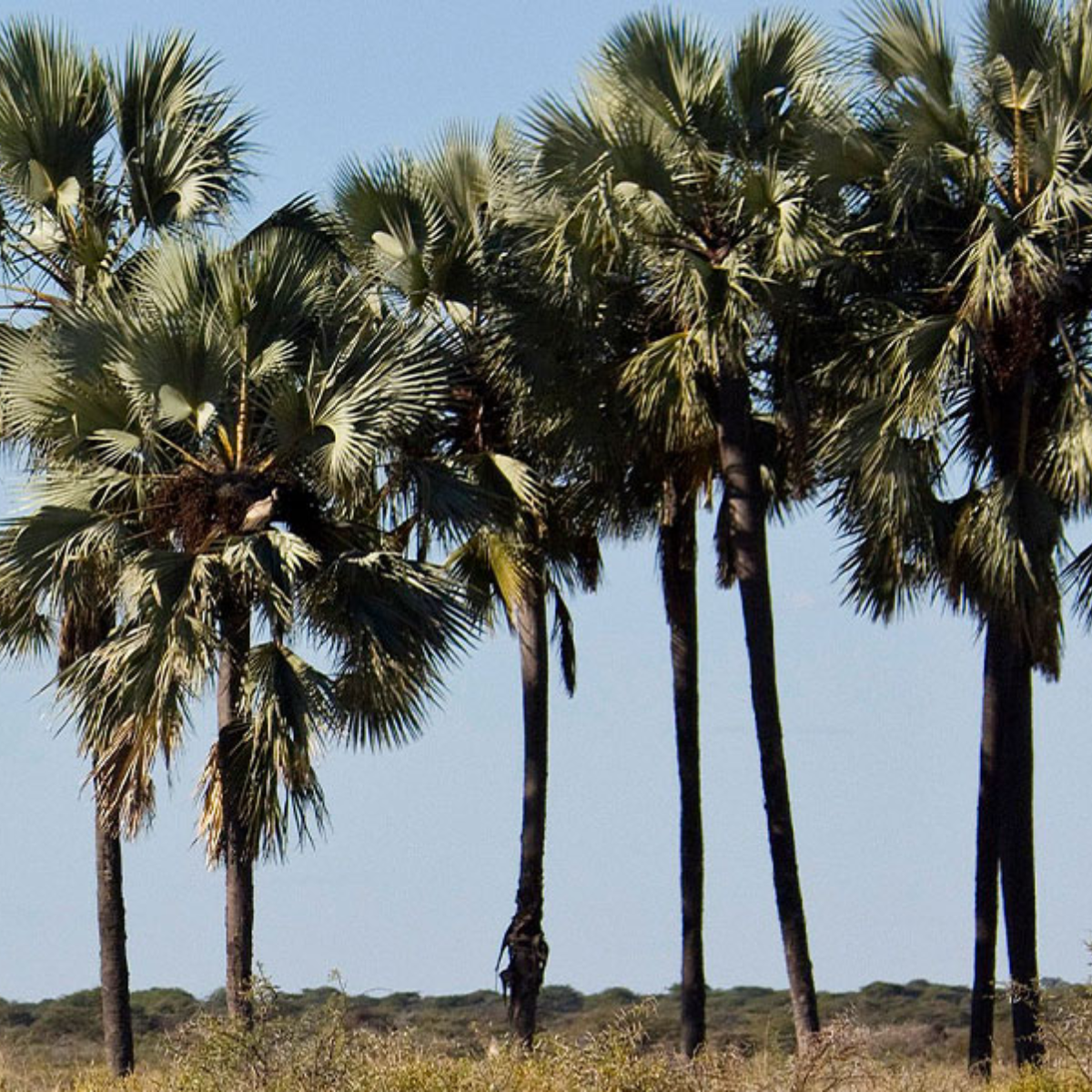
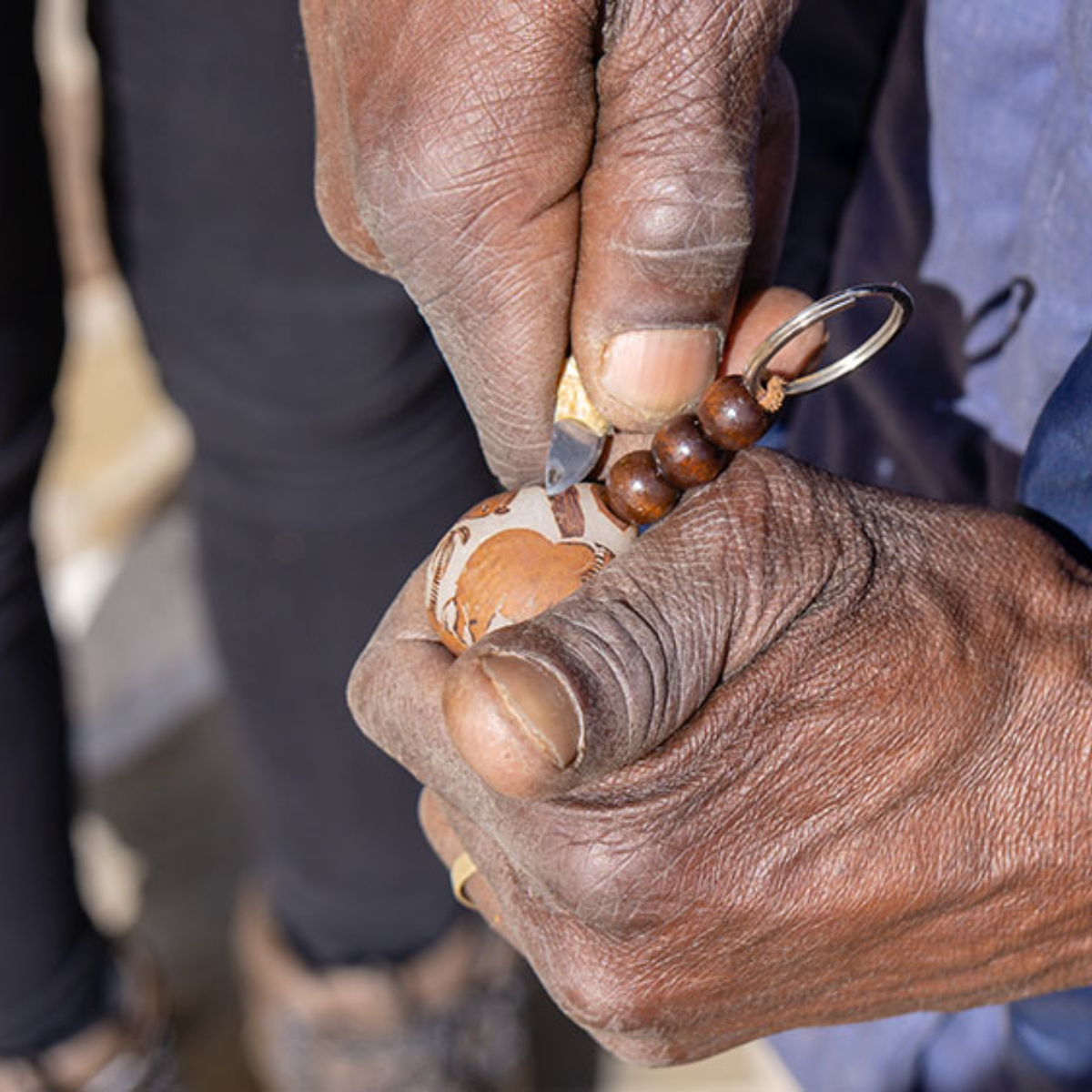
In Namibia, where desert landscapes meet rich cultural traditions, Makalani nuts represent resilience, heritage, and creativity. These seeds come from the Makalani palm (Hyphaene petersiana), a tree native to Namibia’s savannas. With their smooth, ivory-like surface, the nuts are ideal for intricate carvings and have long held artistic and economic value for local communities.
For artisans like Richard Khairabeb and Eddie Gaoseb, two Damara-speaking Namibians from the Kunene Region, carving Makalani nuts is more than craftsmanship — it is a livelihood rooted in tradition. Through their work, Namibia’s wildlife and landscapes are transformed into detailed, hand-carved pieces that tell a story of coexistence between people and nature.
CCF partners with Makalani nut artists, offering their carvings through the CCF Gift Shop. These pieces not only celebrate Namibia’s biodiversity — including its iconic cheetahs — but also provide sustainable income for local families. By supporting traditional craftsmanship connected to native plant species, CCF strengthens the link between conservation and community, ensuring that protecting ecosystems also benefits the people who call them home.
Click here to get to know more about the artists or the Makalani nuts.
Why Plant Diversity Matters for Wildlife
Namibia’s plant diversity does far more than provide medicinal or economic benefits, it forms the foundation of the country’s ecosystems. Changes in soil composition and plant life have far-reaching consequences for wildlife, even when those changes are not immediately visible. While increased vegetation may appear positive, the unchecked growth of thorny bushes (a process known as bush encroachment) has dramatically altered Namibia’s landscapes over the past century.
The loss of large herbivores such as elephants and rhinos has reduced natural grazing and browsing pressure. As a result, thorny bush species have expanded into formerly open grasslands.
For cheetahs, this change is critical.
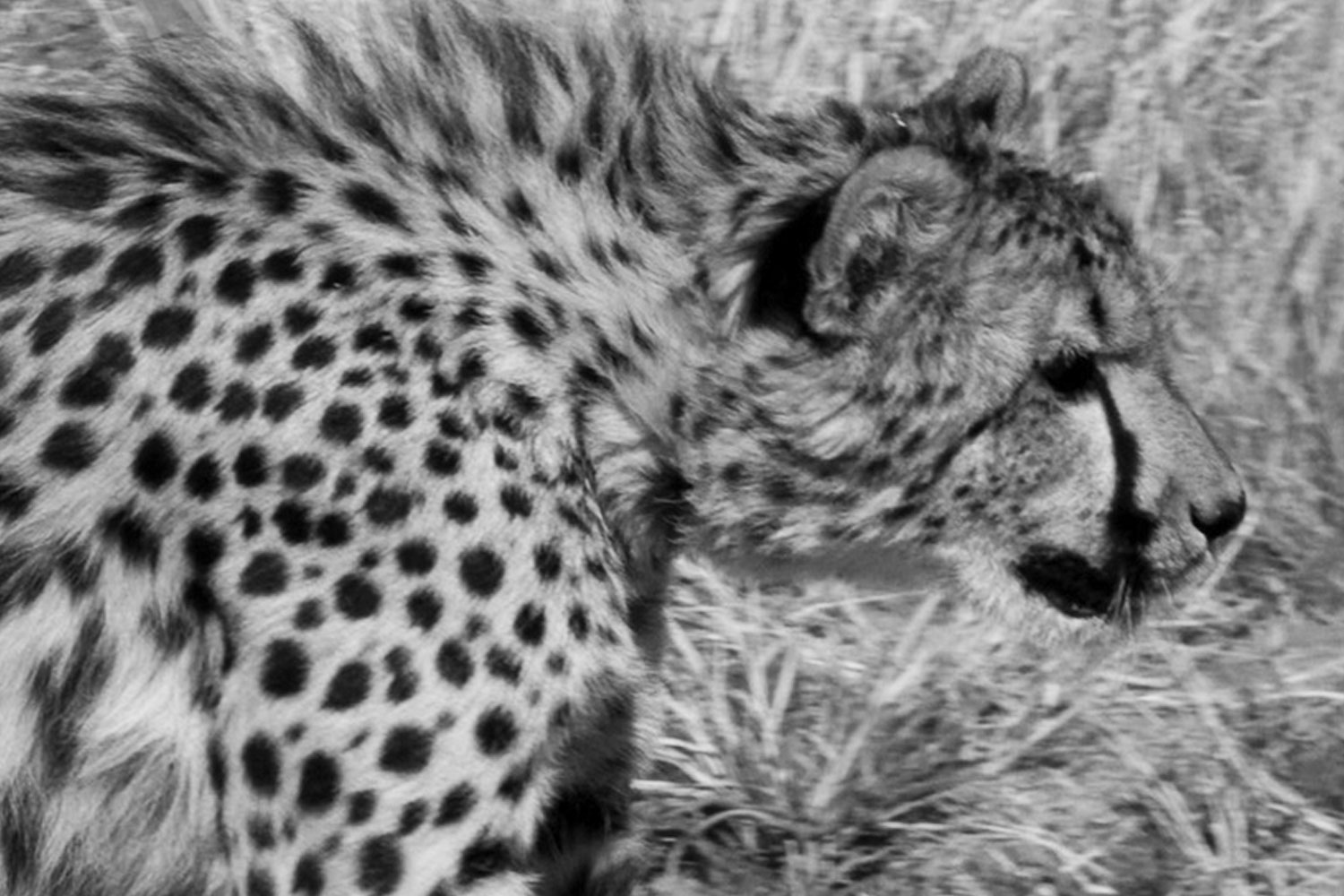
Cheetahs rely on open spaces to hunt effectively. Dense bush reduces visibility and limits their ability to pursue prey. At the same time, bush encroachment reduces grazing land for livestock, affecting farmers’ livelihoods. As open habitats shrink, cheetahs are forced into closer contact with human settlements, increasing the risk of human-wildlife conflict and, in some regions such as Somaliland, contributing to pressures like the illegal wildlife trade.
Habitat loss may be the least visible of the three major threats to cheetahs (alongside conflict and illegal wildlife trade) but it is often the most impactful, as it drives the others.
CCF’s Work to Restore Ecosystem Balance
For more than three decades, CCF has worked to address bush encroachment and restore ecological balance across Namibia’s rangelands. Through targeted bush thinning and habitat restoration efforts, CCF helps reopen landscapes, creating better hunting conditions for cheetahs while improving grazing potential for livestock. This approach supports both wildlife conservation and community livelihoods.
Healthy ecosystems are interconnected systems. Protecting medicinal and aromatic plants, maintaining balanced vegetation, supporting herbivore populations, and safeguarding predators like cheetahs are all part of the same conservation equation. On this World Wildlife Day, we are reminded that plants, wildlife, and people are deeply linked. By conserving Namibia’s ecosystems, we are protecting not only its extraordinary biodiversity but also the natural resources that communities depend on every day.
If you would like to learn more about CCF’s habitat restoration and ecosystem conservation work, click here.
Sources: World Health Organization (WHO), Botanical Society of Namibia, and Atlas of Namibia