Combating the Illegal Wildlife Trade – A better world for cheetah cubs
-
- by 15 October 2025
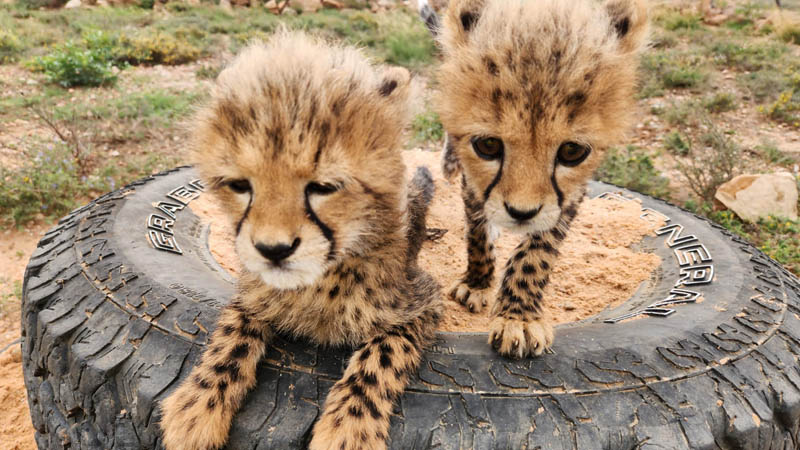
The illegal wildlife trade (IWT) is one of the greatest threats to cheetah survival in the Horn of Africa. Each year, as many as 300 cheetah cubs are stolen from the wild to feed demand for exotic pets in the Middle East. Most of these cubs are taken from their mothers at just a few weeks old – many do not survive the journey, and those that do often arrive malnourished, dehydrated, and traumatised.
CCF is working on multiple fronts to stop this devastating trade:
- Partnering with Somaliland’s Ministry of Environment & Climate Change (MoECC) to carry out cheetah cub rescue missions.
- Training judiciary members and working with MoECC to update and strengthen wildlife law.
- Providing training for rural and pastoral farmers, veterinarians, and rangers, alongside community outreach in trafficking hotspots.
- Building community governance structures to support coexistence between people, livestock, and wildlife.
- Collecting and banking DNA samples from confiscated cheetahs to trace their origins and support law enforcement investigations.
- Collaborating with NGOs and governments in the Middle East to reduce demand for cheetahs as illegal pets, while supporting the Horn of Africa Wildlife Enforcement Network (HAWEN) and national task forces.
- Conducting wild cheetah population surveys in Somaliland, expanding vital knowledge where little data currently exists.
Through stronger enforcement by Somaliland’s Ministry of Environment and Climate Change, and through growing collaboration with Gulf States that are working to reduce demand and raise public awareness about the exotic pet trade, measurable improvements are being achieved. The wild cheetah population in the Horn of Africa remains small, estimated at fewer than 500 individuals, and the cheetahs under our care at the Somaliland site represent a significant share of that regional population.
Though demand in destination countries has declined, confiscations continue as enforcement improves through cooperation among governments in the Horn and Gulf States. These joint efforts demonstrate measurable progress against the illegal wildlife trade and strengthen regional conservation frameworks.
The cheetah in our care
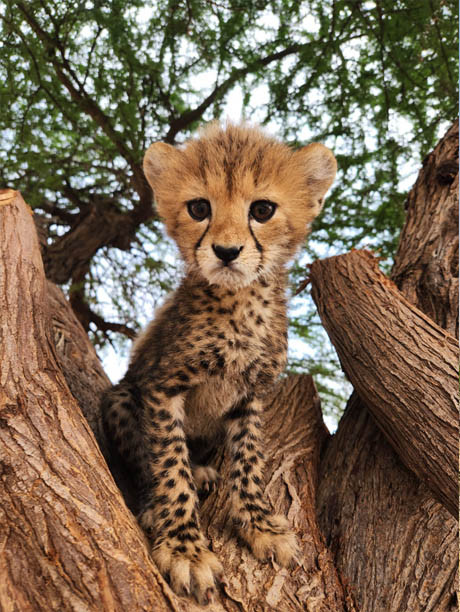
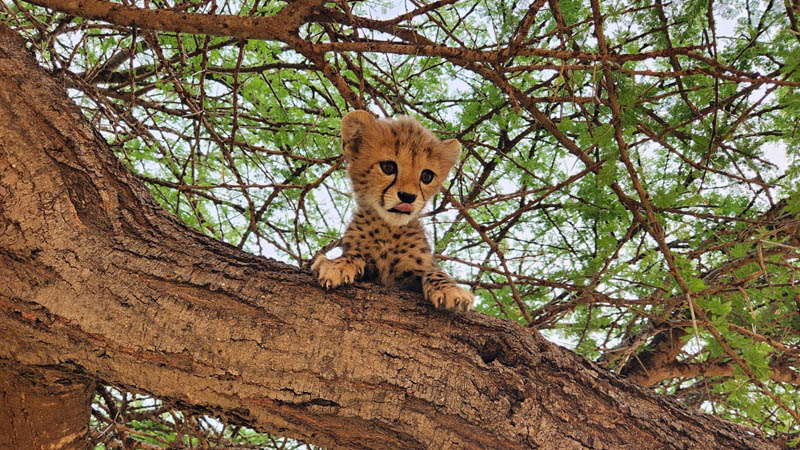
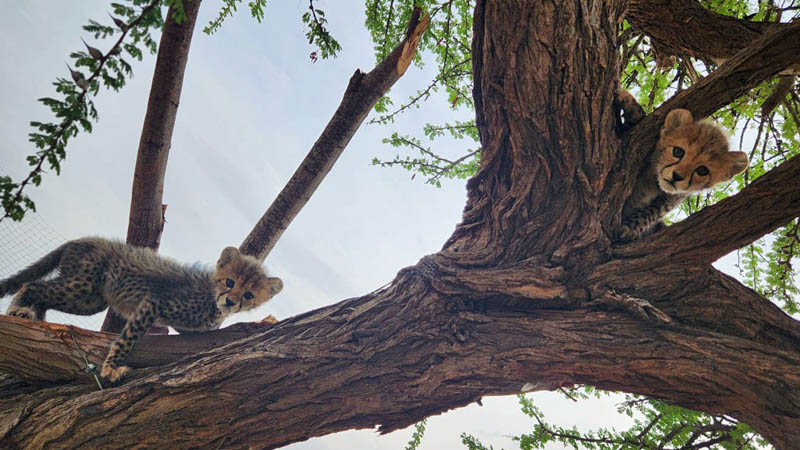
The cheetahs in our care are also unique in that all of them were once part of the wild population and were removed due to direct human interference. Many were injured or deprived of proper care as cubs, leaving some irreparably damaged or developmentally deformed. Most will never be able to return to the wild and require a lifetime of specialized care.
At the heart of this effort is our Cheetah Rescue and Conservation Centre (CRCC), established in partnership with the Somaliland Government. Built on over 1,500 hectares, the CRCC provides a safe haven for confiscated cubs who cannot be released back into the wild.
- 200 hectares fully developed with enclosures, quarantine, and vet care
- 1,500-hectare fenced park under development (Phase 2)
- Over 100 cheetahs and 2 caracals currently in care – Our long-term mission remains saving the cheetah in the wild. Captive care is a bridge, not a destination.
- Facilities include a veterinary clinic, cub nursery, meat prep area, education centre, and volunteer housing
- 41 staff members, including 12 dedicated construction workers, provide round-the-clock care and development
- Working with Somaliland’s Ministry of Environment and Climate Change, CCF has intercepted traffickers and given cubs a second chance at life.
Related Reading
-
15 October 2025
Education – Future Conservationists of Africa