Visual Annual Report – 2024
-
- by Dr. Laurie Marker 11 July 2025
Dear Cheetah Friends,
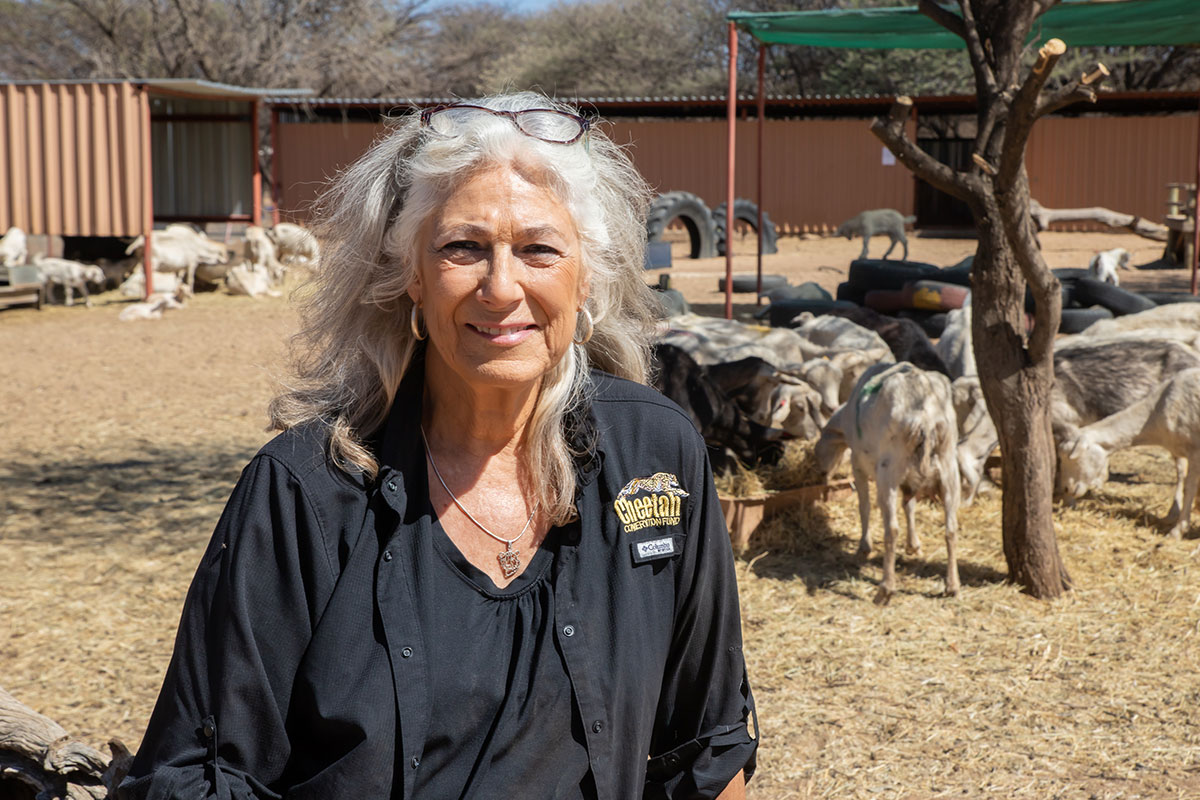
Welcome to our 2024 Visual Annual Report. This is a new way for us to share our work with you—through stories, images, data, and direct highlights from the field. If you’d like to explore more, you can view the full Annual Report as a PDF here.
With your help, and the partnership of many dedicated individuals and organizations around the world, we made great progress this year.
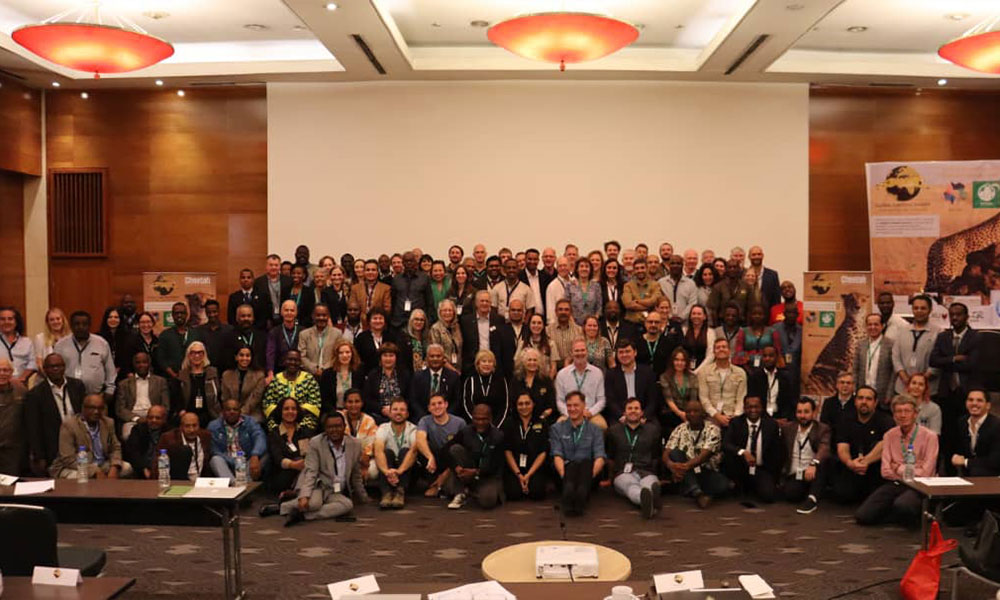
The beginning of 2024 marked significant progress in cheetah conservation, highlighted by the inaugural Global Cheetah Summit held in Addis Ababa, Ethiopia. Sponsored by NEOM and the Royal Commission for AlUla, and several months of planning, CCF successfully convened 135 people from over 80 government and non-government organizations from 15 countries to discuss the current challenges surrounding the status of the cheetah and how to scale up solutions to help save the species.
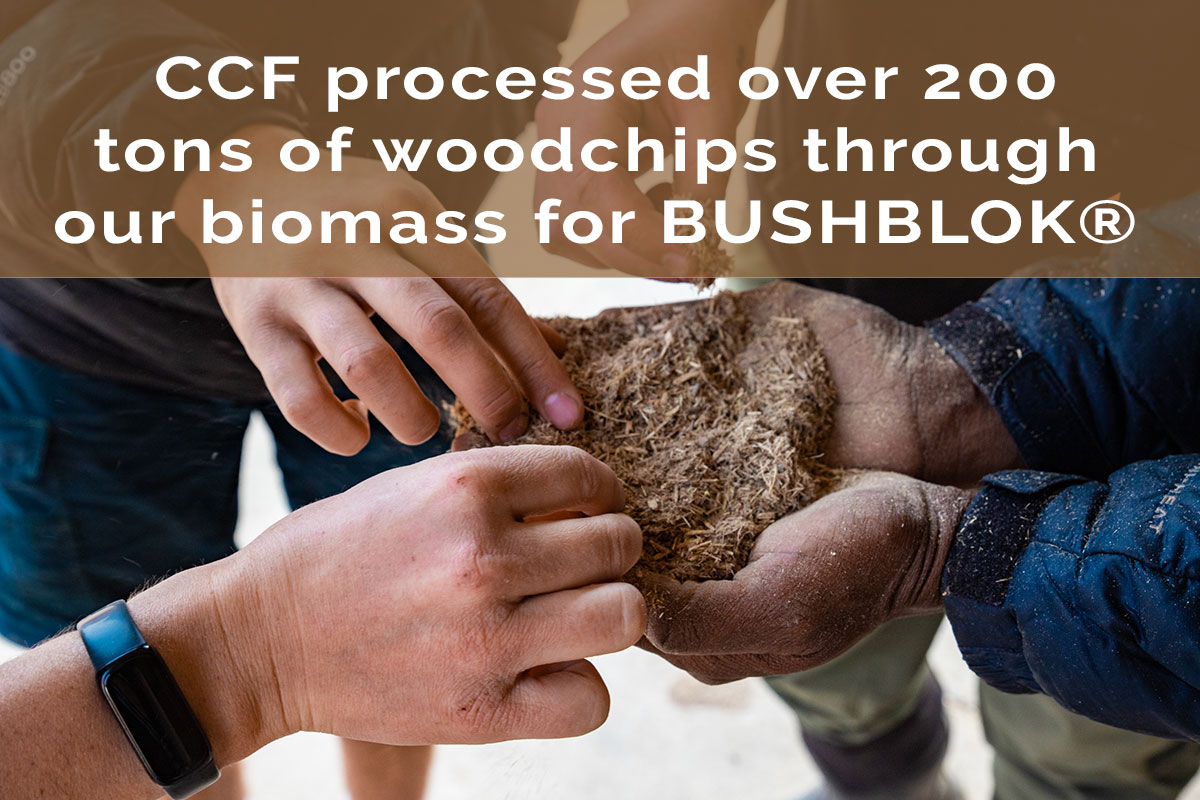
In Namibia, we successfully rewilded 10 cheetahs. We significantly advanced habitat restoration efforts; processing over 200 tons of wood chips harvested from overgrown thickened thornbush. This work is supported in part by an EU grant (STEAMBIO AFRICA) for investigating biomass utilization and by B2Gold’s support for research on wildlife-livestock balance. This year our long-term biodiversity project in collaboration with Vanier College in Canada continued with great success.
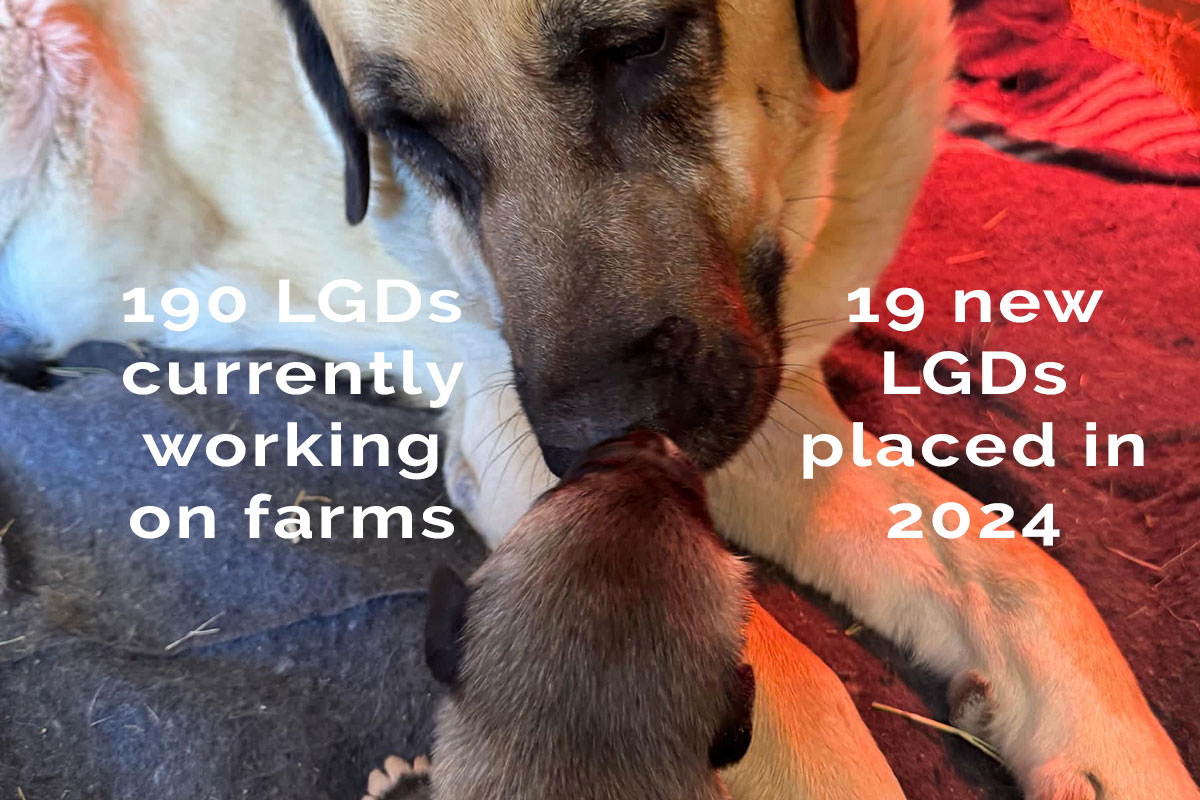
Our Livestock Guarding Dog (LGD) program, a highly effective strategy for promoting coexistence, has placed 780 dogs to date, with 19 puppies placed in 2024.
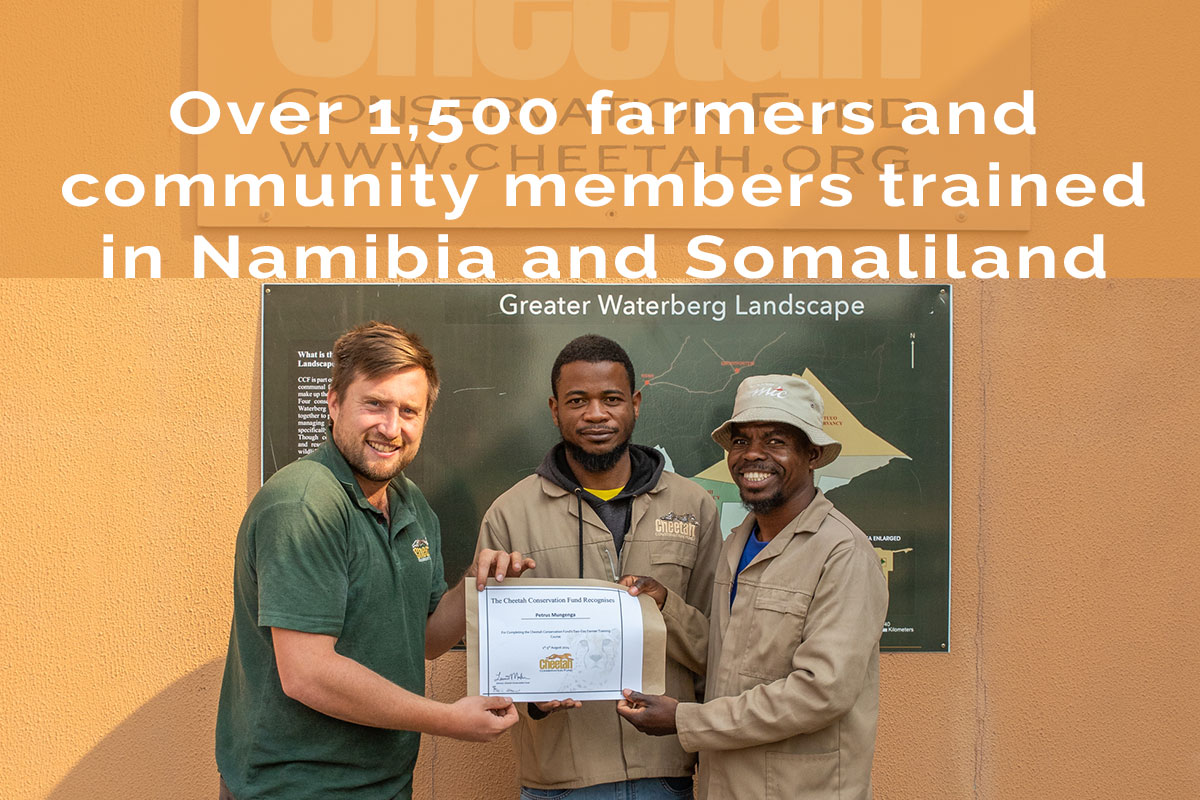
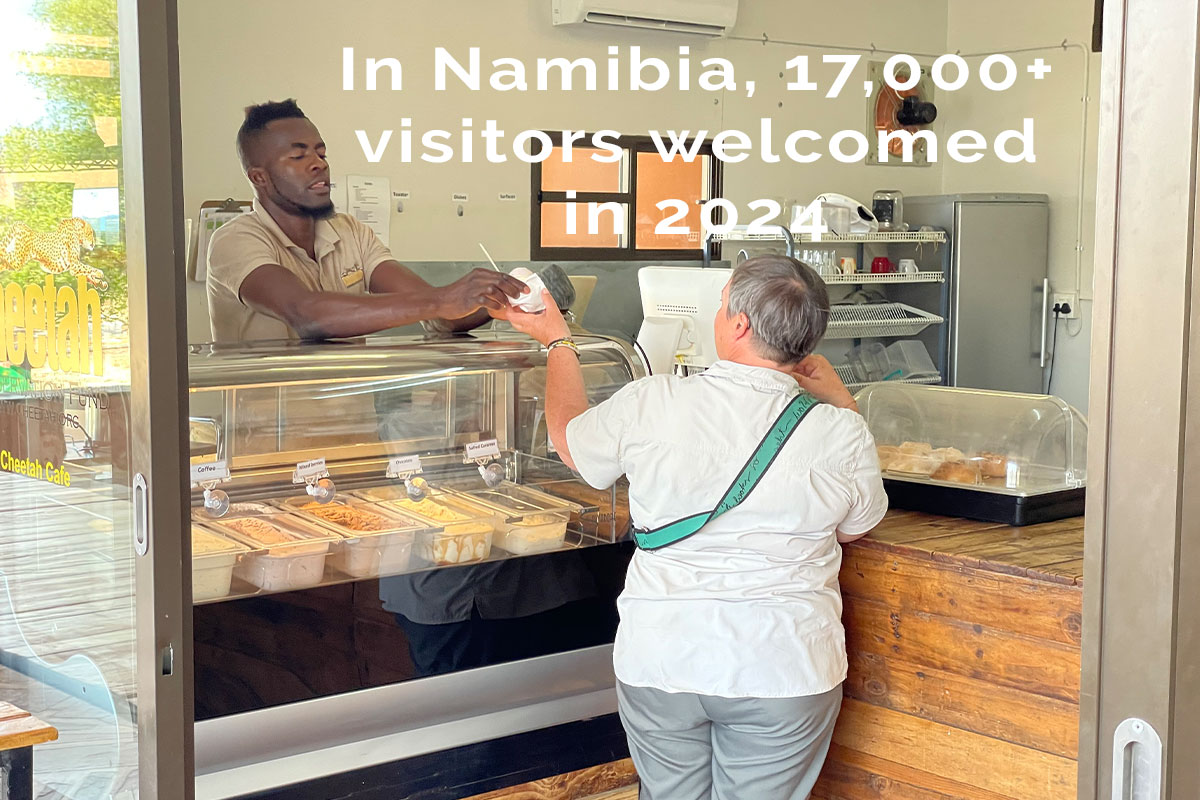
Our Future Farmers of Africa (FFA) programme, supported by a UK Government Darwin Initiative grant for human-wildlife coexistence, trained 1,321 farmers and community members across 39 villages in predator-friendly practices and sustainable rangeland management. This is a part of a much larger project where we are working with communities in the Eastern and Western Communal Conservancies. We welcomed a total of 17,257 tourists to our Centre, marking a 9% increase from the previous year and generating ecotourism revenue to aid our conservation efforts.
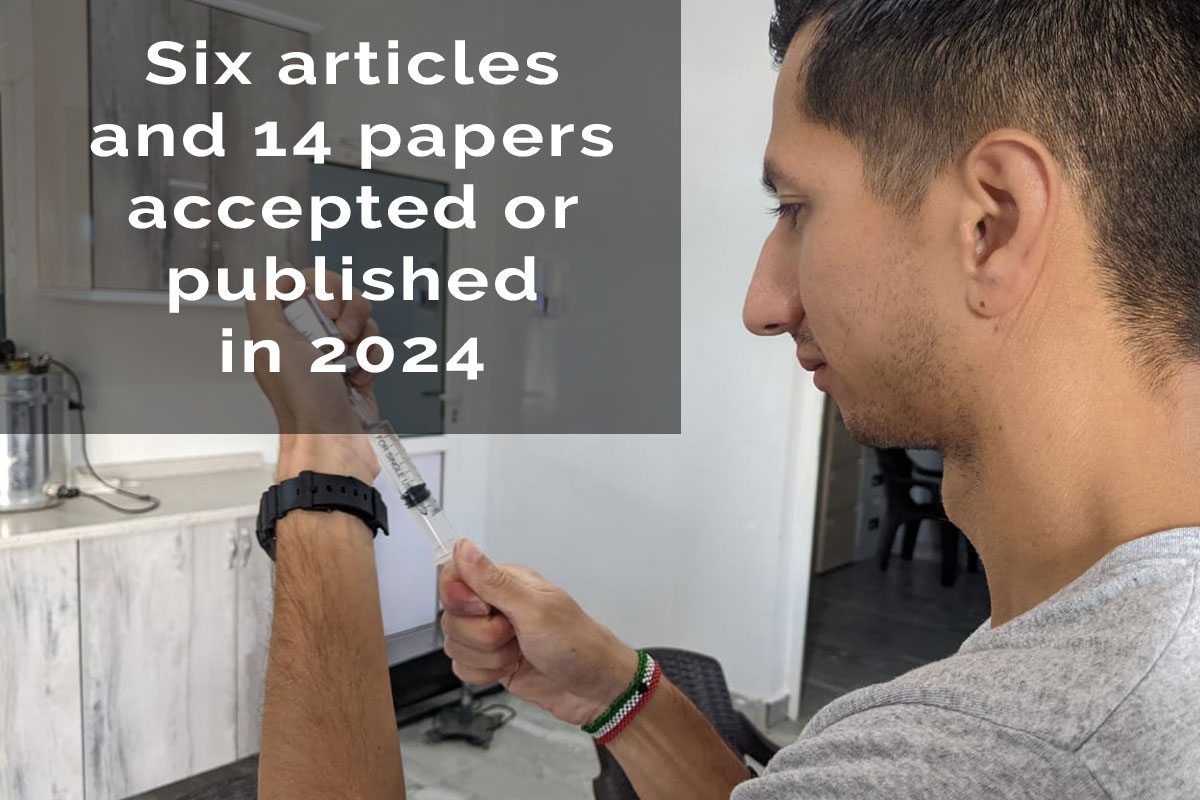
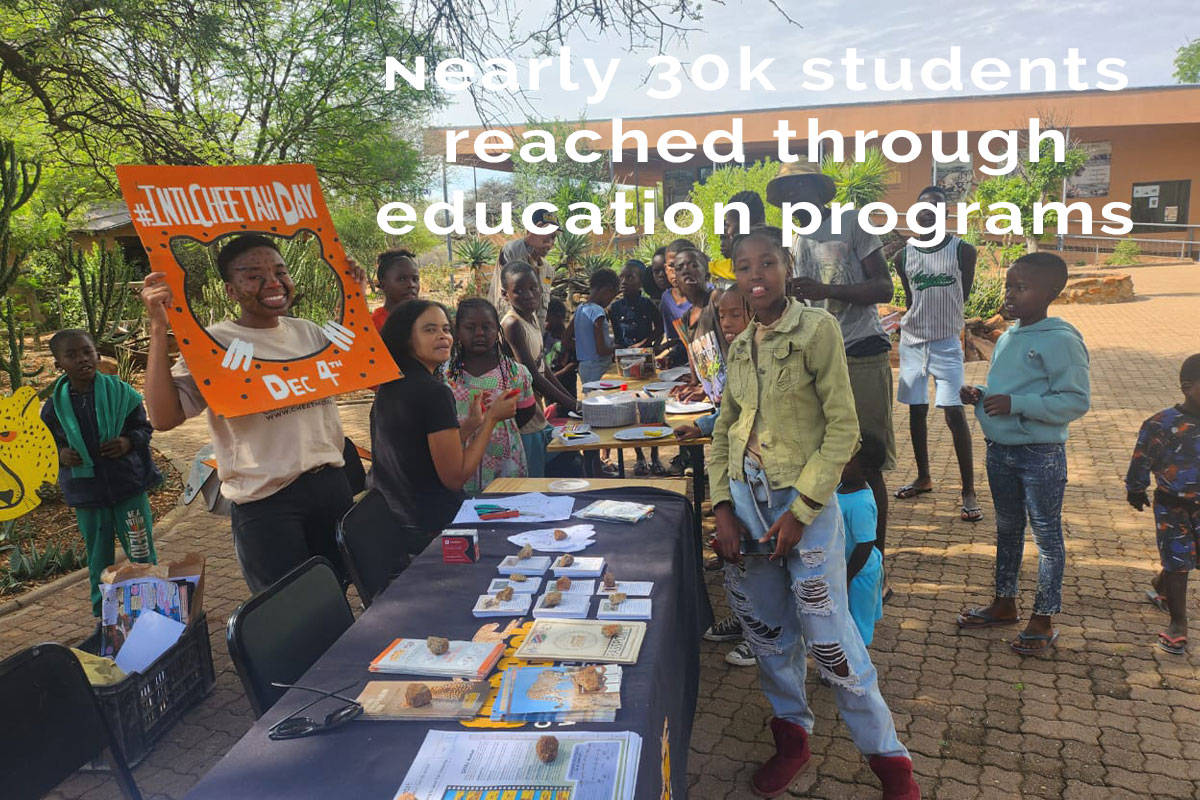
Our researchers contributed to six published scientific journal articles and 14 additional papers have been accepted for publication. Several of the papers have contributions from our Conservation Genetics Laboratory, which also serves as an internship site for international students alongside local students from University of Namibia (UNAM) and Namibia University of Science and Technology (NUST). We also engaged with 23,295 Namibian learners and 624 teachers in our comprehensive education programs, which received funding for school education from CCF UK and the Anglo American Foundation.
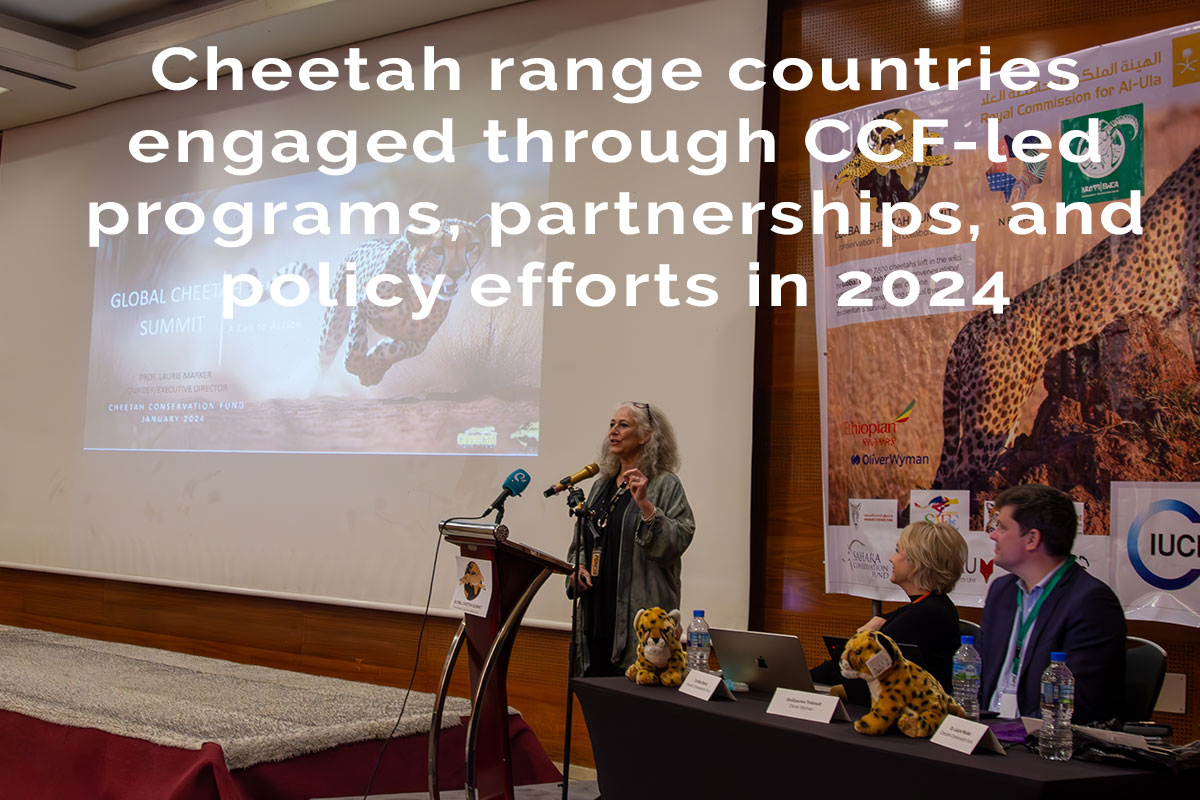
The future of cheetahs depends on international coordination. In 2024, CCF helped lead the landmark Cheetah Summit, bringing together delegates from 15 countries and over 100 experts, government officials, and conservationists. This summit produced the Addis Ababa Declaration—an actionable roadmap for global cheetah recovery. CCF also supported Kenya Wildlife Service (KWS) to strengthen veterinary response and field care, treating 63 cheetahs in collaboration with local teams. This hands-on support complements our long-term partnerships across Africa and beyond.
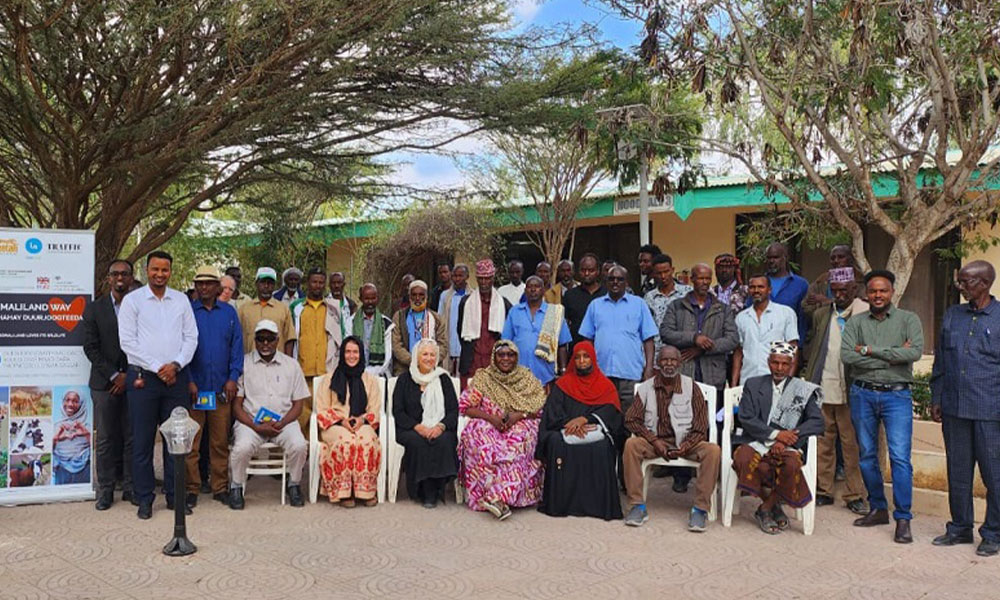
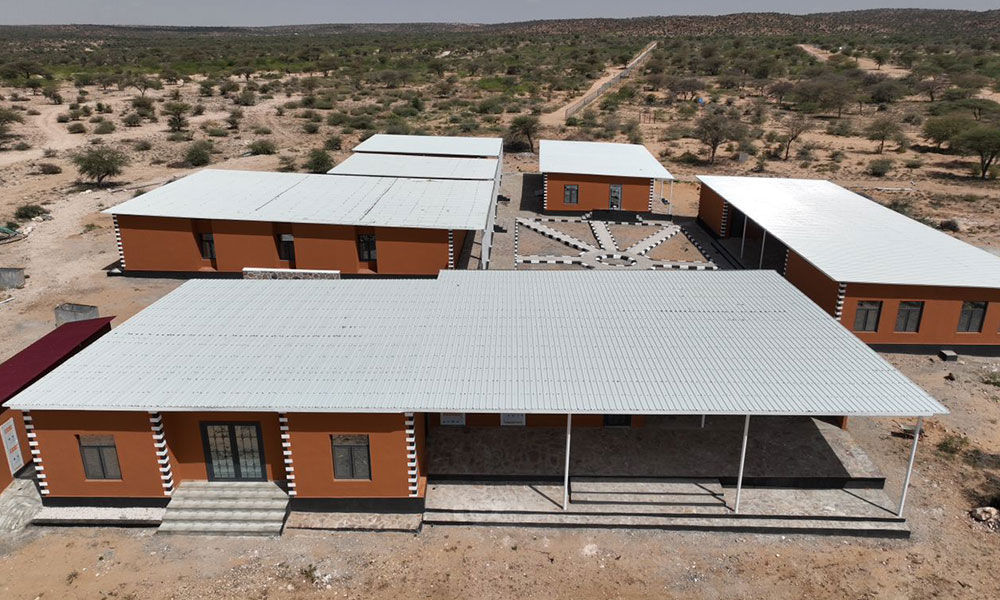
In Somaliland, we welcomed 1,954 elementary and secondary students through our Future Conservationists of Africa (FCA) program, supported by IUCN Save Our Species Funds and the Johnson Foundation. Our Future Farmers of Africa (FFA) program successfully trained 244 farmers and community members as part of the UK/DEFRA LICIT-II project, which aims to enhance national and regional capacity to fight wildlife crime and increase community ownership over wildlife resources. Construction began on an Education and Training Centre Complex sponsored by the Royal Commission for AlUla.
We initiated the first-ever camera trap surveys in the Geed-Deeble area as part of a Rainforest Trust Grant for the creation of Somaliland’s Geed-Deeble Conservancy and Forest Protected area, as well as under an U.S. Fish and Wildlife Service grant to gather crucial baseline data on cheetah distribution and abundance in the Horn of Africa.
Additionally, a Grant from the Government of Taiwan funded Community Wildlife Observers who conduct field surveys and report on wildlife presence and crime around CCF’s Cheetah Rescue and Conservation Centre (CRCC).
Furthermore, we visited 29 villages in the Awdal Region, and established a second community-based conservancy under the LICIT II project. This community-focused work also integrates with broader efforts supported by the European Union (in partnership with Deutsche Welthungerhilfe e.V.) to improve wildlife trafficking control and foster rural livelihoods in target communities.
Each of these achievements reflects your commitment and support and these are just a few of the many great things you’ve supported in 2024.
2024 Program Impact
Research and Education achieving successful Conservation
Success Stories
Jet: From Rescue to Release
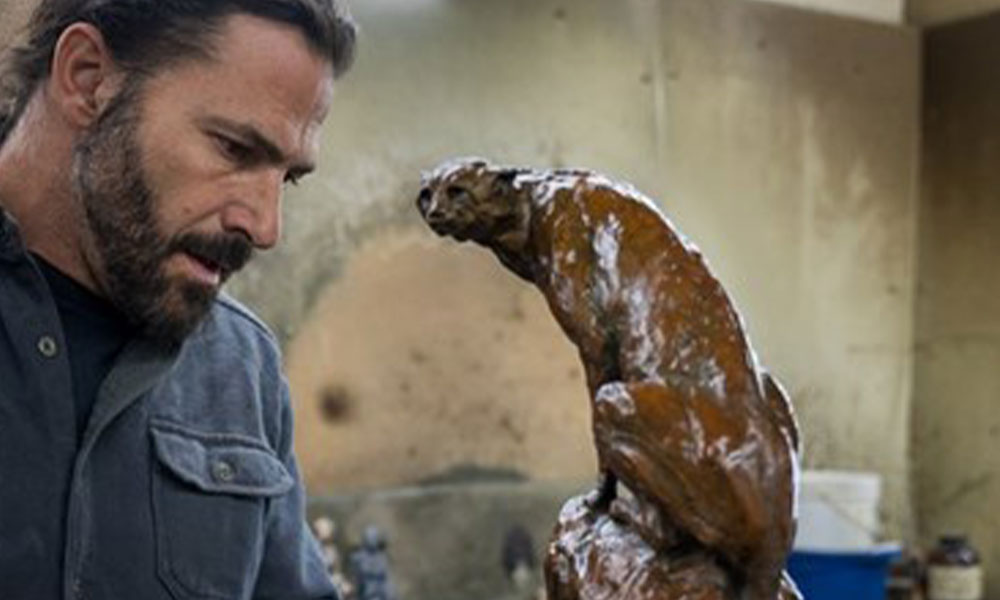
Jet’s journey began in Namibia, where she was rescued as part of CCF’s efforts to rehabilitate orphaned cheetahs. In 2024, Jet became a symbol of international collaboration and what is possible when care, science, and storytelling align. She was named through a partnership with Jetour, a Chinese car company supporting wildlife conservation. Her progress was also captured in a documentary filmed by the Discovery Channel, hosted by Hazen Audel. The filming highlighted not only Jet being released back into the wild, but also the science behind rewilding cheetahs, monitored releases, and post-release tracking.
Jet’s release marked a hopeful chapter in CCF’s long-term strategy to return cheetahs to the wild. Her story shows how one animal’s return to freedom can reflect a broader commitment to species recovery. It also demonstrates the potential of creative partnerships to expand impact by connecting donors, media, and field conservation in a unified story of second chances.
Releasing a Rehabilitated Cheetahs in Namibia
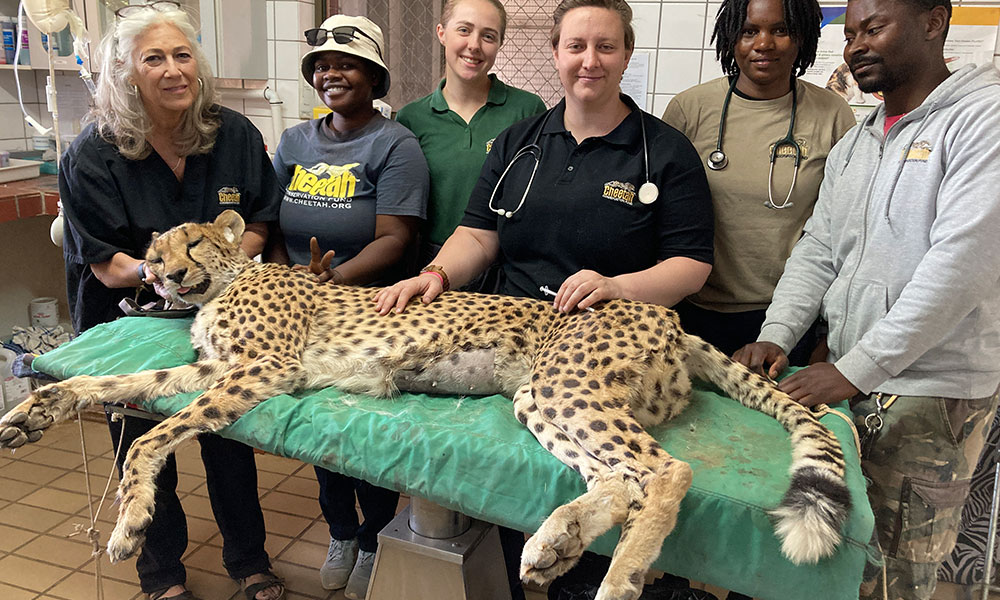
In 2024, the CCF achieved a significant benchmark in cheetah rehabilitation by successfully rewilding a total of 10 cheetahs in Namibia. This total comprises four male and six female cheetahs.
These releases are part of CCF’s strategic, science-led rewilding efforts aimed at restoring cheetahs to their natural range through careful selection for compatibility and survival potential. Each cheetah undergoes comprehensive veterinary checks, sample collection, and fitted with GPS collars for post-release monitoring. This monitoring is supported by systems like the Predator Early Warning System (EWS), which aims to minimize human-wildlife conflict by alerting farmers when collared cheetahs enter their farms.
Protecting the Protectors: Snake Aversion Training
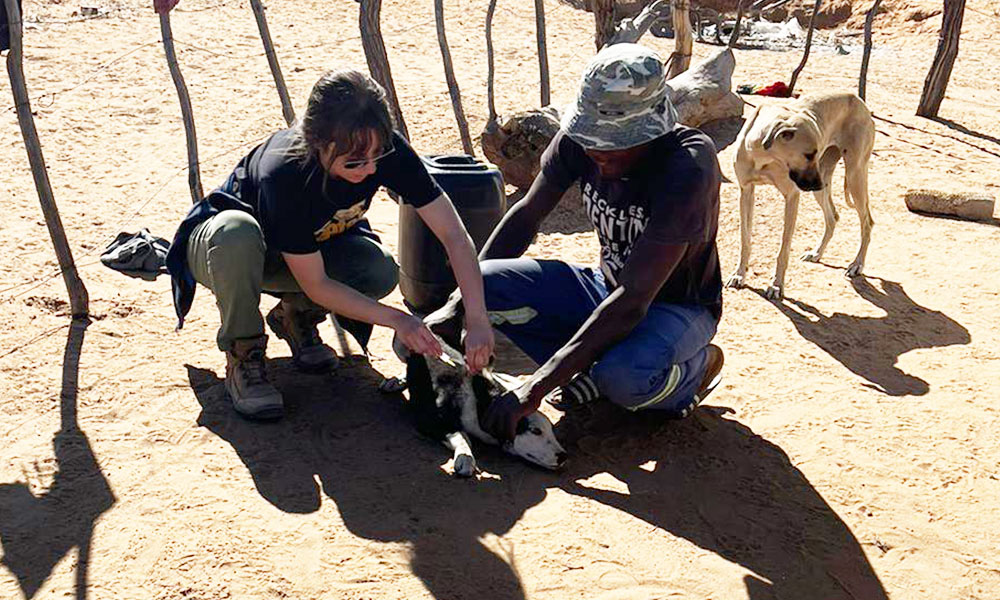
In 2024, CCF launched a Snake Aversion Training Program to protect its Livestock Guarding Dogs (LGDs) from venomous snake bites, one of the leading threats to their survival in the field.
Namibia is home to 81 snake species, including 11 considered potentially deadly to both humans and dogs. For guardian dogs, whose work brings them deep into rural bush and grassland, the risk of encountering snakes like puff adders, zebra cobras, or black mambas is high, and often fatal.
The need for this training became painfully clear in 2023, when one of CCF’s dogs, Bruno, was bitten by a puff adder. Thanks to quick action by the farmer, CCF’s veterinary team, and local partners, Bruno survived. But the incident was a stark reminder of how dangerous these encounters can be.
Snake Aversion Training teaches dogs to recognize and avoid snakes using scent and sight cues in a controlled environment. It’s a proactive step to reduce injuries and emergency interventions, while strengthening the long-term success of a program that’s already reduced human-wildlife conflict across Namibia.
The Livestock Guarding Dog Program, supported by partners including Aktionsgemeinschaft Artenschutz (AGA) e.V. and the Wilhelma Zoo, continues to evolve through research, innovation, and frontline teamwork. The new training is now part of our standard care for working dogs—keeping them safer, and their protection efforts stronger.
Rabies Prevention Saves Lives
Rabies remains one of the deadliest zoonotic diseases in the world. The World Health Organization (WHO) estimates over 59,000 deaths each year, with the highest rates in Africa and Asia. A major driver is the lack of education and the presence of feral dog populations in rural areas.
Since 1998, the Foundation for Human Rabies Education and Eradication (FHREE) has led international efforts in rabies prevention and canine population control. In 2018, FHREE partnered with CCF to launch targeted vaccination programs in Namibia.
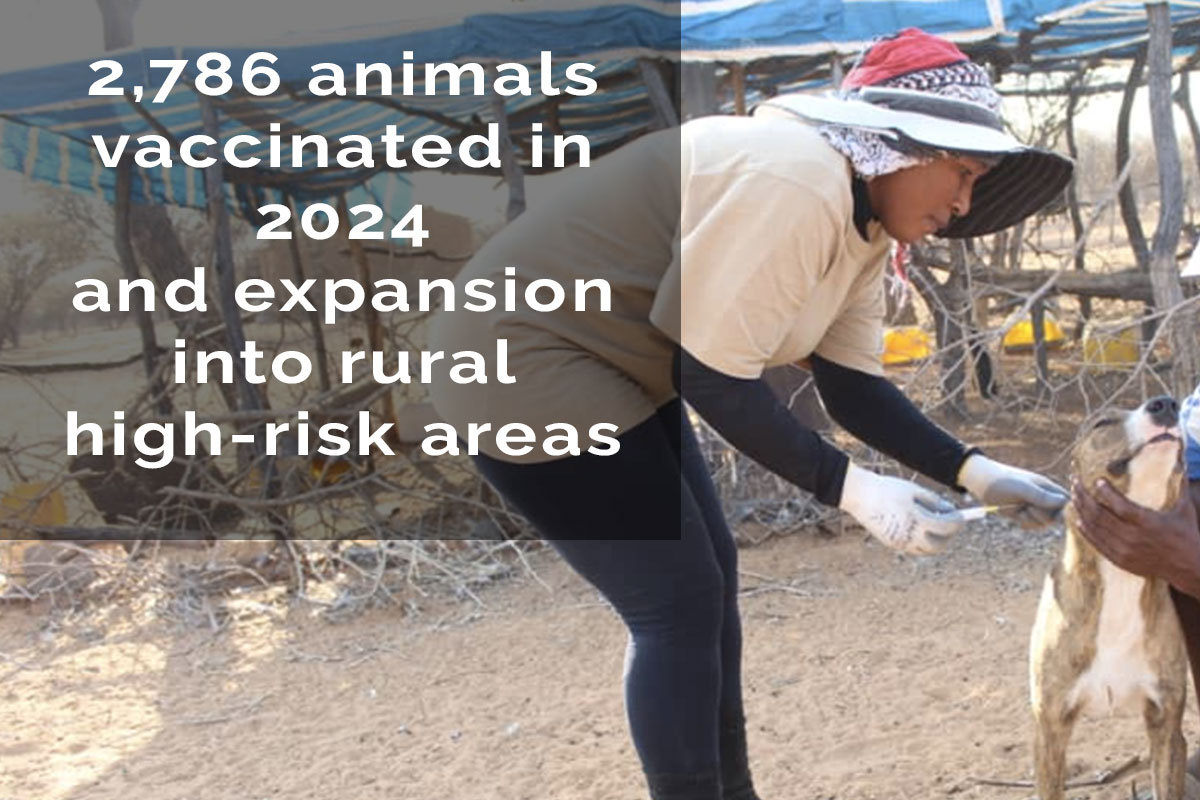
Through this partnership, CCF has already vaccinated thousands of domestic dogs and cats, helping to protect human communities, livestock, and vulnerable wildlife like the cheetah and African wild dogs. In 2024, the program expanded to reach 2,786 additional animals across rural areas in the Greater Waterberg Landscape.
The work is supported through the One Health Initiative and made possible by vaccine donations from MSD Animal Health. CCF also played a national role by participating in the 2024 Namibian National Rabies Planning Meeting and Workshop, helping guide policy toward better outcomes.
This is a multi-year commitment delivering measurable health and conservation impact across Namibia.
Protecting Wild Cheetahs Before They Disappear
In Somaliland, CCF advanced efforts to protect cheetahs in the wild through the development of community-based natural resource management (CBNRM) initiatives, specifically piloting a governance unit in the Awdal region of Somaliland. Additionally, Geed-Deeble is central to plans for creating the first officially recognized Protected Areas (PA) in Somaliland, a crucial step for long-term protection.
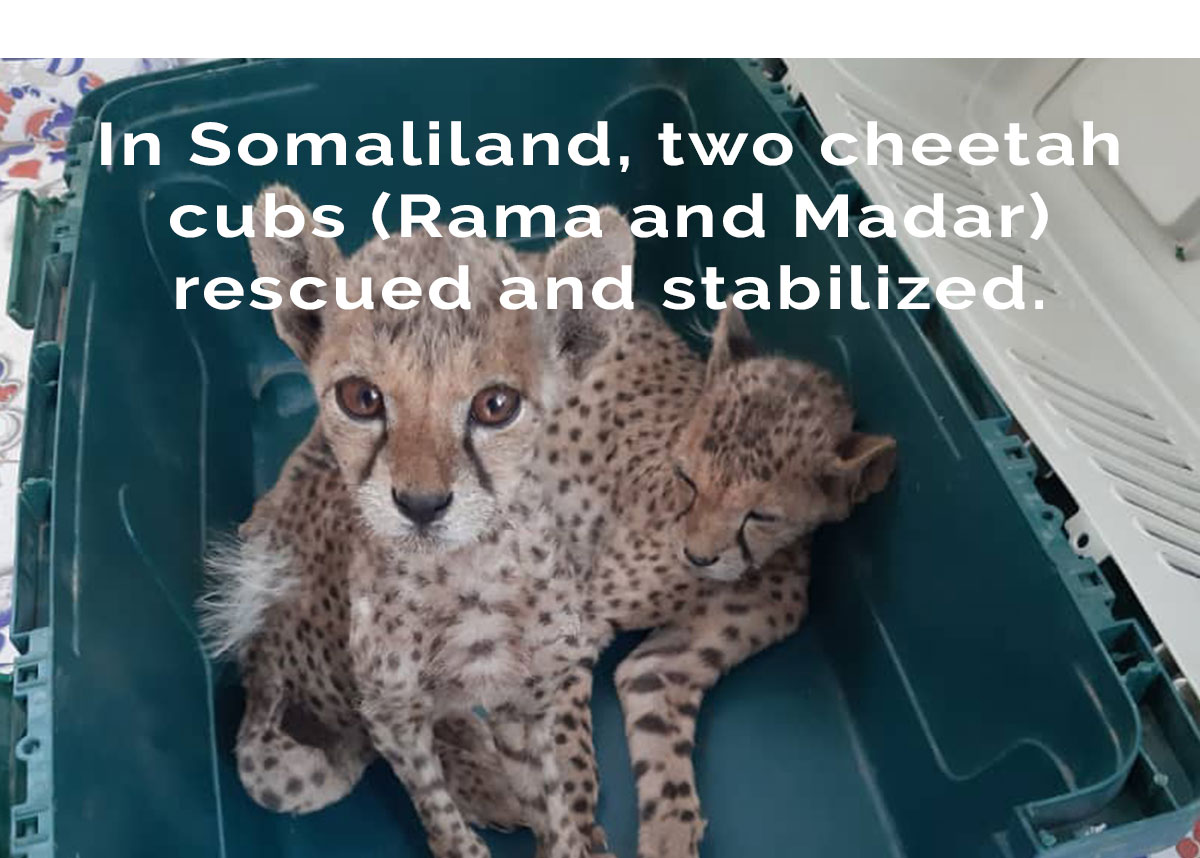
As part of these efforts, CCF is undertaking a first-ever, landscape-wide camera trap survey in Somaliland, including the Geed-Deeble, Awdal and Zayla area. This survey aim to gather critical data on wild cheetah presence and abundance in regions where very little is currently known. This strategic approach, combining ecological research, such as genetic analysis of wild populations and confiscated cubs, with robust enforcement support against illegal wildlife trafficking, and localized habitat protection through the development of Conservancies, is designed to enhance cheetah conservation and address the urgent threats facing the species in the Horn of Africa.
Building the Future of Conservation Education
In 2024, we broke ground on CCF Somaliland’s dedicated Education and Training Centre Complex, made possible by a generous sponsorship investment from The Royal Commission for AlUla (RCU). Construction of the Education Complex at the Cheetah Rescue and Conservation Centre (CRCC) is estimated for completion in mid-2025. This infrastructure development is also indirectly supported by a grant from the Gordon and Patricia Gray Animal Welfare Foundation for the solar plant expansion at CCF’s CRCC. This new Education and Training Centre will serve as a permanent home for conservation education and training, expanding our reach to students, teachers, and communities across the Horn of Africa.
Throughout the year, In Somaliland, specifically through the Future Conservationists of Africa (FCA) program within the IUCN grant, CCF trained teachers who then delivered the program to students. A total of 1,954 elementary and secondary students participated in these training courses in Somaliland’s Awdal region.
Much of this work was led by Abdirizak Warsame, our Education Officer, whose dedication and leadership built lasting relationships and inspired a new generation of conservationists. Abdirizak passed away at the end of 2024, leaving behind a powerful legacy. The new Education and Training Centre will help CCF carry forward the work Abdirizak championed and stand as a tribute to the trust he built, the communities he served, and his unwavering belief in a future where people and wildlife thrive together.
Also, this year in Namibia, CCF’s education team engaged 23,295 students and 624 teachers in outreach and center-based environmental education programs.
2024 Media and Marketing Summary
2024 Financial Summary
Related Reading
-
9 August 2024
Visual Annual Report – 2023 -
11 July 2023
Visual Annual Report – 2022