From Bush to Balance: Join Our Green Match Fund Mission to Save Cheetahs
-
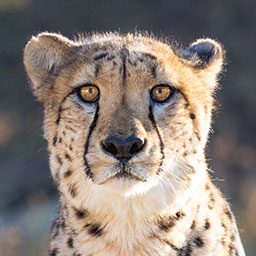
- by Zilá Motta 22 April 2025
One of the greatest challenges to the cheetah’s survival in the wild is the loss of its natural habitat. Although often overlooked, the impact of arid landscape degradation is profound. Changes to the soil and plant life can have cascading effects on wildlife, even if those changes aren’t immediately visible. While cheetahs are highly adaptable and can survive in various environments—including deserts and grasslands—they generally prefer open plains where they can hunt effectively.
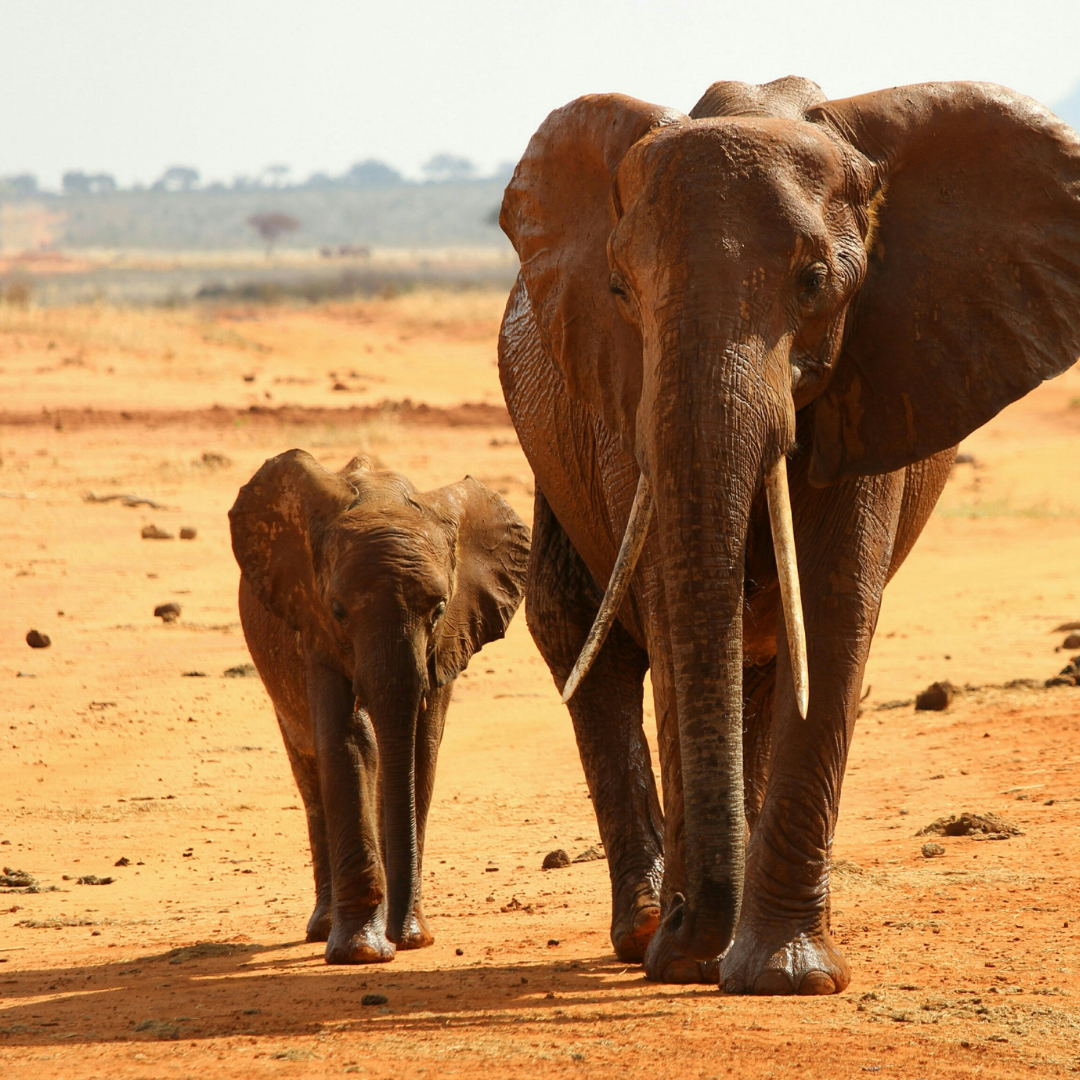
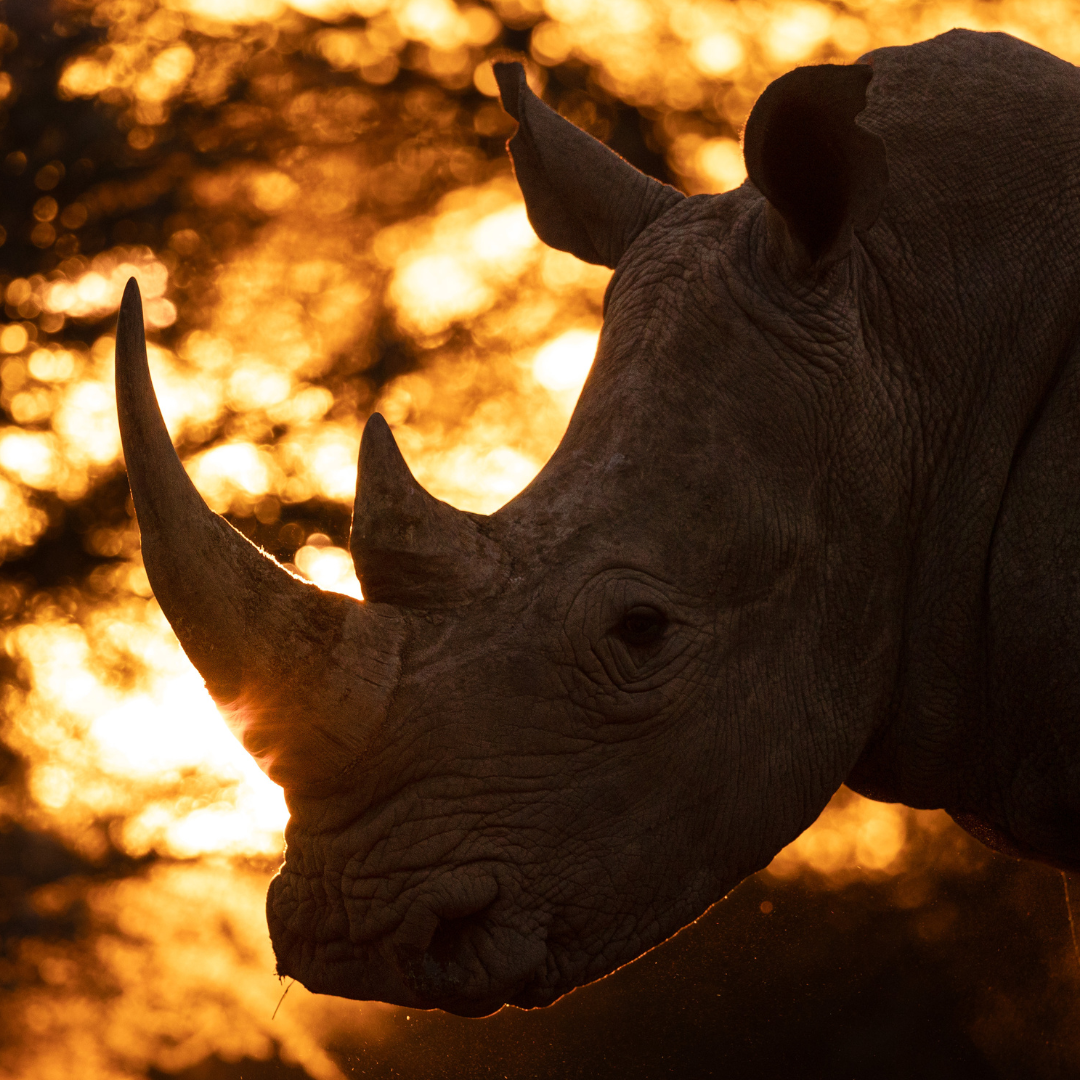
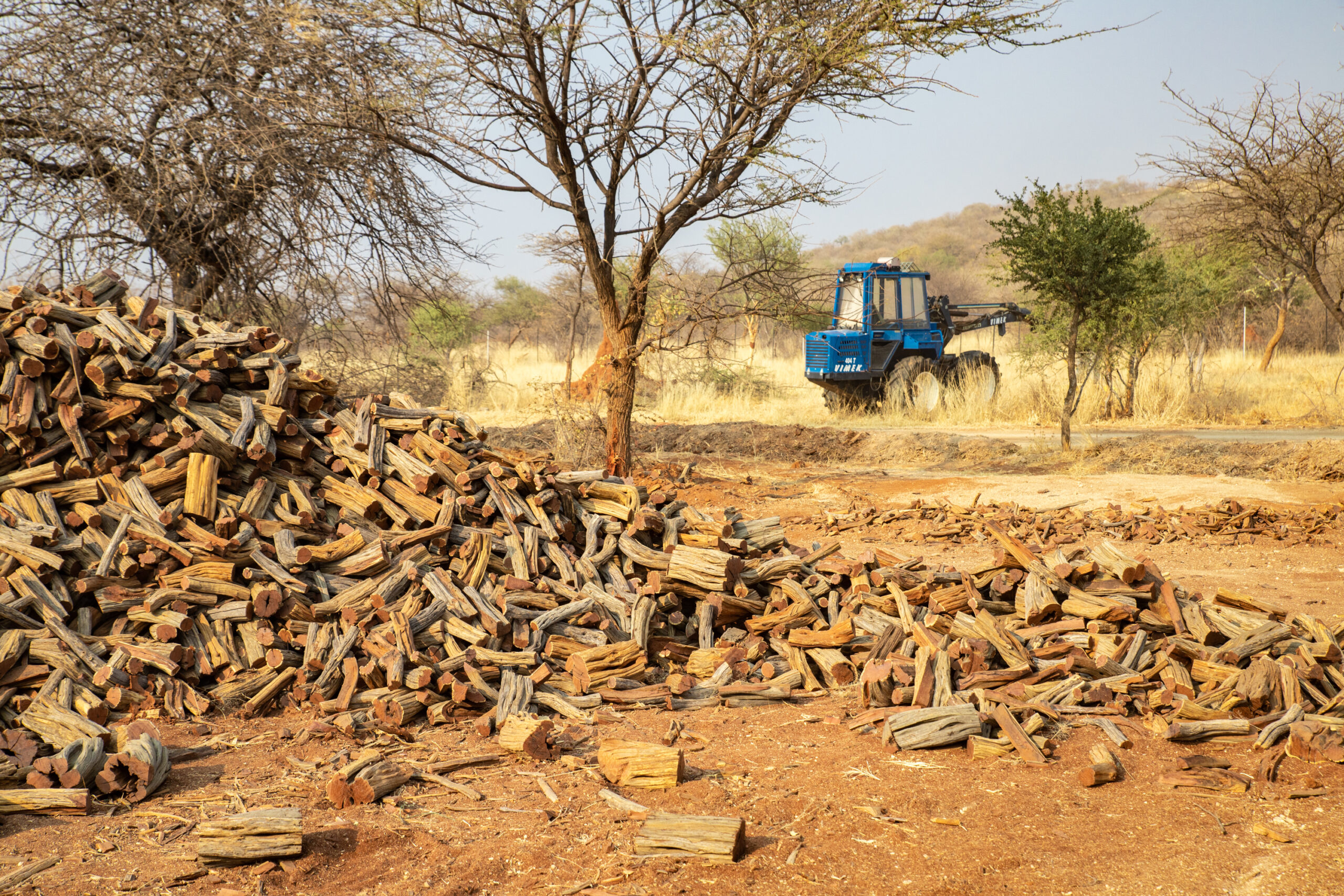
Increased plant growth is typically viewed as a positive development for air quality and erosion control. However, when vegetation grows unchecked due to a lack of grazing, it can lead to overgrowth. Grazing animals (those that feed on grasses) and browsing animals (those that eat leaves from shrubs and trees) are crucial to maintaining ecosystem balance. Over the past century, the decline of large herbivores such as elephants and rhinos—known as megafauna—has contributed to the overgrowth of native thorny bushes, a process known as bush encroachment.
While the disappearance of these iconic animals is widely acknowledged, their absence has another, less visible consequence: the loss of the open spaces that cheetahs depend on to hunt.
Bush encroachment doesn’t only affect wildlife. It also reduces the availability of grazing land for livestock, directly impacting the livelihoods of local farmers. As open landscapes vanish, cheetahs are pushed closer to human settlements and livestock, increasing the risk of human-wildlife conflict and, in regions such as Somaliland, driving the illegal trade in cheetah cubs.
In fact, while habitat loss may be the least known of the three main threats to the species’ survival, it is the most influential, fueling both human-wildlife conflict and the illegal wildlife trade.
CCF’s Solution: The Bushblok Programme
For over three decades, the Cheetah Conservation Fund (CCF) has been tackling bush encroachment by carefully thinning overgrown areas to restore ecological balance. Through our habitat restoration efforts, we’re not only improving conditions for cheetahs but also enhancing rangeland productivity for the communities who share these landscapes with wildlife.
One of our most innovative solutions is the Bushblok programme.
What is Bushblok?
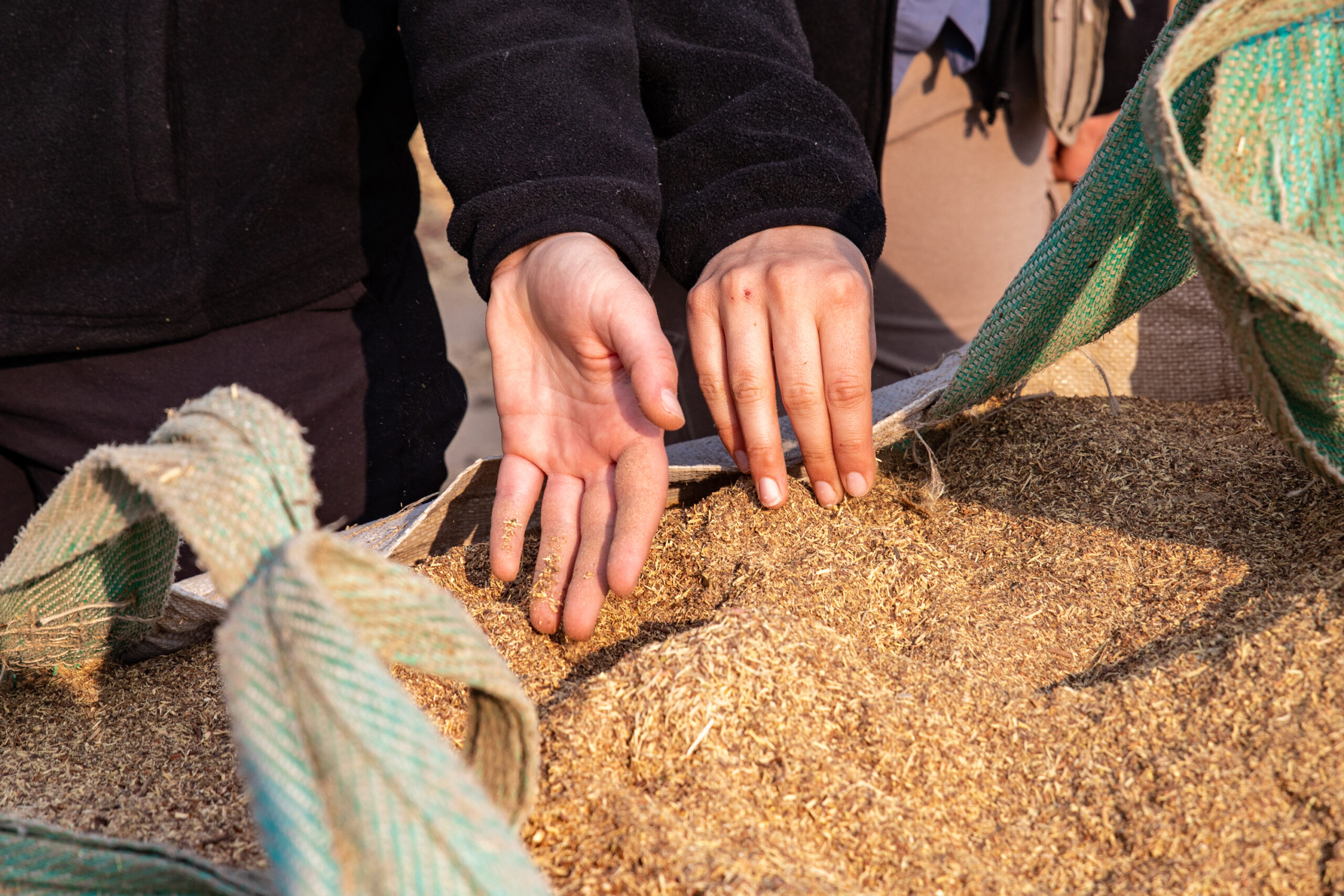
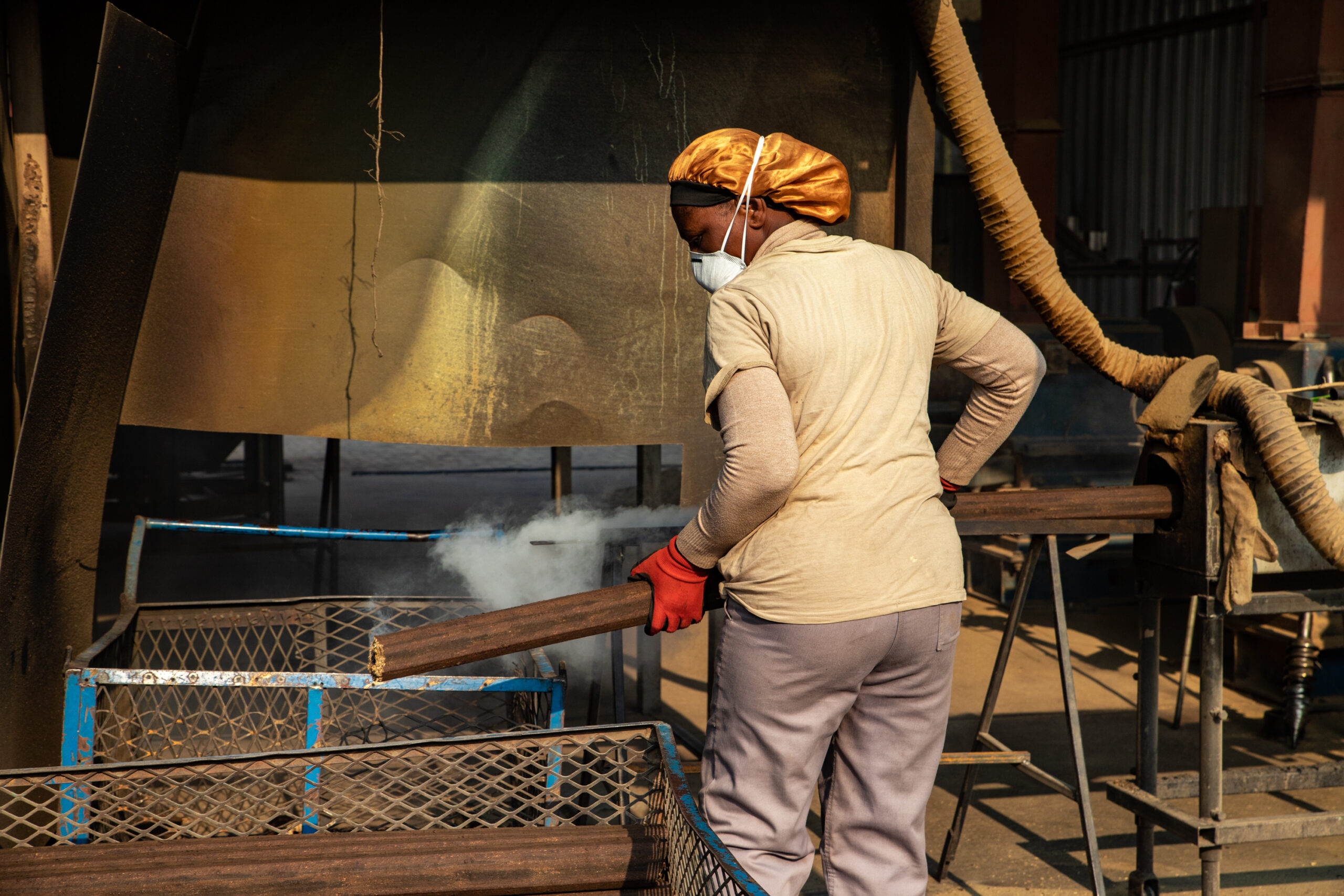
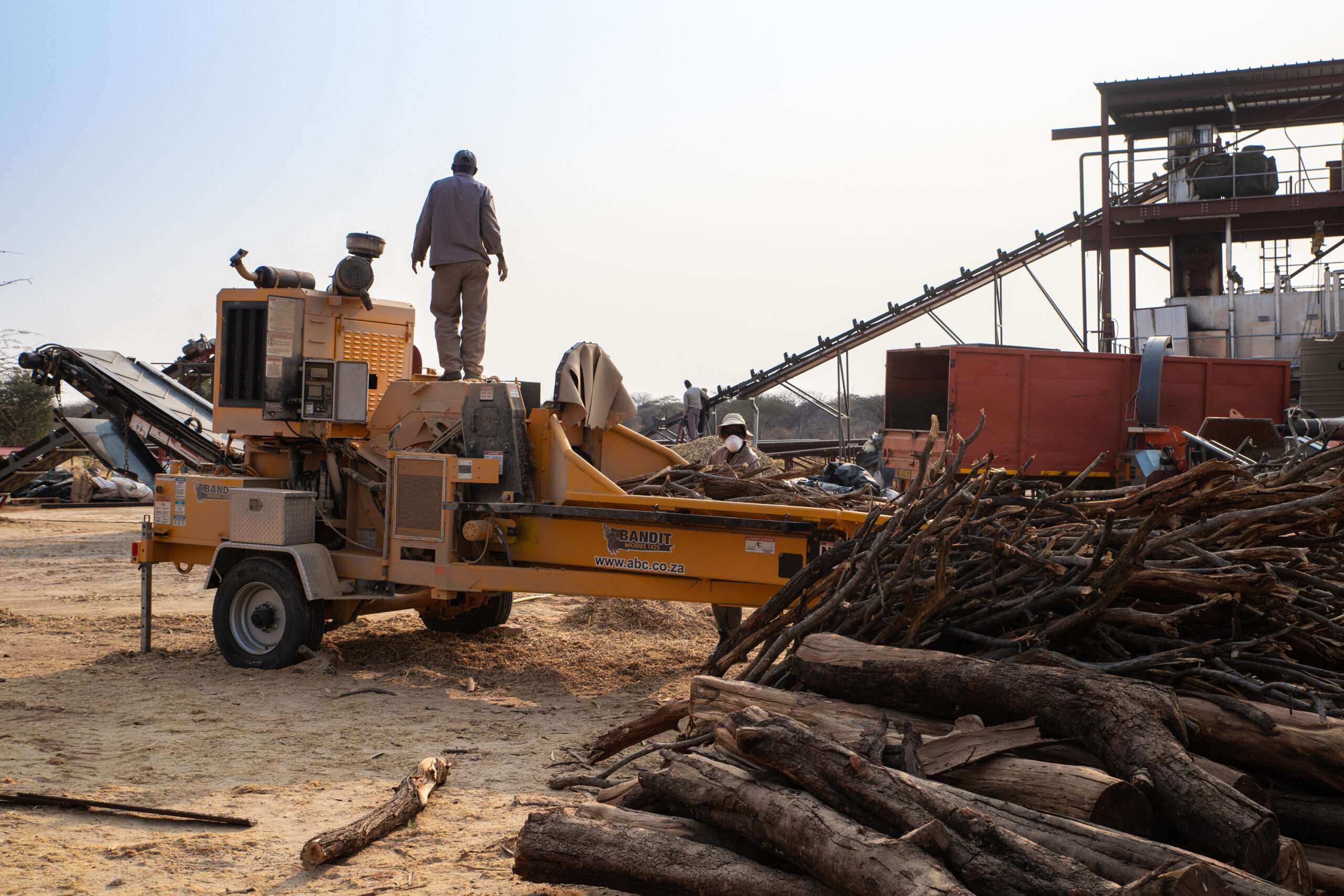
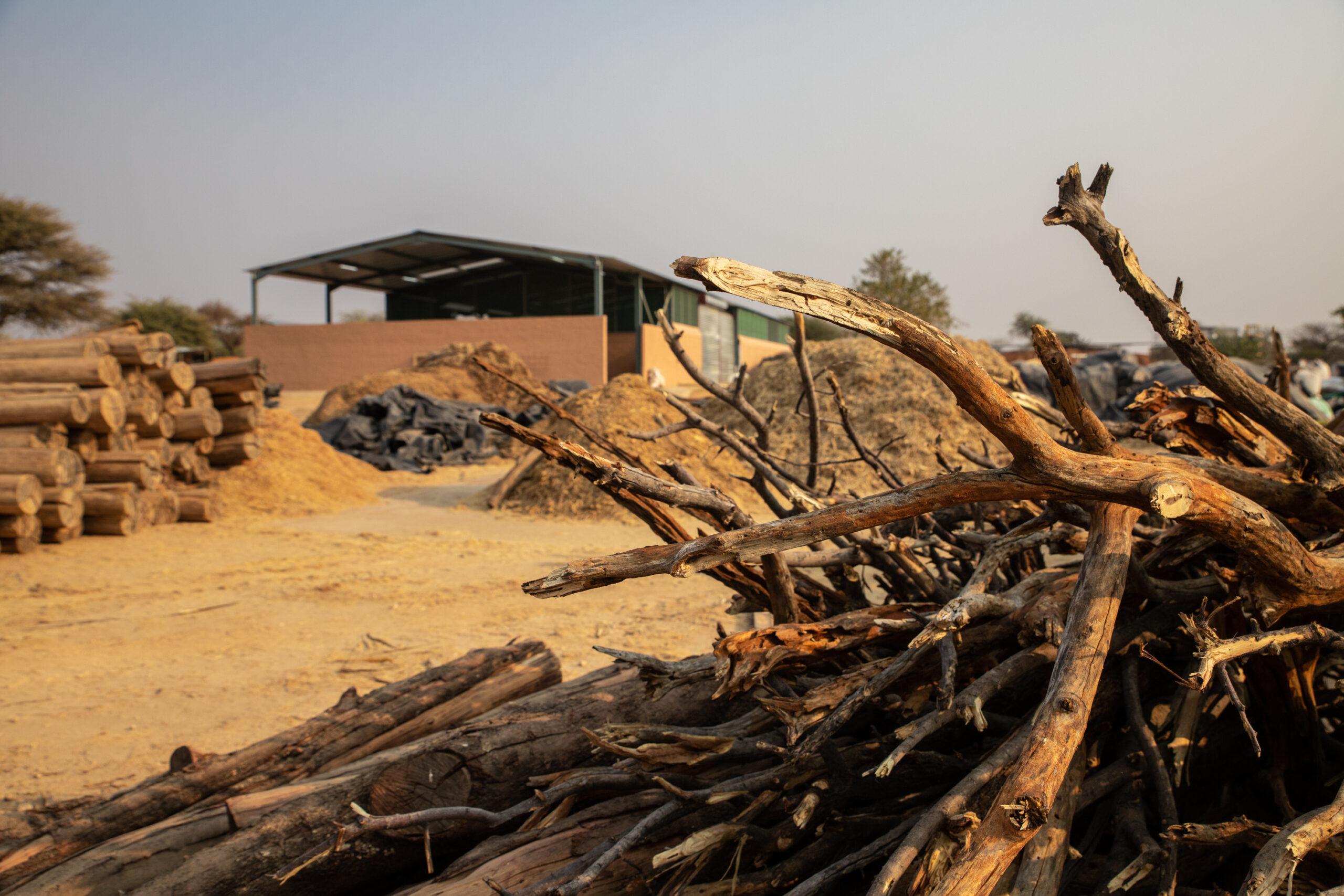
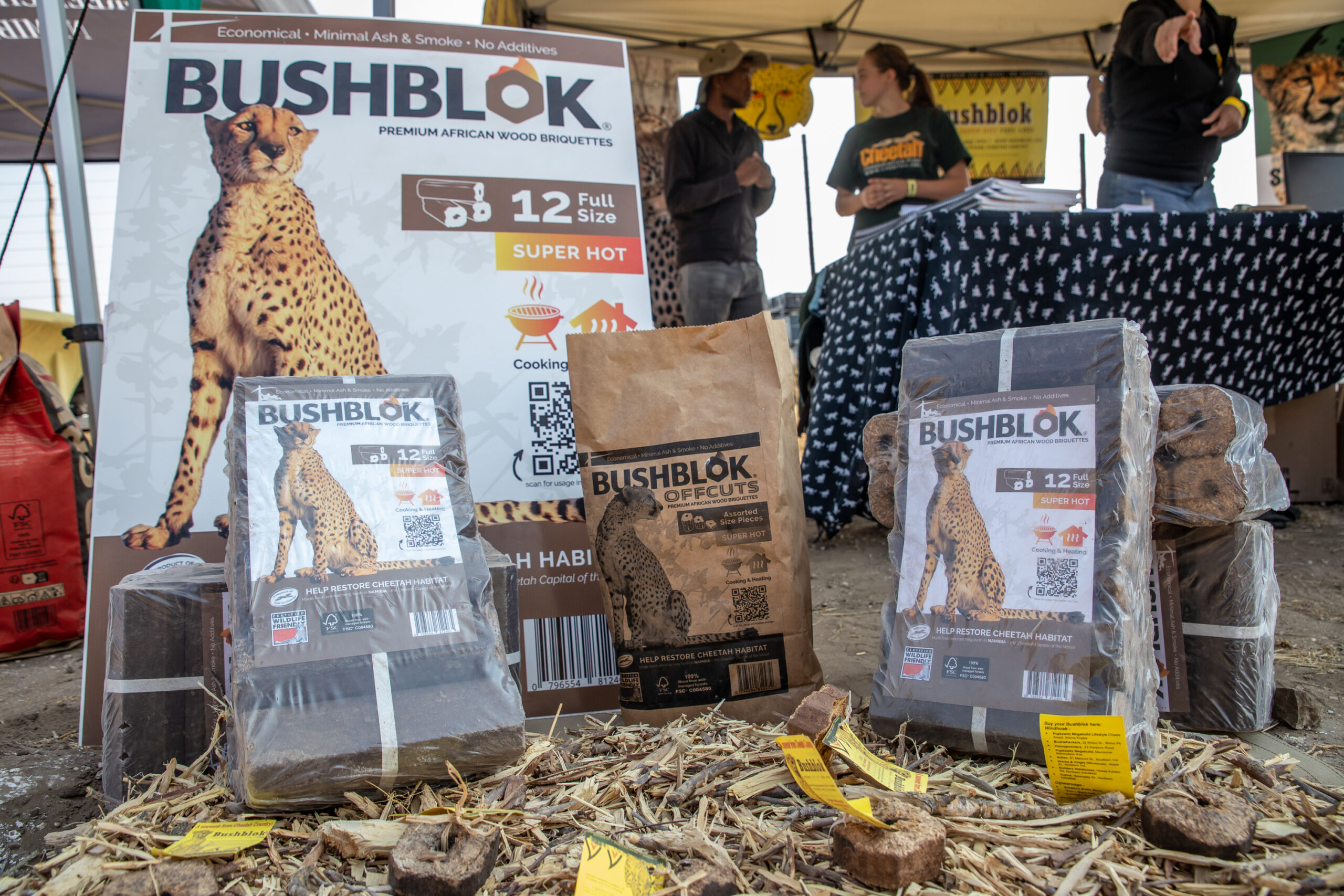
CCF harvests invasive thorn bush from areas that have been both environmentally and economically assessed, transforming it into a biomass product called Bushblok. This product, certified by the Forest Stewardship Council (FSC), is sold for use in cooking, home heating, and other applications. Thinning the bush helps restore the savannah to an optimal environment for cheetahs and their prey, while also creating sustainable employment for local communities—especially women.
The History of Bushblok
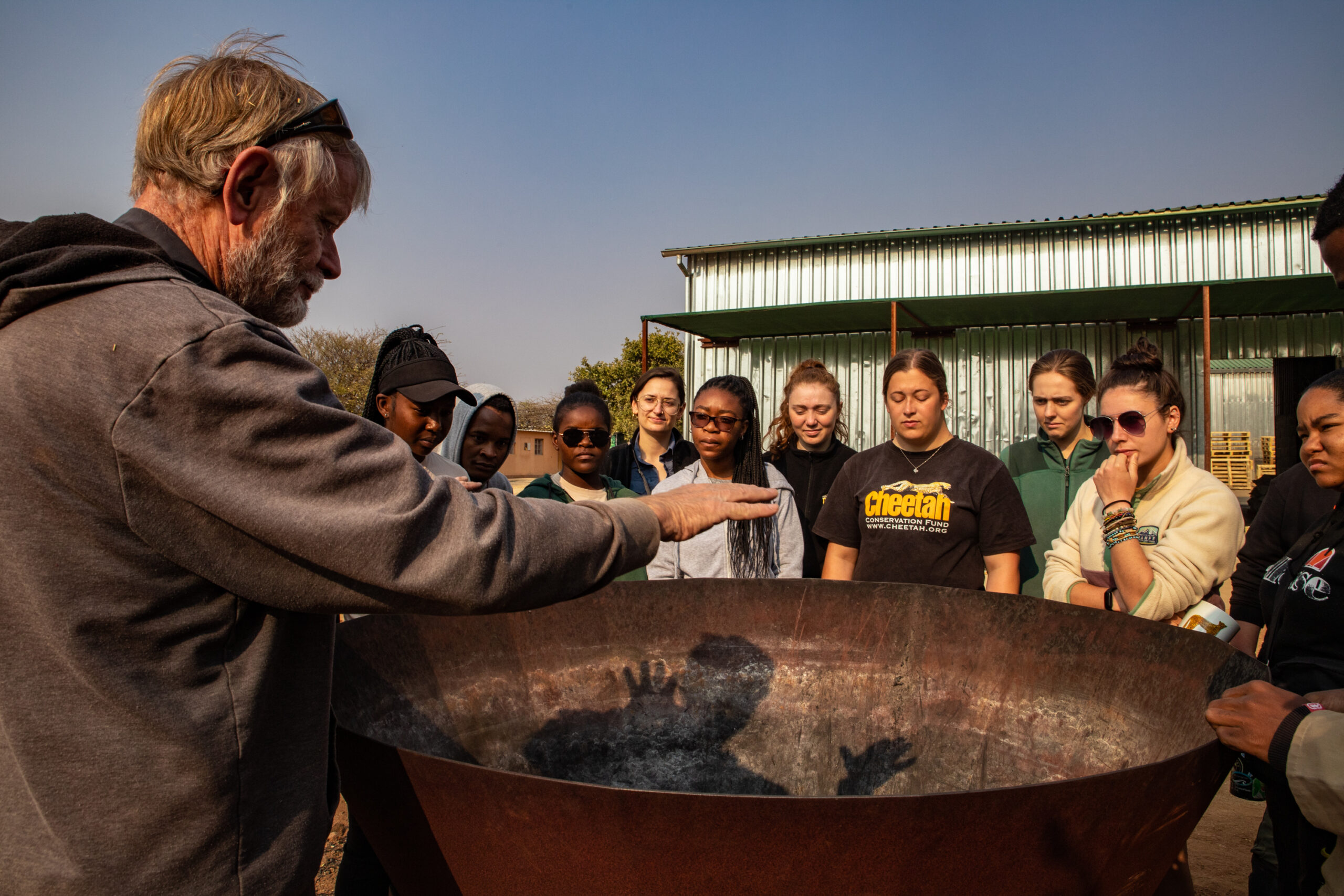
In 2001, CCF partnered with the United States Agency for International Development (USAID) to develop an ecologically and economically viable habitat restoration programme. Research revealed a business opportunity in processing encroaching bush into compacted logs for fuel use.
As a result, CCF Bush (PTY) Ltd was established to manufacture Bushblok. Operating as an independent, for-profit entity under its own management, CCF Bush is fully owned by the Cheetah Conservation Fund. The project is largely driven by Namibian stakeholders, with USAID as the sole international partner.
Bushblok not only addresses the ecological problem of bush encroachment but also creates job opportunities for harvesters, entrepreneurs, and chipping teams across Namibia.
CCF Bushblok® Project Objectives
-
To support the long-term survival of cheetahs and other species by restoring Namibia’s savannah.
-
To supply Namibian and international markets with sustainable, compacted fuel log products.
-
To promote the use of the intruder bush as a raw material in various industries.
-
To employ, train, and empower historically disadvantaged Namibians.
-
To provide business opportunities in bush harvesting, chipping, and transportation.
-
To set high economic, environmental, and social standards for bush processing.
-
To reduce reliance on native Namibian trees for firewood.
How Can You Help?
Thanks to the generous support of donors like you, we’ve made meaningful progress—but there is still much work to be done. This Earth Day week, your support is more vital than ever. Bush encroachment currently affects around 12 million hectares of land in Namibia alone. With less usable space for people and wildlife, human-wildlife conflict becomes more frequent and more dangerous.
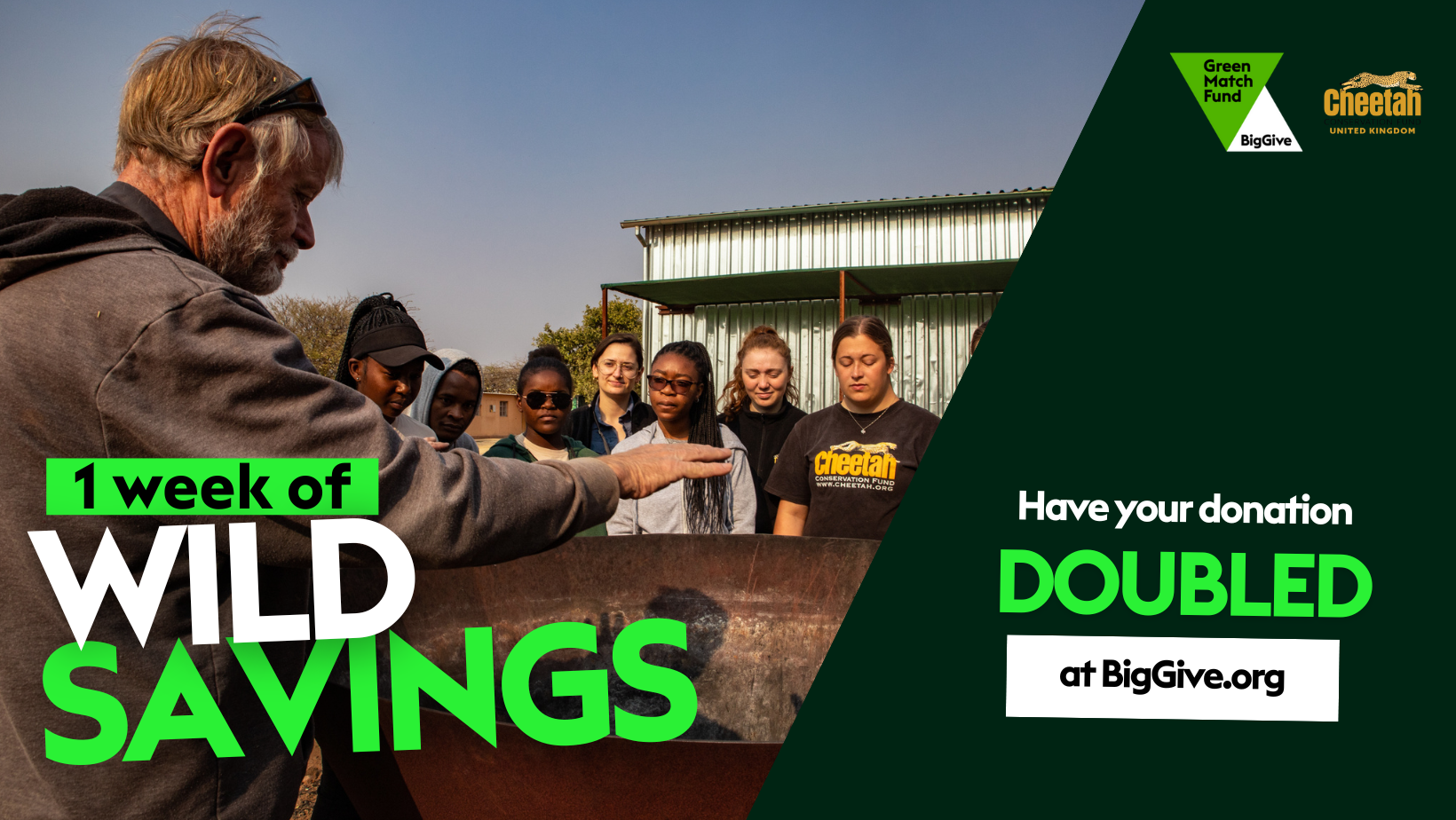
This week, your donation will go twice as far. Every pound you give will be matched by The Big Give, doubling your impact. A £5 donation becomes £10. With your help, we can continue to protect cheetah habitats, support local communities, and ensure a healthier future for generations to come. Click here to donate now.
Together, we can restore balance to the wild.
Related Reading
-
4 October 2026
From CCF Intern to Wildlife Photographer: Meet Leo Kim -
16 September 2026
September Photographer of the Month: Meet Dearbhaile Ní Dhubhghaill -
9 September 2026
Cheetah of the Month: Meet Rocket