What Is Rewilding and Why Does It Matter? Understanding Cheetah Rewilding Through CCF’s Work
-
- by Zilá Motta 29 July 2025
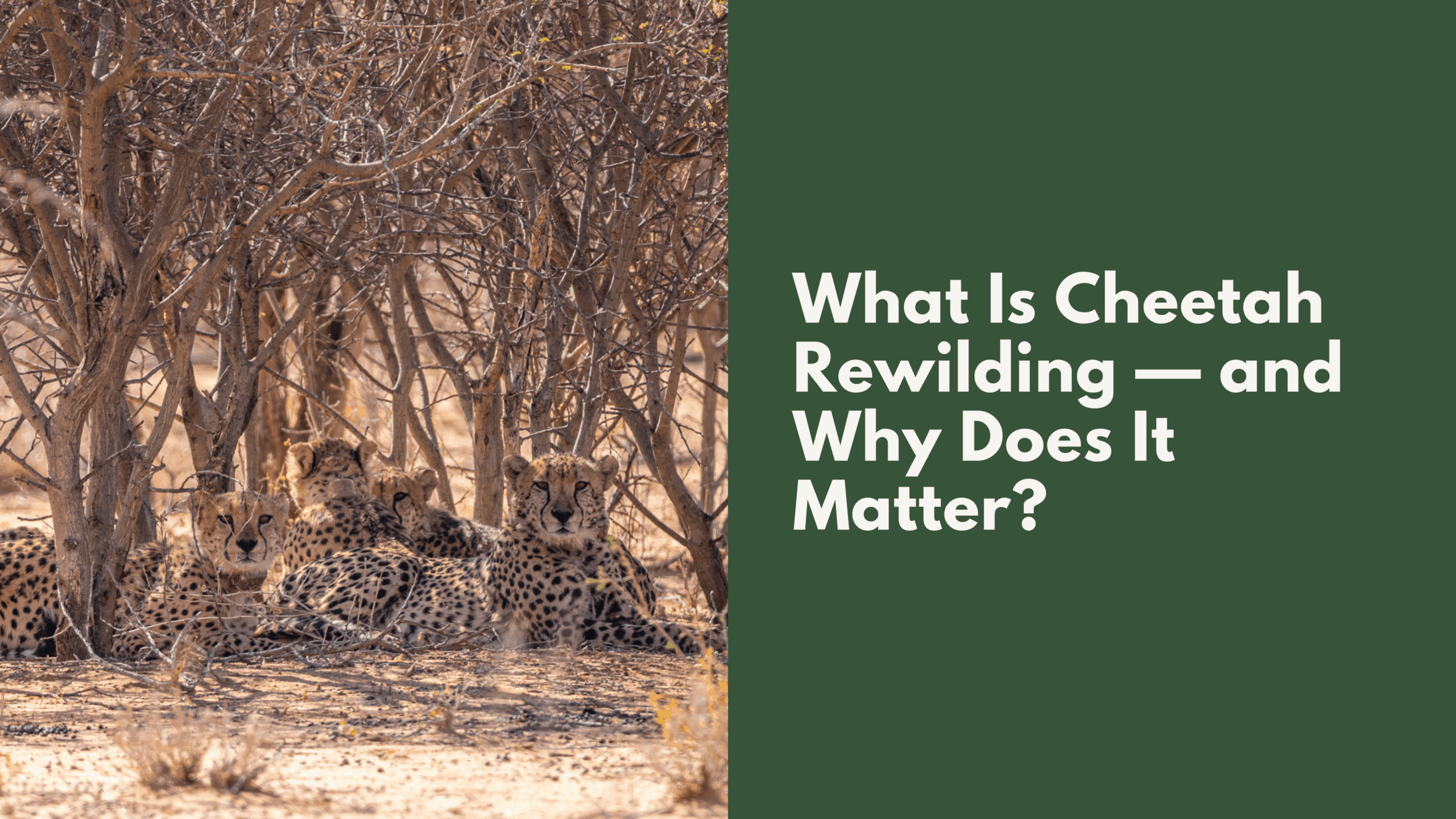
Rewilding is a powerful conservation strategy that restores ecosystems and returns wildlife to their natural habitats. At its core, rewilding strengthens biodiversity, helps species recover, and creates healthier landscapes for animals and people alike.
For cheetahs — one of the world’s most endangered big cats — rewilding is a lifeline. With fewer than 7,000 cheetahs remaining in the wild, and many facing threats from habitat loss, poaching, and the illegal pet trade, rewilding plays a vital role in restoring populations and ensuring their survival.
At the Cheetah Conservation Fund (CCF), rewilding is a central part of our mission. Since 2001, we’ve been working to rehabilitate orphaned and rescued cheetahs and give them a second chance at life in the wild.
What Is Cheetah Rewilding and Why Does It Matter?
Rewilding involves reintroducing wildlife into their natural ecosystems while allowing nature to recover with minimal human interference. In the case of cheetahs, it means preparing rescued or captive-raised individuals to survive independently — to hunt, avoid danger, find shelter, and eventually contribute to the wild population.
Cheetahs are apex predators and play a key role in maintaining the balance of ecosystems. Their presence helps regulate prey species, prevent overgrazing, and promote biodiversity. Every cheetah successfully returned to the wild helps restore this natural balance and adds to the species’ genetic diversity.

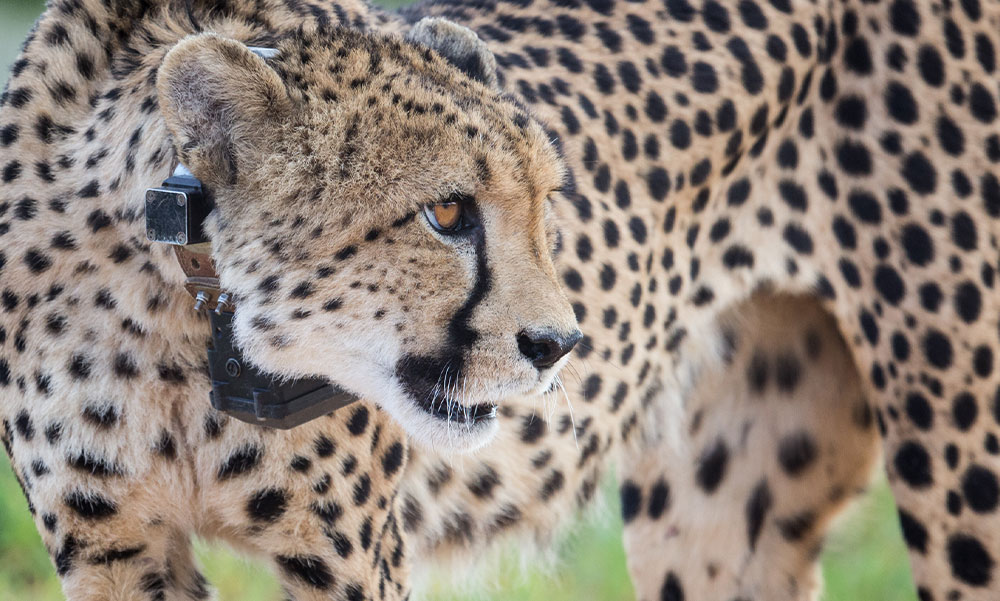
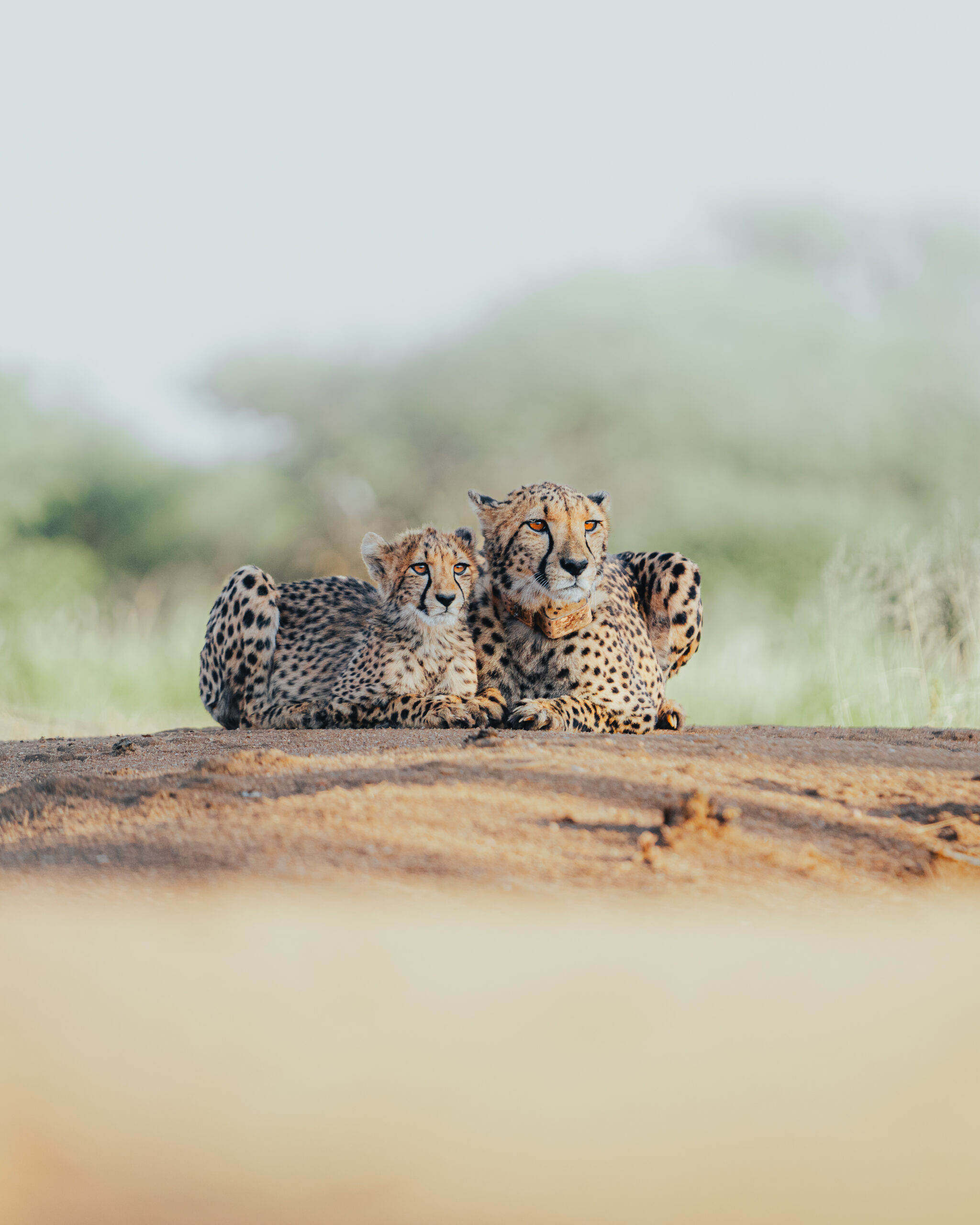
Namibian cheetah at Erindi Private Game Reserve in February 2022. Individual cats are fitted with satellite collars so scientists and specialists can monitor their movements and provide support.
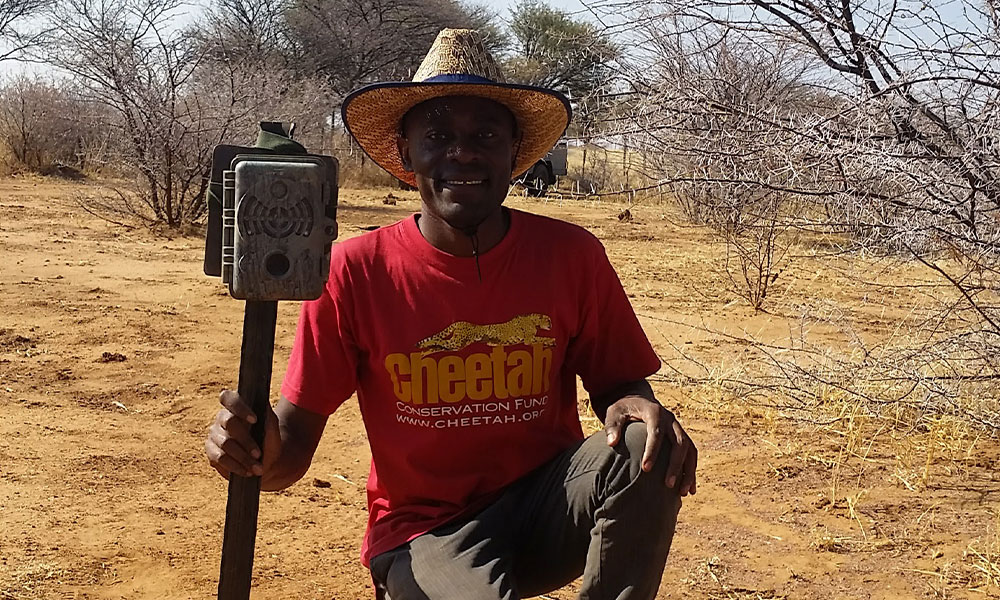
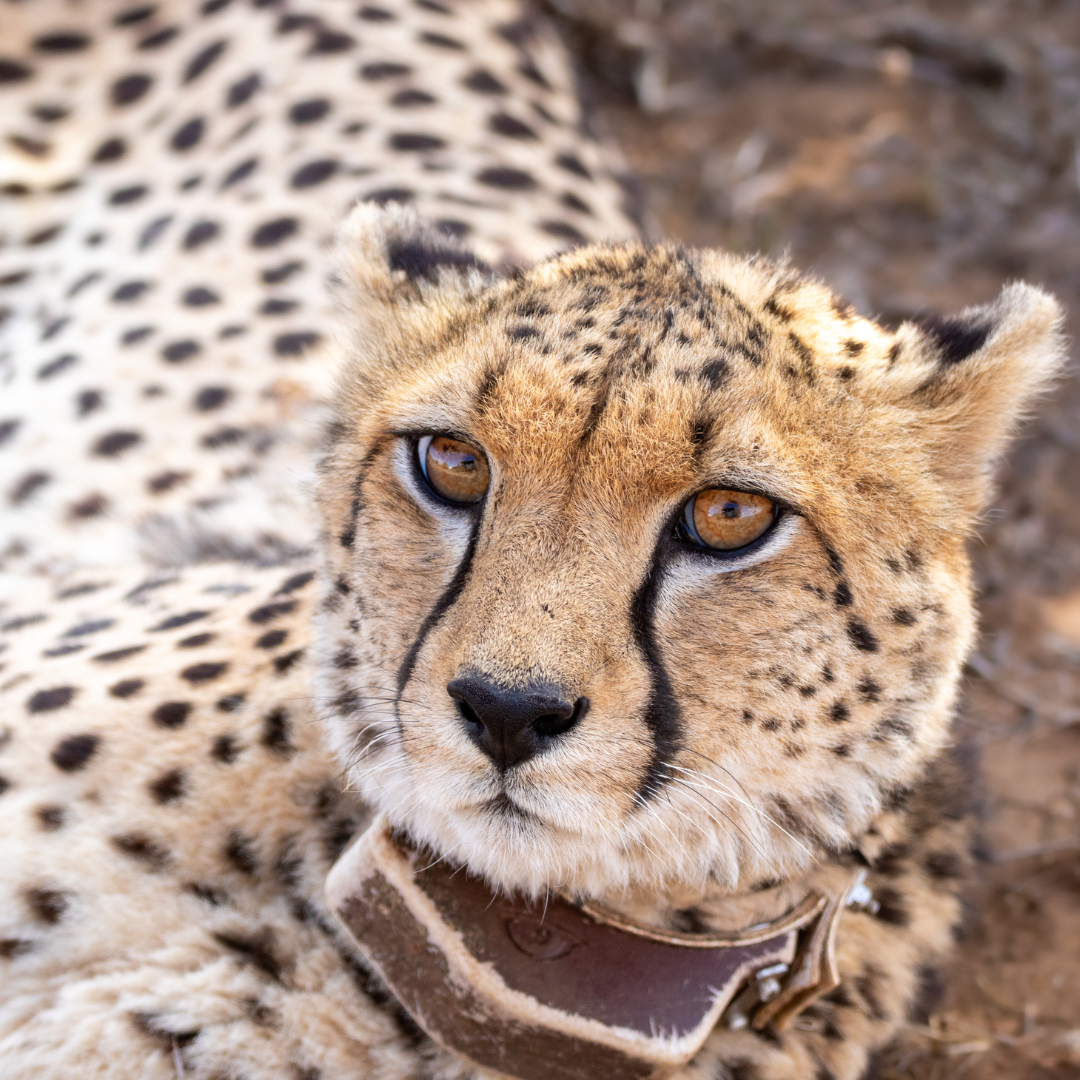
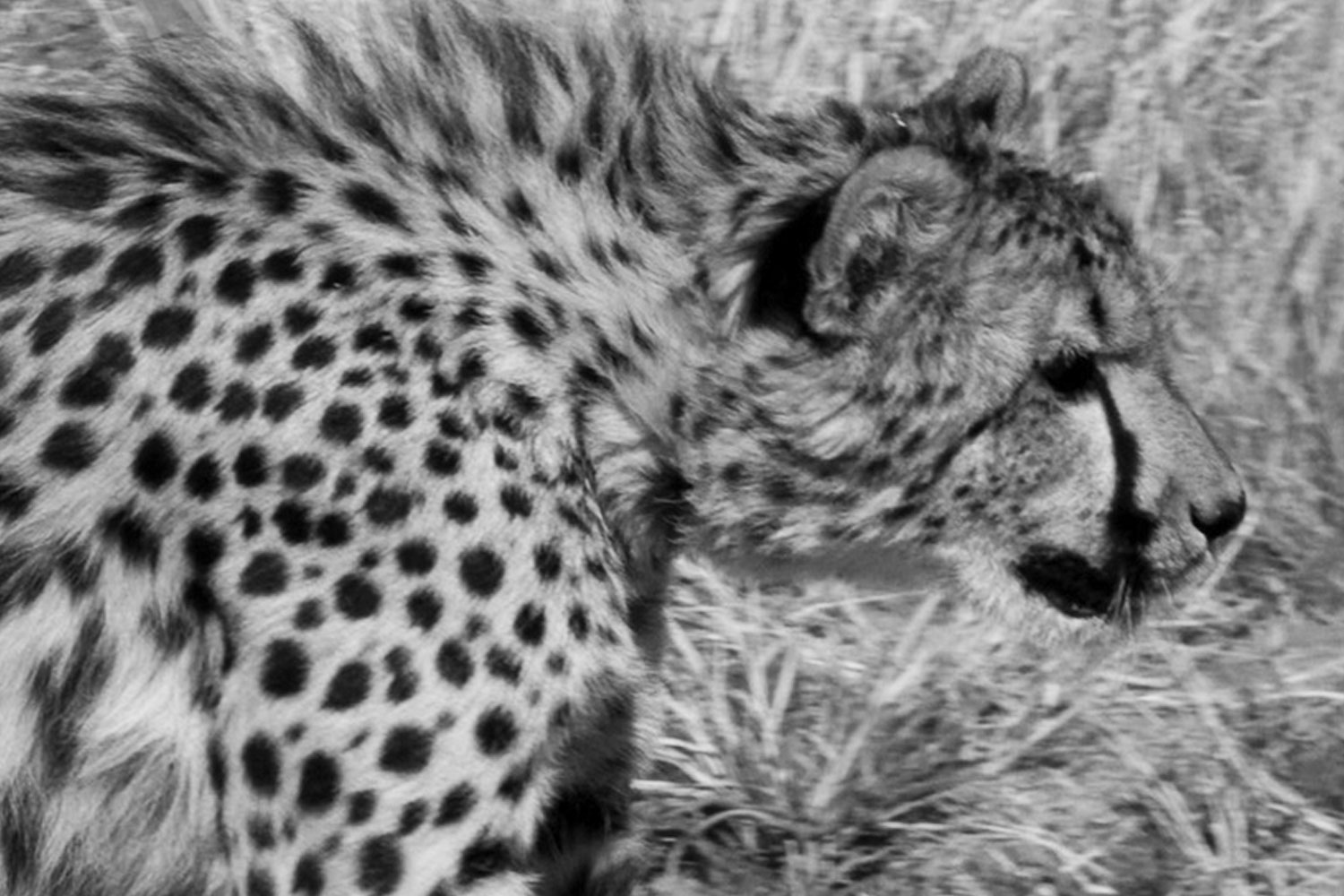
'Mbiyo is a young male cheetah who was partly raised in captivity because his mum died and he was too young to survive by himself. This photo was taken in the first few weeks following his release when he was comfortable in the presence of vehicles.'
How Does the Process of Rewilding a Cheetah Work?
Releasing a cheetah back into the wild is not as simple as opening a gate. It’s a complex, staged process requiring experience, patience, and precision.
1. Rescue and Initial Rehabilitation
Most cheetahs that enter CCF’s care come from the illegal wildlife trade or conflict situations. In short-term cases — especially when cheetahs are older than cubs or adolescents — rehabilitation may only require minimal medical attention. These individuals are kept in isolation to avoid imprinting on humans and to encourage natural, wild behaviours.
CCF only keeps cheetahs in care as long as necessary to improve their survival chances once released.
2. Pre-Release Training
Cheetahs begin their rewilding journey in a controlled, semi-natural setting. They are introduced to live prey, learn to stalk and hunt, and gradually become more independent.
3. Semi-Wild Monitoring
Next, cheetahs are transferred to large, enclosed areas spanning hundreds of hectares. These environments mimic the wild and give the animals room to refine their survival skills. Using GPS collars, camera traps, and direct observation, our team tracks their development in hunting, socialisation, and territory use.
4. Full Release
When a cheetah has proven they can hunt and survive on their own, they’re released into protected areas. Post-release monitoring continues using tracking technology to ensure they adapt well. One success story is Hela, who was not only successfully rewilded but also gave birth to three healthy cubs in the wild — a major milestone for the species.
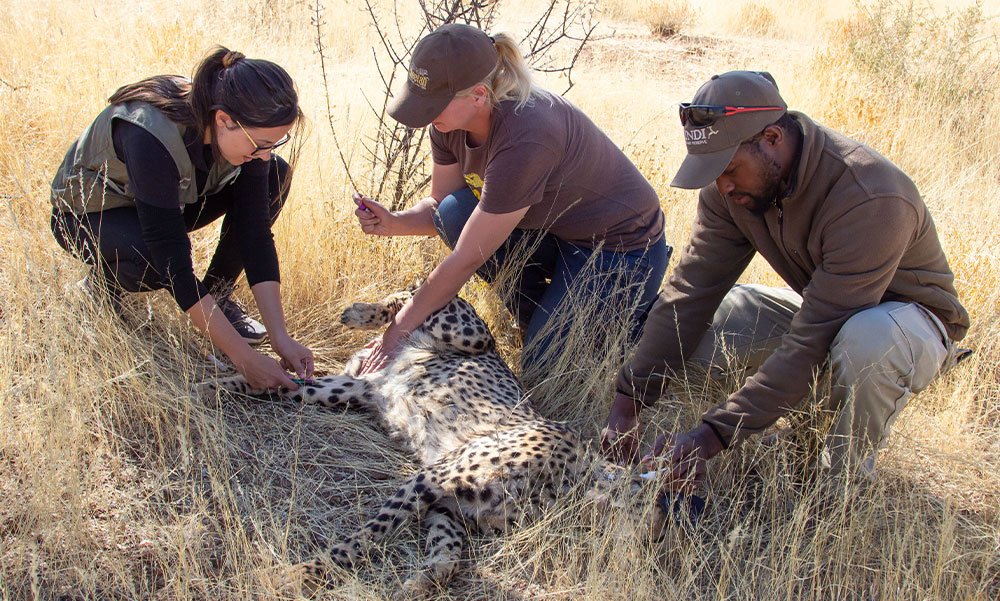
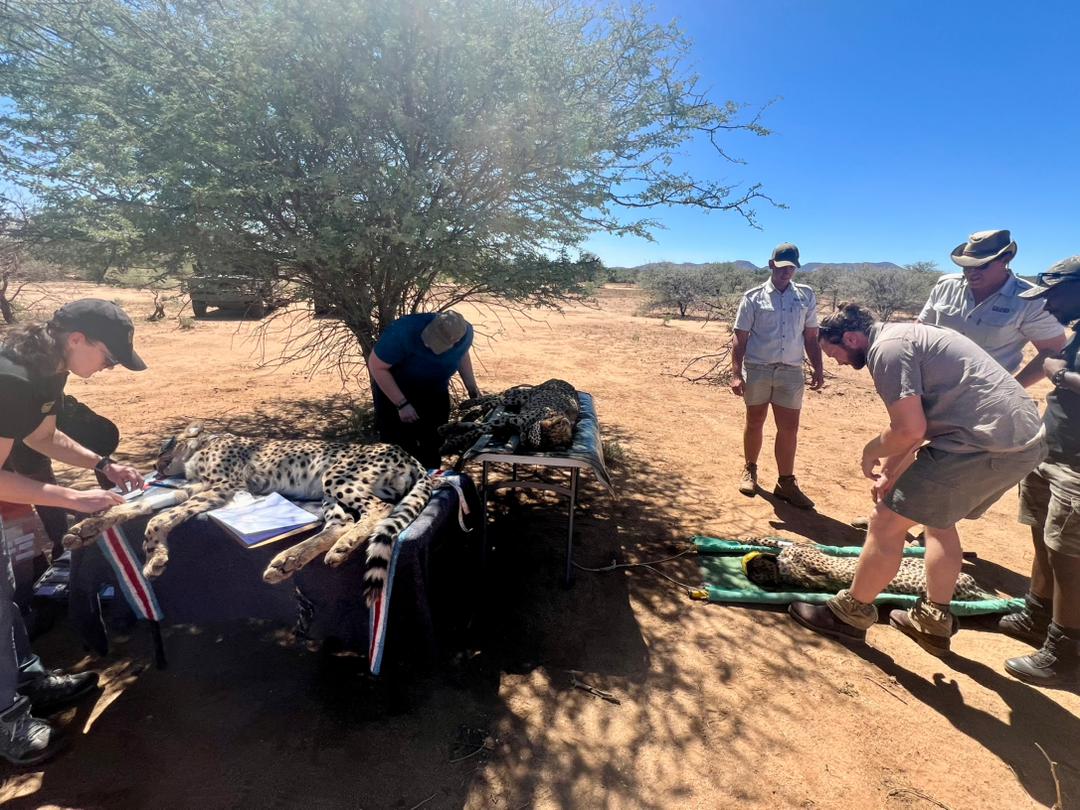
CCF Veterinarian Dr Ana Basto (left), CCF cheetah specialist Lea Petersen (centre) and a member of Erindi Private Game Reserve’s staff (right) prepare to transfer a Namibian cheetah from Erindi to the CCF Centre in August 2022.
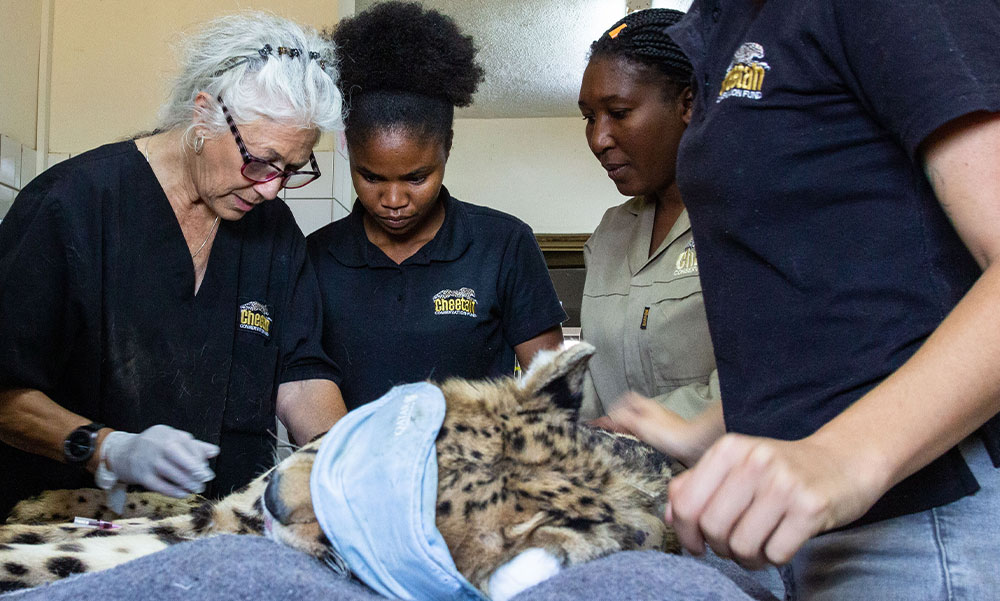
Cheetah Conservation Fund (CCF) Founder and Executive Director, Dr Laurie Marker, and CCF cheetah specialist teams prepare the cheetahs for the translocation at the CCF Centre in Otjiwarongo, Namibia, on 12 September. Photo credit: Courtesy of Cheetah Conservation Fund

What the Research Says: A Groundbreaking Study on Cheetah Rewilding
To better understand the factors that influence rewilding success, CCF published a landmark study in 2022. It examined cheetah release trials conducted from 2004 to 2018 in Namibia, aiming to develop a robust protocol for returning rehabilitated cheetahs to the wild.
Between 2001 and 2012, CCF rescued 86 orphaned cheetahs, selecting 36 as candidates for release. Of these, 27 became fully independent in the wild.
Key findings from the study include:
-
Careful candidate selection is essential
-
The choice of release site matters greatly
-
Close monitoring before and after release increases the likelihood of success
Of 17 cheetahs that underwent training-release trials, 52% were successfully released into the wild. Remarkably, 96% of those released adapted well, many making successful kills within their first two weeks.
Why Rewilding Matters for Global Conservation
With 60% of the planet’s terrestrial carnivores under threat of extinction, rewilding is more than a recovery tool — it’s a necessity. Returning rehabilitated cheetahs to the wild helps:
-
Restore species to their historic range
-
Reduce human-wildlife conflict
-
Bolster fragile populations in the wild
And while this research focused on cheetahs, the rewilding protocols developed by CCF have broader applications — offering a valuable model for reintroducing other carnivore species as well.
Rewilding Success Stories: Hela and Max
Hela is one of CCF’s earliest rewilding success stories. Rescued from captivity, she began her journey in a rehabilitation centre, where she gradually learned to hunt and survive independently. After months of preparation and careful monitoring, Hela was released into the wild—where she thrived. Not only did she successfully reintegrate, but she also gave birth to three healthy cubs, contributing directly to the growth of Namibia’s wild cheetah population.
Click here to learn more about Hela’s journey.
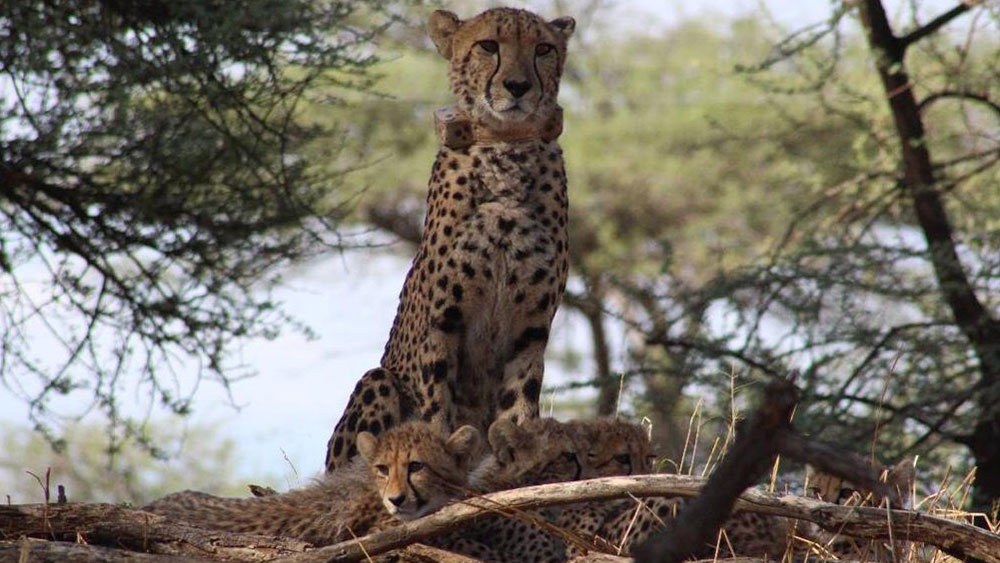
More recently, Max became a shining example of rewilding success in human-dominated landscapes. Rescued and rehabilitated by CCF, Max was released into the wild on February 28, 2024. Over the next seven months, he navigated an astonishing 88 different farms across central Namibia before establishing his own home range across 11 farms between October and December.
What’s most remarkable is that, as of February 2025, no livestock losses were reported in the area where Max roams — a powerful testament to the success of CCF’s conflict-prevention strategies. Max was fitted with a satellite tracking collar, allowing CCF to monitor his movements and collect valuable data on cheetah behaviour and habitat use. This real-time monitoring, combined with farmer training and participation, helps prevent human-wildlife conflict while informing broader conservation strategies.
Max’s story highlights how rewilded cheetahs can coexist with local communities and livestock, reinforcing that returning cheetahs to the wild not only benefits the species but also creates a model for shared landscapes where both humans and predators can thrive.
Learn more about his journey in the video below!
How You Can Help
Rewilding programmes rely on support to continue their vital work. Whether through donations, symbolic adoptions, or simply spreading awareness, every effort helps give more cheetahs like Hela a second chance at life in the wild.
This month, we’re running a special campaign dedicated entirely to rewilding. Every donation will go directly toward our rewilding program, helping us provide essential care for recently rescued cheetah cubs in Namibia and Somaliland. Your support will fund critical health checks, food, vaccines, and the daily resources needed to train these cubs for life in the wild.
Every contribution, no matter the size, makes a difference. Click here to donate now, and start helping us give these cheetahs the future they deserve today.
By understanding and supporting rewilding, we can all ensure cheetahs continue to roam free, just as nature intended.
Related Reading
-
16 September 2026
September Photographer of the Month: Meet Dearbhaile Ní Dhubhghaill -
9 September 2026
Cheetah of the Month: Meet Rocket