Women Shaping the Future of Science at the Cheetah Conservation Fund
-
- by Zila Oliveira 10 February 2026
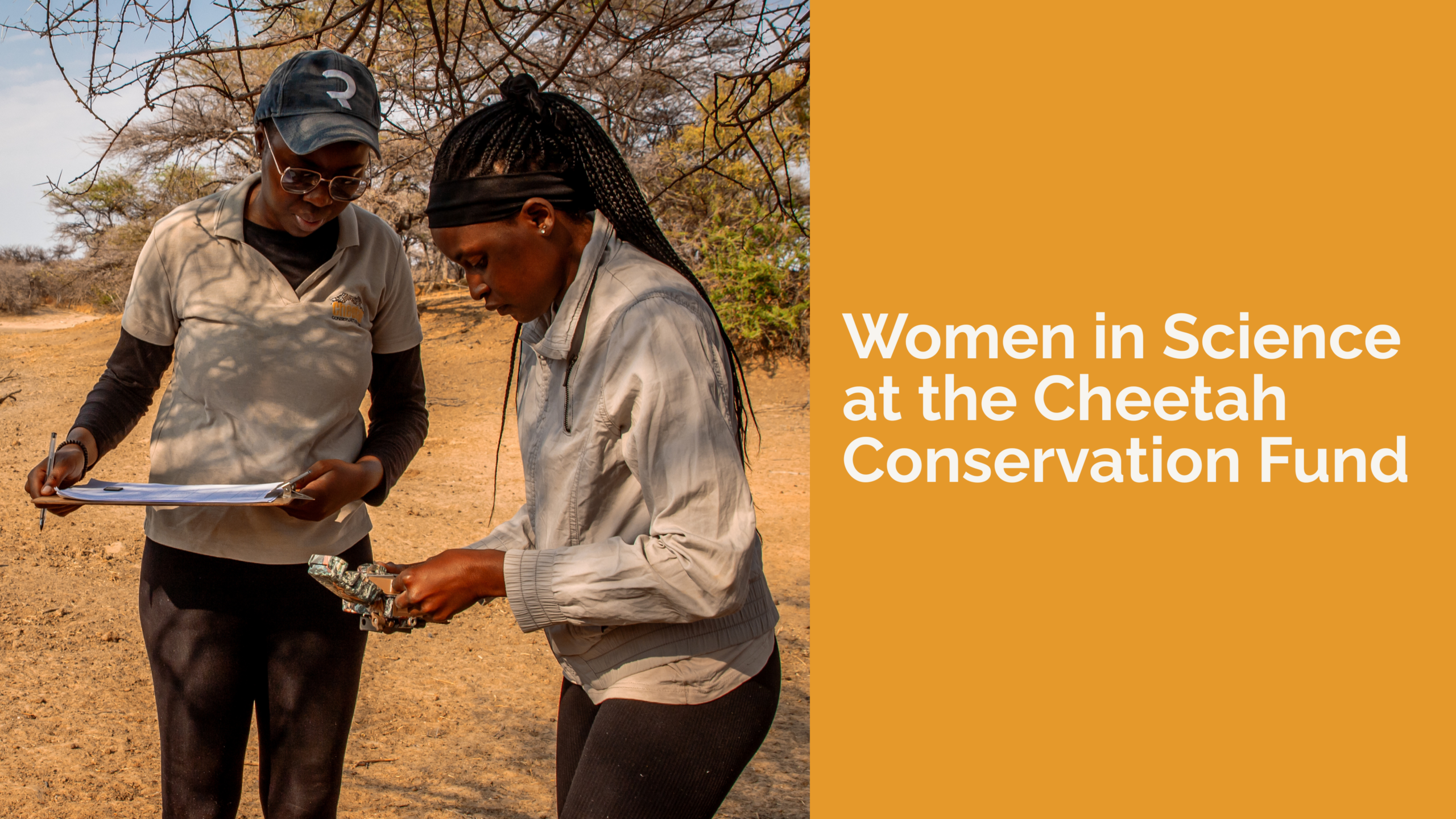
Every year, the International Day of Women and Girls in Science reminds us of the vital role women play in advancing knowledge, innovation, and conservation. While progress has been made globally, access to education, mentorship, and real-world scientific experience remains limited for many women, particularly in developing countries like Namibia and Somaliland.
At the Cheetah Conservation Fund (CCF), supporting women in science is not a side project; it is deeply embedded in our conservation mission. From Namibia to Somaliland, women are leading research, working in the field, and shaping the future of wildlife conservation.
Creating Opportunities for Women in Science
Science in Africa is steadily growing, with more women stepping into research and conservation roles. Yet, in countries like Namibia, opportunities for students and early-career scientists in Science, Technology, Engineering, and Mathematics (STEM) remain limited, especially when it comes to hands-on experience and professional mentorship.
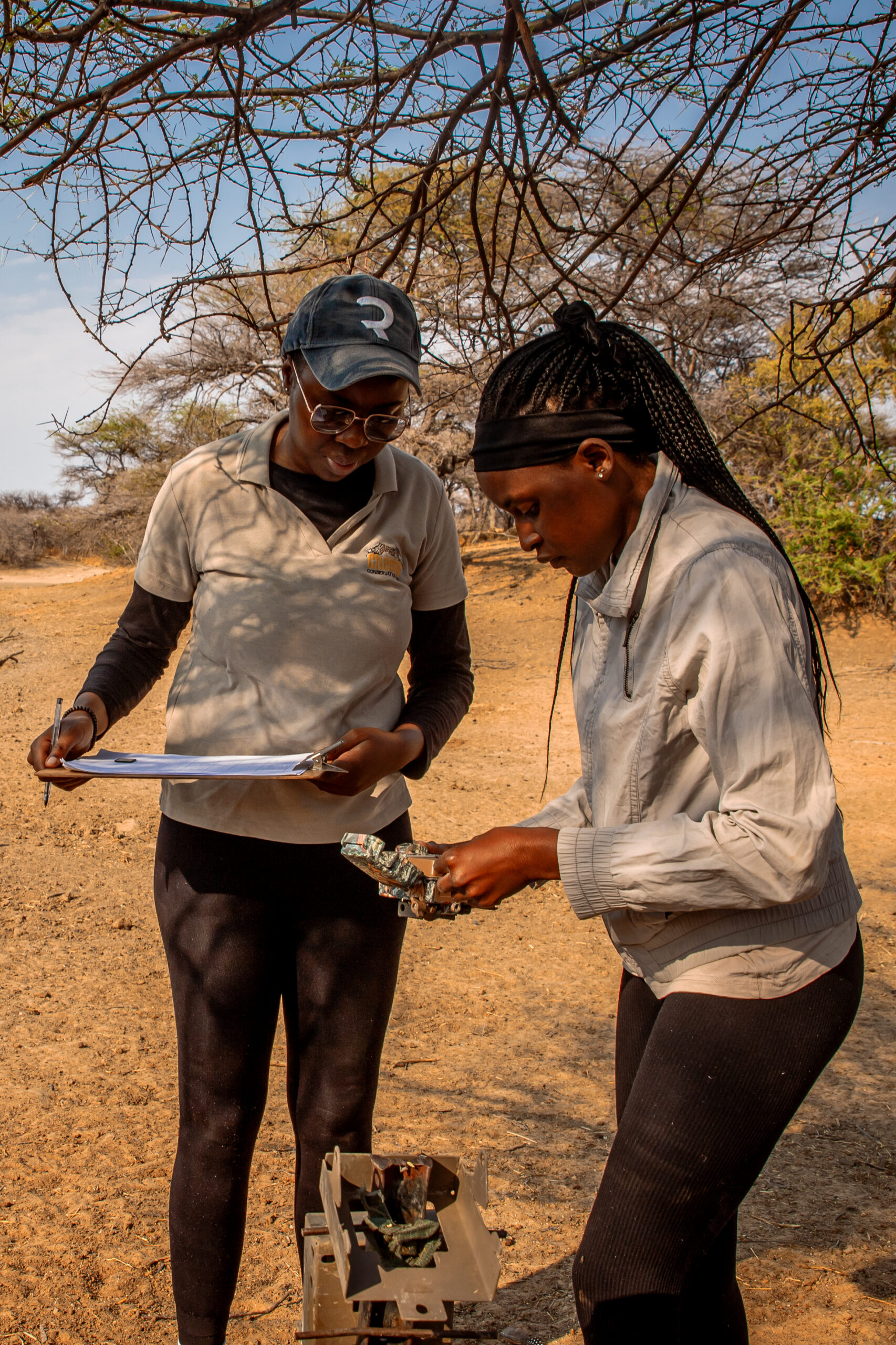
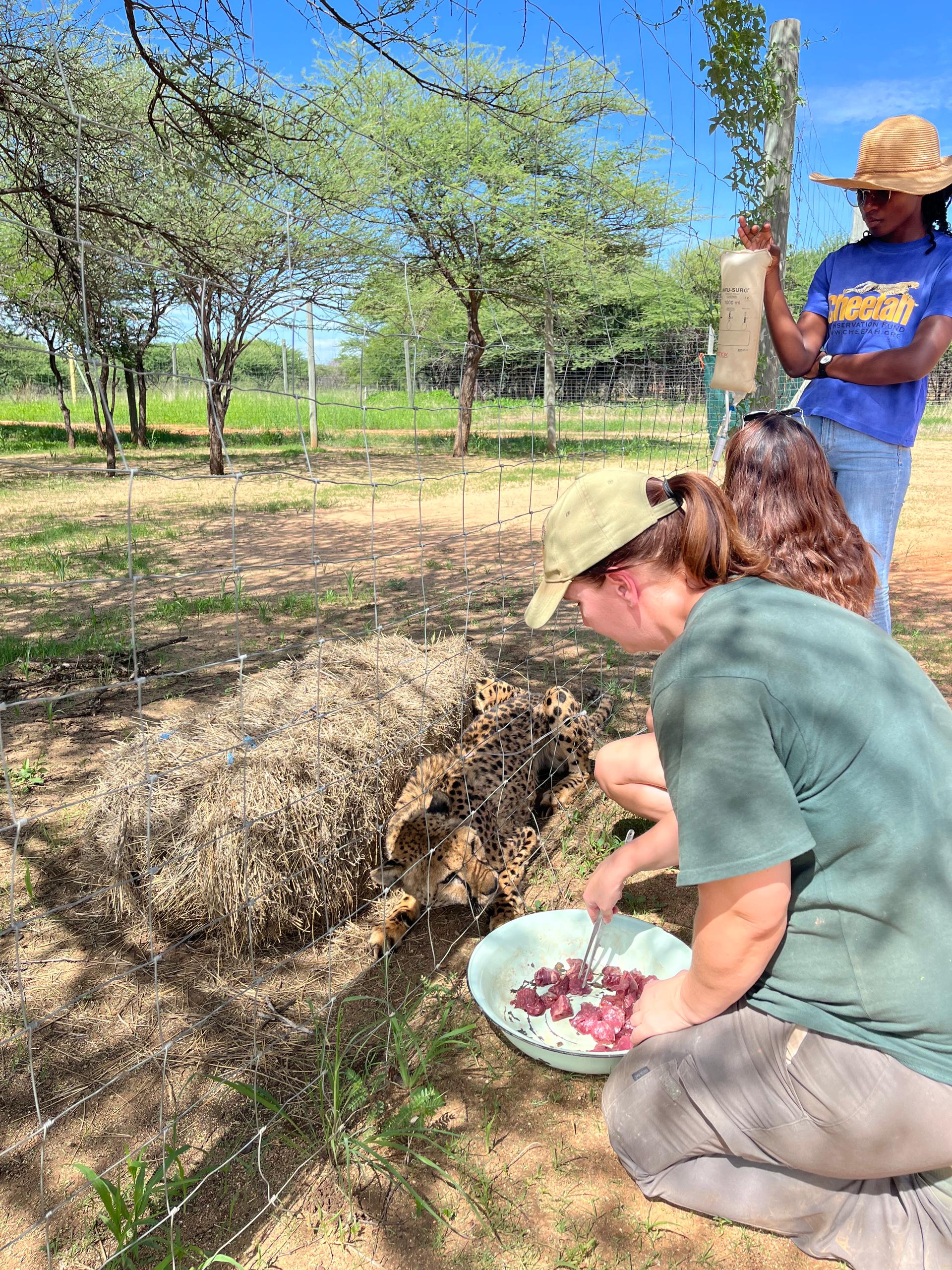
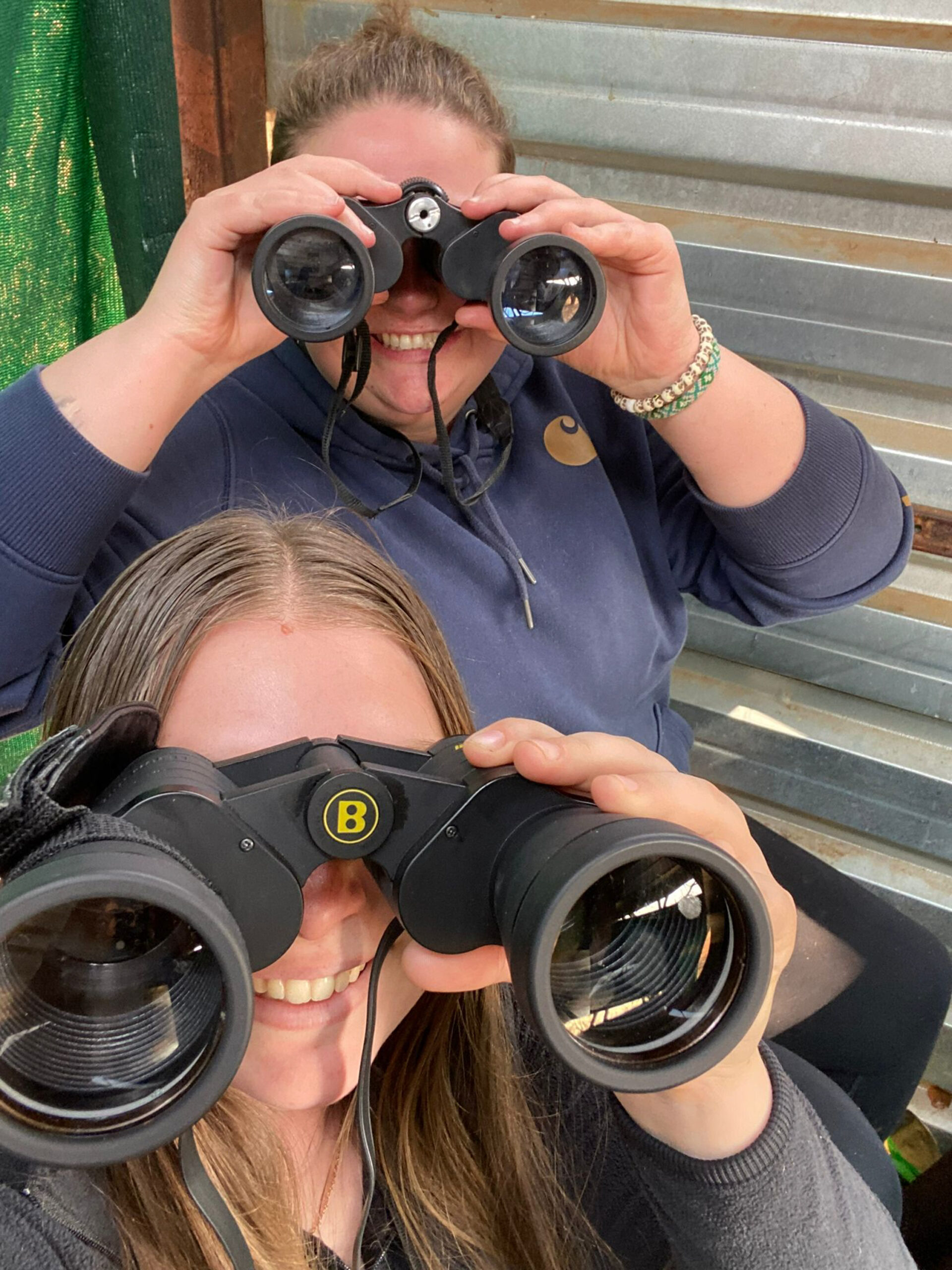
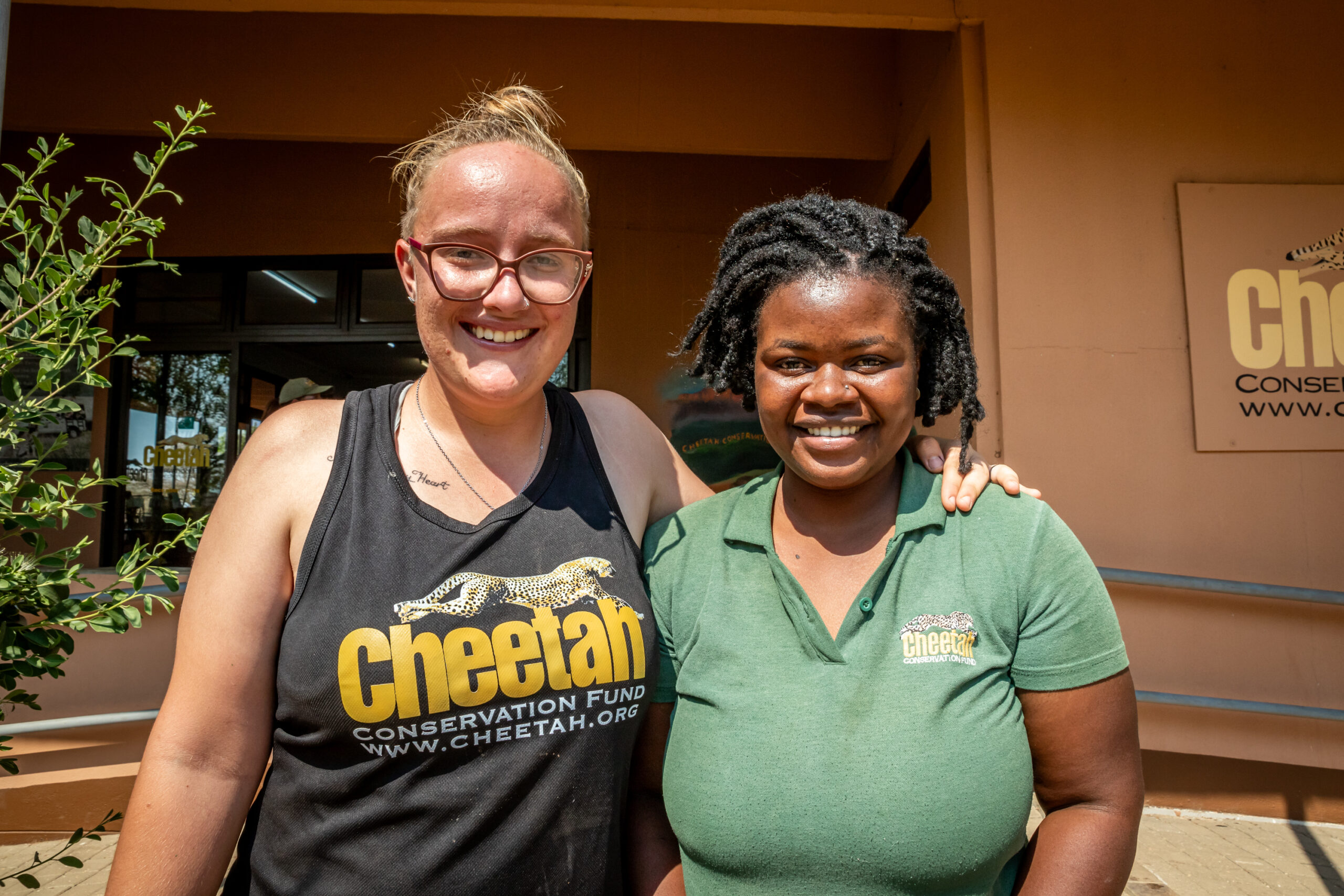
CCF works to bridge this gap by offering internships, research placements, and long-term career pathways across a range of scientific disciplines. Through fieldwork, laboratory research, and applied conservation projects, women gain the skills and experience needed to grow as scientists while contributing directly to cheetah conservation and broader wildlife protection.
This commitment extends beyond Namibia. At our Somaliland centre, women play a central role in research, animal care, and conservation activities, a powerful example of how access and opportunity can transform both careers and communities.
Stories from Women at CCF
Simoné: From First Visit to CCF Staff Member
Born and raised in Otjiwarongo, Namibia, Simoné first discovered CCF during a visit with her mother in 2019. What began as curiosity soon turned into purpose.
In 2023, she returned to CCF as an intern and, through dedication and hands-on experience, worked her way into a staff position. Today, Simoné describes being part of the CCF team as an incredible journey, one that shows how early exposure and opportunity can turn passion into a career in conservation.
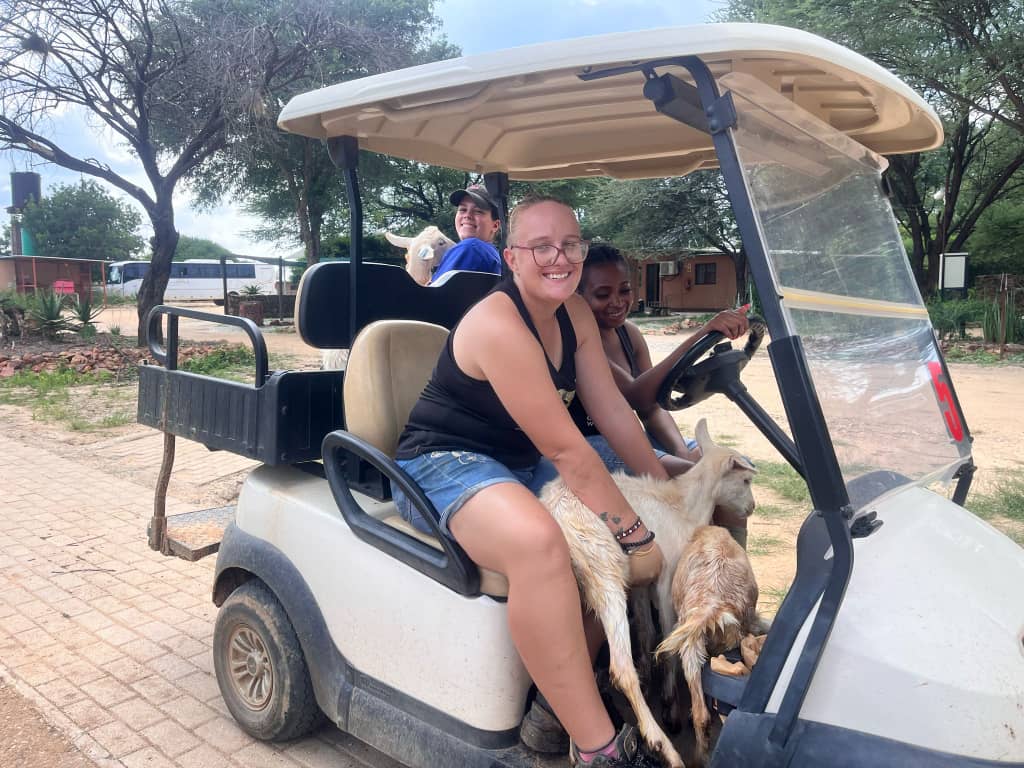
Lapaka Petrus: Advancing Conservation Through Genetics
Lapaka Petrus, born and raised in Namibia, graduated with an Honours degree in Animal Science and began her journey at CCF as a kraal intern. Her curiosity and commitment soon led her into the genetics laboratory, where she discovered the power of conservation genetics.
Now pursuing a Master’s degree in Animal Genetics, Lapaka’s research focuses on carnivore diversity and livestock presence in predator diets, work that directly supports efforts to reduce human–wildlife conflict in Namibia. Her journey reflects how practical experience and academic research can come together to create real-world solutions.
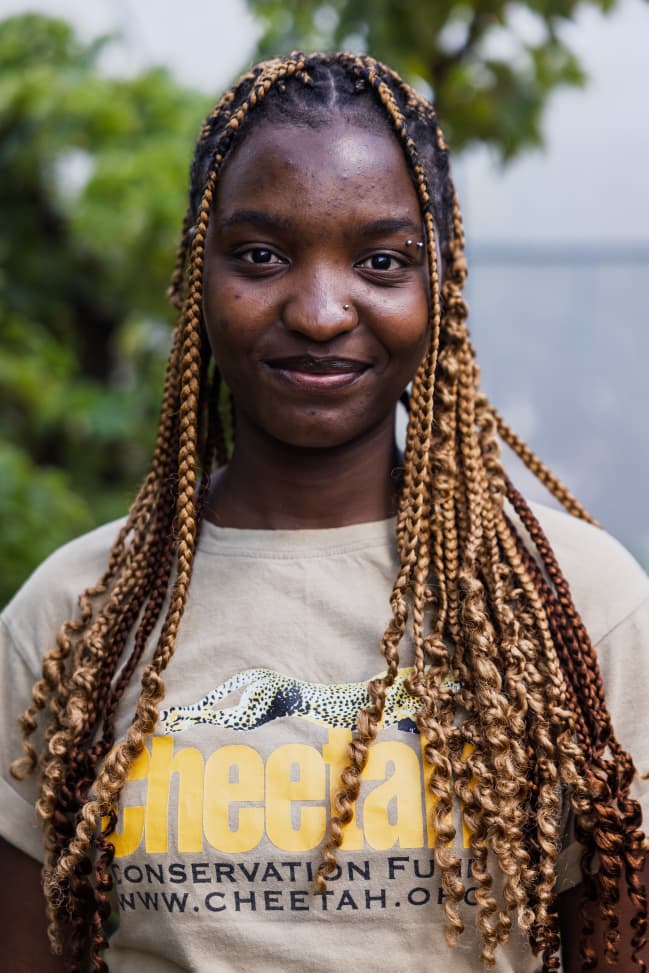
Tresia Shihepo: Conservation Through Genetics
Originally from Windhoek, Treisia is a conservation geneticist and lab assistant at CCF in Namibia. Tresia initially joined CCF as an intern in 2023 – and was especially excited to have the opportunity to gain hands-on lab experience at the only dedicated conservation genetics lab in Namibia.
Last year, Tresia joined CCF’s members of CCF’s ecology team and scat dog Enya on an important research expedition to Namibia’s rugged and remote Fish River Canyon to identify cheetah marking sites and collect scat samples to be used for genetic studies on free-ranging cheetahs in Namibia. More recently, Tresia represented CCF at the Organization for Women in Science Namibian Chapter Conference held in Windhoek in October.
During the conference, Tresia presented a segment of her Master of Science (MSc) research examining the genetic relatedness of African wild dogs in Namibia’s eastern communal conservancies – and was named the Best Postgraduate Presenter of the conference.
Lea: A Global Journey Rooted in Conservation
Originally from Denmark, Lea has always been driven by a desire to work with animals and contribute to conservation. After spending 12 years working at a zoo in the Netherlands, she first joined CCF as a volunteer in Namibia and Somaliland in early 2020.
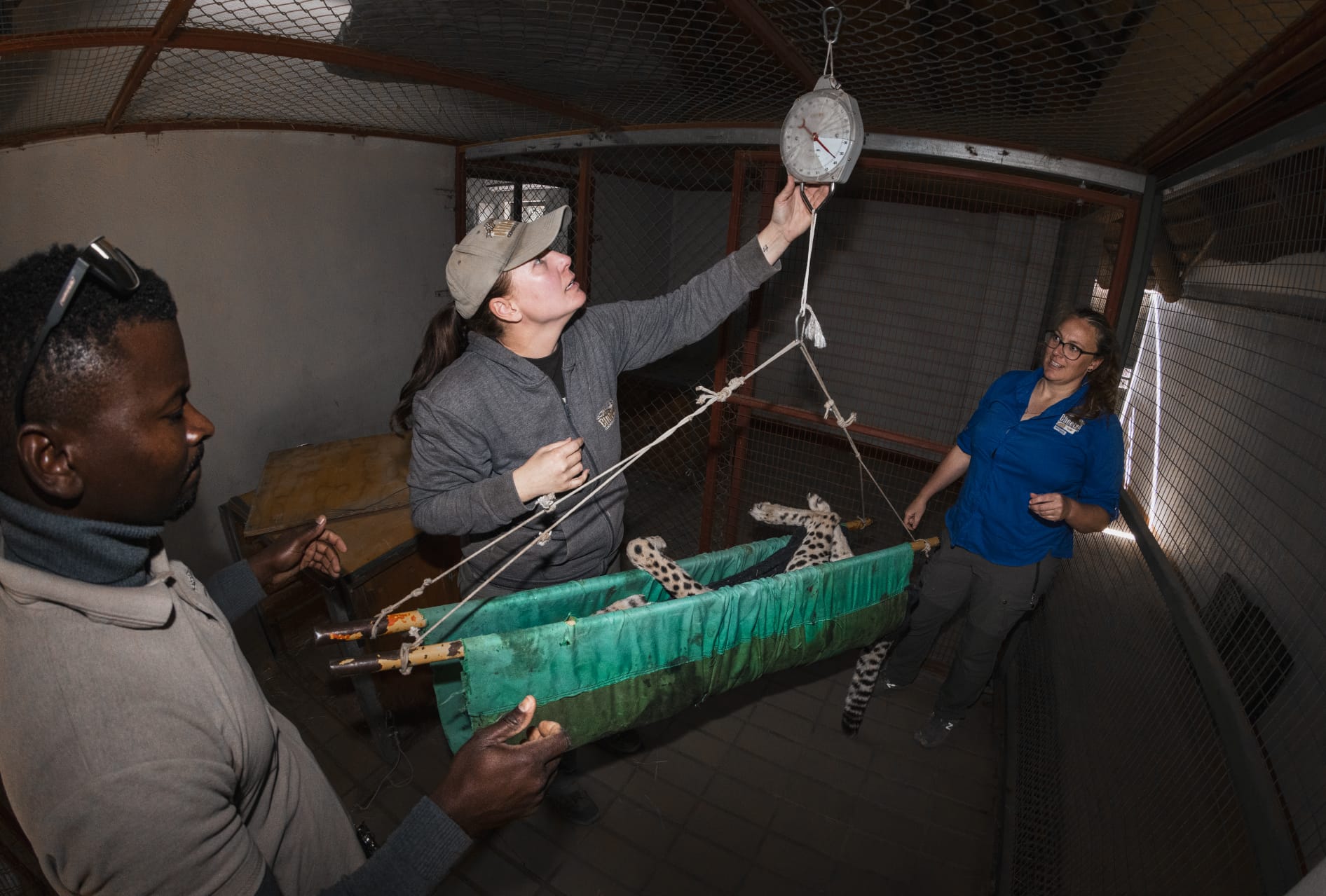
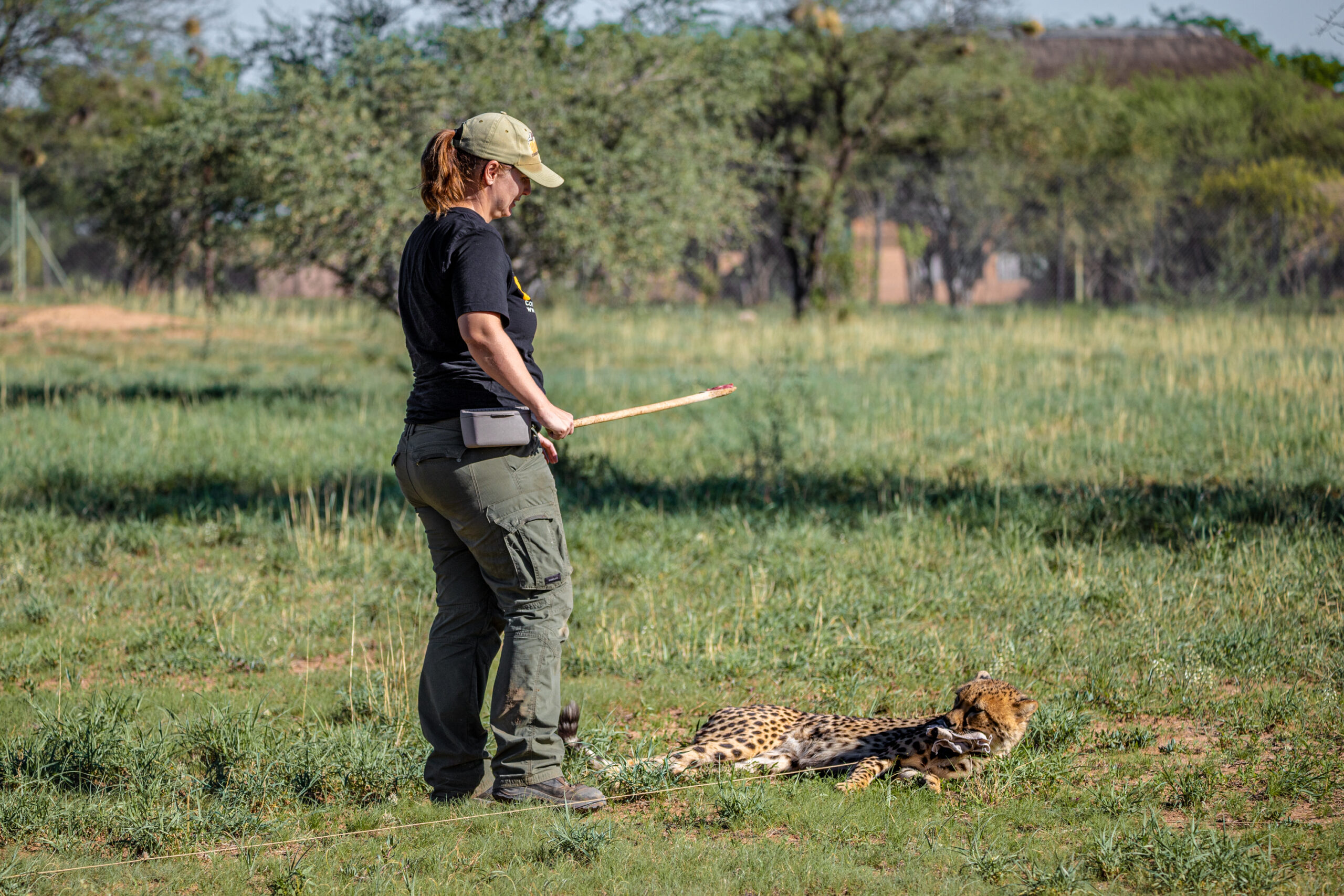
In 2021, Lea returned to Namibia to take on the role of Head of the Cheetah Team. Since then, her work has ranged from implementing positive reinforcement medical training (allowing cheetahs to receive injections, fluids, and blood sampling completely stress-free) to raising orphaned cubs and supporting cheetah releases back into the wild.
For Lea, working at CCF has been both a privilege and an adventure, made even more meaningful by the global community of passionate scientists, volunteers, interns, and colleagues she meets along the way.
Foibe Ndapwoshisho Kadenga: From Student to Woman in Conservation
Born and raised in northern Namibia, Foibe Ndapwoshisho Kadenga completed a Bachelor of Science in Biology at the Namibia University of Science and Technology (NUST). Knowing that hands-on experience was essential to building her career, she applied for an internship at CCF’s Genetics Laboratory, an opportunity that would shape her path in conservation science.
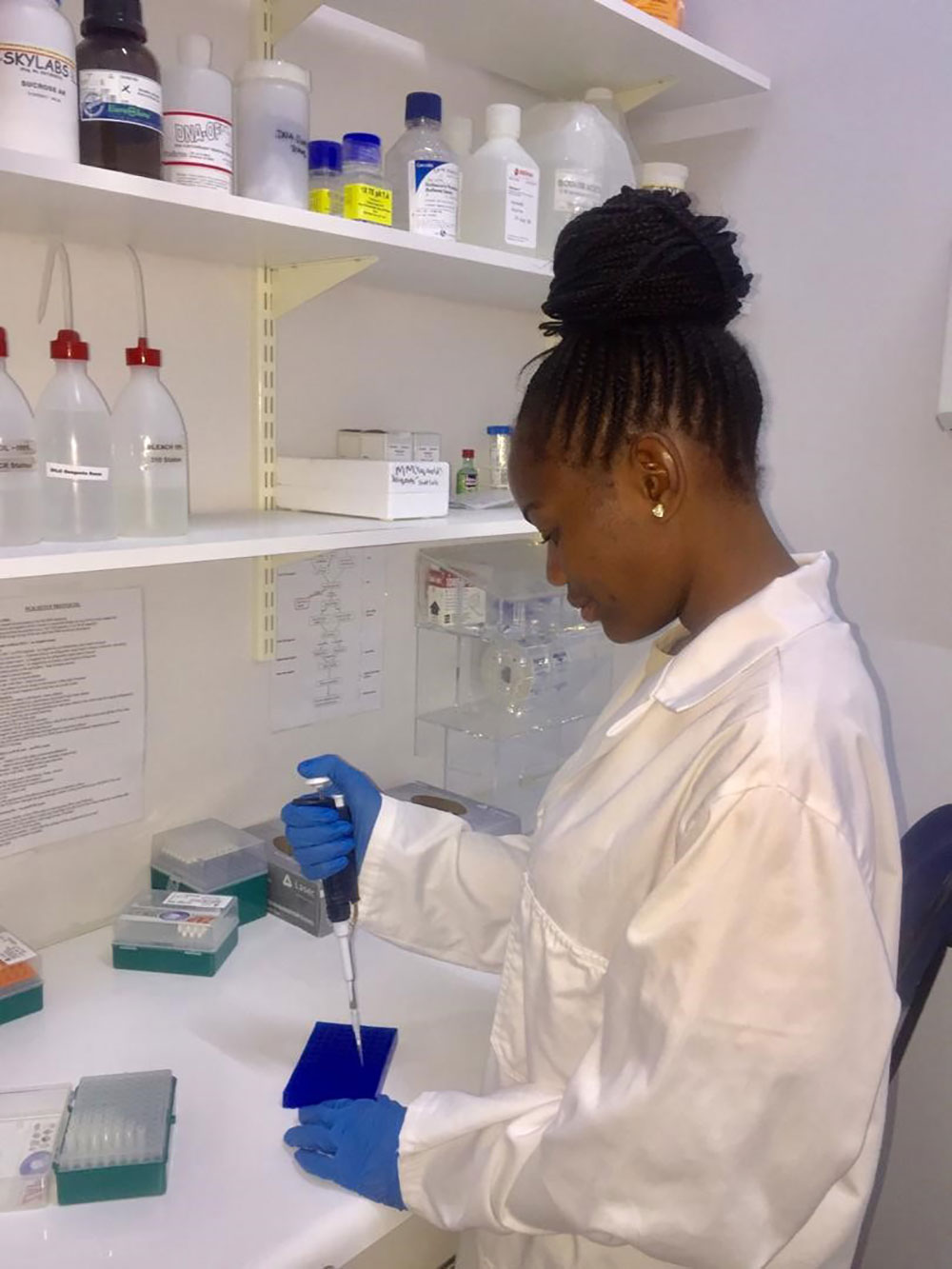
Joining CCF during the COVID-19 pandemic in 2020, Foibe quickly transitioned from theory to practice. With guidance from the genetics team, she gained hands-on experience in conservation genetics, working with specialised laboratory equipment and learning techniques she had not encountered during her studies. Her internship also allowed her to engage with CCF’s broader conservation work, from observing scat detection dogs to supporting ecological and animal care activities.
Today, Foibe describes her journey as a transformation, from a student with limited exposure to a woman in conservation.
Why Women in Conservation Matter
Women remain underrepresented in the scientific and conservation communities worldwide. Research conducted through CCF’s long-running volunteer and intern programmes has shown that while women make up a significant proportion of conservation volunteers (on average over 70% annually) they continue to face barriers related to credibility, family responsibilities, and personal safety.
Encouraging and supporting women at every stage of their scientific careers is not only a matter of equity; it leads to stronger conservation outcomes. When women are given access to skills, mentorship, and professional pathways, the impact reaches far beyond individual careers, benefiting ecosystems, communities, and future generations.
Looking Ahead
At CCF, our goal is simple: to ensure women continue to grow in science and leave a lasting impact on the world. The women we work with are the heart of this journey, we are simply here to support, mentor, and create space for them to thrive.
This International Day of Women and Girls in Science, we celebrate their achievements, their curiosity, and their commitment to protecting cheetahs and wildlife, today and into the future.