All You Need to Know About the CCF Model Farm
-
- by Zila Oliveira 27 January 2026
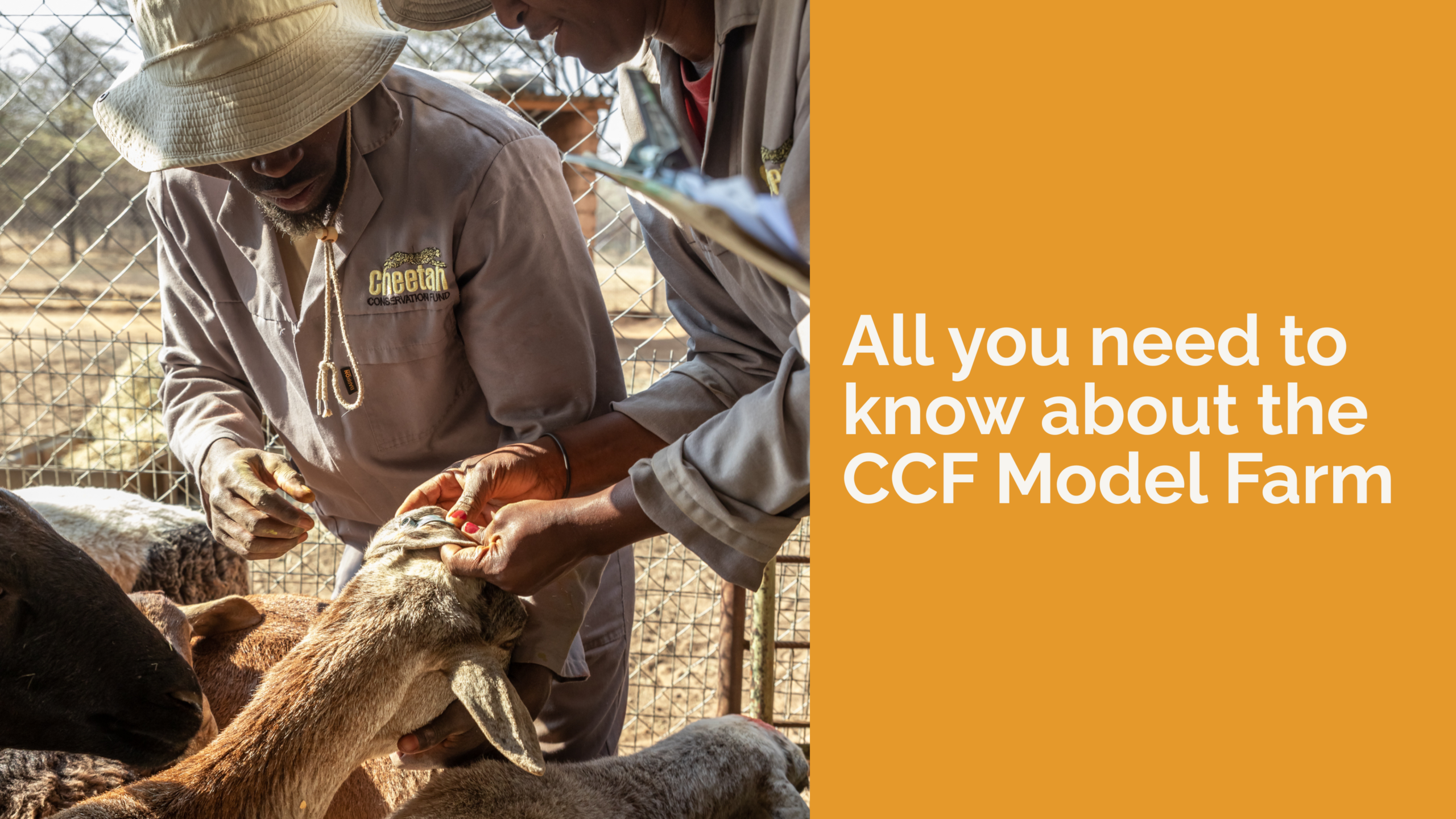
The Cheetah Conservation Fund (CCF) Model Farm plays a vital role in our research, education initiatives, and conservation programmes, including the Future Farmers of Africa (FFA). Located in Namibia, the Model Farm has become a cornerstone of CCF’s success, serving as a living laboratory where we develop, test, and demonstrate sustainable livestock and farmland management techniques that allow wildlife and people to coexist.
We’re excited to share everything that makes the CCF Model Farm so special, keep reading to learn more.
The Future Farmers of Africa Programme
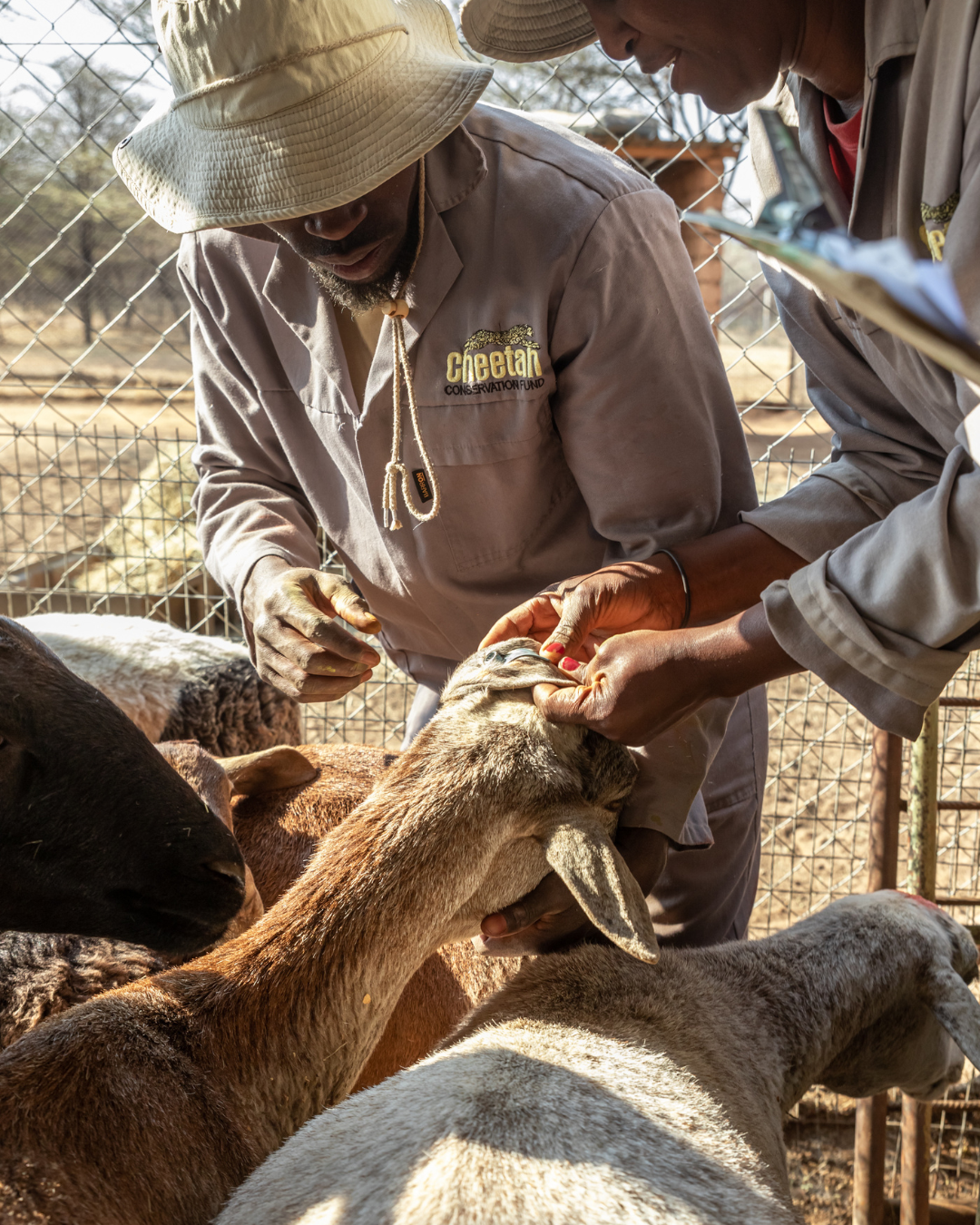
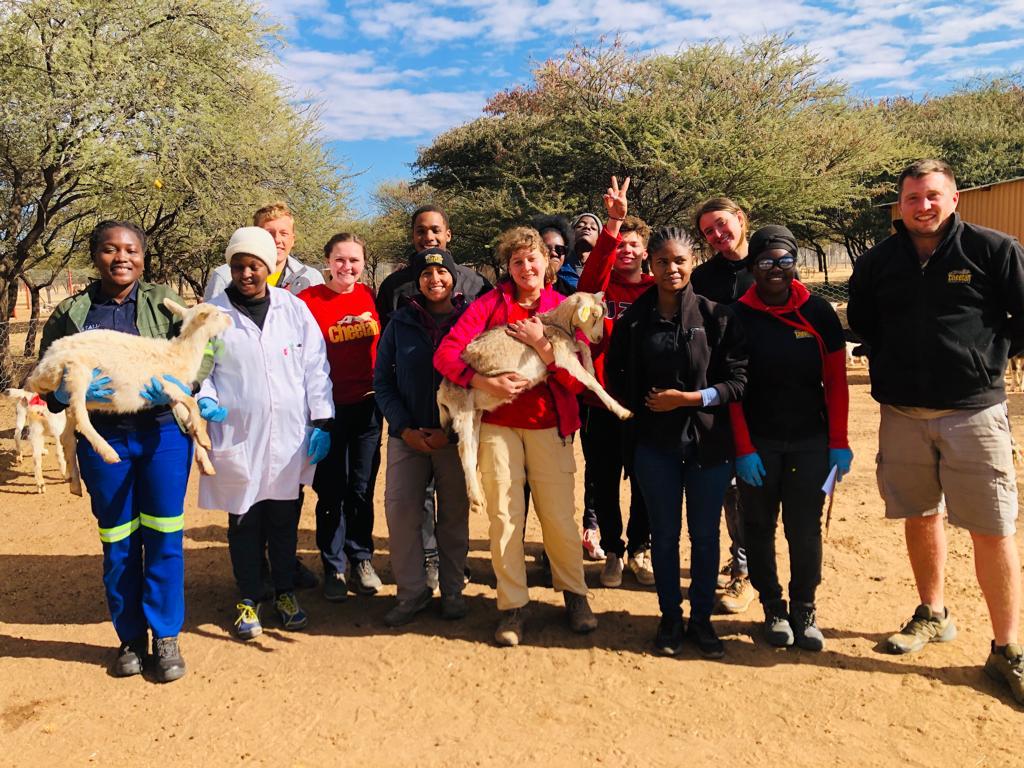
The CCF Model Farm is at the heart of the Future Farmers of Africa (FFA) programme, as this is where all training begins. The programme focuses on supporting farmers across Namibia by helping them investigate, develop, and implement predator-friendly livestock and wildlife management techniques.
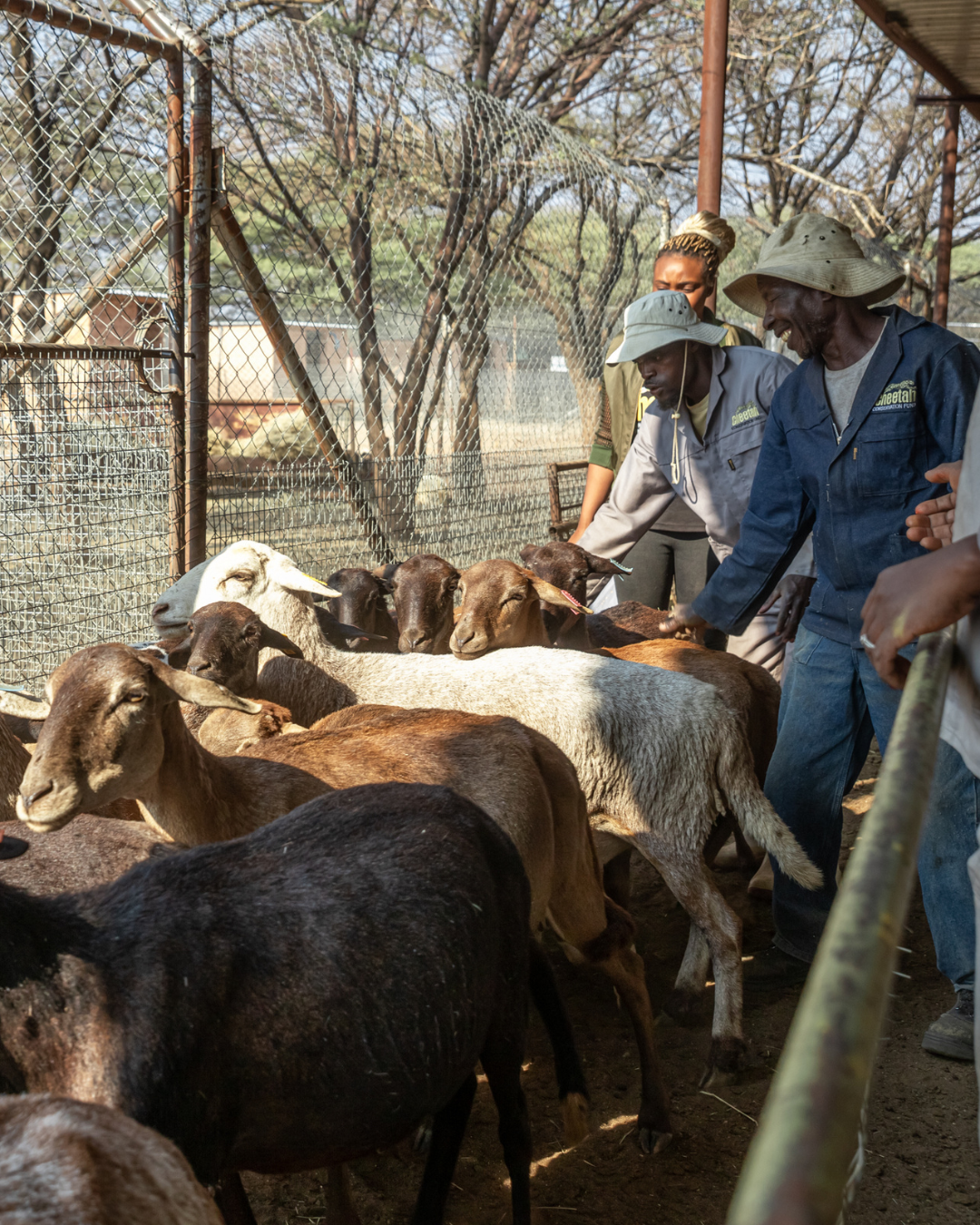
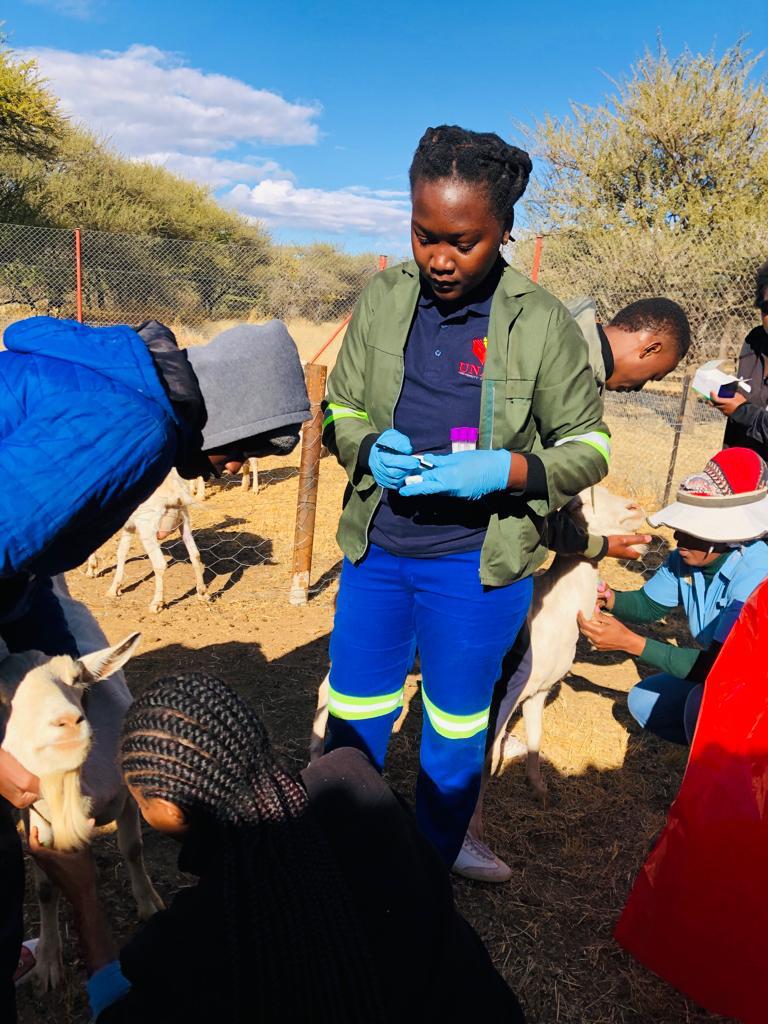
At the Model Farm, CCF demonstrates how farming can successfully coexist with wildlife. Farmers are invited to observe best practices first-hand, take part in practical coursework, and connect with farmers from other regions. Participants are encouraged to return to the Model Farm three to four times a year to reinforce learning and track progress.
Thanks to the FFA programme, human–wildlife conflict incidents have been reduced by up to 80% in the areas where CCF operates. The animals living on the Model Farm play an essential role in this training, allowing farmers to learn through real-life, hands-on experience.
Want to learn more? Click here to discover the Future Farmers of Africa programme.
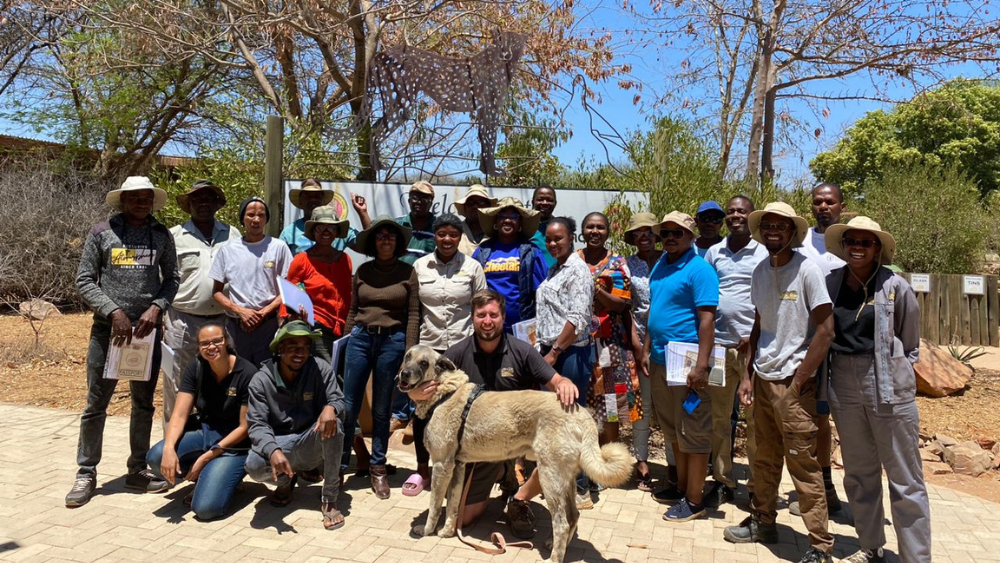
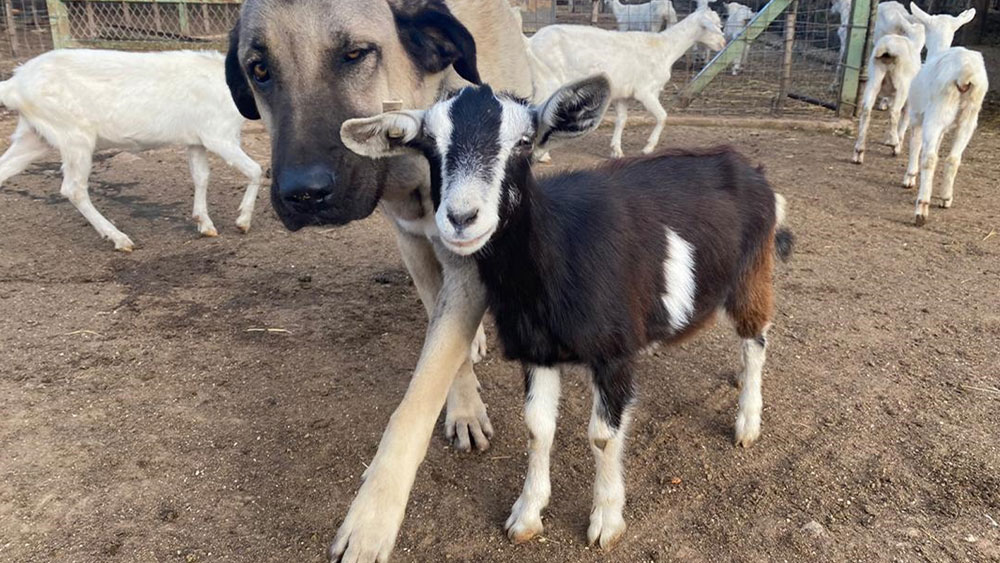
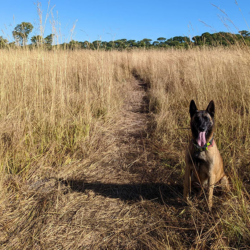
Livestock guarding dogs work on farms across the cheetah’s range, to safeguard farmers' livelihoods by protecting their livestock. Their presence deters predators from attacking livestock, reducing retaliatory killing of cheetahs. They are so successful in preventing predation that there is currently a huge demand for CCF's LGDs with a 4-year long waiting list!
The Dancing Goat Creamery and Apiary
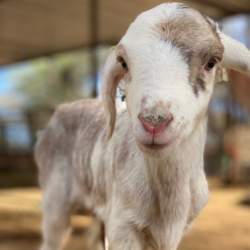
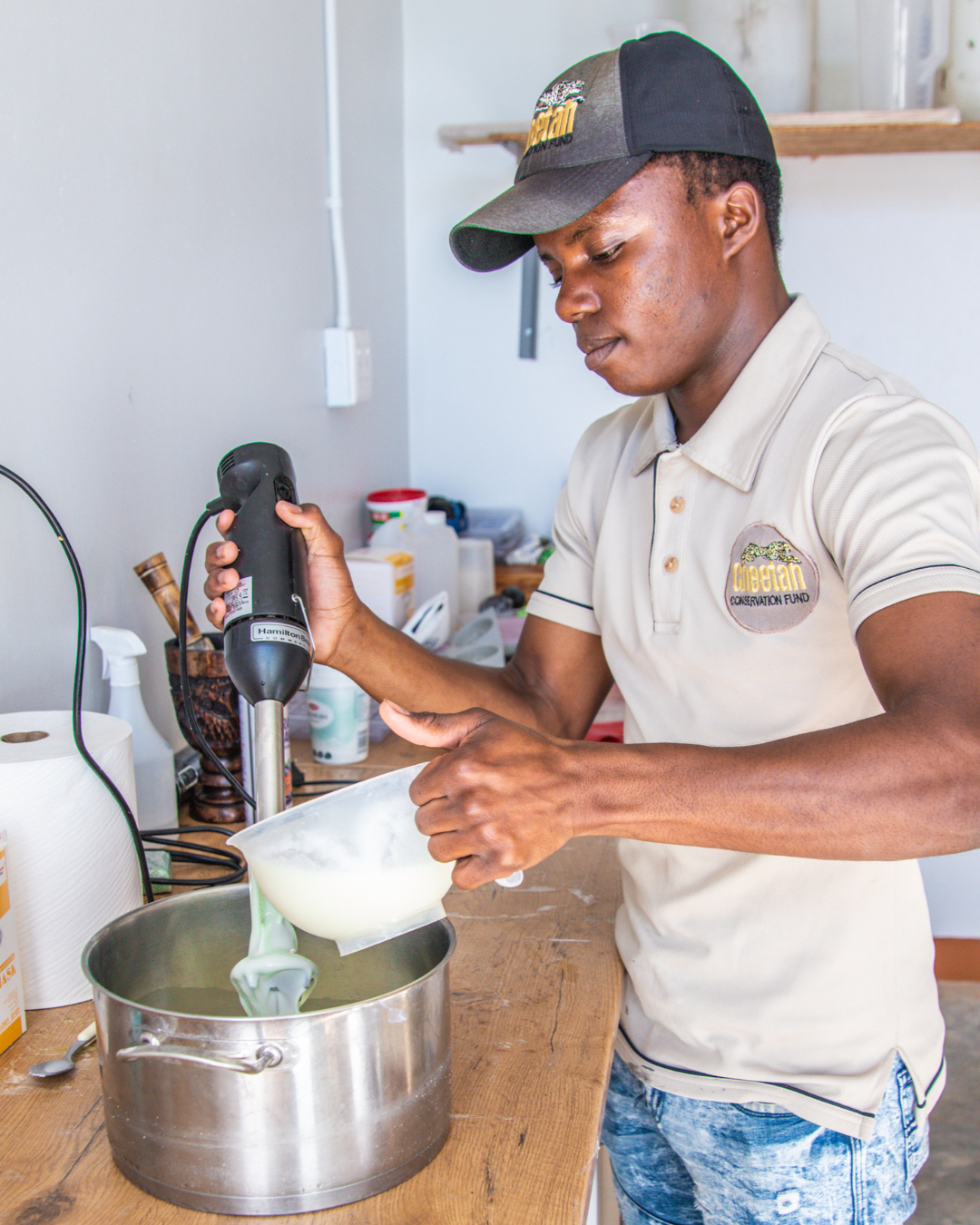
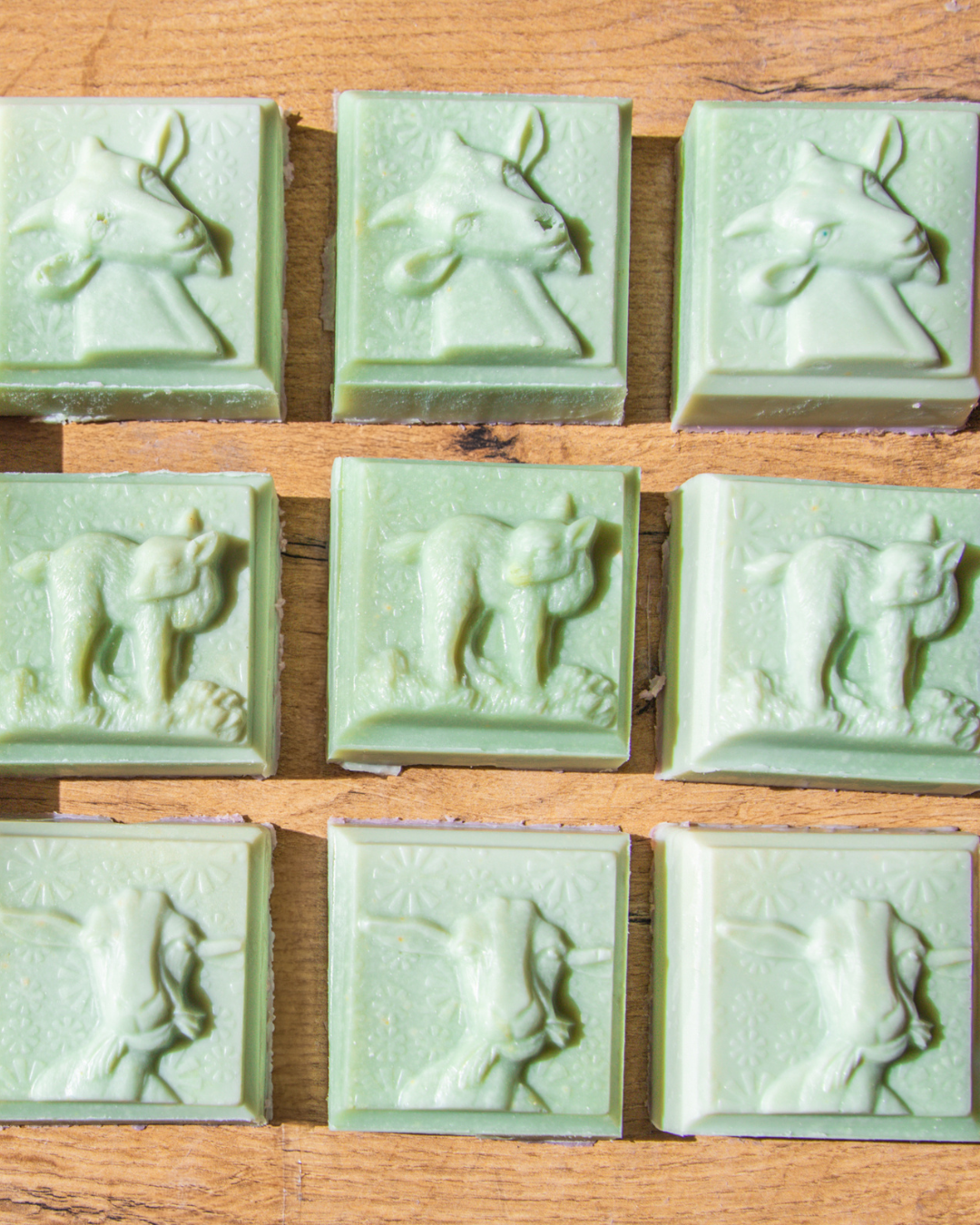
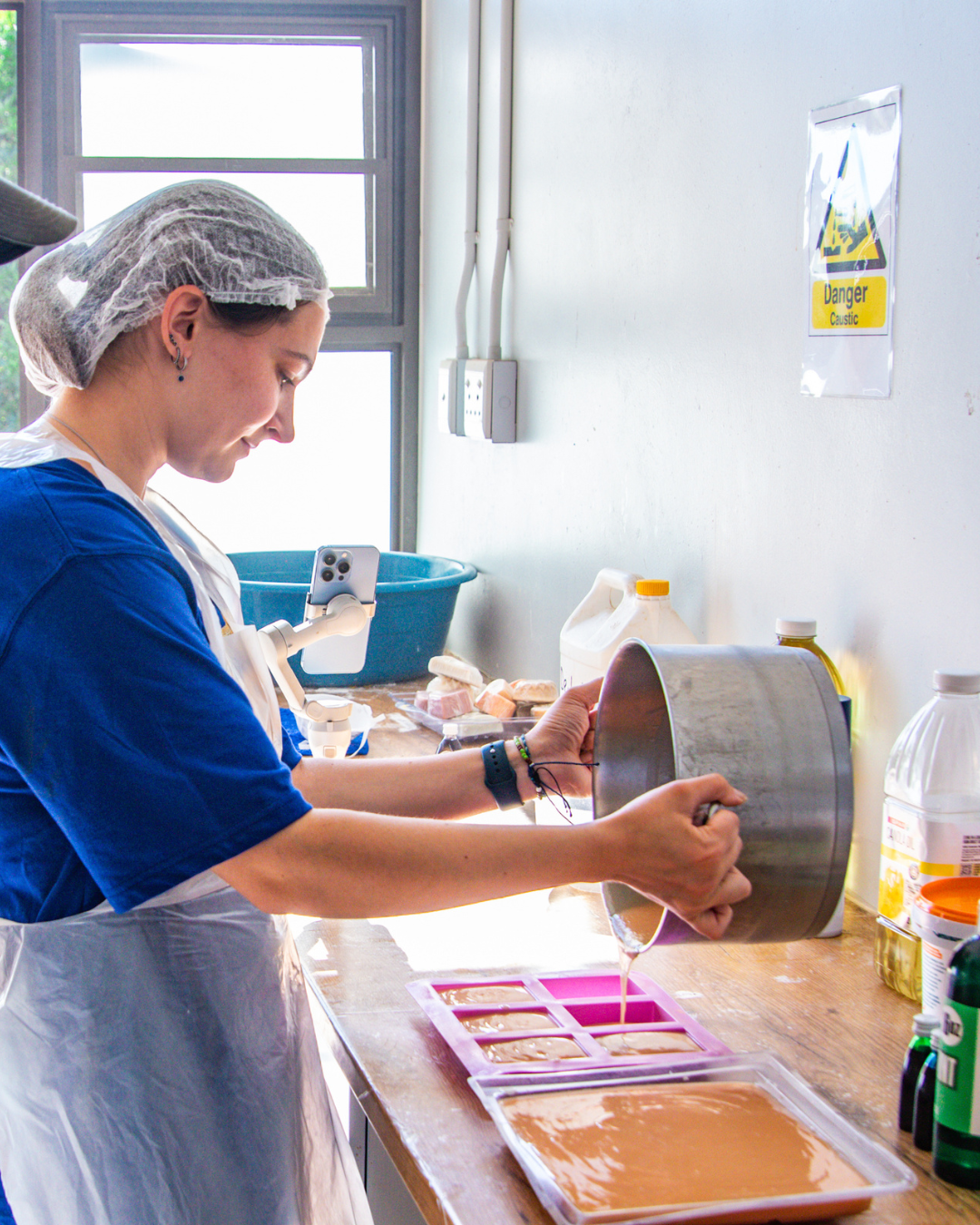
The CCF Model Farm also makes the Dancing Goat Creamery possible. Founded in 2013, the creamery has grown into an important part of CCF’s Model Farm and tourism programme.
Using milk from goats bred and raised on the Model Farm, the creamery produces a variety of products, including feta cheese, ice cream, and fudge. These products are a favourite among visitors to CCF Namibia, and yes, the ice cream is especially popular!
Have you ever thought about visiting us and tasting it for yourself?
Educating Future Conservationists
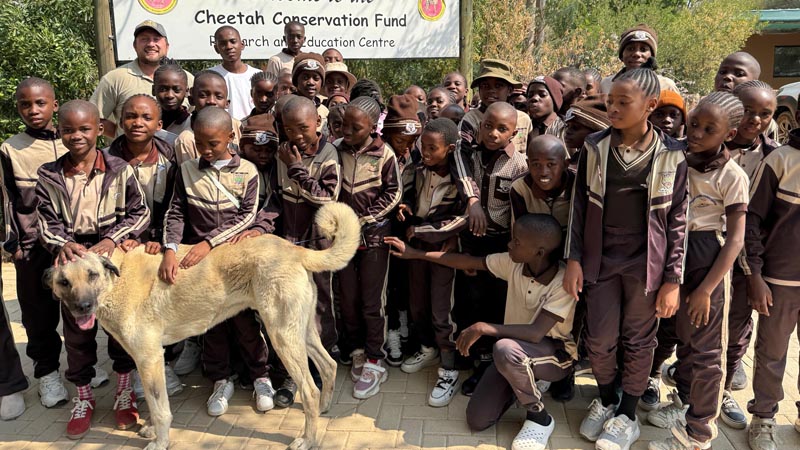
Through the Future Conservationists of Africa programme, young learners visit the CCF Model Farm on guided tours and overnight immersive trips. These experiences help children understand, from an early age, how livestock and wildlife can coexist on farmlands.
Since the programme began in 1994, many participants have gone on to become conservationists, veterinarians, educators, and policymakers, some of whom now work directly with CCF.
Living in Harmony with Wildlife
One of CCF’s most significant achievements has been changing the way farmers across Namibia view cheetahs. Before CCF’s work began, cheetahs were often seen as pests, and an estimated 800 to 900 cheetahs were killed each year. This placed the species at serious risk.
At the same time, Namibian farmlands face major environmental challenges, including bush encroachment caused by overgrazing in arid landscapes. These pressures increase competition between livestock and wildlife.
Cheetahs typically hunt during the day, which can lead to livestock losses for farmers. With around 250,000 households in Namibia relying on subsistence agriculture, addressing human–wildlife conflict is essential for both conservation and livelihoods.
By teaching predator-friendly farming techniques and providing Livestock Guardian Dogs, CCF helps protect farmers’ livelihoods while safeguarding cheetahs. By demonstrating the economic and ecological value of a healthy cheetah population, CCF shows that humans, livestock, and wildlife can share the land and thrive together.
Want to Learn More?
Watch the video below to see the CCF Model Farm in action and discover how conservation and farming can work hand in hand.
As our Model Farm is such an integral part of the work that CCF does, we thought we’d shine a light on this part of our work and take a deeper delve into why we have it, and how it helps shape a future for wild cheetahs.
Please consider making a donation to support our work.
Related Reading
-
28 March 2024
Meet the women leading CCF’s Scat Detection Dog Team -
24 January 2024
Embracing new life: A flourishing lambing season at Model Farm