Conservancies in Somaliland: A Community-Based Approach to Cheetah Conservation
-
- by CCF Staff 25 July 2025
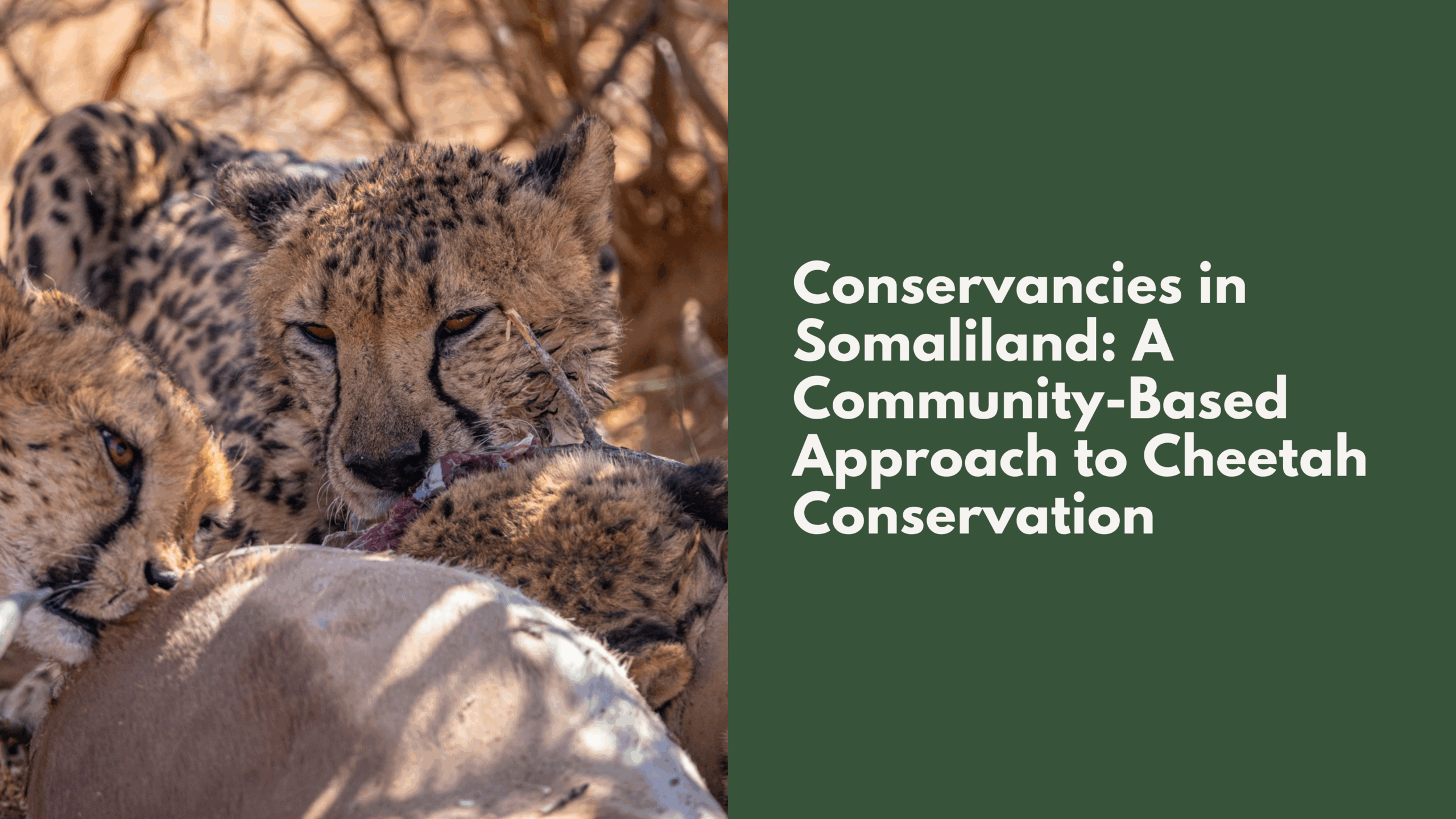
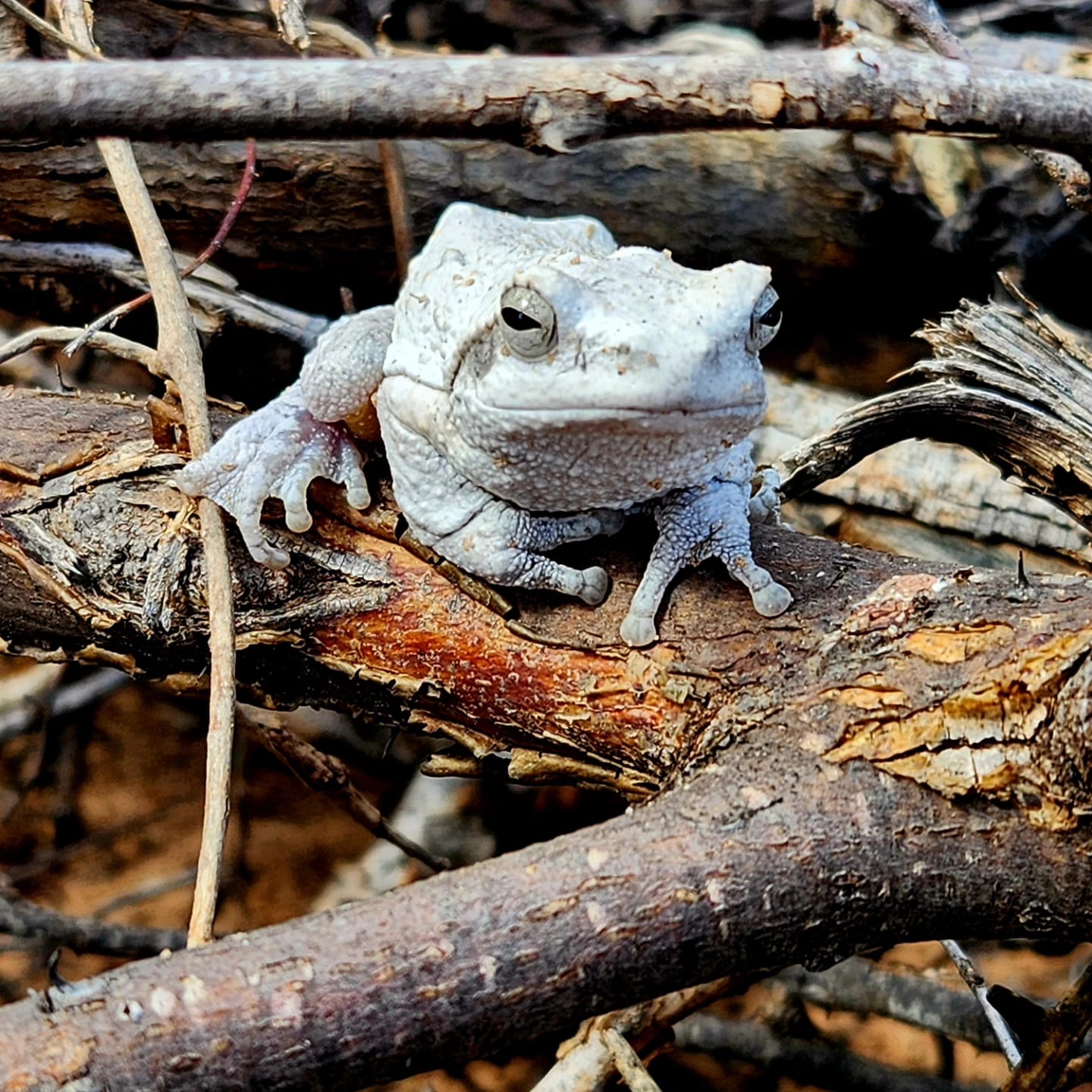
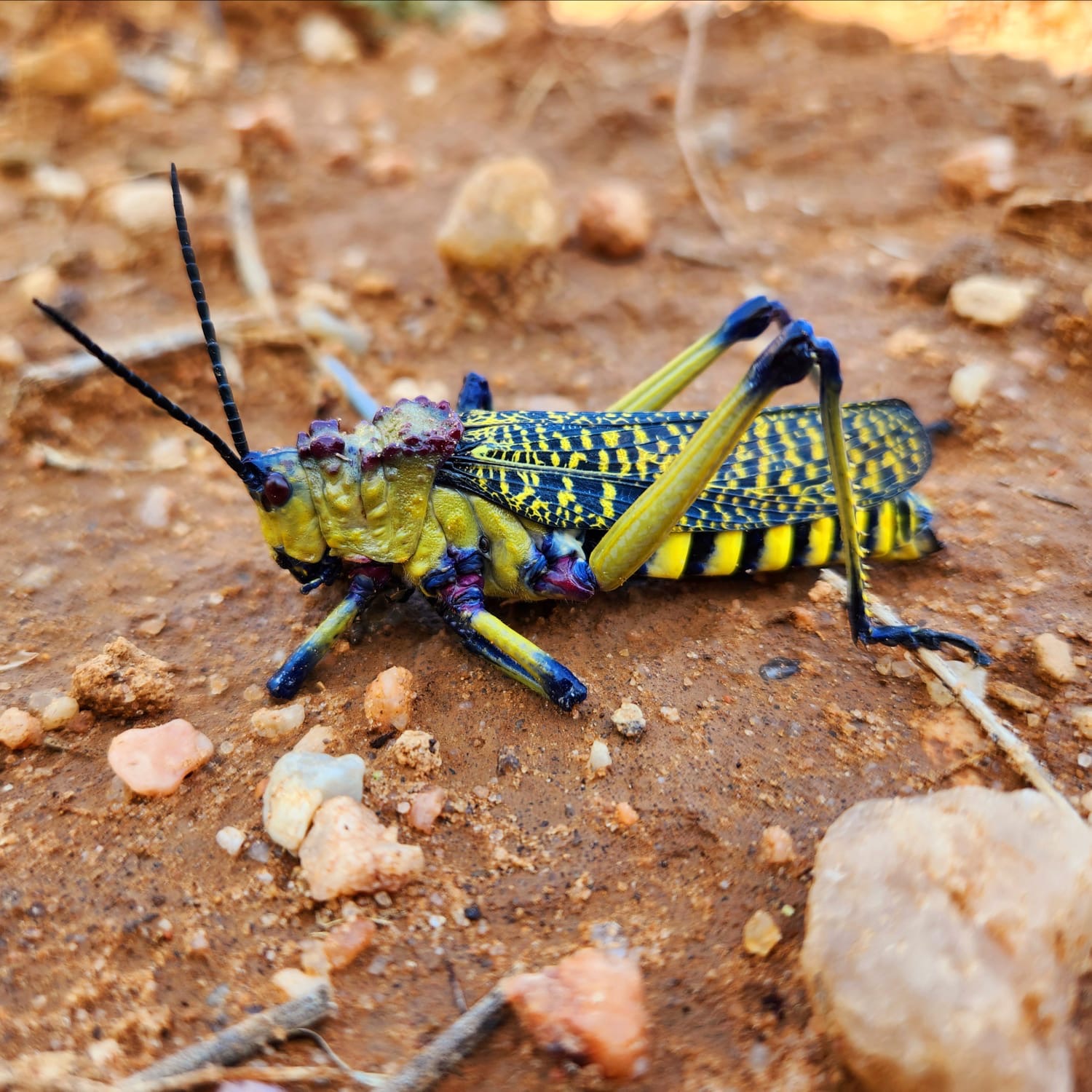
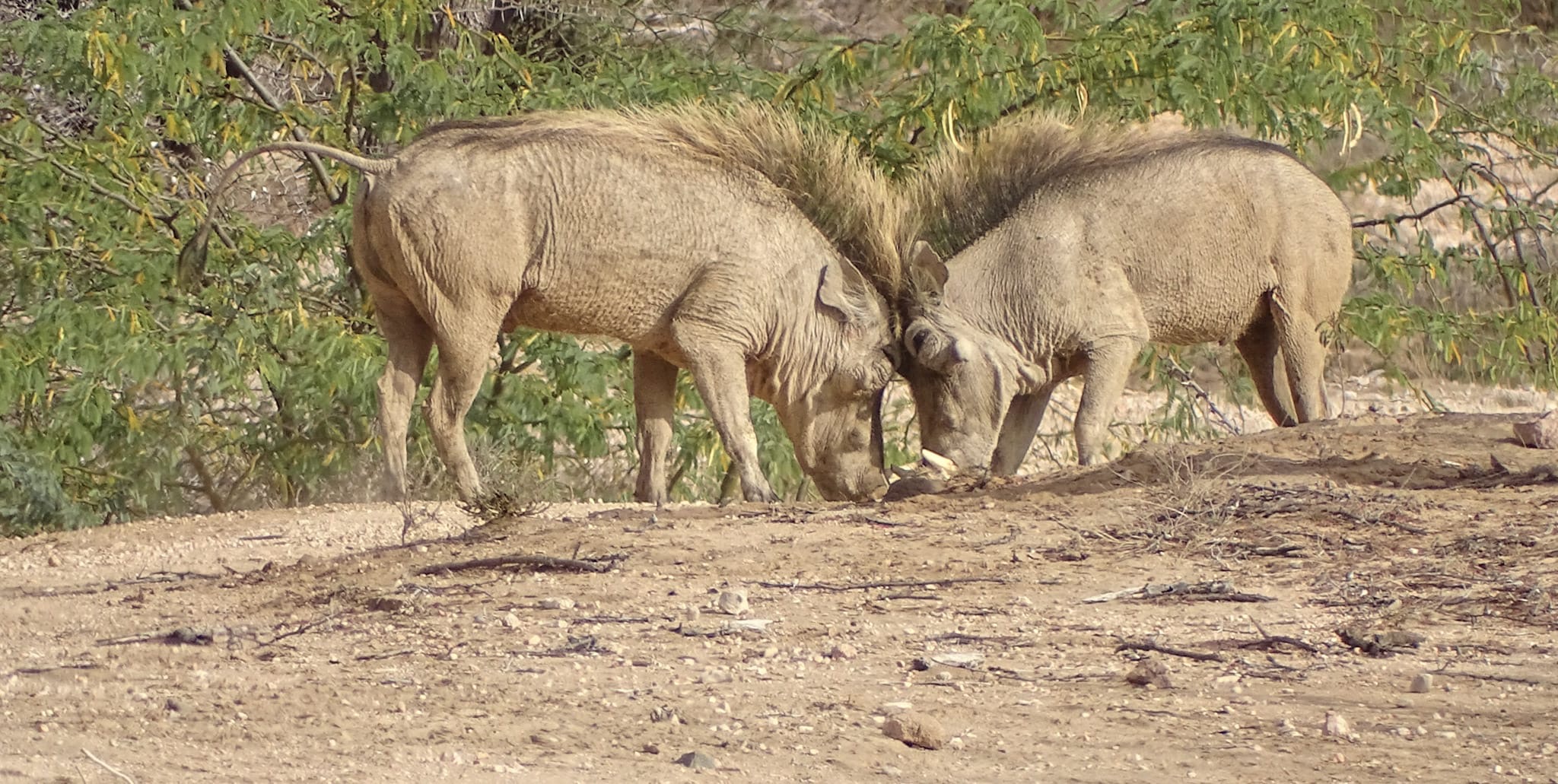
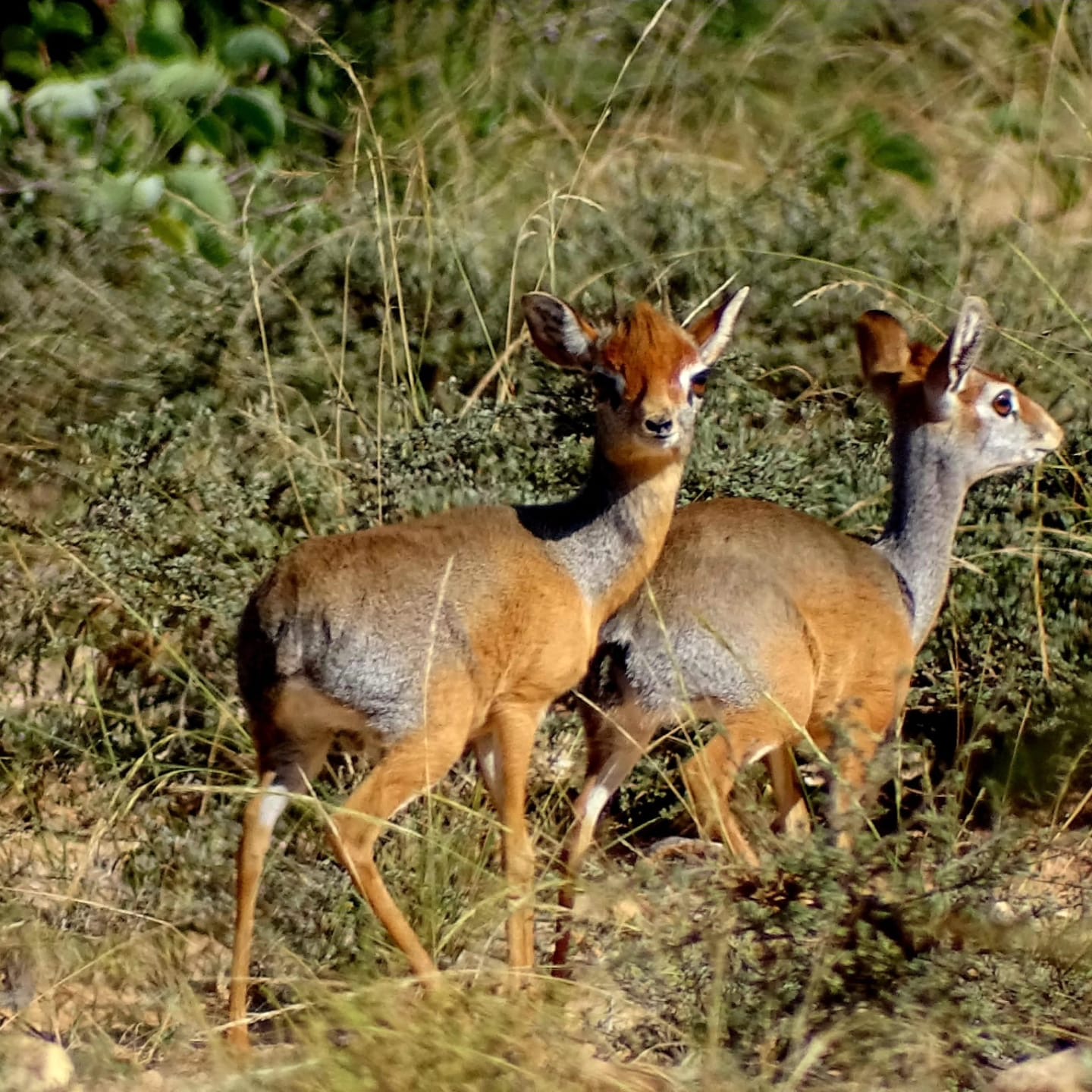
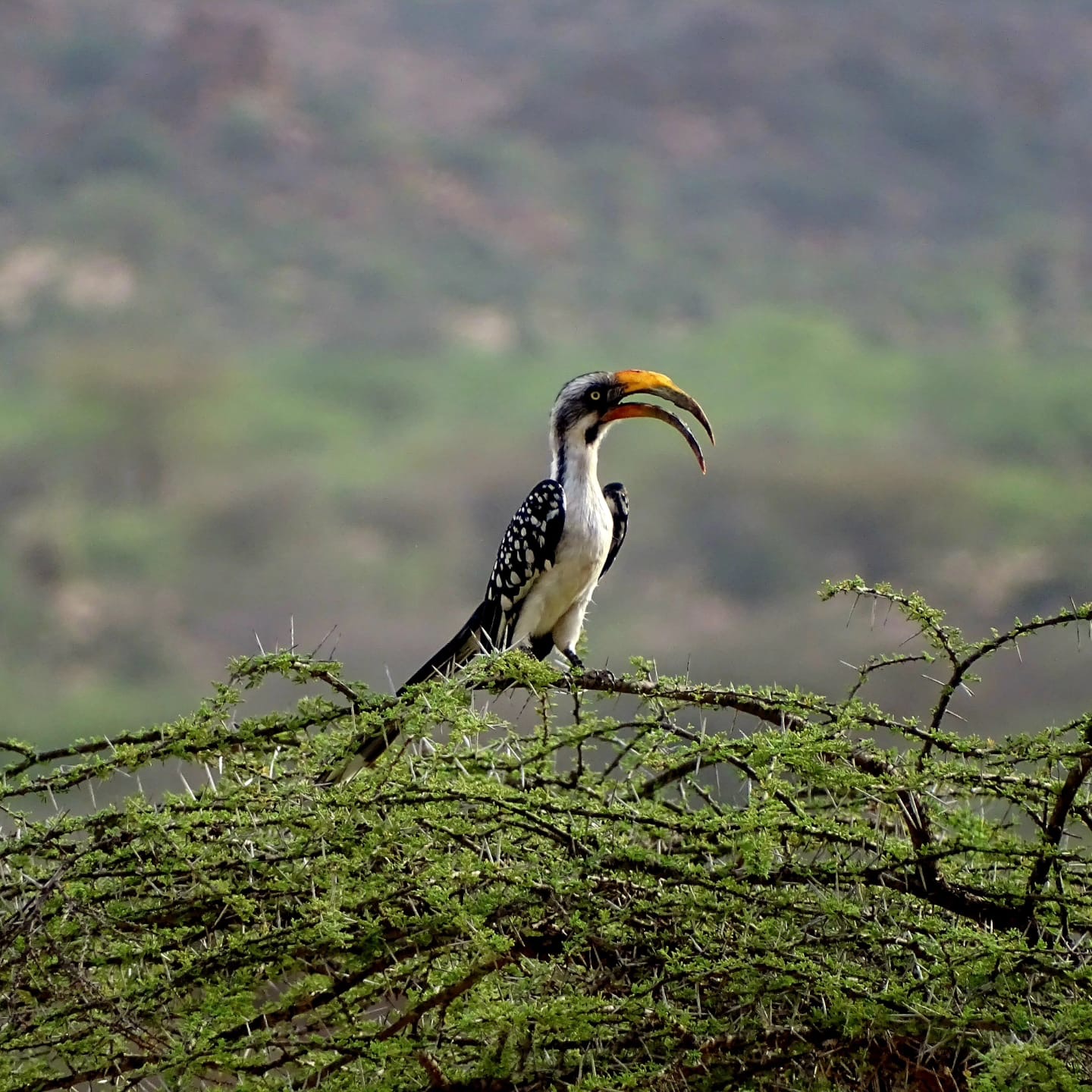
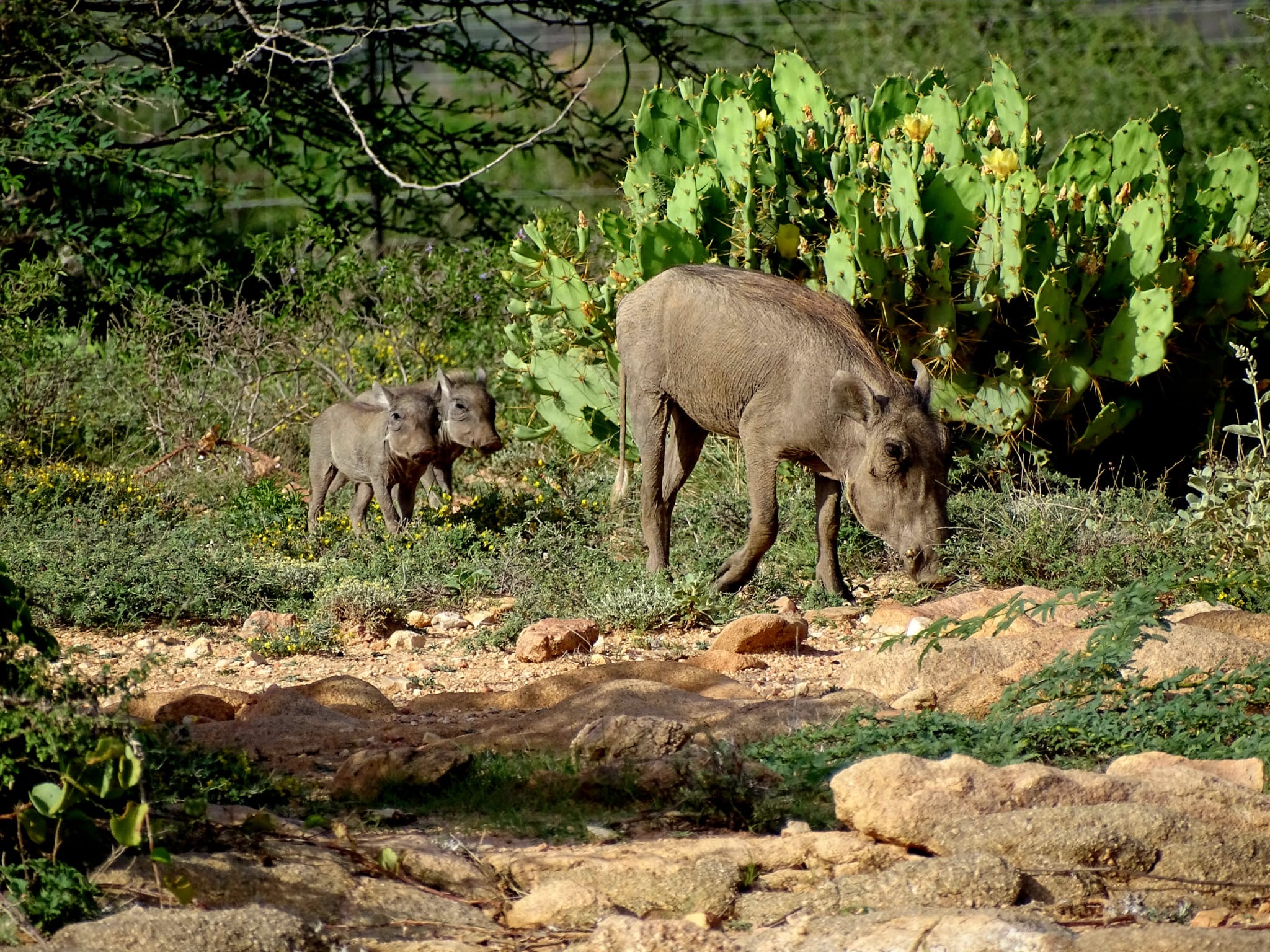
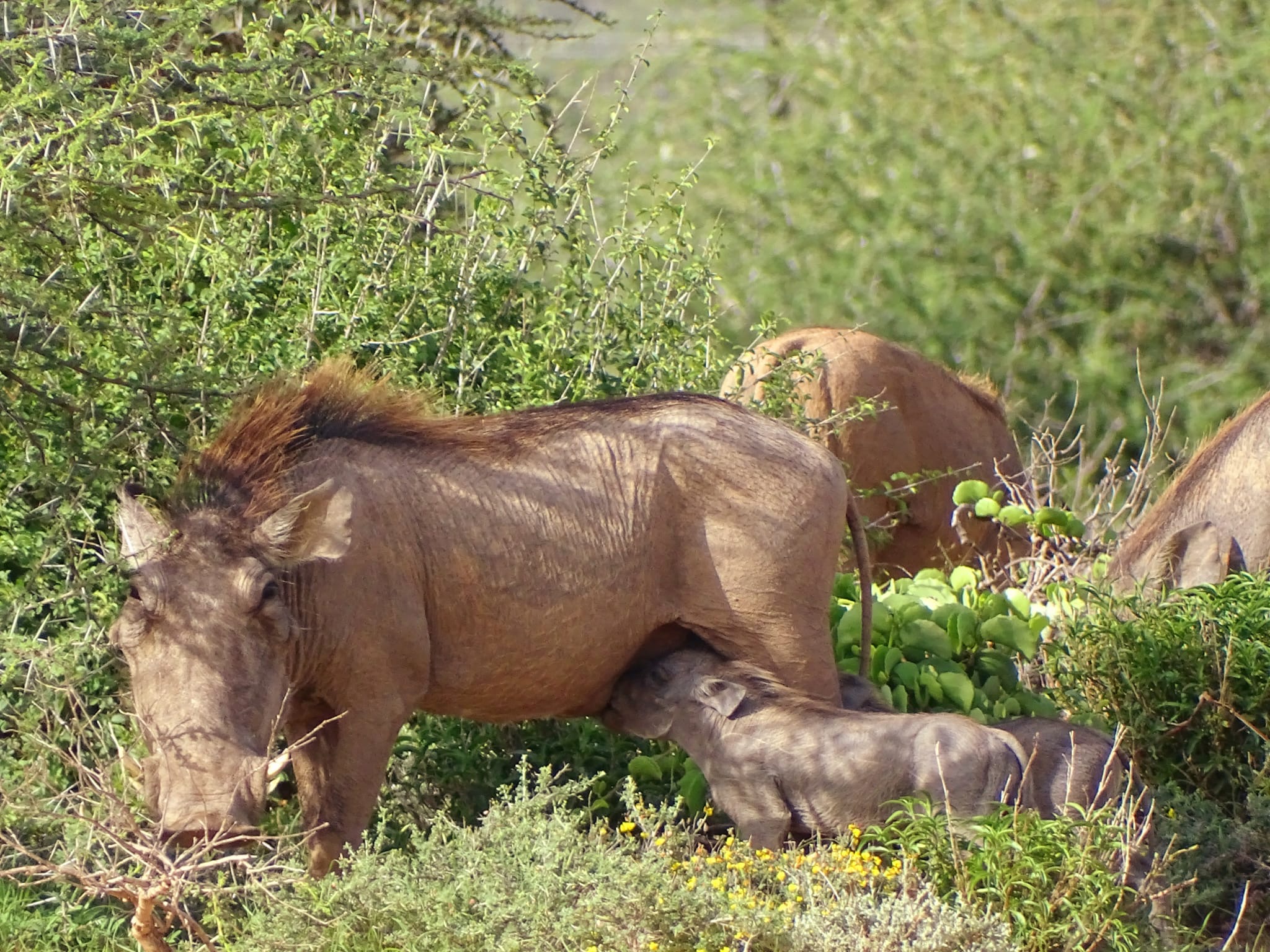
Despite this rich biodiversity, wildlife populations in Somaliland have been in decline over the last century. Many species remain poorly documented, especially large carnivores like the cheetah.
Historically, cheetahs were widespread across the Horn of Africa, but sightings in Somaliland had not been recorded since 2010. That changed recently, when Cheetah Conservation Fund (CCF) and the Ministry of Environment and Climate Change (MoECC) carried out rapid surveys in the Awdal region in 2021 and 2022.
Following this research, CCF published findings on the impact of the illegal wildlife trade — a key threat to cheetahs in the region. As a result, the Northeast African cheetah (the subspecies found in the Horn of Africa) was uplisted from Vulnerable to Endangered on the IUCN Red List of Threatened Species.
Habitat Loss and Ecosystem Degradation
Across Africa, the leading driver of biodiversity loss is the fragmentation and degradation of natural habitats. This not only threatens wildlife, but also impacts the ecosystem services local communities depend on — often increasing the risk of human-wildlife conflict.
In Somaliland, CCF is taking a holistic approach to conservation, tackling both environmental and human challenges. A key part of this strategy involves advancing community-based natural resource management (CBNRM) to support pastoralist communities while protecting wildlife.
In 2023, CCF established two communal conservancies in Somaliland in partnership with local communities and the government. These conservancies provide a community-led management structure that supports:
-
Wildlife protection
-
Landscape restoration
-
Rural development and livelihoods
The conservancy model ensures that local residents benefit directly from their natural resources, including wildlife. This inclusive approach creates economic incentives for conservation and builds long-term sustainability.
CCF has seen the success of this model firsthand. In Namibia, CCF has been involved in the conservancy movement since it began in 1998. Today, there are more than 85 conservancies, covering around 20% of the country. Nearly 80% of Namibian conservancies generate income for their members, and additional benefits include better access to natural resources, improved land management, and stronger community engagement in conservation.
Education is a key pillar of conservation success. In 2023, CCF launched the Future Farmers of Africa (FFA) programme in Somaliland, focusing on animal husbandry and wildlife-friendly farming practices. The programme is designed to reduce both livestock losses and human-wildlife conflict.
-
In its first year, over 240 farmers were trained
-
Nearly 2,000 schoolchildren took part in Future Conservationists of Africa programmes
In addition, construction began on a new Education Centre in Somaliland — set to open in 2024. This centre will serve as a hub for conservation training, outreach, and protection of the endangered Northeast African cheetah.
Why Community Conservancies Matter for Cheetah Conservation?
Securing a future for wild cheetahs in the Horn of Africa requires more than just protecting individual animals — it demands systemic change. By promoting community-led conservation, creating communal conservancies, and expanding education programmes, CCF is building a stronger foundation for biodiversity protection in Somaliland — and empowering local people to lead the way.
➡️ Want to support our work? You can help protect cheetahs and support rural communities by donating or sharing our mission.
Related Reading
-
30 October 2024
Meet the Bandit Group: a crew of cheetahs aged 9 to 11 months