When Enforcement Increases, Survivability Must Follow
-
- by Dr. Laurie Marker February 13, 2026
Since the early 2010’s, Cheetah Conservation Fund has worked alongside authorities in Somaliland to address the illegal trade in cheetah cubs. In 2016, after wildlife protection laws began to be enforced more consistently, that advisory role evolved into a permanent, on-the-ground presence. Temporary safe houses were established to care for confiscated cubs that could no longer be exported. This year we mark ten years of continuous, hands-on conservation responsibility in Somaliland.
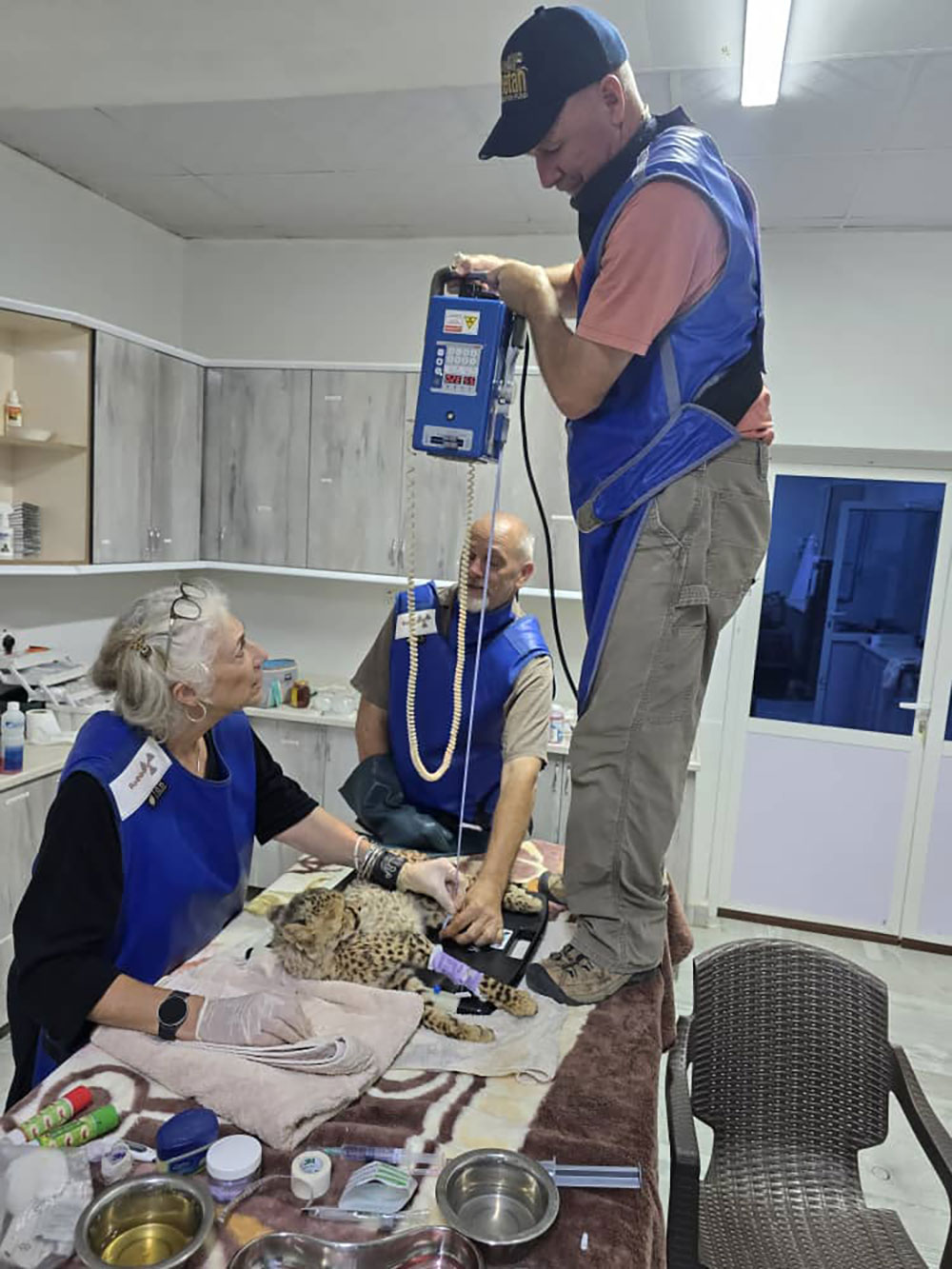
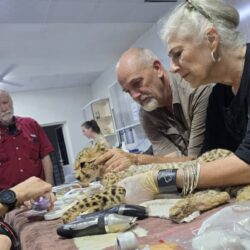
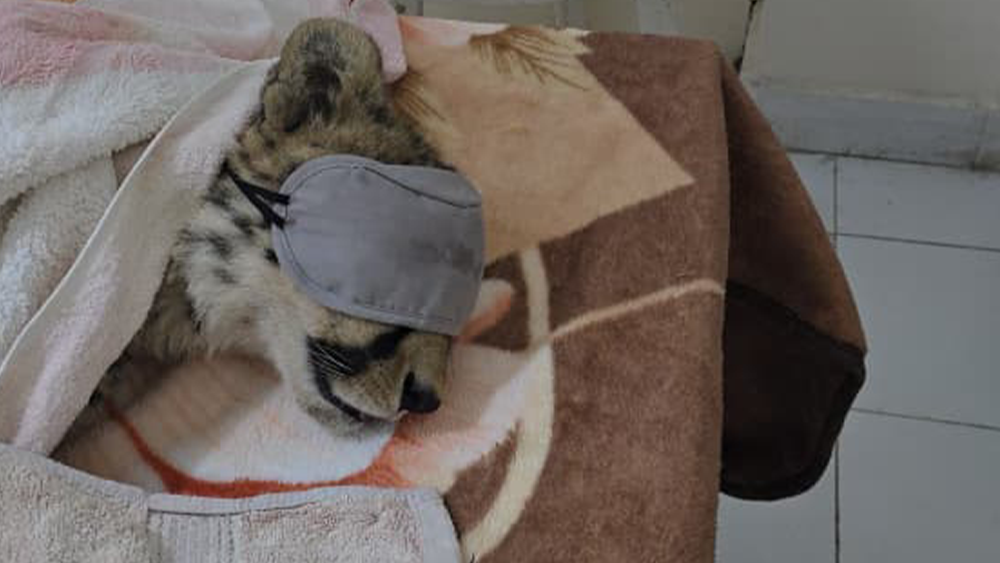
Without imaging equipment at the Cheetah Rescue and Conservation Centre, our veterinary team could not safely diagnose injuries on site. A one-year-old cub named Little Paws began limping, and without immediate access to imaging, we had no choice but to transport her more than an hour to Hargeisa for emergency evaluation. To understand why that matters, it helps to understand where this program began.
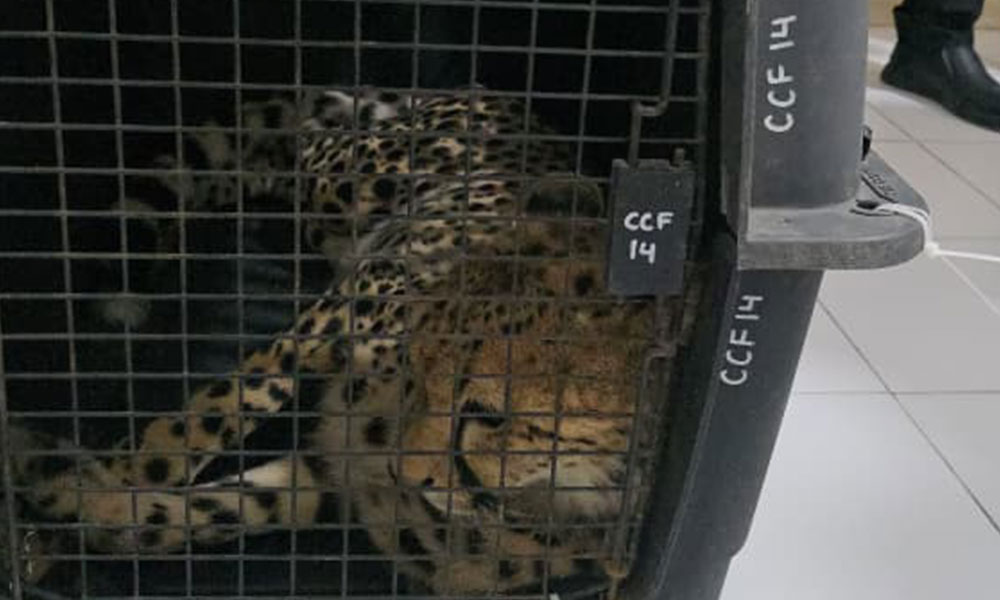
When enforcement first intensified in 2016, infrastructure lagged behind need. There was no permanent facility, limited veterinary training, and almost no diagnostic capacity. Many confiscated cubs arrived malnourished, dehydrated, or injured from trafficking. In those early enforcement years, before permanent facilities and trained teams were in place, mortality among confiscated cubs exceeded 50 percent.
Over the past ten years, that number has fallen to single digits, and in early 2025, no newly arrived cubs were lost.
This improvement did not happen because the trade disappeared. It happened because infrastructure, training, and veterinary readiness improved.
- The CRCC replaced temporary safe houses.
- Veterinary protocols were formalized.
- Diagnostic tools became standard rather than exceptional.
- Survivability became measurable.
In Little Paws’ case, the X-rays taken in Hargeisa revealed a serious fracture and raised concerns about possible underlying congenital issues. Without those images, we would have been guessing. Guessing can cost a cheetah mobility, long-term health, or life.
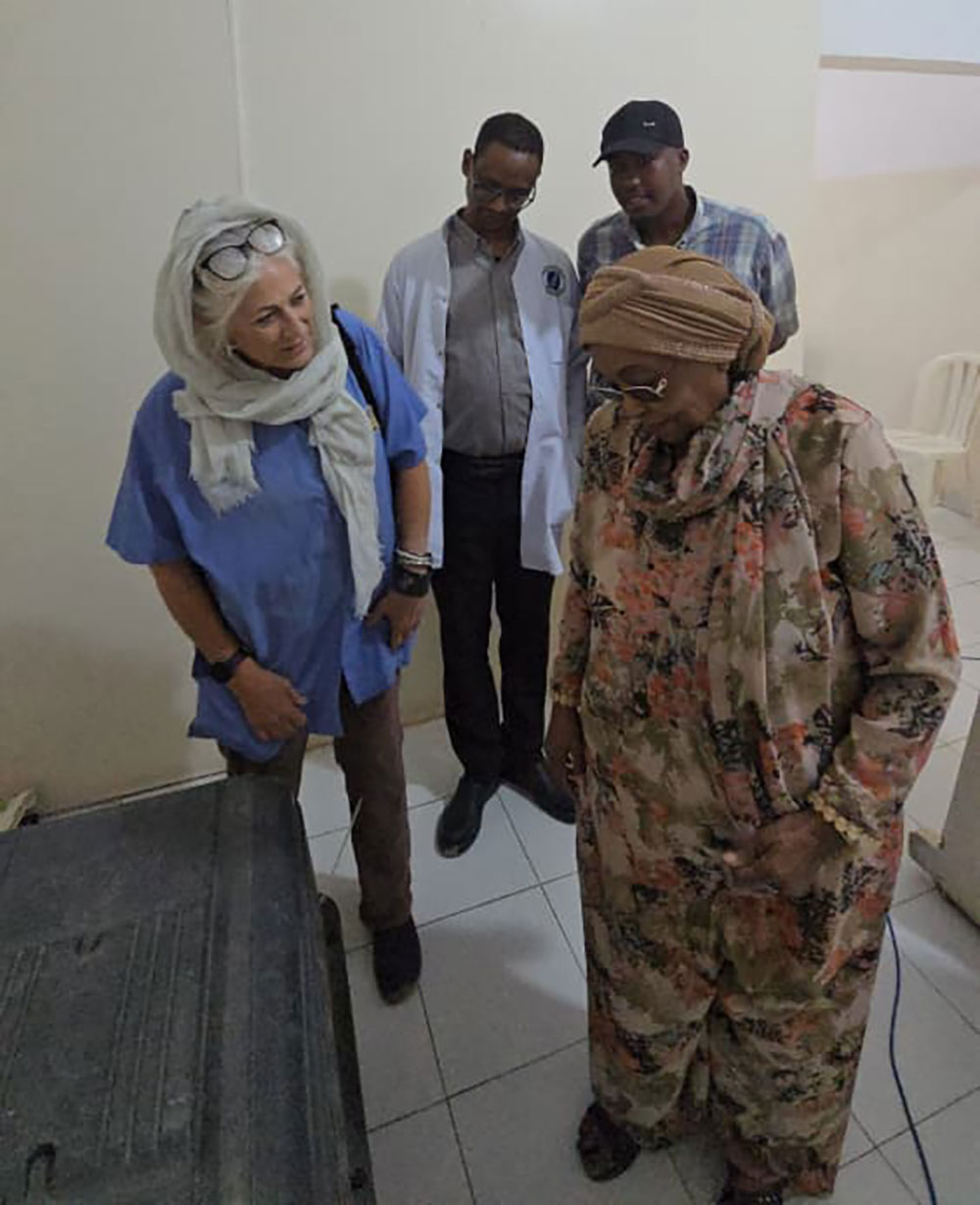
Over the past decade, CCF’s work in Somaliland has built strong partnerships and earned the support of respected leaders in the region. Dr. Edna Adan Ismail, internationally recognized for her work in healthcare and community development, has been a consistent ally. For many years, her hospital has stepped in during urgent situations, offering expertise and facilities when needed. We are deeply grateful for that support.
However, healthcare resources in the region are limited. Facilities that serve entire communities cannot serve as permanent back-up infrastructure for wildlife emergencies. Every transport introduces stress, delay, and risk for already vulnerable animals. Partnerships are essential, but they cannot replace full diagnostic capacity at CRCC.
At the same time, enforcement pressures beyond Somaliland are shifting again. Recent changes to wildlife protection laws in the United Arab Emirates have introduced significantly higher penalties for illegal wildlife trafficking and possession. Stronger enforcement may deter illegal ownership, but it can also increase confiscations as authorities intervene more decisively. When cubs are intercepted, they must be placed somewhere capable of long-term care. As enforcement increases, medical readiness must increase with it.
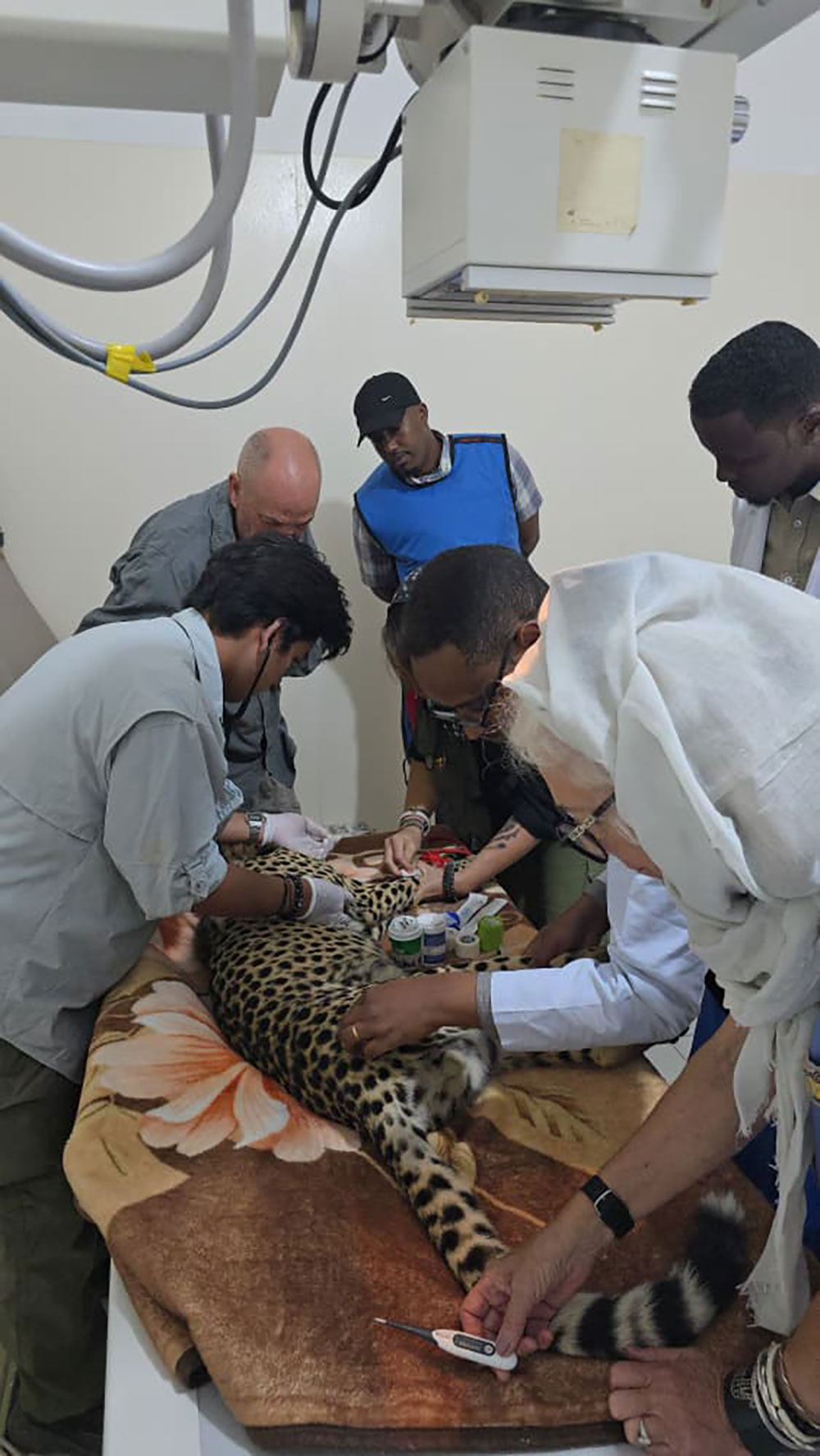
An on-site X-ray machine is a core clinical tool that protects ten years of progress. The first decade in Somaliland was about building infrastructure where none existed. The next decade is about resilience. Replacing our X-ray machine is part of ensuring that rescue continues to mean survival. Please help us by making a donation today.
Related Reading
-
November 23, 2025
Canadian Veterinarian Reunites With Rescued Cheetahs – Somaliland