Canadian Veterinarian Reunites With Rescued Cheetahs – Somaliland
-
- by Cheetah Conservation Fund Canada November 23, 2025
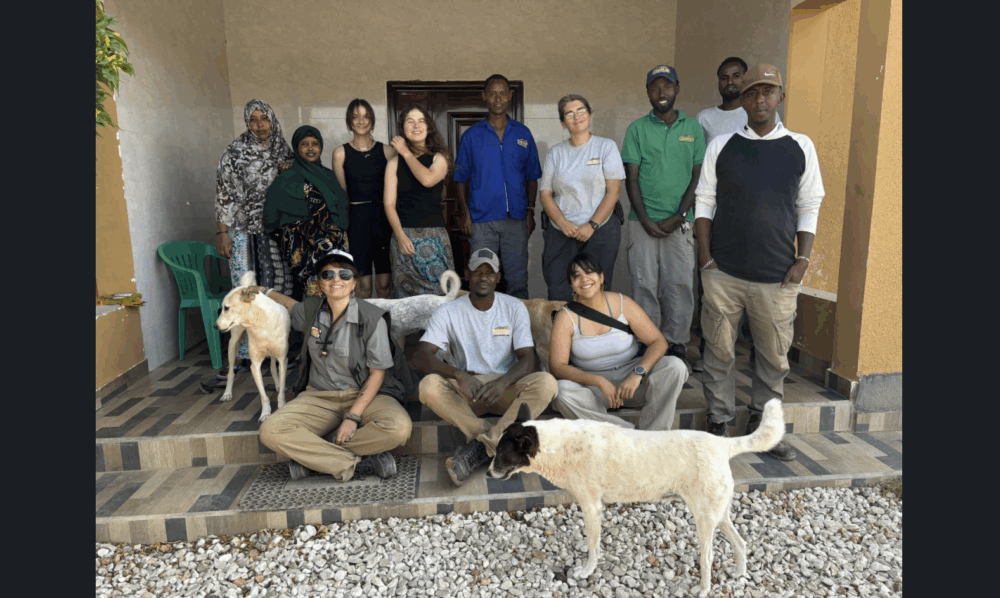
We recently spoke with Dr. Ashley S. Marshall (BSc, DVM, MVetSci) Head Vet at CCF’s Cheetah Rescue and Conservation Centre (CR&CC) in Somaliland. She returned to CCF in June for the second time, after having spent six months as Head Vet at Hargeisa nearly three years ago.
What is daily life like for the cheetahs at Geed-Deeble?
The large enclosures help ensure that these cats live as natural a life as possible. All the cheetahs are outside, they are exposed to natural prey that are running around, whether it’s dik-diks or warthogs, baboons, hyena. We feed the cheetah in a setting where they must share a carcass, which encourages their natural social behaviors and helps maintain their hunting instincts. They’ve got big enough enclosures in which they can run, hide, climb, and dig if they want to.
What have been the biggest changes between your time at Hargeisa and now being at Geed-Deeble?
We were in the middle of the city at Hargeisa. The cheetahs were surrounded by street dogs, kids, traffic and the airport. We’re two hours away in the countryside, and the area is very similar to the cheetahs’ natural habitat. During my time at Hargeisa, it was very challenging because we had many cats in very small spaces in sub-optimal conditions due to the confines. In 2022, we received 34 cubs in six months. That was a third of the numbers of cats at hand. With these numbers, in the same amount of space, increased the chances of disease spread due to proximity. Because of the biosecurity concerns, everything became a more laborious. Procedures and practices became stricter to ensure we weren’t transferring anything from one enclosure to the other. Like domestic cats, cheetahs get stressed because of changes in their environment, including staff rotation, which ultimately impact their health. At Geed-Deeble, the cheetahs are healthier and happier. We don’t have as many flareups of upper respiratory disease, and not as many cases of gastroenteritis as we were seeing in the city, which were directly related to the stressful situation.
Our local team has remained much the same, with some changes in the international team. We have more space, we have more cats, the team members’ level of responsibility has increased as well., I do feel as though we’re really working in a very equal team now, where everybody has their set of responsibilities, and everybody is responsible for the care of these cats.
How does the Clinic manage the care for the cats, especially when it is hard to predict when young cubs may arrive at CCF?
There are some key skills that we need for proper care of cubs. People who have worked in neo-natal and cub rescue, those who’ve worked in captive settings. We also need people with nutritional experience. When you have this kind of intake of cubs, who need emergency care, it tests people’s experience levels, and it tests people’s capabilities.
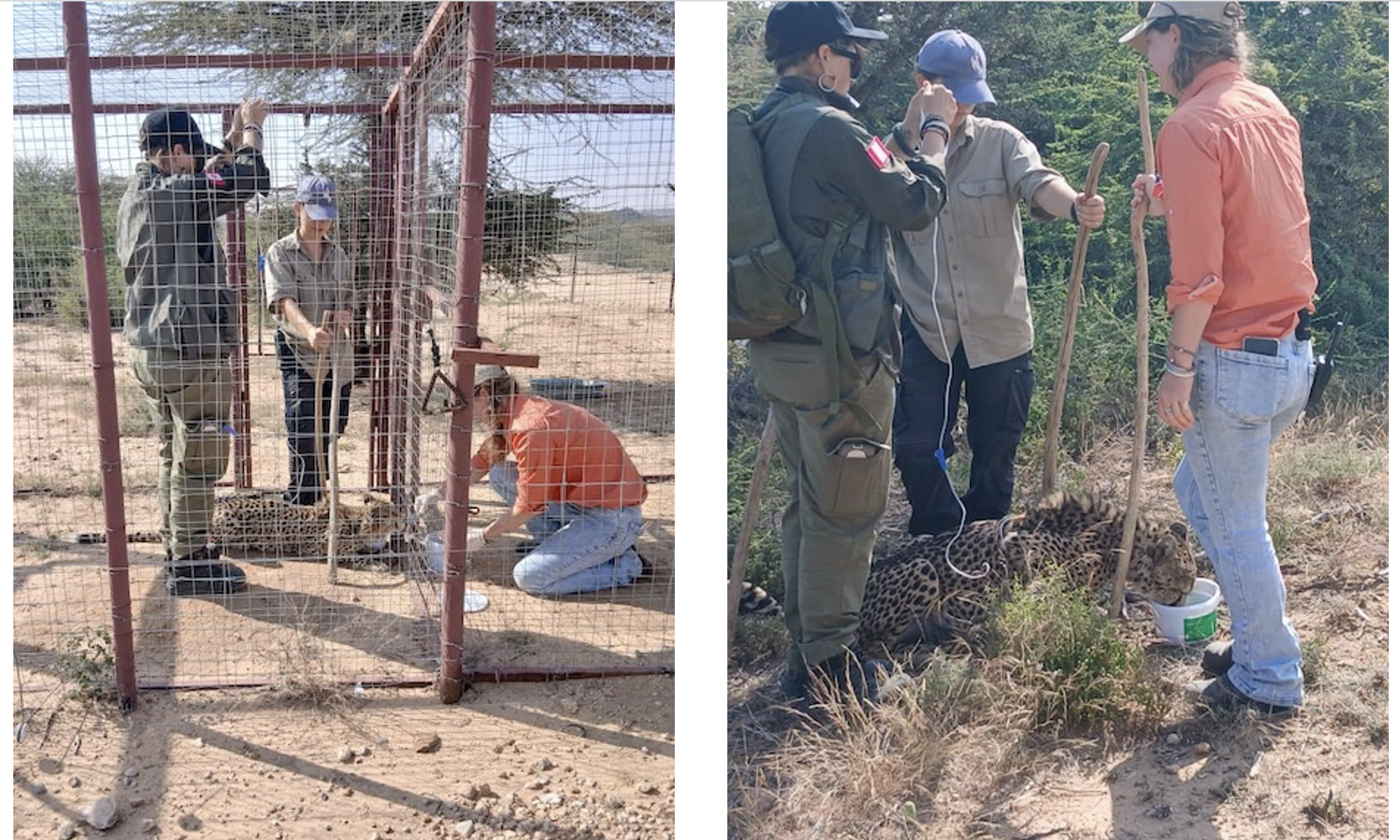
We need to make sure that we are fully aware of the round the clock issues for the cubs, and then on top of that, it could be that one of our bush cats get sick and need to go out to assess the situation – is it critical and needs immediate attention; or is it something that we can monitor and see if it’s going to get better? Is it something that just needs a little bit of supportive care?
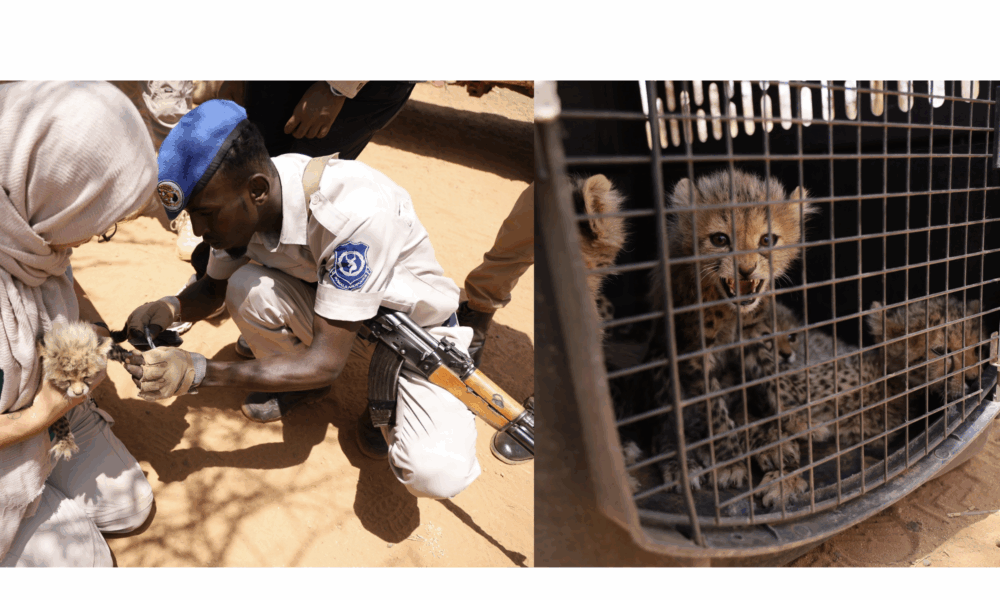
When we do receive 10 cubs from a confiscation like we did in August, we are tested but we adapt quickly. This year, we were fortunate to have a neonatal cub keeper, Courtney, from the Nashville Zoo. She arrived here and helped care for these 10-day old cubs. She was great with the cubs, and she taught us a lot.
How do you and the whole CCF team work together to manage the clinic and ensure that the cheetahs have the needed resources?
We are running a very high standard clinical facility here. We can run basic analyses, including cytology and conduct blood and fecal assessments. We have a surgical suite, an x-ray and an ultrasound machine.
We also pay attention to our facility needs. This means that beyond the needs of the vet clinic, we also need to ensure proper fencing, wire and building materials for safeguarding the animals.
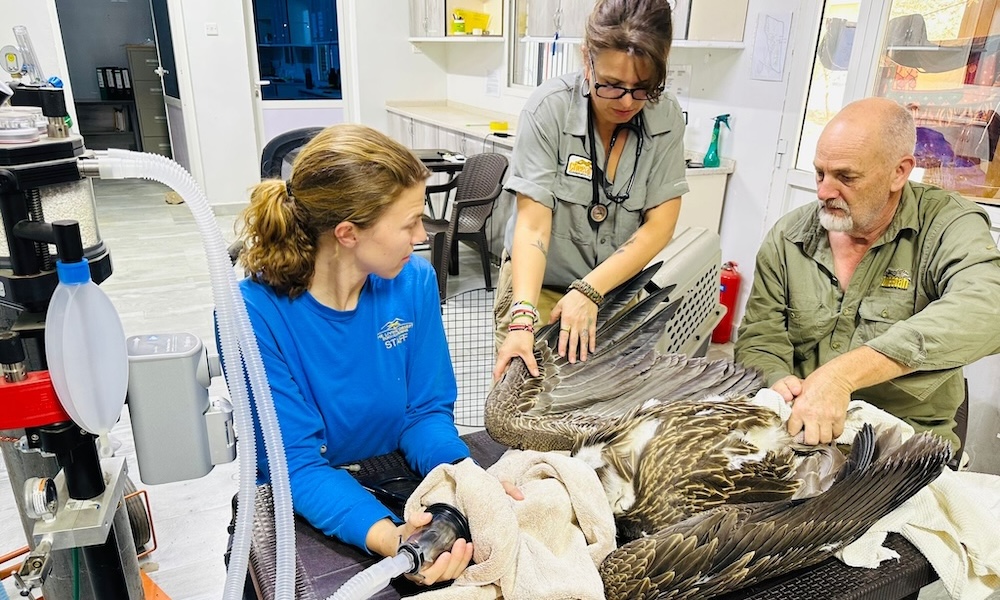
We have admitted a small number of birds. We are not bird experts, but we are learning. We are a cheetah clinic, but we’re also the only veterinary facility in the country. So, if a bird is brought to us, we’re going to do the best we can.
We recently took in four adult cats: three cheetahs that had been rescued many years ago and they needed homing. We’ve been able to give them a more naturalized environment. We had two weeks to get things ready, and we built an enclosure very, very quickly. We also admitted a caracal: right now, our caracal is doing very well but will need a bigger enclosure.
We are disciplined about our regular meetings and decision making. Almost every day we have a clinic meeting, but it’s essentially a management staff meeting. So, it’s me, the keepers and the veterinary technical staff. If we have a clinic manager on staff and our project manager, those individuals will also join.
Every day we start with: How is everyone doing today? What do we have planned for today? What do we have planned for tomorrow? Do we have any medical concerns? And is there anything else that really needs to get done that we haven’t done?
How do you organize the work of the cheetah team so that you can strike a balance between urgent care for the young and vulnerable cheetahs and, ongoing care for the older cats?
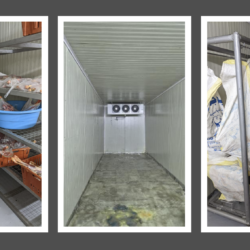
Our clinic is purpose-built with a surgical suite, a records room storage, and a cub kitchen, where we prepare the meat diets and store meat. One wing of this clinic encompasses eight cub rooms. Those are used for any of the animals that are essentially under a year. Those cub rooms extend out to what we call shifts, which are smaller fenced in areas, so that allows the cats relatively safe access to the outdoors, as well as larger fenced in yards.
Now that we’ve got three different groups of cheetahs, we need to manage who gets to go out and who gets to come in. If they are under four kilos, we need someone out there watching them because we don’t want anyone being preyed upon by a bird or getting in trouble with a snake. Once the young cubs reach one year of age, we transition them out to the bush cat enclosures.
We have 27 enclosures that range in size (1.5 – 10 acres), divided into 3 sections: Top, Middle and Bottom Cats. We have a separate section for our caracal, as well as the new cats that have just come in July.
On Monday mornings, we receive 100-150 goat carcasses, as well as, when available, 1 camel leg. Along with a couple members of the team, I am responsible for going through all the organs to ensure that they’re not so diseased; otherwise, we need to reject the carcass.
How are you managing the big enclosures for the cats?
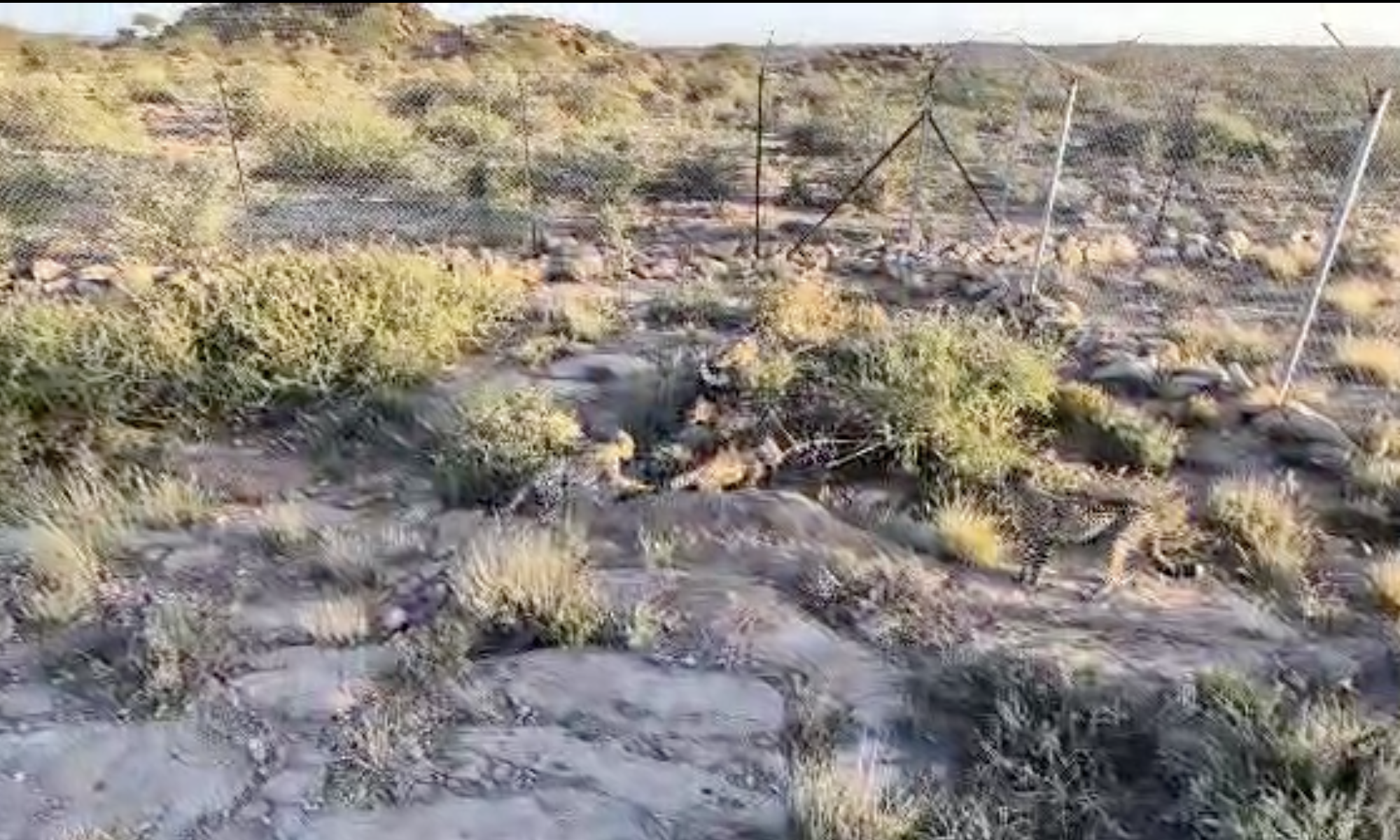
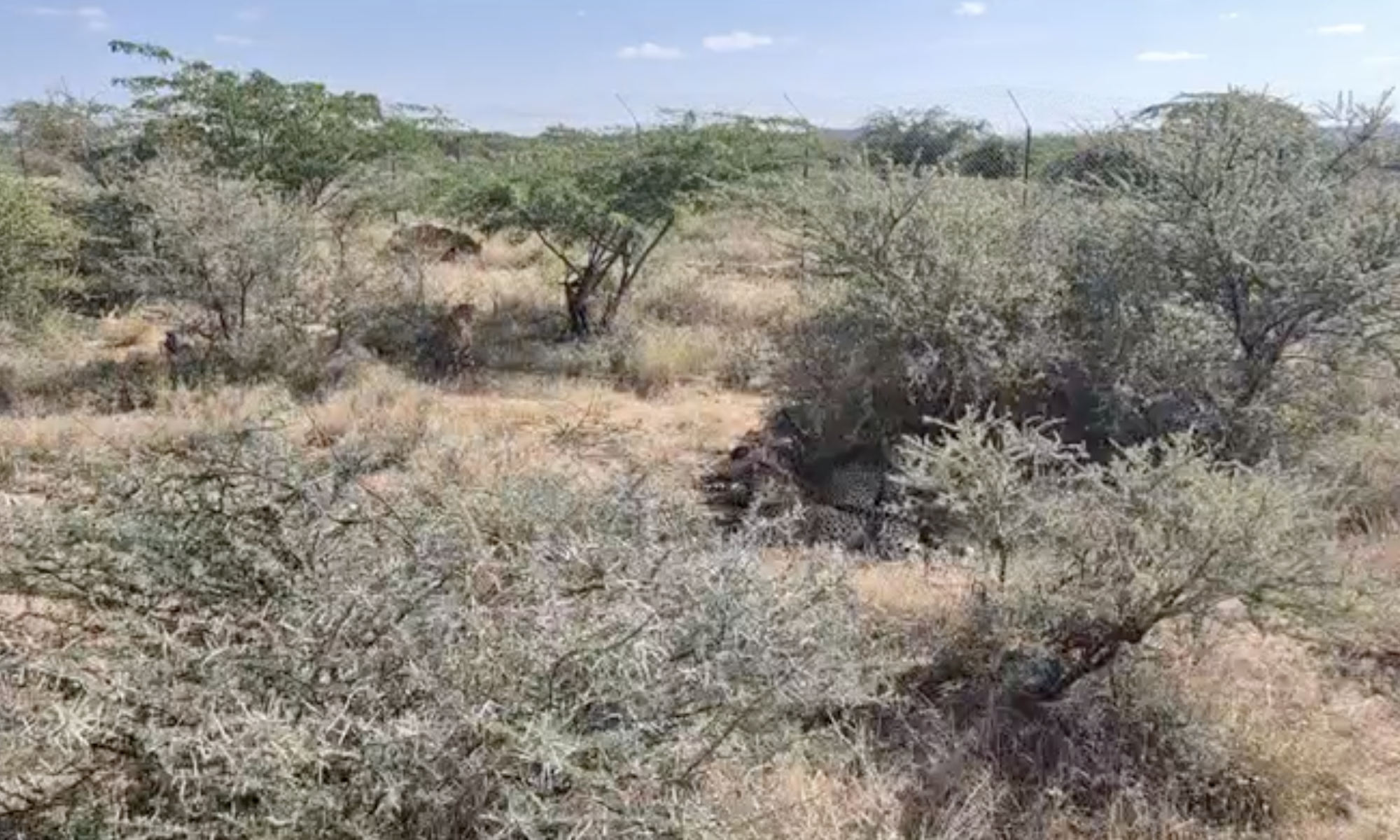
Every day, we make sure the keepers go out and check the cats. A couple of weeks ago, we couldn’t find one of our cats. We have many large enclosures that have a lot of greenery, especially now because it’s in the rainy season. And in that specific enclosure, we have 11 cats. We searched and fortunately found her sleeping under a tree. She definitely gave us a fright. What we also realized was that we needed to bush clear these enclosures. But when you’re talking about 27 enclosures that are multiple acres large, this is not, you know, a picking weeds by hand situation. We also have a lot of invasive woody plant called Prosopis Juli flora, which is a very spiky plant that just takes over everything here. From a land conservation and environmental perspective, it’s quite detrimental as an invasive species. We had to get a digger in here and an excavator to clear out these enclosures over the course of two weeks. We managed to clear out the inside and around the outside of the enclosures. Now, these cats can just run, because they have all this space now. We can now see them from very far.
How did the cheetahs that you worked with during your time at Hargeisa respond when you returned to CCF at Geed-Deble?
So much of their housing and routines have changed. The cheetahs are older now. The ones that I worked the most closely with tended to be the sickest cats. There were a couple of cubs that needed everyday care. Now that I have returned, I am very glad to see that they are doing well.
One of the cheetahs, Yaku (in the Azaar group) is a very gentle cheetah. He receives medications every day, so he’s very accustomed to the attention. One of the other cheetahs, Azaar, can be a bit standoffish. At first, he pretended that he didn’t remember me. I went into the enclosure with one of the local vets. He was able to get Azaar to come towards us – in a short time, Azar gave me a headbutt and a quick purr before he turned away.
How are the 10 cubs that came in recently doing?
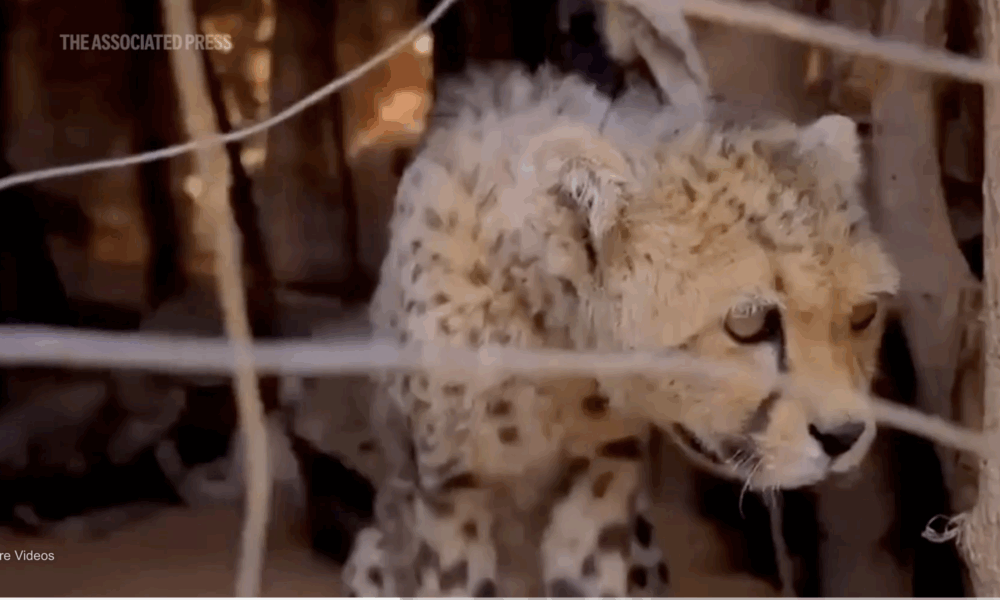
They are doing well. As background, cubs are born in groups of one to four. And this was a group of ten, so they would have come from different litters. They range in age from approximately six weeks to seven or eight months.
A group of 10 cheetahs with this age range presents a few variables to manage to consider in terms of the conditions they were in before coming to us: everything from their nutritional needs, to their ability to fight forlimited resources in trafficked captivity, to their digestive abilities. Are they getting the right food? Are they getting enough clean water? Are the older ones bullying the younger ones? Are the older ones getting more resources than the younger ones?
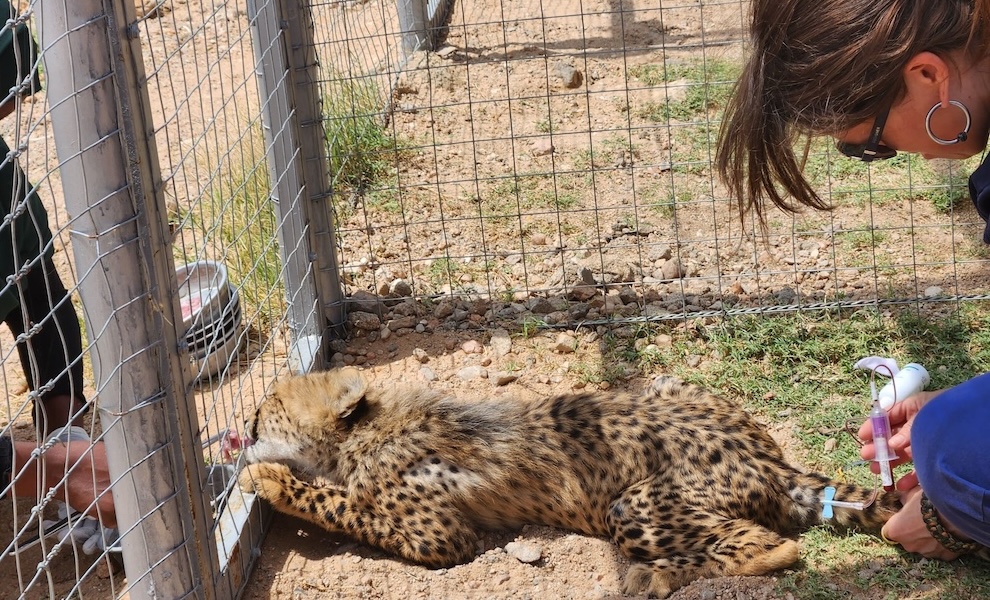
These cheetahs are young animals and they are still growing. Calcium, phosphorus and vitamin D, are all vital for their bones. In those instances, where cubs have been held in captivity and have been poorly nourished, we do see problems in the growth of their bones and their immune systems. We had one cub that was covered in abscesses from cuterebra, which are botflies, so those are little bugs that burrow into the skin. This cub required sedation in order to clean out all those wounds, and was provided antibiotics.
What’s your message to Canadians about the work that is being done at CRCC for the cheetahs? How can Canadians make a difference?
One of the dire consequences of the illegal wildlife trade is that cheetah cubs are stolen from their mothers, and go through immense trauma, both physically and mentally, and many don’t survive. In most cases, the mother gets killed. This trade puts the cheetah population at risk of disappearing.
The trafficking of cheetah cubs as pets, is primarily to meet the demand for exotic pets from the Arabian Peninsula, and occasionally beyond. CCF is working with local authorities, international organisations and Arab Gulf countries to put a stop to this practice. A significant number of people have been jailed.
CCF is working with local communities, which tend to be the poorest, to educate people about the importance of protecting their natural environment and wildlife to help ensure their own well-being.
Canadians can help speak out about this destructiveness of the illegal trade of cheetahs, and other wildlife. This can include sharing with friends and family the facts of the illegal wildlife/pet trade. It can also mean being vigilant about not supporting in any way social media/promotion about procuring or the sale of exotic wildlife.
We appreciate the voices of Canadians who are speaking out about the devastation that wildlife trafficking wreaks on communities and animal populations.
"Cheetah Tracks" Newsletter Sign-Up
Stay updated on the activities of Cheetah Conservation Fund in Canada, Namibia and Somaliland. We send semi-annual newsletters and info about special events and initiatives. We will not share your email address with any other organization.
Related Reading
-
August 14, 2026
The Cheetah: A Catalyst for Landscape Recovery -
July 3, 2026
Visitors at Tupuka’s Play Tree!