International Climate Day – October 24
-
- by Malee Oot October 24, 2025
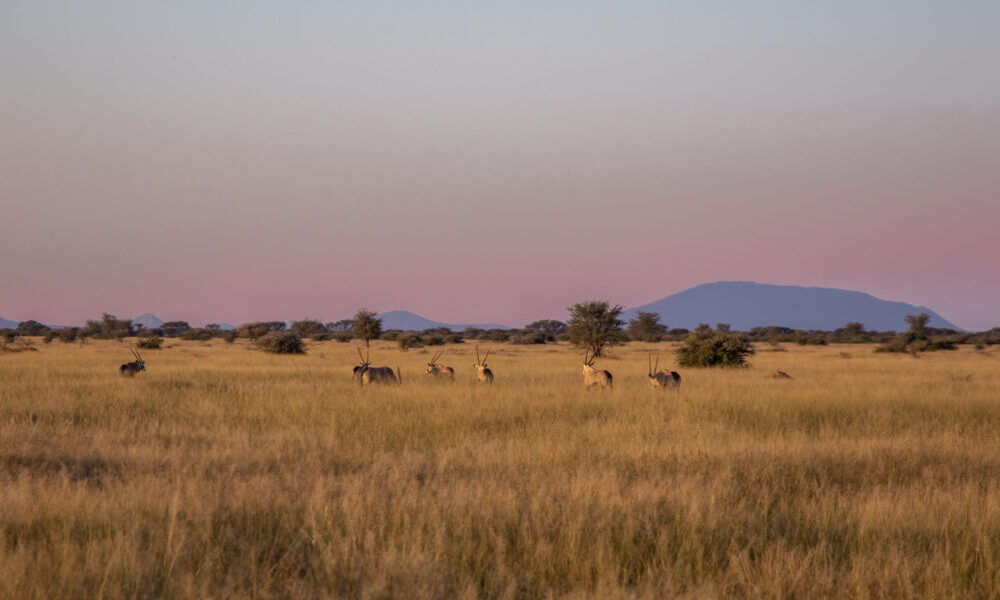
Drylands cover more than 40% of the planet – and are home to approximately three billion people worldwide. Nearly a third of the world’s drylands are found in Africa – and they are home to nearly 40% of the continent’s total population. These unique ecosystems are defined by water scarcity and low levels of precipitation – yet they’re vital for humans and wildlife.
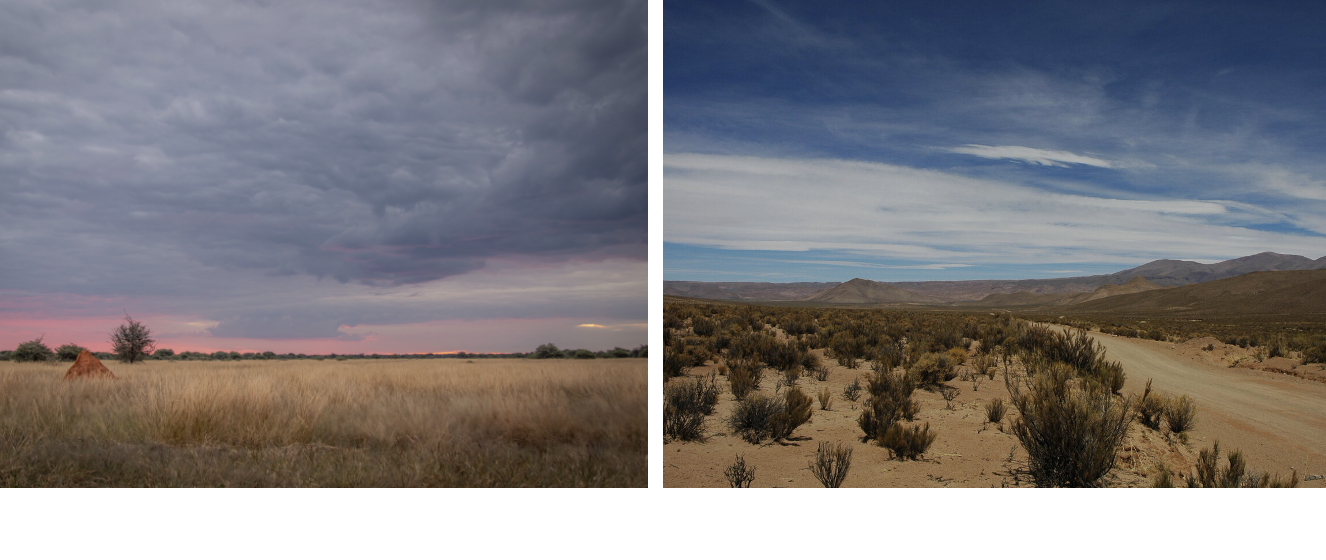
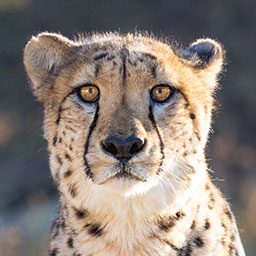
Despite the water scarcity, the planet’s drylands are home to exceptional diversity. More than a third of the world’s biodiversity hotspots are located in drylands – including the Horn of Africa biodiversity hotspot. These ecosystems are also vital to the human communities in these regions – as the natural resources in these drylands support livelihoods and food security. Cheetahs are just one of the species uniquely adapted to survive in these water-scarce ecosystems – and as apex predators, the cats play a vital ecological role.
Climate change is already impacting Africa’s drylands, causing higher temperatures, more frequent extreme weather events, and increasingly erratic rainfall in regions already experiencing water scarcity. These impacts are in turn intensifying other challenges – including exacerbating land degradation and desertification, driving biodiversity loss, and threatening human health and livelihoods. In these dryland ecosystems, climate change is also intensifying the primary threats facing the planet’s remaining wild cheetahs – habitat loss, human-wildlife conflict, and the illegal wildlife trade.
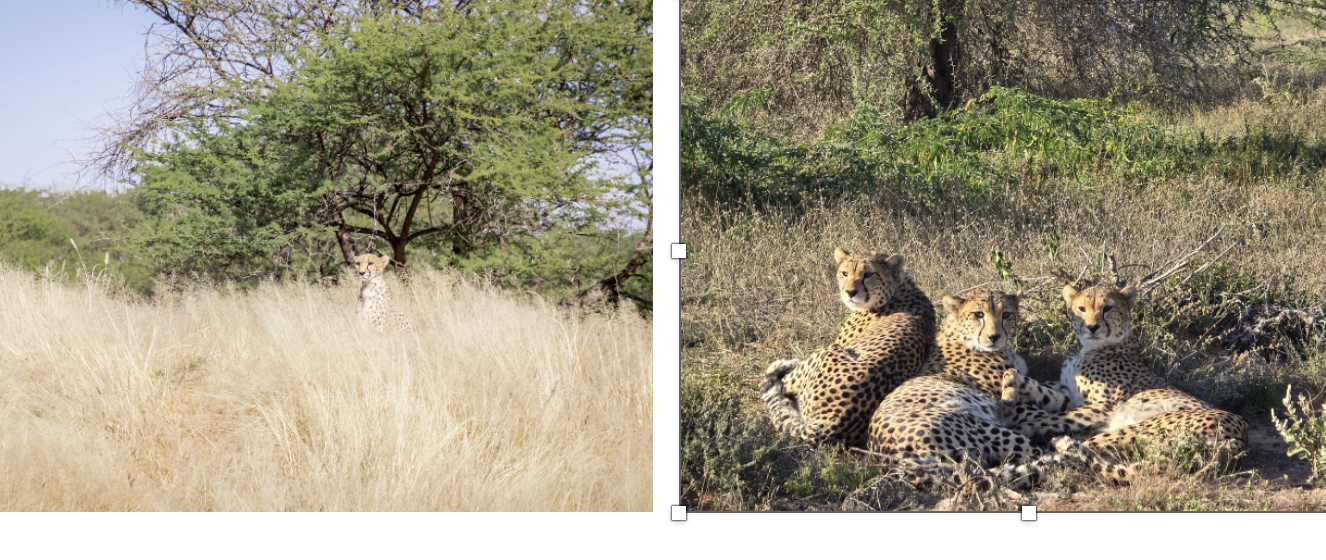
Community-Driven Conservation
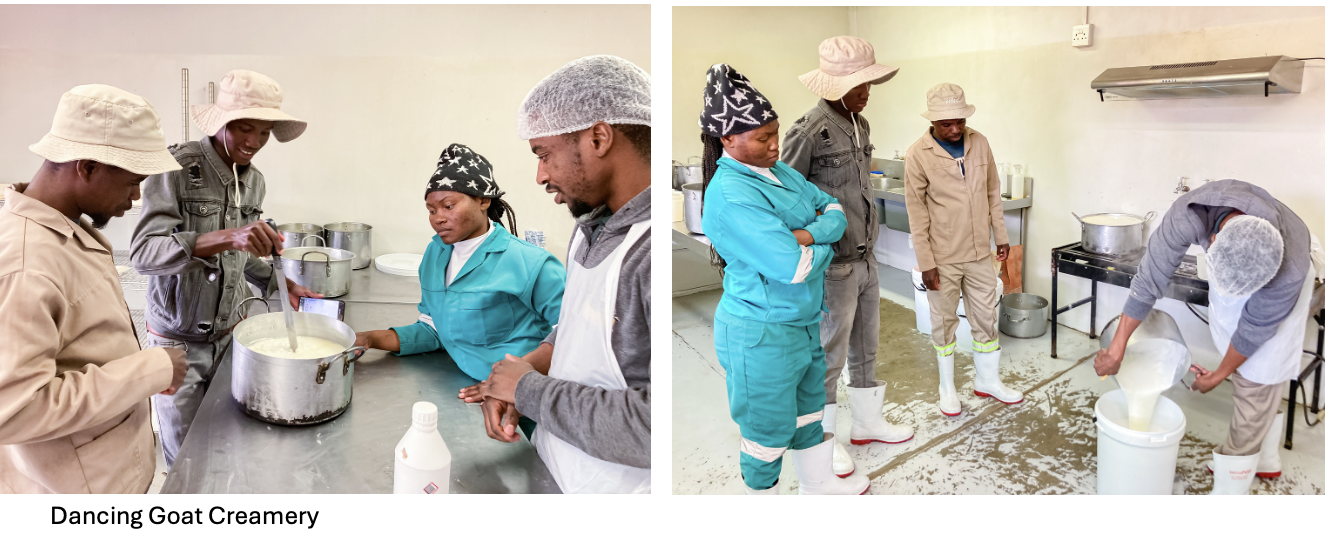
In Namibia and Somaliland, Cheetah Conservation Fund’s (CCF) frontline conservation efforts are boosting biodiversity, fostering climate resilience, and protecting the ecosystems relied on by both humans and wildlife. This multipronged approach involves advancing community-based natural resource management (CBNRM) initiatives designed to support the needs of rural communities while also protecting wildlife. In Namibia, CCF has been involved with the country’s conservancy movement since the beginning – when the first conservancies were formed in 1998. Today, there are more than 85 communal conservancies in Namibia – and the majority generate income for their members, linking wildlife conservation to economic benefits. In Somaliland, CCF is partnering with the government and local communities leaders to develop the first communal conservancies, with a focus on protecting the Northeast African cheetah, the endangered subspecies found in the Horn of Africa. At the same time, training and educational initiatives – including the Future Farmers of Africa program – are helping build resilience to climate change in Namibia and Somaliland, providing training in animal husbandry, sustainable rangeland management and predator-friendly practices. In Namibia, the Model Farm and Dancing Goat Creamery demonstrate sustainable farming practices and provide training in the production of dairy goat products including techniques for making artisanal products like cheeses, soaps, and candles. These techniques offer farmers opportunities for livelihoods diversification and supplemental income.
While in Somaliland, the new Education Centre opened earlier this year. Part of the Cheetah Rescue and Conservation Centre (CRCC), the facility will serve as a hub for training and conservation-focused community outreach.

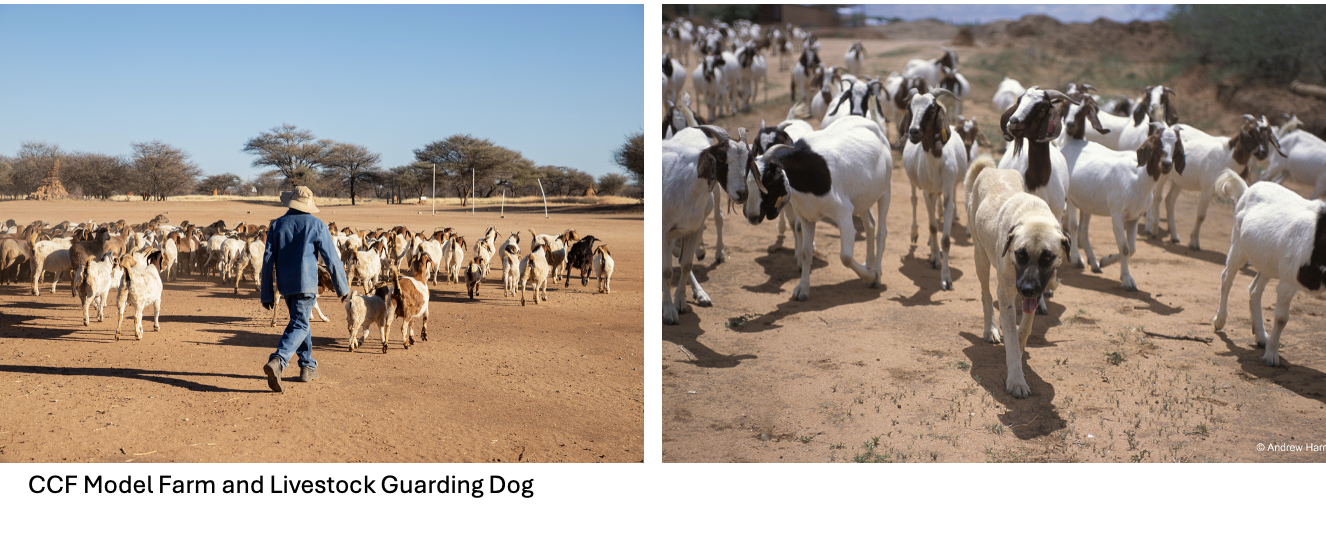
Coexistence in a Changing Climate
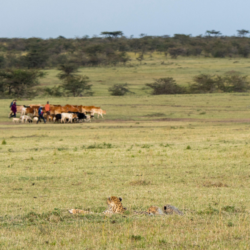
The majority of Africa’s remaining cheetahs live outside protected areas, instead these cats share the landscape with human communities – and domestic animals. In these shared landscapes, climate change is already causing both people and wild animals to use resources and habitat differently – and this can drive an increase in conflicts between humans and wildlife. In Namibia, CCF’s Livestock Guarding Dog (LGD) program has been fostering coexistence between humans and wildlife since 1994. These trained canine guardians deter large predators, like cheetahs, helping to prevent livestock losses – and potential conflicts but humans and
wildlife. Research conducted in Namibia has demonstrated these dogs are highly effective – offering farmers a reliable but non-lethal solution to protect their livelihood. Since the program launched, more than 780 dogs have been placed on farms across Namibia and other parts of Africa.
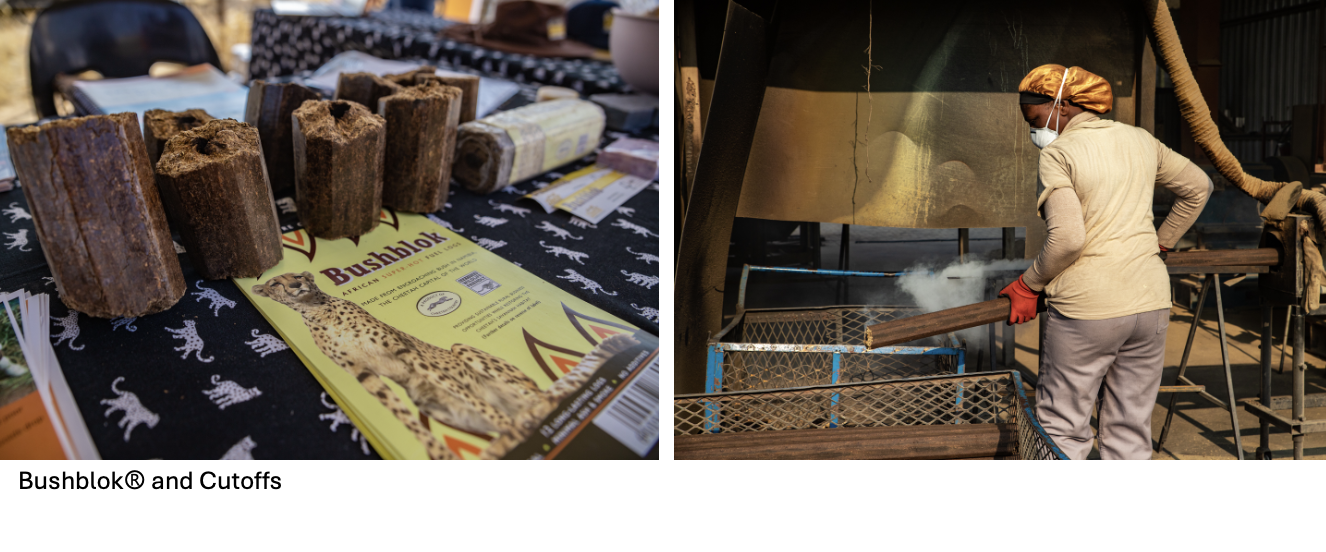
In Namibia, the loss of cheetah habitat is also being exacerbated by climate change. The spread of woody vegetation – a phenomenon known as bush encroachment. This unchecked overgrowth is swallowing grassland habitat, reducing available grazing land and altering the ecosystems cheetahs and other species rely on. For more than two decades, CCF has turned this ecological challenge into a nature-based solution. By selectively thinning overgrown areas, CCFis restoring habitat for cheetahs and other wildlife – and in the process, boosting biodiversity and improving rangeland productivity for communities. The harvested bush is then turned into Bushblok, an affordable, clean–burning. Since 2001, this project has generated employment opportunities for rural communities and reduced reliance on firewood. This year, Bushblok Offcuts were introduced – a budget-friendly product line created from irregular cuts, making sustainable energy accessible to more rural households.
A Sustainable Future for Humans and Wildlife
Africa’s drylands face significant threats from global climate change. In both Namibia and Somaliland, CCF is addressing these challenges by addressing the needs of human communities and wildlife. Today, community-driven cheetah conservation initiatives in Namibia and Somaliland are building climate resilience by boosting biodiversity, supporting rural livelihoods, fostering sustainable land management, and promoting coexistence between humans and wildlife.
References:
https://www.researchgate.net/publication/394673281_Free-roaming_cheetah_conservation_under_predicted_climate_and_land-use_change_in_southern_Africa
https://www.preventionweb.net/publication/climate-change-profile-greater-horn-africa
https://www.unccd.int/resources/reports/global-threat-drying-lands-regional-and-global-aridity-trends-and-future
https://www.unccd.int/resources/reports/global-threat-drying-lands-regional-and-global-aridity-trends-and-future
Bushblok’s Bold New Look Signals a Bigger Impact for Conservation and Communities
https://iucn25.ipostersessions.com/Default.aspx?s=63-96-8E-1F-2A-32-A0-6A-49-63-4A-A3-56-AC-43-06
"Cheetah Tracks" Newsletter Sign-Up
Stay updated on the activities of Cheetah Conservation Fund in Canada, Namibia and Somaliland. We send semi-annual newsletters and info about special events and initiatives. We will not share your email address with any other organization.
Related Reading
-
August 14, 2026
The Cheetah: A Catalyst for Landscape Recovery -
July 3, 2026
Visitors at Tupuka’s Play Tree!