Dairy Goats Provide Sustainable Solutions to Livelihood and Arid Climate
-
- by Cheetah Conservation Fund Canada December 17, 2024
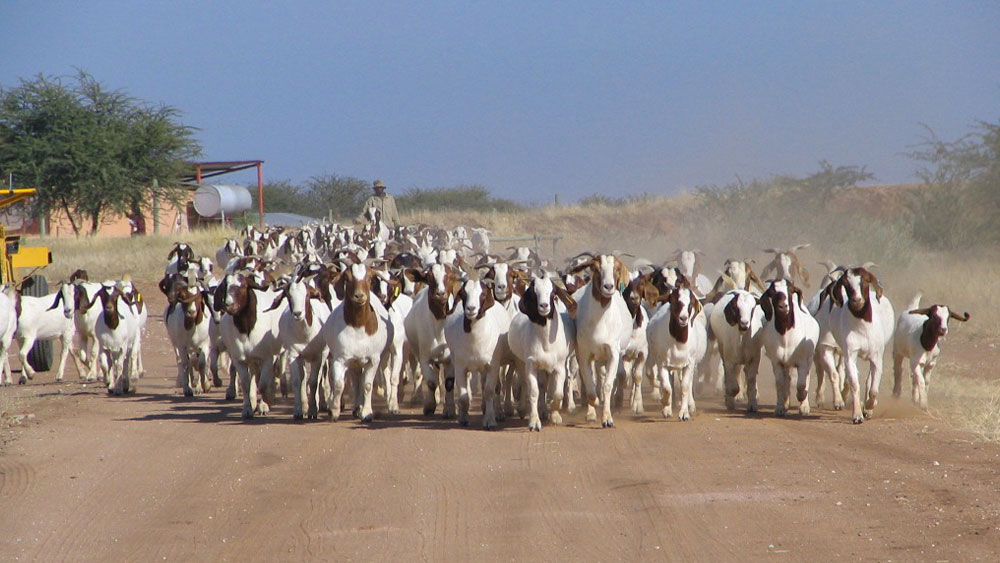
In 2005, Cheetah Conservation Fund (CCF) introduced the dairy goat program in Namibia. This initiative has had a meaningful impact in Namibia by helping people and farmers in rural communities improve their livelihoods while promoting coexistence with cheetahs. By integrating agricultural practices with conservation strategies, CCF enhances economic resilience and fosters a more harmonious relationship between local communities and wildlife. First, CCF had to create a Model Farm at their Centre to demonstrate to farmers that they can coexist with wildlife.
In 2005, raising dairy goats was not a widespread agricultural practice in Namibia. CCF recognized the potential of goats to support rural communities by providing an alternative source of income and nutrition.
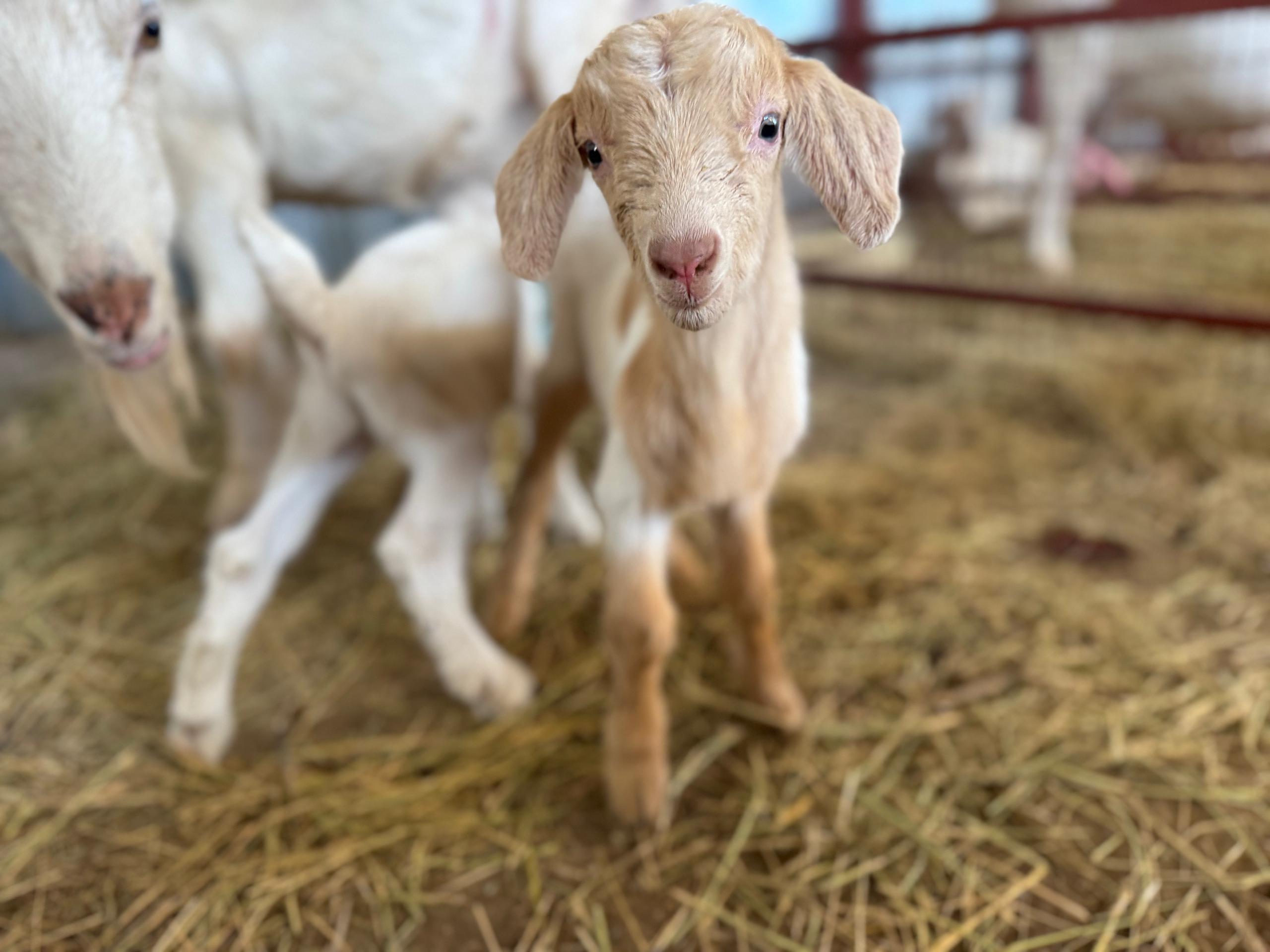
Why the goats?
The dairy goat provides farmers with a more manageable form of livestock. Goats are generally easier to care for than larger livestock such as cattle, and they can thrive in arid and semi-arid conditions, typical of many areas in Namibia. CCF provided training on dairy goat management, including care, milking, and breeding practices at their Model Farm. This training empowered farmers to effectively integrate goats into their agricultural systems. This initiative has had a positive impact on rural farmers’ livelihoods as goat farming provides a more stable source of income through the sale of goat and goat’s milk.
What Next?
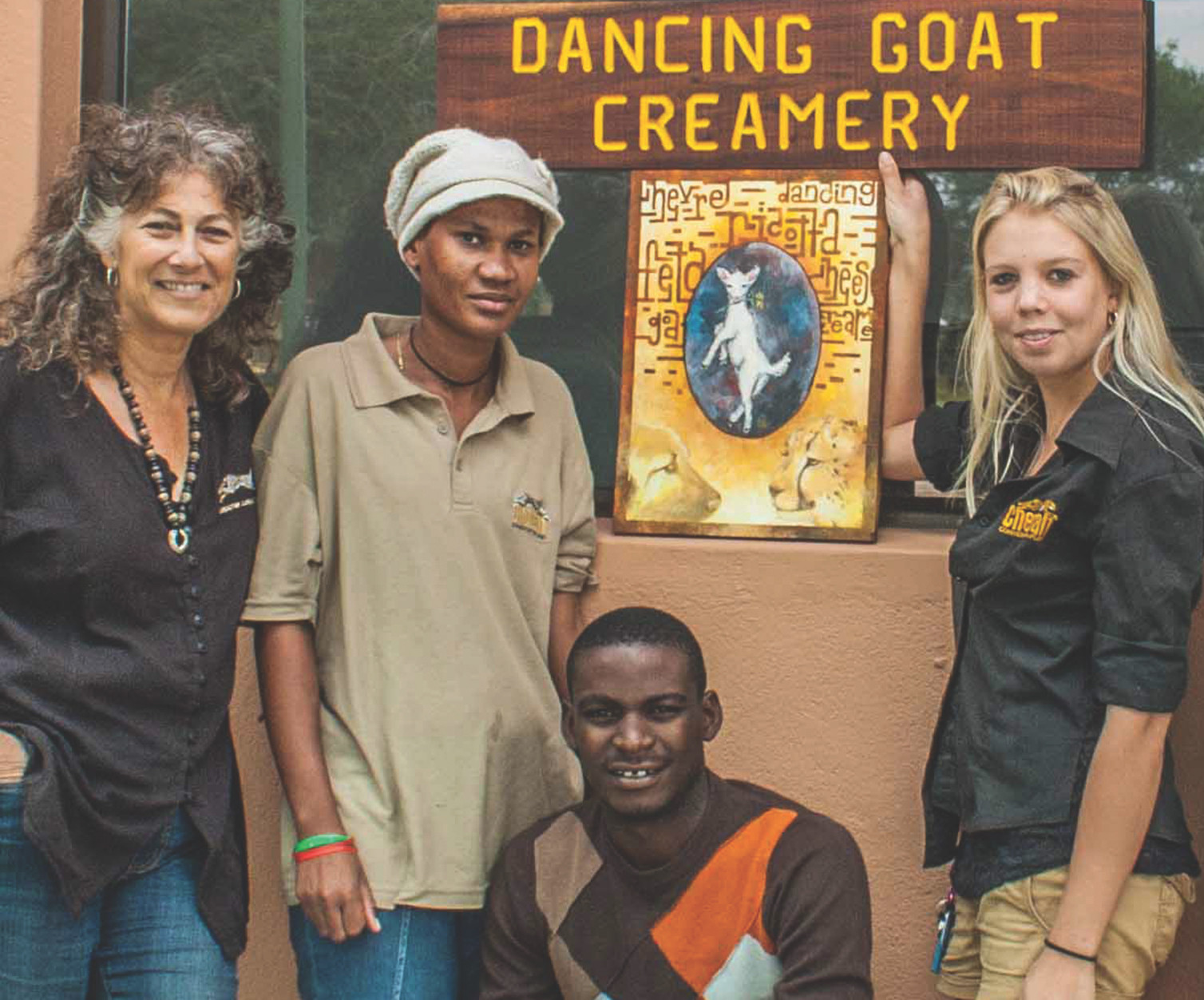
In 2015, CCF expanded the program to include the production of dairy products including cheese, fudge and ice cream, representing an additional source of nutrients for the local population but also tourism revenues for local farmers. CCF engaged local communities in the production and marketing processes, helping to foster the development of valuable skills and entrepreneurial opportunities. The cheese is marketed as a unique local product that reflects the Namibian culture and agricultural practices.
Sustainable Livelihoods
While CCF’s overall mission is to save the cheetah in the wild for future generations, it can only do so by collaborating with rural communities and farmers to improve and sustain their livelihoods. The dairy goat program is one solution. Namibia’s local economy is heavily reliant on livestock farming. CCF also provides non-lethal solutions to predation like the Livestock Guarding Dog, which has successfully reduced predation on farms with these dogs by 80-100%.

Women’s Empowerment
The dairy goat program has particularly benefitted women in rural communities, providing them with resources and education that empower them economically and socially.
CCF sought to help communities mitigate the challenges associated with livestock predation, thus fostering a more positive relationship between farmers and wildlife while providing ways to improve their livelihoods.
"Cheetah Tracks" Newsletter Sign-Up
Stay updated on the activities of Cheetah Conservation Fund in Canada, Namibia and Somaliland. We send semi-annual newsletters and info about special events and initiatives. We will not share your email address with any other organization.
Related Reading
-
August 14, 2026
The Cheetah: A Catalyst for Landscape Recovery -
March 15, 2026
Biodiversity Loss is a Real Economic Risk